
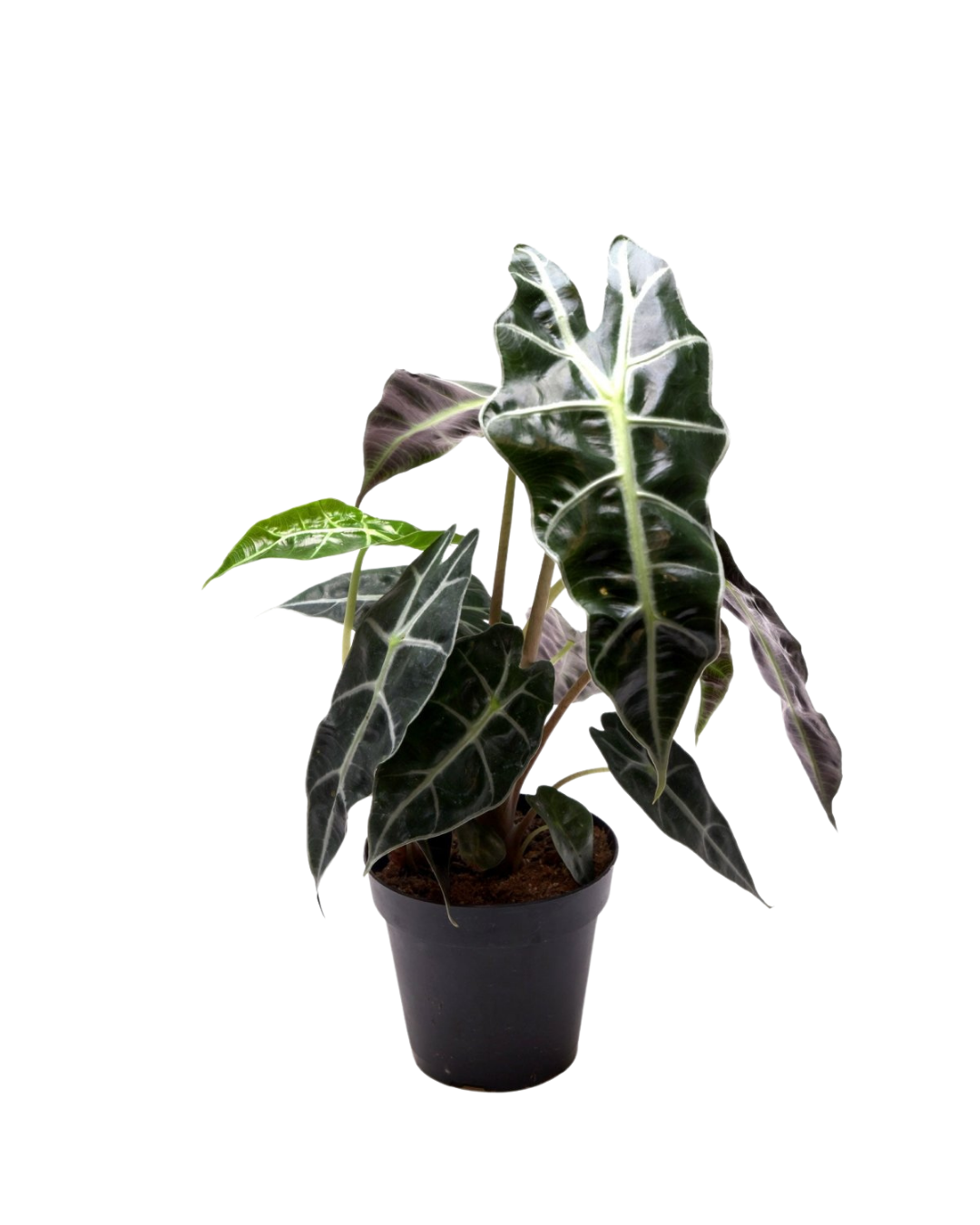
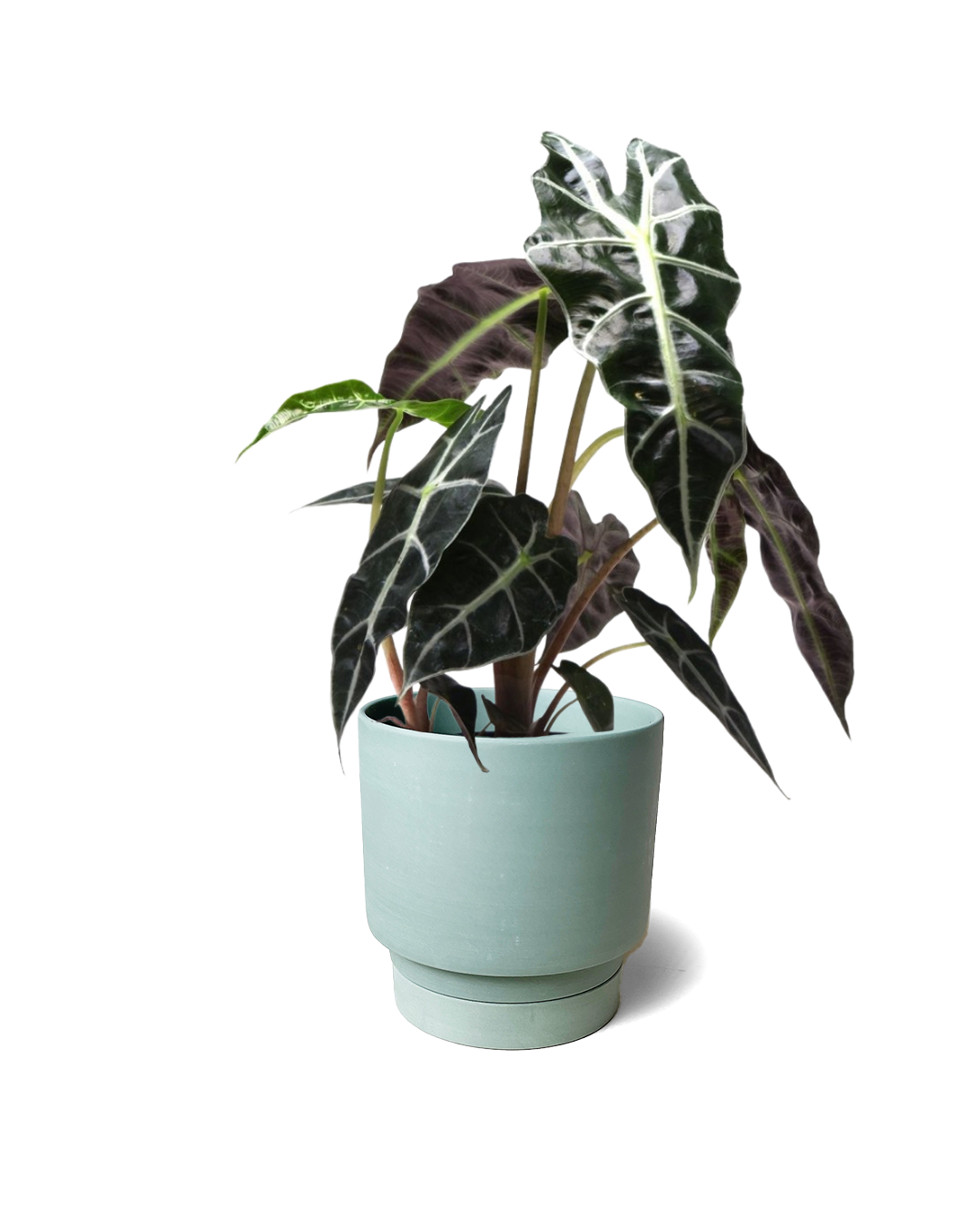
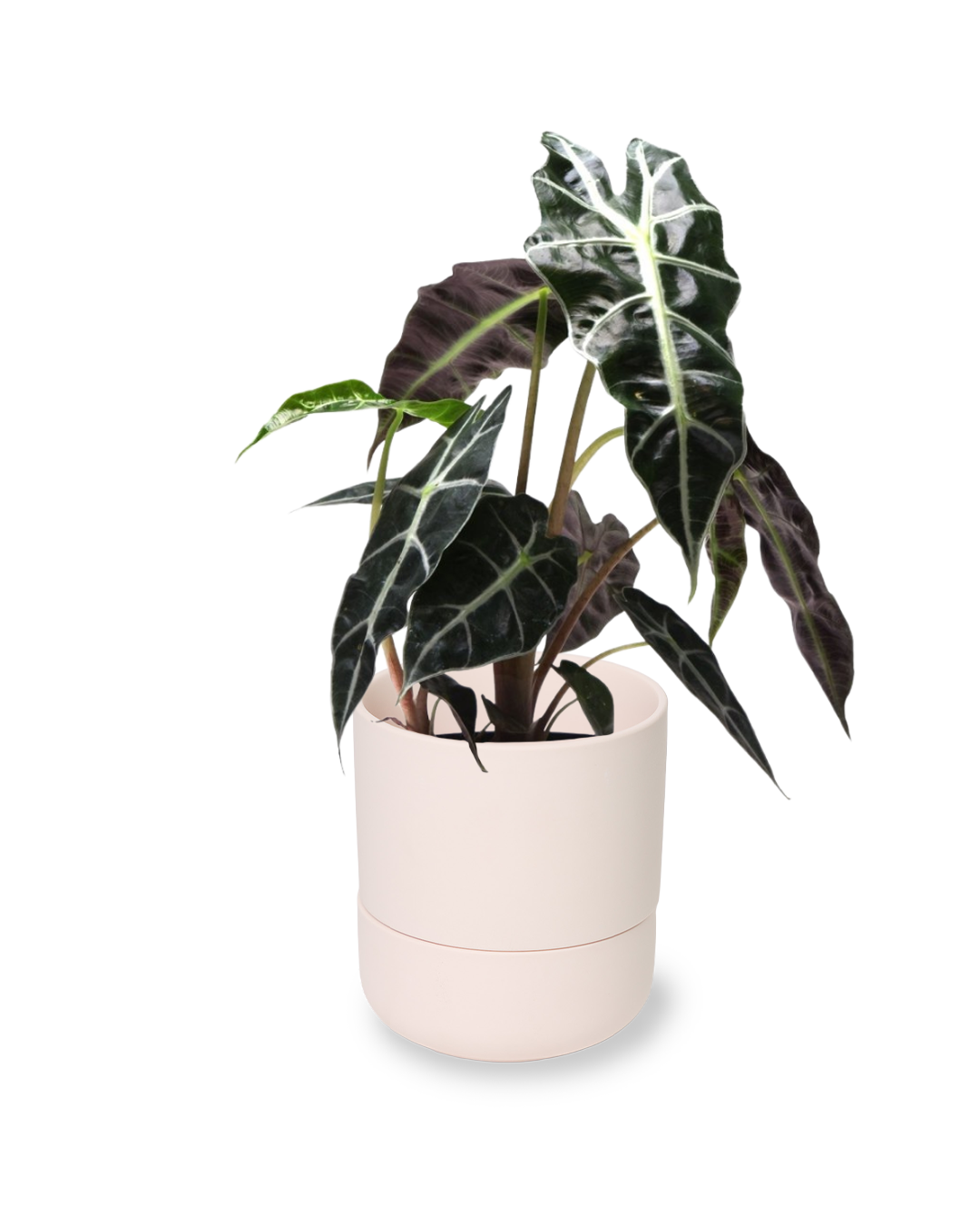
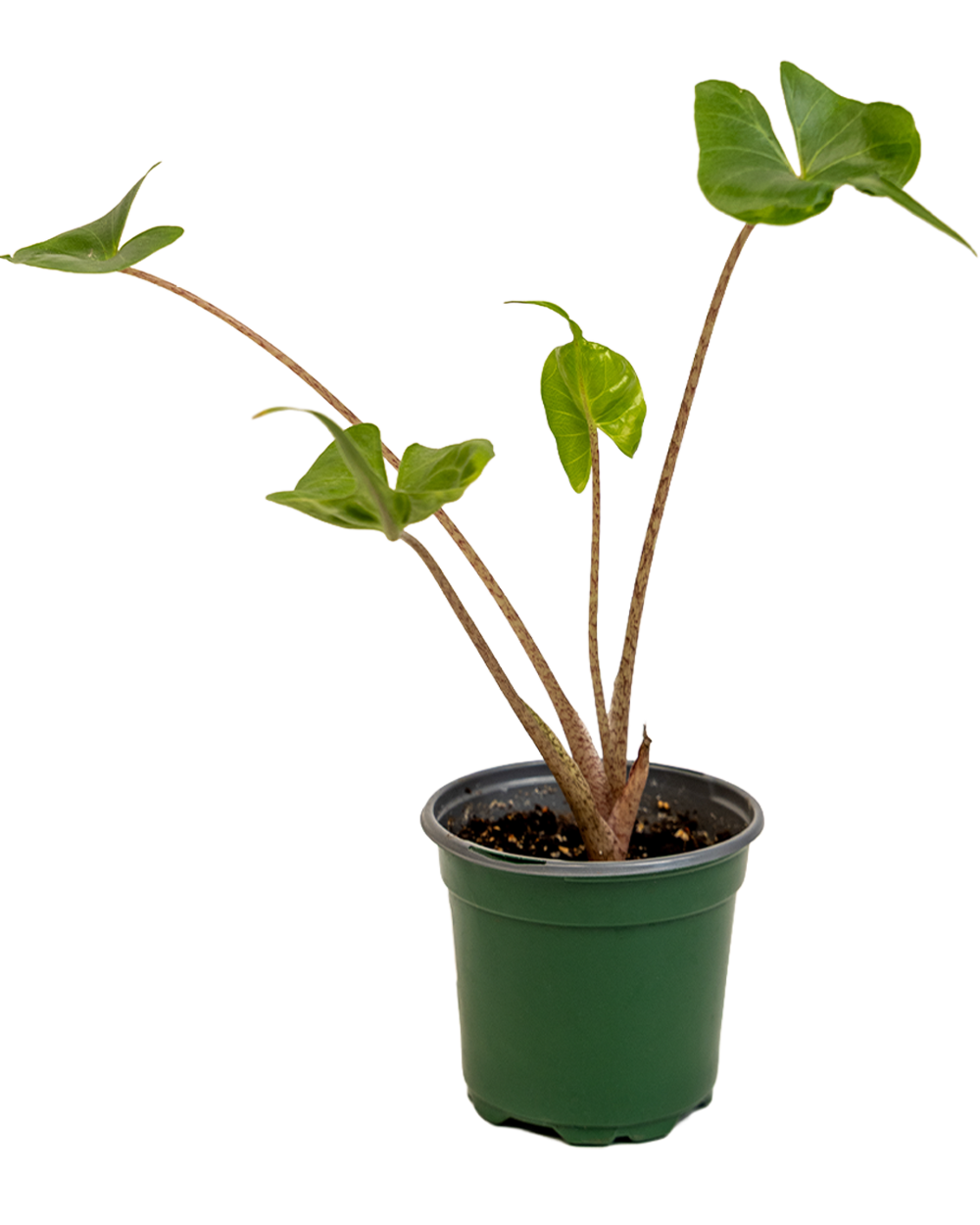
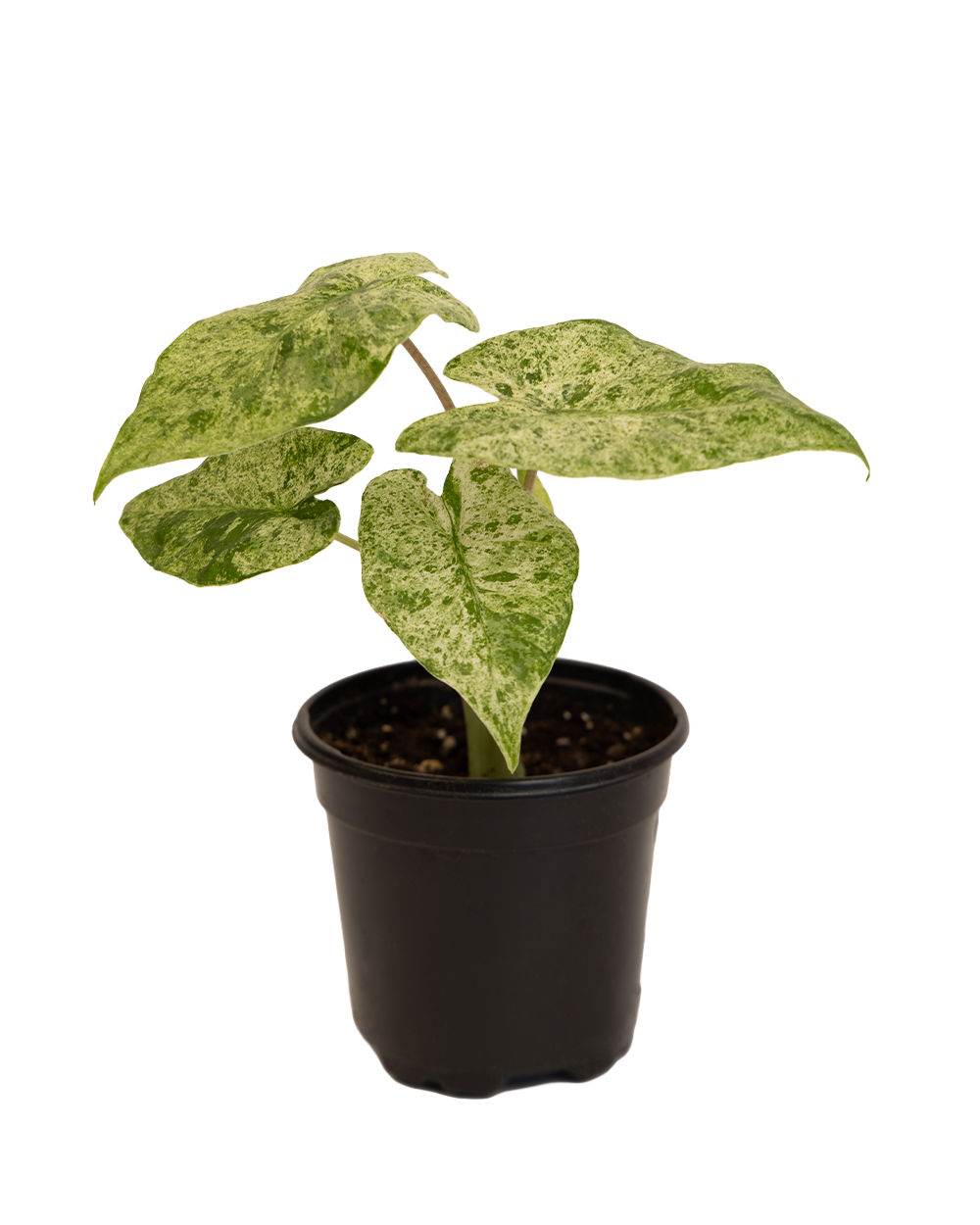
Alocasia Plants

Every one of them sounds as if it was named by someone who spent their childhood in a basement rolling dice — Silver Dragon, Black Diamond — and has not, as an adult, been asked to stop.

Delivered by hand across Toronto and the GTA · Potted before it leaves · Pick-up 702 Queen St W · Designed in Toronto since 2004

Delivered by hand across Toronto and the GTA · Potted before it leaves · Pick-up 702 Queen St W · Designed in Toronto since 2004

Alocasia is a genus of about 91 species in the arum family (Araceae), native from tropical and subtropical Asia to eastern Australia and grown indoors for its large, often patterned leaves. It needs bright, indirect light, evenly moist but well-drained soil, and warmth above about 16°C.

Filters
Sort by

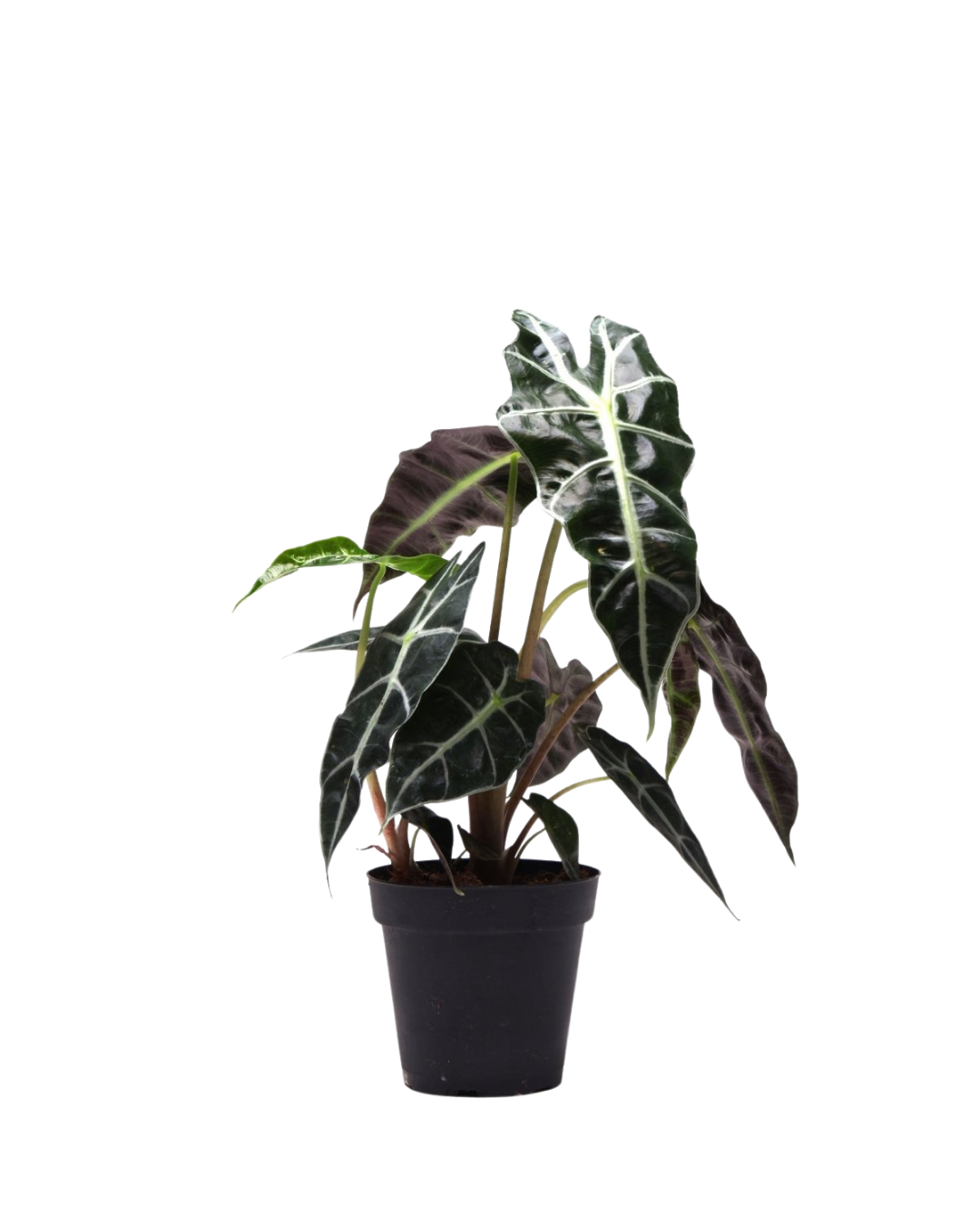
At Chive Plant Studio, our plant shop at 702 Queen St W in Toronto, alocasias are the elephant ear plants we pot and send home every week. An alocasia is the one plant in the shop people step back from before stepping toward it. One man took off his hat before the biggest one, as if he'd entered a church whose denomination he couldn't place. Give it bright indirect light, evenly damp soil and a room above 16°C, keep it clear of pets, and your other plants start to look underdressed.

Anyone who has driven through Mexico recognizes the leaves before we say a word. They've seen elephant ears coming up along the shoulder of the road as if nobody planted them, which nobody did, and now here's one indoors on Queen West, behaving as though it has never seen a highway in its life. We pot alocasias in four-, six- and ten-inch pots, from small tabletop plants to big ones for the floor, when we have them. Our alocasias are grown by our nursery partners and brought to Queen West.

Delivered by hand across Toronto and the GTA. You can also pick up at 702 Queen St W. Every alocasia is potted before it leaves the shop, in its grow pot or one of our house pots, and the potting is already in the price. Read Ryan's full alocasia care guide.


Elephant Ear Plants

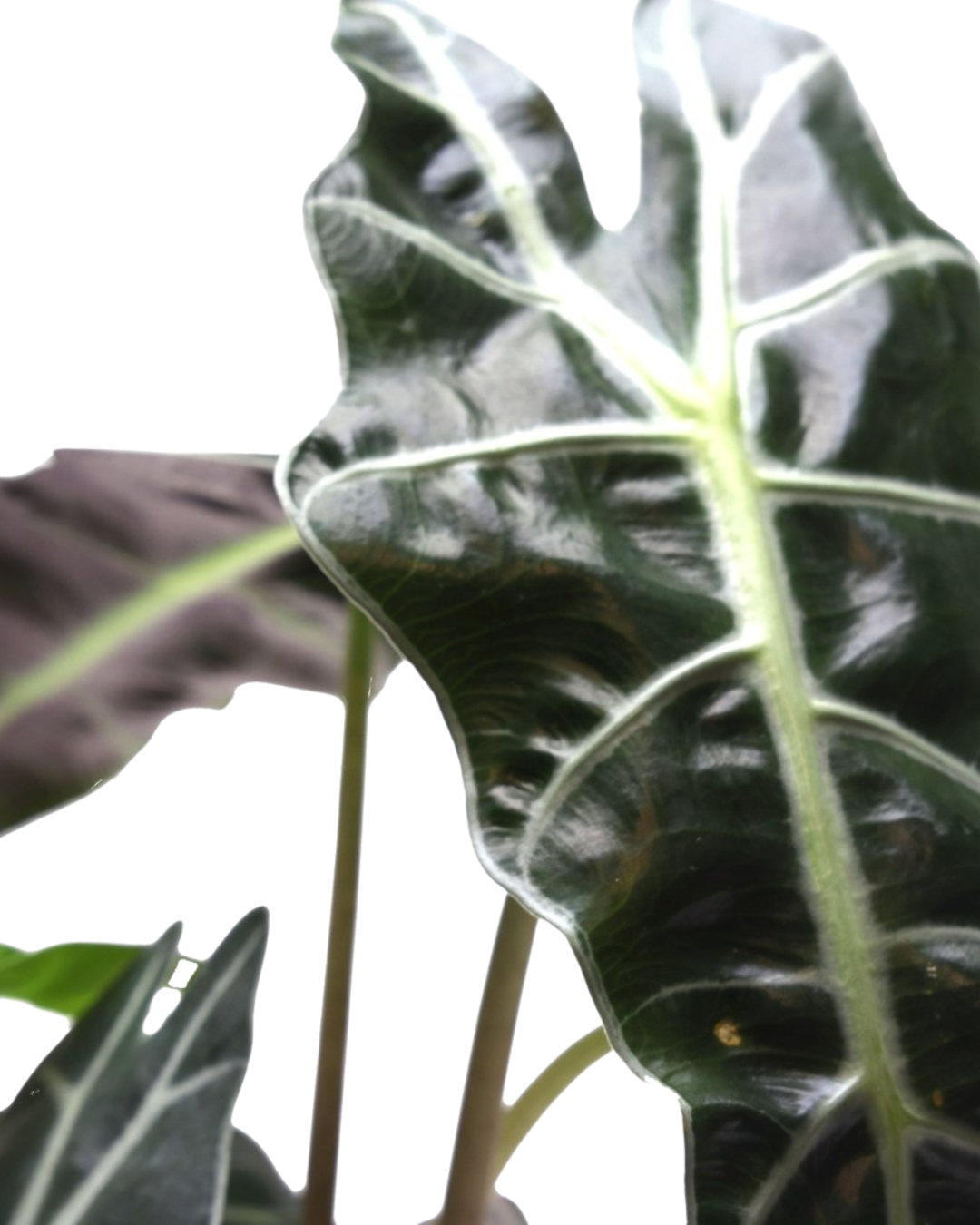
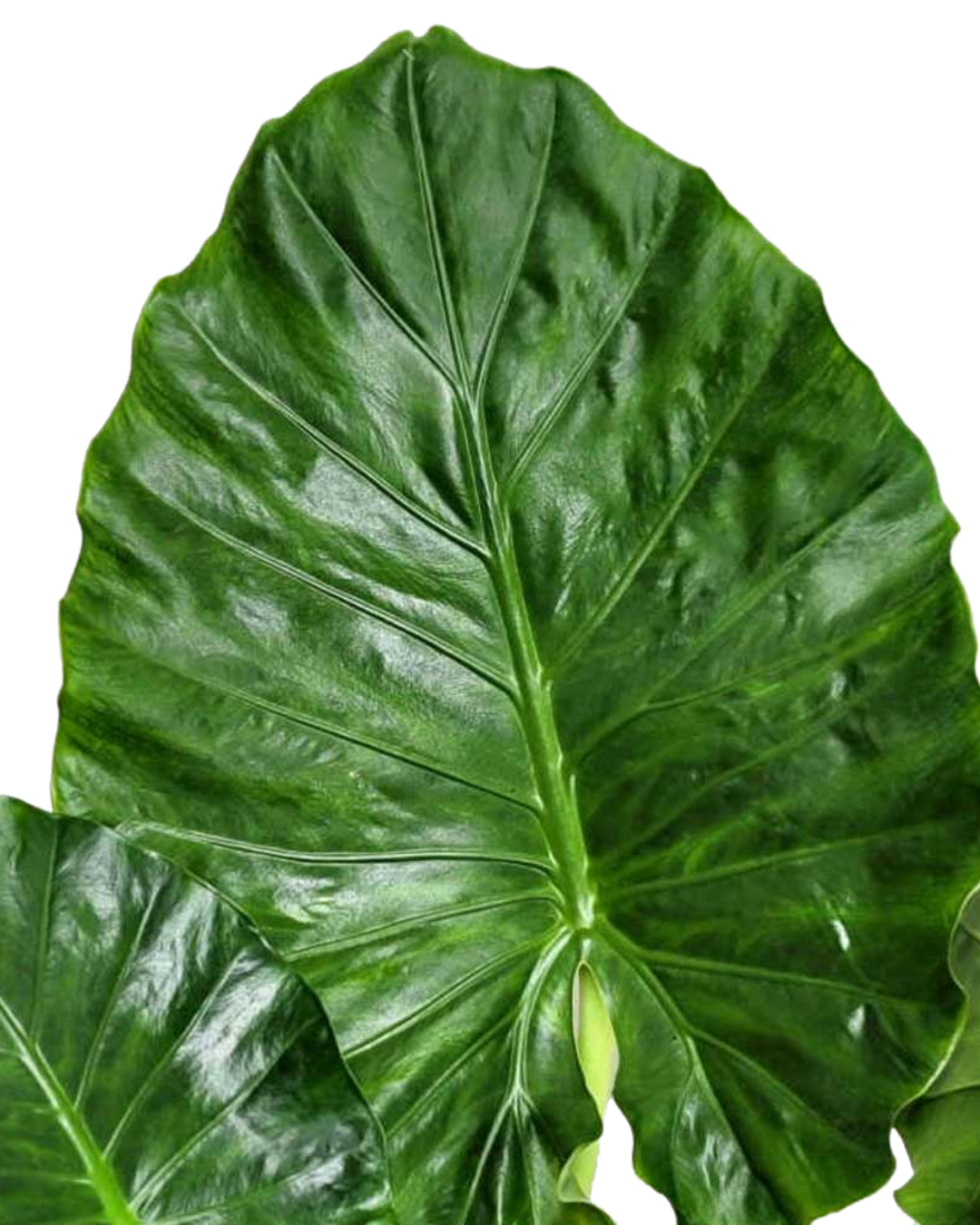
“Elephant ear” is a common name shared by three related genera in the arum family — Alocasia, Colocasia (taro) and Caladium — so not every elephant ear plant is an alocasia. The ASPCA lists Alocasia as “Elephant's Ear”, and NC State Extension uses the same name for Colocasia and Caladium. What they share is the leaf: large, arrow- or heart-shaped, held up on long stalks. Alocasias grow from an underground rhizome or corm and send up new leaves from the centre. Outdoors they are tropical plants; NC State notes the amazonica group should come inside before the first frost. In a Toronto home they are houseplants all year. Every plant in this collection is sold as an alocasia, and each variety below says what it is and how big it gets.

Alocasia Plants in Toronto

Alocasia at a glance: bright, indirect light · water when the top few centimetres of soil are dry, and much less in winter · keep above about 16°C · not pet-safe (ASPCA) · moderate to care for · four-inch to ten-inch pots.

A Toronto winter is the hard part. Forced-air heat dries an apartment out, cold glass and outside doors chill the leaves, and the light drops. NC State Extension advises keeping alocasias above 60°F (about 16°C) and reducing water over winter [link https://plants.ces.ncsu.edu/plants/alocasia-x-mortfontanensis/]; Iowa State University Extension says a humidifier, grouped plants or a pebble tray raise humidity, and misting doesn't [link https://yardandgarden.extension.iastate.edu/faq/air-our-home-extremely-dry-winter-should-i-mist-houseplants]. In a dark, cool January an alocasia may drop leaves and rest until spring. Keep it warm, water much less, and leave the pot where it is.

Alocasias are moderate to care for, and the ASPCA lists Alocasia (elephant's ear) as toxic to dogs, cats and horses: insoluble calcium oxalate crystals cause mouth pain, drooling, vomiting and trouble swallowing.


Alocasia Plants varieties we grow

Reviewed by Ryan Hearst, Plant Shop Manager · Updated October 2026

From our shop floor

  • Every winter, someone calls the shop convinced they've killed their alocasia.
  • Customers at our Queen West till ask whether alocasias are the plants dinosaurs ate.
  • Our advice at the till: these big plants get thirsty and like humidity.
  • When we pot an alocasia, staff point out its corms — the small bulbs that can grow into new plants.
  • Every alocasia is potted at the shop before it leaves, in the grow pot or one of our house pots.

Our alocasias are chosen and potted by the staff at 702 Queen St W, led by Ryan Hearst, our Plant Shop Manager.

Alocasia Plants Frequently Asked Questions

Is an alocasia the same as an elephant ear plant?

Alocasias are elephant ear plants, but the name “elephant ear” also covers two related aroid genera, Colocasia (taro) and Caladium, so not every elephant ear is an alocasia. Every plant in this collection is sold as an alocasia; one, the Hilo Beauty, has since been reclassified by botanists as Caladium praetermissum.

Do you deliver alocasia plants in Toronto?

Yes. Delivered by hand across Toronto and the GTA. You can also pick one up at the shop at 702 Queen St W, and every alocasia is potted before it leaves, in its grow pot or one of our house pots.

Where can I buy an alocasia in Toronto?

You can buy alocasias at Chive Plant Studio, 702 Queen St W, Toronto, or order on chive.ca for hand delivery across Toronto and the GTA. We don't ship alocasias elsewhere in Canada.

Is an alocasia toxic to cats?

Yes. The ASPCA lists Alocasia as toxic to cats, as well as to dogs and horses: chewing releases insoluble calcium oxalate crystals that cause mouth pain, heavy drooling, vomiting and trouble swallowing. If your cat chews one, call your vet or the ASPCA Animal Poison Control Center, (888) 426-4435. If you have a cat that eats greenery, start with our pet-friendly plants.

Is an alocasia hard to look after?

An alocasia is moderate to look after: it wants bright indirect light, soil that stays evenly moist but drains well, warmth above about 16°C and steady humidity, and patience if it rests in winter. People who buy alocasias have usually kept plants for years, and the conversation at the till tends to start the same way: “I think I'm ready for one of these now.” They usually are. Read Ryan's full alocasia care guide.

Can you pot my alocasia before it leaves?

Yes, every alocasia is potted before it leaves the shop, and the potting is included in the price shown. Choose the grow pot or one of the house pots offered with each plant and size; potting is $1 per inch of pot, already built into that one price.

What sizes of alocasia do you carry?

We carry alocasias in four-, six- and ten-inch pots. The four- and six-inch plants are compact tabletop alocasias, and the ten-inch plants are large alocasias that stand on the floor. Sizes vary by variety and season; each plant's page shows what's in the shop now.

Which alocasia should I start with?

Start with the Alocasia Polly, a compact alocasia sold in four- and six-inch pots that needs the same bright indirect light, even moisture and warmth as the big ones. NC State Extension lists its group at one to four feet.

About Chive Plant Studio