

Indoor Potting Soil, Perlite & Orchid Bark

Backyard dirt belongs in the backyard. Pots need something lighter.

Indoor potting soil · Cactus soil · Perlite · LECA clay pebbles · Orchid bark · Priced in CAD · Ships across Canada from our Toronto studio

Indoor potting soil · Cactus soil · Perlite · LECA clay pebbles · Orchid bark · Priced in CAD · Ships across Canada from our Toronto studio

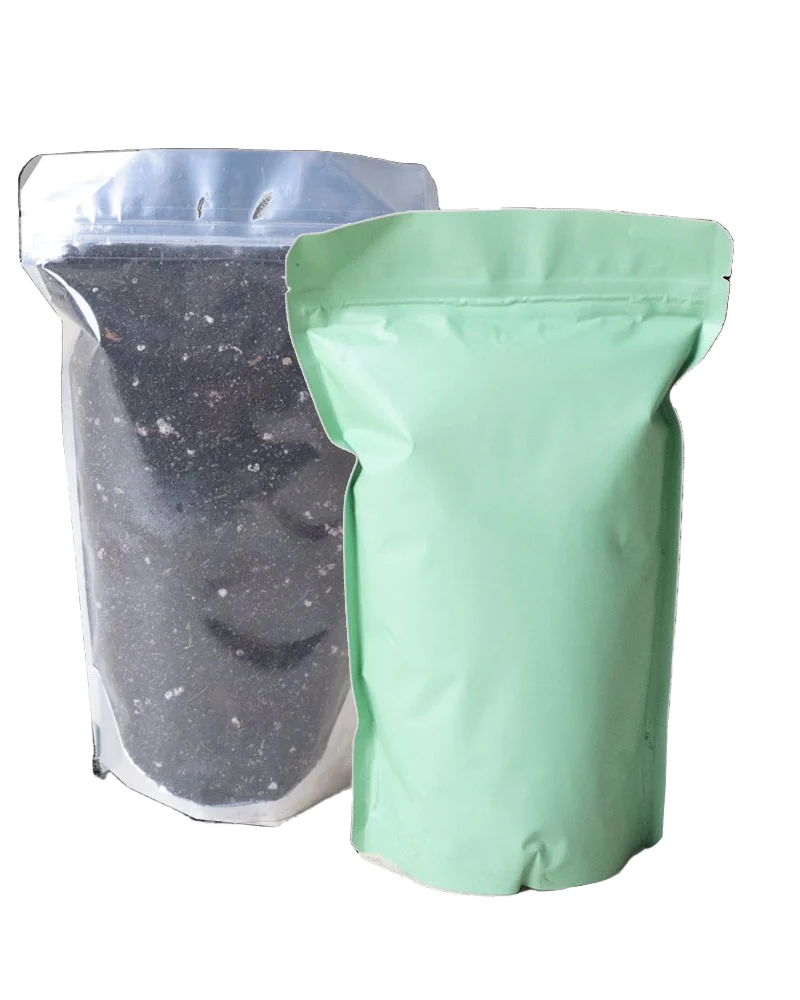
Indoor potting soil is a light, well-draining mix made for plants in pots, where garden soil compacts and stays wet. This collection pairs ready-mixed cactus soil with the amendments that adjust a mix — perlite for air, LECA clay pebbles for drainage and semi-hydro growing, and orchid bark for chunky aroid and orchid blends. Priced in CAD.


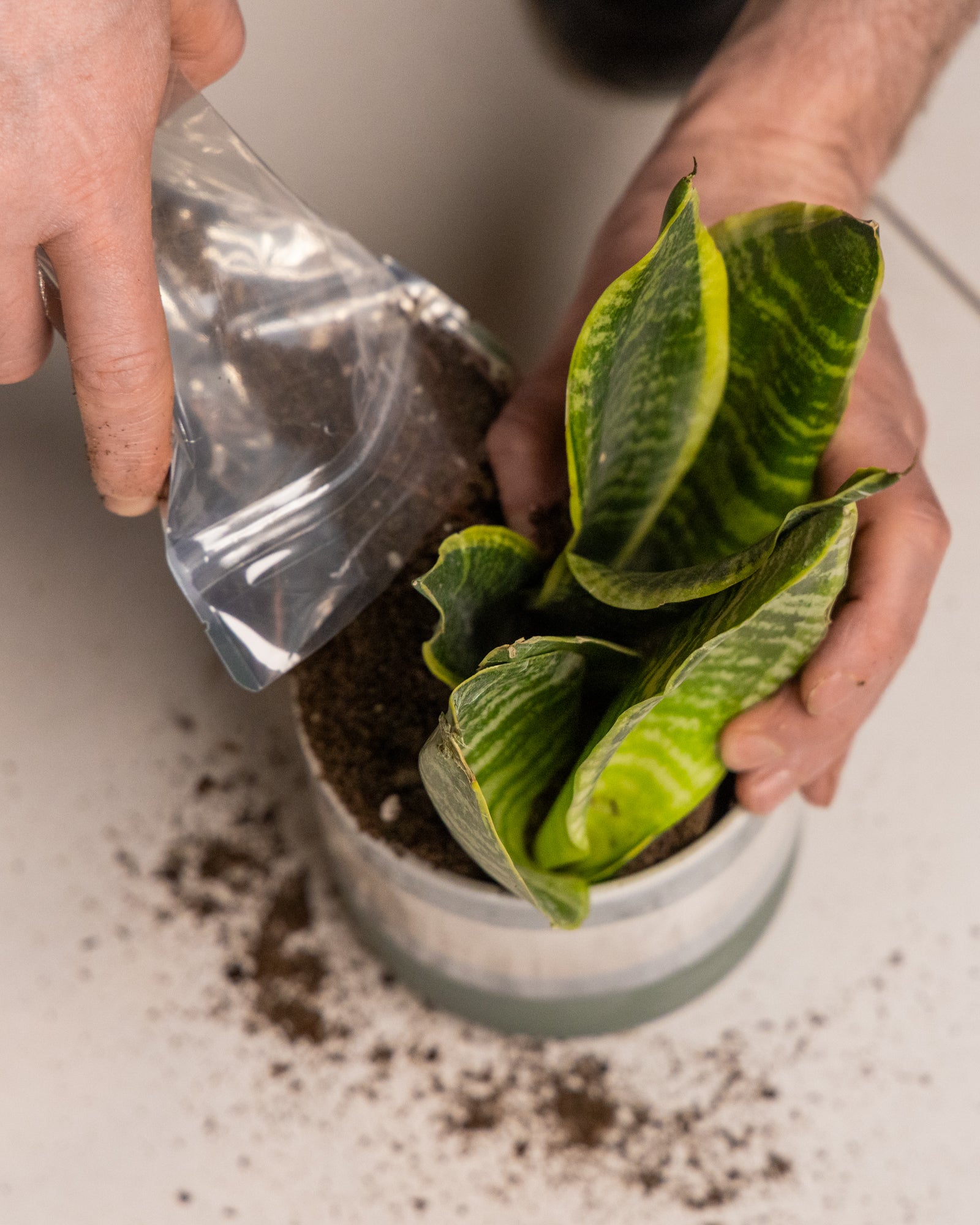
Potting soil is not dirt from the yard. Garden soil is dense; in a pot it compacts, drains slowly and holds water around the roots, which is how a healthy plant ends up in trouble. A mix made for containers is lighter and more open, so water moves through it and air stays in it. That single difference explains most of what goes wrong, and right, with houseplants, and it is why a pot with a drainage hole still needs the right mix inside it.

Different plants want different mixes. Most houseplants do well in a general indoor mix; succulents and cacti want it grittier and faster-draining; aroids and orchids like it chunky. That is why this collection carries more than bags of soil: perlite lightens a mix, LECA clay pebbles add drainage and suit semi-hydro growing, and orchid bark builds a chunky blend. Pick up at 702 Queen Street West in Toronto. Prices are in CAD. Ships across Canada from our Toronto studio.


Cactus Soil

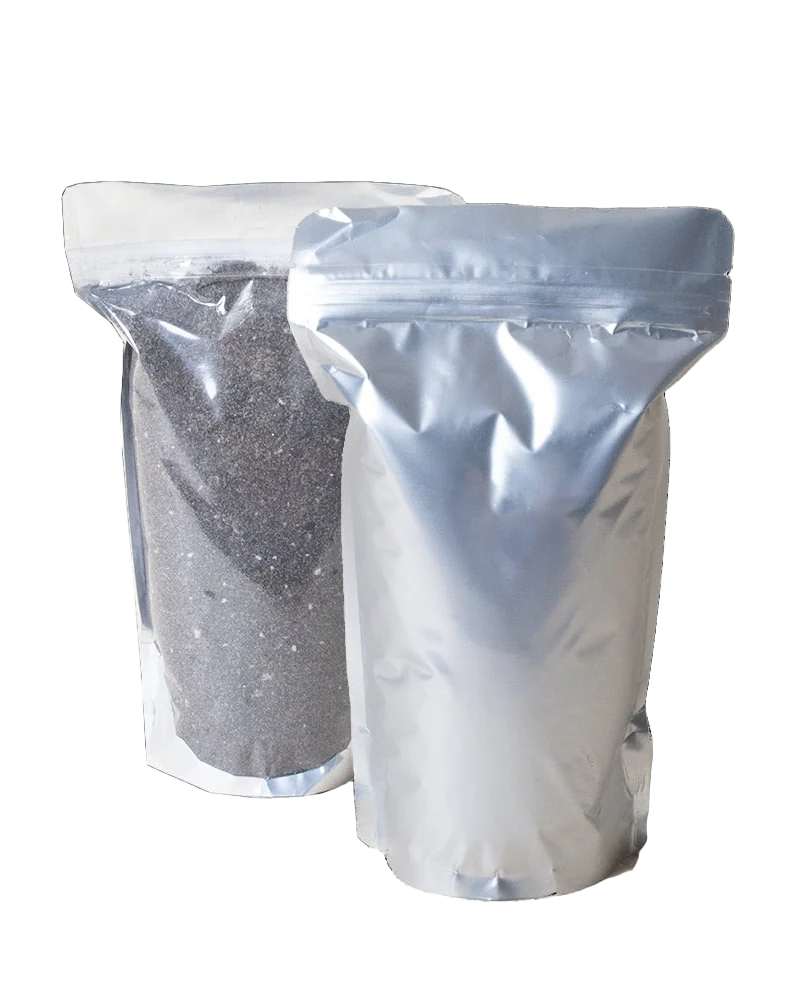
Cactus soil is a gritty, fast-draining mix for cacti and succulents, which store water in their leaves and stems and rot if their roots stay wet. It is typically a potting mix opened up with mineral material such as pumice or sand, so water runs through quickly and the soil dries out between waterings. Use it for succulents and cacti, in a pot with a drainage hole.

Perlite

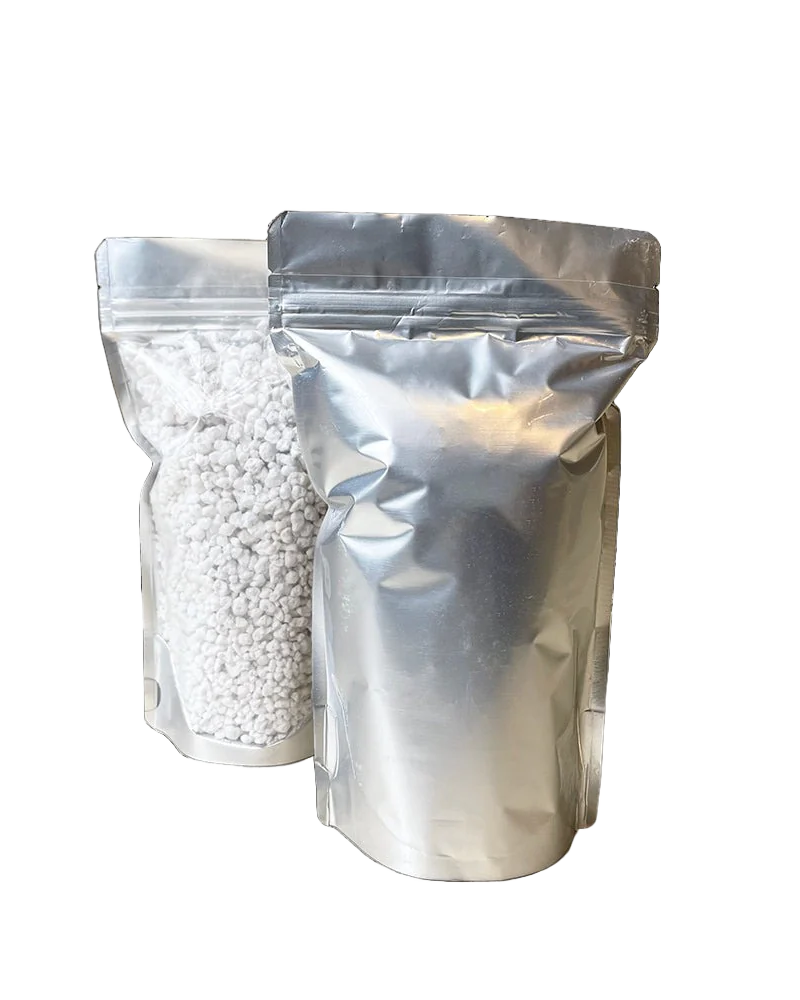
Perlite is a lightweight white volcanic glass that has been expanded by heat into small, porous pebbles. Mixed into potting soil, it opens the mix so water drains and air reaches the roots, and it is a common addition to houseplant, succulent and propagation mixes. It does not break down or feed the plant, so it lightens a mix without changing its nutrition.


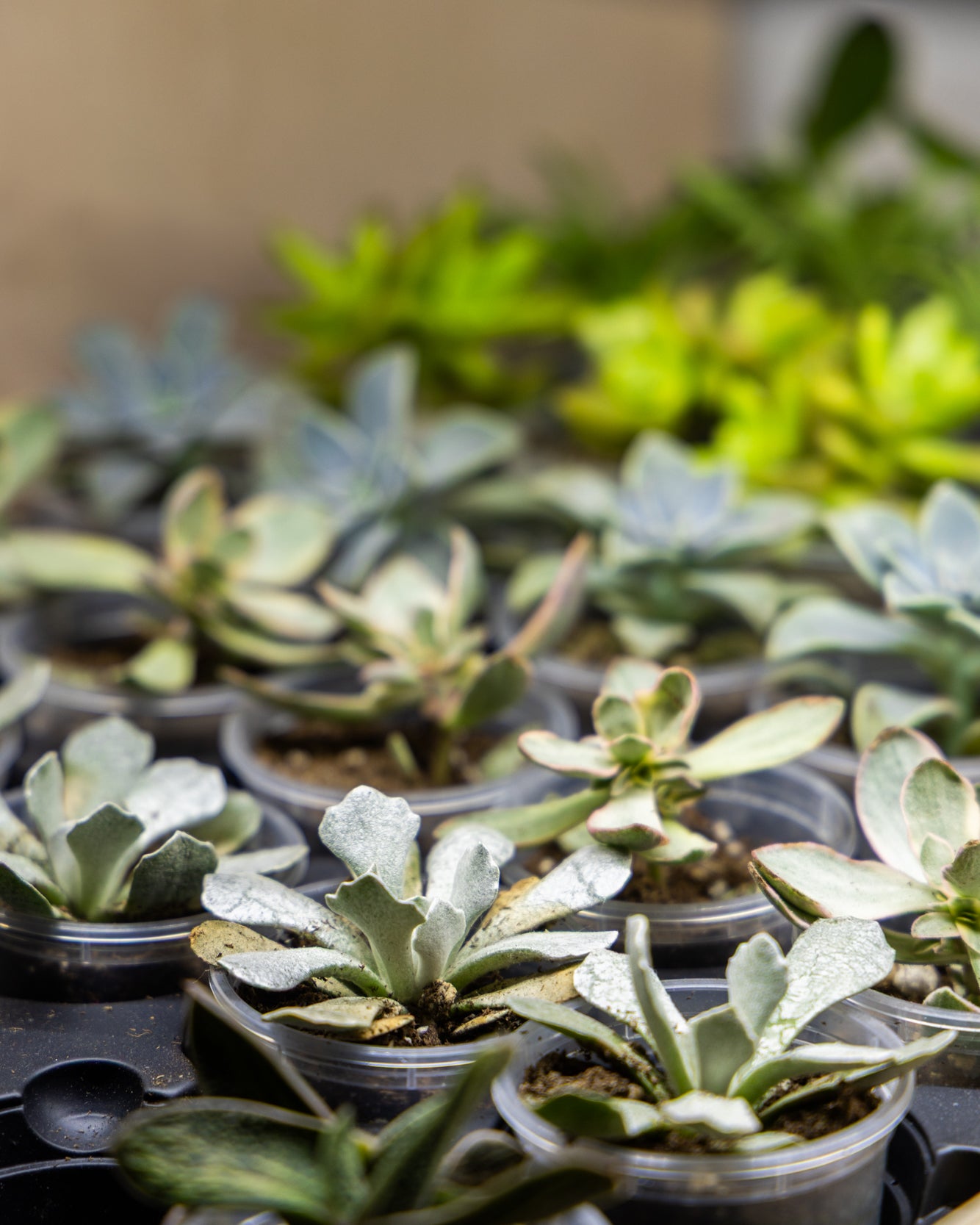
Indoor Potting Soil, Perlite & Orchid Bark varieties we grow

Chive Studio has designed ceramic pots in Toronto since 2004 and runs its plant shop at 702 Queen Street West. The soil and amendments here are the same ones the shop pots its own plants in before they go out the door. Chive's work sits in 200+ institutions worldwide, designed in Toronto and made by hand.

Reviewed by Todd Newgren, co-founder · Updated October 2026

Indoor Potting Soil, Perlite & Orchid Bark Frequently Asked Questions

What is indoor potting soil?

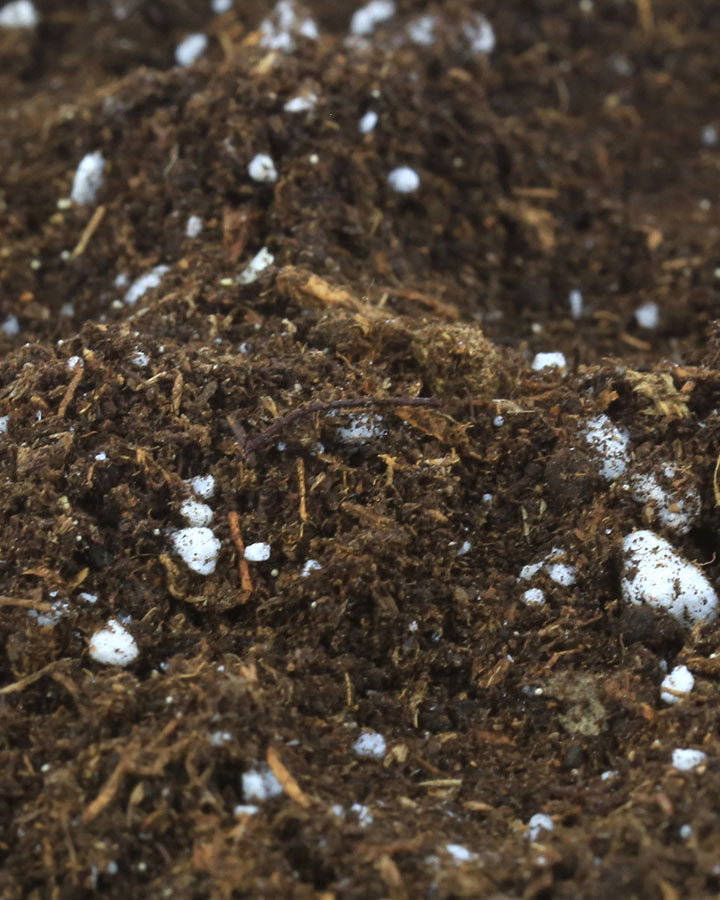
Indoor potting soil is a light, well-draining growing mix made for plants in containers. Unlike garden soil, it stays loose in a pot, so water drains through and air reaches the roots. Most mixes combine peat or coir with perlite or similar material, and some add bark or nutrients. Use it for houseplants in containers that drain, and match the mix to the plant.

What is the best soil for houseplants?

The best soil for most houseplants is a general indoor potting mix that drains freely but still holds some moisture. Succulents and cacti do better in a grittier cactus mix, and aroids such as monstera like a chunkier blend with added bark. Avoid garden soil, and avoid reusing soil from a plant that died, since it can carry pests and disease.

Is cactus soil the same as succulent soil?

Cactus soil and succulent soil are essentially the same thing: a gritty, fast-draining mix for plants that store water and rot in wet soil. Labels vary by brand, so look for a mix that feels loose and sandy rather than dense and peaty. Either works for cacti and most succulents in a pot with a drainage hole, and adding perlite makes a general mix closer to both.

What is perlite and what does it do for plants?

Perlite is a lightweight volcanic glass expanded into white, porous pebbles. In potting soil it improves drainage and aeration, so water moves through and roots get air, and it keeps a mix from compacting over time. Perlite is inert, so it adds no nutrition, and it is widely used in houseplant, succulent and propagation mixes.

What is LECA?

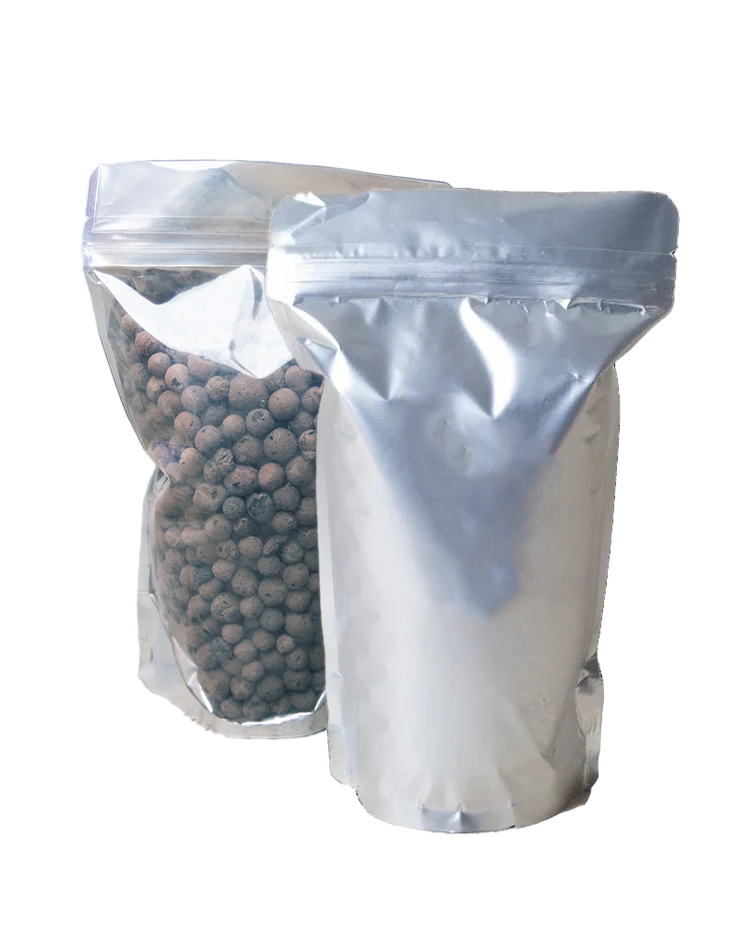
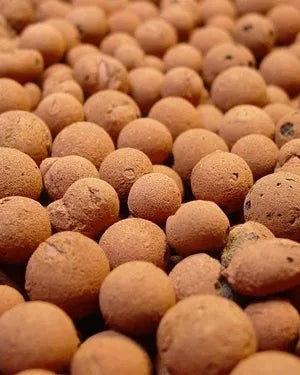
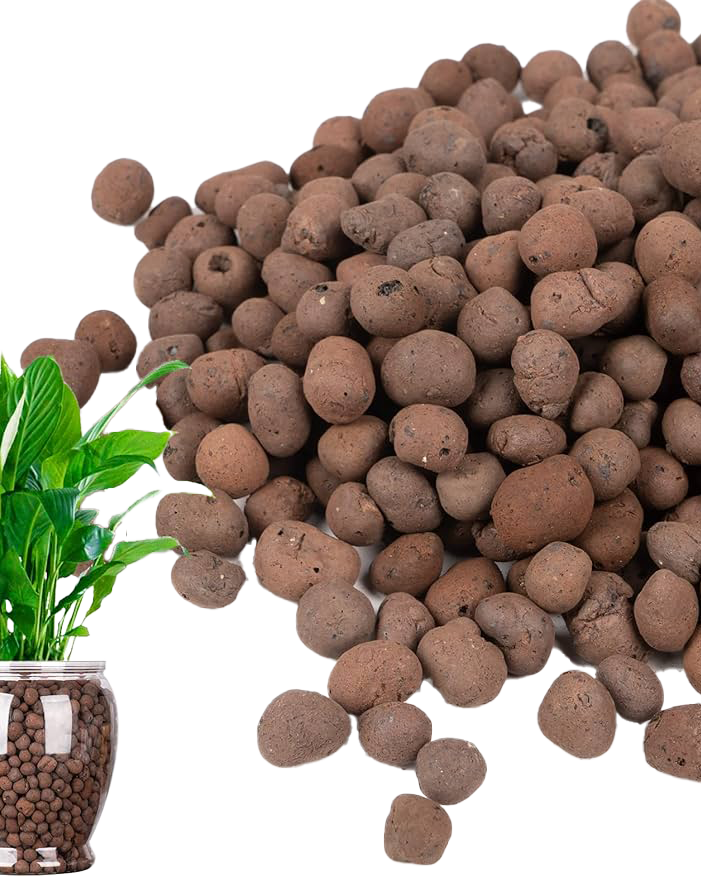
LECA stands for lightweight expanded clay aggregate: small, round, porous clay pebbles, also sold as LECA balls or clay pebbles. They are used in semi-hydro growing, where the plant sits in pebbles over a water reservoir, and as a drainage layer or a mix amendment. The pebbles hold water in their pores and release it slowly.

What is orchid bark used for?

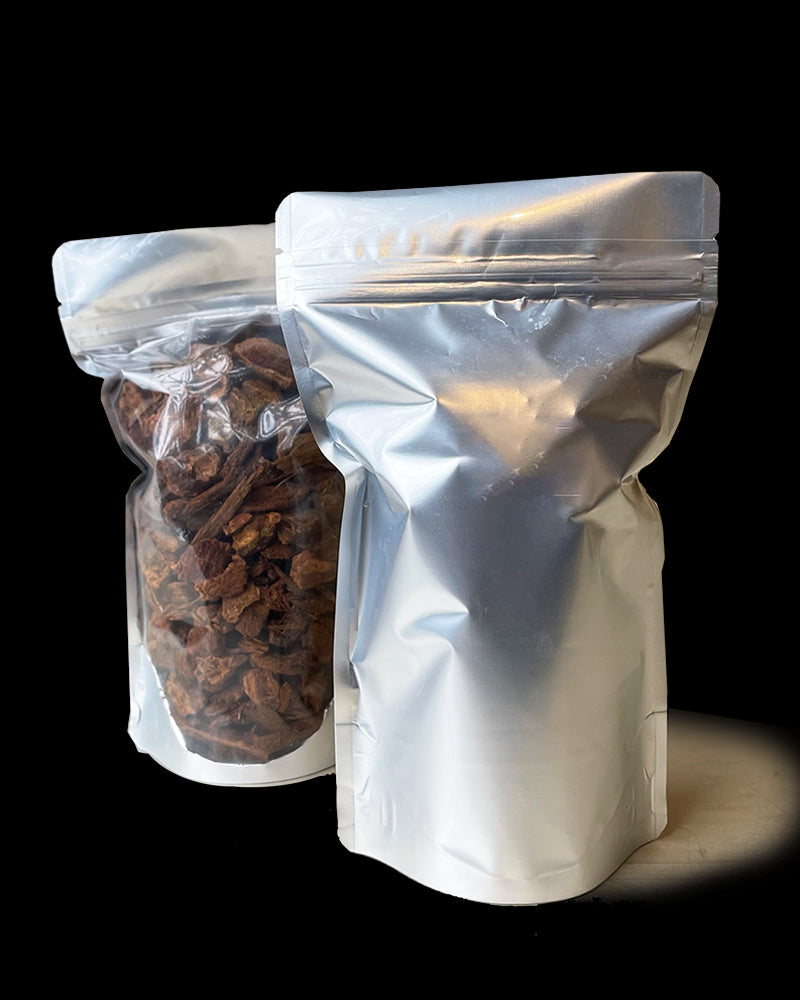
Orchid bark is chunky chipped tree bark used to grow orchids and other plants whose roots want air, such as many epiphytes and aroids. It creates large gaps that let water drain and roots breathe, and it breaks down slowly over time. It is used on its own for orchids or mixed into potting soil to make a chunkier, faster-draining blend.

What is the difference between perlite and vermiculite?

Perlite and vermiculite both lighten a soil mix, but they behave like opposites: perlite is dry and airy and drains fast, while vermiculite is soft, holds water and nutrients and keeps a mix moist. Pick perlite for cacti, succulents and anything that hates wet feet, and vermiculite for seed starting and thirsty plants. Chive stocks perlite; the plants are free to have opinions about the rest.

Where can I buy perlite in Canada?

Chive sells perlite from its Toronto studio and plant shop at 702 Queen Street West, priced in CAD. Ships across Canada from our Toronto studio. Pick-up is available at the shop for orders placed before 3 pm, and the same collection carries cactus soil, LECA clay pebbles and orchid bark when they are in stock.

About Chive Plant Studio

Chive Studio has designed ceramic pots in Toronto since 2004, and the soil is what goes inside them. Choose the home under plant pots, feed what grows in it with indoor plant food, and water it from a watering can.

Learn more about Chive Studio →

Chive in the Press →