
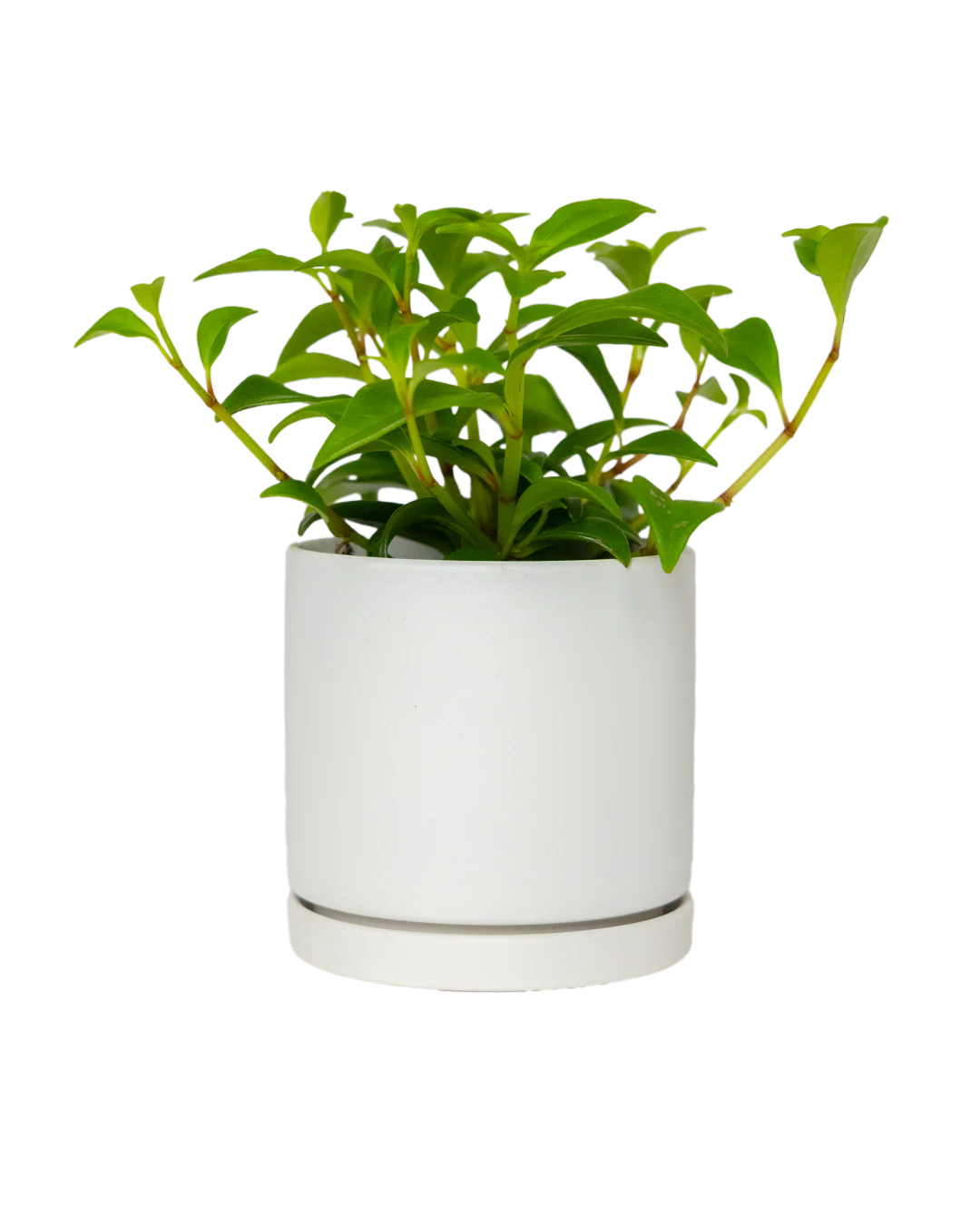
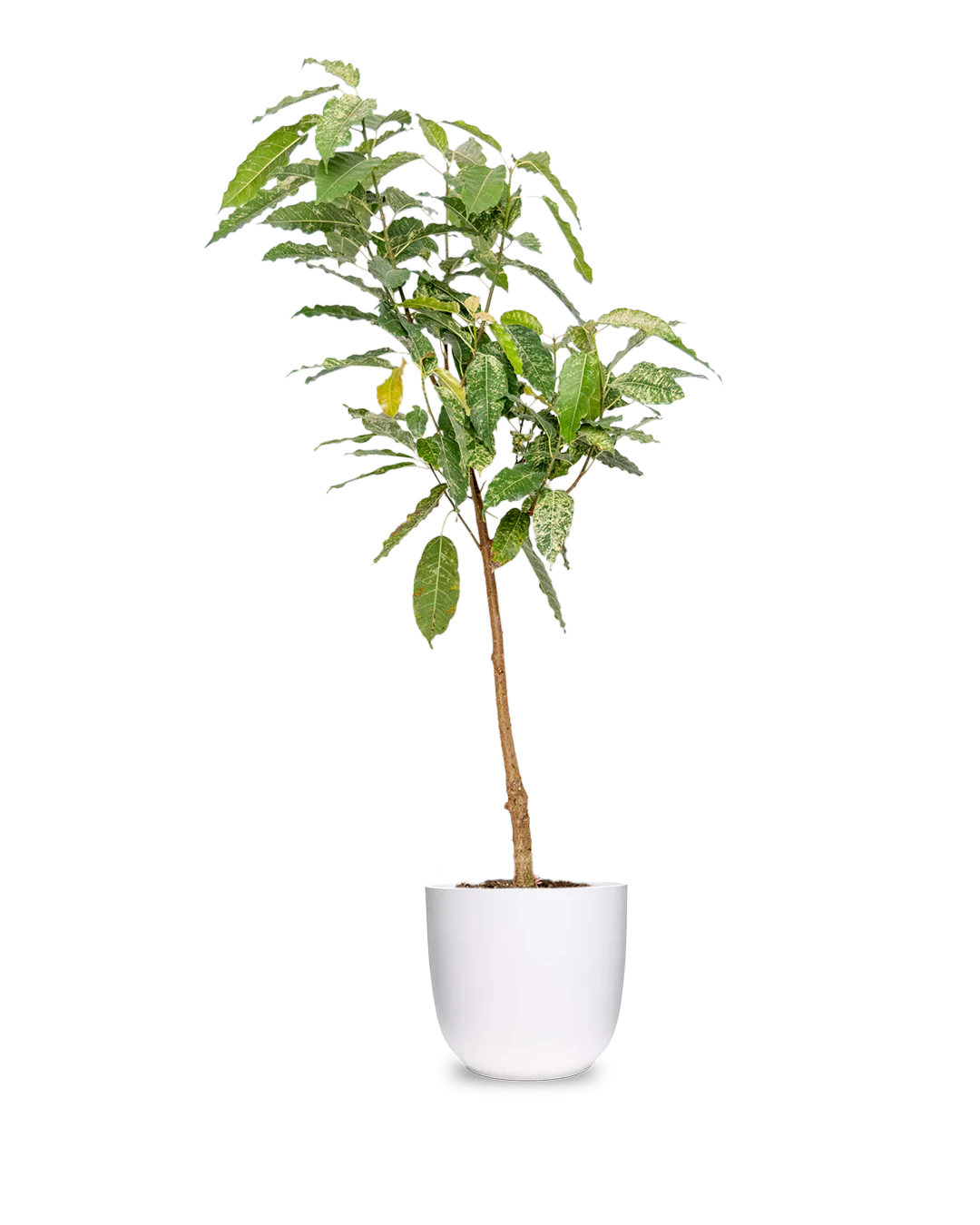
Monstera Plants

A climber that throws brown aerial roots across the floorboards like runaway extension cords, looking for anything at all to hold on to.

Delivered by hand across Toronto and the GTA · Potted before it leaves · Pick-up 702 Queen St W · Designed in Toronto since 2004

Delivered by hand across Toronto and the GTA · Potted before it leaves · Pick-up 702 Queen St W · Designed in Toronto since 2004

Monstera is a genus of climbing evergreen vines in the arum family (Araceae), native from southern Mexico through Central and South America, grown indoors for their large, glossy leaves, which develop splits and holes as they mature; in a home they usually reach six to eight feet with support. They want moderate, bright light out of direct sun, and soil that dries partway between waterings.


At Chive Plant Studio, our plant shop at 702 Queen St W in Toronto, people ask for a monstera by the shape of its leaf, and the most memorable request we’ve had was “Which one has the holes?” The man asking was pointing at a monstera with holes in it. Then he waited, as though we might produce a second, holier one from the back. The holes come with age and light, like a sense of humour, and a monstera grows into both if you leave it by a bright window and stop staring.

Our monsteras leave the shop in their pots, without a pole. When yours starts to lean toward the window, which it will, that’s the moment to give it something to climb. We carry indoor monsteras in four- to fourteen-inch pots, when we have them: the classic split-leaf kind and the smaller, hole-punched vine, with the speckled one as it comes in. Our monsteras are grown by our nursery partners and brought to Queen West.

Delivered by hand across Toronto and the GTA. You can also pick up at 702 Queen St W. Every monstera is potted before it leaves the shop, in its grow pot or one of our house pots, and the potting is already in the price. Read Ryan’s full monstera care guide.


Monstera Plant Toronto

Monsteras at a glance: moderate, bright light, never hot direct sun · water thoroughly, then let the top quarter to a third of the soil dry · keep above 10°C, away from cold drafts · something to climb once it leans · toxic to cats and dogs (ASPCA) · easy · four- to fourteen-inch pots.

A monstera in a Toronto home wants a bright spot out of direct sun, and NC State Extension says the variegated kinds need more light than the dark green ones. The University of Wisconsin Extension notes that a monstera in too little light won’t develop its holes, that it stops growing below 10°C (50°F), and that leaf edges brown when the air is too dry, which in a heated apartment in January it usually is; a humidifier or a tray of wet pebbles helps (NC State). Water it thoroughly and let the top quarter to a third of the soil dry before the next drink, and less in winter.

Every monstera is easy, and every monstera is toxic to cats and dogs: the ASPCA lists insoluble calcium oxalates, which cause intense burning of the mouth, drooling, vomiting and difficulty swallowing. Keep them away from pets that chew, or choose from our pet-friendly plants. Want to tell one monstera from another before you commit? Our monstera varieties guide sorts them out, holes and all.

Monstera Varieties We Grow

Monstera Deliciosa

The classic Swiss cheese plant: large, glossy, heart-shaped leaves that develop splits and holes only as they mature. Not a philodendron, despite the old name, but a climbing vine in the same family; it stays between six and eight feet in most homes and needs sturdy support to keep its stems from breaking, according to NC State Extension. Easy.

The Deliciosa arrives as a polite corner plant, and before long you are ducking under one of its leaves to get down your own hallway.

Monstera Thai Constellation

A Deliciosa cultivar with marbled and speckled creamy-white and green variegation that NC State Extension says resembles a constellation. Like all variegated monsteras, it needs more light than the plain green one. Easy.

The Thai Constellation looks as though someone flicked a paintbrush of cream across every leaf and then, to everyone’s relief, stopped.

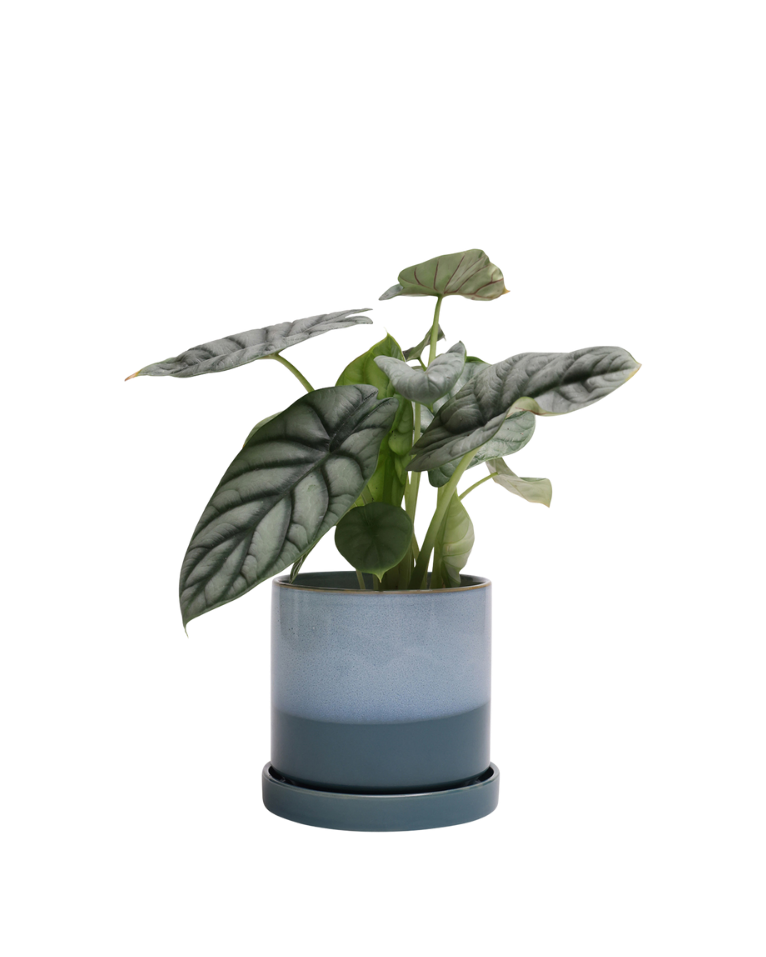
Monstera Adansonii

The Swiss cheese vine: smaller, heart-shaped leaves full of oval holes, on a fast-growing climber that reaches three to eight feet indoors on a trellis or moss pole. Bright, indirect light; direct sun scorches it; keep it above 10°C, according to NC State Extension. Easy.

Adansonii leaves come pre-punched, like a coffee loyalty card belonging to someone with a real problem, and it vines fast enough that you’ll notice by Friday.

Monstera Peru

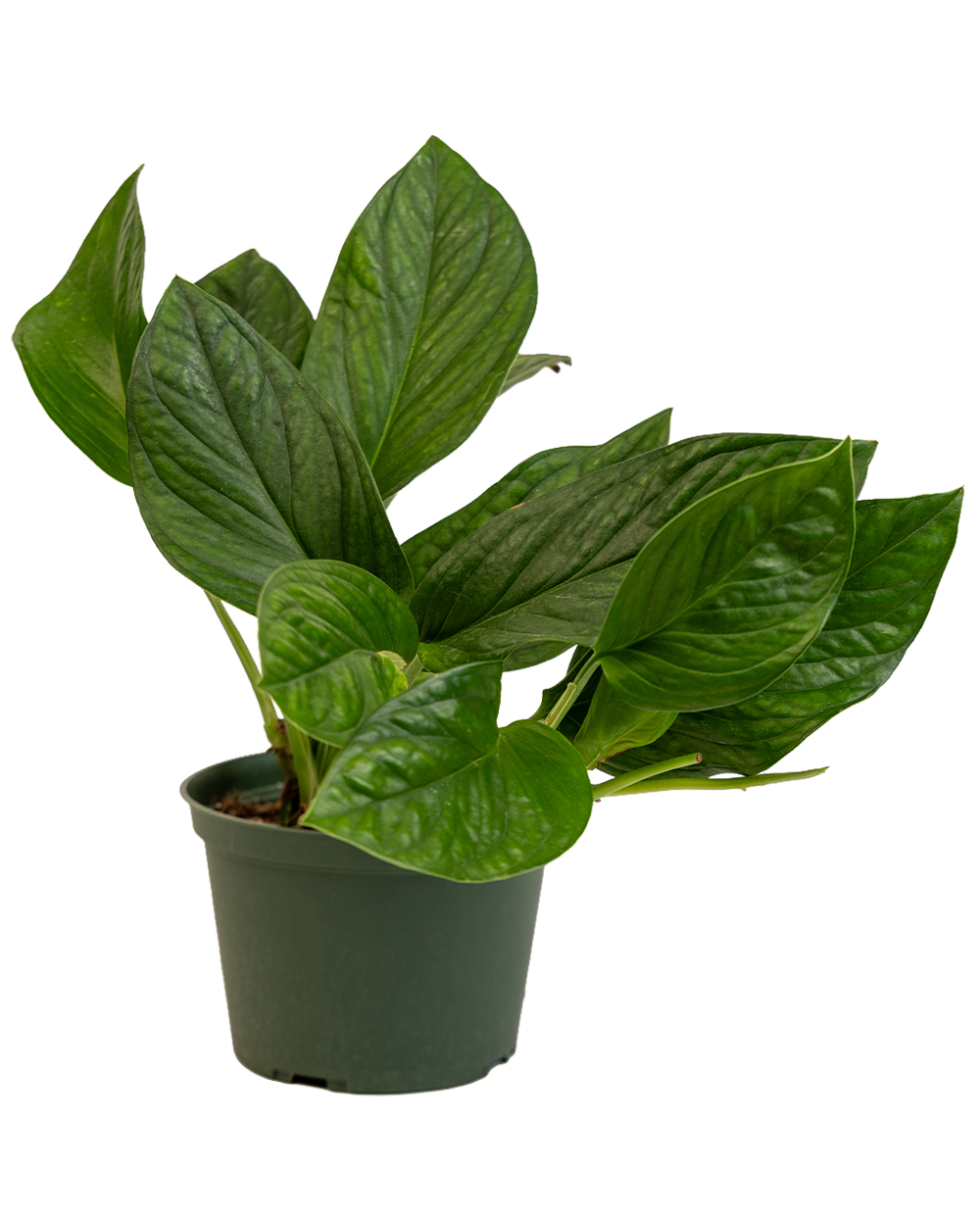
Thick, glossy, deeply puckered leaves with no holes at all, on a compact climber; bright, indirect light. Easy.

Peru has no holes whatsoever, just thick puckered leaves like an embossed green tile. If you always found the holes a little much, Peru agrees with you.


Monstera Plants varieties we grow

From our shop floor

  • Solid new leaves on a grown monstera almost always mean too little light; we tell customers to move it closer to a bright window, out of hot sun.
  • When a monstera starts to lean, we tell customers to give it a moss pole and tuck the aerial roots against it.
  • Every monstera is potted in the shop before it leaves, without a pole.

Our monsteras are chosen and potted by the staff at 702 Queen St W, led by Ryan Hearst, our Plant Shop Manager.

Reviewed by Ryan Hearst · Updated October 2026

Monstera Plants Frequently Asked Questions

Is a monstera the same as a Swiss cheese plant?

Yes. Swiss cheese plant is the common name for Monstera deliciosa, the classic monstera, which is also sold as split-leaf philodendron even though it isn’t a philodendron; NC State Extension lists the smaller Monstera adansonii as the Swiss cheese vine.

Where can I buy a monstera in Toronto?

You can buy monsteras at Chive Plant Studio, 702 Queen St W, Toronto, or order on chive.ca. Delivered by hand across Toronto and the GTA. We don’t ship monsteras elsewhere in Canada.

Is a monstera toxic to cats?

Yes. The ASPCA lists the monstera (Swiss cheese plant) as toxic to cats and dogs because of insoluble calcium oxalates, which cause intense burning of the mouth, drooling, vomiting and difficulty swallowing. Keep monsteras away from pets that chew, or choose from our pet-friendly plants.

Why doesn’t my monstera have holes?

A monstera grows holes only on mature leaves, and only in enough light. NC State Extension says the holes develop as the leaf grows on a mature plant, and the University of Wisconsin Extension says a monstera in inadequate light won’t develop them at all. Young plants make solid leaves first; move a grown one closer to a bright window, out of hot sun.

Does a monstera need a moss pole?

A monstera doesn’t need a moss pole to live, but it does need support to grow upright: NC State Extension says sturdy support keeps the stems from breaking. Ours leave the shop without one. Without a pole, a monstera climbs whatever it can find, which is the floor, and you get a plant crawling sideways across the rug toward the TV stand. Give it a pole and those aerial roots grab on, and up it goes. Read Ryan’s full monstera care guide.

Can you pot my monstera before it leaves?

Yes, every monstera is potted before it leaves the shop, and the potting is included in the price shown. Choose the grow pot or one of the house pots offered with each plant and size; potting is $1 per inch of pot, already built into that one price.

What sizes of monstera do you carry?

We carry monsteras in four- to fourteen-inch pots. The smaller pots hold young plants and the Swiss cheese vine; the larger pots hold big, split-leaf plants, which reach six to eight feet in most homes over time (NC State). Each plant’s page shows only the sizes in the shop now.

Which monstera is easiest for a first plant?

The classic Deliciosa is the easiest monstera for a first plant: it forgives a missed watering and needs only bright, indirect light and soil that dries partway between drinks. The Swiss cheese vine is just as easy and grows faster; the speckled kinds need the same care plus more light.

About Chive Plant Studio

Chive Plant Studio is the Toronto plant shop of Chive Studio, which has designed ceramic plant pots in Toronto since 2004. Monstera is one genus in our indoor plants Toronto range; the whole range can be browsed by size in large plants and small plants, or by household in pet-friendly plants. For the pots that fit the bigger monstera, see large plant pots; for how the varieties differ, read the monstera varieties guide.

Learn more about Chive Studio →

Chive in the Press →