
Indoor Palm Plants

The three true palms look so alike that our own staff have trouble telling them apart, and the other two are succulents that forged their paperwork.

Delivered by hand across Toronto and the GTA · Potted before it leaves · Pick-up 702 Queen St W · Designed in Toronto since 2004

Delivered by hand across Toronto and the GTA · Potted before it leaves · Pick-up 702 Queen St W · Designed in Toronto since 2004

A palm plant is a member of the palm family (Arecaceae), grown indoors for its fronds; most indoor palms want bright, indirect light, steady moisture and humid air, and need temperatures above about 7°C. Two plants long sold as palms here are succulents from other families, and they want sun and a pot that dries out.

Filters
Sort by

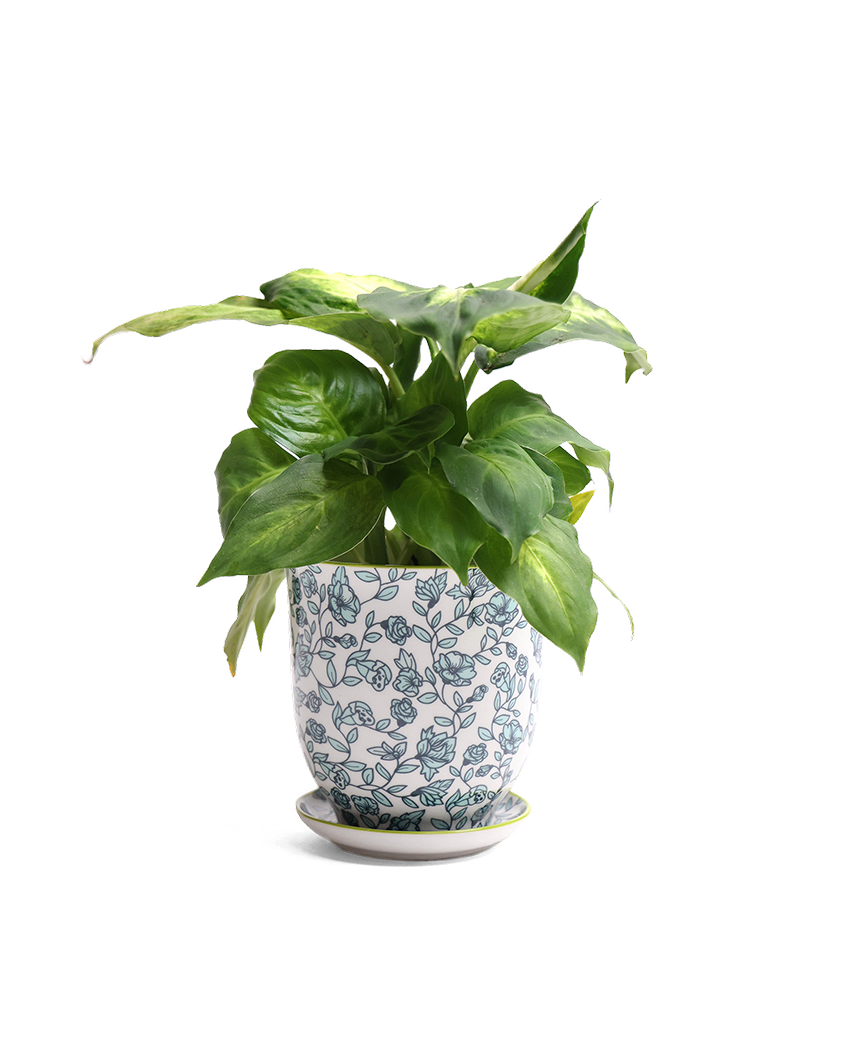
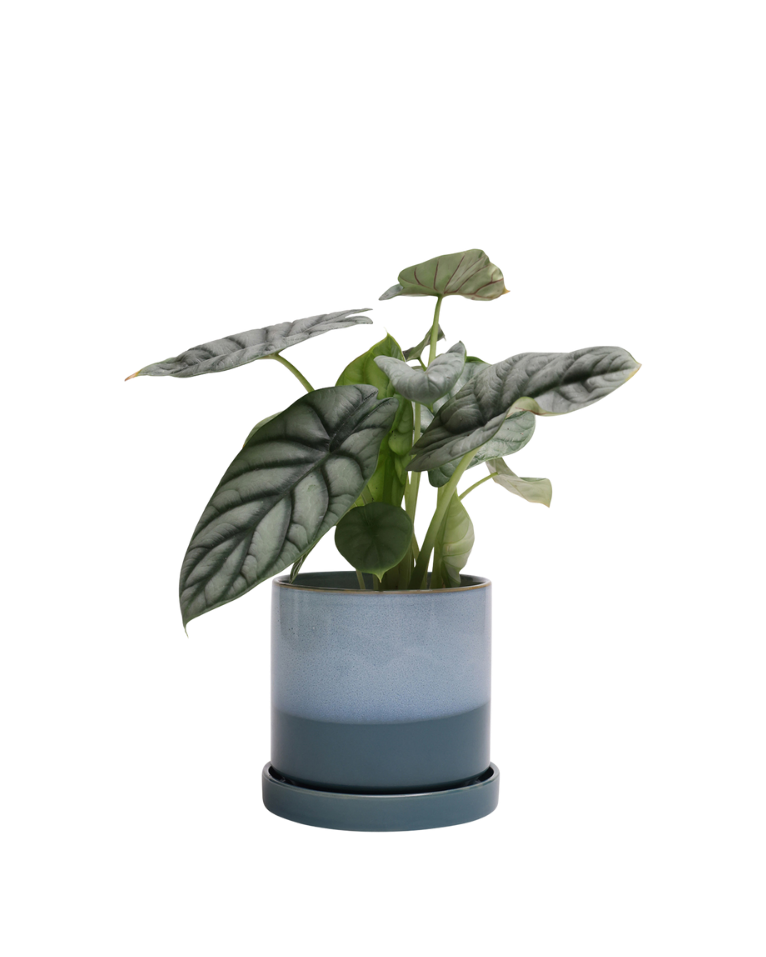
At Chive Plant Studio, our plant shop at 702 Queen St W in Toronto, palm plants are the fronds people picture first when they say they want something tropical. Palms travel well; they leave the shop and arrive home looking pleased with themselves. It's the condo that does them in, the sealed, climate-controlled kind where the air never holds a drop of moisture. Give a true palm bright indirect light, steady moisture and some humidity, and give the two succulents we sell as palms a sunny window and a dry pot instead.

Everyone wants the ponytail palm. In plant-shop terms it's the most plant you can buy for the least money: a big swollen trunk with a shock of narrow leaves on top, and none of the fuss you'd expect from something that size. It isn't a palm at all, and nobody holds that against it. We carry palms in pots from three and a half to twelve inches, when we have them; the ten- and twelve-inch pots hold the tall indoor palm trees. Our palms are grown by our nursery partners and brought to Queen West.

Delivered by hand across Toronto and the GTA. You can also pick up at 702 Queen St W. Every palm is potted before it leaves the shop, in its grow pot or one of our house pots, and the potting is already in the price. Read Ryan's full palm care guide.


Indoor Palm Trees

A true palm is a member of the palm family, Arecaceae. The indoor palm trees on this page — the cat, parlor, majesty and Bella palms — all belong to it; the ponytail and Madagascar palms only share the name. Indoors they grow slowly, a frond at a time. Most houseplant palms need temperatures above about 7°C to avoid chilling damage, according to Clemson Cooperative Extension, and every one of them wants more humidity than a Toronto condo offers in January.

Palm Plants in Toronto

the top of the soil dries slightly; let the succulent palms dry out completely · keep above about 7°C, away from cold glass and vents · pet safety goes plant by plant · easy to moderate (the majesty can be difficult) · three-and-a-half- to twelve-inch pots.

Palms travel well; what we see them struggle with is dry, climate-controlled air. A true palm in a sealed condo with the heat running all winter gets brown frond tips, and misting won't fix it — Iowa State University Extension says misting doesn't raise humidity, while a humidifier, grouped plants or a pebble tray do. A bathroom with a window is often the best room in the place for a true palm. The ponytail and Madagascar palms, being succulents, cope with dry air far better and want a sunny sill instead.

Difficulty varies: the parlor and cat palms are easy, the ponytail is moderate, and NC State Extension notes the majesty can be difficult indoors. Pet safety goes plant by plant, and each palm's paragraph above names the source that covers it.


Indoor Palm Plants varieties we grow

Reviewed by Ryan Hearst, Plant Shop Manager · Updated October 2026

From our shop floor

  • Palms travel well; at our Queen West shop, the trouble we see is dry, climate-controlled condo air.
  • Our advice at the till: in a sealed, climate-controlled apartment, a true palm probably won't do well.
  • A palm in a bathroom with a window often does well, because the air there is damp.
  • The majesty palm does better in a house than a condo, and does well outdoors in a Toronto summer.
  • Every palm is potted at the shop before it leaves.

Our palms are chosen and potted by the staff at 702 Queen St W, led by Ryan Hearst, our Plant Shop Manager.

Indoor Palm Plants Frequently Asked Questions

Are all the palms you sell real palms?

Not all of them. The parlor, cat, majesty and Bella palms are true palms in the palm family, Arecaceae. The ponytail palm, in the asparagus family, and the Madagascar palm, in the dogbane family, are succulents sold under the name, and they want sun and soil that dries out rather than steady moisture.

Do you deliver palm plants in Toronto?

Yes. Delivered by hand across Toronto and the GTA. You can also pick one up at the shop at 702 Queen St W, and every palm is potted before it leaves, in its grow pot or one of our house pots.

Where can I buy an indoor palm in Toronto?

You can buy indoor palms at Chive Plant Studio, 702 Queen St W, Toronto, or order on chive.ca for hand delivery across Toronto and the GTA. We don't ship palms elsewhere in Canada.

Are palm plants toxic to cats?

It depends on the plant. The ASPCA lists the parlor palm as non-toxic to cats and dogs, and NC State Extension lists the majesty and ponytail palms as non-toxic. Other plants sold as palms aren't listed, so check before you buy. The sago palm, which isn't a palm and which we don't sell, is toxic to pets, according to the University of Tennessee Extension.

Which palm is easiest to keep indoors?

The easiest true palm to keep indoors is the small one that tolerates lower light, and the succulent palms are easier still if you have real sun. We match the palm to your vices, not your decorating plans. If your rooms are dim, the parlor will manage. If you forget watering exists and have a sill that gets real sun, take the ponytail. And if you love fussing over a plant and own a humidifier, the majesty is waiting for you. Read Ryan's full palm care guide.

Can you pot my palm before it leaves?

Yes, every palm is potted before it leaves the shop, and the potting is included in the price shown. Choose the grow pot or one of the house pots offered with each plant and size; potting is $1 per inch of pot, already built into that one price.

What sizes of palm plants do you carry?

We carry palms in pots from three and a half to twelve inches. The smaller sizes are tabletop palms; the ten- and twelve-inch pots hold tall indoor palm trees, and NC State Extension notes the tallest of ours can reach five to ten feet indoors. Each plant's page shows only the sizes in the shop now.

Which palms do well in lower light?

The parlor palm does best in lower light: NC State Extension says it prefers bright, indirect light but tolerates low-light conditions, and suggests a north- or east-facing window. Our other true palms need brighter indirect light, and the two succulent palms need sun.

About Chive Plant Studio