
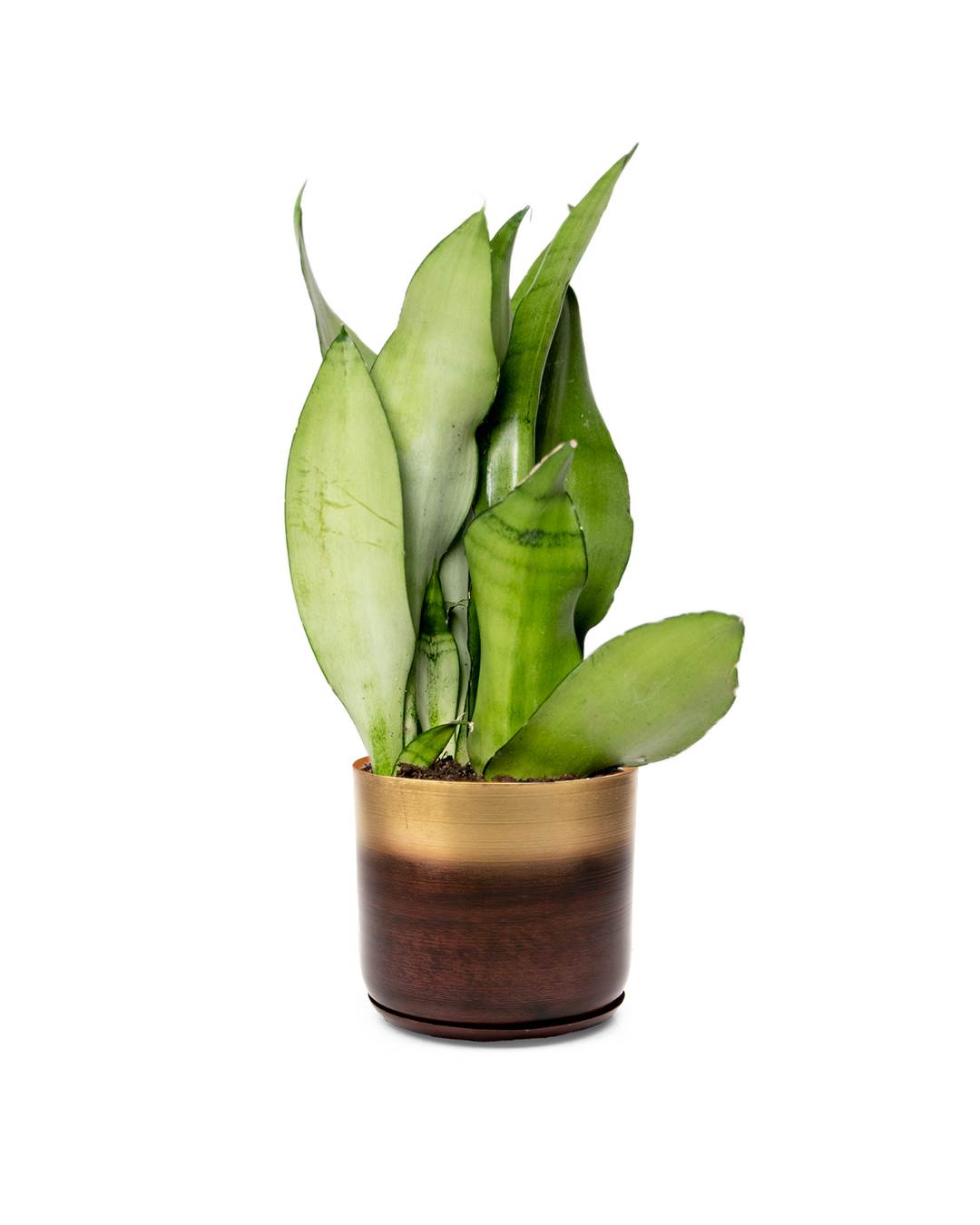
Snake Plants

Houseplant ownership for people who would honestly rather collect very good green lumber.

Delivered by hand across Toronto and the GTA · Potted before it leaves · Pick-up 702 Queen St W · Designed in Toronto since 2004

Delivered by hand across Toronto and the GTA · Potted before it leaves · Pick-up 702 Queen St W · Designed in Toronto since 2004

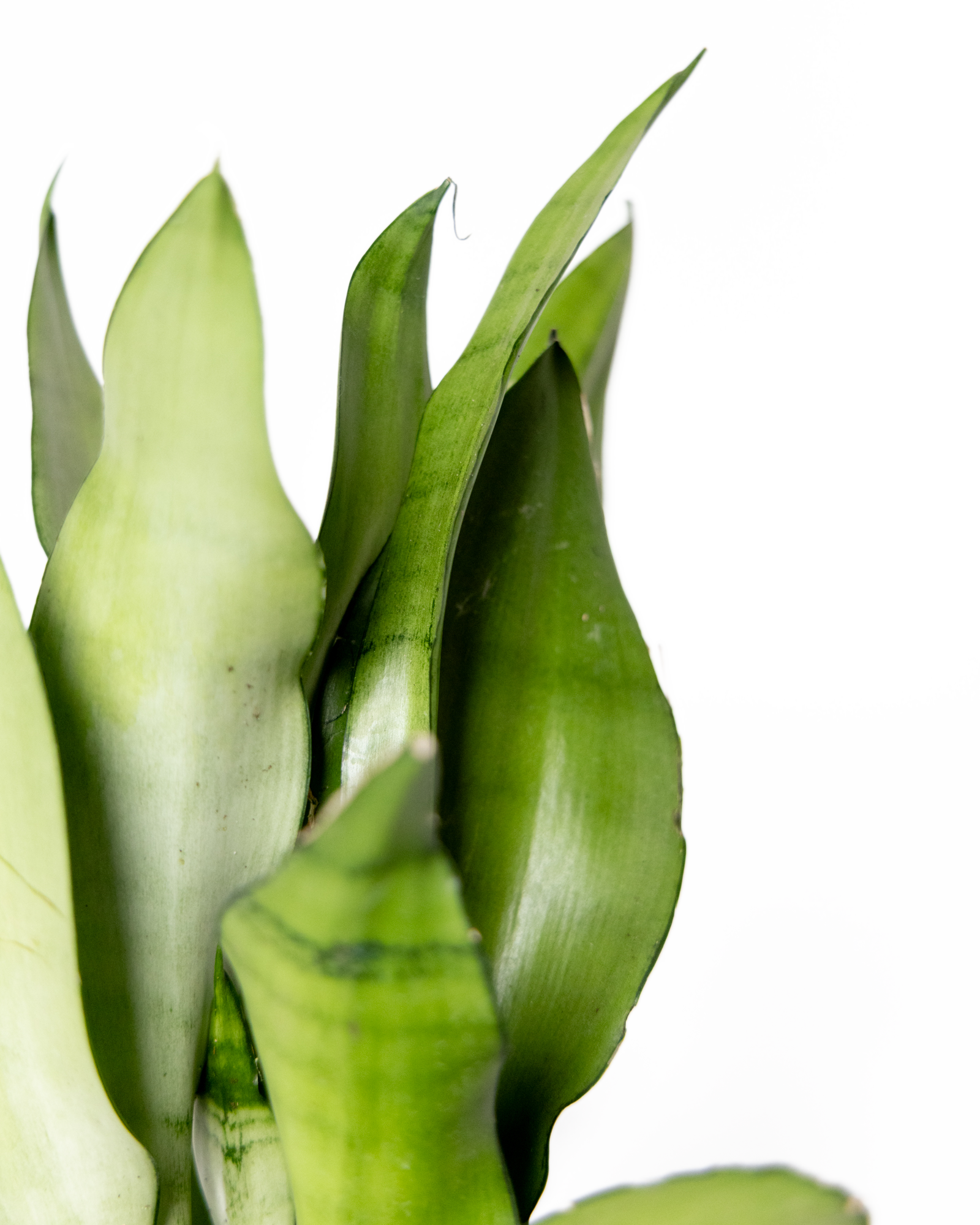
The snake plant is a group of more than 70 species of evergreen succulents in the asparagus family (Asparagaceae), long sold as Sansevieria and now classed in Dracaena, native to Africa, southern Asia and Madagascar. Grown indoors for their stiff, upright, banded leaves, they want bright, indirect light, tolerate low light, and need soil that dries out completely between waterings.


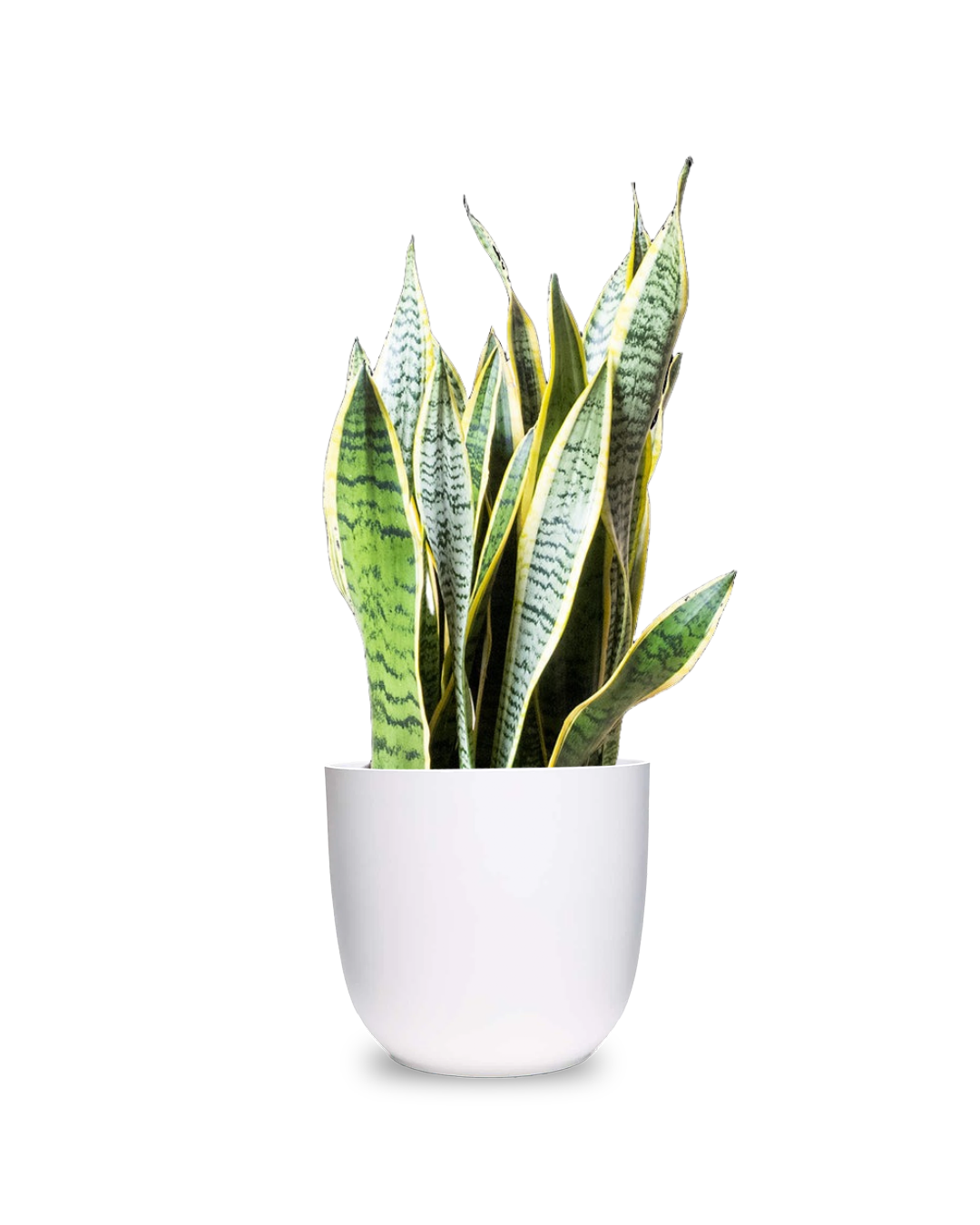
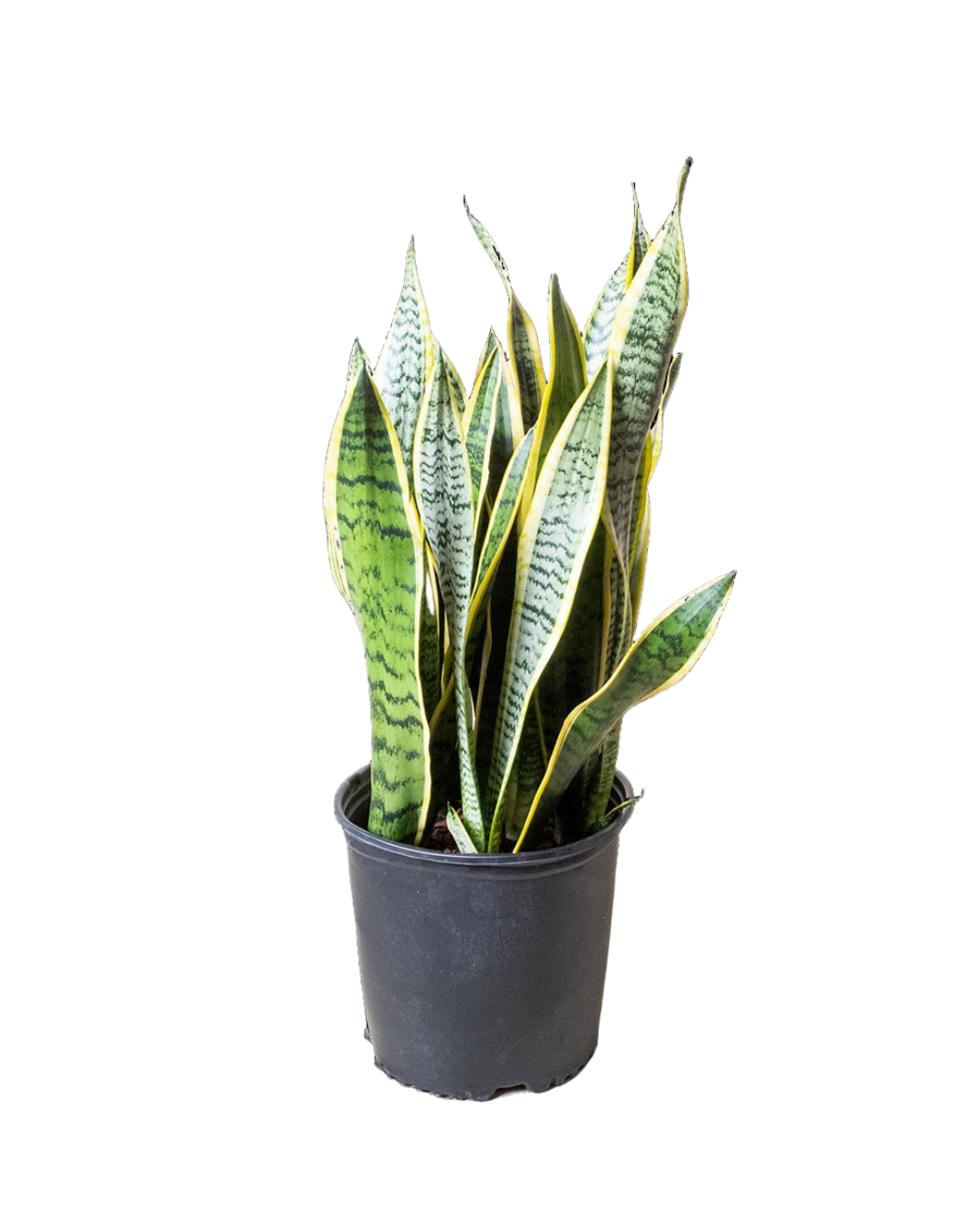
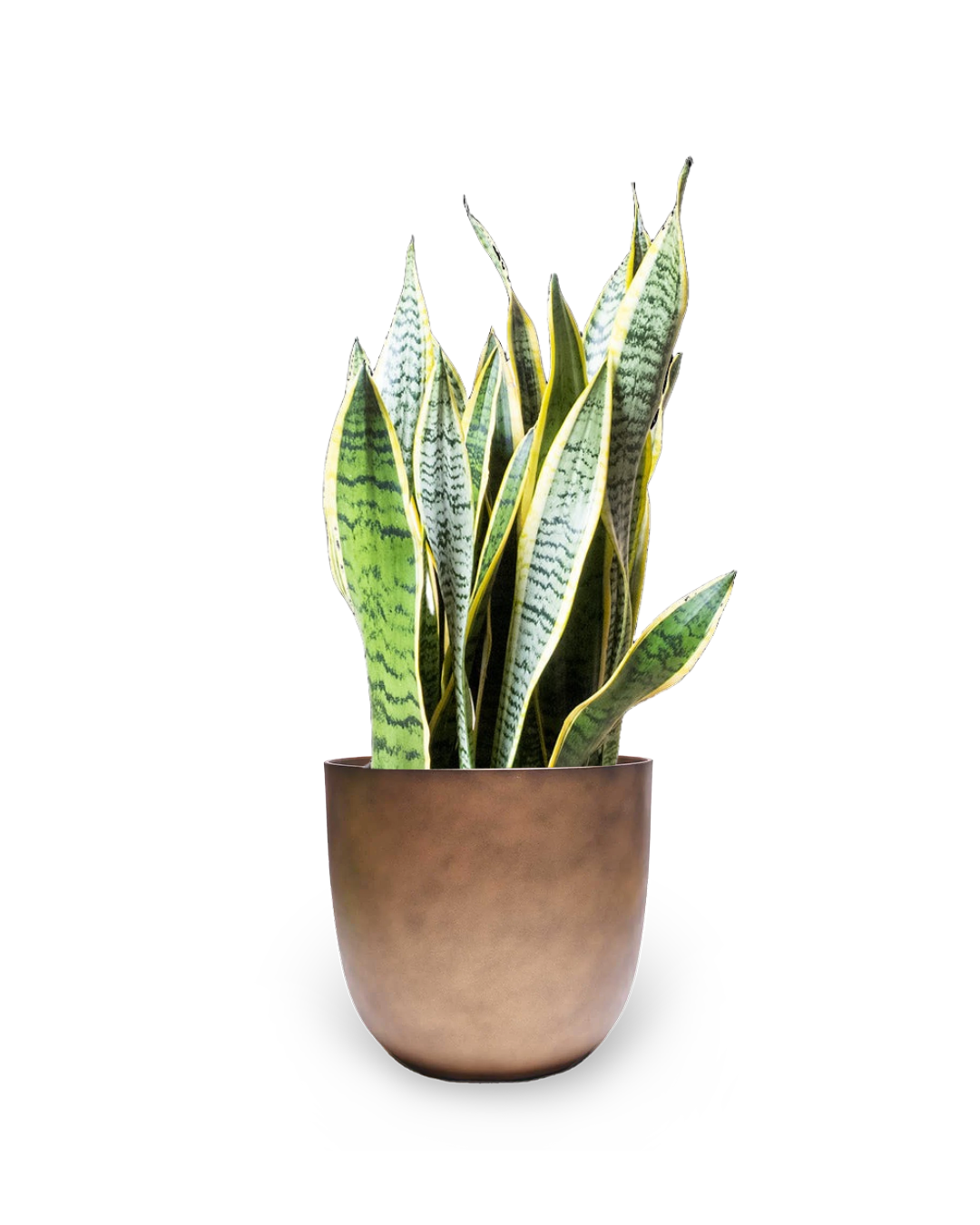
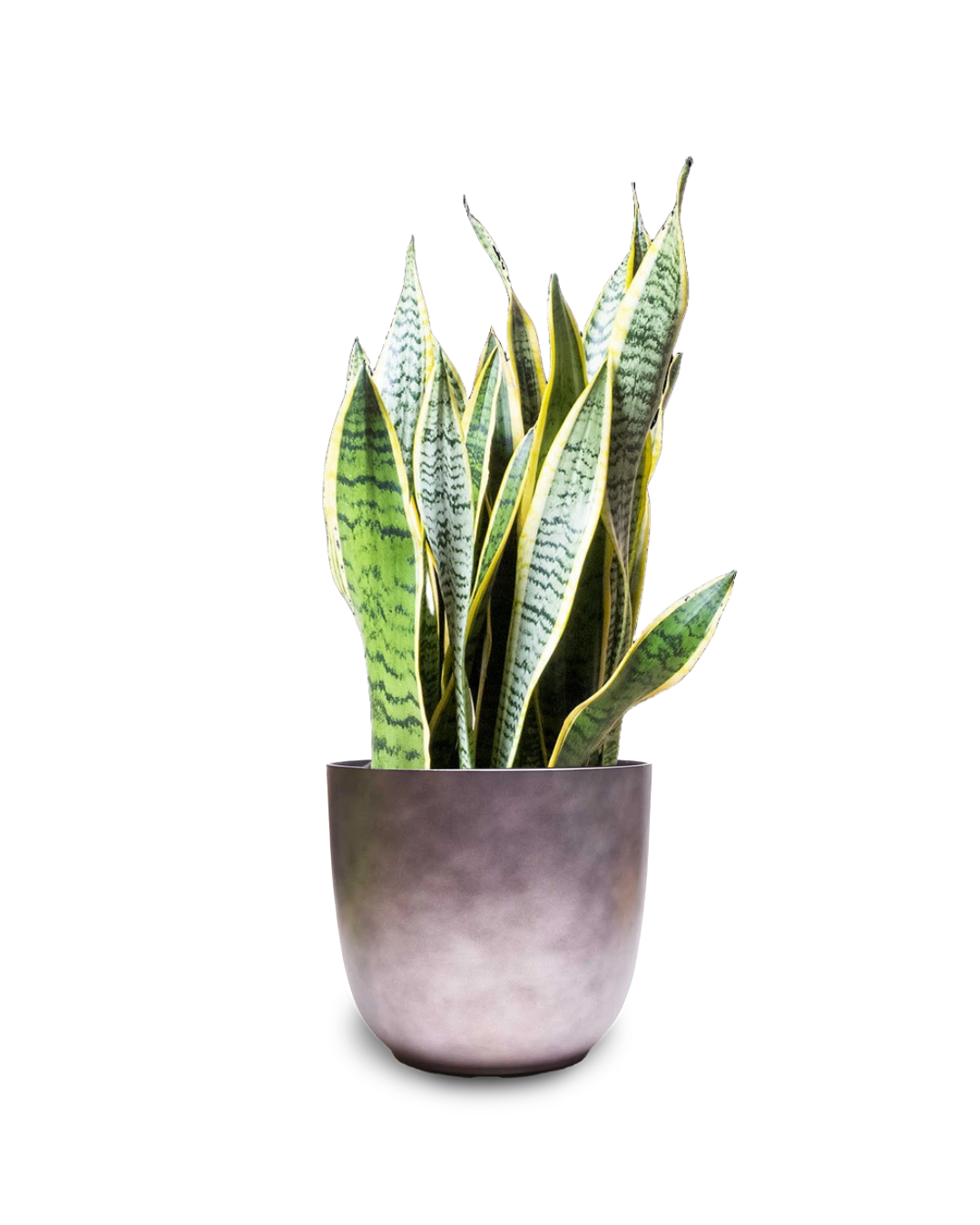
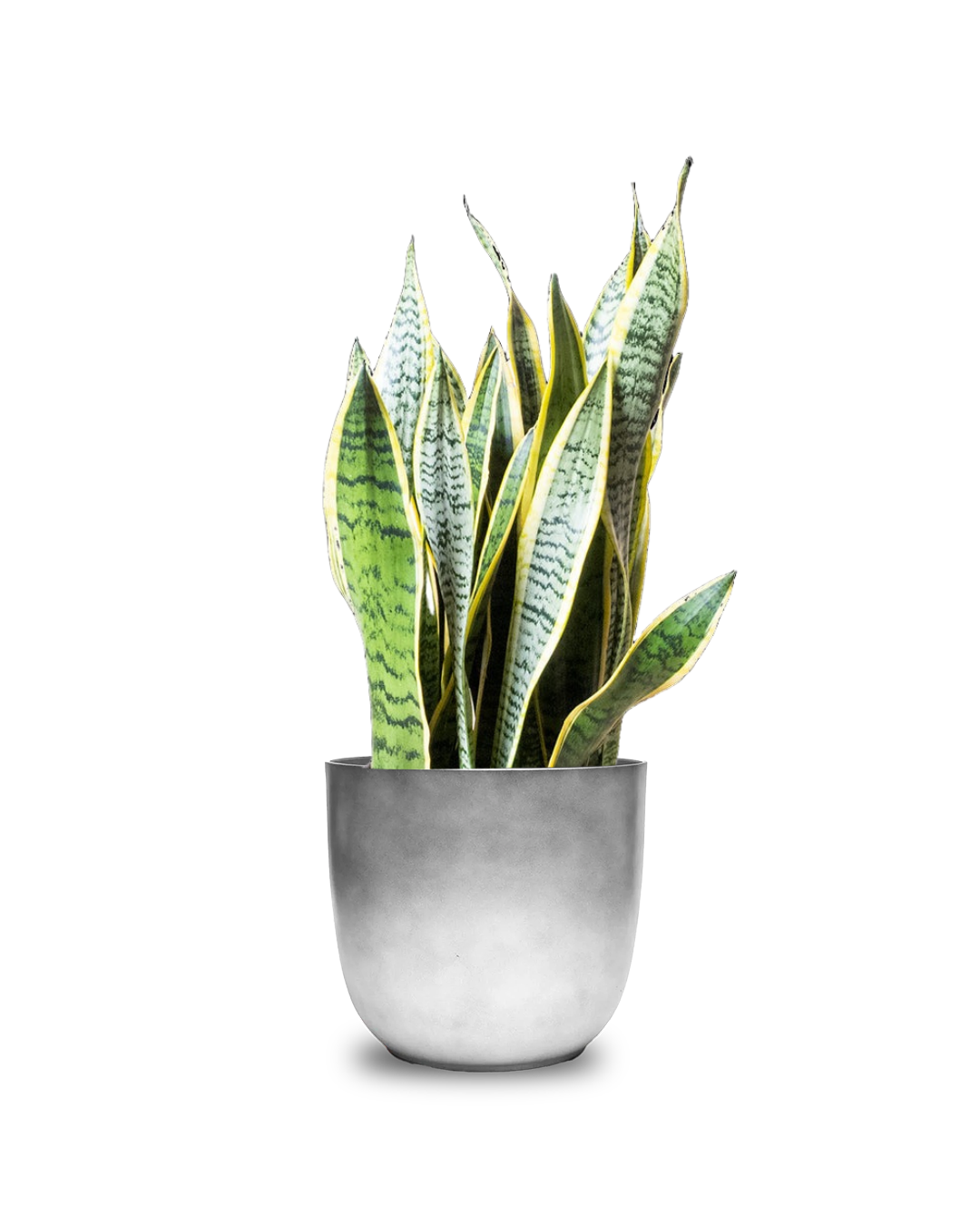
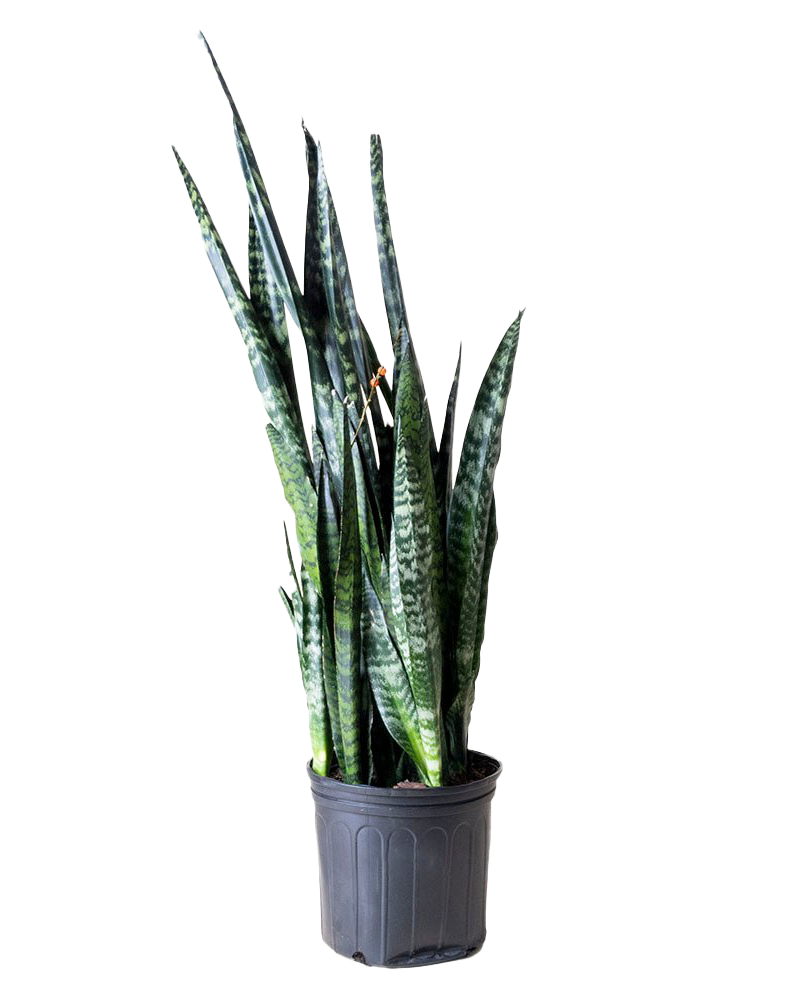
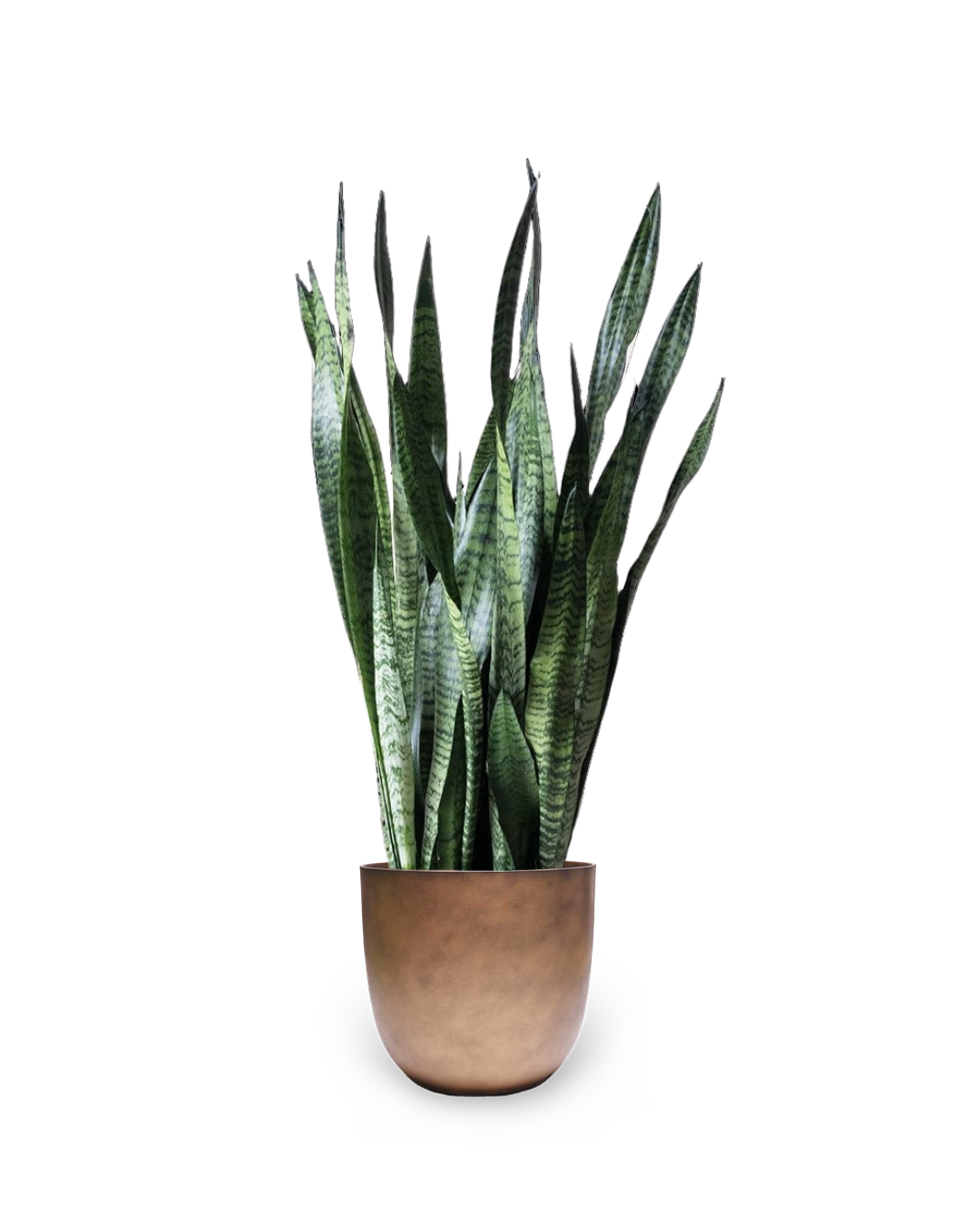
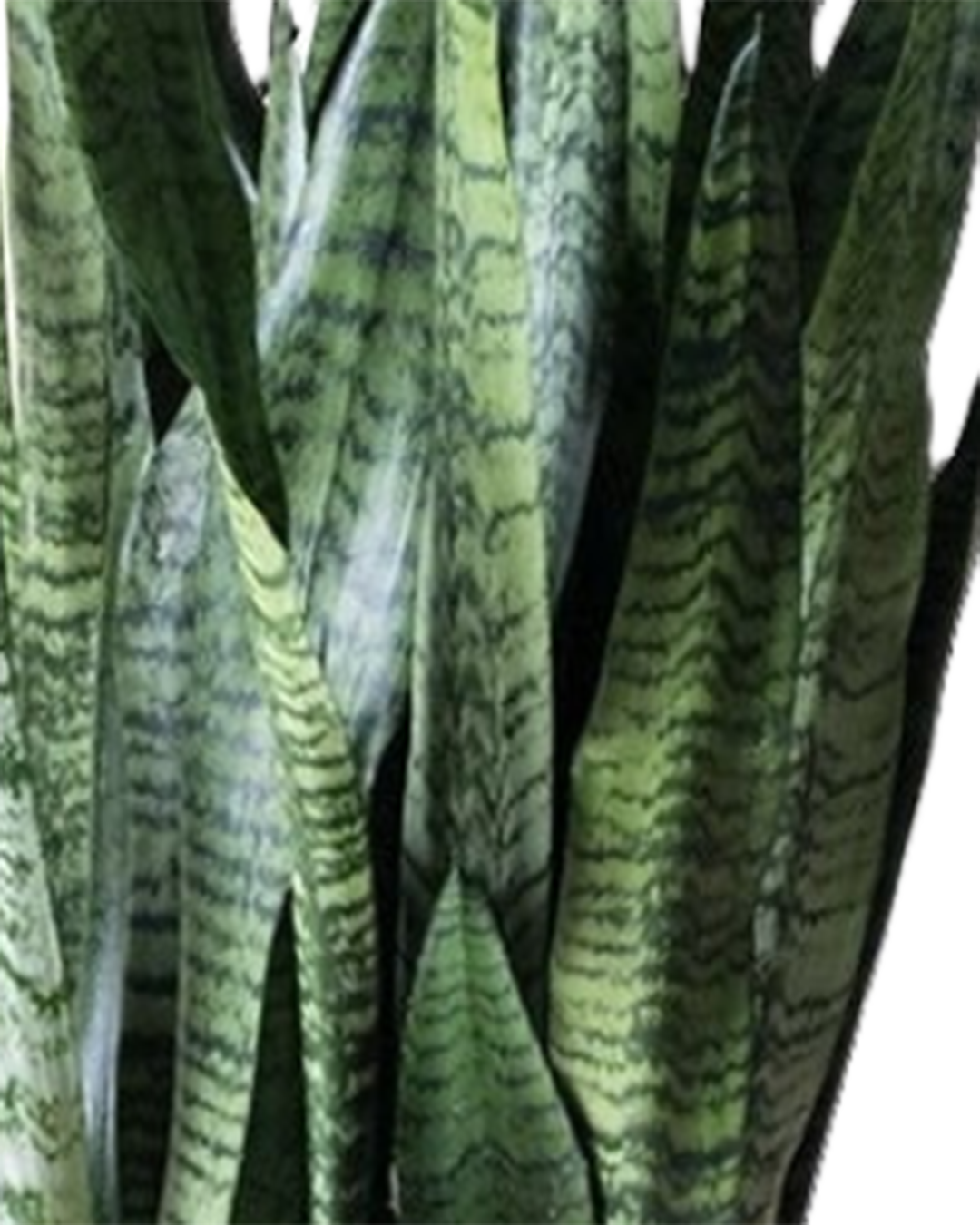
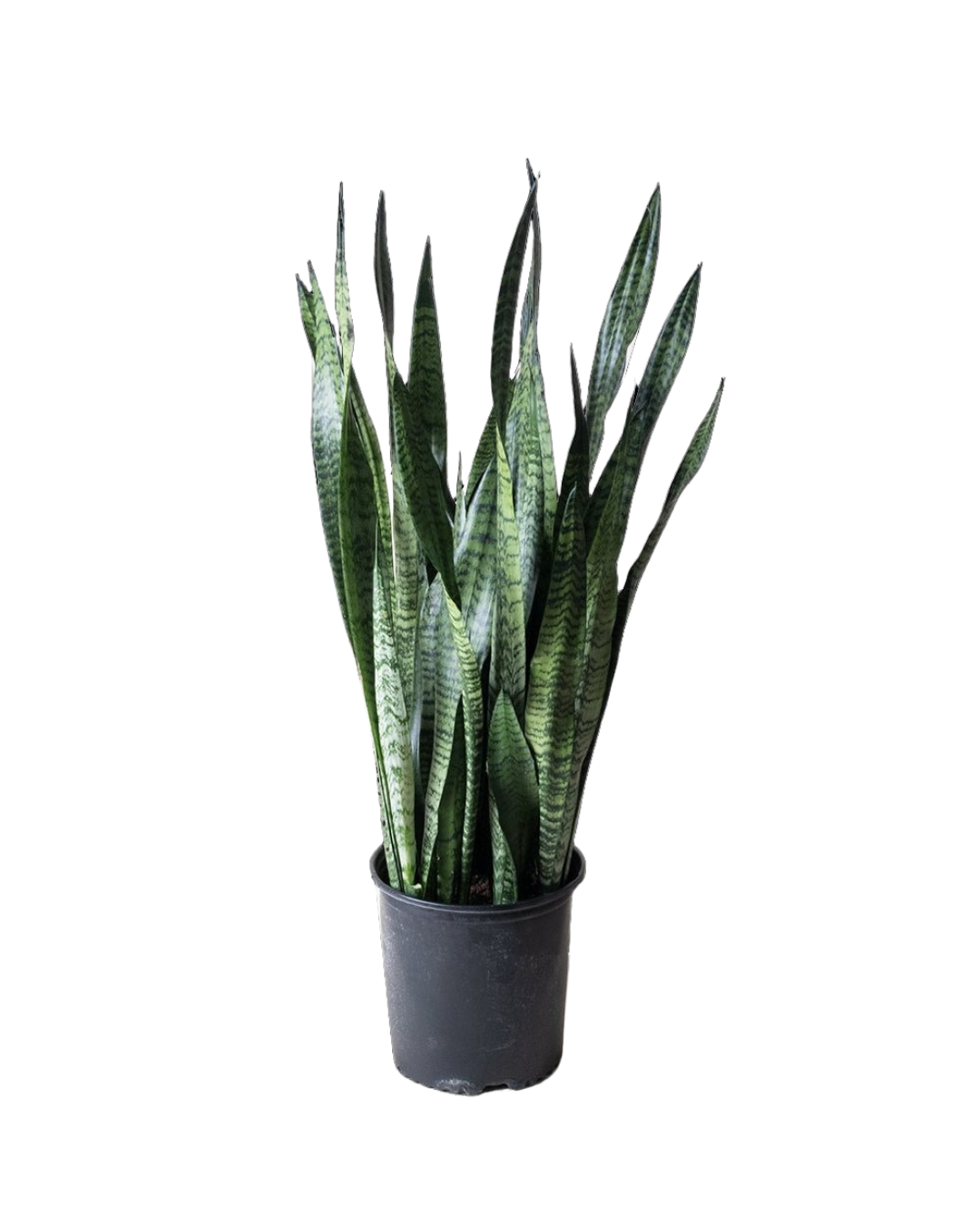
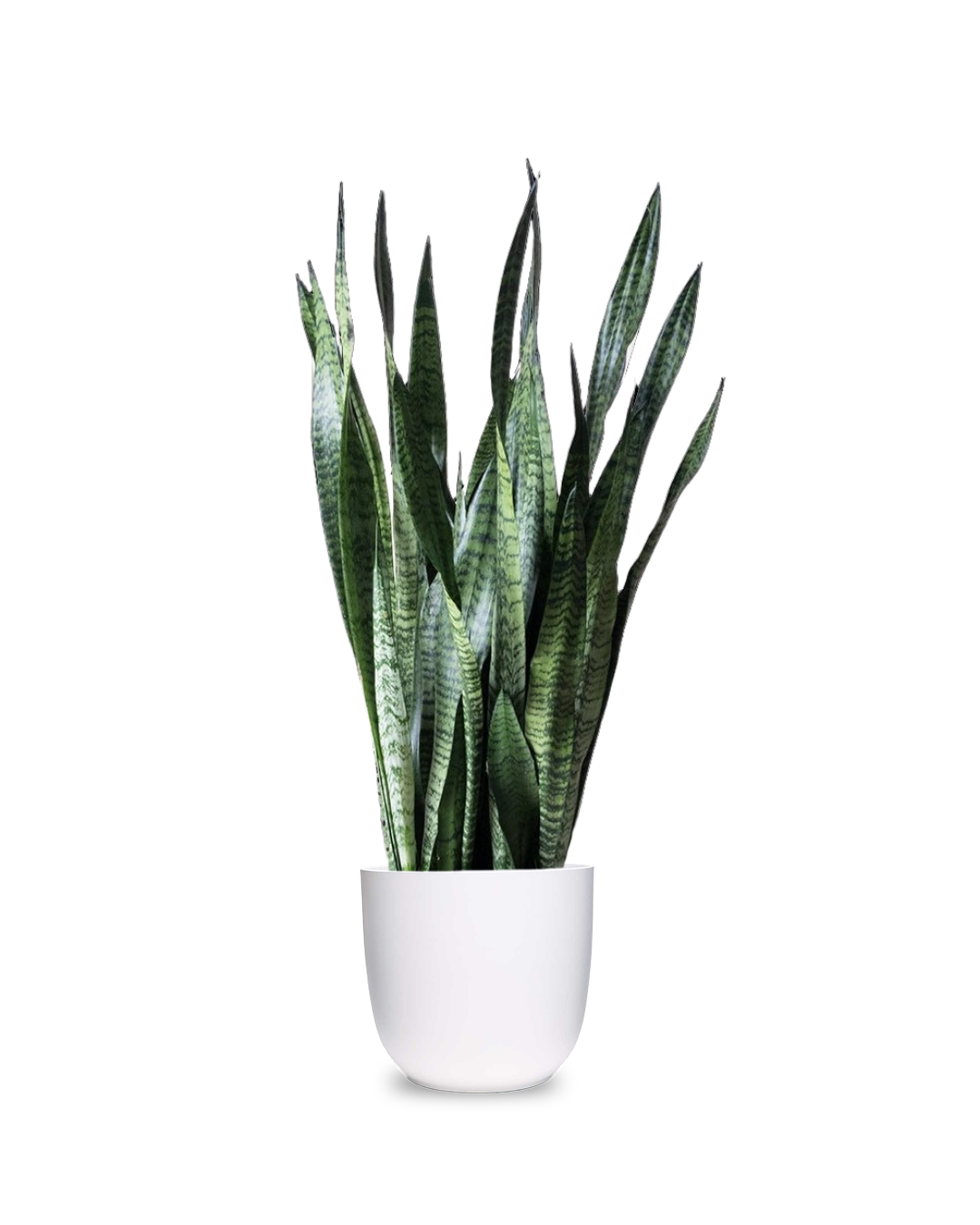
At Chive Plant Studio, our plant shop at 702 Queen St W in Toronto, most people ask for a snake plant by pattern rather than by name. “The stripy one,” they say, and they mean the Laurentii, with the yellow edges, and they always point at it from the door, like they’re picking someone out of a line-up. It’s usually the right choice. It’s also usually guilty of nothing.

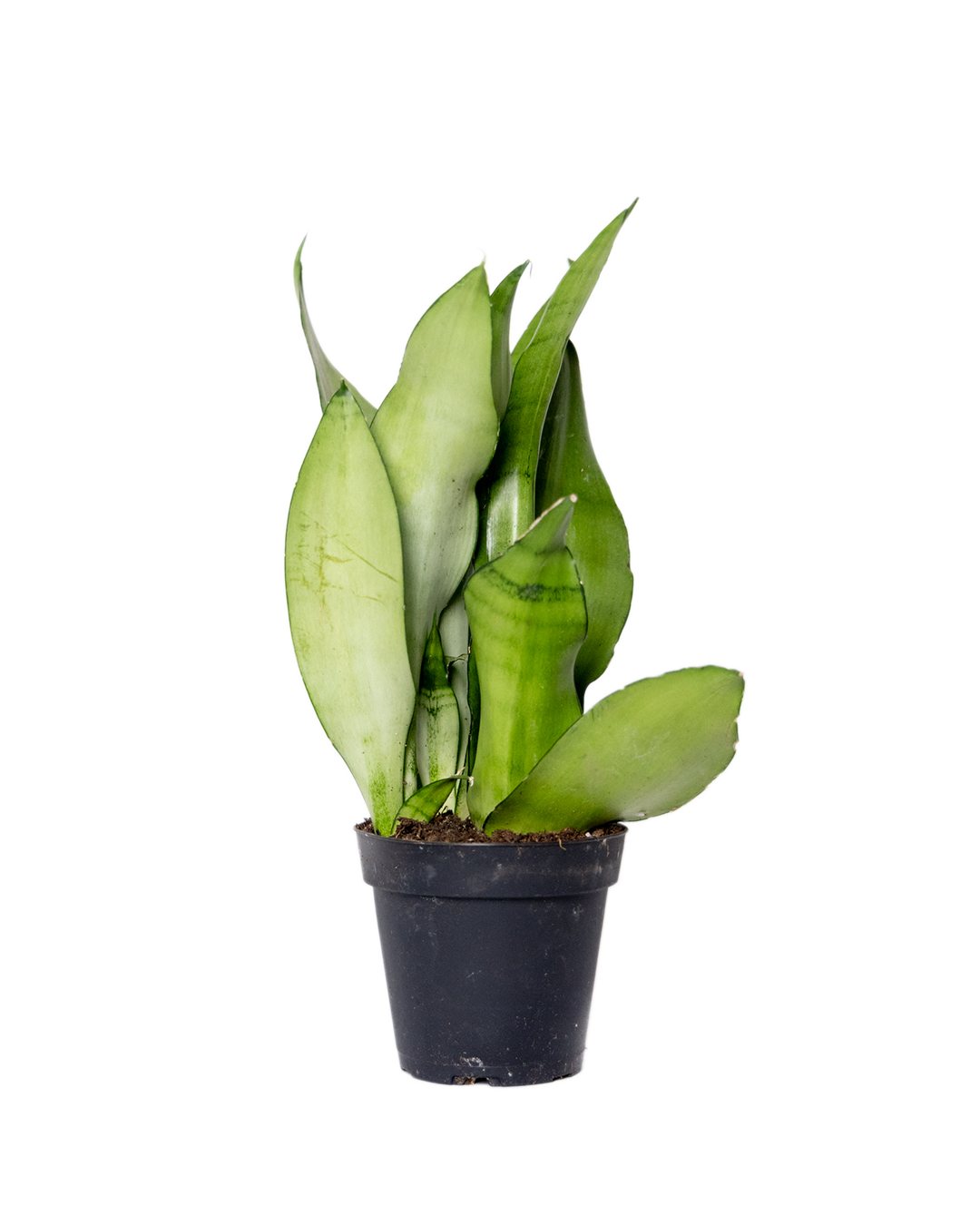
We pot every snake plant dry, without watering it in, because the thing most likely to hurt a snake plant is water. Ryan will sell you a snake plant or a self-watering pot, but never both; ask why and he says he doesn’t sell murder kits. We carry indoor snake plants in four- to twelve-inch pots, when we have them, from small rosettes for a shelf to tall ones for a corner. Our snake plants are grown by our nursery partners and brought to Queen West.

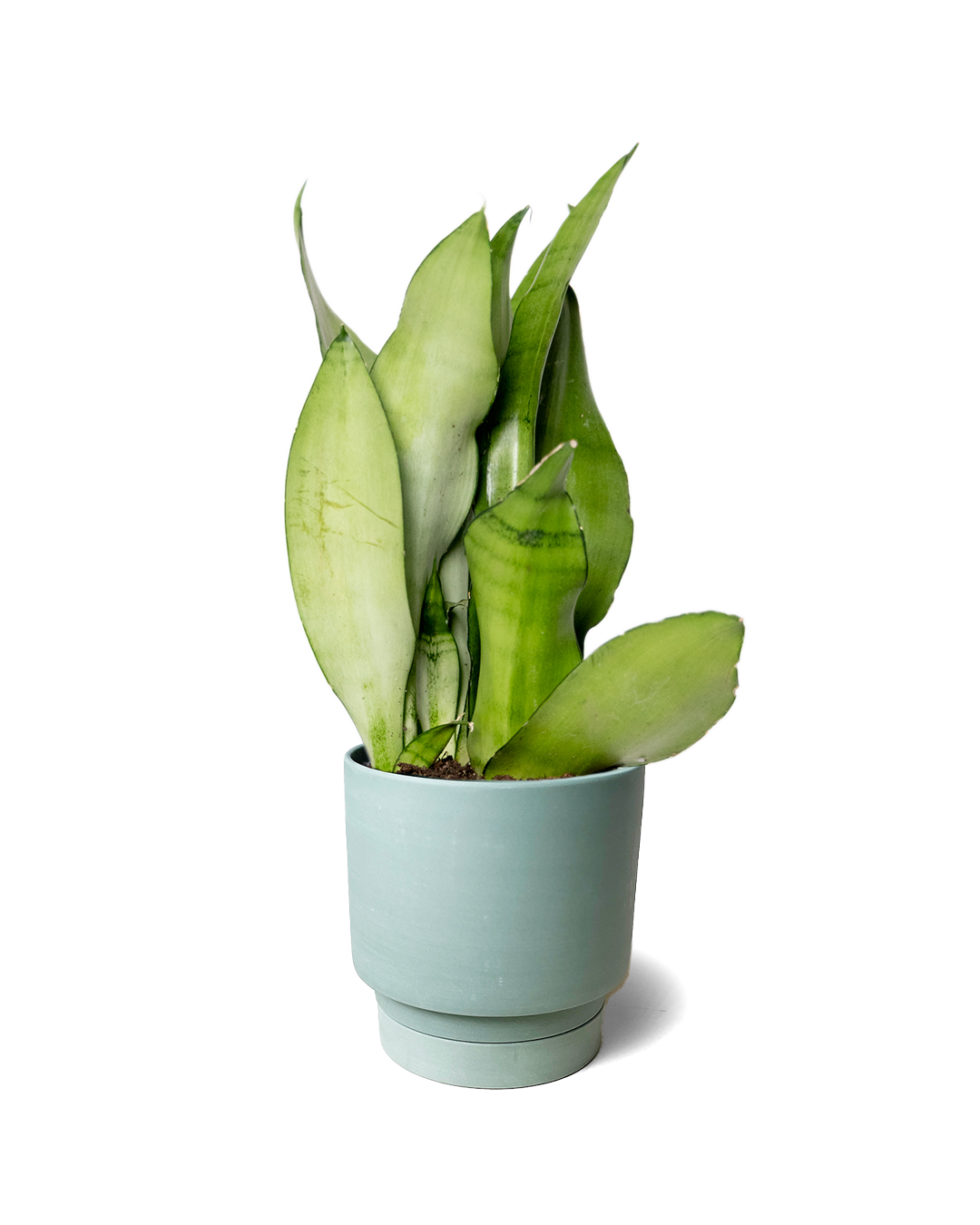
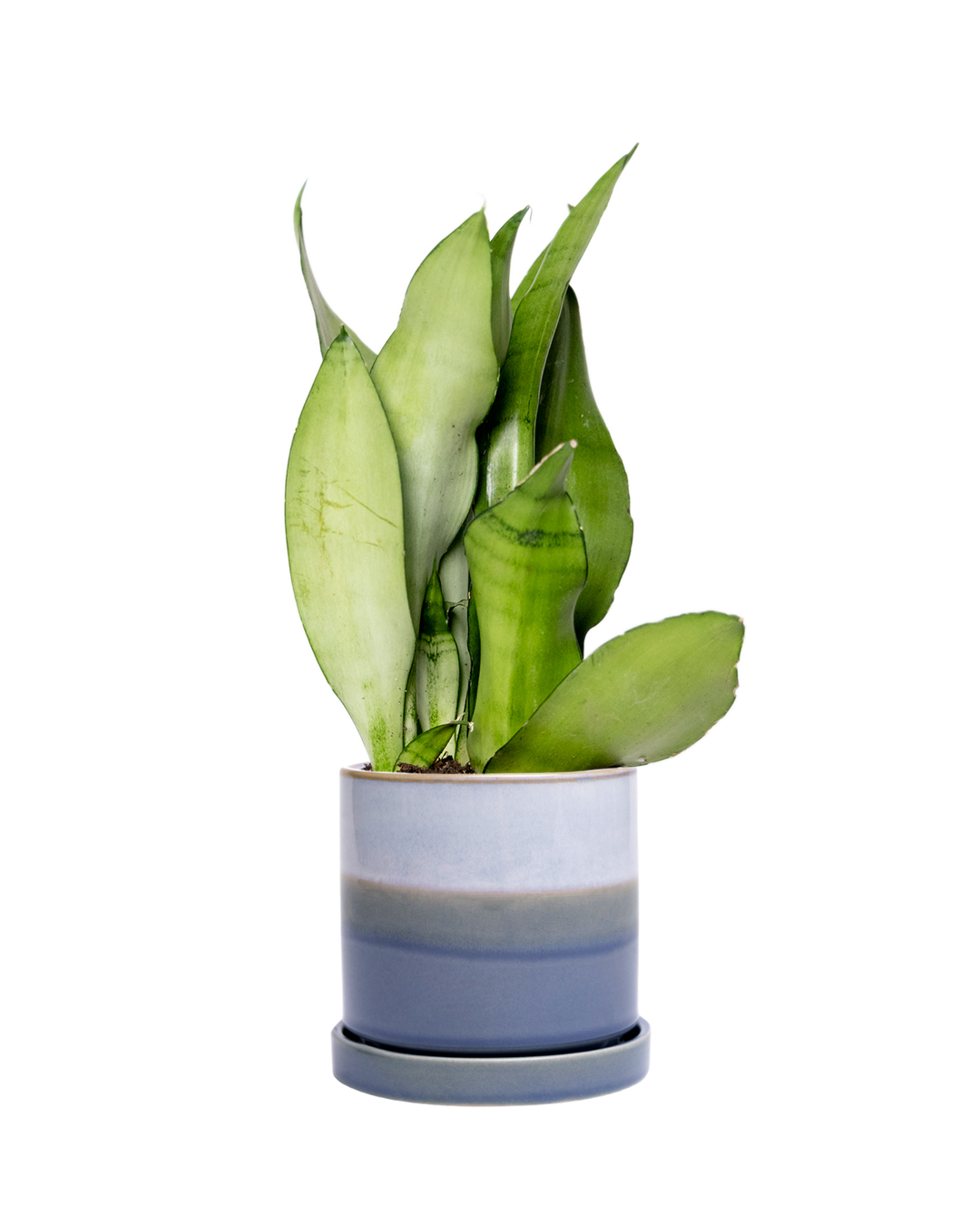
Delivered by hand across Toronto and the GTA. You can also pick up at 702 Queen St W. Every snake plant is potted before it leaves the shop, in its grow pot or one of our house pots, and the potting is already in the price. Read Ryan’s full snake plant care guide.


Sansevieria

Sansevieria is the old genus name for snake plants: they have since been reclassified into Dracaena, Penn State Extension notes, but nurseries and most buyers still call them sansevieria, and so do we. Whatever the label says, they are succulents; each stiff leaf stores water, which is why they cope with dry apartment air and long gaps between waterings. They grow from a creeping underground stem, sending new leaves straight up from the soil, and Penn State says they don’t mind being snug in their pot.

Snake Plant Toronto

Snake plants at a glance: bright, indirect light; tolerates low light · water only when the soil is dry all the way down; in winter, every month or two · keep leaves off cold glass · toxic to cats and dogs (ASPCA) · easy · four- to twelve-inch pots.

A snake plant suits a Toronto apartment better than almost anything: it tolerates dry air, cool rooms around 10°C and very low light, according to NC State Extension. Its one weakness is water. NC State says to let the soil dry between waterings from spring to fall and to water only every month or two in winter, and Penn State warns that overwatering causes root rot, the most common way to lose one. If your light is more theory than practice, our low light plants are worth a look too.

Every snake plant is easy, and every snake plant is toxic to cats and dogs: the ASPCA lists saponins, which cause nausea, vomiting and diarrhea, and Penn State says all species are toxic. Keep them away from pets that chew, or choose from our pet-friendly plants.


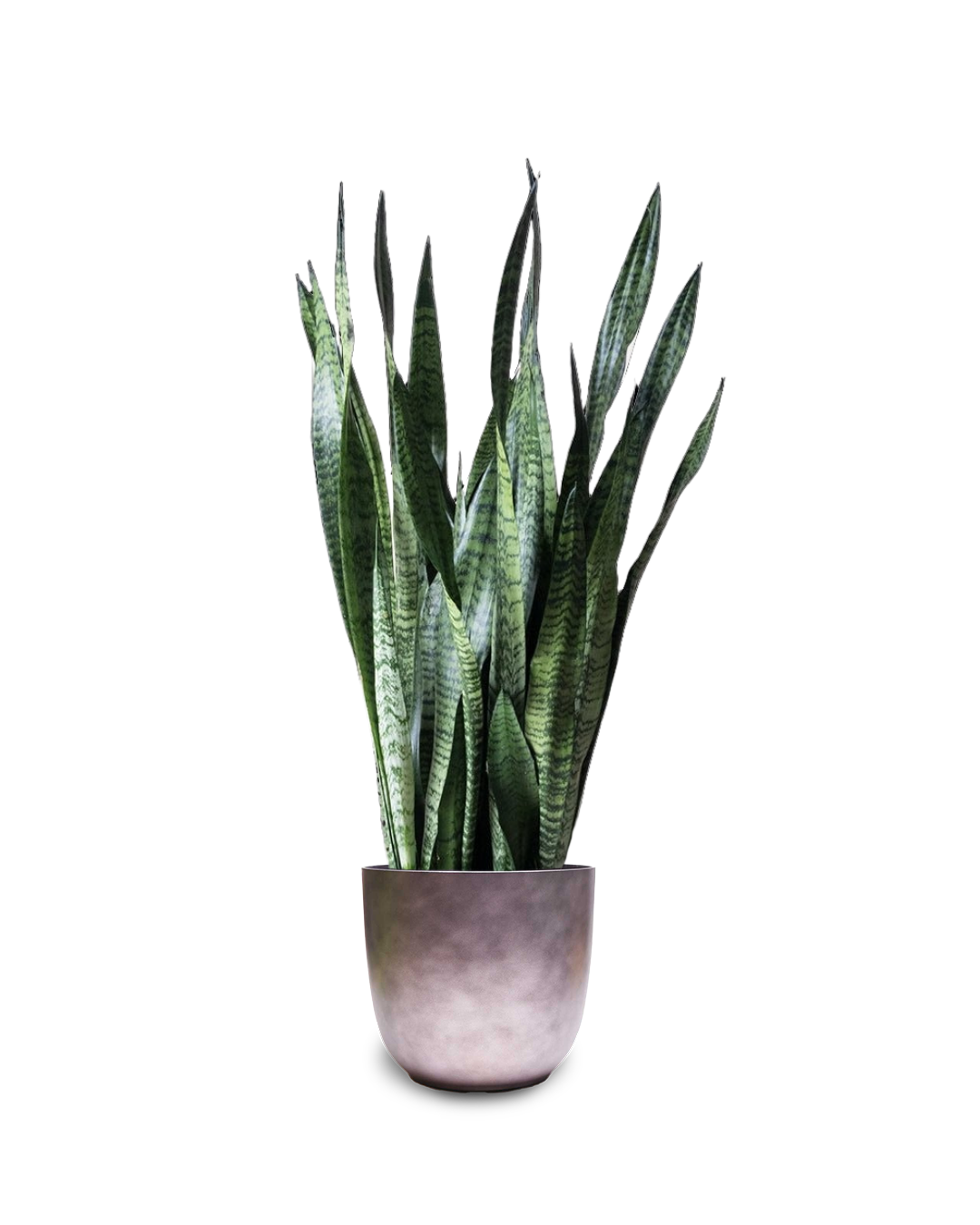
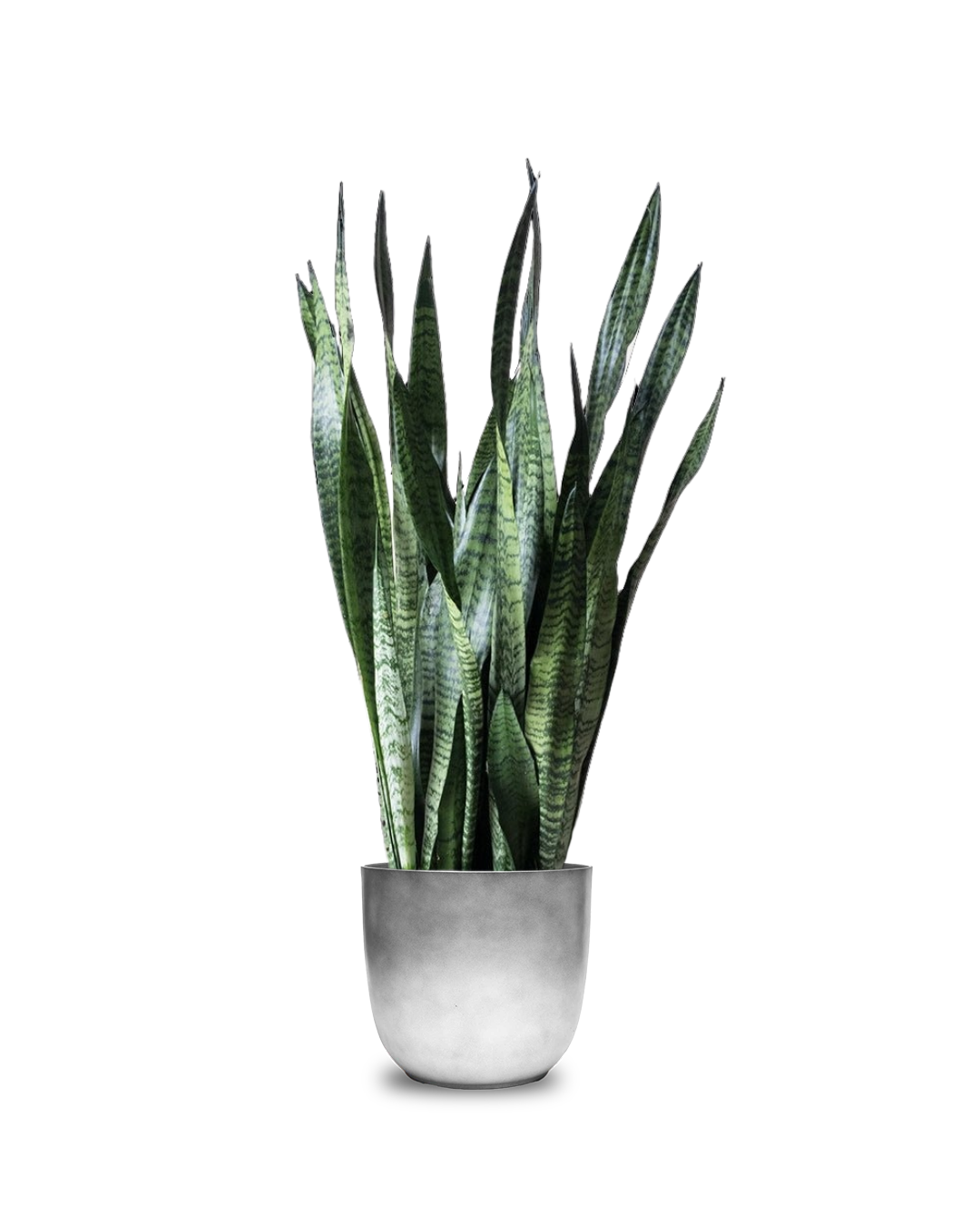
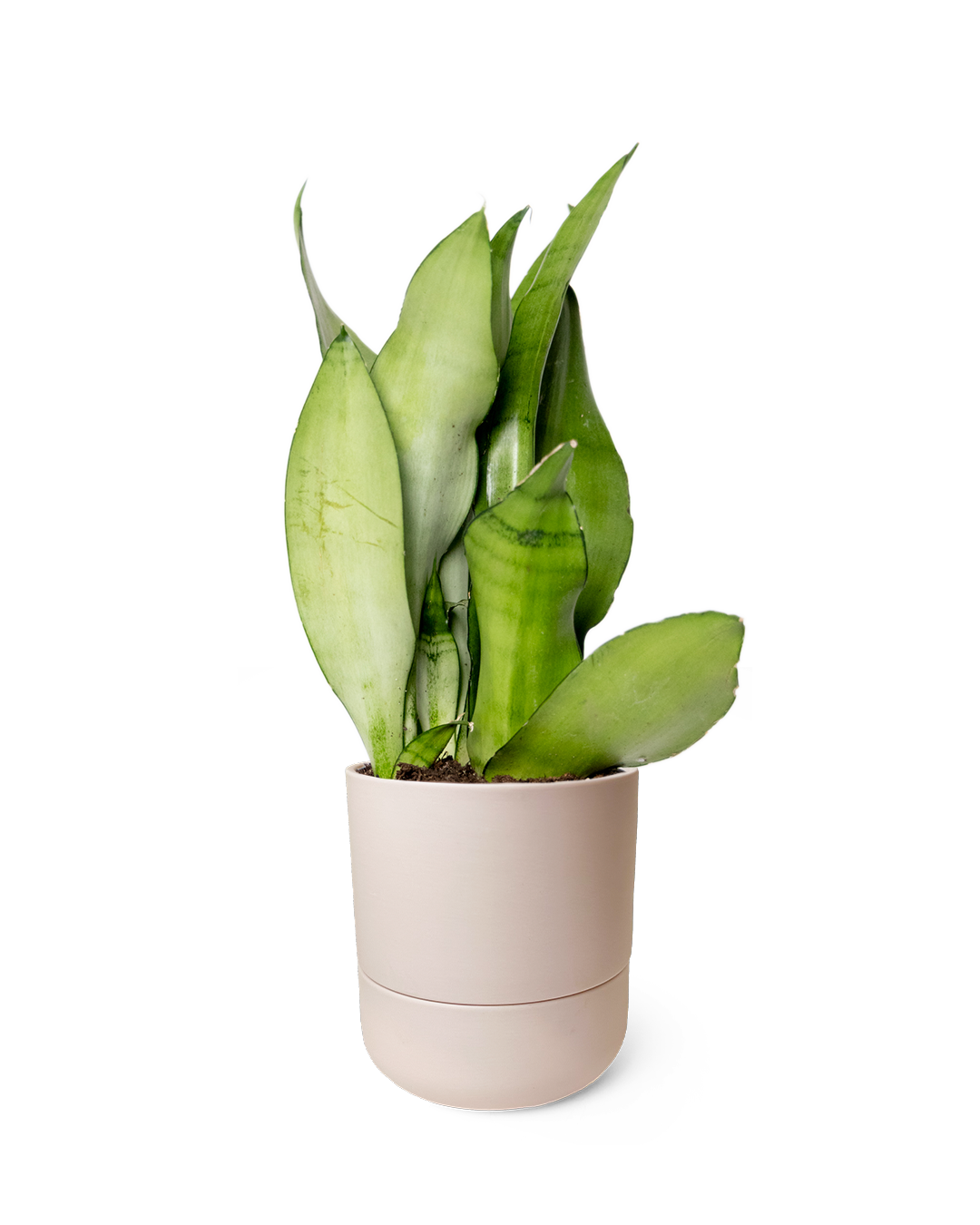
Snake Plants varieties we grow

Reviewed by Ryan Hearst, Plant Shop Manager · Updated October 2026

From our shop floor

  • Most snake plants that come back to us were overwatered, not forgotten.
  • We check the soil with a finger before watering; if there’s any damp, we wait.
  • Every snake plant is potted in the shop before it leaves.

Our snake plants are chosen and potted by the staff at 702 Queen St W, led by Ryan Hearst, our Plant Shop Manager.

Snake Plants Frequently Asked Questions

Is a snake plant the same as mother-in-law's tongue?

Yes. Mother-in-law’s tongue is another common name for the snake plant, Dracaena trifasciata, which was long sold as Sansevieria trifasciata; the ASPCA and NC State Extension list both names.

Is a snake plant a dracaena?

Yes. Snake plants were moved from Sansevieria into the genus Dracaena, so the common snake plant is now Dracaena trifasciata, as Penn State Extension and NC State Extension note. They still want different care from the cane dracaenas, much more drying out between waterings, so they keep their own page here; the rest of the genus is on our dracaena plants page.

Where can I buy a snake plant in Toronto?

You can buy snake plants, from small rosettes to large ones for a corner, at Chive Plant Studio, 702 Queen St W, Toronto, or order on chive.ca. Delivered by hand across Toronto and the GTA. We don’t ship snake plants elsewhere in Canada.

Is a snake plant safe for cats?

No. The ASPCA lists the snake plant as toxic to cats and dogs because of saponins, which cause nausea, vomiting and diarrhea. Keep it away from pets that chew, or choose from our pet-friendly plants.

Which snake plant does best in a dark room?

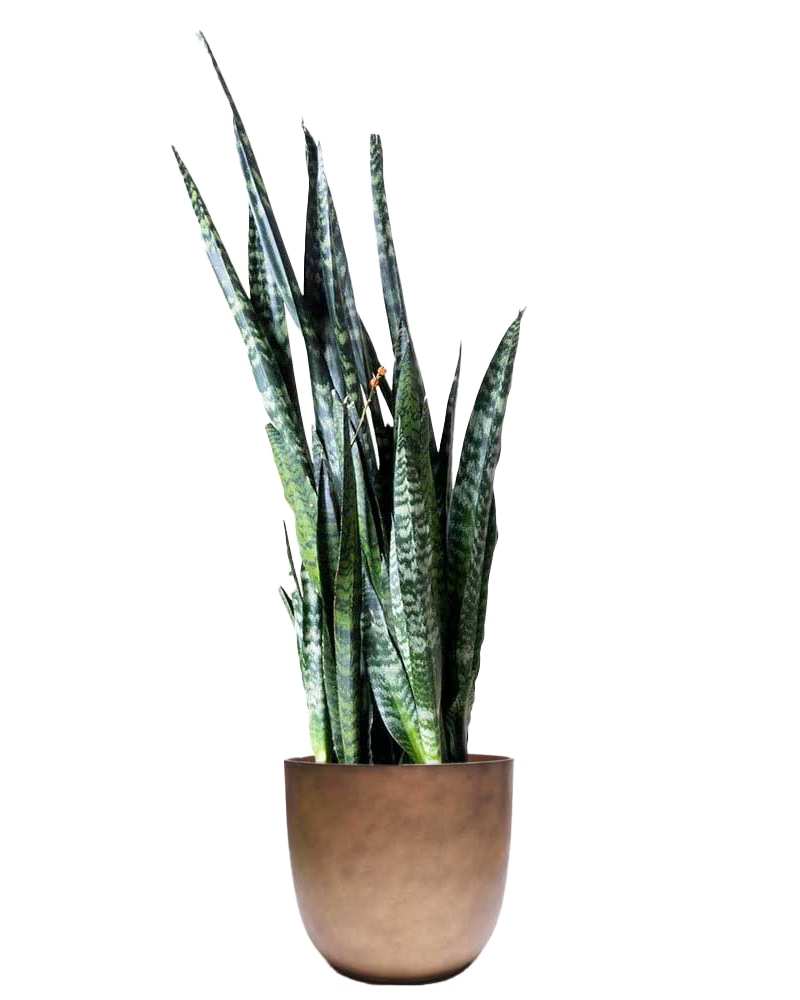
No snake plant thrives in the dark, but the Zeylanica and the Laurentii tolerate low light best; NC State Extension says the species tolerates very low light, though all of them grow very slowly there. None of them like the dark. They just slow down so much in it that people mistake the stillness for gratitude. The Zeylanica and the Laurentii put up with a dim room best, the way we put up with February: present, upright, not growing. Moonshine goes plain green out of sheer boredom. Read Ryan’s full snake plant care guide.

Can you pot my snake plant before it leaves?

Yes, every snake plant is potted before it leaves the shop, and the potting is included in the price shown. Choose the grow pot or one of the house pots offered with each plant and size; potting is $1 per inch of pot, already built into that one price.

What sizes of snake plant do you carry?

We carry snake plants in four- to twelve-inch pots. The smaller pots hold compact plants for a shelf or table; the larger ones hold tall, large snake plants for a corner, with leaves that can reach four feet, according to NC State Extension. Each plant’s page shows only the sizes in the shop now.

Where is the best place to put a snake plant?

The best place for a snake plant is in bright, indirect light, out of hot direct sun, with its leaves clear of cold window glass in winter, according to Penn State Extension and NC State Extension. It will tolerate a dim corner, but it grows very slowly there and needs even less water. Penn State suggests a heavy pot for tall ones, so they don’t tip over when the soil is dry.

About Chive Plant Studio