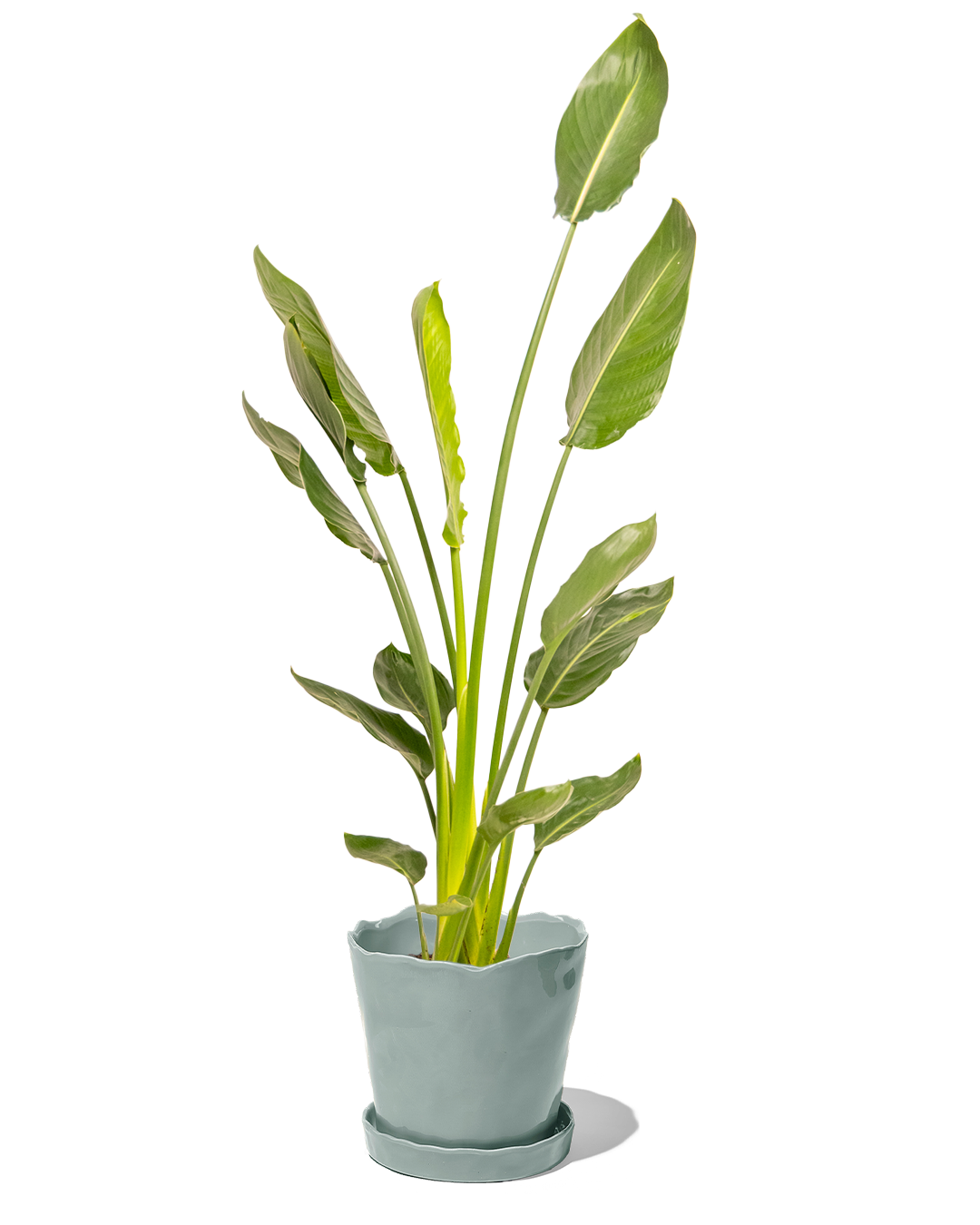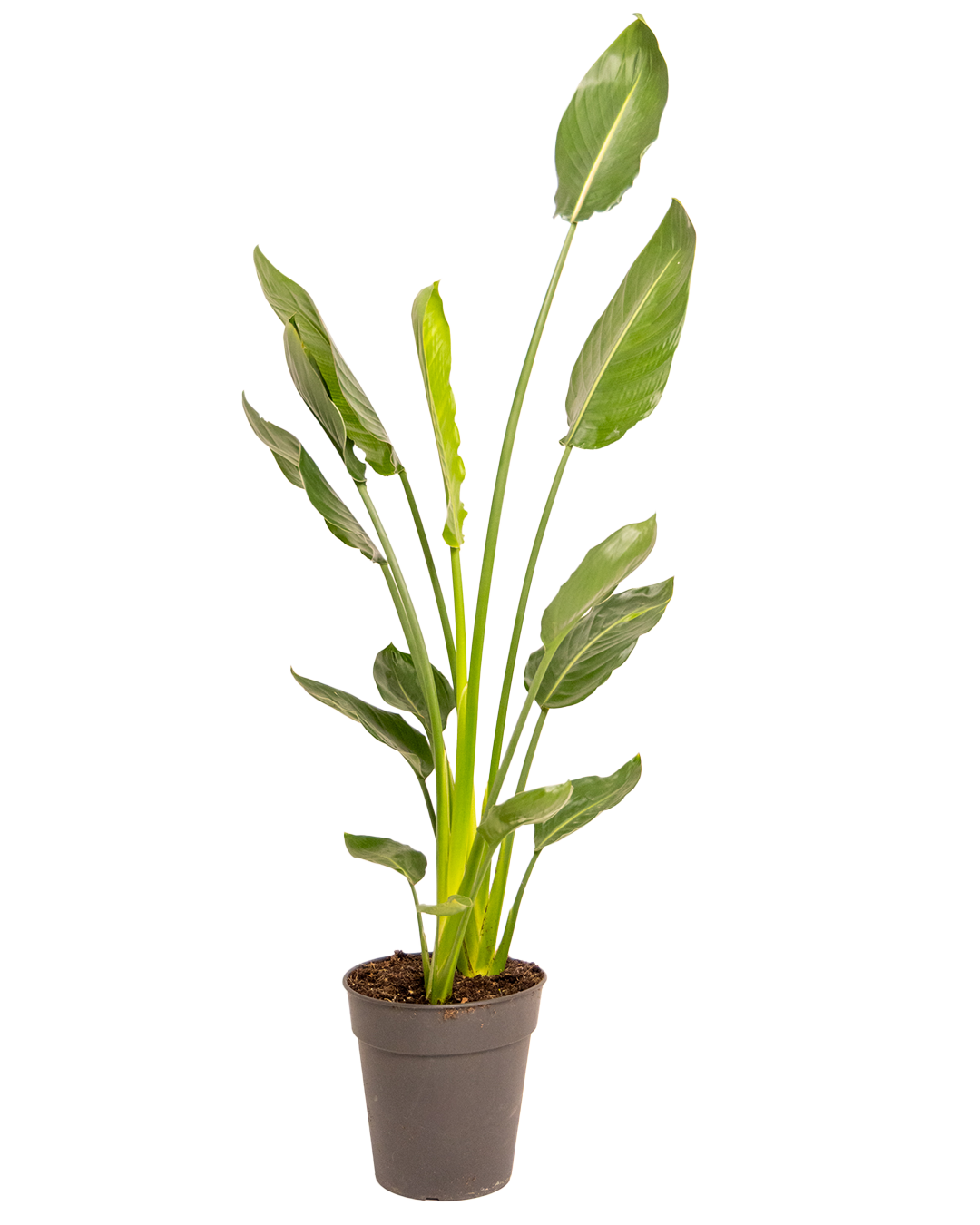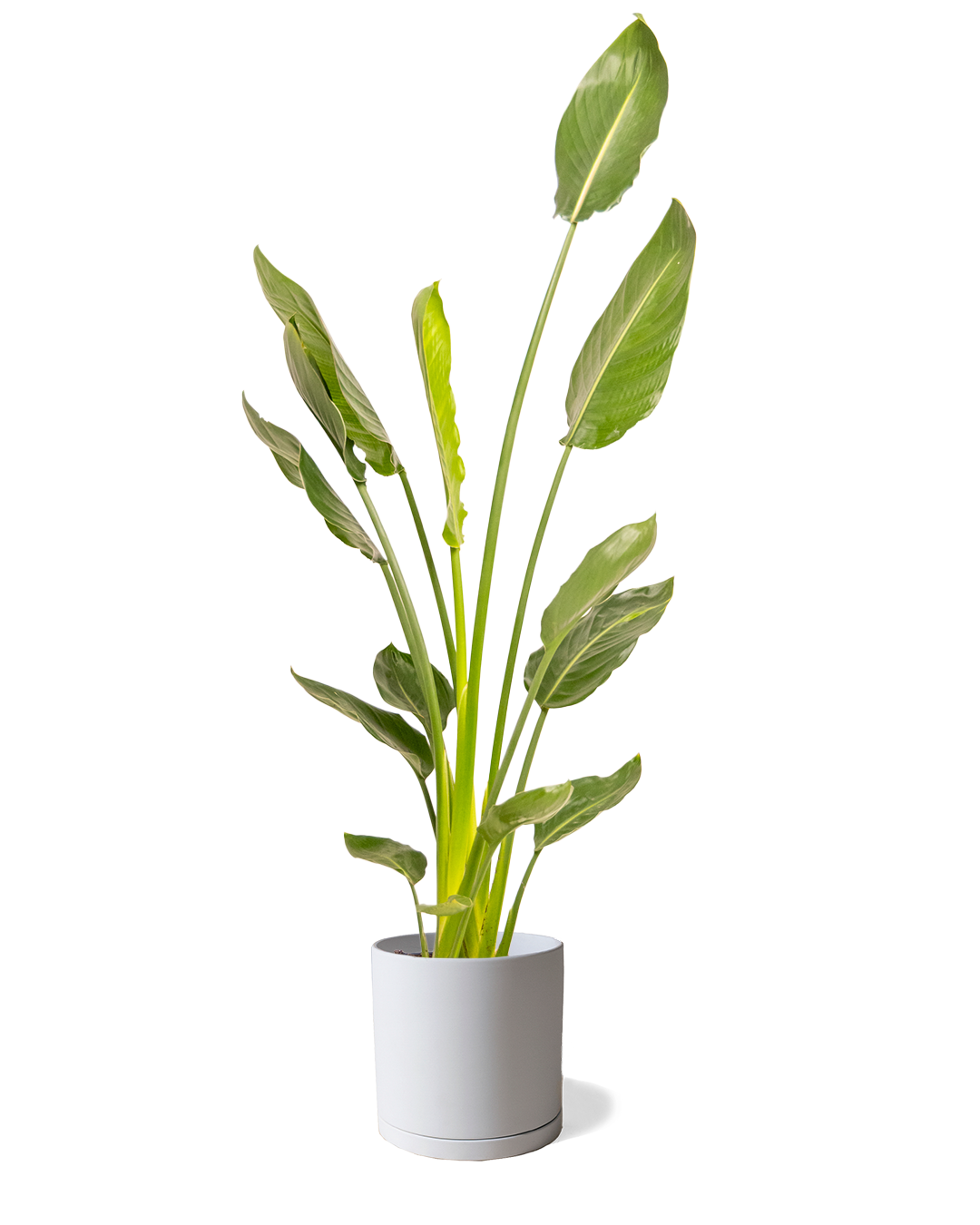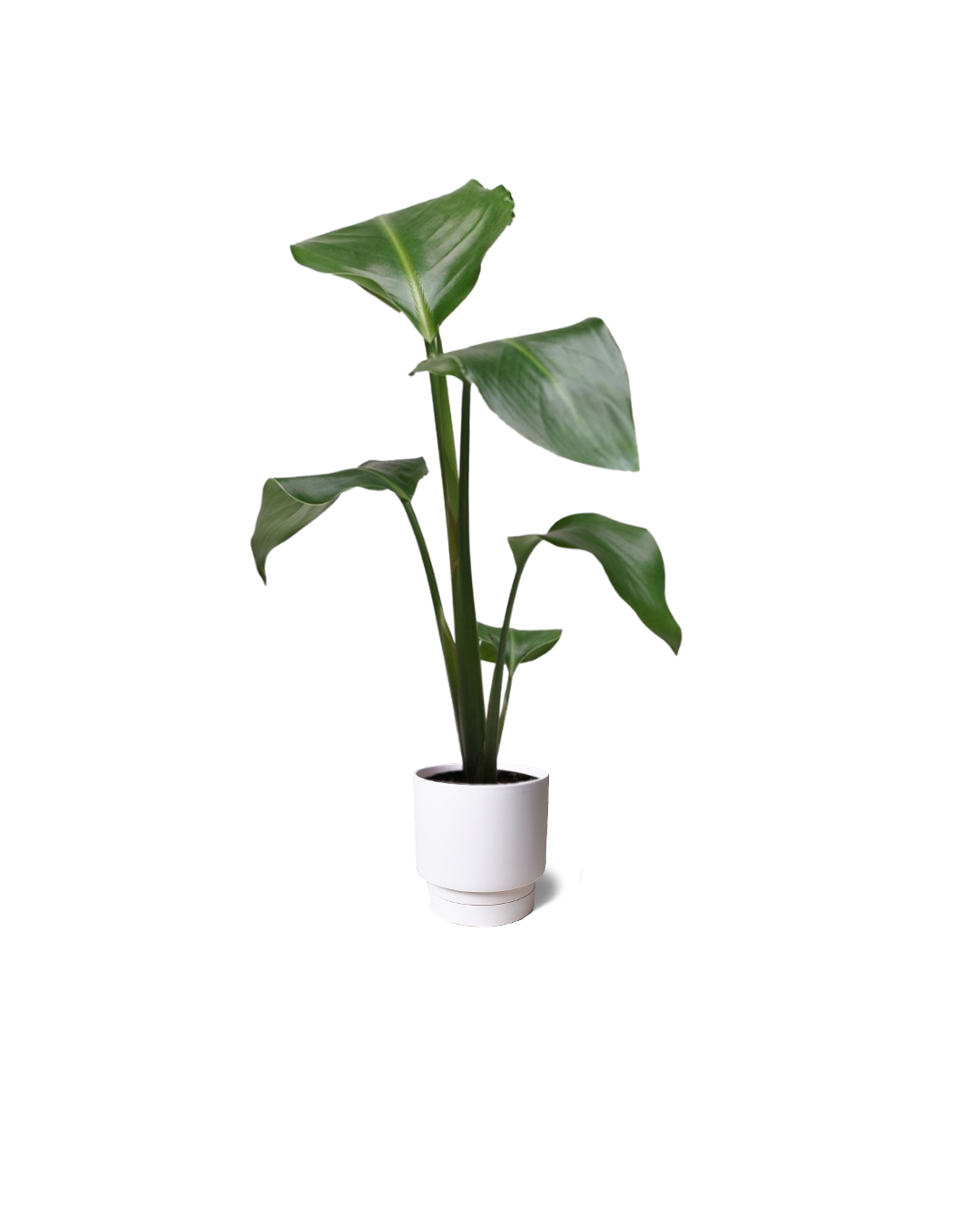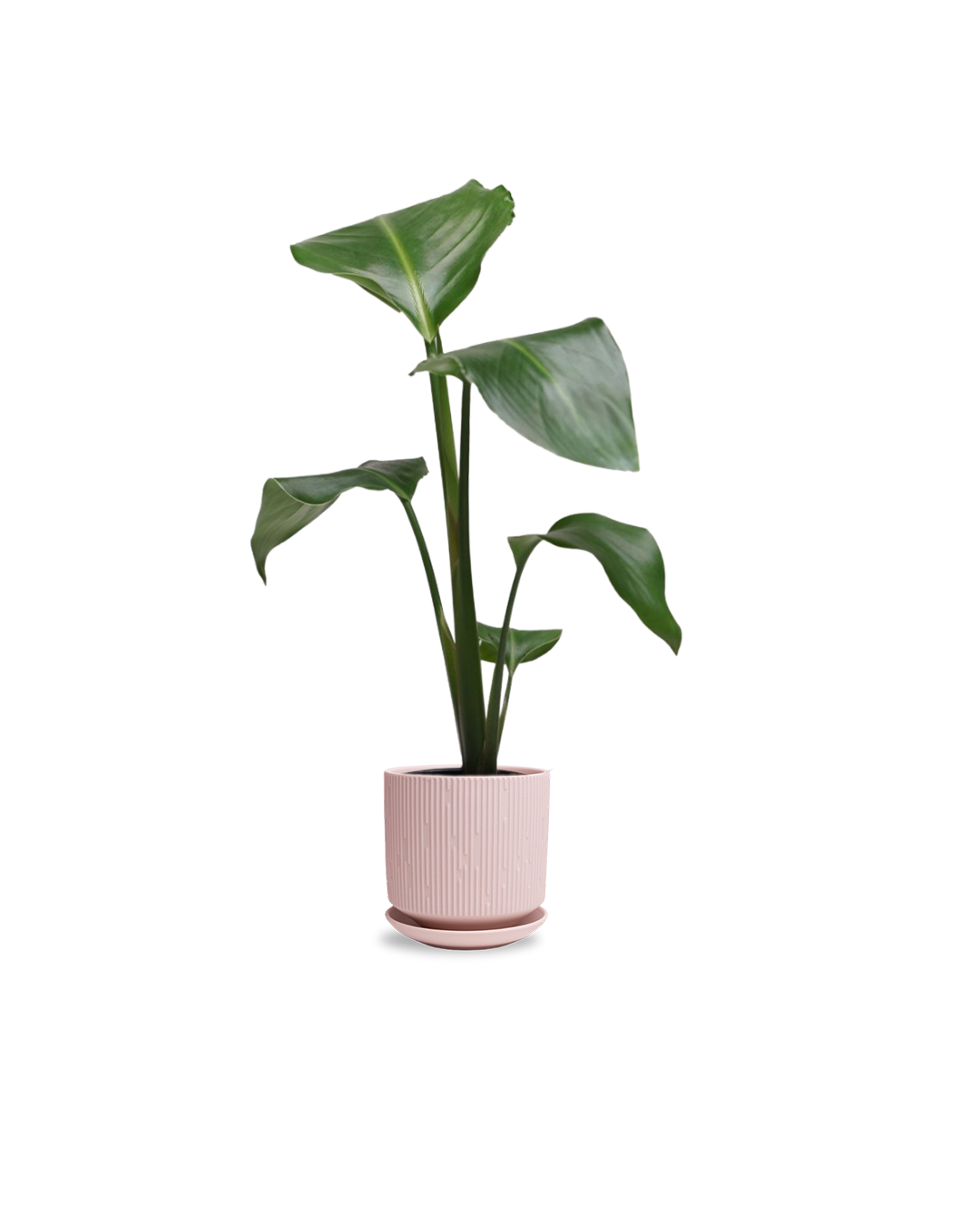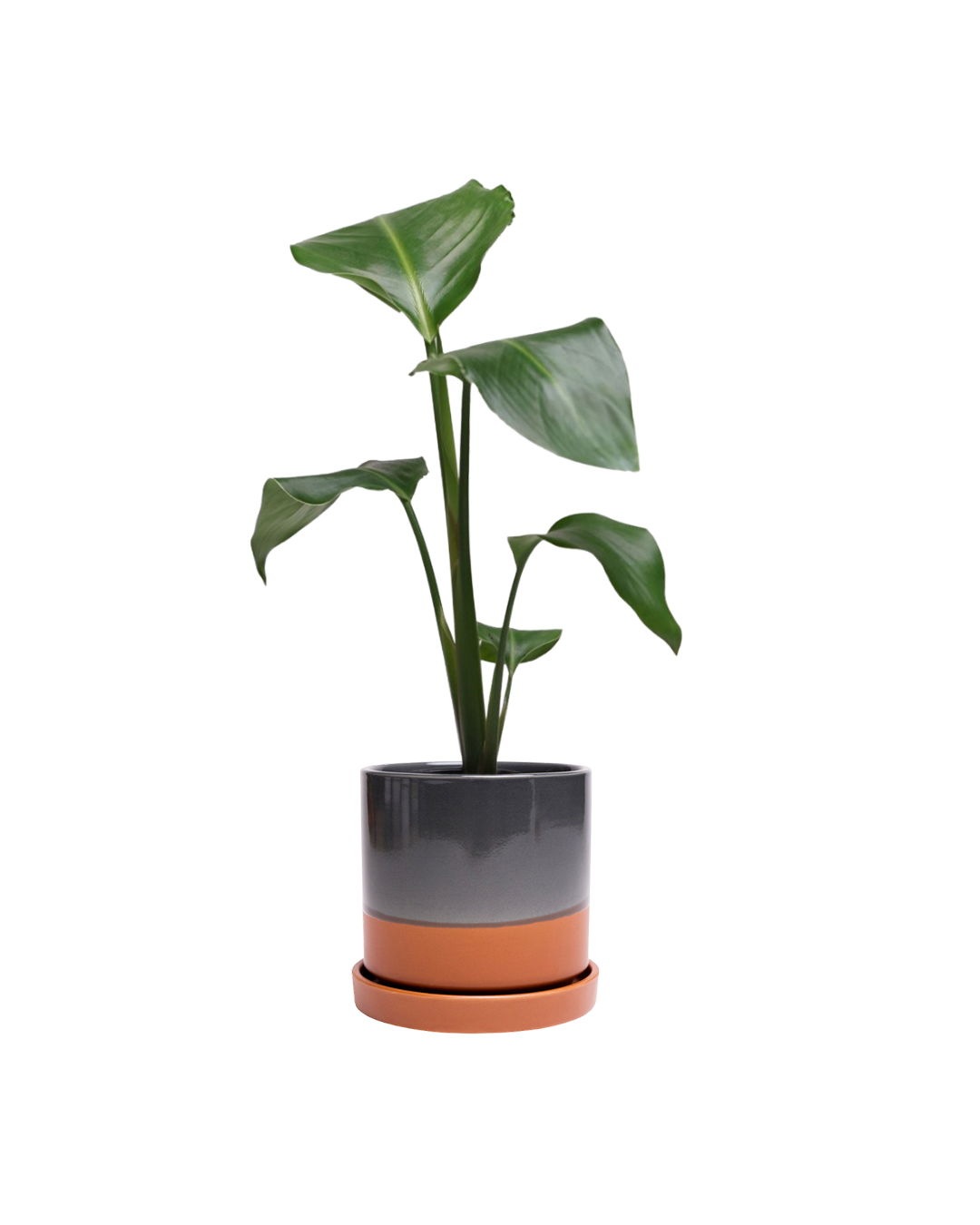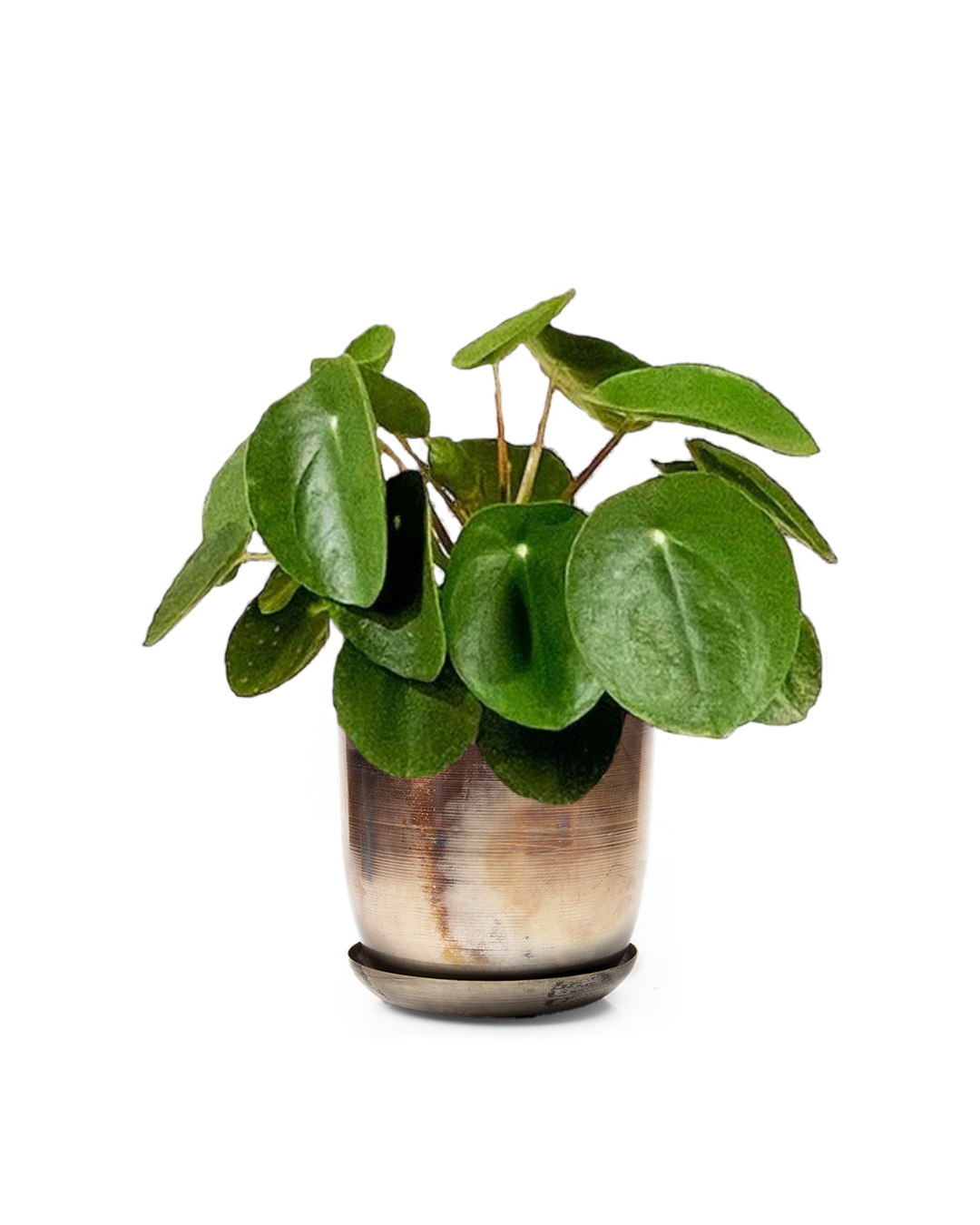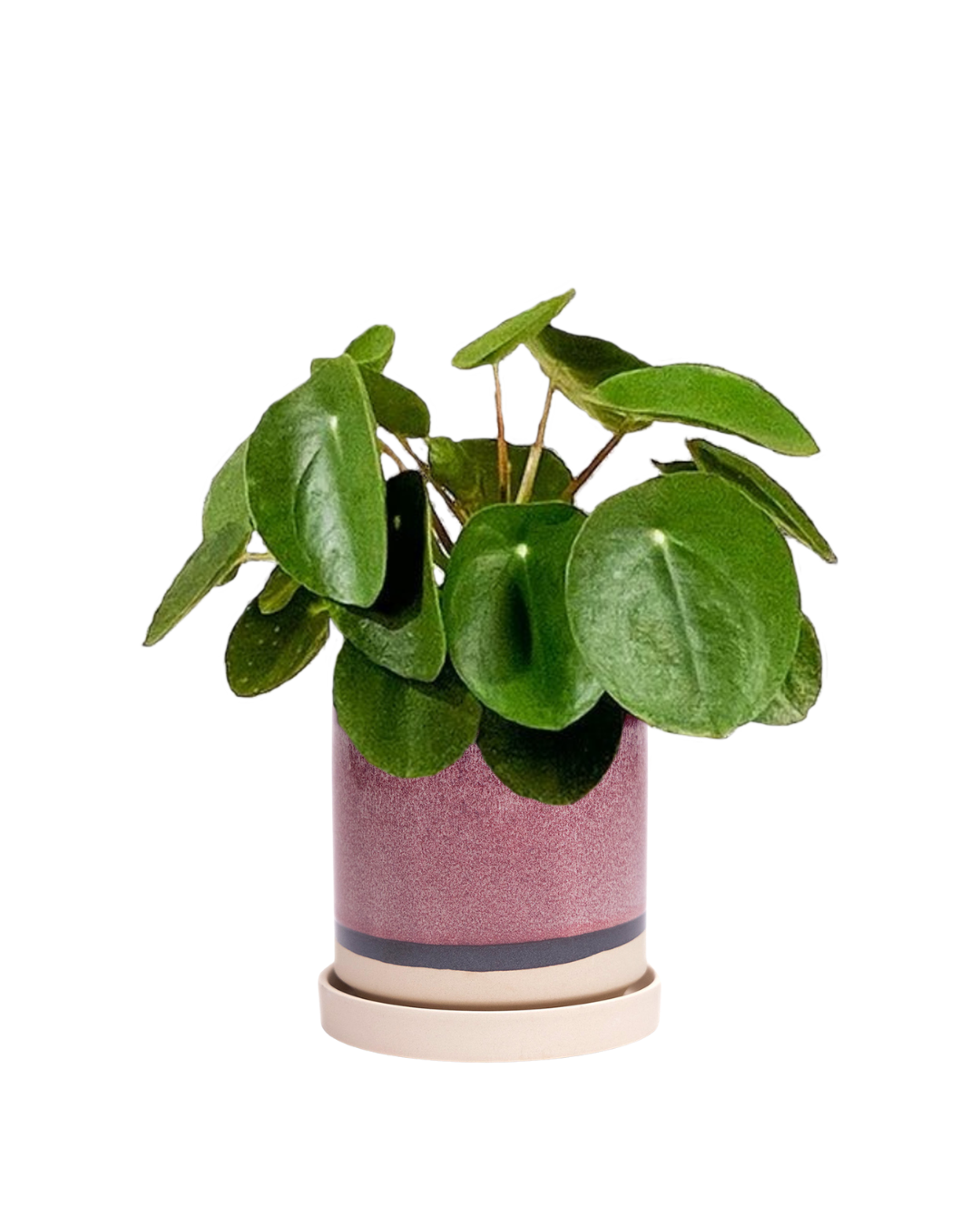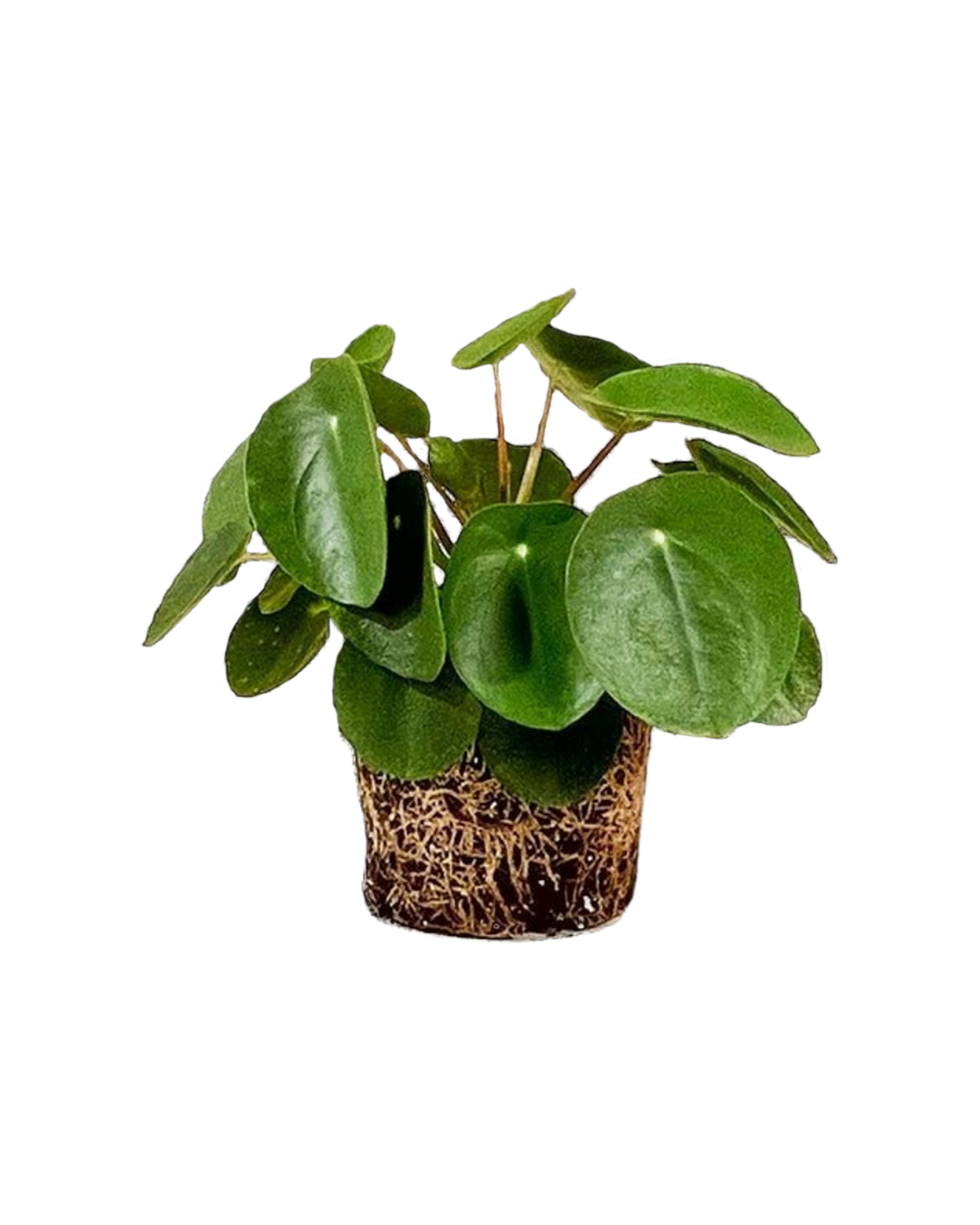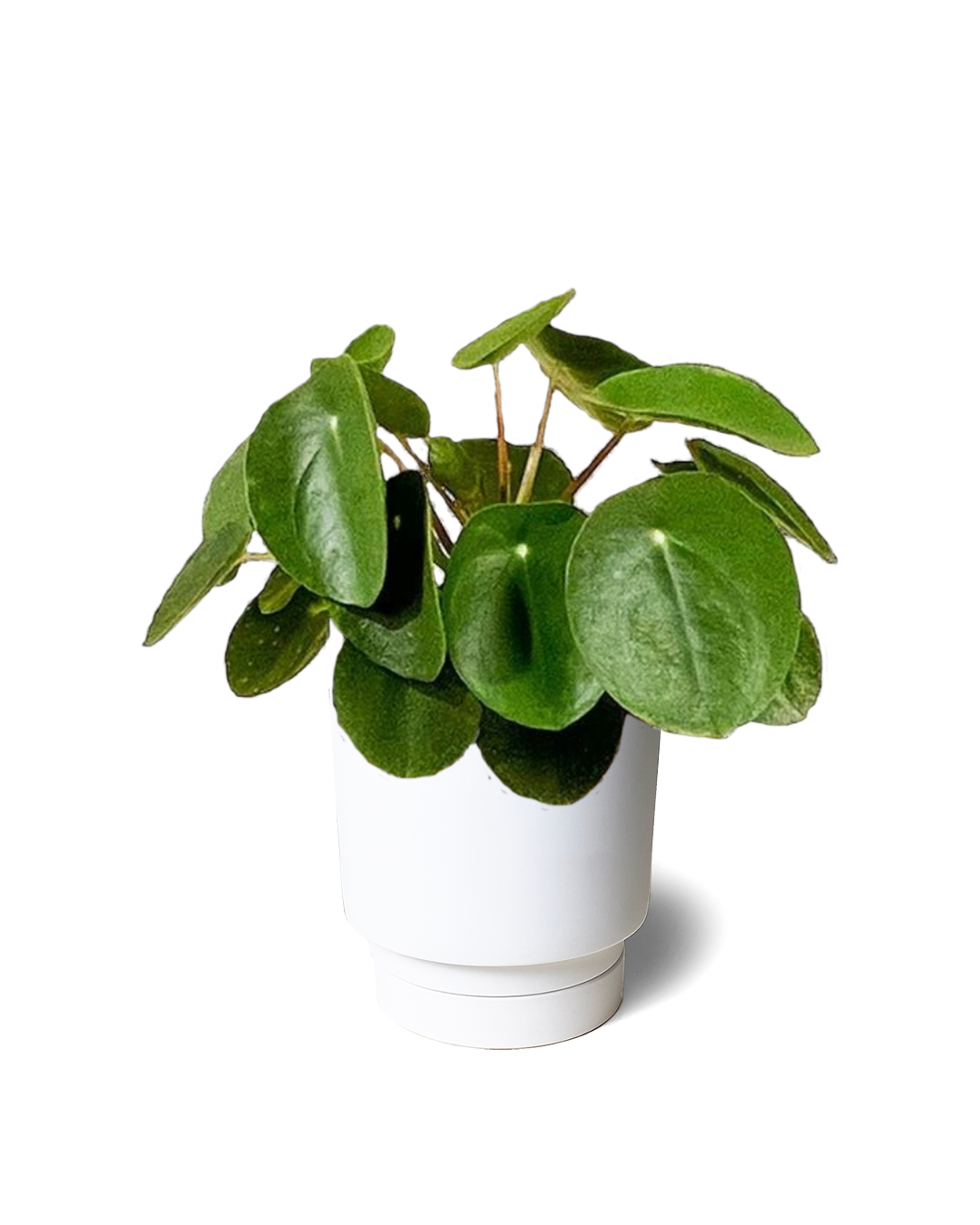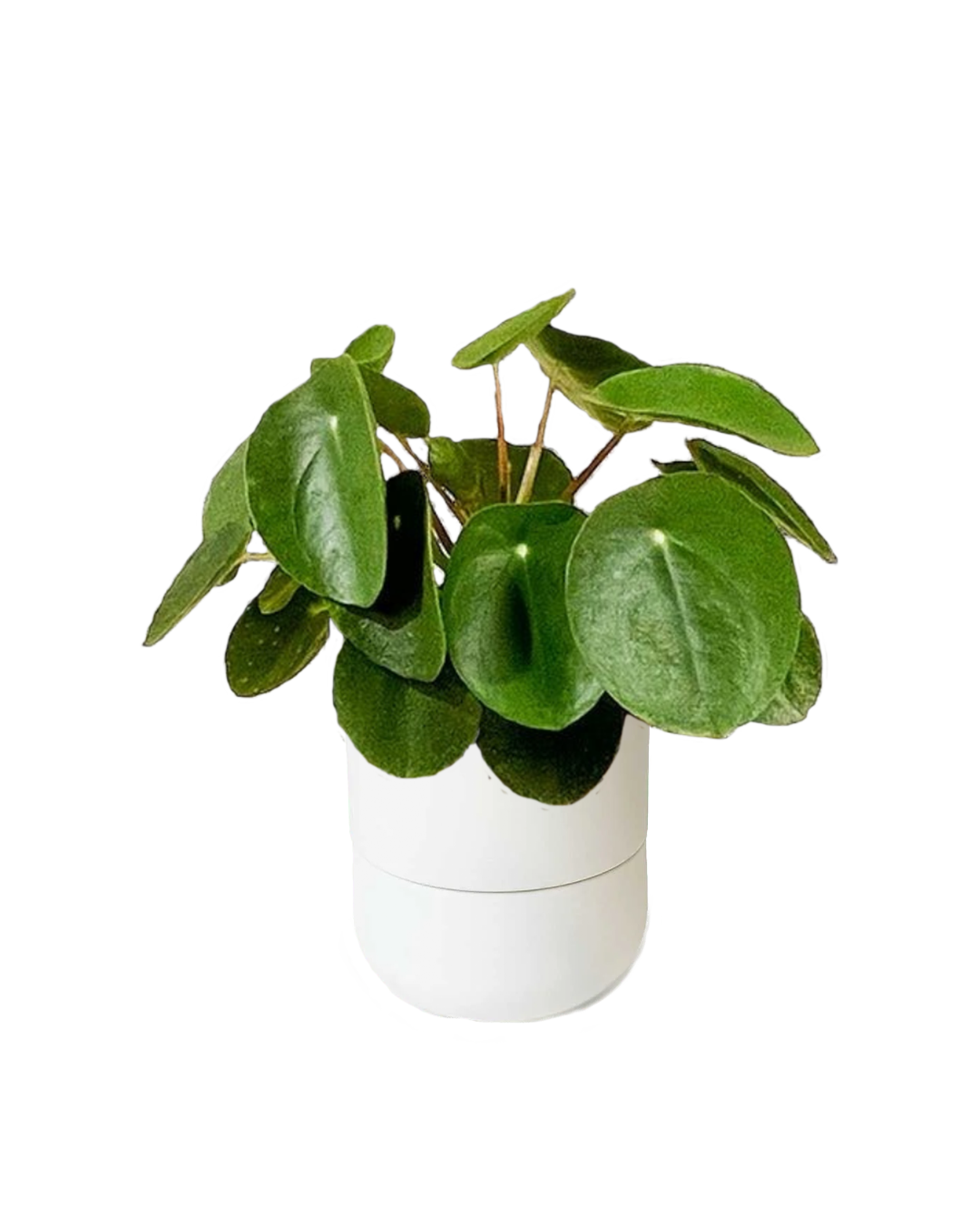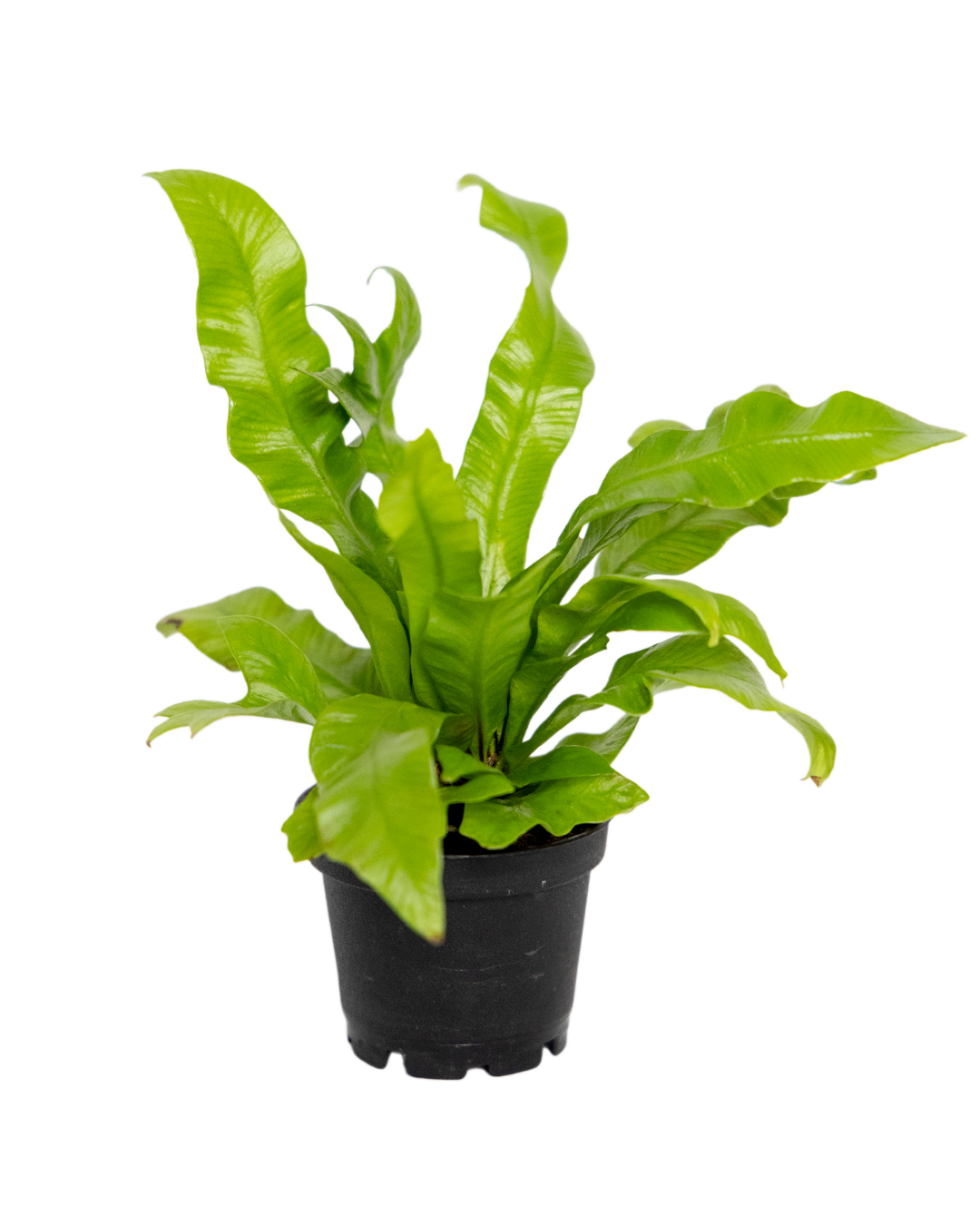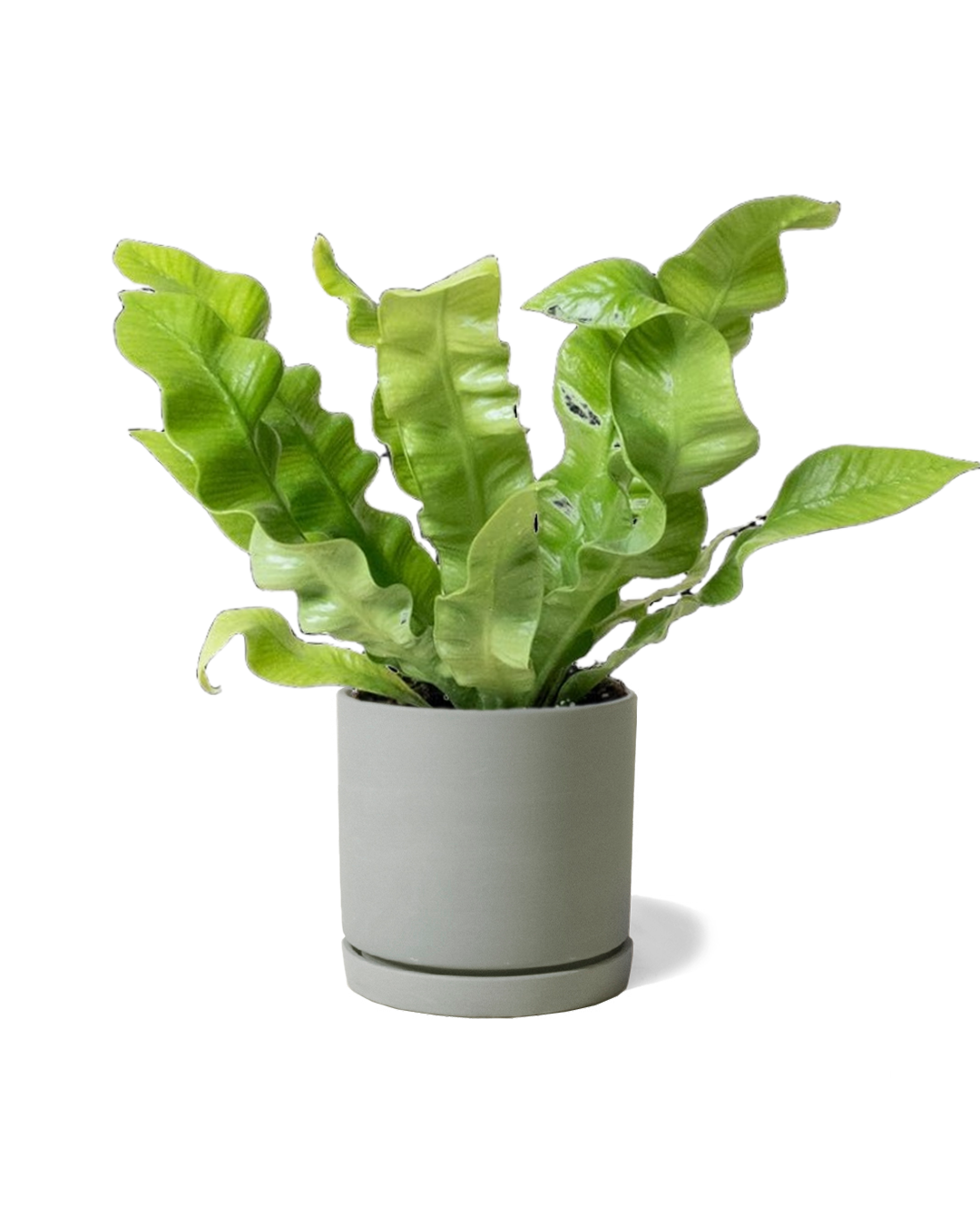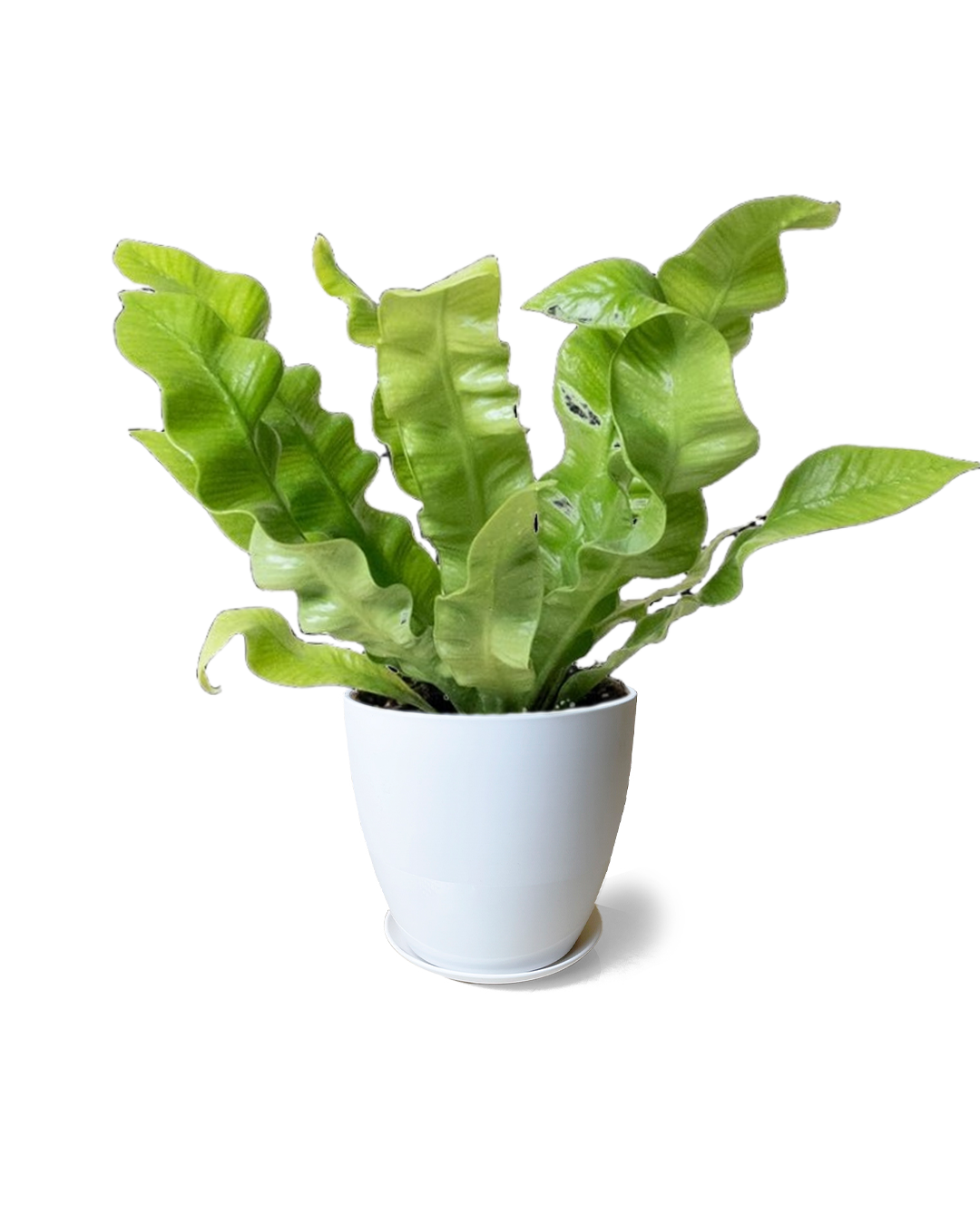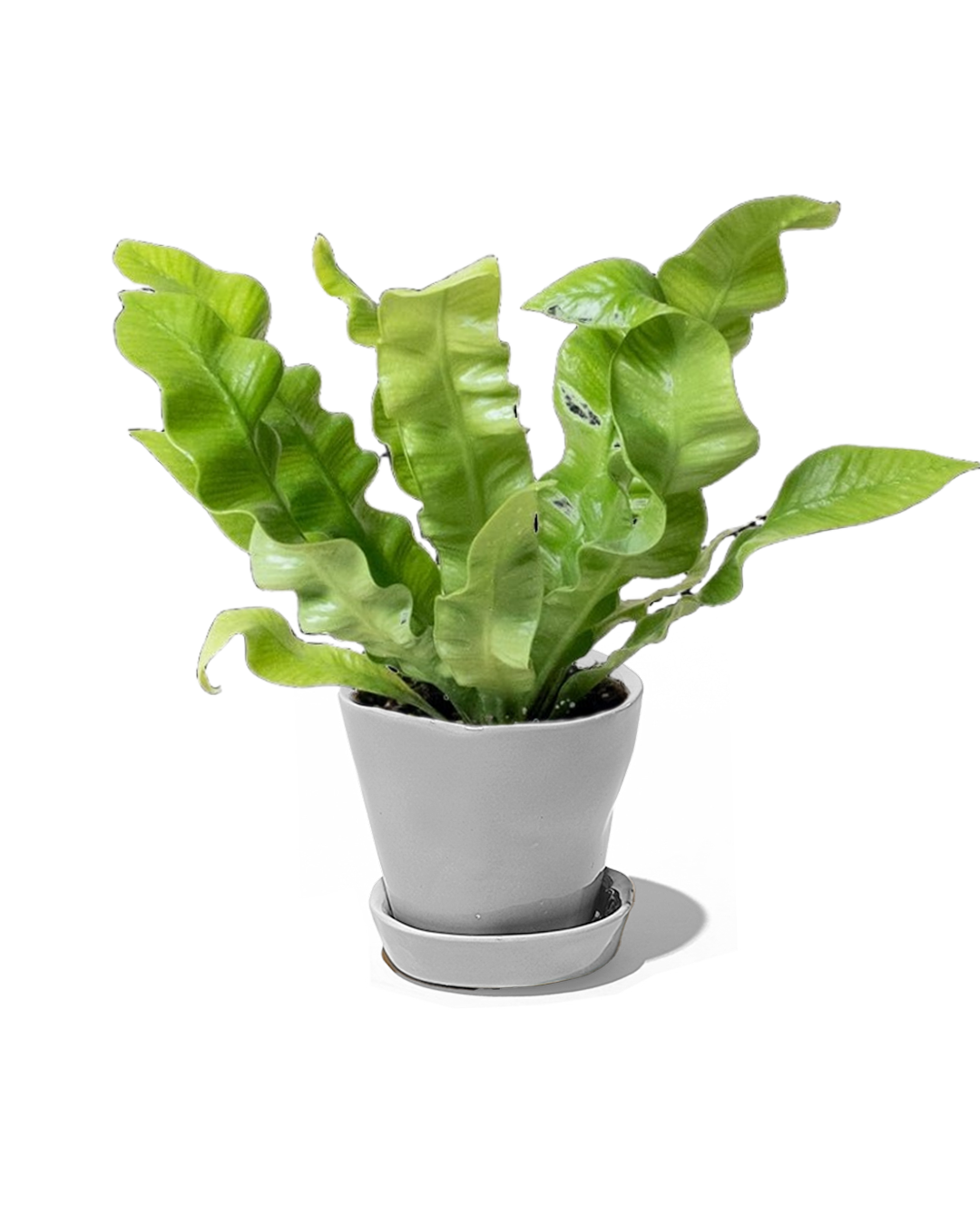









The modern office building, that towering monument to fluorescent lighting and recycled air, has undergone a remarkable transformation in recent years. What was once a sterile environment designed to maximize productivity through the strategic elimination of all natural beauty has evolved into something approaching a botanical theme park. The corporate world has discovered what kindergarten teachers have known all along: that surrounding people with living things tends to make them considerably more pleasant to be around.
This green revolution began quietly, with a few brave souls smuggling succulents past security guards who had been trained to view anything that required watering as a potential liability. But like all great movements, the office plant phenomenon has grown from a grassroots rebellion into a full-scale corporate initiative, complete with dedicated plant specialists who speak the language of photosynthesis as fluently as quarterly reports.
The transformation of Toronto's business district into something resembling a vertical forest has been nothing short of miraculous. Where once stood rows of identical cubicles bathed in the sickly glow of overhead lighting, there now flourish miniature ecosystems that would make a rainforest jealous. The accountants have learned to share their space with peace lilies, while the marketing department has discovered that brainstorming sessions are infinitely more productive when conducted in the presence of a well-positioned rubber tree.

Why Office Plants Matter: The Science of Workplace Greenery
The scientific community, never one to let a good workplace trend pass without rigorous examination, has descended upon the office plant movement with the enthusiasm of botanists discovering a new species. The resulting research reads like a love letter to chlorophyll, detailing benefits that range from the merely impressive to the downright miraculous.
Studies have revealed that office plants possess the remarkable ability to reduce stress levels with the efficiency of a spa weekend, while simultaneously boosting productivity in ways that would make energy drinks weep with envy. The mere presence of greenery appears to trigger some sort of biological programming that transforms even the most hardened corporate warriors into more focused, creative, and generally pleasant human beings.
The air quality improvements alone justify the plant invasion. These leafy employees work around the clock, filtering pollutants with the dedication of tiny green janitors who never call in sick or demand overtime pay. They absorb carbon dioxide and release oxygen with the reliability of the most expensive air purification systems, all while requiring nothing more than occasional water and the kind of gentle encouragement usually reserved for houseplants.
Perhaps most remarkably, the research suggests that workers surrounded by plants take fewer sick days, as though the vegetation were providing some sort of botanical immunity boost. The plants seem to create a protective bubble of wellness that extends beyond mere air purification into the realm of psychological comfort, transforming sterile office environments into spaces that actually feel conducive to human habitation.

Our Corporate Plant Services: From Selection to Maintenance
The corporate plant service industry has evolved into something that would make luxury concierge services seem amateur by comparison. These botanical consultants arrive at office buildings armed with moisture meters, light sensors, and an encyclopedic knowledge of which plants thrive under the specific combination of artificial lighting and climate control that defines modern office life.
The selection process resembles nothing so much as matchmaking for the chlorophyll set. Each workspace receives a thorough evaluation that takes into account everything from foot traffic patterns to the proximity of heating vents. The consultants assess lighting conditions with the precision of cinematographers, measuring photon levels and calculating optimal placement with mathematical accuracy that would impress NASA engineers.
The maintenance programs operate with military precision, featuring scheduled visits that occur with the regularity of Swiss timepieces. The plant technicians arrive like horticultural paramedics, equipped with specialized tools and emergency supplies for every conceivable botanical crisis. They prune with surgical precision, water with scientific accuracy, and rotate plants with the careful attention of museum curators handling priceless artifacts.

Best Office Floor Plants
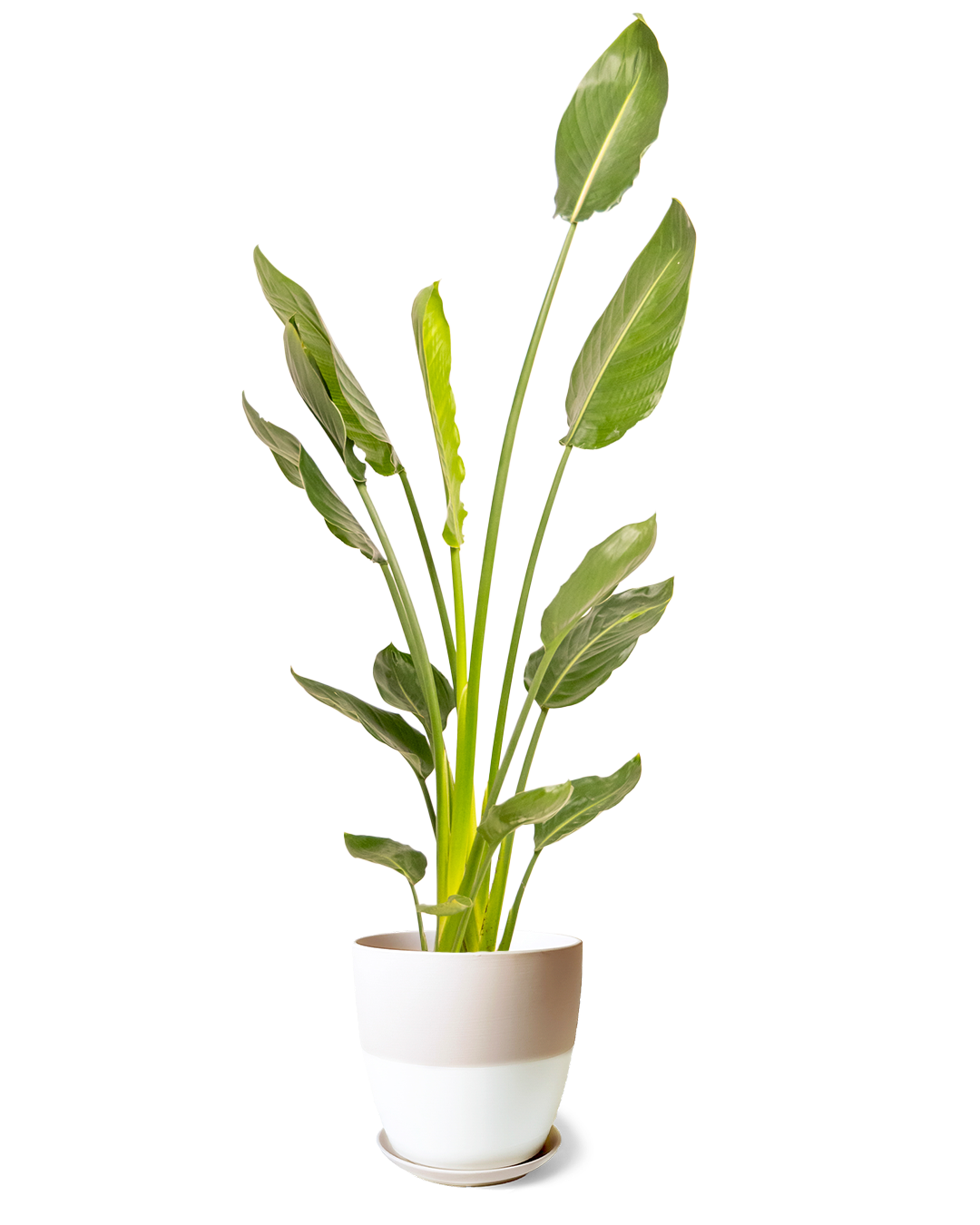
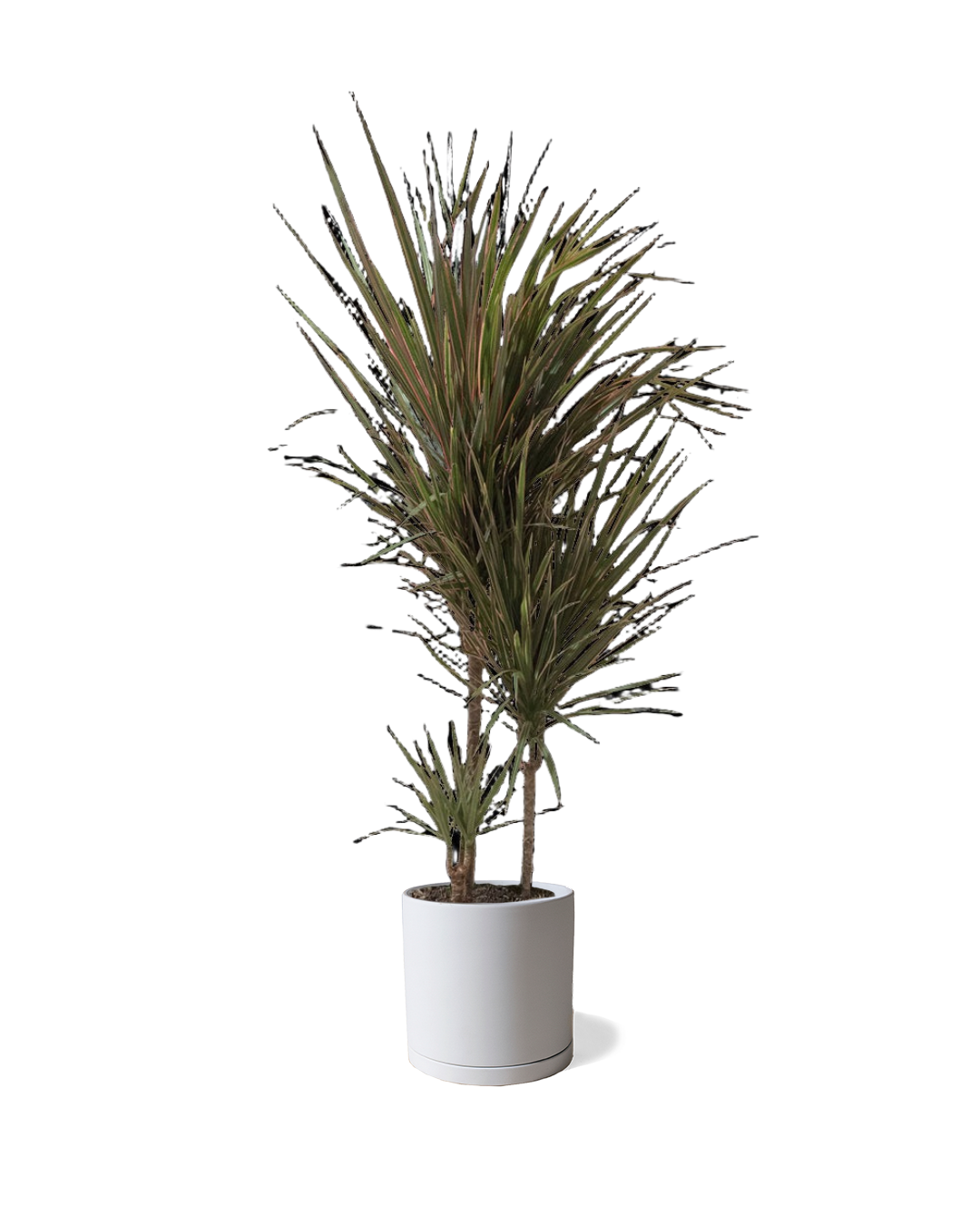
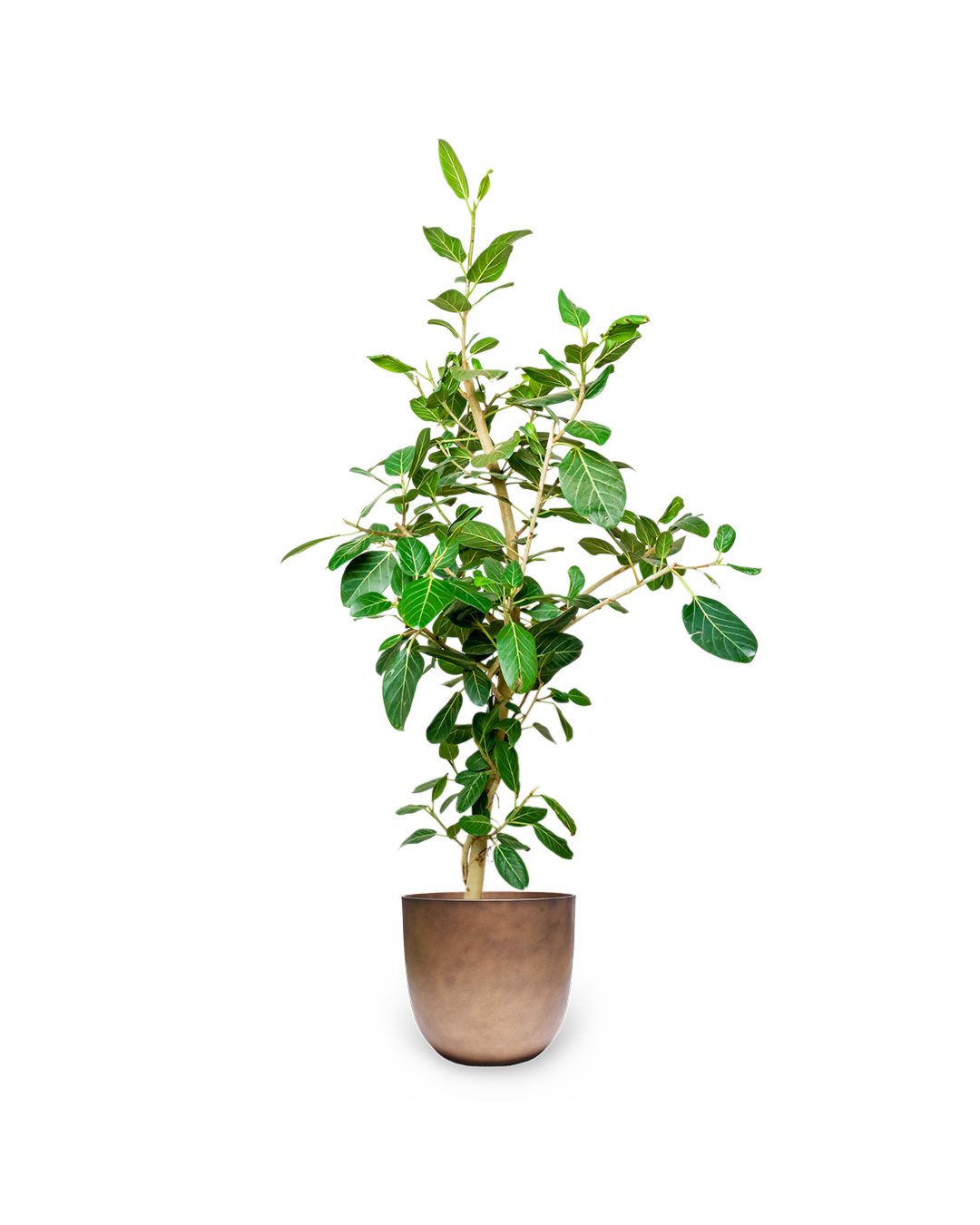
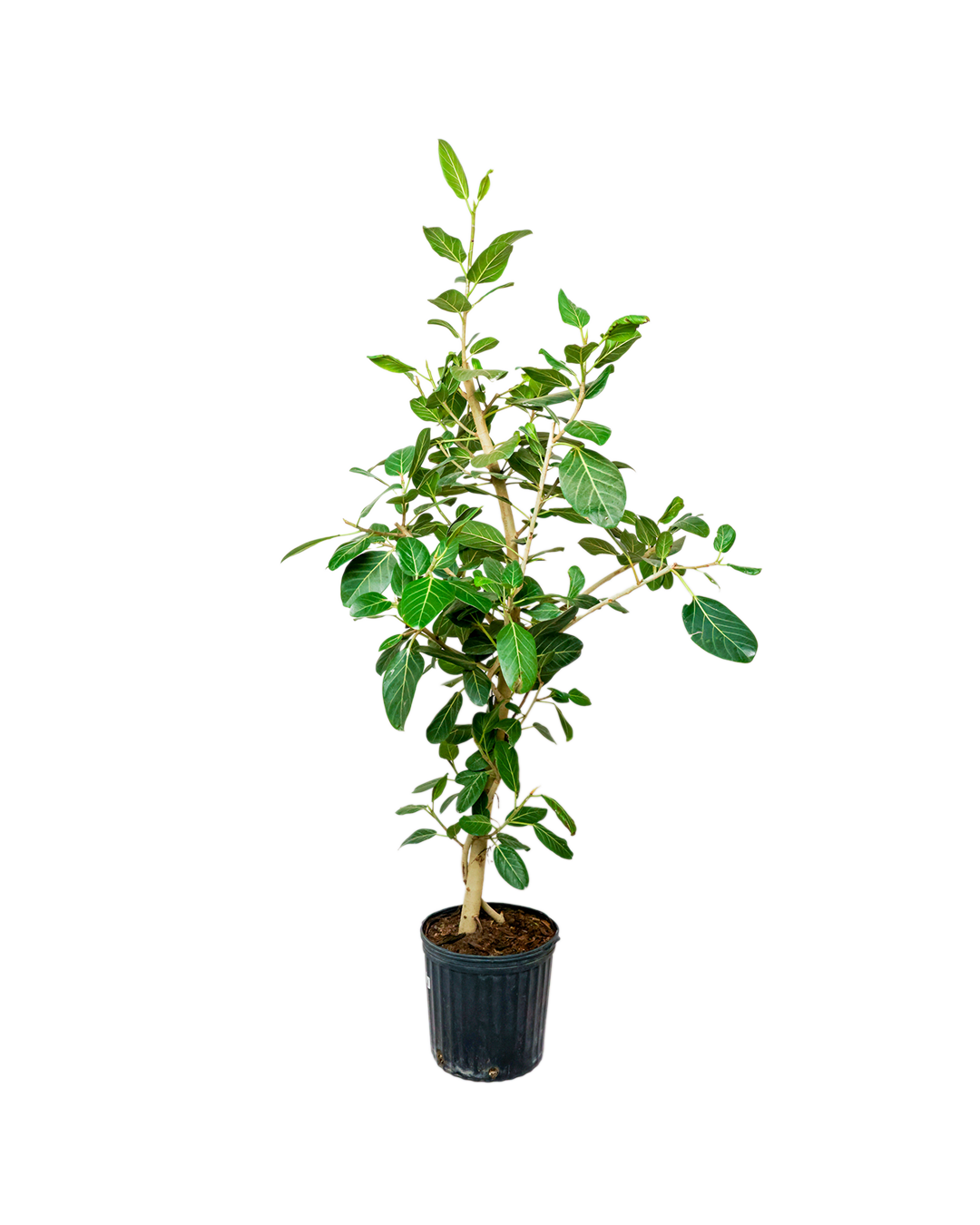
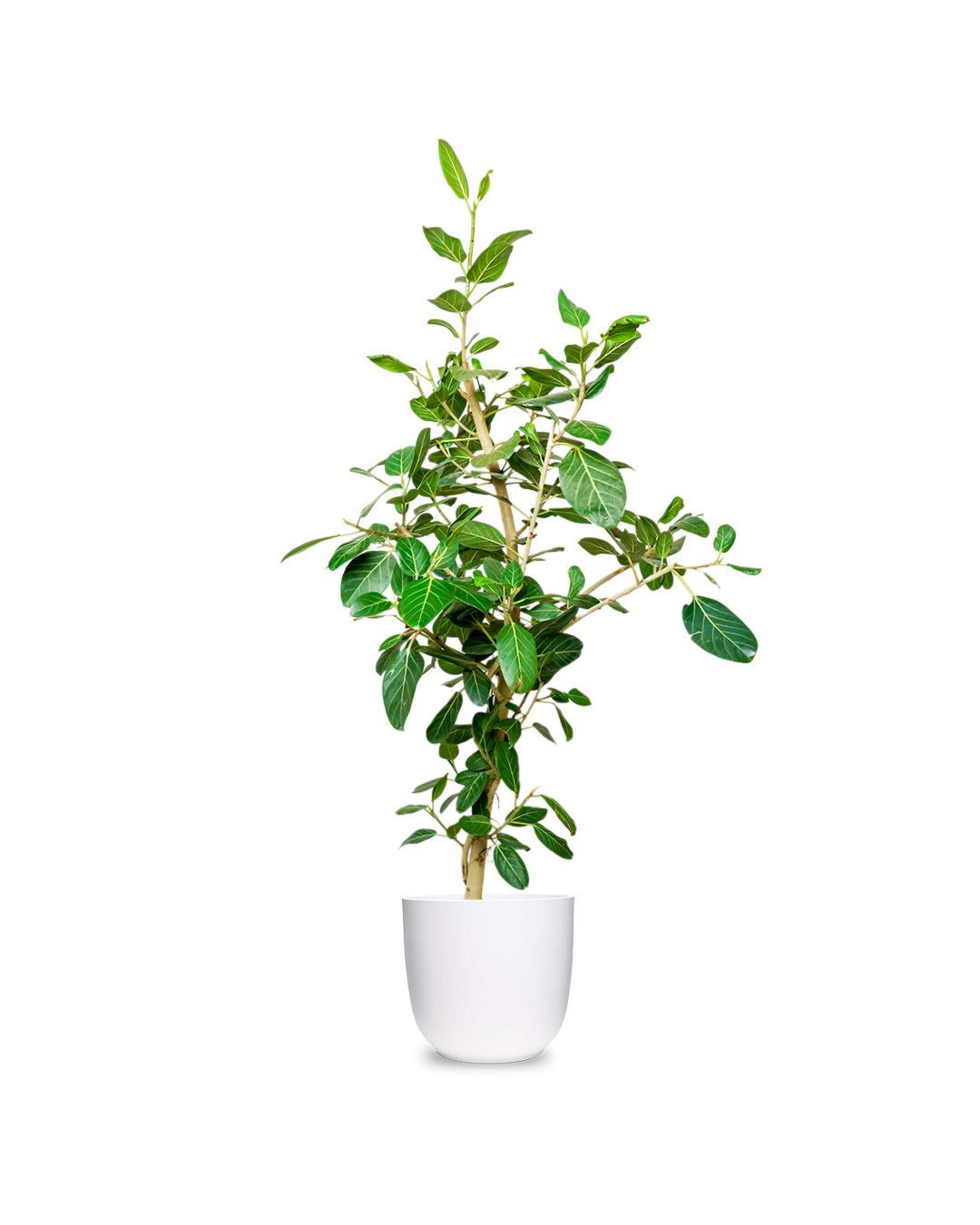
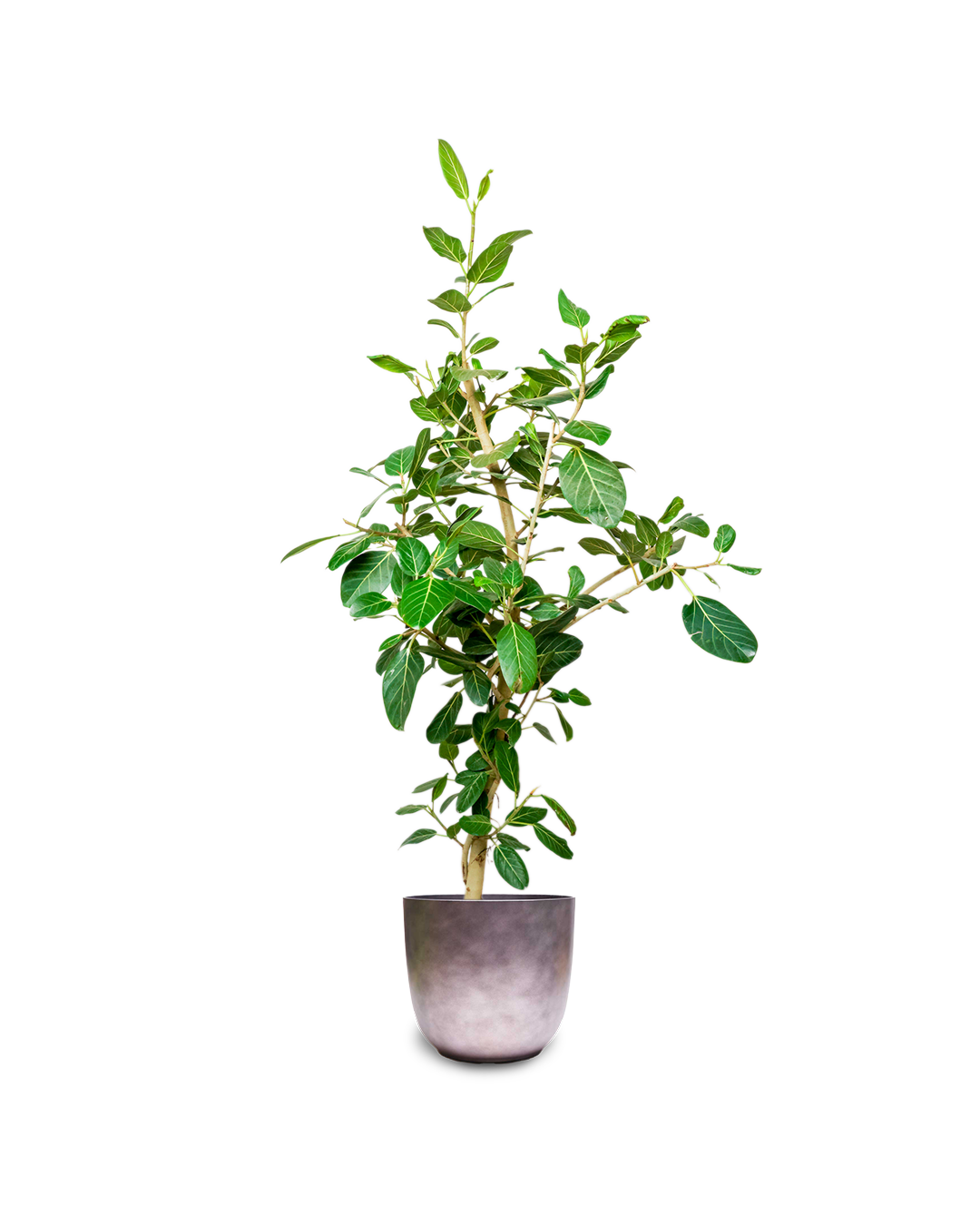
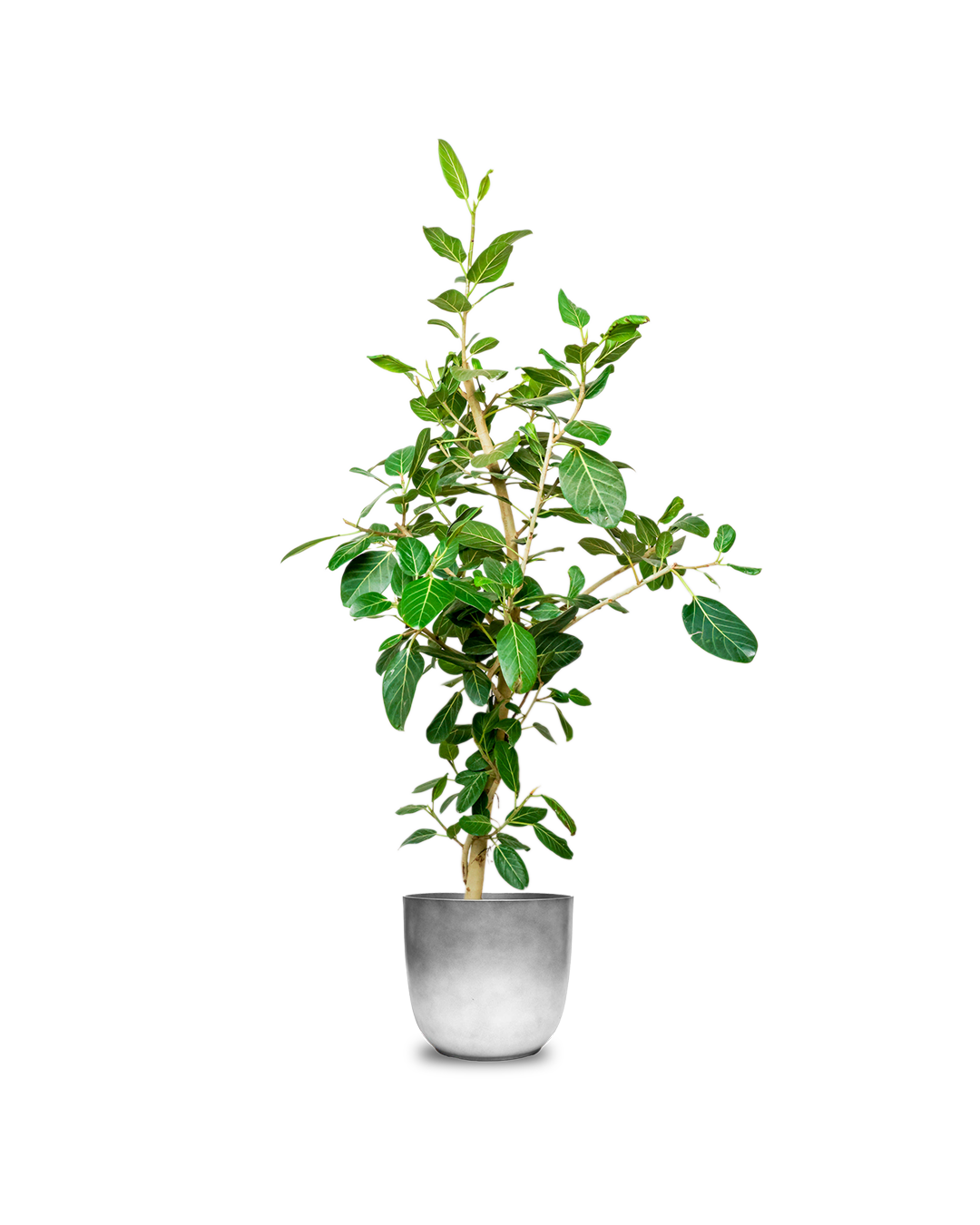
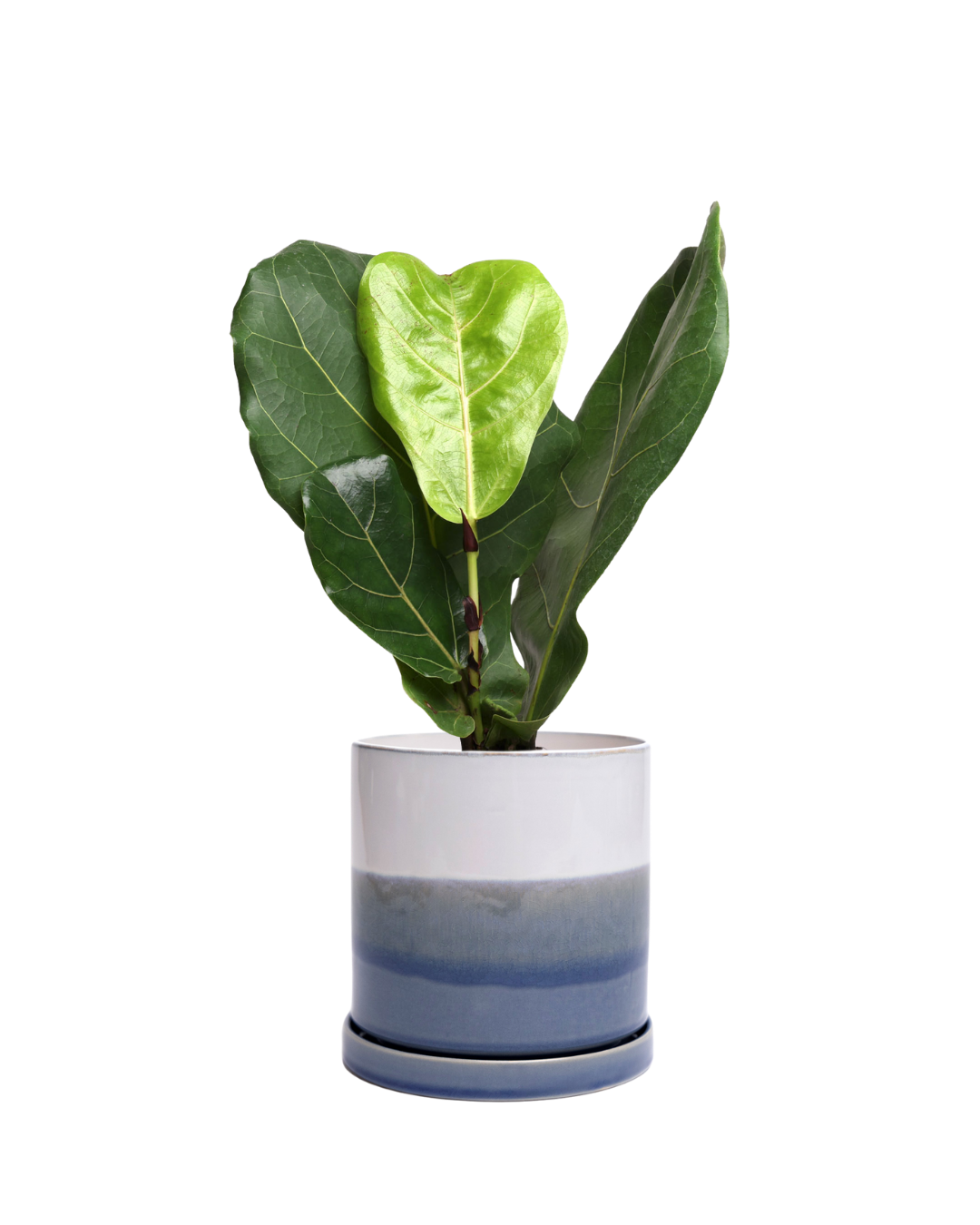
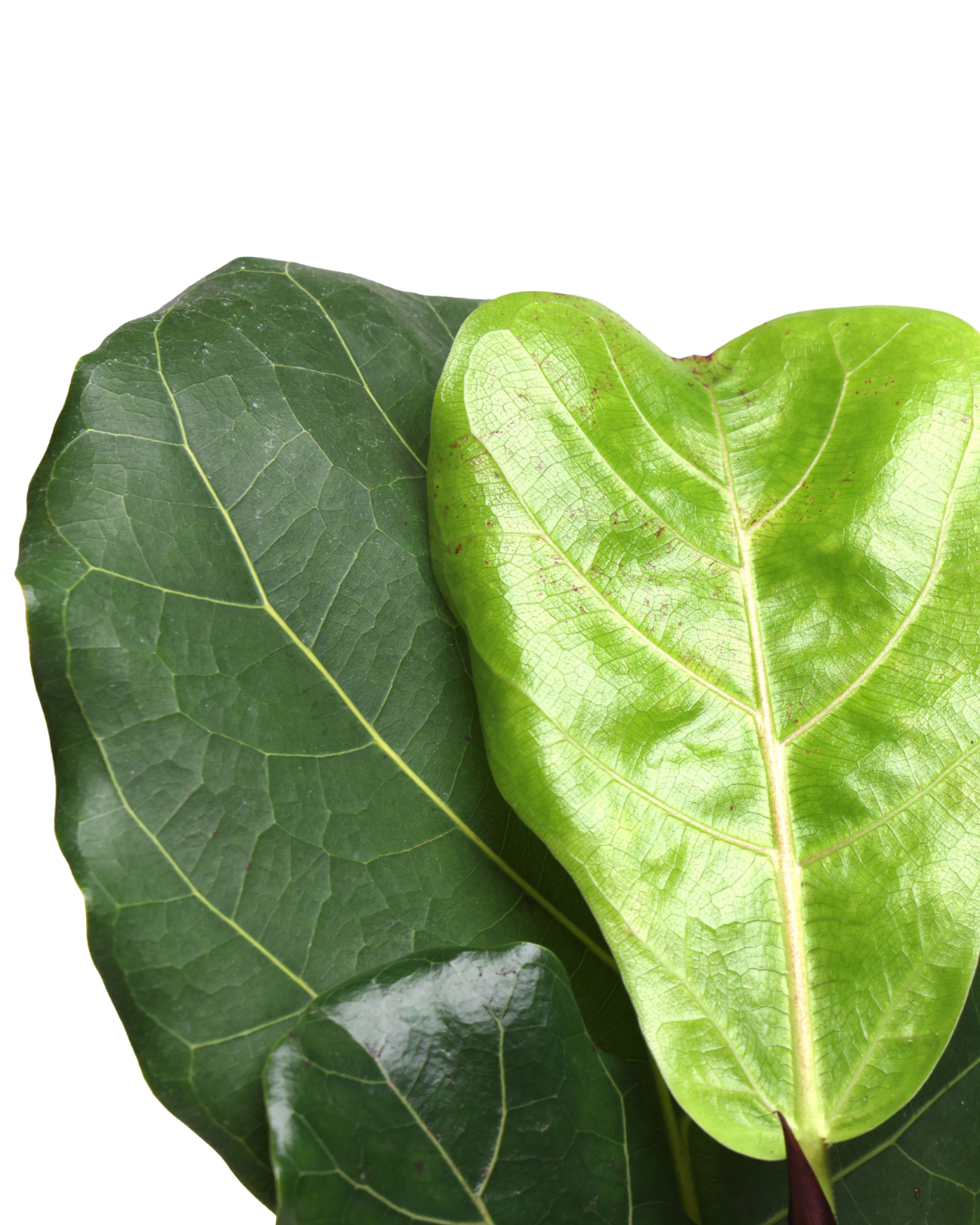
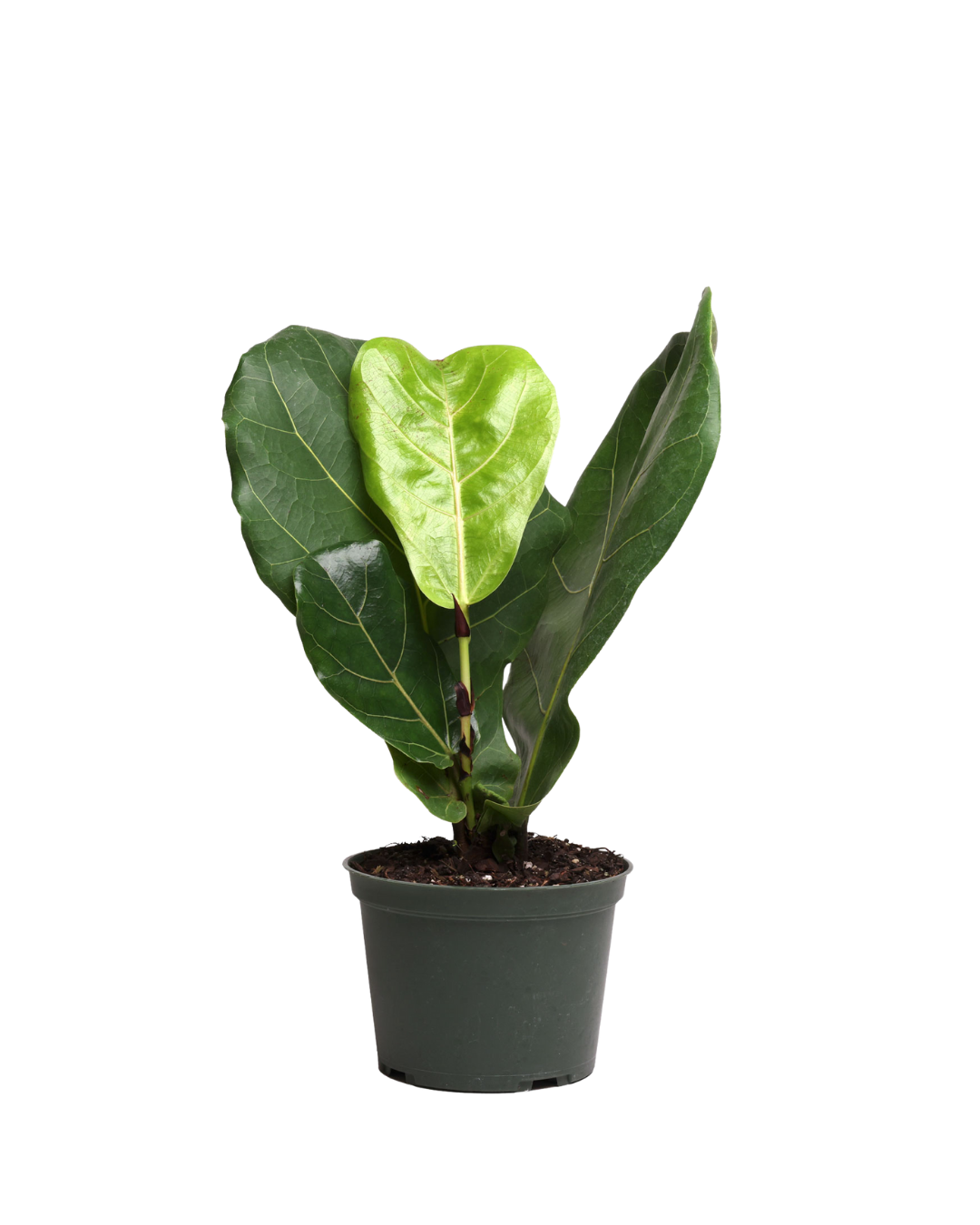
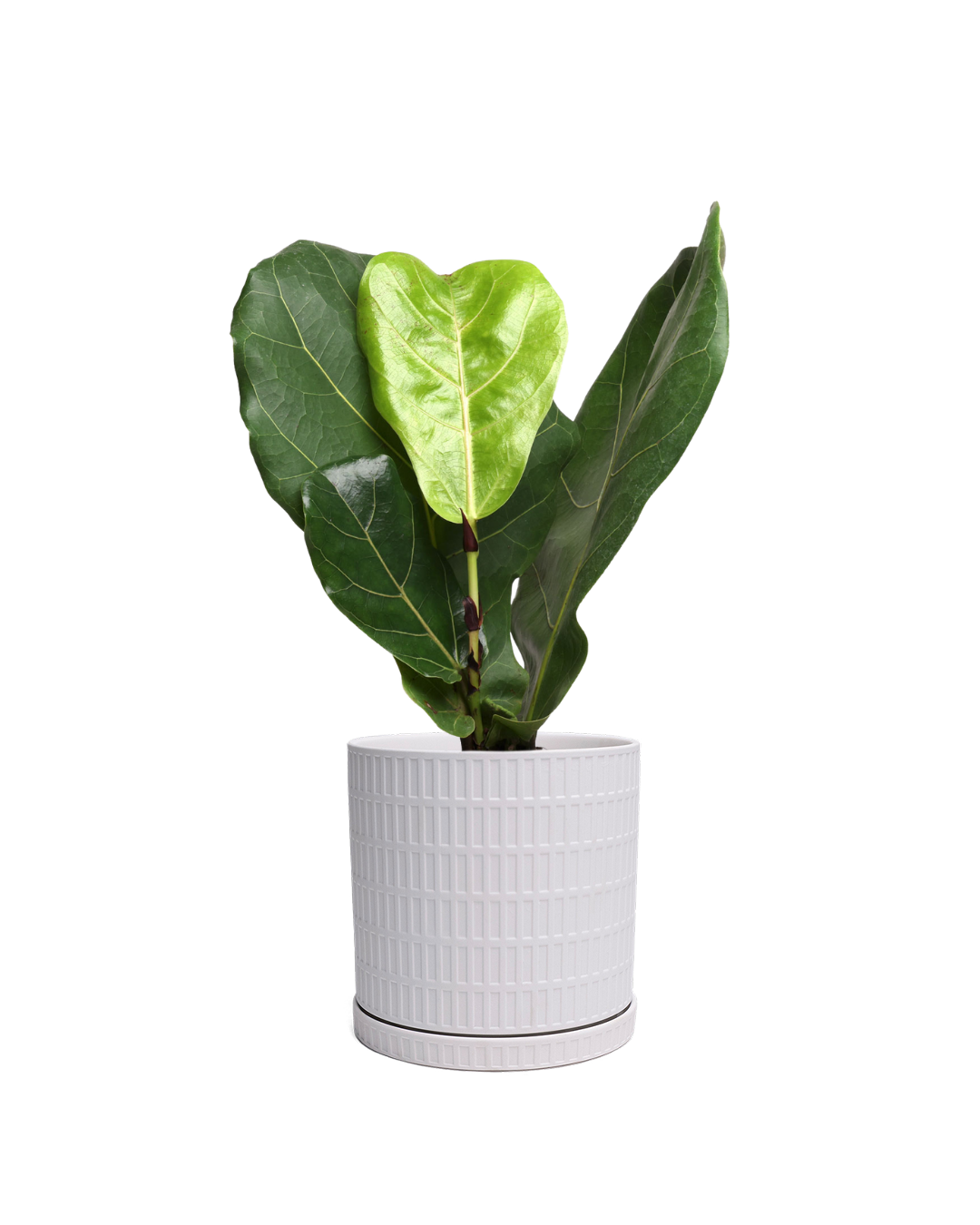
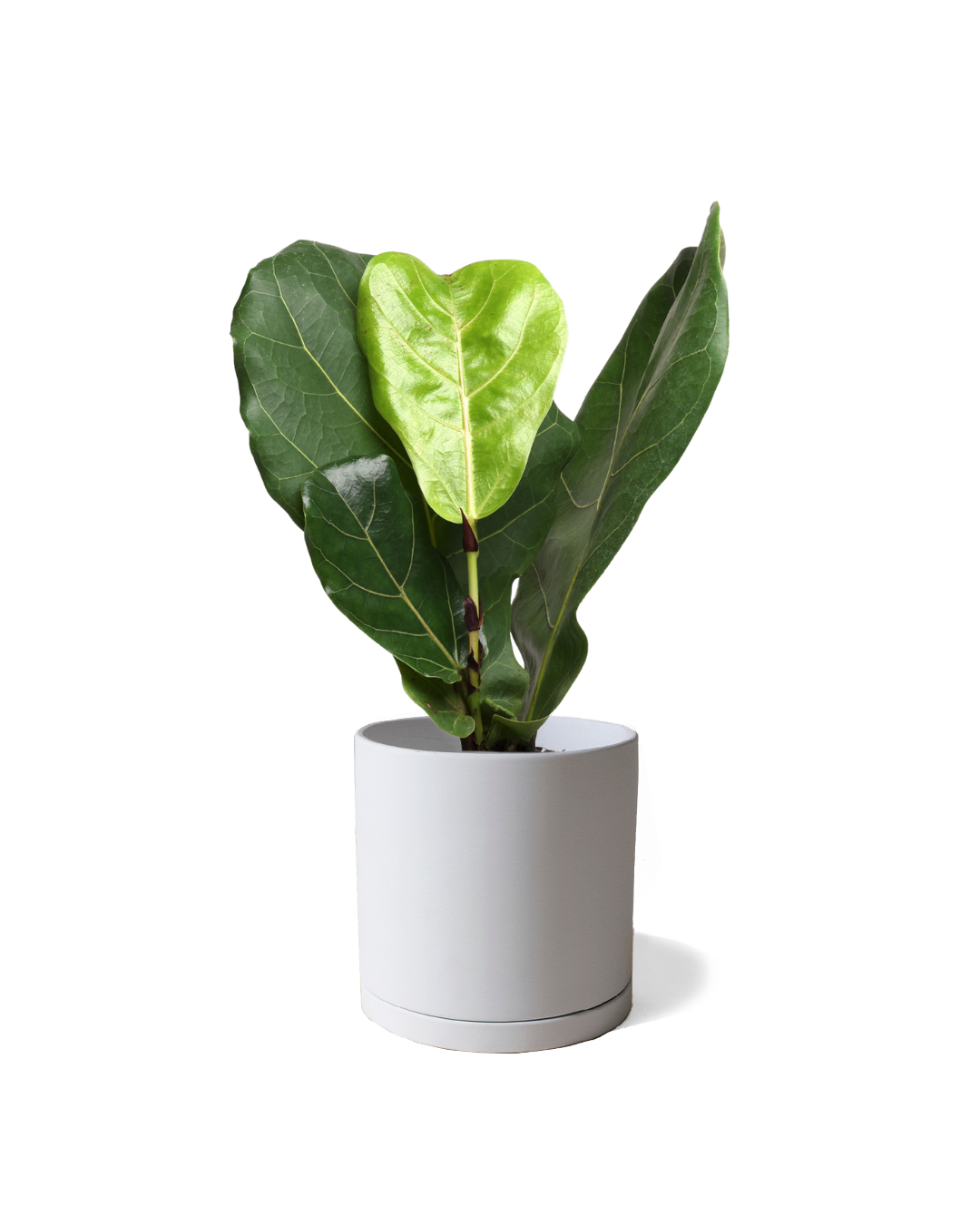
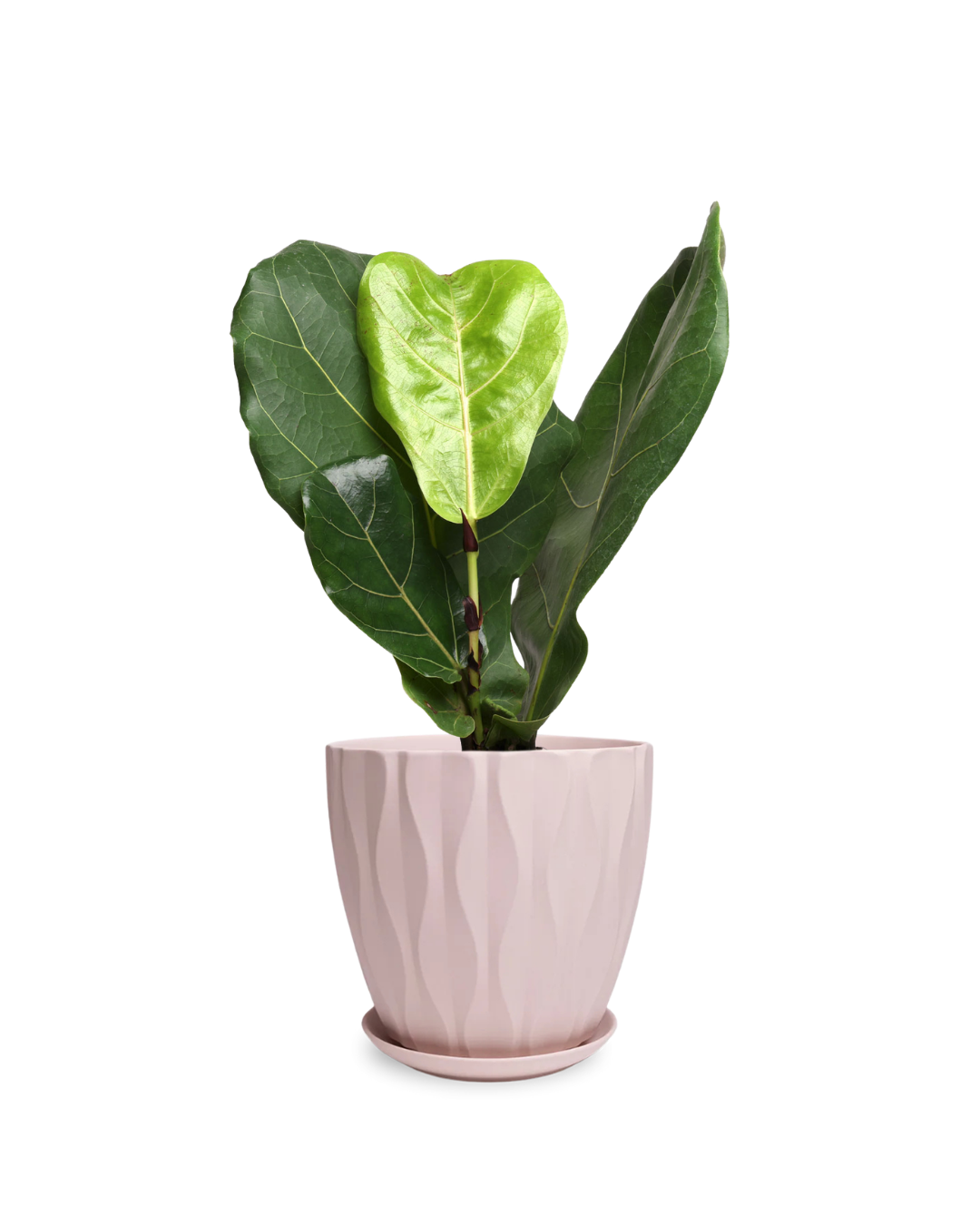
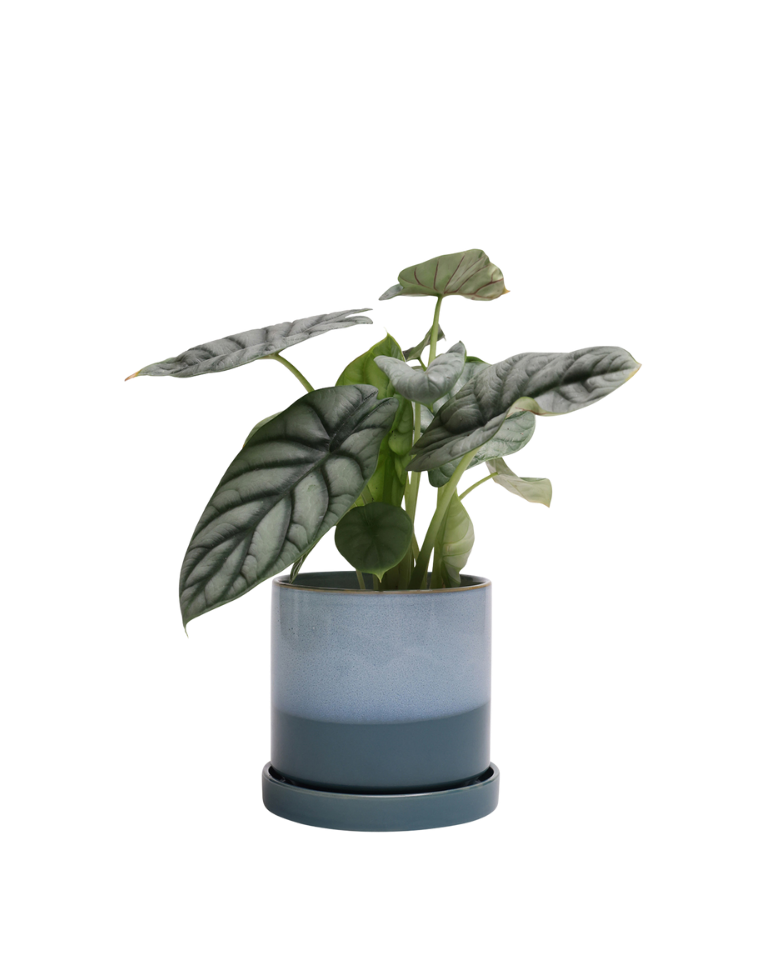
The floor plant category represents the heavy artillery of office greenery, featuring specimens that command attention while maintaining the professional dignity required in corporate environments. The fiddle leaf fig has emerged as the undisputed champion of conference rooms, standing tall with the confidence of a seasoned executive while providing the kind of dramatic visual impact that makes PowerPoint presentations seem almost unnecessary.
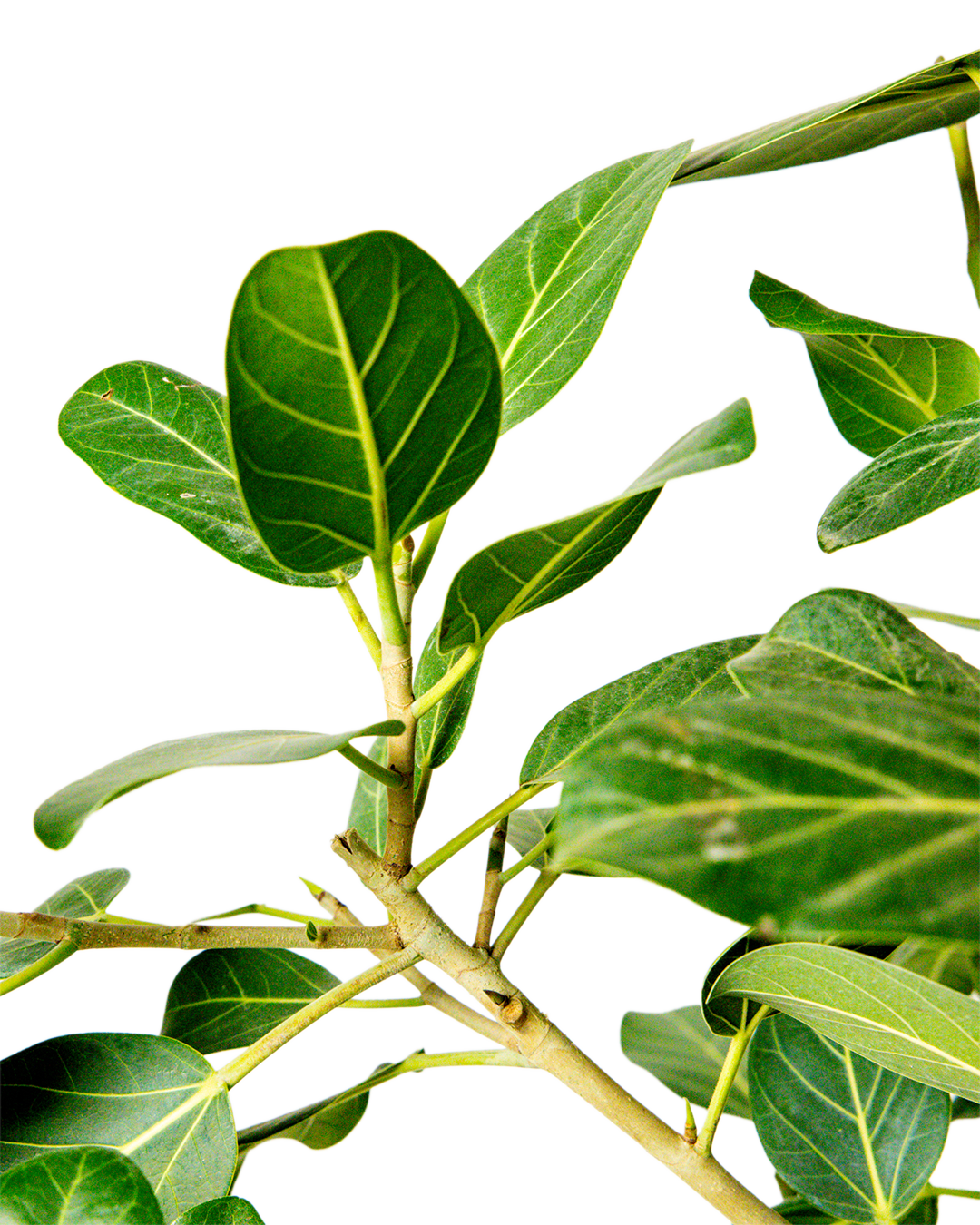
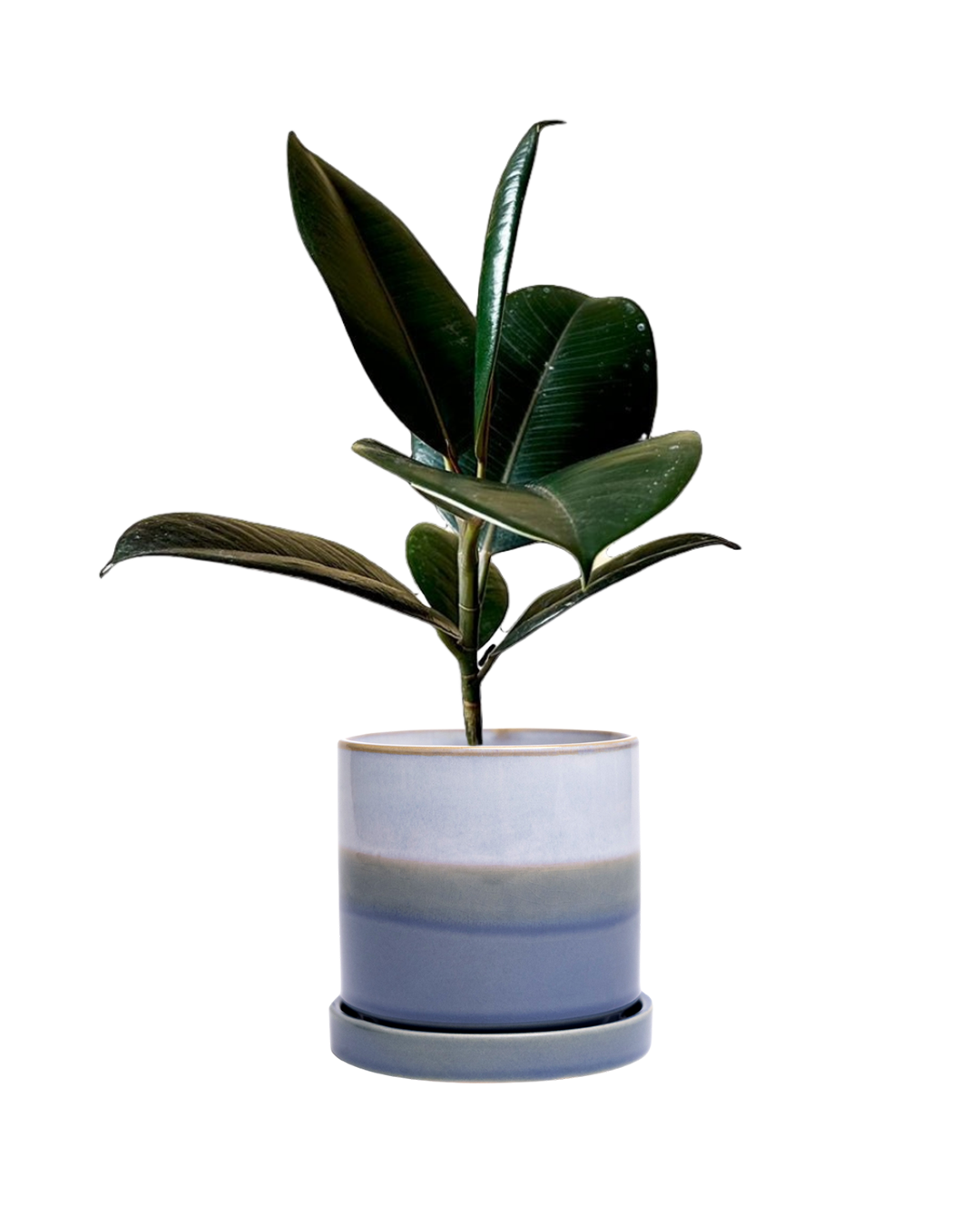
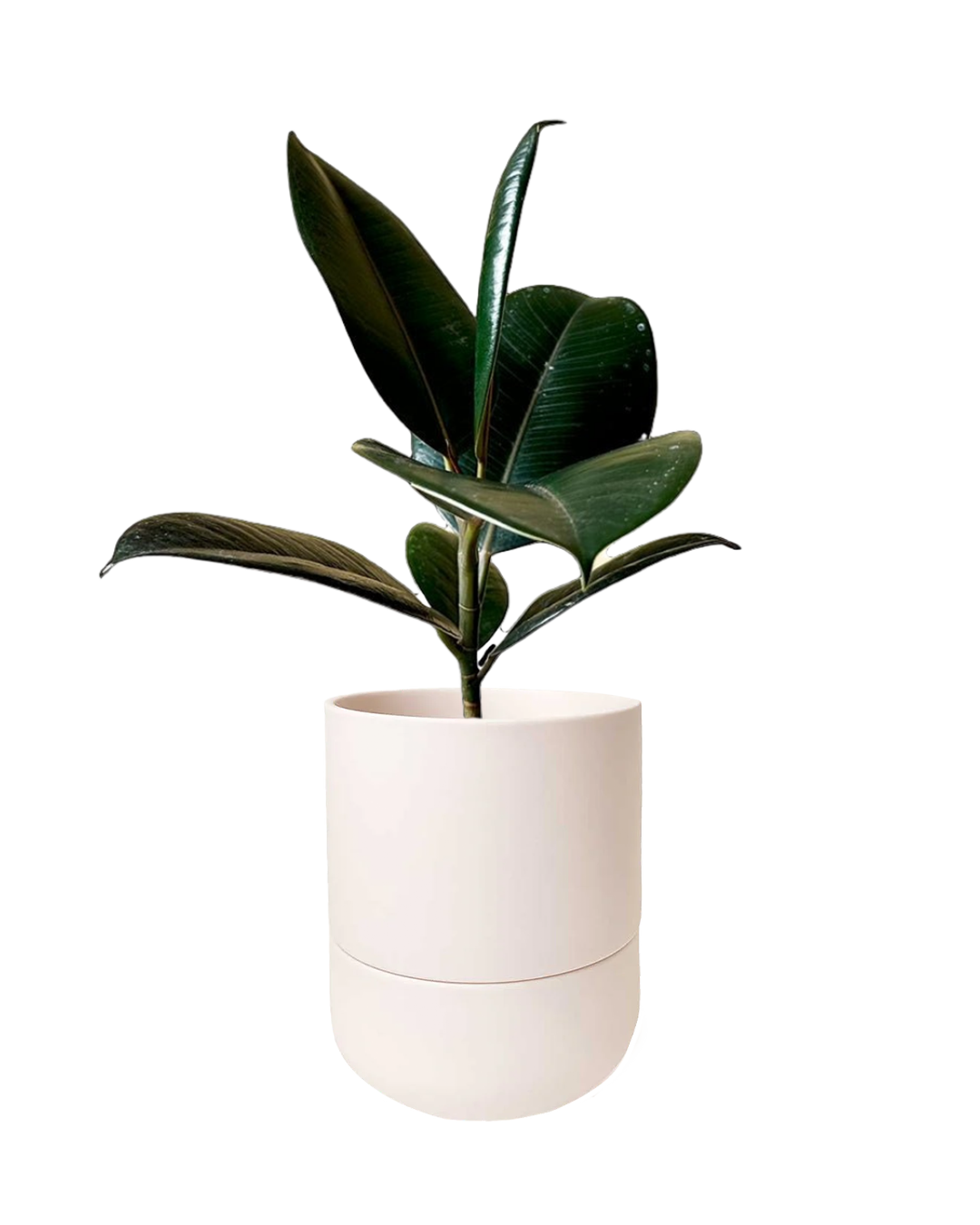
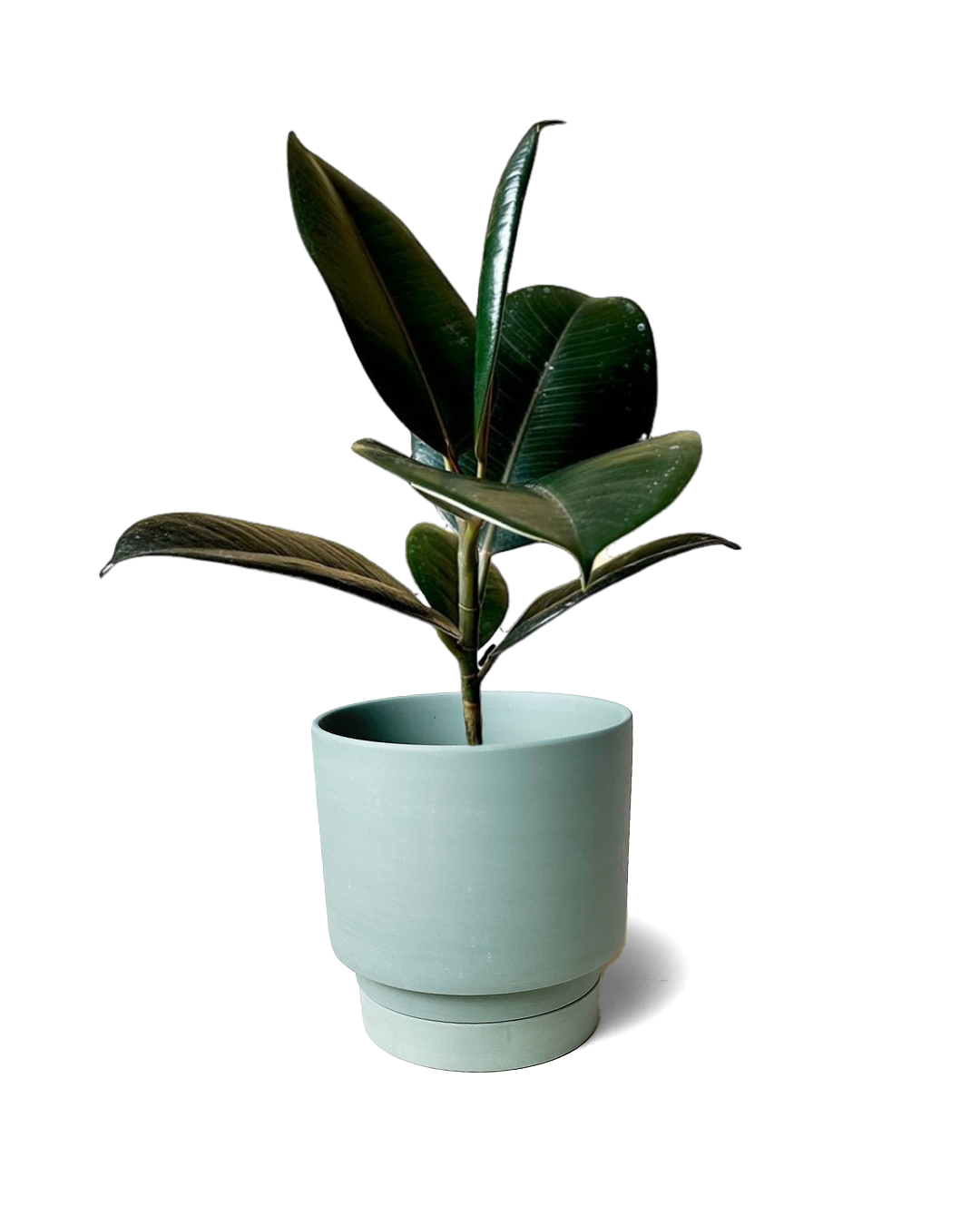
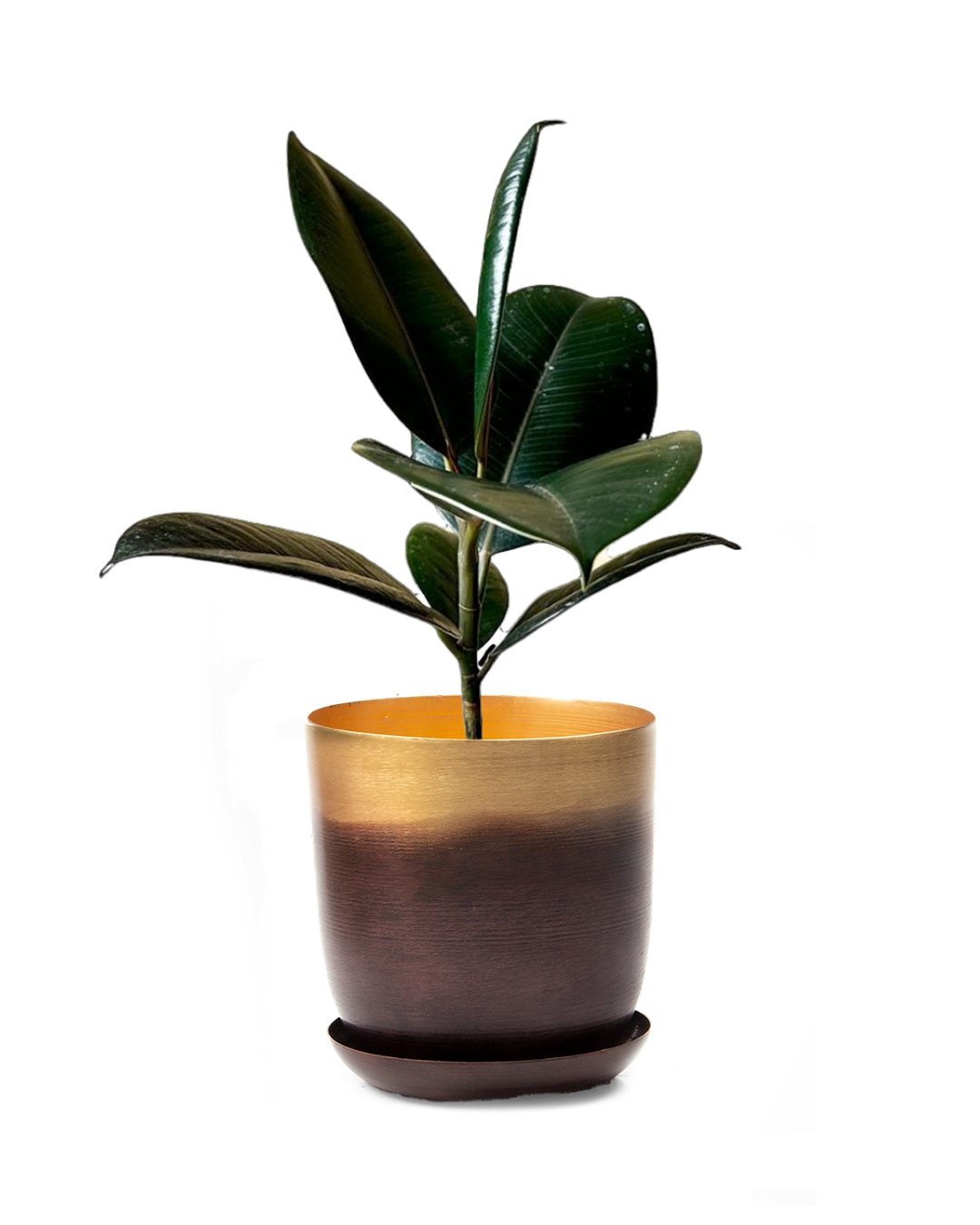
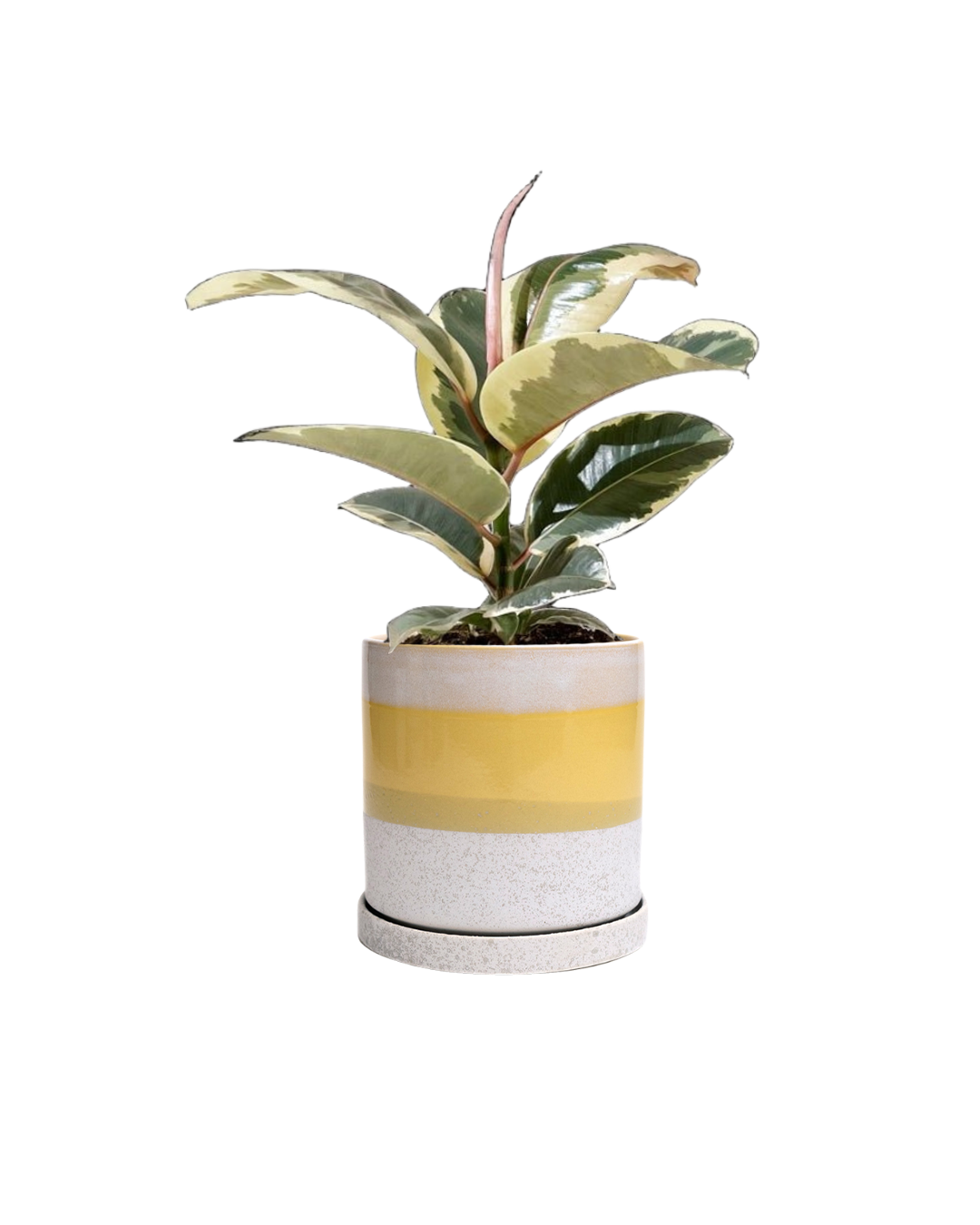
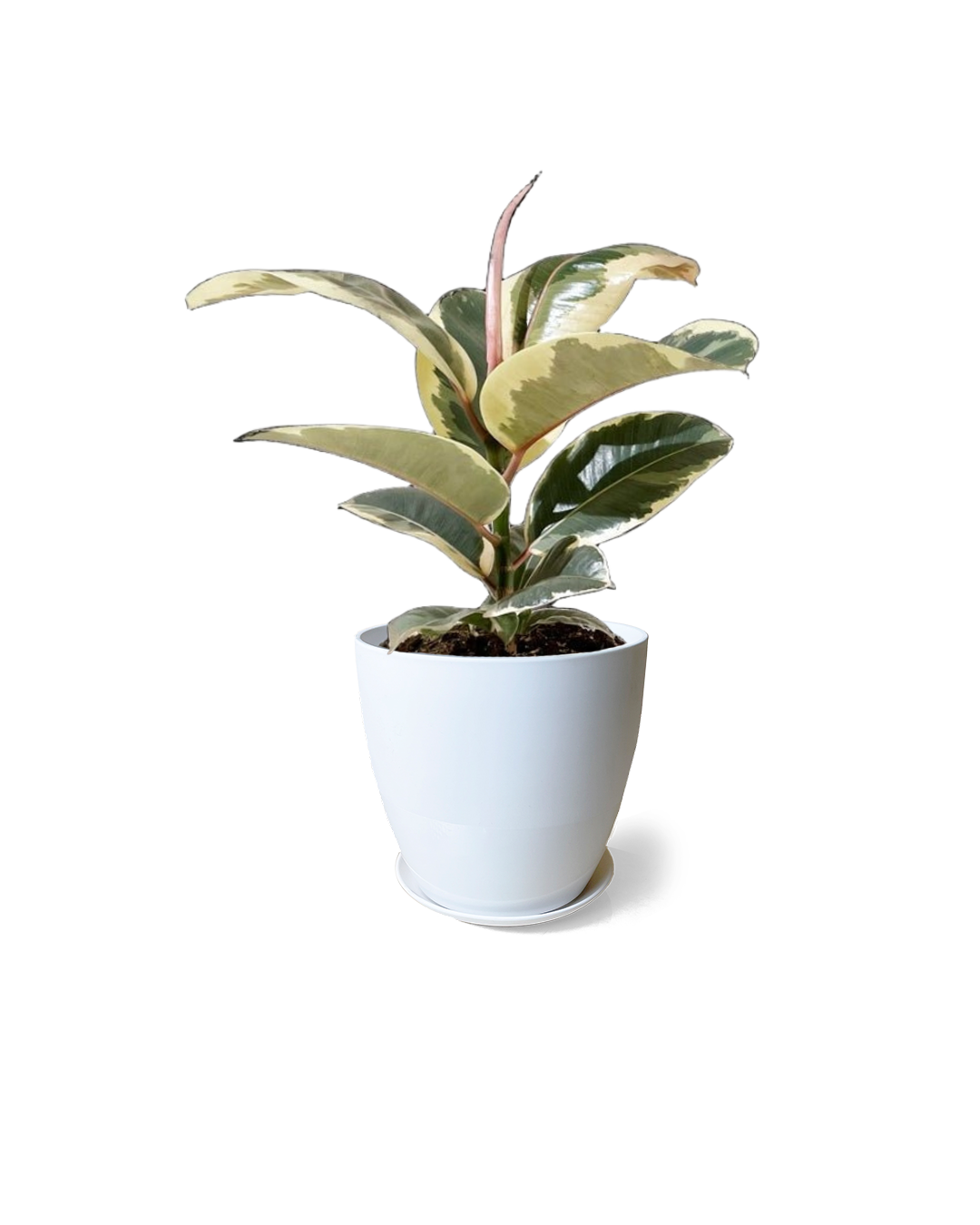
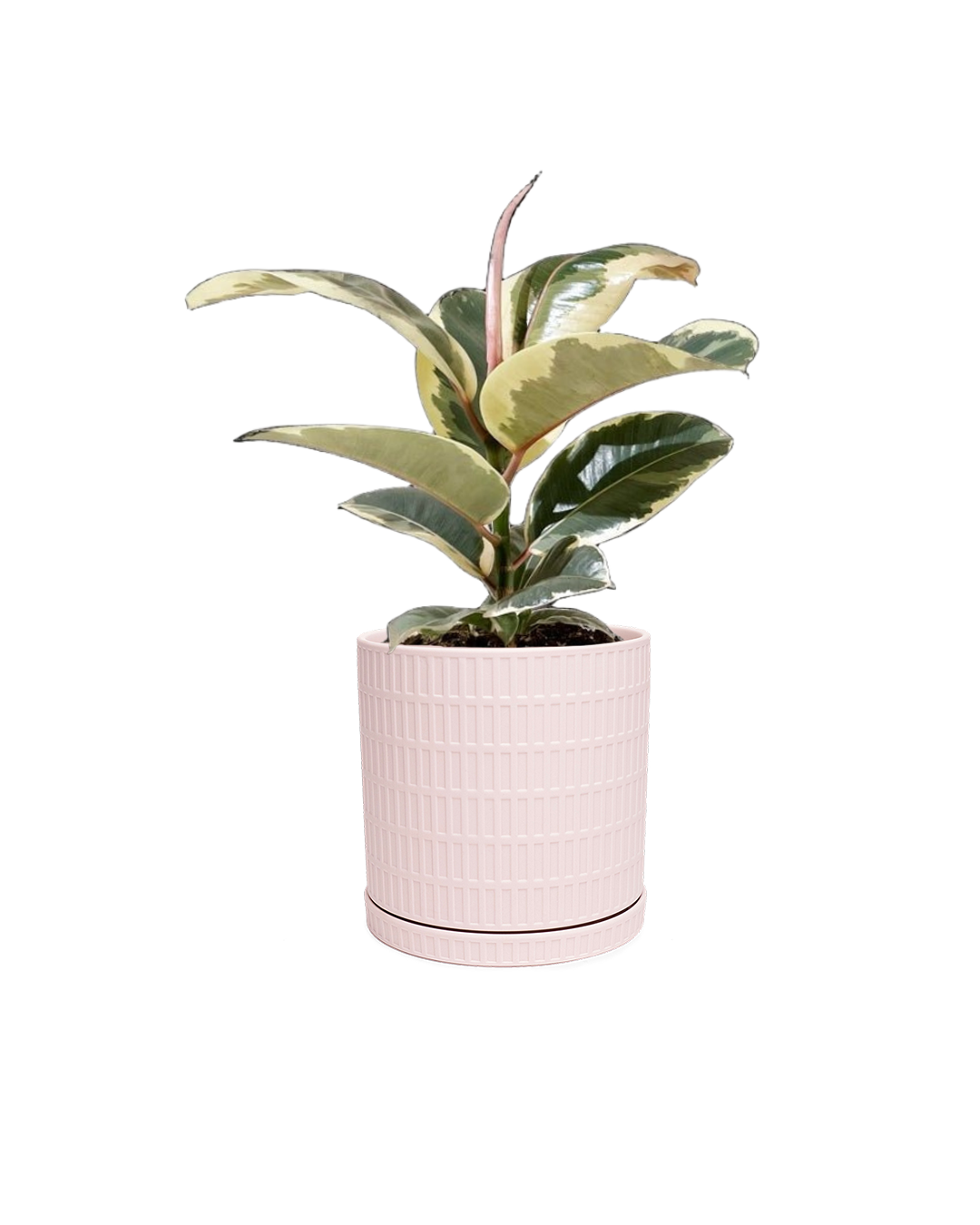
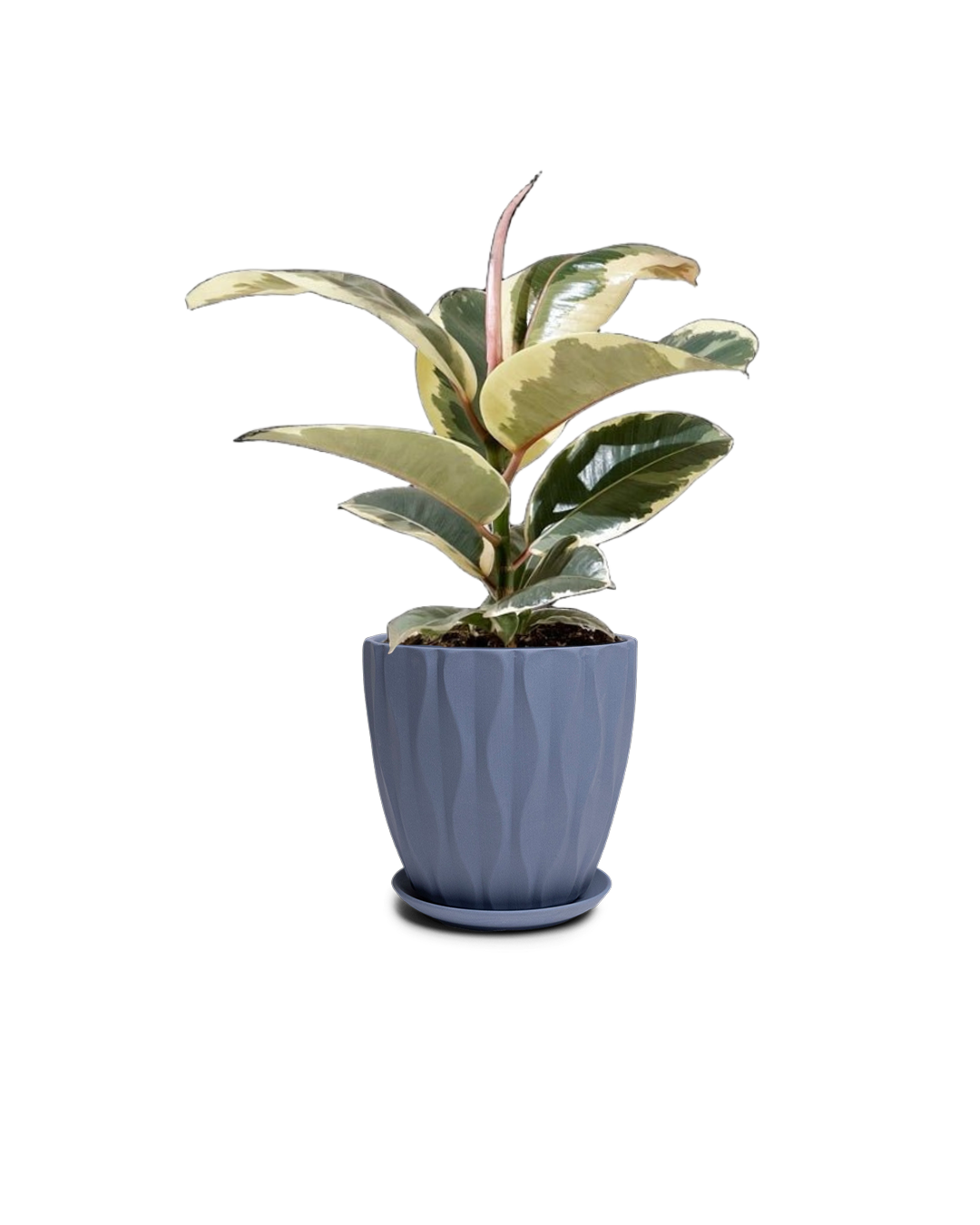
The rubber plant, meanwhile, has established itself as the diplomatic choice for reception areas, offering glossy leaves that photograph well for corporate literature while maintaining the kind of robust constitution that can withstand the daily assault of delivery personnel and visiting clients. These stalwart specimens seem almost engineered for office life, thriving in conditions that would challenge most living organisms.
The snake plant deserves special recognition for its remarkable ability to survive in environments that would test the endurance of plastic plants. These vertical wonders stand guard in corners and corridors, their architectural forms adding sculptural interest while requiring the kind of minimal maintenance that appeals to facilities managers.
Best Office Desk Plants
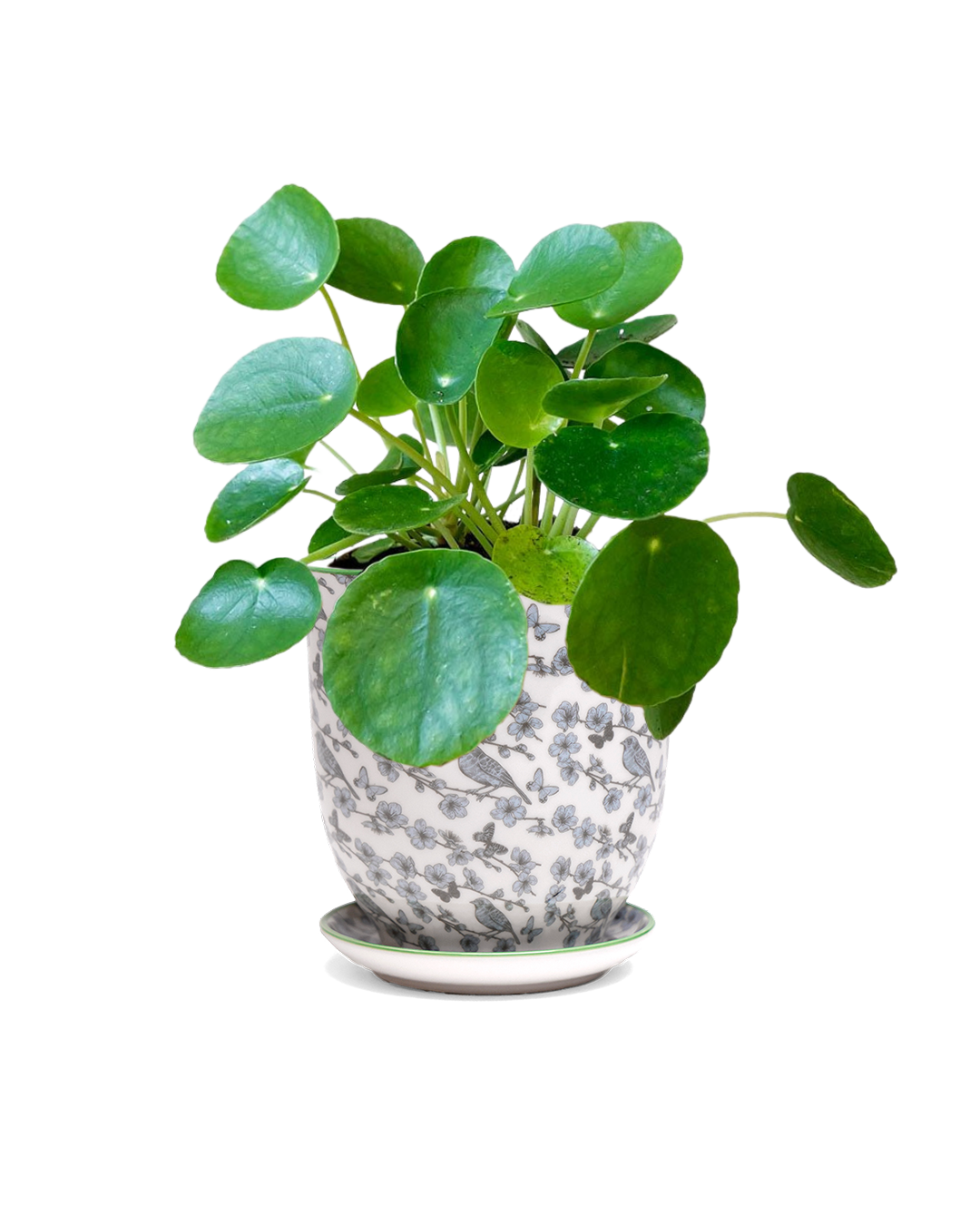
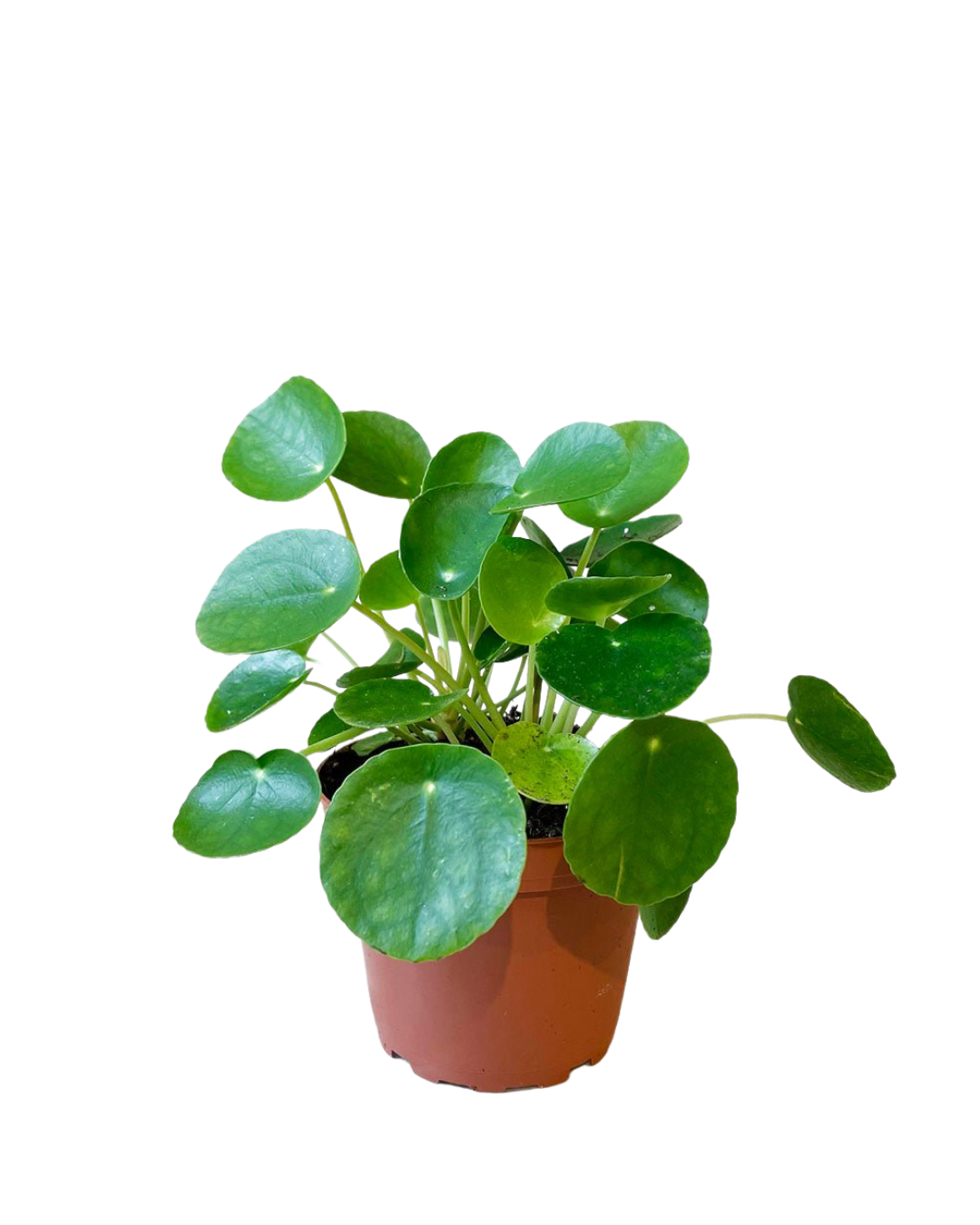
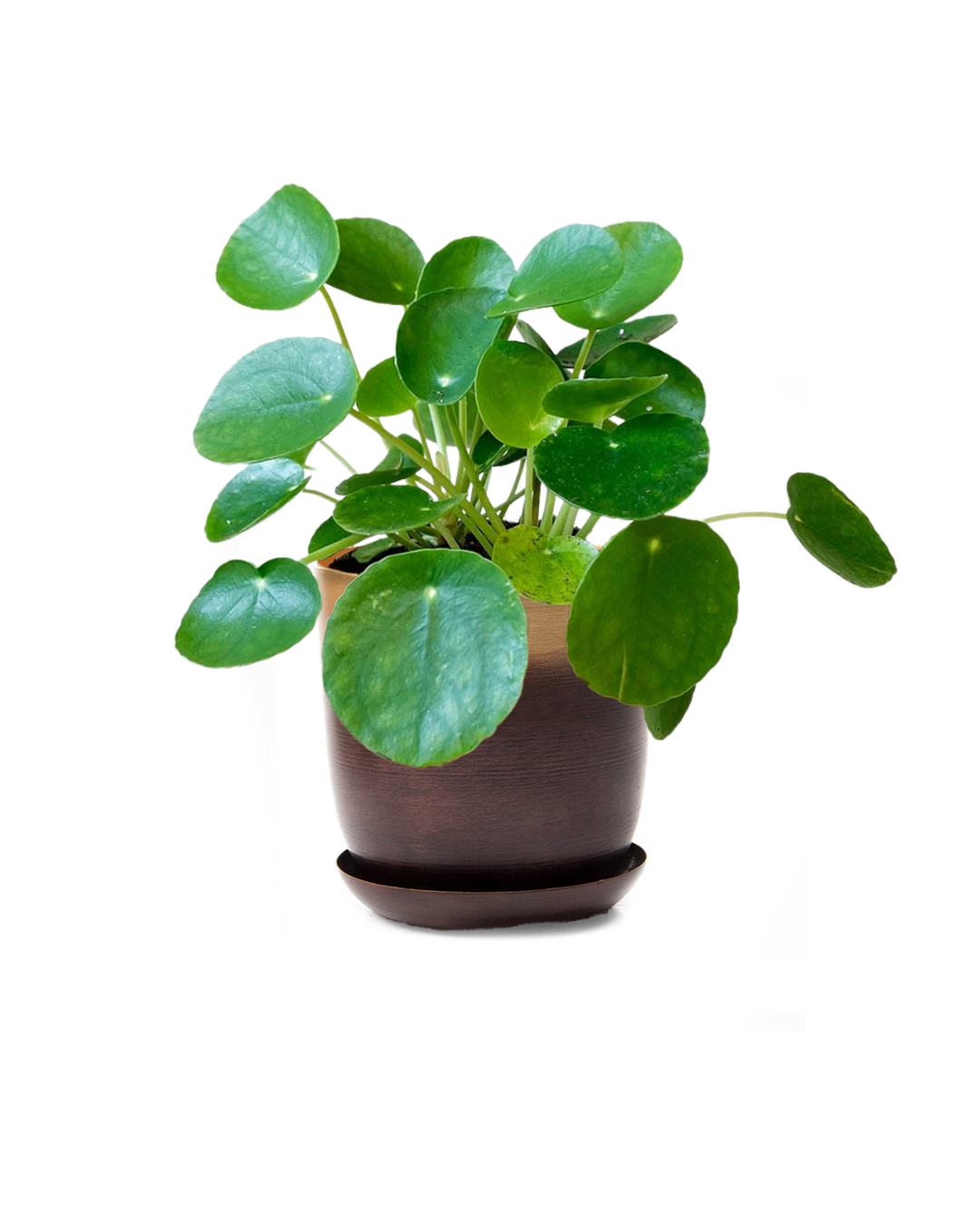
The desktop plant category caters to those seeking botanical companionship on a more intimate scale. The pothos has become the golden retriever of desk plants, offering trailing vines that provide privacy screening while maintaining the cheerful disposition that makes cramped cubicles feel less like solitary confinement.
Small succulents have carved out their own niche as the perfect companions for computer keyboards, offering the kind of zen presence that transforms mundane data entry into something approaching meditation. These miniature marvels require so little attention that they seem almost designed for the attention spans of modern office workers.

Air Cleaning Plants
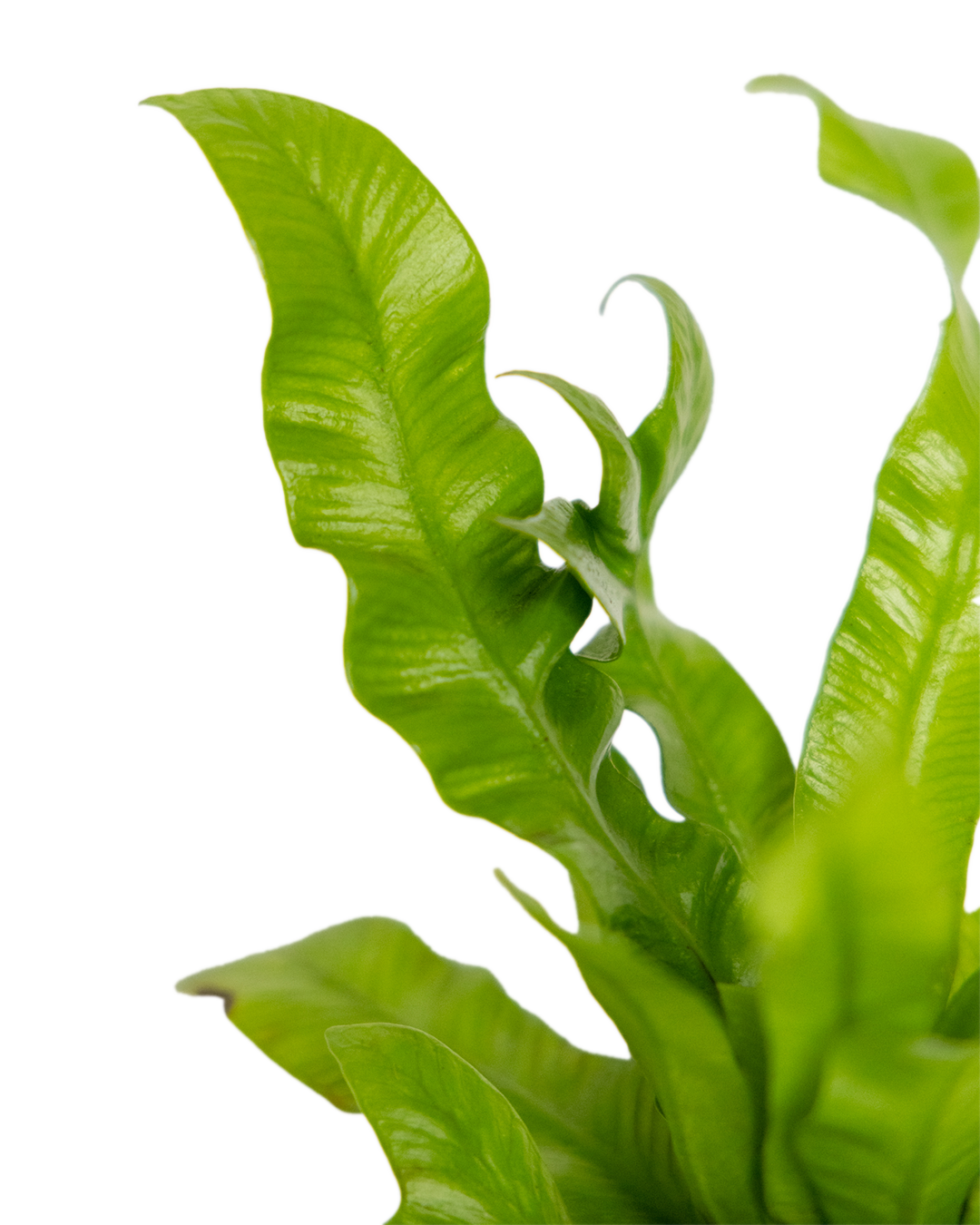
The air-purifying plant category reads like a botanical pharmacy, featuring specimens that target specific pollutants with the precision of specialized pharmaceuticals. The spider plant has earned recognition as nature's answer to formaldehyde, while the Boston fern tackles xylene with the enthusiasm of a crusading environmentalist.
These atmospheric custodians work tirelessly to transform stale office air into something approaching breathable, creating healthier work environments one leaf at a time.