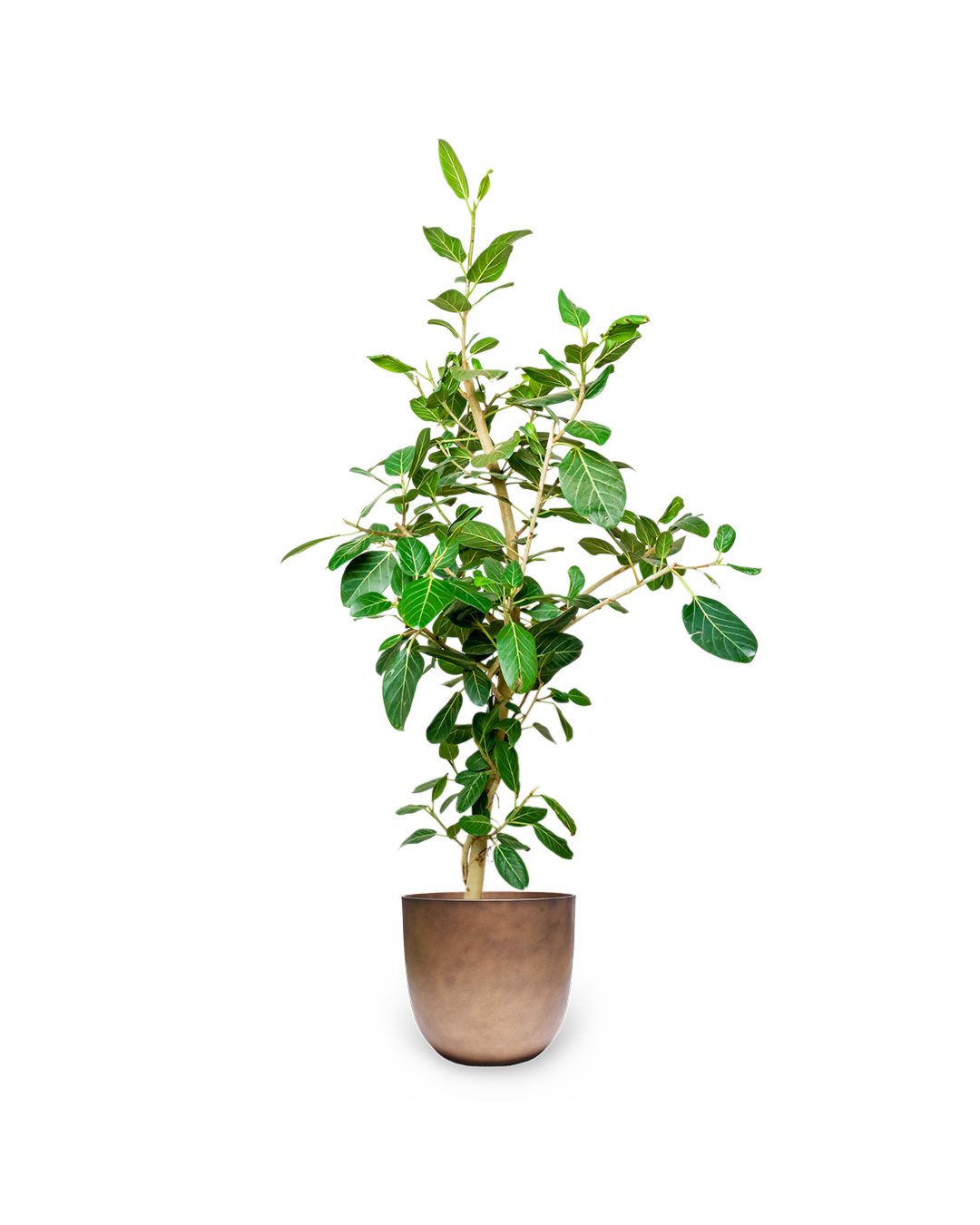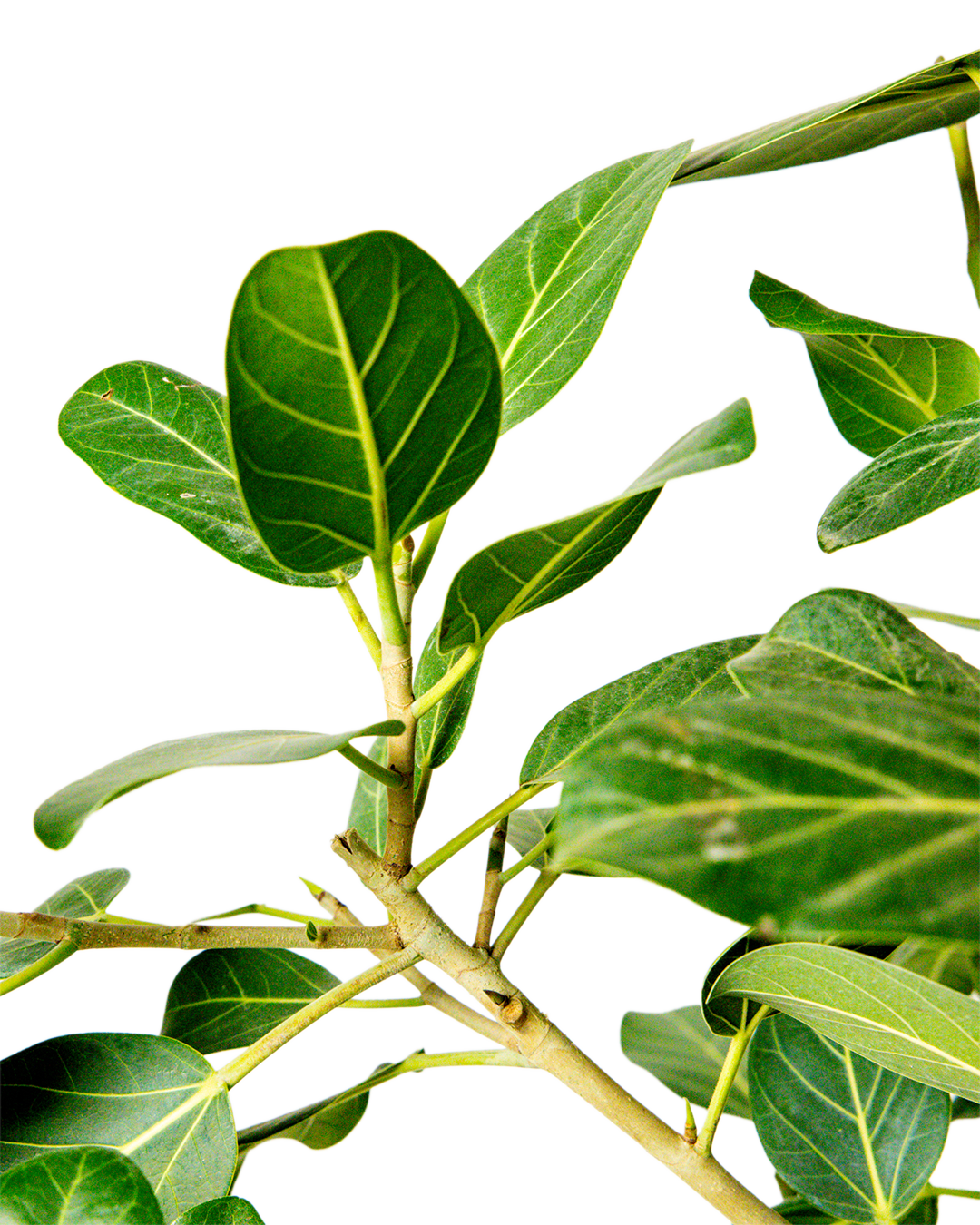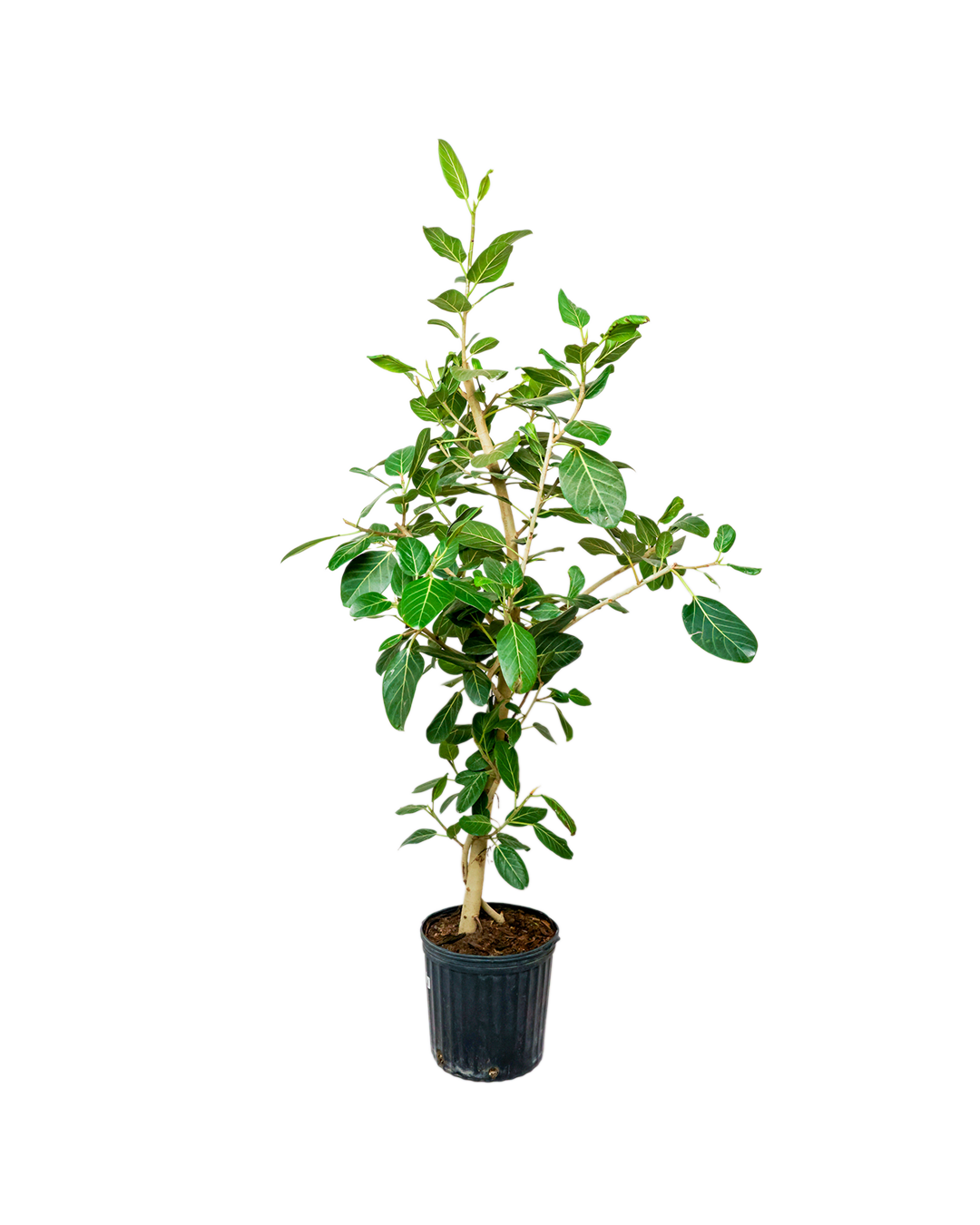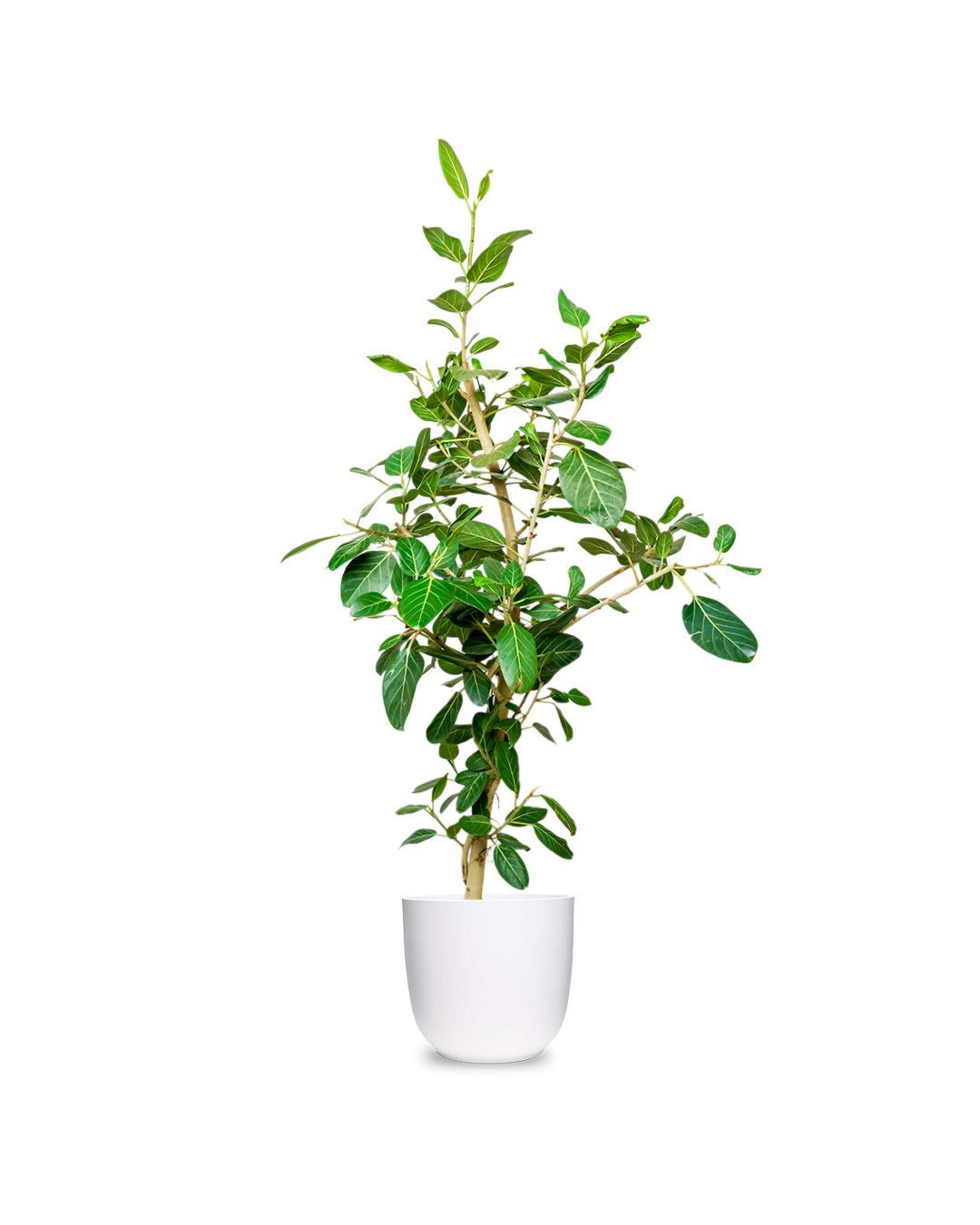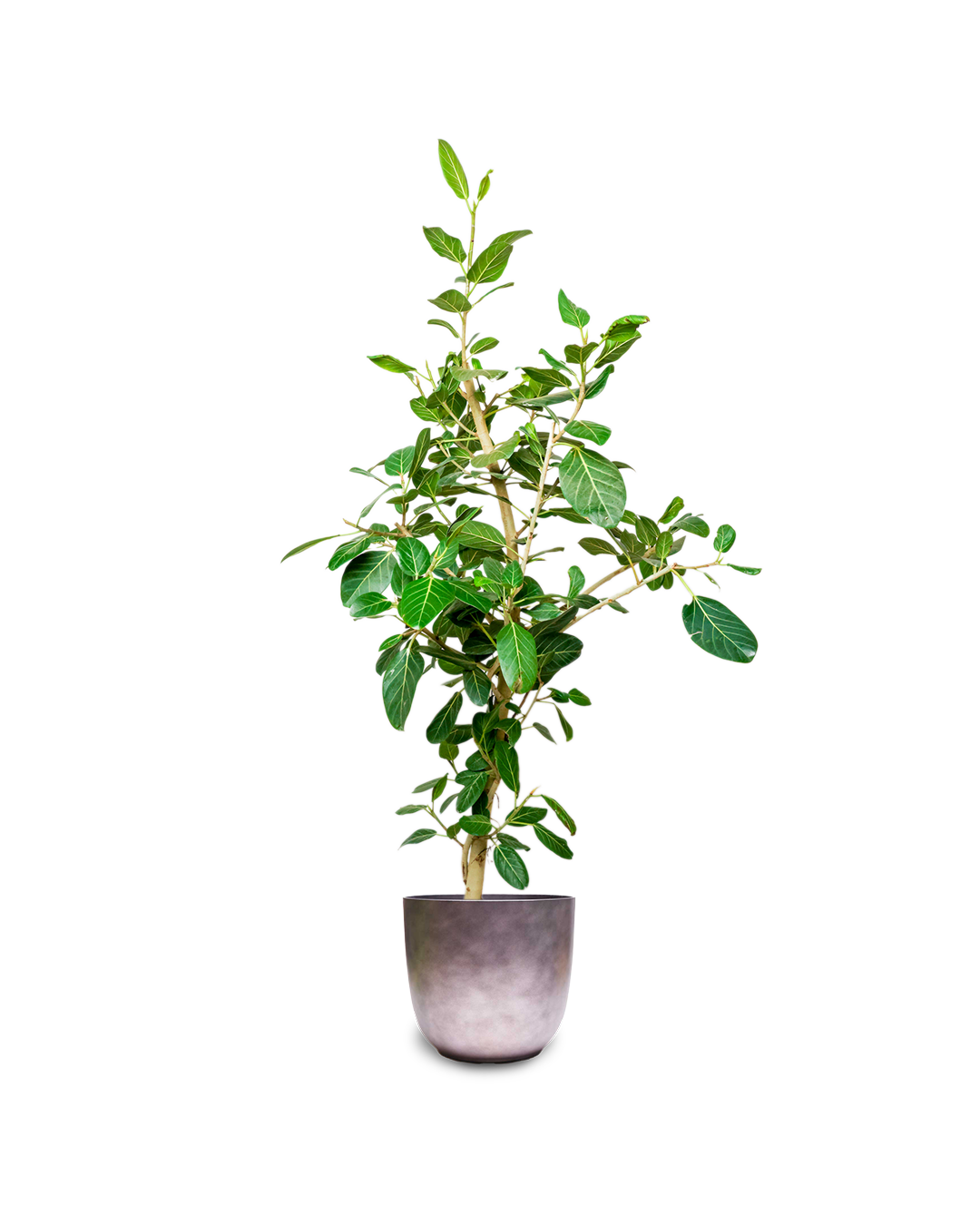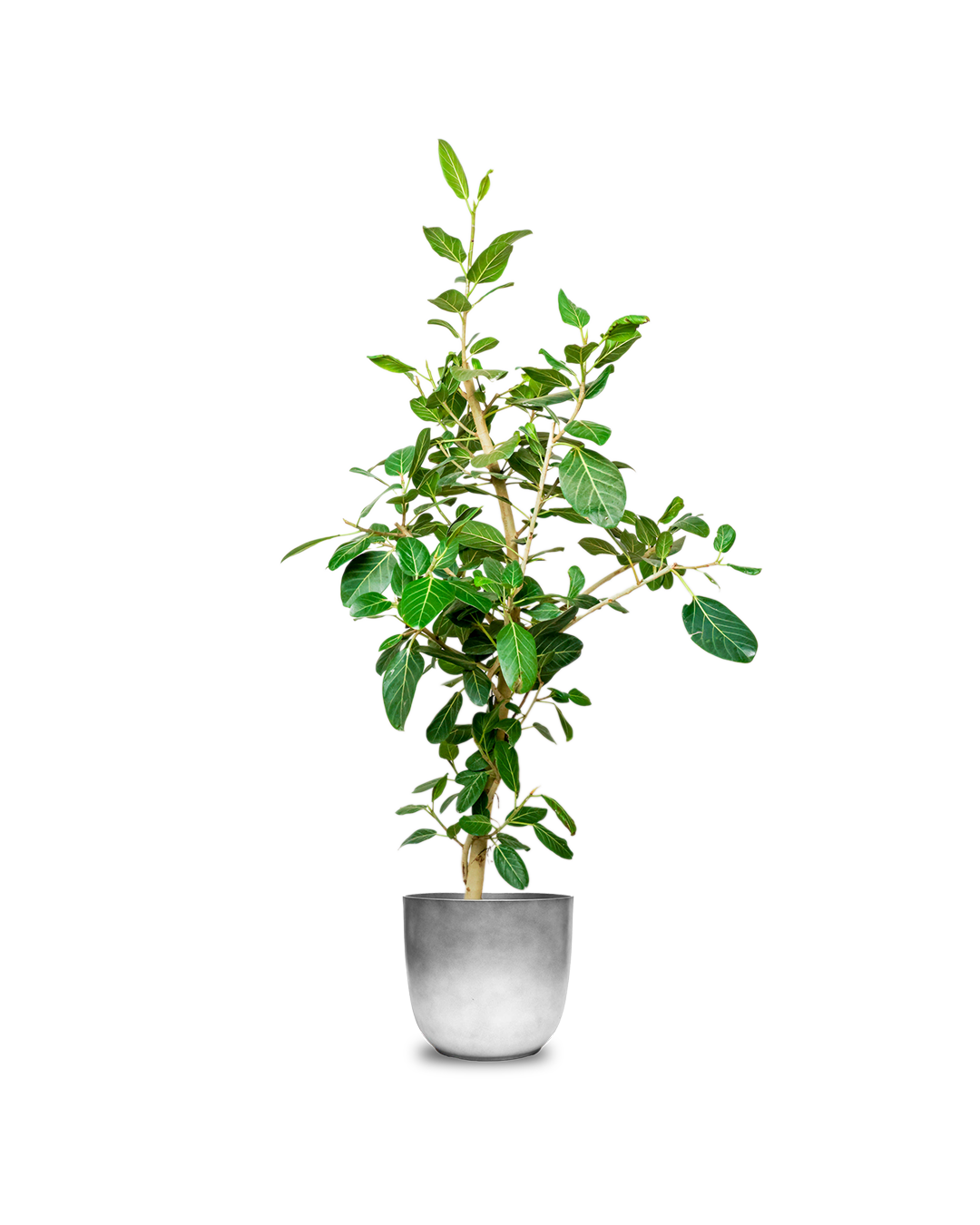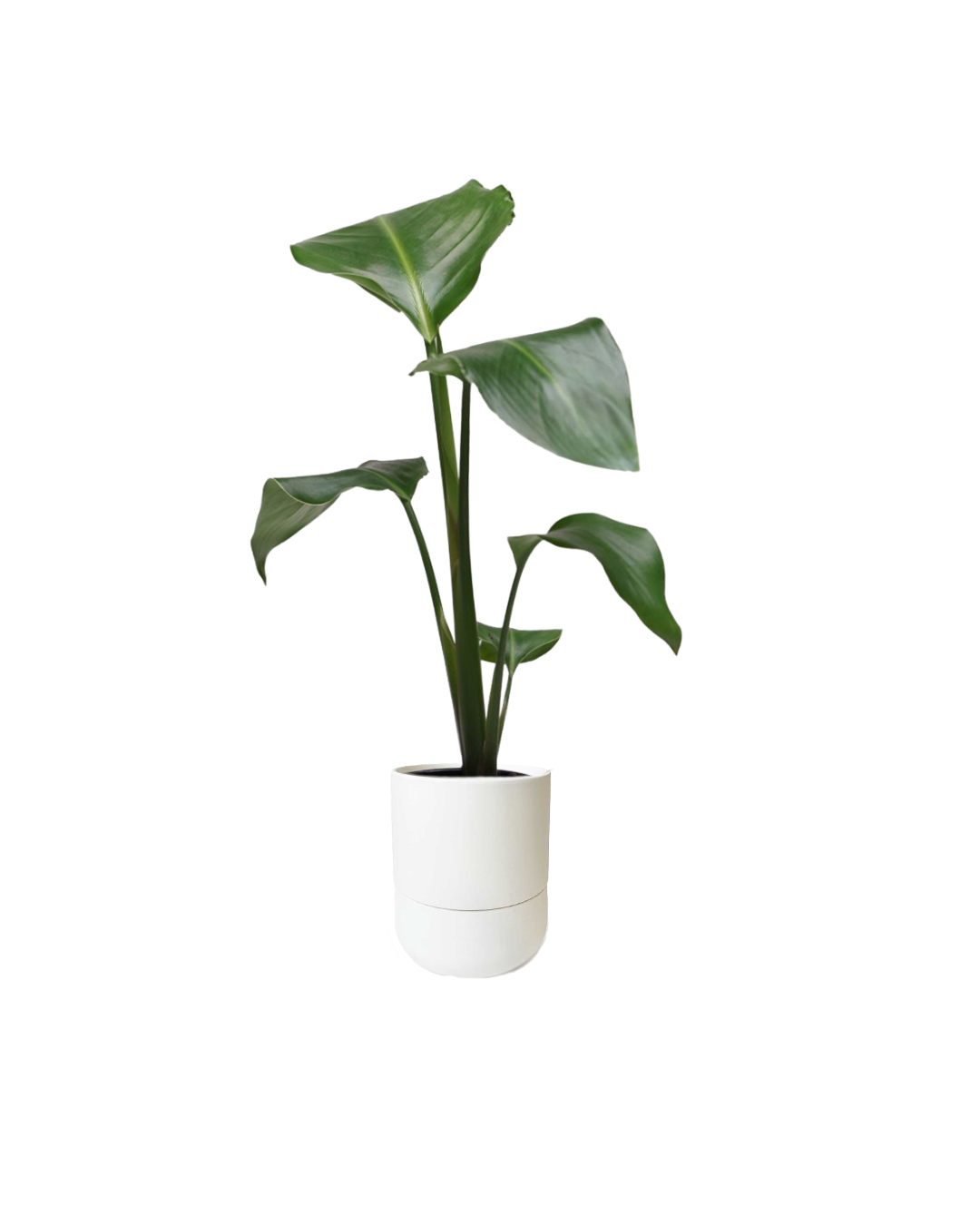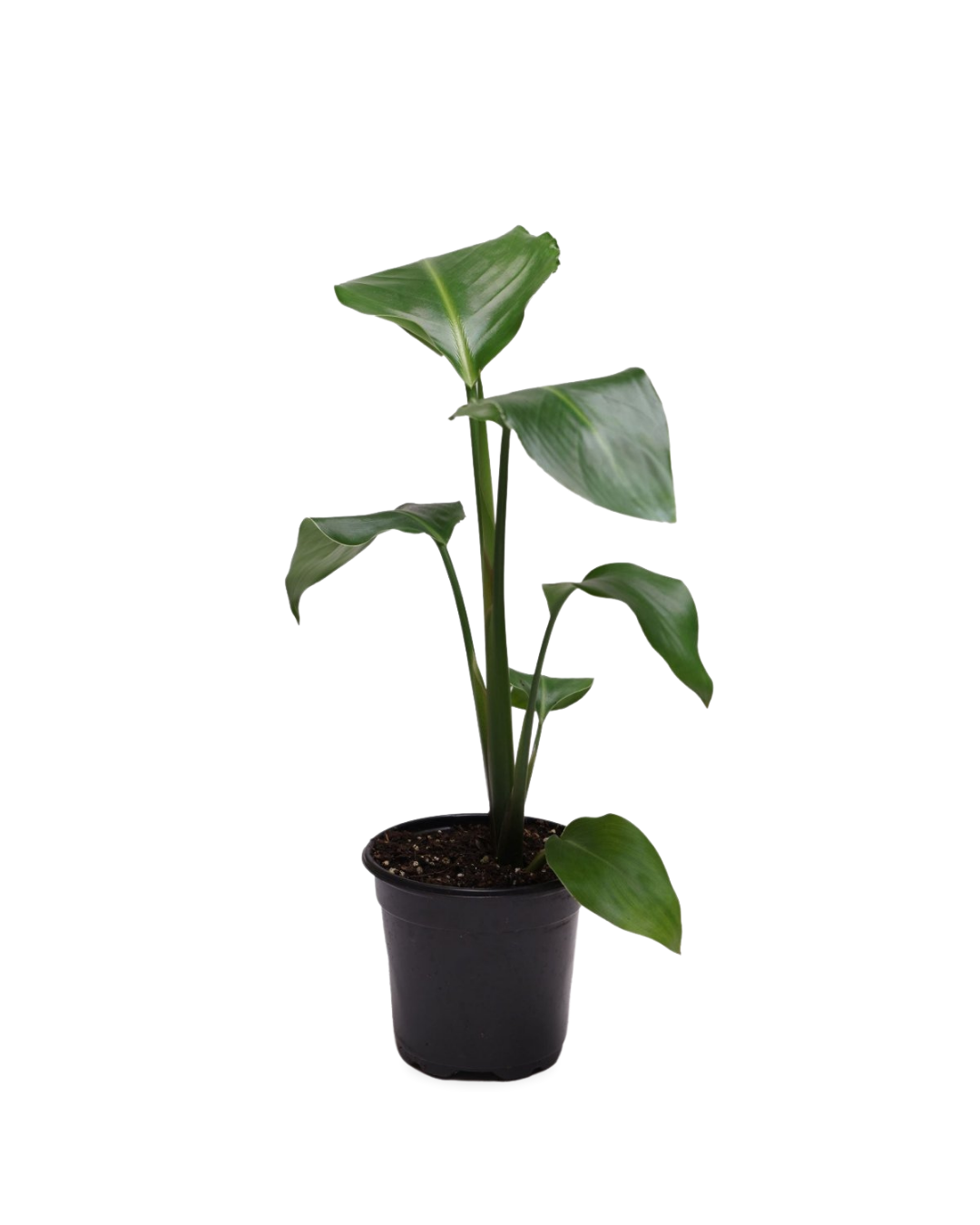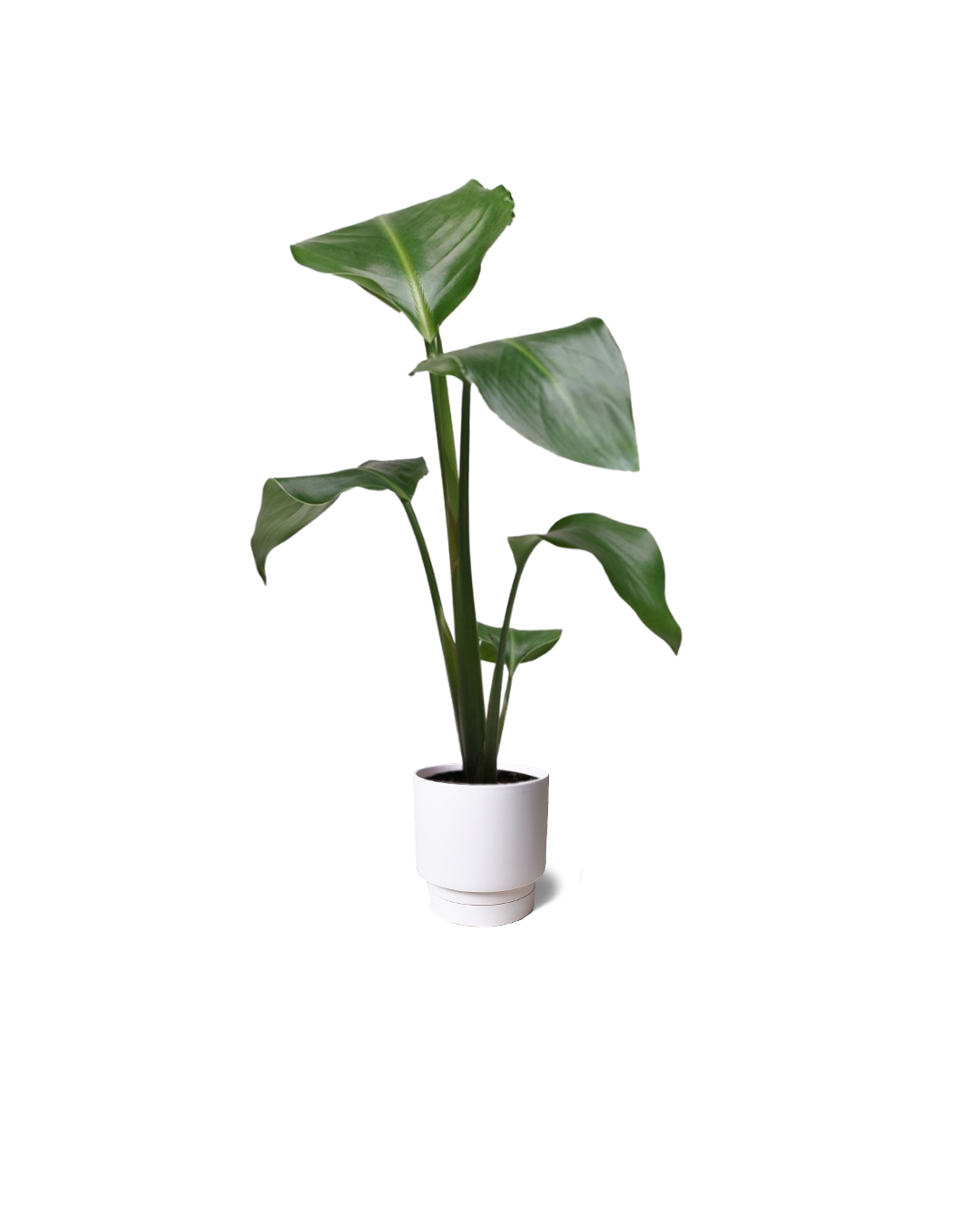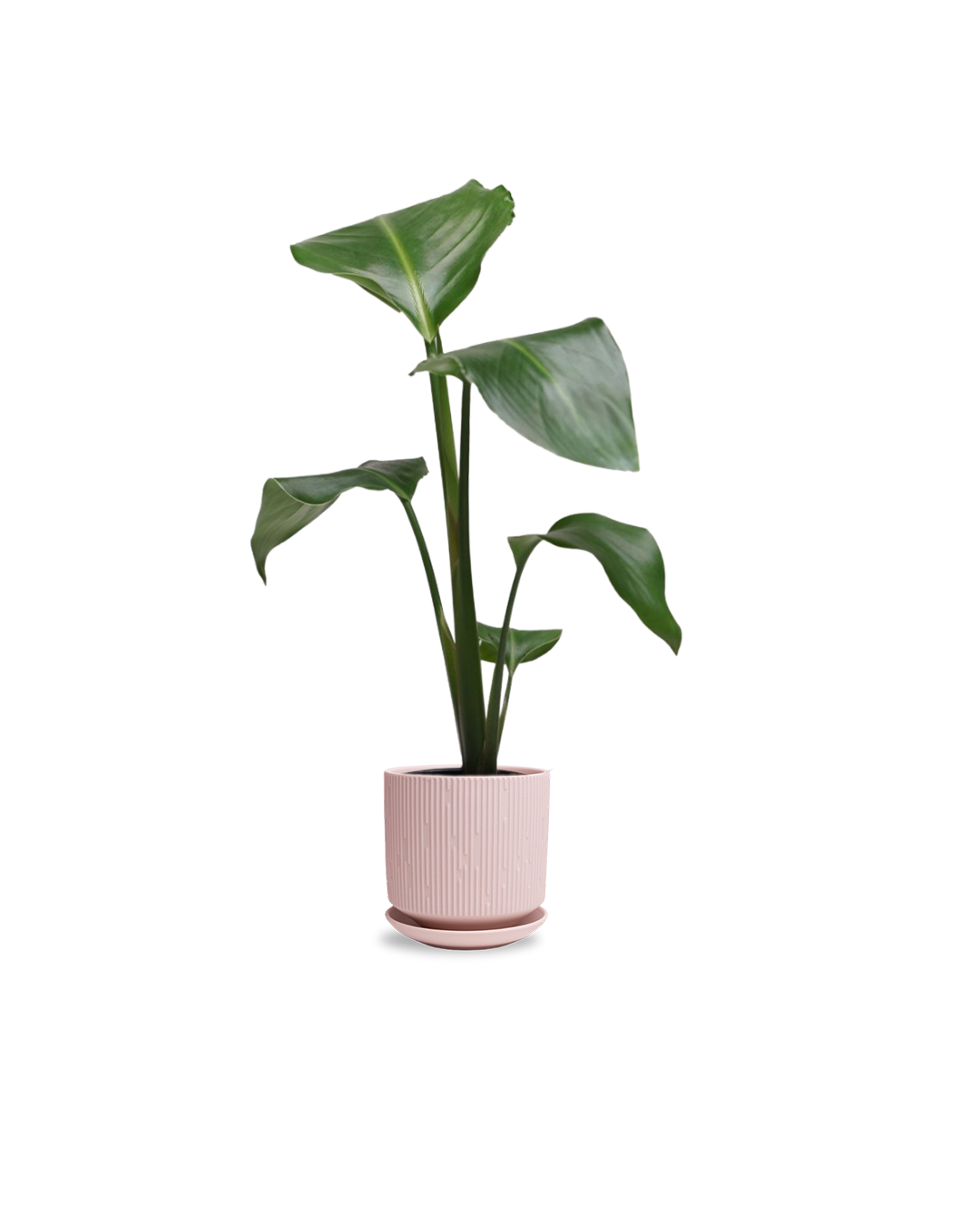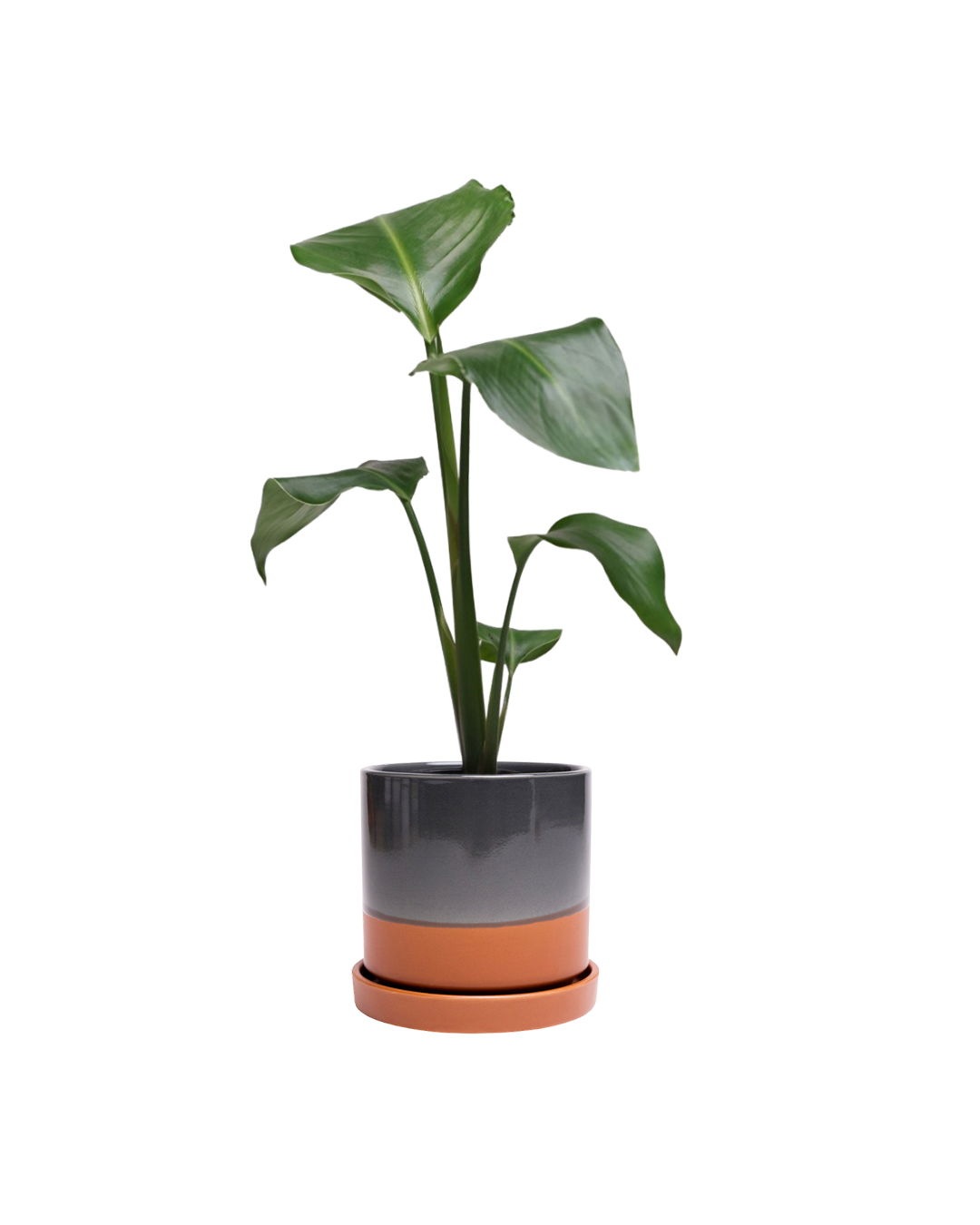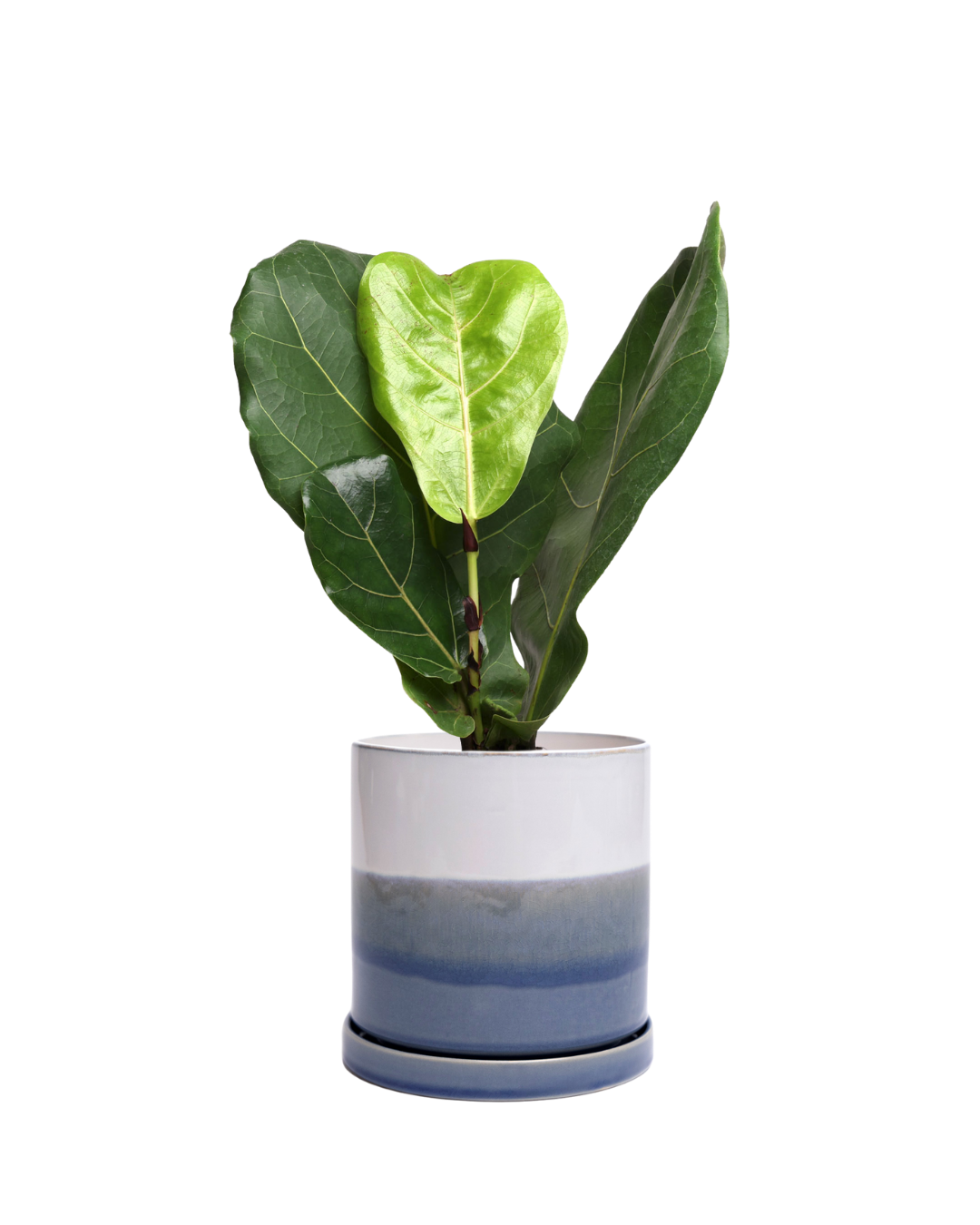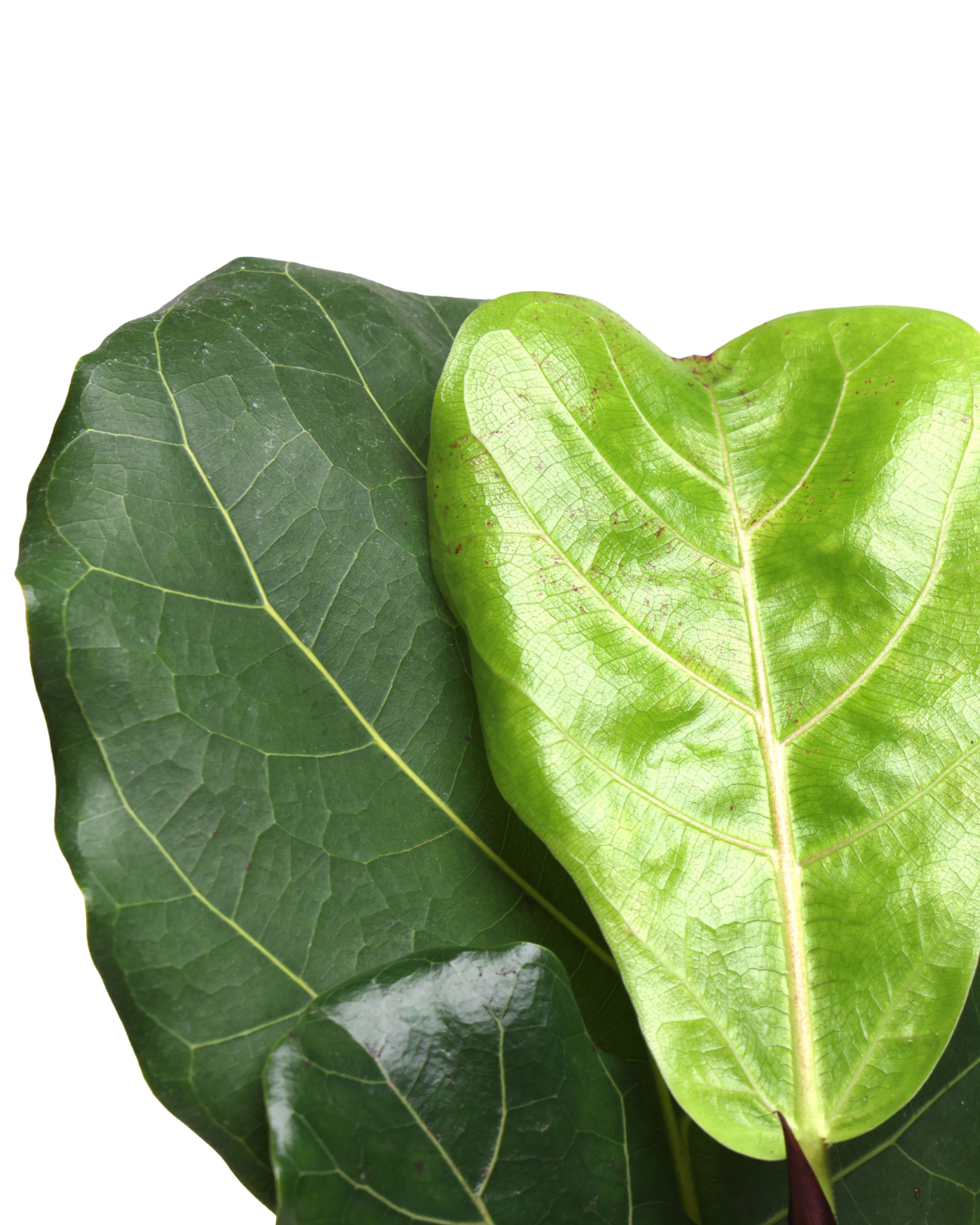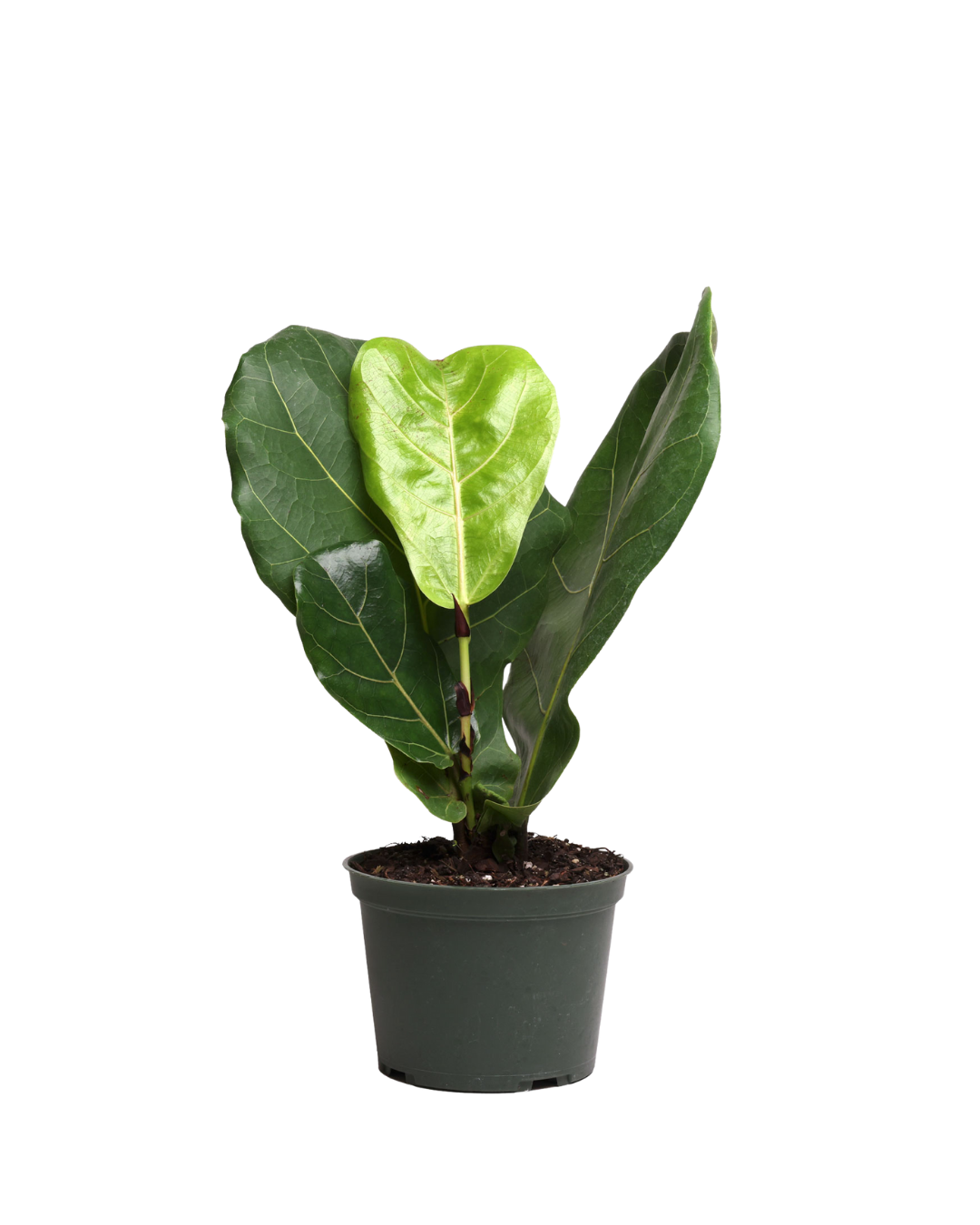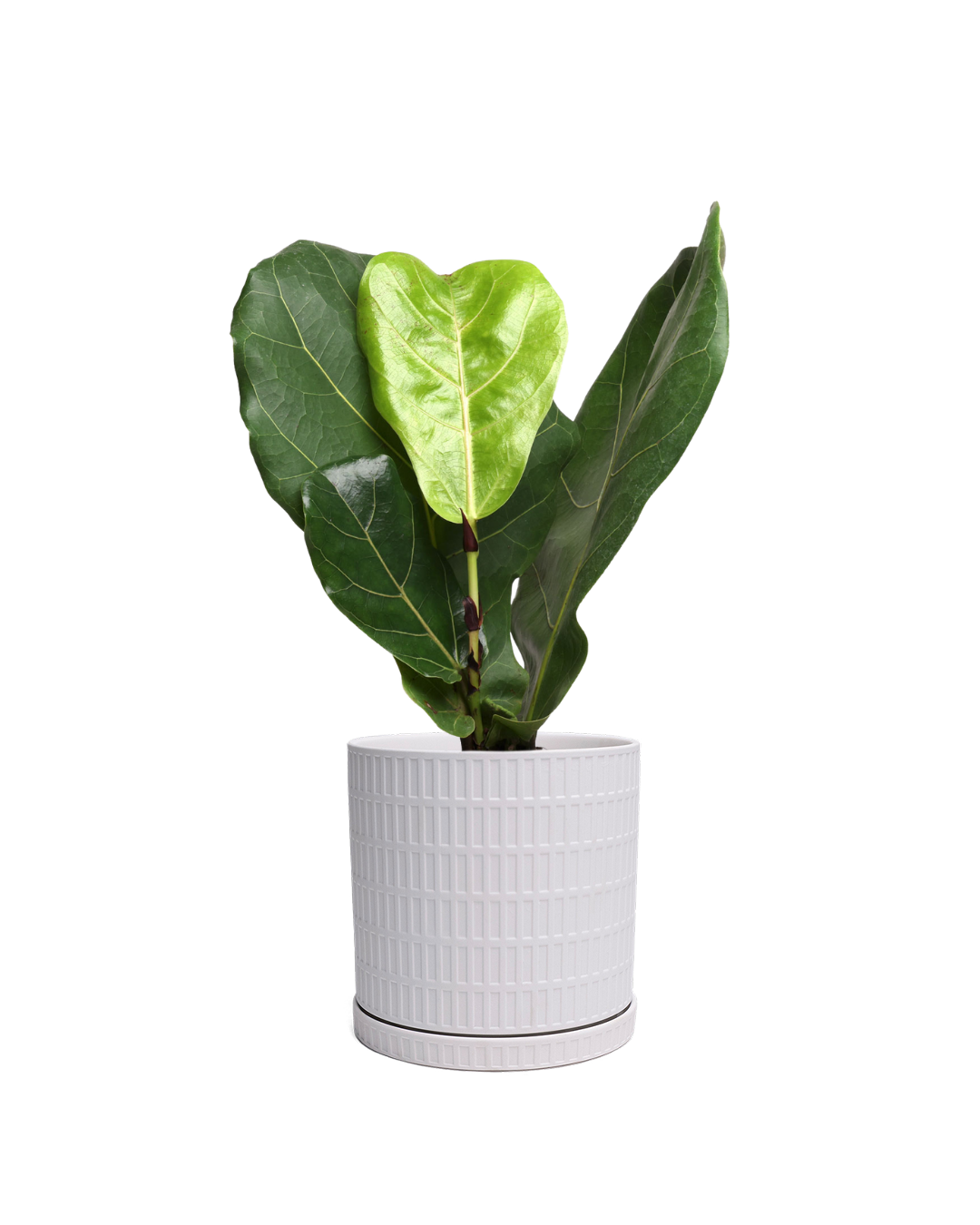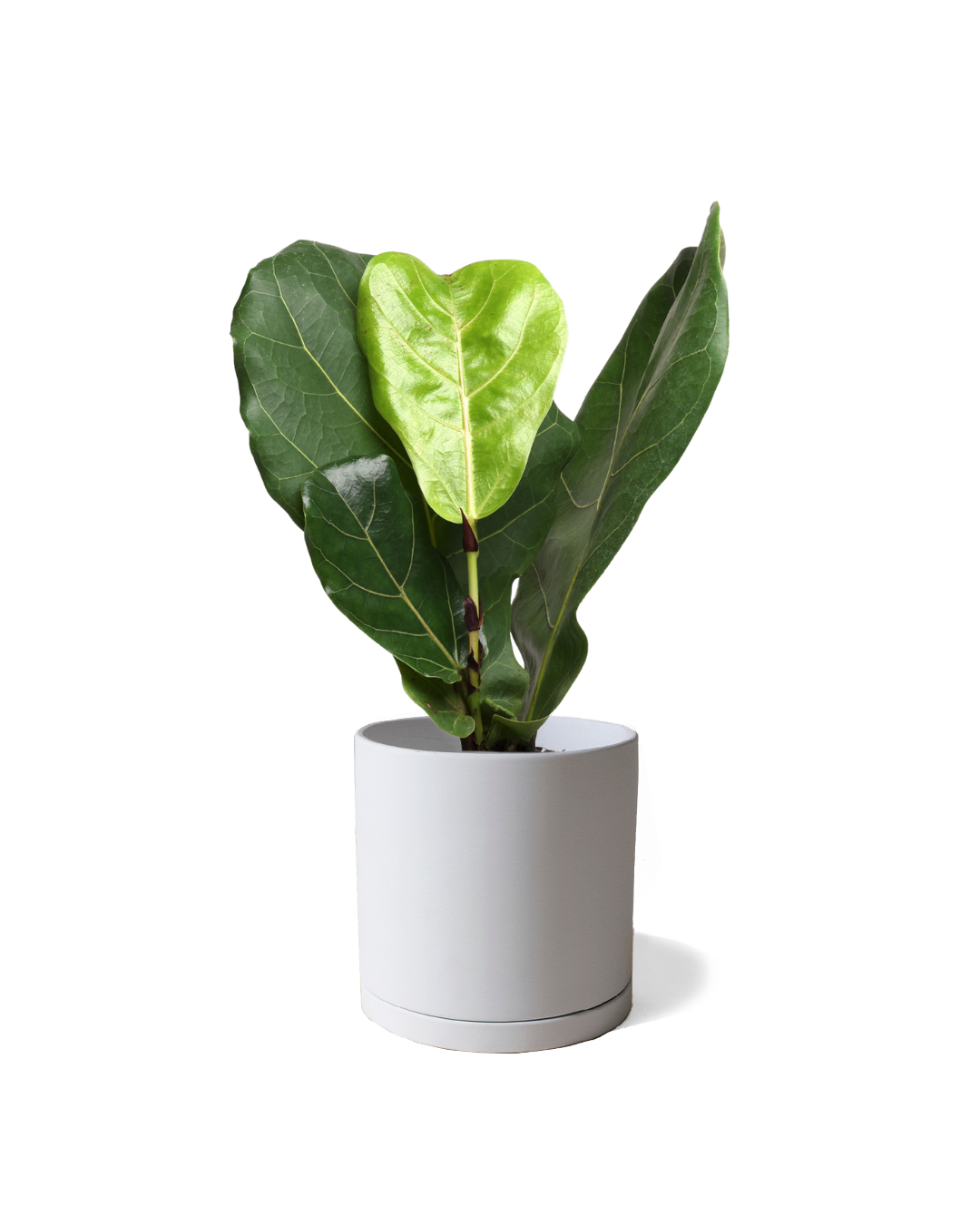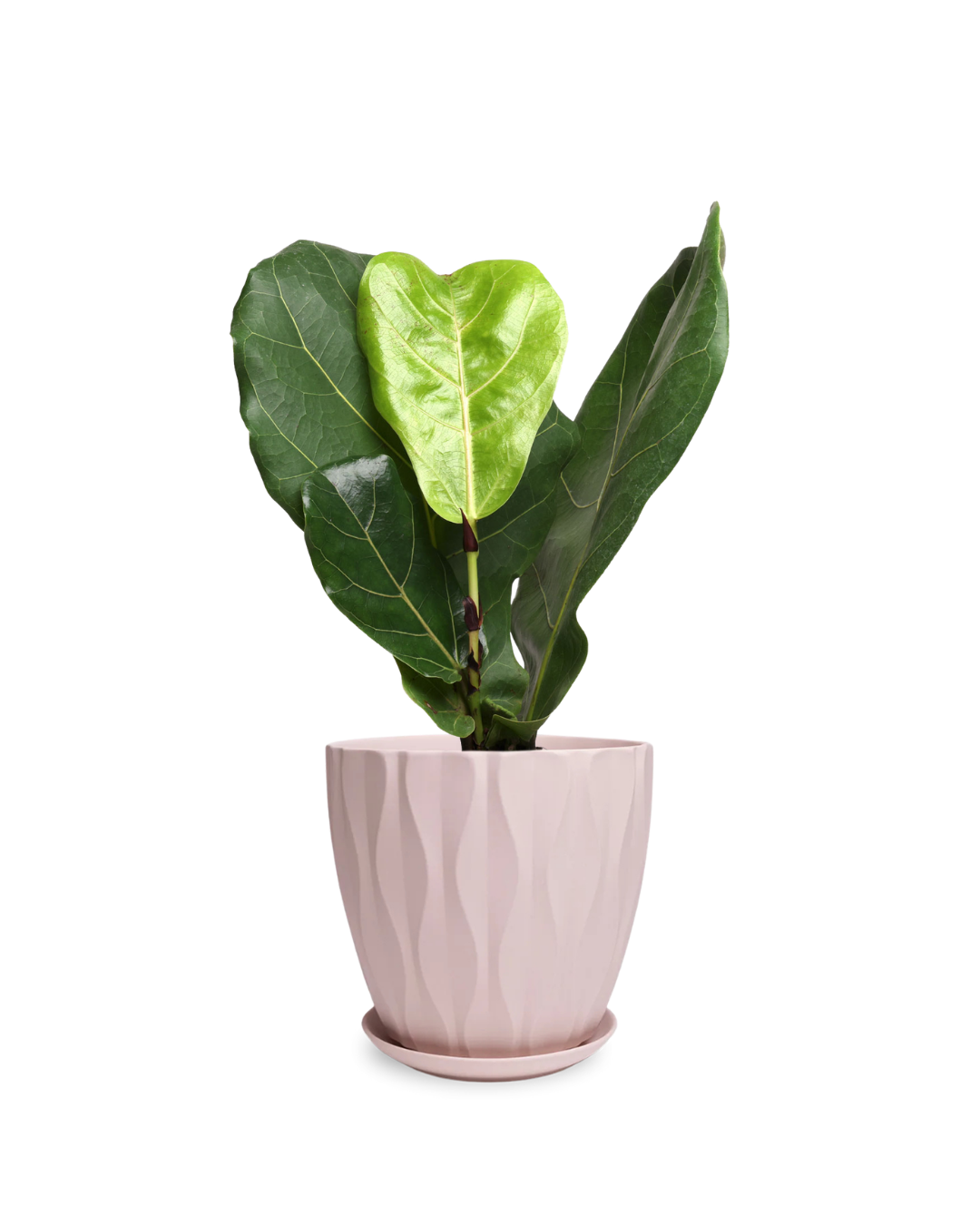

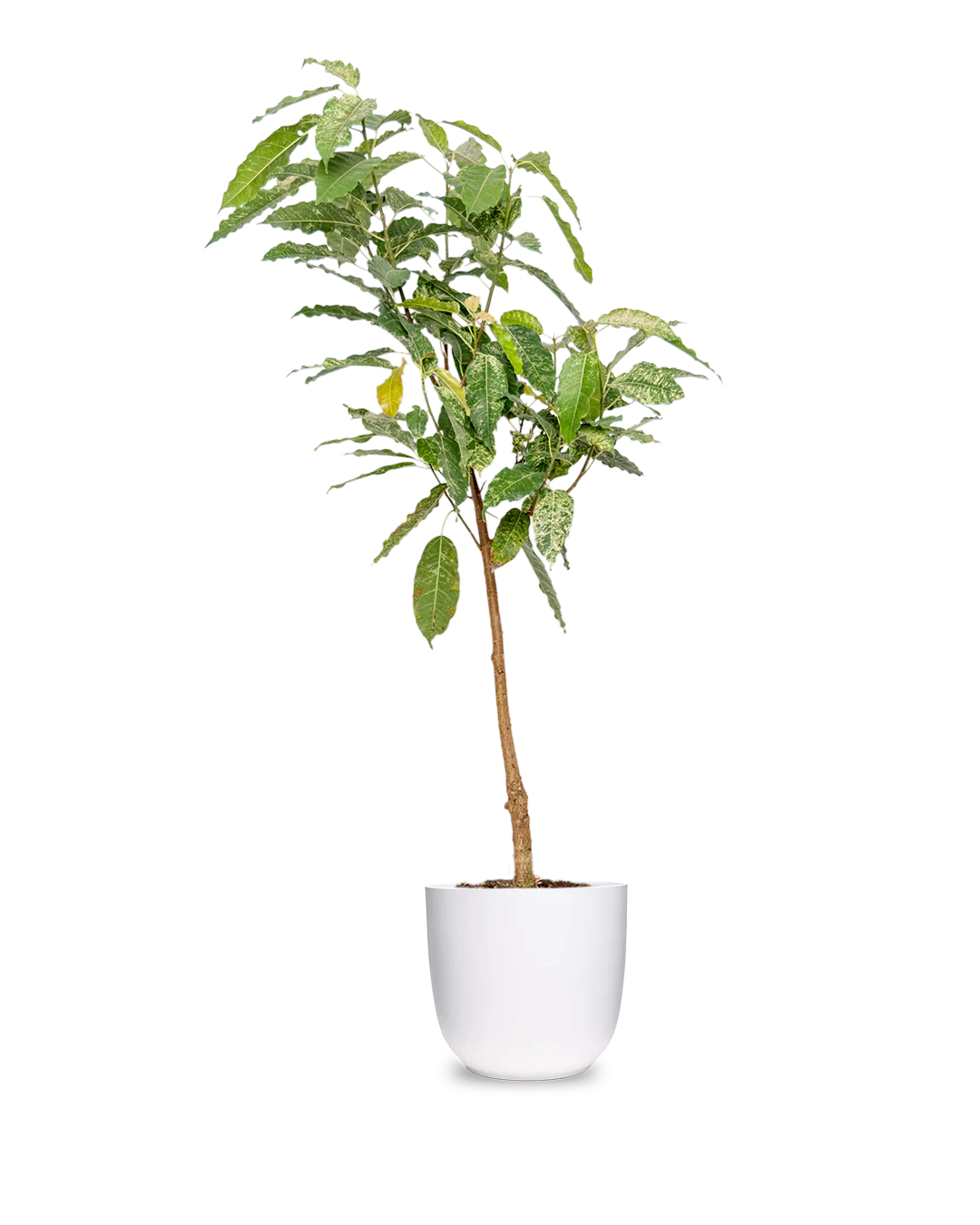





I never thought I'd become the sort of person who names their plants, but here I am, in my Toronto apartment, whispering sweet nothings to Ferdinand, my six-foot Fiddle Leaf Fig. He arrived last winter during what my therapist calls "a particularly challenging emotional period," but what I call "the three months I spent eating nothing but instant ramen and watching Canadian real estate shows."
My sister Amy suggested plants might improve my mood. "Get something big," she said. "Something you can't ignore." This was typical Amy advice – solving depression with responsibility, like suggesting a teenager with acne should adopt a wolverine.
But she wasn't wrong. There's something oddly comforting about sharing your space with a living thing that makes fewer demands than a cat but more visual impact than a dust bunny. Toronto winters can feel eternal, but Ferdinand's towering presence makes my apartment feel less like a sad snow globe and more like a purposeful habitat.

Large indoor plants for low light
My apartment faces north, which real estate agents cheerfully describe as "ambient lighting" but is actually just a polite way of saying "prepare for vitamin D supplements." After Ferdinand thrived, I decided to expand my leafy family.
The garden center employee, a bearded man named Trent with more botanical knowledge than most university departments, guided me to a row of plants he called "the basement dwellers." These were species designed by nature to grow in rainforest understories, beneath canopies so dense they make my apartment look like a tanning salon.
"ZZ Plants are basically immortal," Trent said as I stroked a glossy leaf. "You could keep one in a closet and water it once during a federal election cycle."
I bought three, naming them after my least communicative ex-boyfriends: Spencer, Marcus, and The One Whose Name I Deliberately Misremember. They've outlasted most of my friendships and never once commented on my pandemic haircuts.

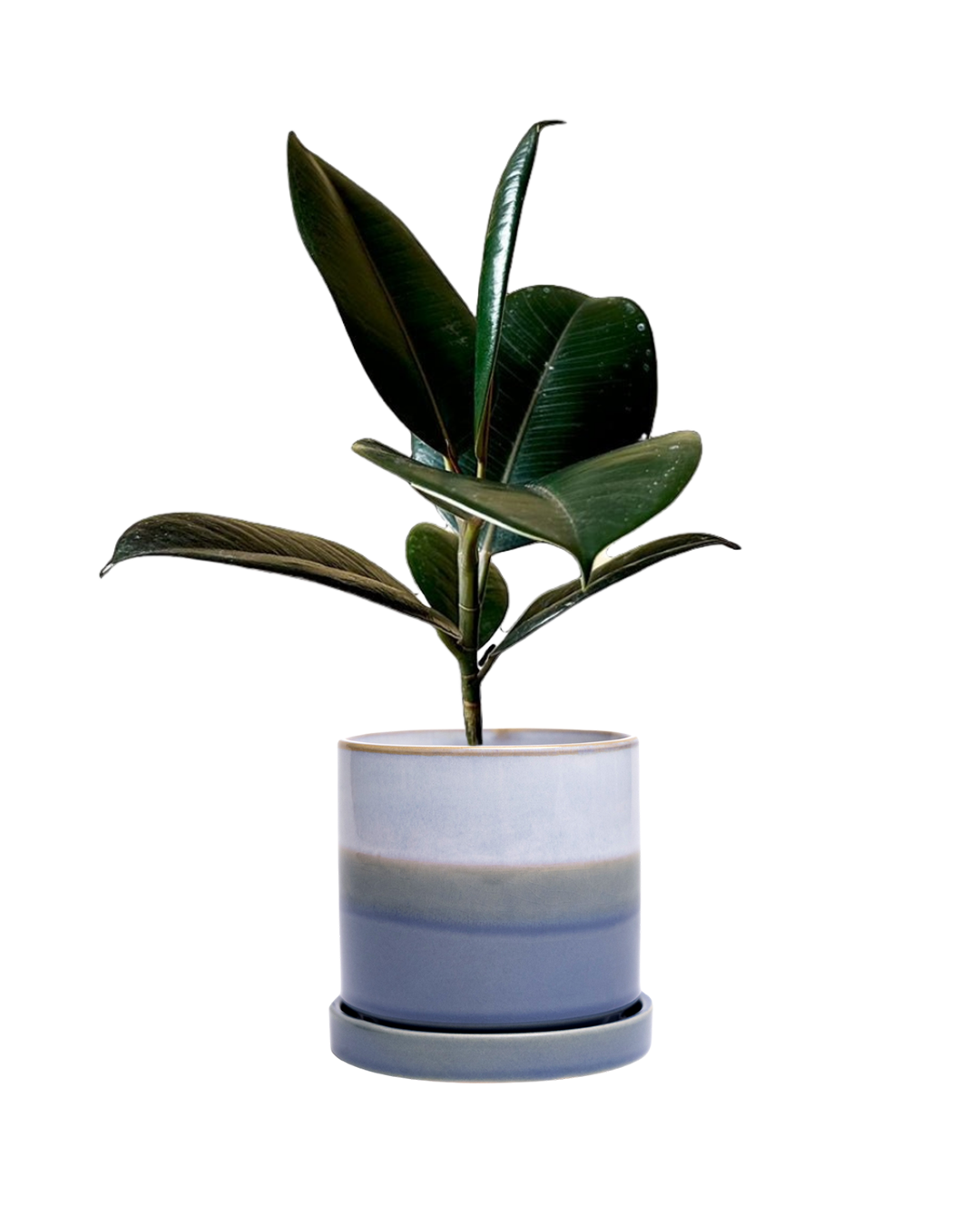
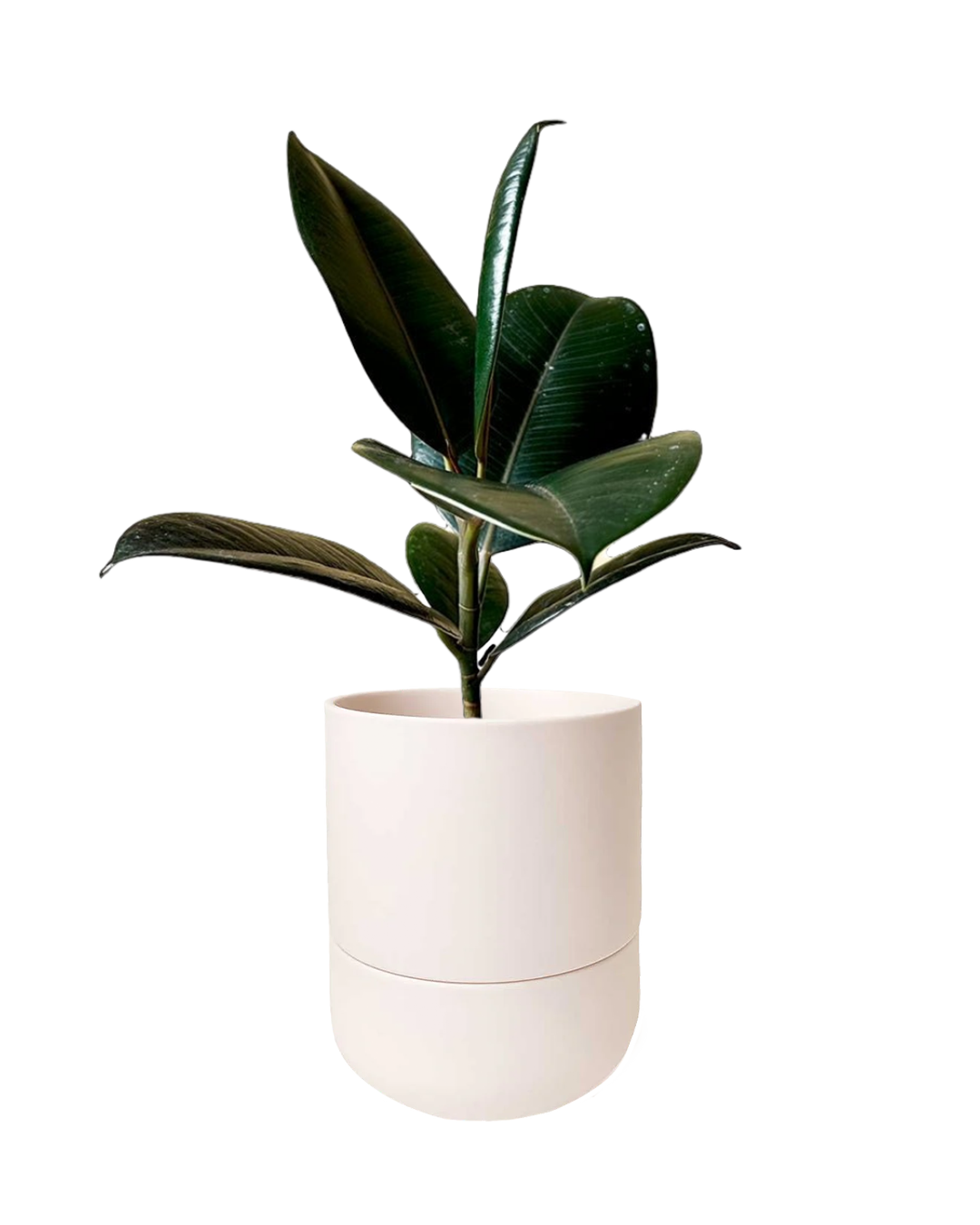
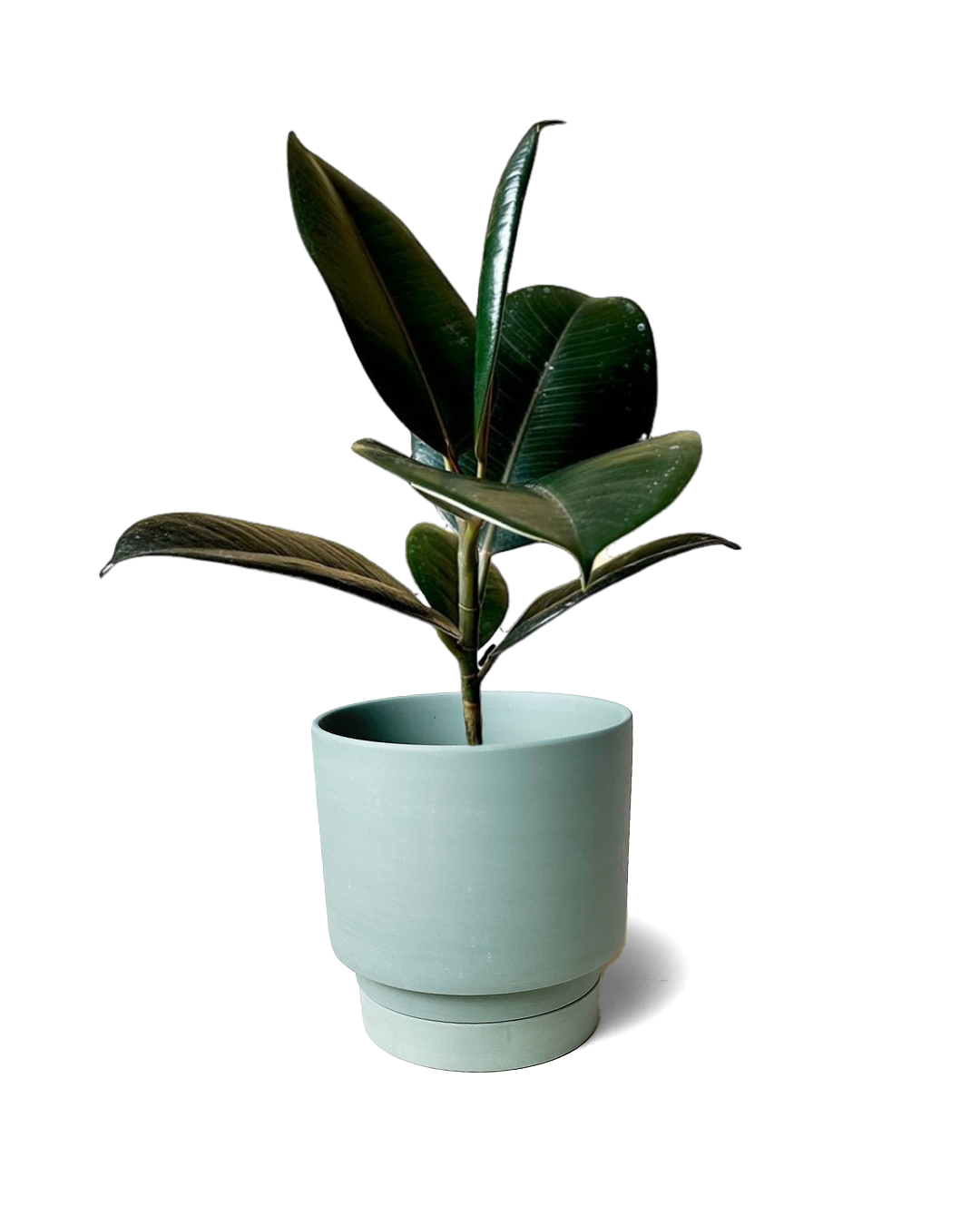
Large indoor planters
The problem with large plants is finding suitable vessels to contain them. My first attempt involved a beautiful ceramic planter I ordered online, which arrived with a hairline crack that transformed my hardwood floors into what appeared to be a scale model of Lake Ontario after approximately four minutes.
Toronto's Queen West has shops selling planters that cost more than my monthly car payment, their simplicity somehow justifying price tags that require financing options. "It's an investment piece," the saleswoman assured me as I stared longingly at a concrete cylinder that apparently warranted the same budget as a weekend getaway to Montreal.
I ended up at a garden center in Scarborough where the owner, an octogenarian named Mrs. Patel, sold me enormous glazed ceramic pots for what she called her "reasonable price," which meant I could still afford to eat something besides crackers for the remainder of the month. When I mentioned I lived downtown, she nodded sympathetically as if I'd disclosed a terminal illness.
"You city people make everything so complicated," she said, patting my hand. "It's just dirt and roots in a container, dear."

Large indoor trees
After six months of successful plant parenting, I decided to adopt what Trent called "a statement piece." This is garden center code for "something that will scrape your ceiling and completely dominate a room." A Dracaena Marginata now lives in my living room corner, its spiky head brushing against my ceiling like an awkward teenager at his first school dance.
I named him Hugh, after my childhood orthodontist – tall, slightly intimidating, but ultimately beneficial to my wellbeing. Hugh the Dracaena requires so little from me that I sometimes feel guilty, like I should be asking about his day or offering him better soil opportunities.
My mother visited last spring and immediately asked if the tree was real. "Of course it's real," I said, offended on Hugh's behalf. "Why would I put a fake tree in my apartment?"
"The same reason you have that electric fireplace," she replied. "Toronto has made you both practical and desperately in need of nature."

Large indoor plants for beginners
When my friend Carlos announced he was finally leaving his basement apartment for a sunlit condo, I volunteered to help him select his first plant. Carlos is the sort of person who once killed an air plant, which is botanically equivalent to forgetting how to breathe.
The Snake Plant seemed perfect – architectural, nearly indestructible, and forgiving of the neglect that Carlos would inevitably provide. The sales associate described it as "perfect for beginners," which Carlos took as a personal affront.
"I'm not a beginner at life," he huffed as we carried the plant to his car. "I'm forty-two. I've filed taxes and everything."
"You microwaved a metal bowl last week," I reminded him. "The Snake Plant is a vote of confidence."
Three months later, the plant has not only survived but produced a baby shoot, which Carlos displays on video calls with the pride normally reserved for honor roll students.

Large indoor plants for clean air
My latest additions are what I call my "guilt-offset" collection – plants that NASA studies suggest improve air quality. This helps me feel better about my other habits, like occasionally smoking on my balcony or ordering too much takeout in plastic containers.
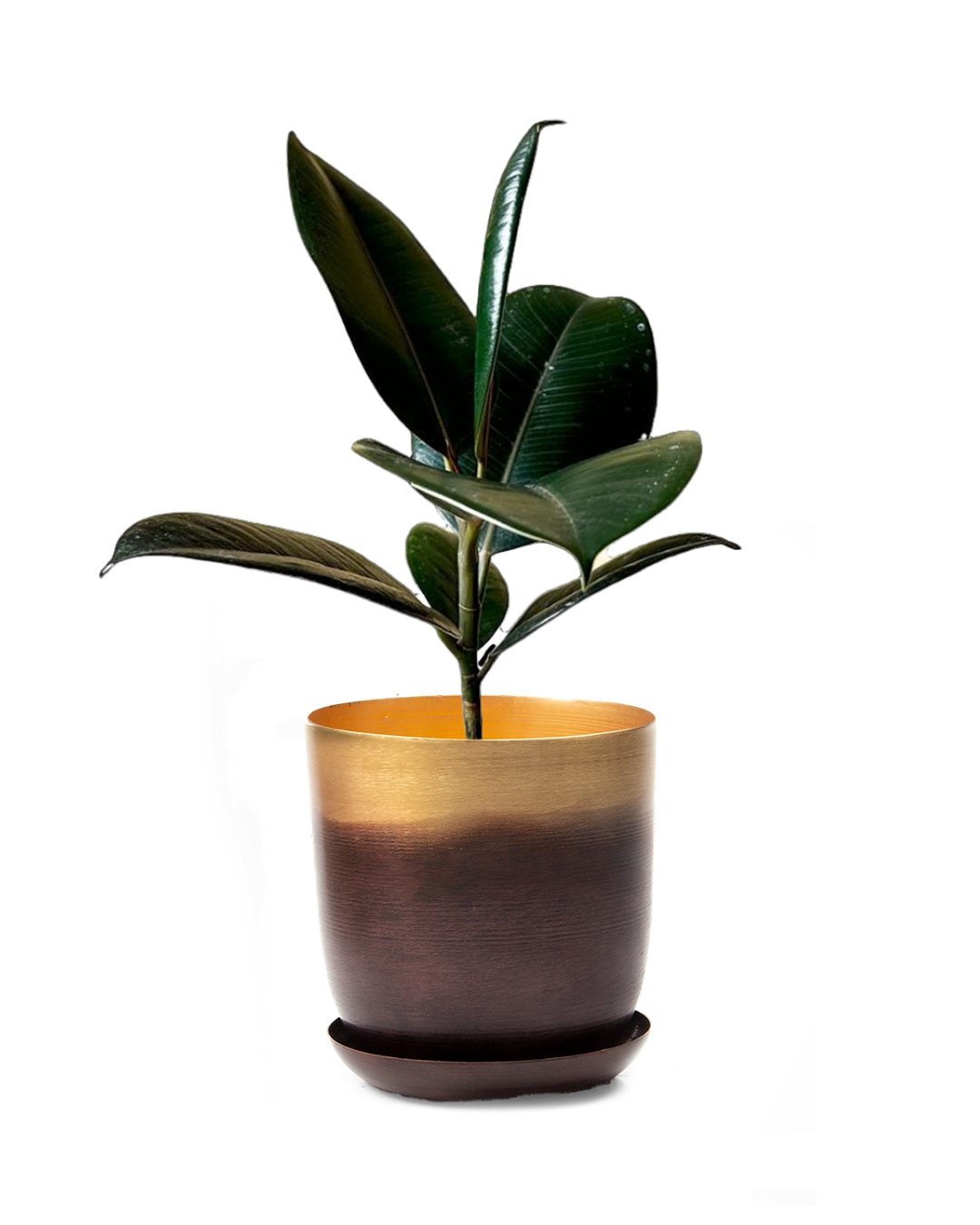
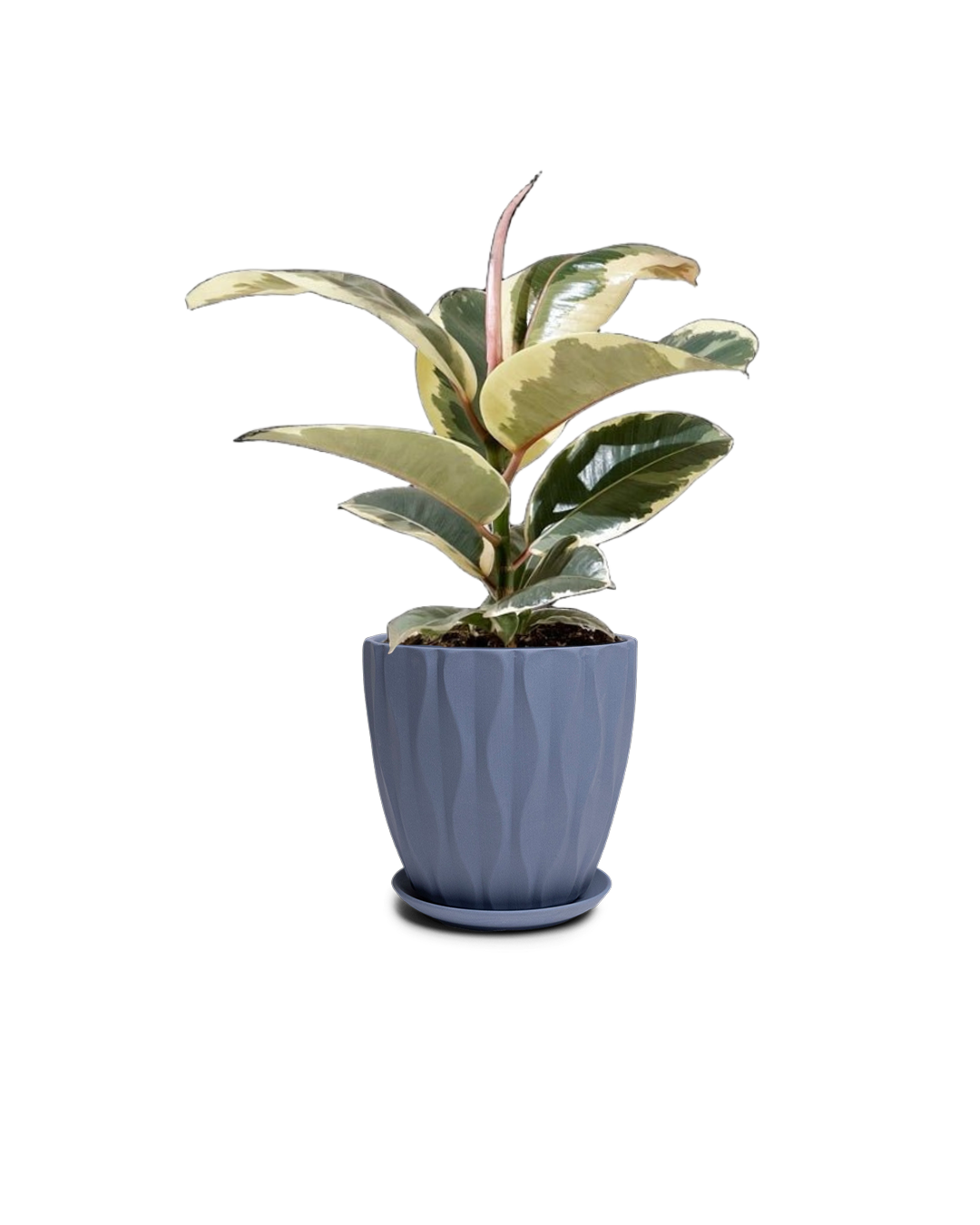
My Boston Fern, Bernadette, sheds more than my aunt's Pomeranian but supposedly filters the air with the efficiency of a small Dyson. The Peace Lily (Marlene) and Rubber Plant (Roberto) complete my air-purifying trio, turning my apartment into what I imagine the inside of Gwyneth Paltrow's lungs must look like.
Do they actually make my air cleaner? Toronto's winter air certainly seems better inside my plant-filled apartment than outside, where it carries the distinct bouquet of slush, exhaust, and regret. But more importantly, they've given me something to care for during those months when going outside feels like an arctic expedition.
I'm not saying plants are a replacement for proper therapy or medication, but there's something undeniably healing about watching something thrive under your care. Even in Toronto's darkest winter days, my apartment remains stubbornly, defiantly alive – a personal rainforest where the forecast is always growth with a chance of occasional overwatering.