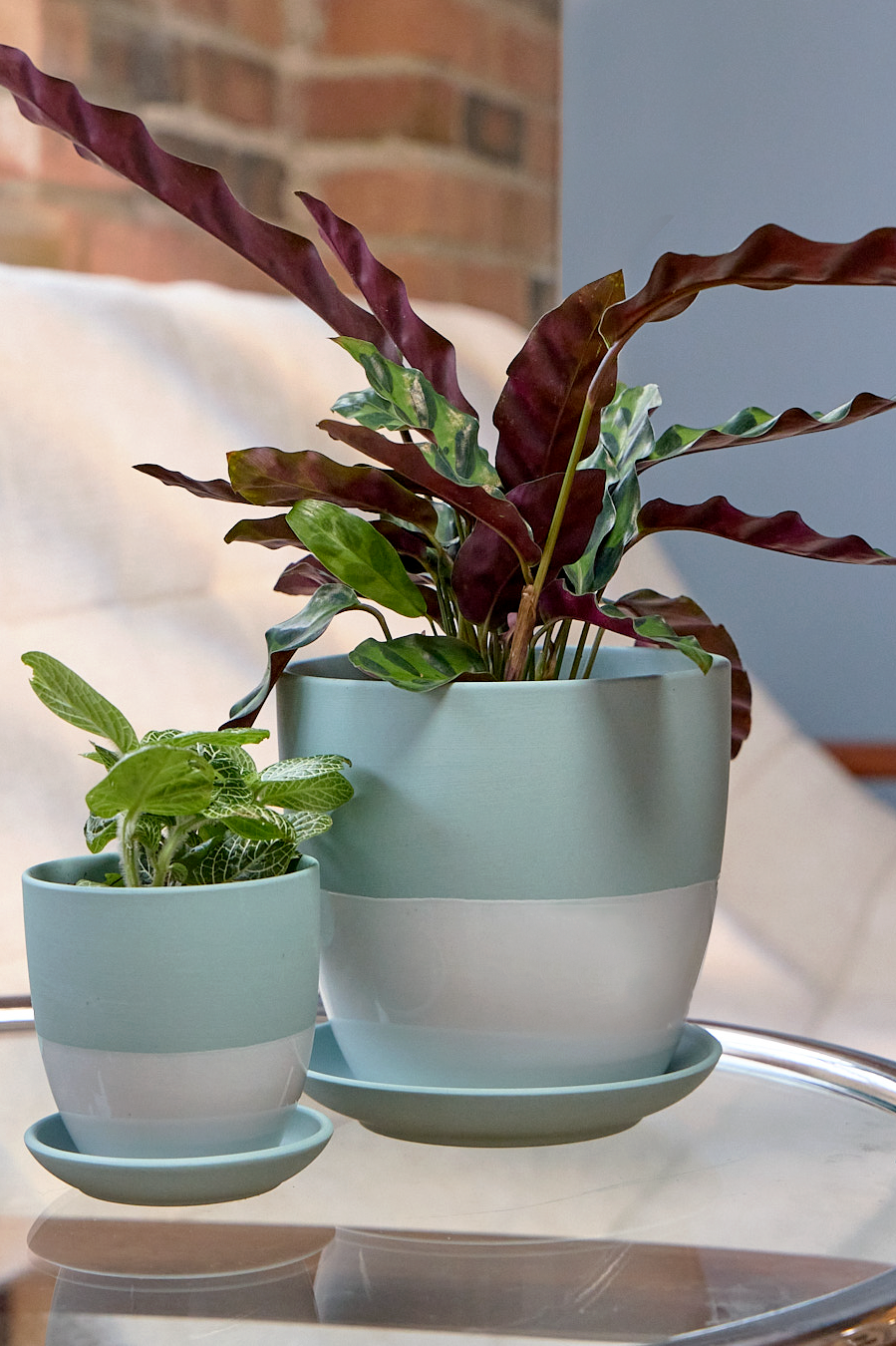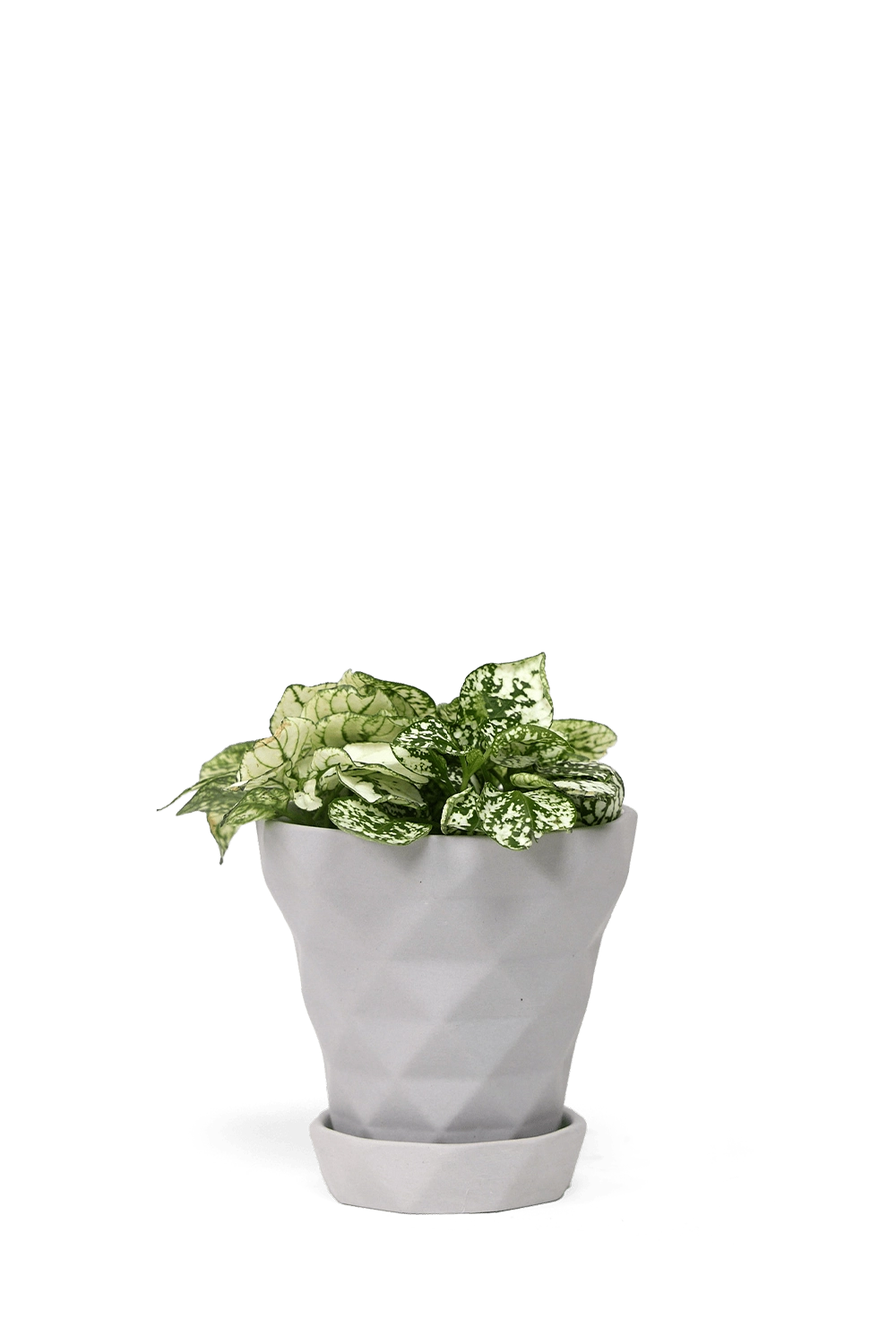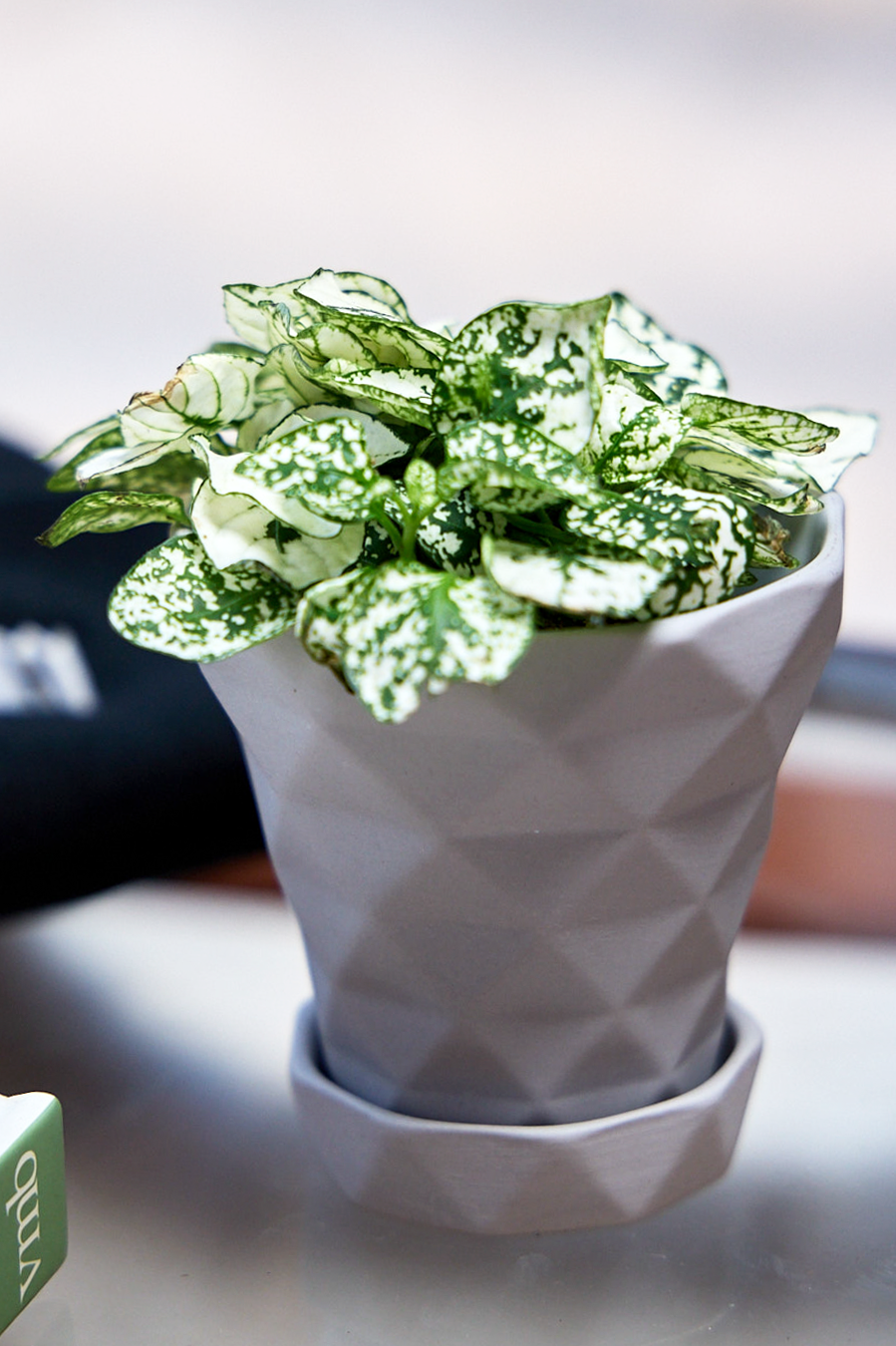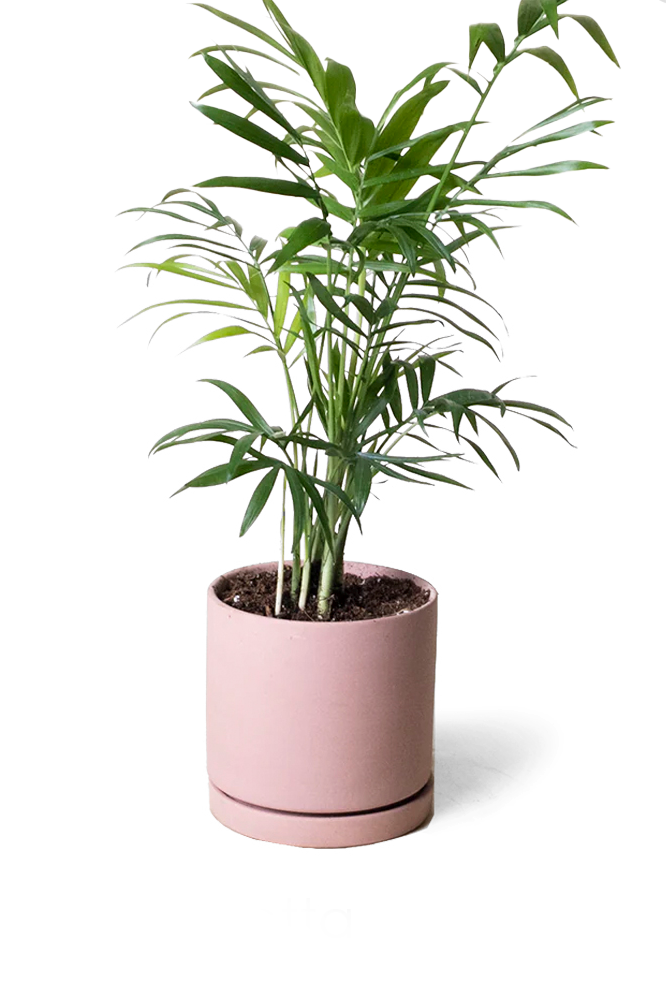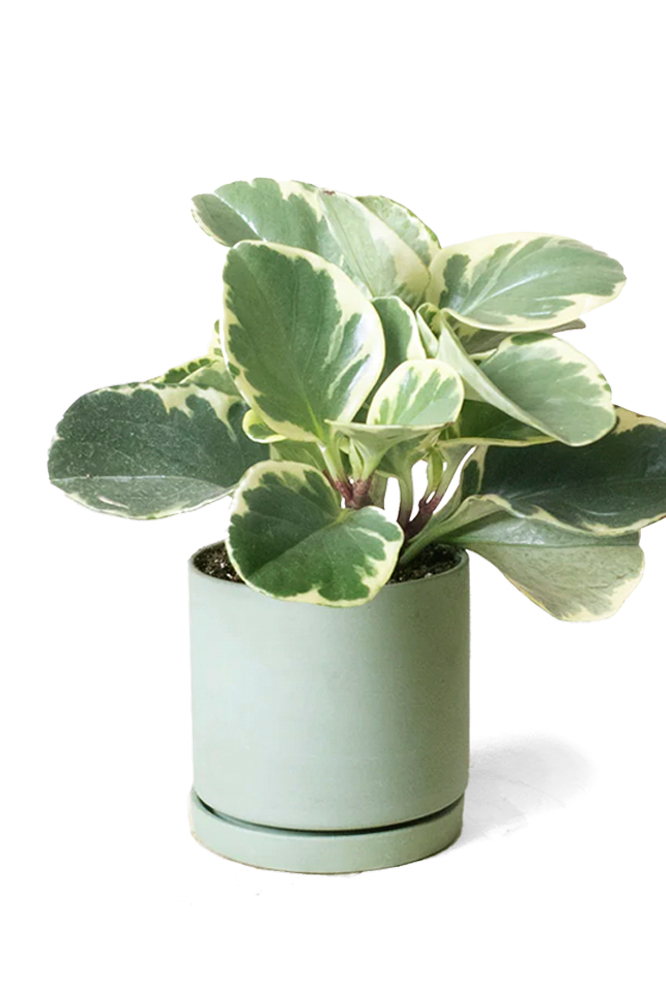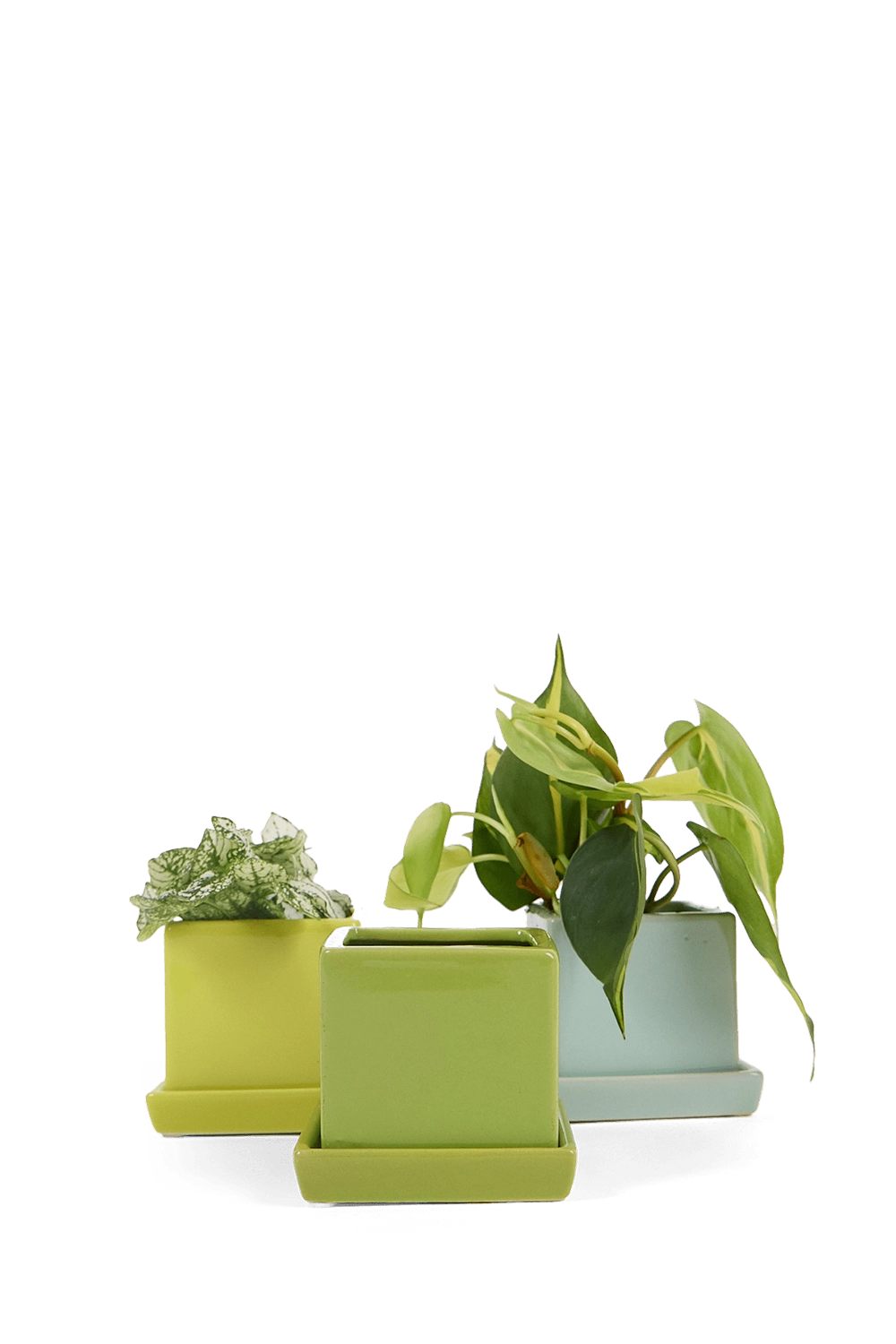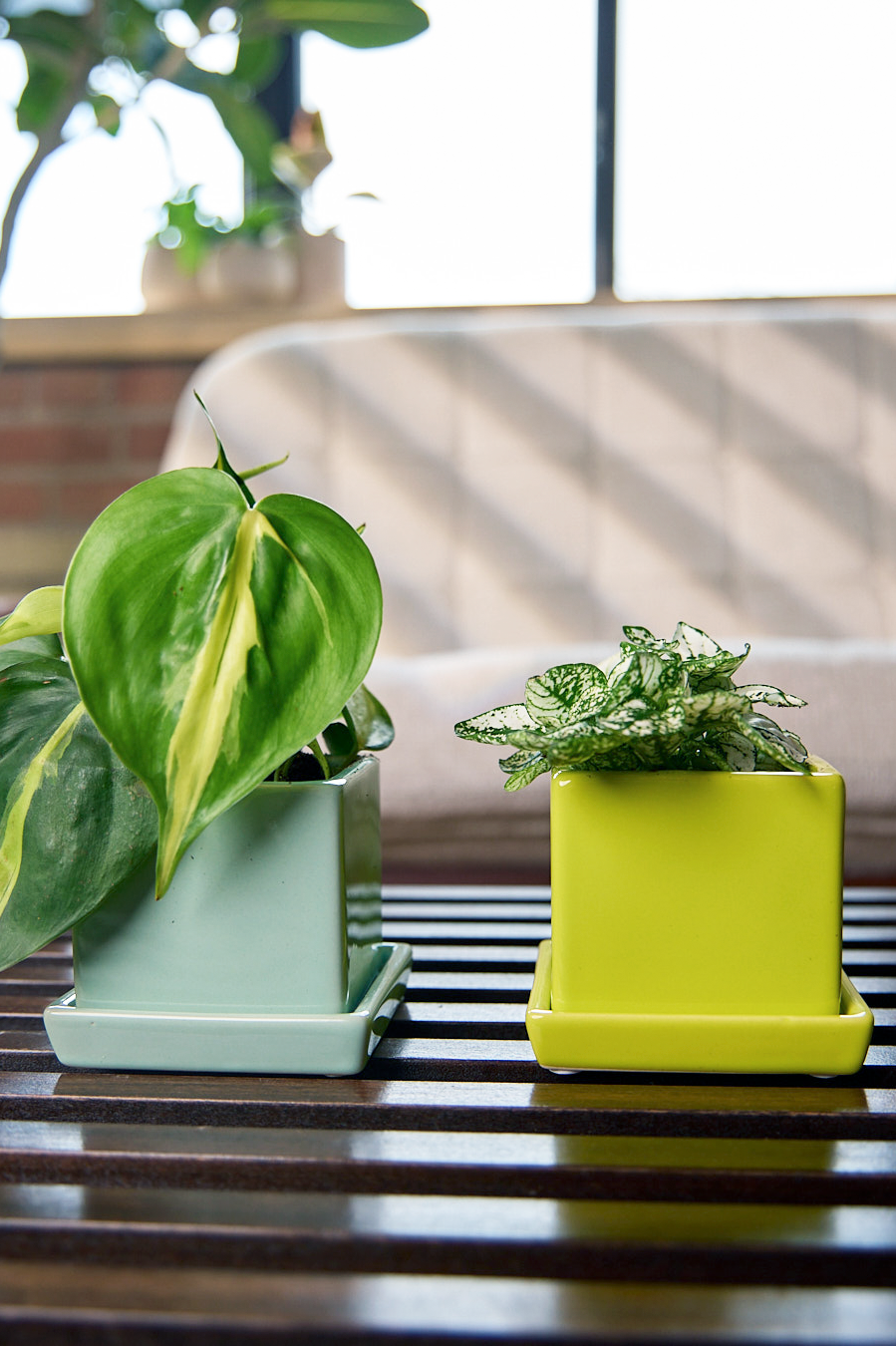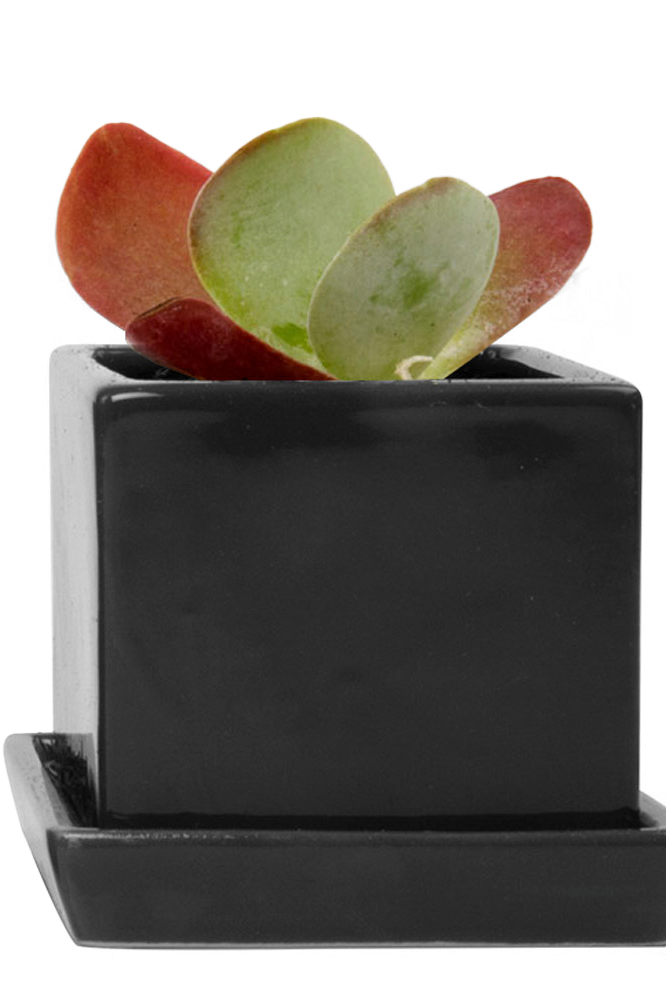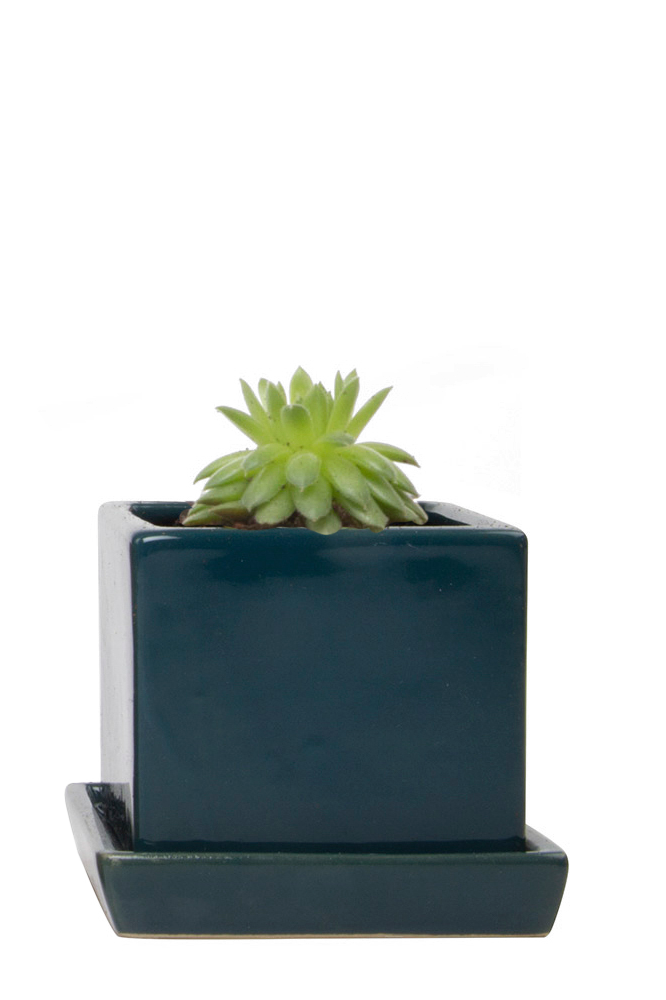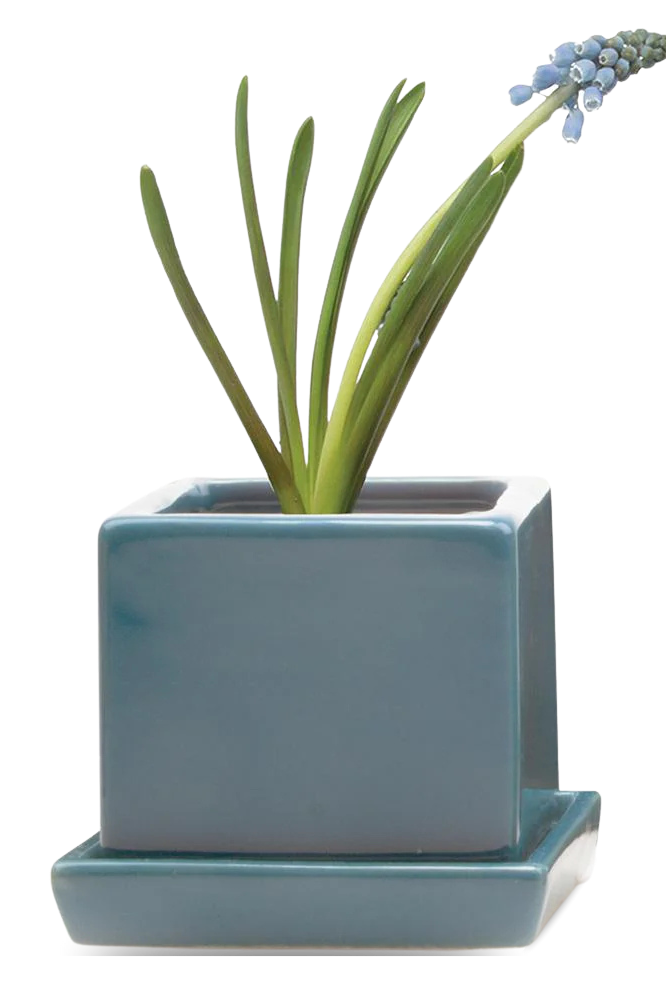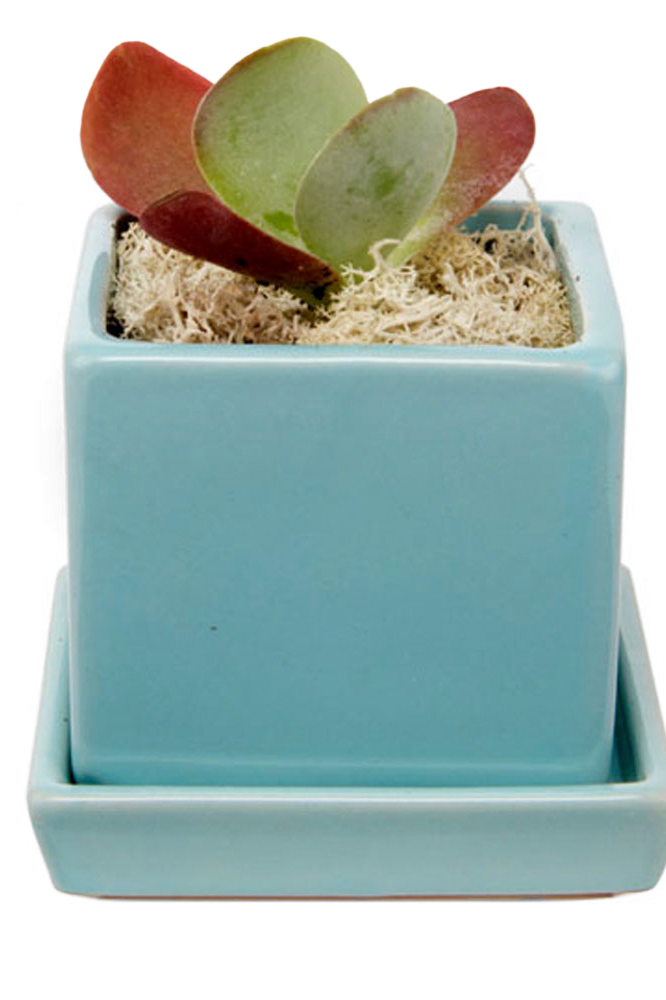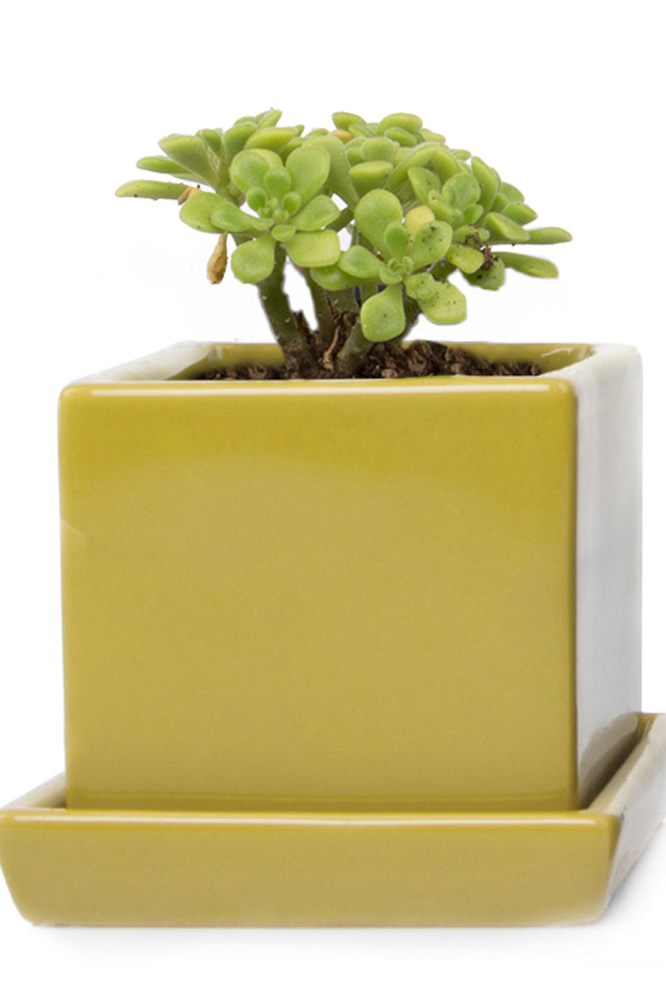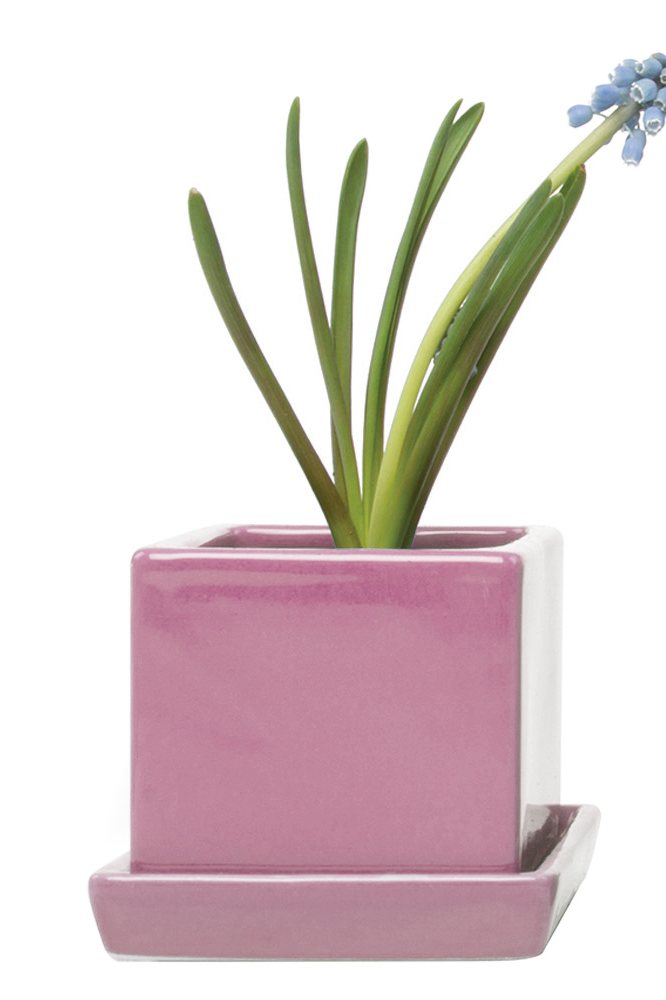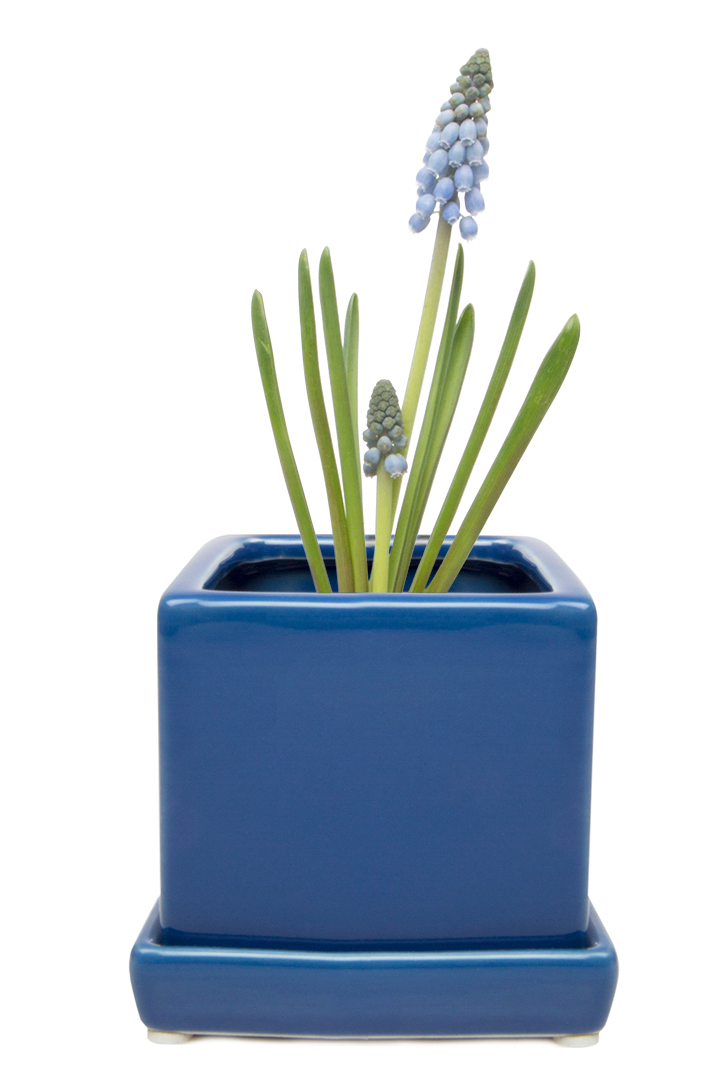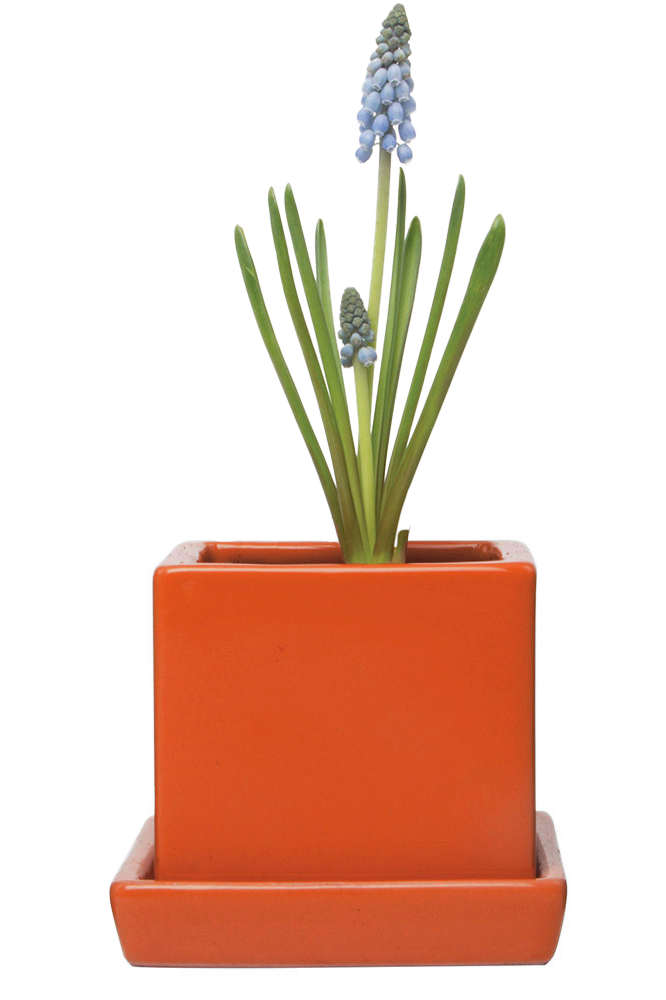
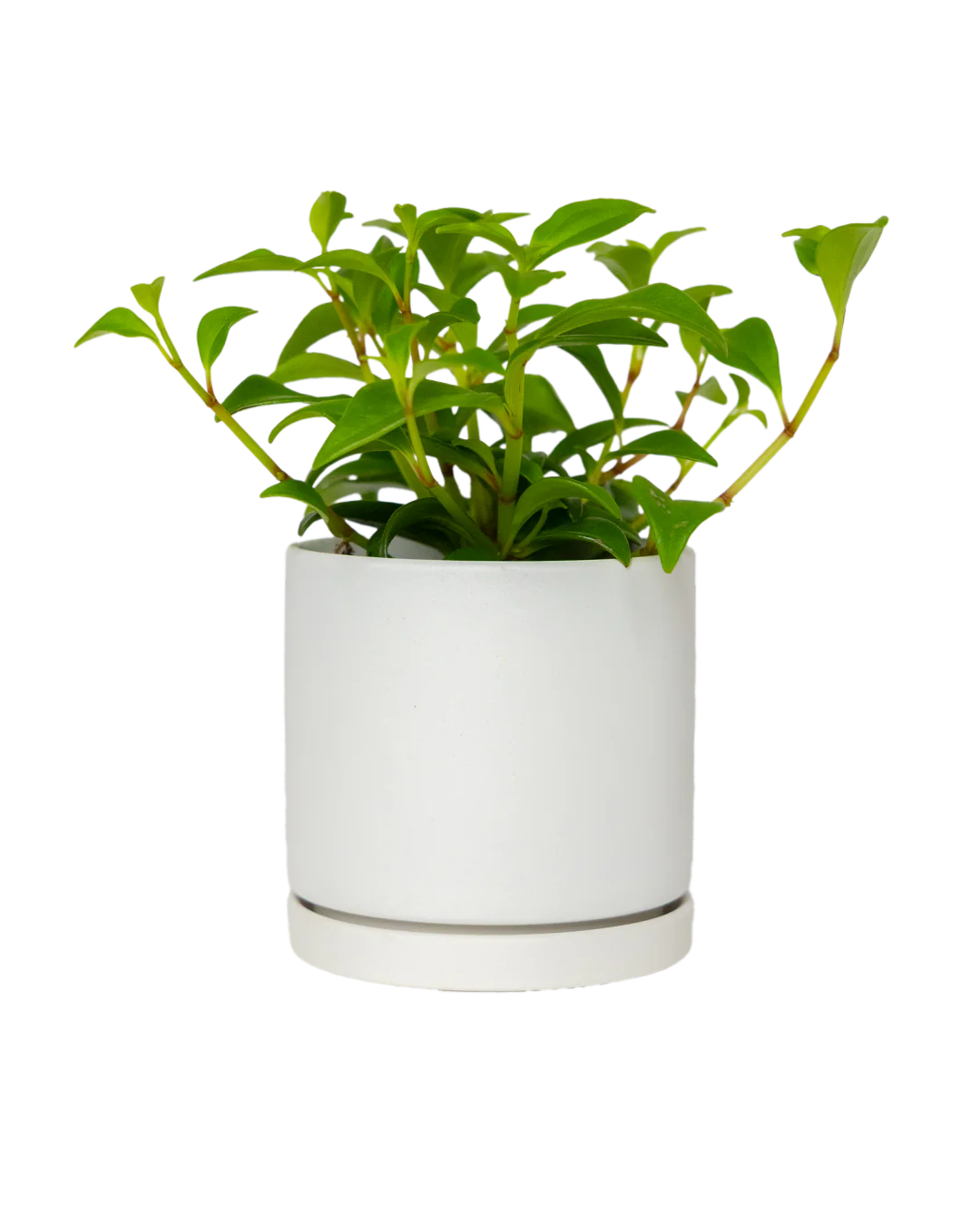

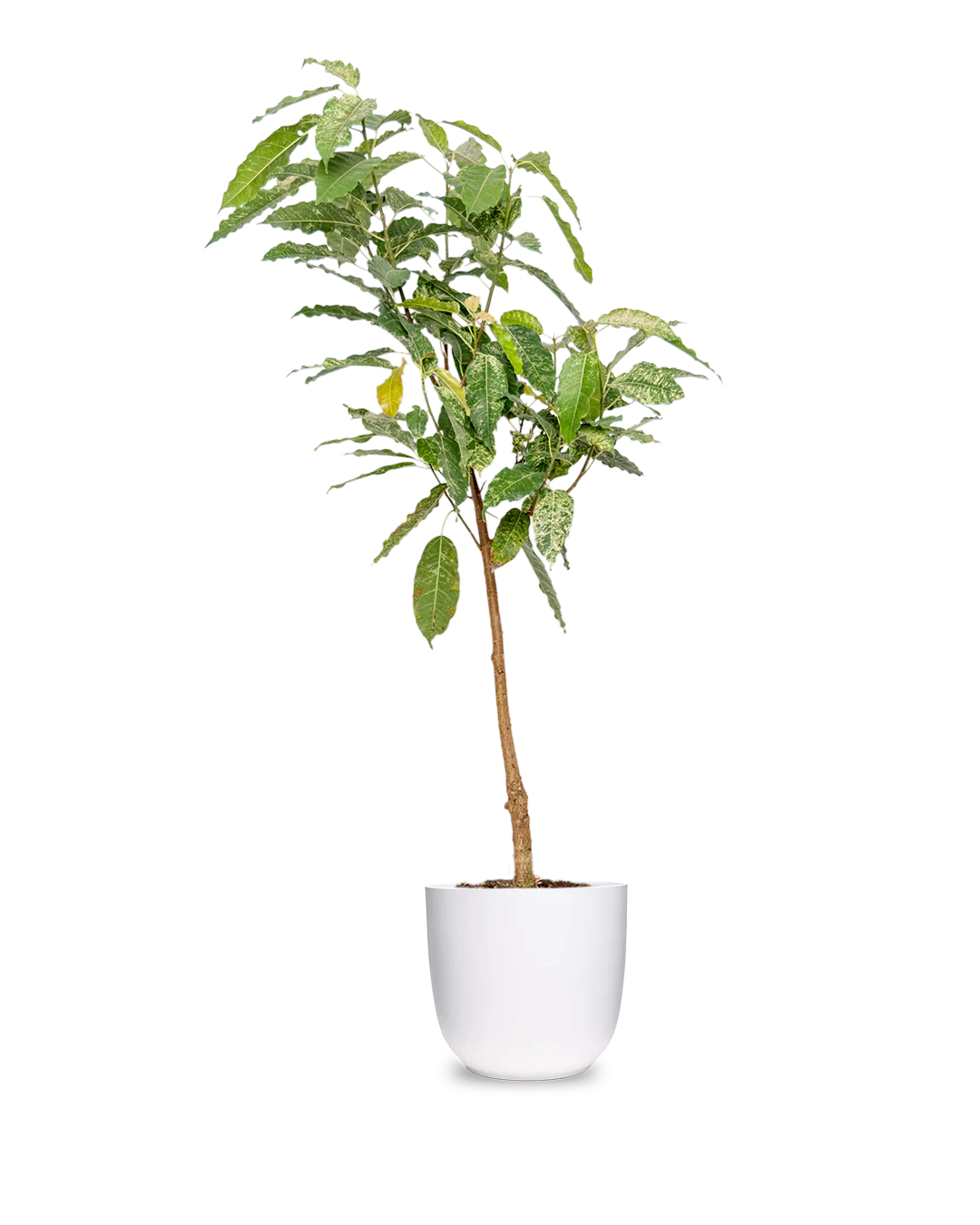





The modern Toronto apartment dweller exists in a state of perpetual spatial mathematics, calculating square footage with the precision of NASA engineers while attempting to squeeze entire lifestyles into spaces that previous generations might have considered generous walk-in closets. Into this carefully choreographed dance of urban minimalism comes the irrepressible desire for plant life, creating a unique subspecies of horticultural enthusiast who measures success not in sprawling garden beds but in the artful arrangement of vegetation within reach of a standard arm span.
The small-space plant movement has evolved into something approaching performance art, with practitioners developing skills that would impress circus contortionists. These spatial magicians have learned to see potential growing surfaces where others see only walls, windowsills, and ceiling fixtures. The transformation of a 400-square-foot studio apartment into a functioning ecosystem requires the kind of creative problem-solving typically associated with submarine design, where every cubic inch serves multiple purposes and waste is simply not an option.
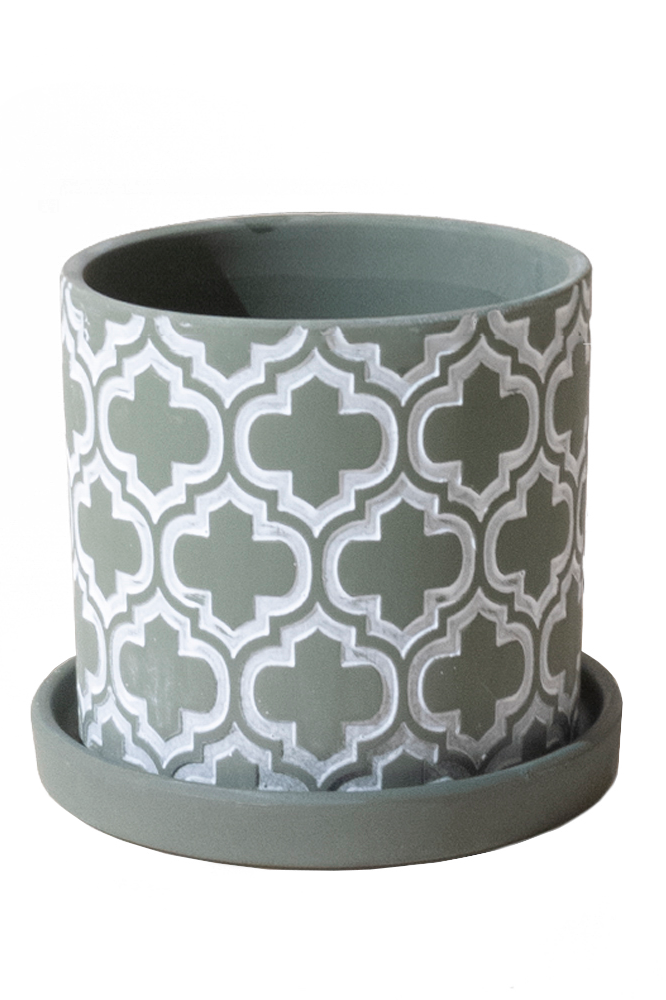
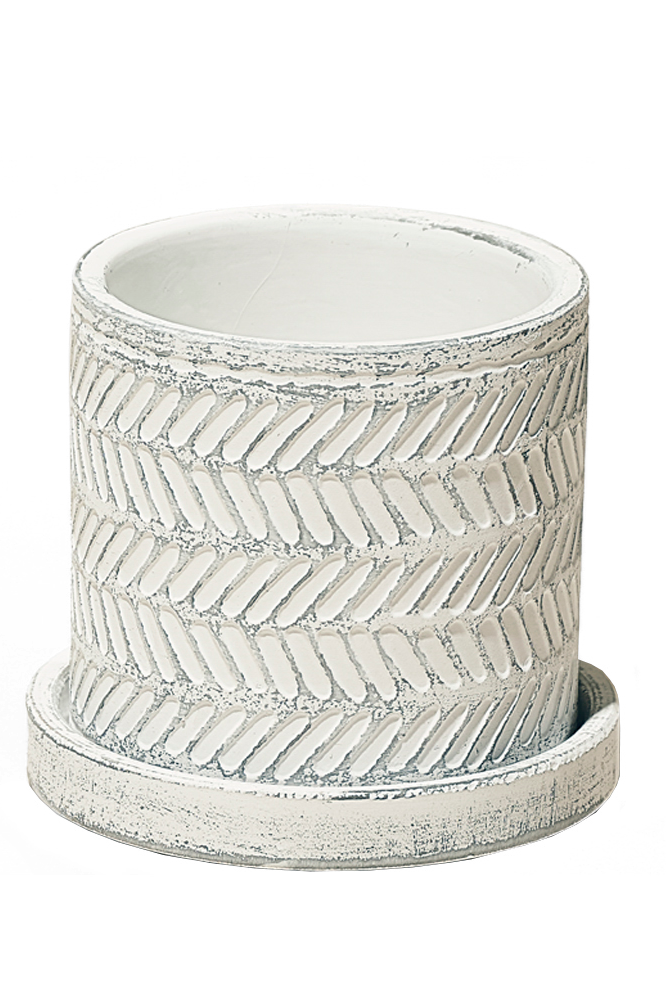
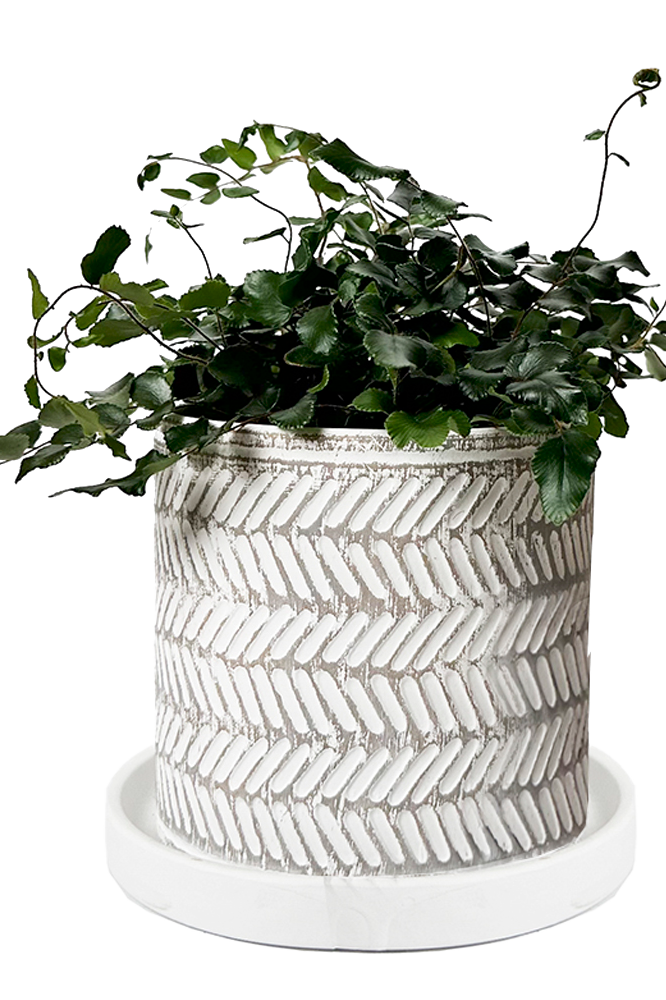
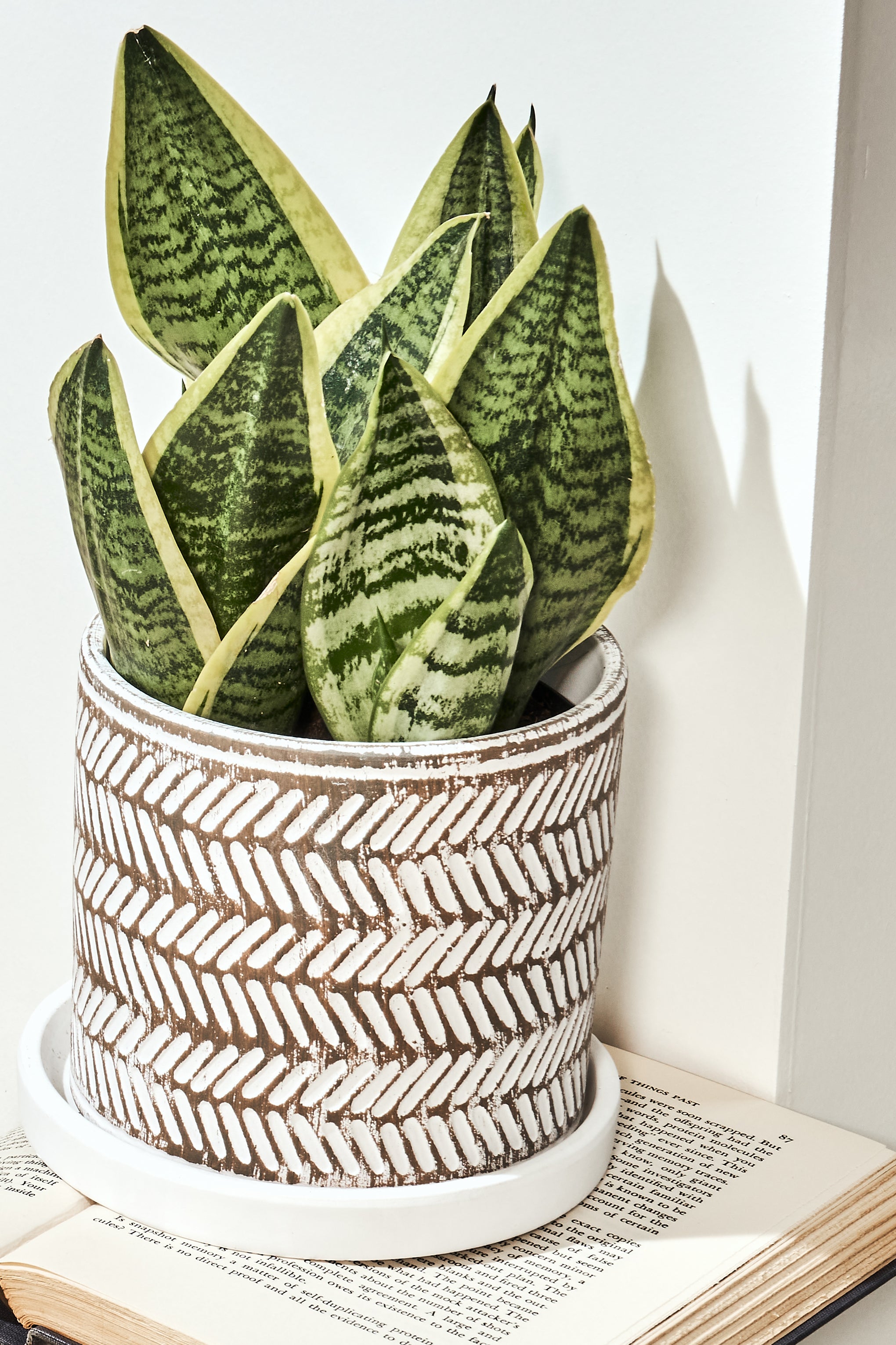
The relationship between compact living and plant ownership has spawned an entire industry of miniaturized botanical solutions, complete with specialized containers, mounting systems, and care techniques designed for spaces where turning around requires strategic planning. The local plant shops have responded by curating collections that seem specifically engineered for the vertical lifestyle, featuring specimens that understand their role in the grand urban space-saving project.
The beauty of small-space gardening lies in its forced intimacy with each individual plant. When space is at a premium, every specimen must earn its place through a combination of visual impact, air-purifying capability, and the kind of robust constitution that can thrive in close quarters. This selective process creates collections of exceptional quality, where each plant represents a carefully considered decision rather than an impulse purchase.

Compact Plants That Pack a Visual Punch
The art of selecting plants for small spaces requires the aesthetic sensibilities of a museum curator combined with the practical wisdom of a ship's captain managing cargo space. Each specimen must justify its presence through dramatic foliage, architectural form, or the kind of visual interest that transforms cramped quarters into dynamic living spaces. The successful small-space plant collection operates on the principle that size inversely correlates with impact, proving that botanical drama can be achieved through strategic selection rather than overwhelming abundance.
The fiddle leaf fig, scaled down to apartment-appropriate proportions, brings the drama of a full-sized tree to spaces where a full-sized tree would require the removal of furniture and possibly walls. These compact versions maintain all the sculptural presence of their larger cousins while respecting the spatial limitations of urban living. The rubber plant, in its smaller incarnations, offers glossy architectural leaves that create focal points without overwhelming sight lines or blocking precious natural light.
Tropical specimens like compact bird of paradise plants bring exotic flair to small spaces through their distinctive leaf shapes and growth patterns. These carefully bred miniature versions capture the essence of their jungle-dwelling ancestors while adapting to the realities of condo living, proving that tropical paradise can be achieved within the confines of a Toronto apartment building.
Windowsill Warriors: Tiny Plants Perfect for Condo Windows
The windowsill has evolved from simple architectural detail into prime real estate for the space-conscious plant parent. These narrow strips of opportunity have become the front lines of small-space gardening, supporting collections of diminutive specimens that maximize their limited square footage through careful selection and strategic arrangement. The successful windowsill garden operates like a carefully planned neighborhood, with each resident contributing to the overall aesthetic while respecting the space limitations of their neighbors.
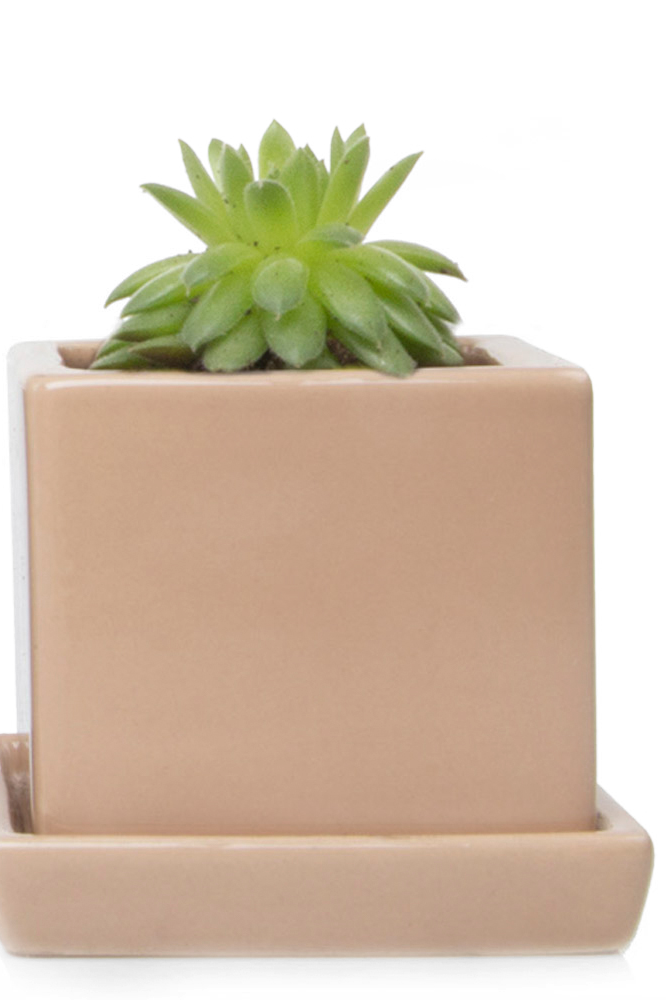
Small succulents have claimed windowsill territory with the efficiency of seasoned urban planners, offering maximum visual interest within minimal footprints. These compact survivors come in shapes that suggest either alien life forms or the imaginative work of sculptors with excellent senses of humor. The jade plants position themselves as the reliable anchors of windowsill communities, providing stability and structure while their more exotic neighbors add color and texture.
The herbs deserve special recognition for their dual-purpose efficiency, serving both aesthetic and culinary functions within their allocated windowsill real estate. Basil plants provide aromatic greenery while contributing to kitchen adventures, creating the kind of multifunctional efficiency that small-space living demands. The compact rosemary specimens offer year-round greenery with the added benefit of occasional seasoning contributions, proving that windowsill gardens can be both beautiful and practically useful.

Vertical Solutions: Wall-Mounted and Hanging Plants for Limited Floor Space
The vertical plant revolution has transformed apartment walls from simple room dividers into three-dimensional growing surfaces, creating opportunities for botanical display that would make traditional gardeners reconsider their attachment to ground-level planting. These aerial gardens operate on the revolutionary principle that plants, like urban dwellers, can adapt to vertical living when horizontal space becomes prohibitively expensive.
Wall-mounted planters have evolved into sophisticated systems that rival traditional furniture for both functionality and aesthetic appeal. These modular growing walls create living art installations that change with the seasons while serving practical functions like air purification and humidity control. The engineering behind these systems reflects the kind of thoughtful design typically reserved for space stations, where every component must serve multiple purposes while maintaining structural integrity.
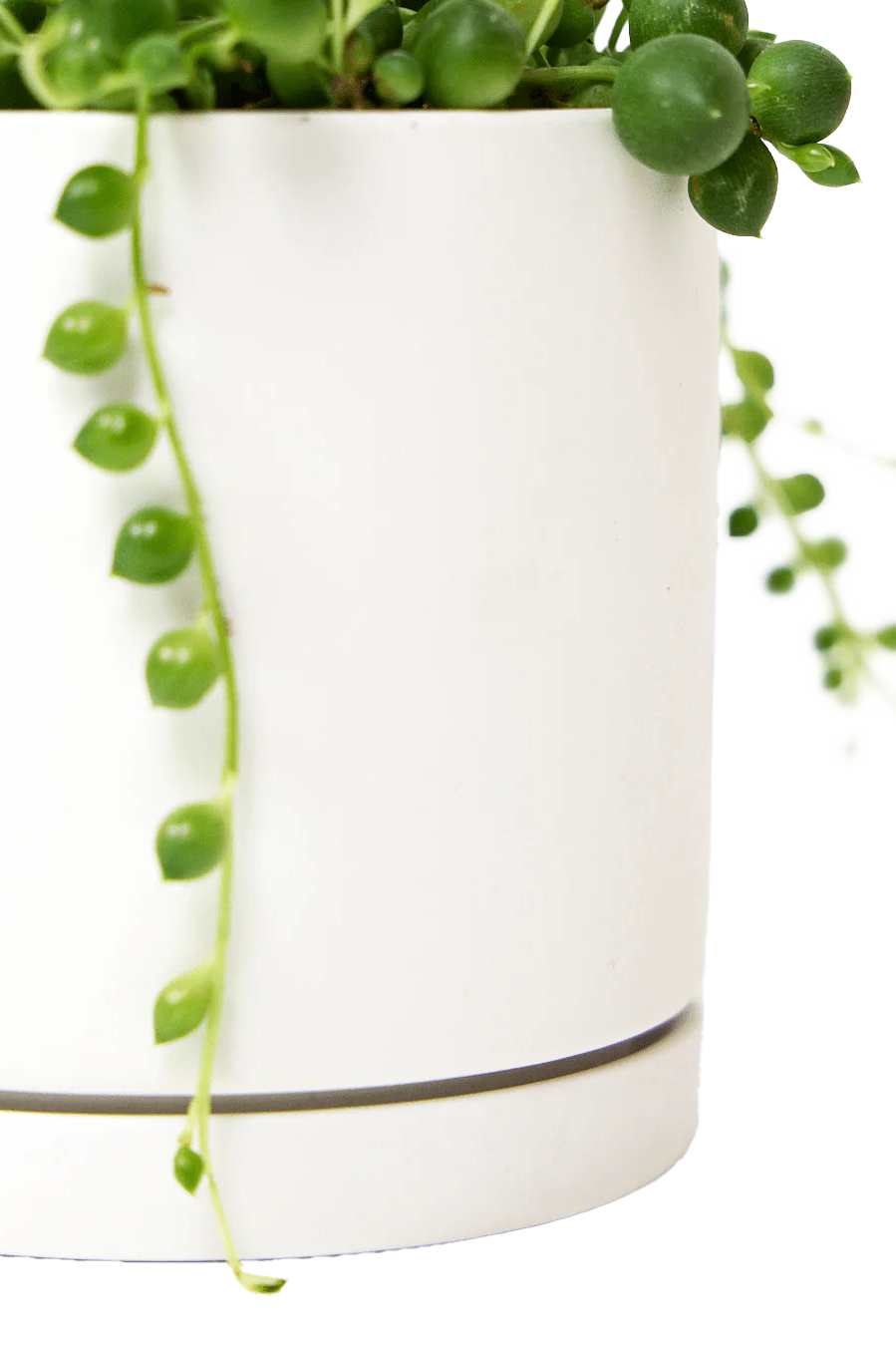
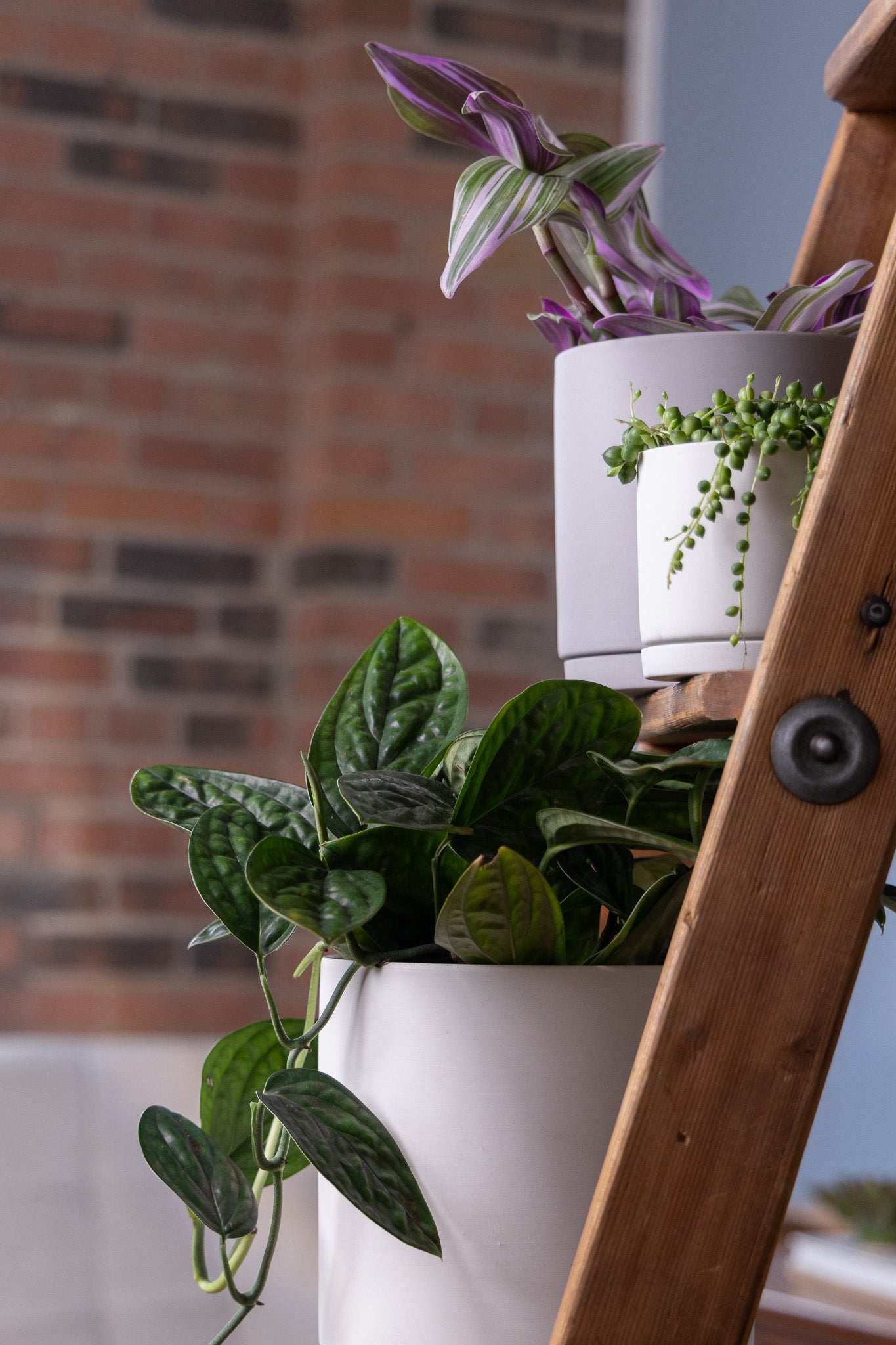
Hanging planters have transformed ceiling space into valuable botanical real estate, creating cascading gardens that add vertical interest without claiming floor space. The trailing plants that thrive in these elevated positions seem specifically designed for the hanging lifestyle, producing waterfalls of greenery that soften the harsh angles of modern architecture while demonstrating remarkable adaptability to their suspended existence.

Air Plants and Miniature Succulents: No Pot, No Problem
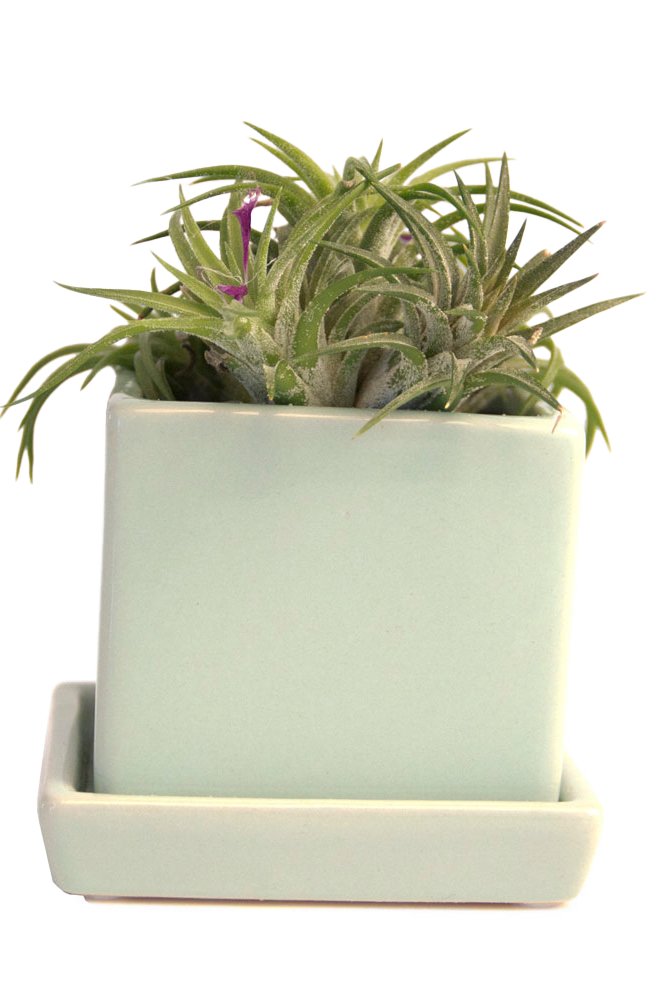
The air plant phenomenon represents the ultimate solution for space-challenged plant enthusiasts, offering botanical beauty without the spatial commitment traditionally associated with potted plants. These remarkable organisms seem engineered for modern nomadic lifestyles, requiring neither soil nor traditional containers while providing the kind of architectural interest that transforms ordinary surfaces into conversation pieces.
The creative display possibilities for air plants border on limitless, with specimens finding homes in everything from geometric terrariums to repurposed household objects. These adaptable plants transform ordinary spaces into botanical art installations while requiring minimal maintenance and zero floor space, proving that plant ownership can coexist peacefully with extreme spatial limitations.