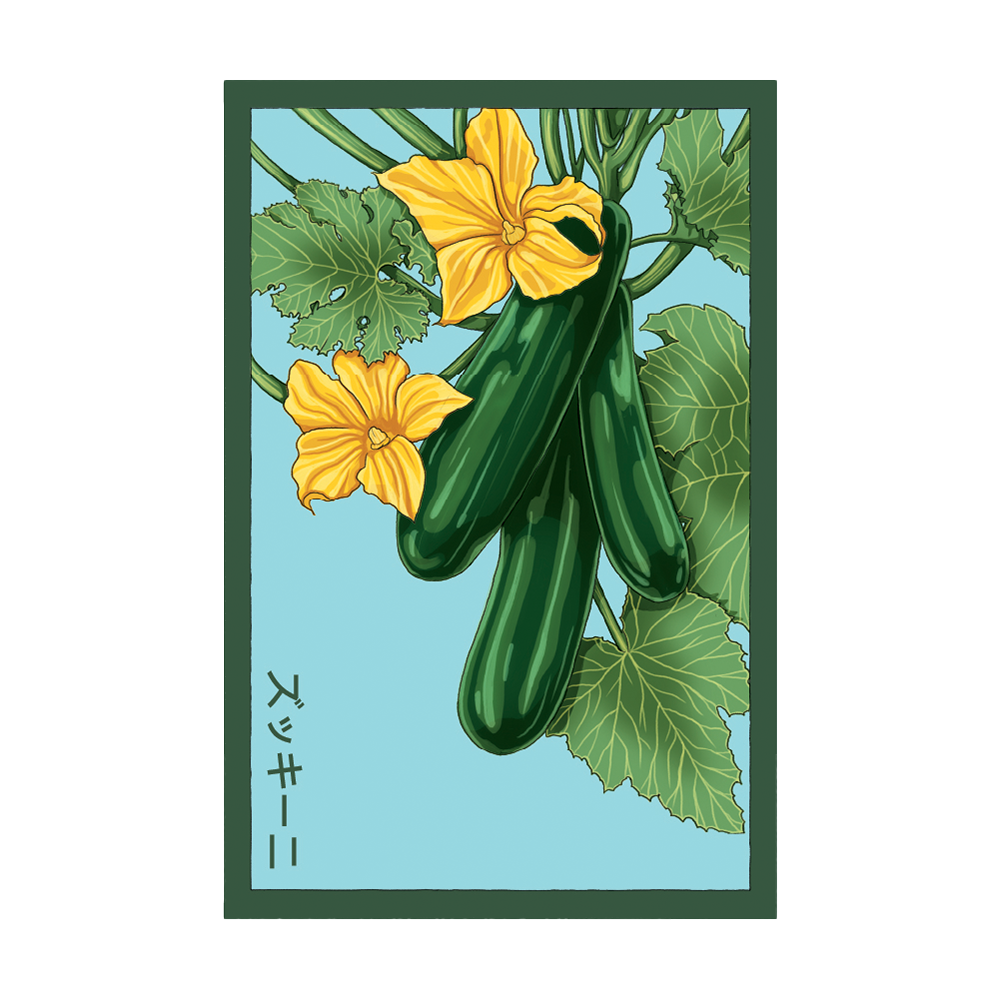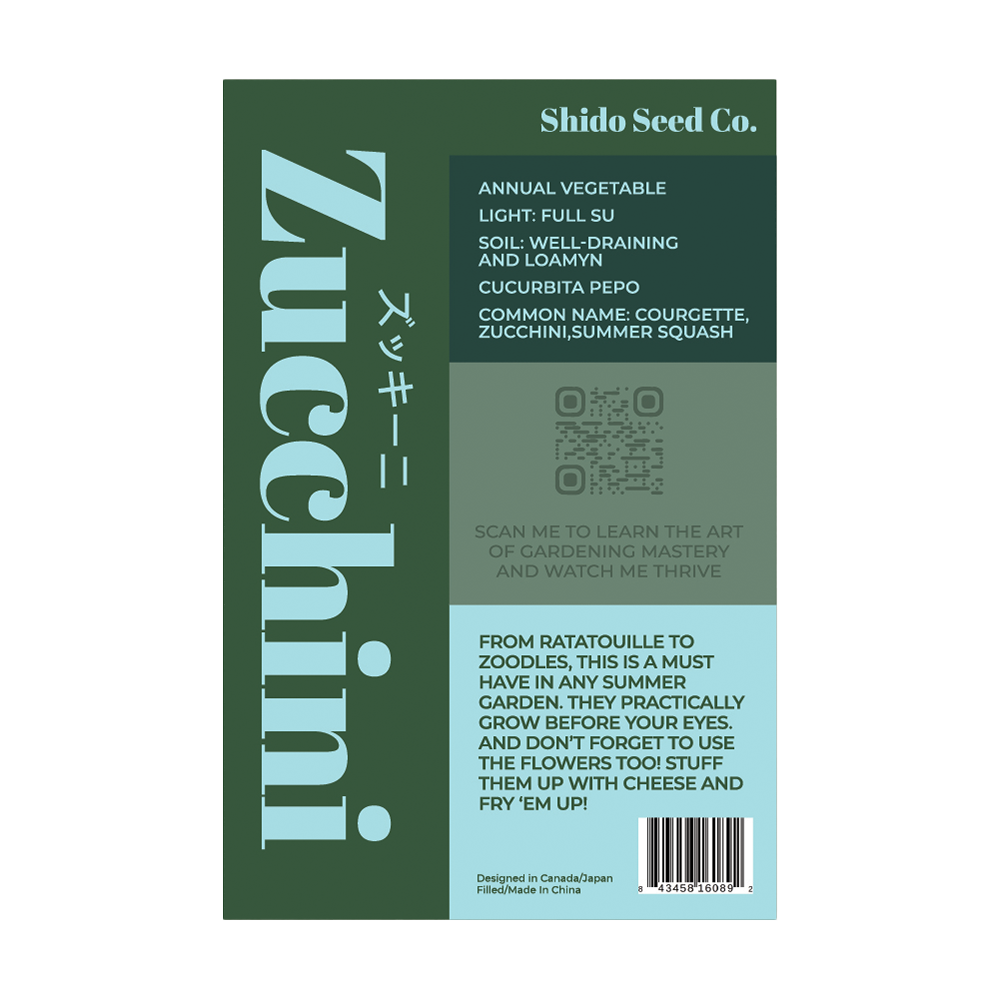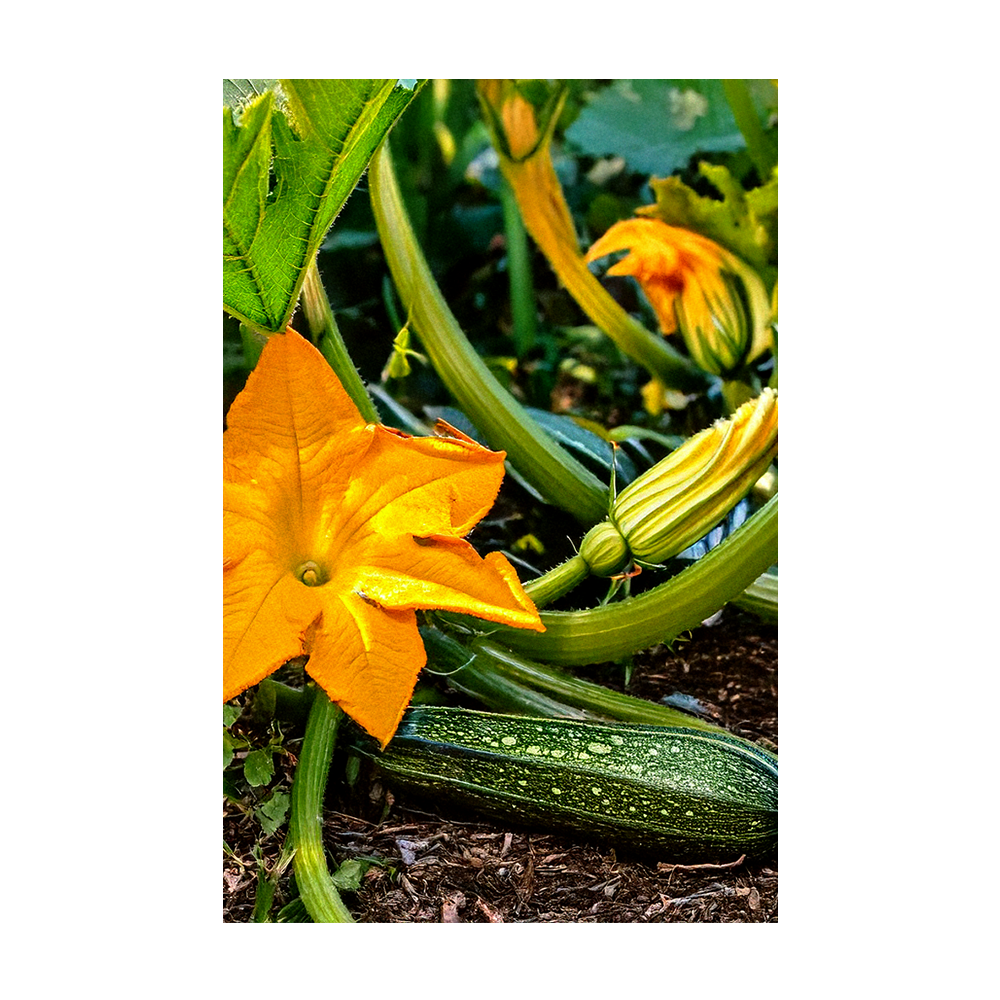

Cherry Tomato Vegetable Seeds Packet

$4.95

7 reviews

FREE SHIPPING on seeds when you order 5 packs or more

Cherry Tomato seeds for the kitchen garden that intends to actually produce cherry tomato this year. Cherry tomatoes are the only crop that creates a credible argument for eating directly from the vine and considering it lunch.

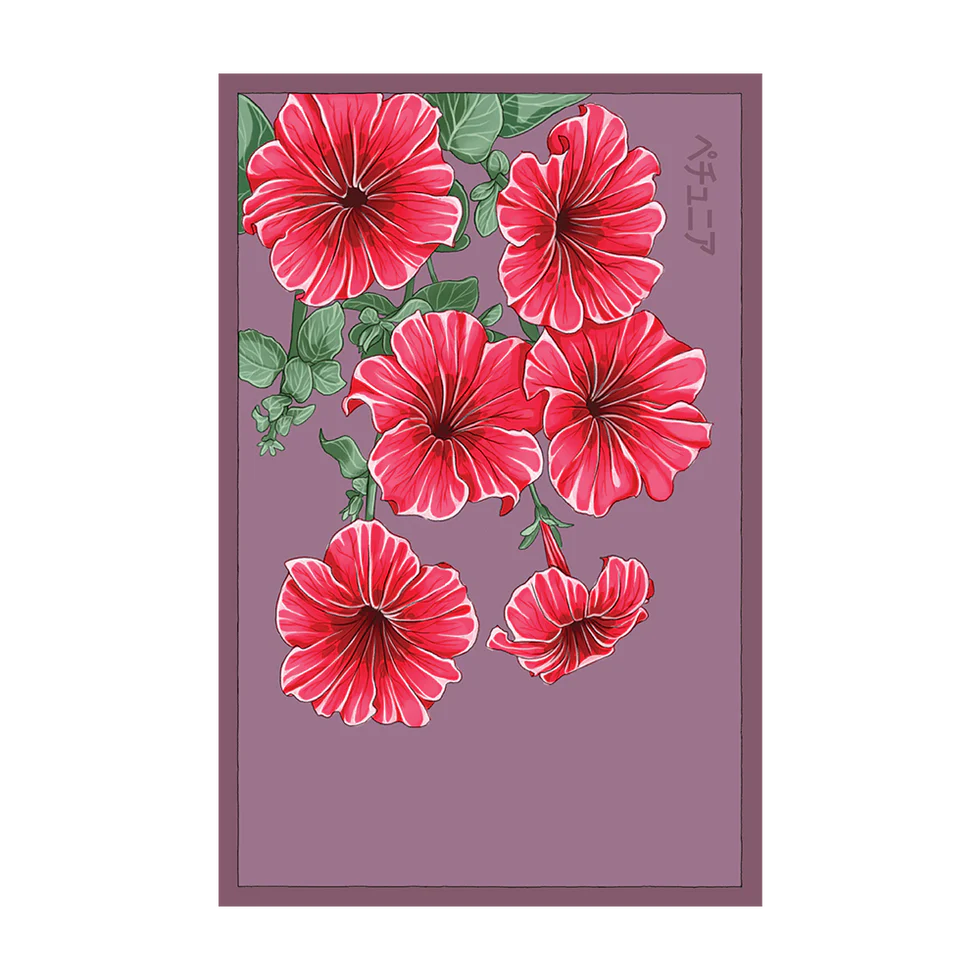
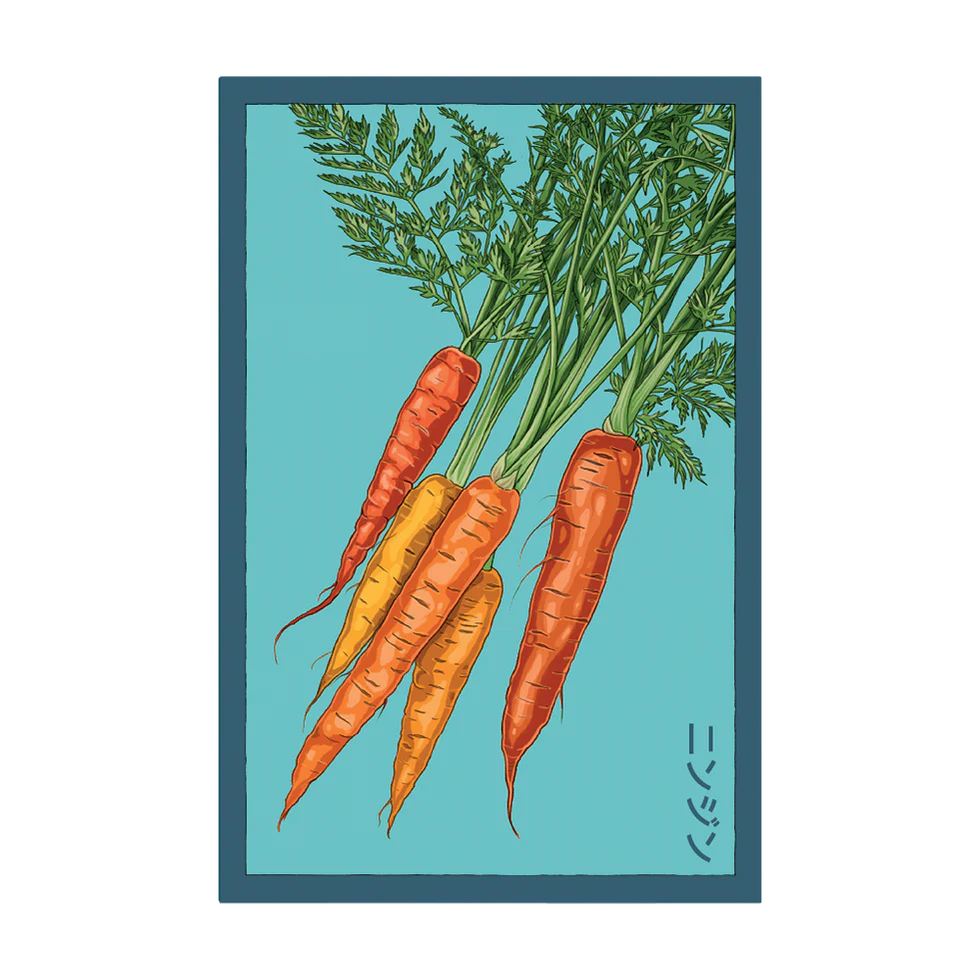
Cherry Tomato is the prolific cherry tomato that produces sweet, snackable fruit from midsummer until frost. Each packet is hermetically vacuum-sealed -- removing the oxygen that causes standard paper seed packets to lose germination viability within approximately one year. State law requires a 3-year viability label on sealed packaging. NASA research on hermetic seed storage indicates viability of up to 10 years under proper conditions. Every packet is non-GMO and germination-tested at independent third-party labs before it earns its Japanese woodblock print artwork.

Quick Seed Overview
  • Plant Type: Annual
  • Genus: Solanum
  • Species: Lycopersicum
  • Plant Height/Width: 3–5 ft tall x 2–3 ft wide
  • Season: Late Spring after the last frost
  • Exposure: Full Sun
  • Difficulty: Easy
Satisfaction Guarantee

We stand by the quality of our flower seed packets! With high germination rates and vibrant blooms, your garden is sure to flourish. If you're not completely satisfied, we’ll replace or refund—guaranteed!

Why Shido Seeds Are the Best

Our flower and vegetable seeds are beautifully packaged little packets of magic. Guaranteed to turn your garden into the envy of the neighborhood. Get your hands dirty and let nature simply do its thing.

How to Plant Cherry Tomatoe from Seed

PlantCare

When to Plant Seeds

  • Indoor Starting: Begin seeds 6-8 weeks before the last frost date.
  • Outdoor Planting: Transplant seedlings 2-3 weeks after the last frost, when the soil is consistently warm (above 60°F or 16°C).

Seed Preparation

  1. Choose a warm, sunny location.
  2. Prepare the soil by loosening it to a depth of 12 inches and adding organic matter.
  3. Ensure good drainage to prevent root rot.
PlantCare water

Sowing Seeds Outdoors

  • Only recommended in warm climates.
  • Sow seeds ¼ inch deep, spacing them 12-24 inches apart.
  • Thin seedlings to the strongest plants after germination.

Starting Seeds Indoors

  • Plant seeds ¼ inch deep in seed trays filled with moist seed-starting mix.
  • Maintain temperatures of 70-80°F (21-27°C) for optimal germination.
  • Seeds will germinate in 5-10 days.
  • Transplant into larger containers once they develop two sets of true leaves.

Pro Tip

Cherry tomatoes grow fast and abundantly—provide a trellis or cage to keep vines supported and fruit off the ground. Pinch off suckers (small shoots between the stem and branches) to encourage better airflow and higher yields.

Bonus: Harvest regularly to keep the plant producing sweet, juicy tomatoes all season long!

Companion Plants

Getting to know your Cherry Tomato

Cherry tomatoes are small, round, sweet tomatoes that grow in generous clusters on either indeterminate or determinate vines, depending on the variety chosen. They thrive in full sun, warm temperatures, and well-drained, nutrient-rich soil, rewarding that combination with fruit that keeps coming steadily rather than all at once. Cherry tomatoes come in a genuine range of colours beyond the expected red, including yellow, orange, and even a deep purple that surprises people expecting uniformity. Consistent watering and proper staking matter more than gardeners sometimes assume, since an unsupported vine sprawling across the ground invites both rot and easier access for pests. These tomatoes resist cracking better than many larger varieties and stay reliably productive through a long stretch of the season, making them a dependable choice for fresh eating straight off the vine, tossed into salads, or roasted until the skins just start to blister. A single healthy plant can genuinely keep a household in cherry tomatoes for weeks running, provided the watering stays steady and the vine gets the support it needs to keep producing. That kind of steady output is really the whole appeal of growing them over buying a carton at the store. A single well-tended vine can genuinely carry a household through most of summer.

What it's used for

1. Culinary Uses:

  • Eaten raw in salads, salsas, and sandwiches.
  • Used in cooking, roasting, and making sauces.
  • Dried or preserved for extended use.

2. Nutritional Benefits:

  • Rich in vitamins A, C, and K, as well as antioxidants like lycopene.
  • Low in calories and high in fibre.

3. Companion Planting:

  • Grow well with basil, marigolds, carrots, and onions.
  • Avoid planting near potatoes and brassicas, which can compete for nutrients.
Growth Requirements

Light:

  • Requires full sun (6-8 hours of direct sunlight daily).

Soil:

  • Prefers well-draining, nutrient-rich soil with a pH of 6.0-6.8.
  • Enrich soil with compost, aged manure, or organic fertilizer.

Watering:

  • Needs consistent, deep watering to prevent fruit cracking.
  • Water at the base of the plant to avoid fungal issues.

Temperature & Climate:

  • Grows best in temperatures between 70-85°F (21-29°C).
  • Protect plants from cold snaps and excessive heat.

Fertilization:

  • Use a balanced fertilizer (10-10-10) or compost tea every 2-3 weeks.
  • Avoid excessive nitrogen, which can lead to lush foliage but fewer fruits.
Maintenance

Watering:

  • Water deeply and consistently, especially during flowering and fruiting.
  • Use mulch to retain moisture and suppress weeds.

Staking & Pruning:

  • Indeterminate varieties need staking or caging for support.
  • Prune suckers (small shoots between the stem and leaves) to promote airflow and fruit production.

Harvesting and Seed Collection

  1. When to Harvest:
    Cherry tomatoes mature 60-75 days after planting.
    Harvest when fruits are fully coloured and slightly firm.
    Pick regularly to encourage continuous production.
  2. Storing Cherry Tomatoes:
    Store at room temperature for the best flavour.
    Refrigeration can alter texture but prolongs shelf life.
  3. Saving Seeds:
    Scoop out seeds from ripe tomatoes and ferment them in water for 2-3 days.
    Rinse, dry, and store in a cool, dry place for future planting.
Pests and Diseases
  • Common Pests: Aphids, whiteflies, tomato hornworms.
    Use neem oil or insecticidal soap to control infestations.
  • Common Diseases: Early blight, powdery mildew.
    Avoid overhead watering and rotate crops yearly.

For a Larger Slicing Tomato

For a tomato built for sandwiches rather than snacking, Beefsteak Tomato trades cherry tomato's small clusters for one substantial slice.


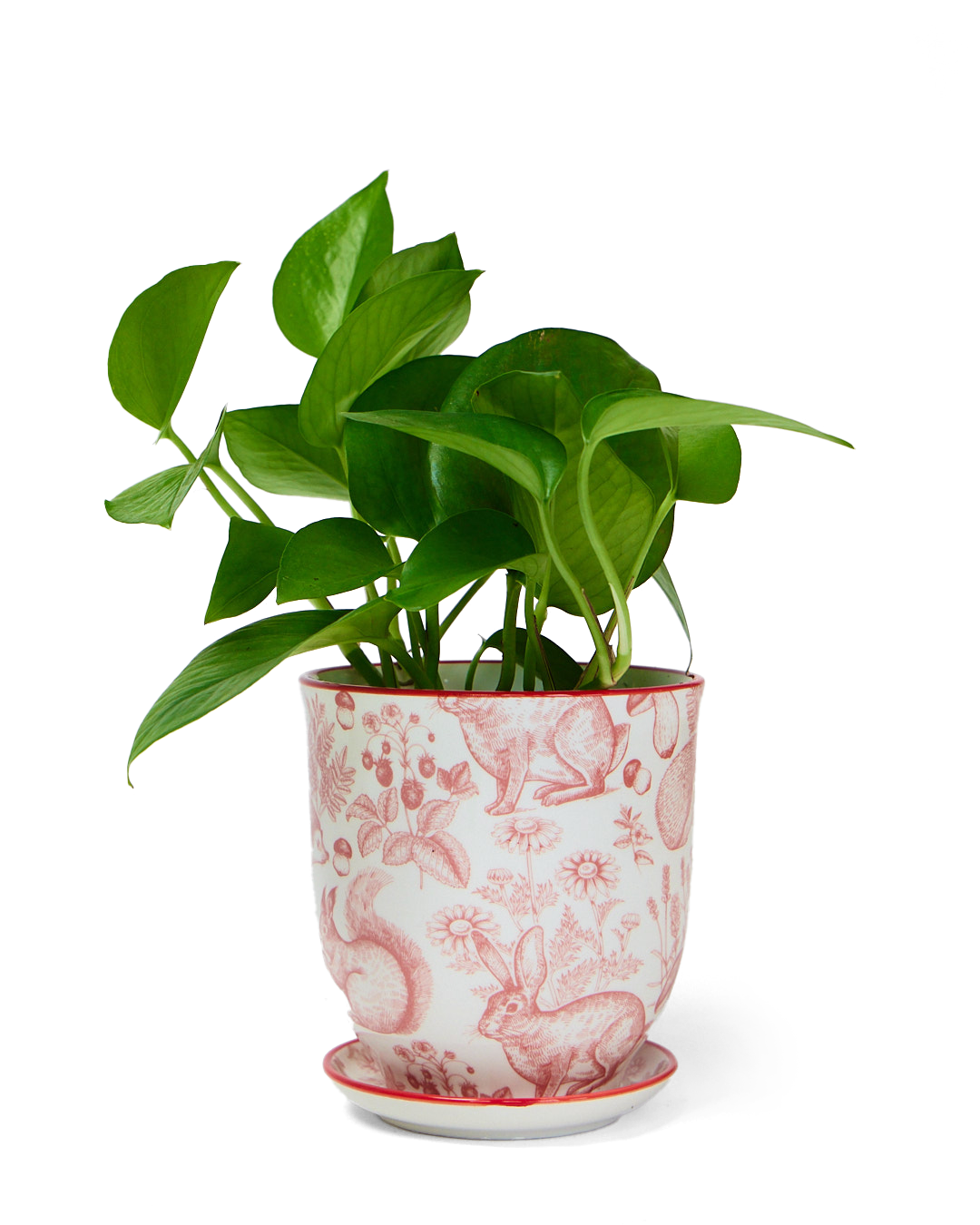
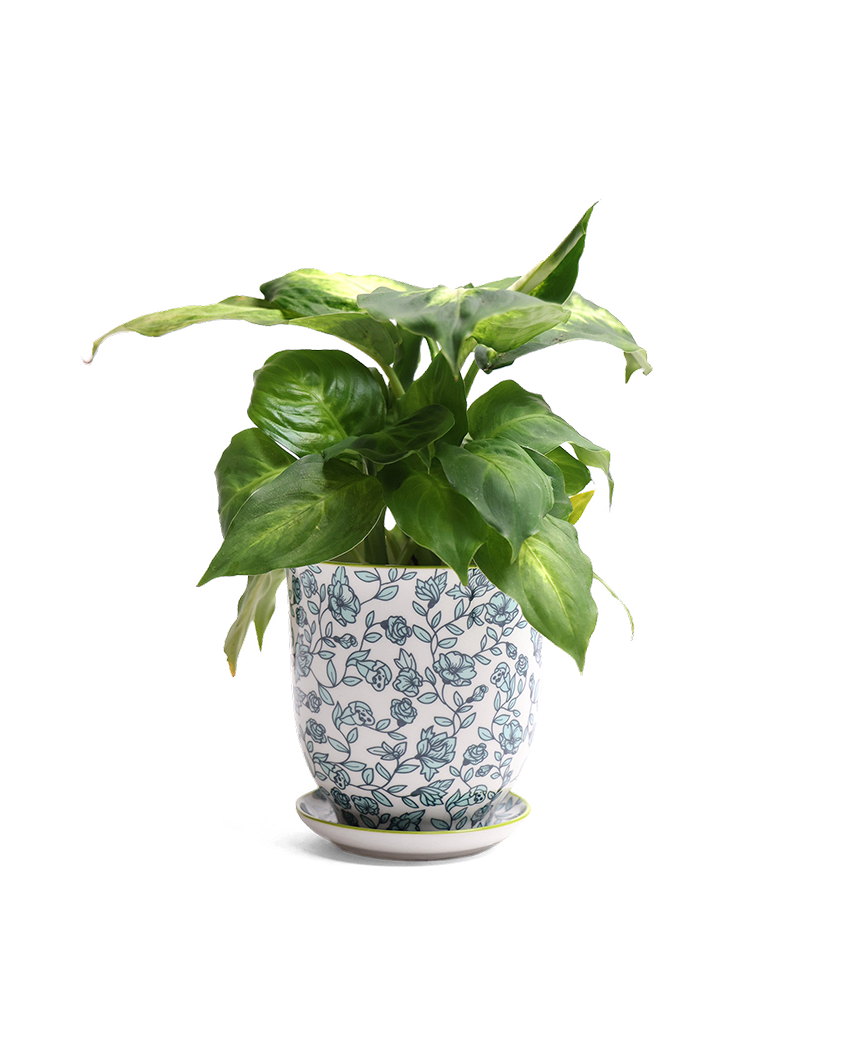
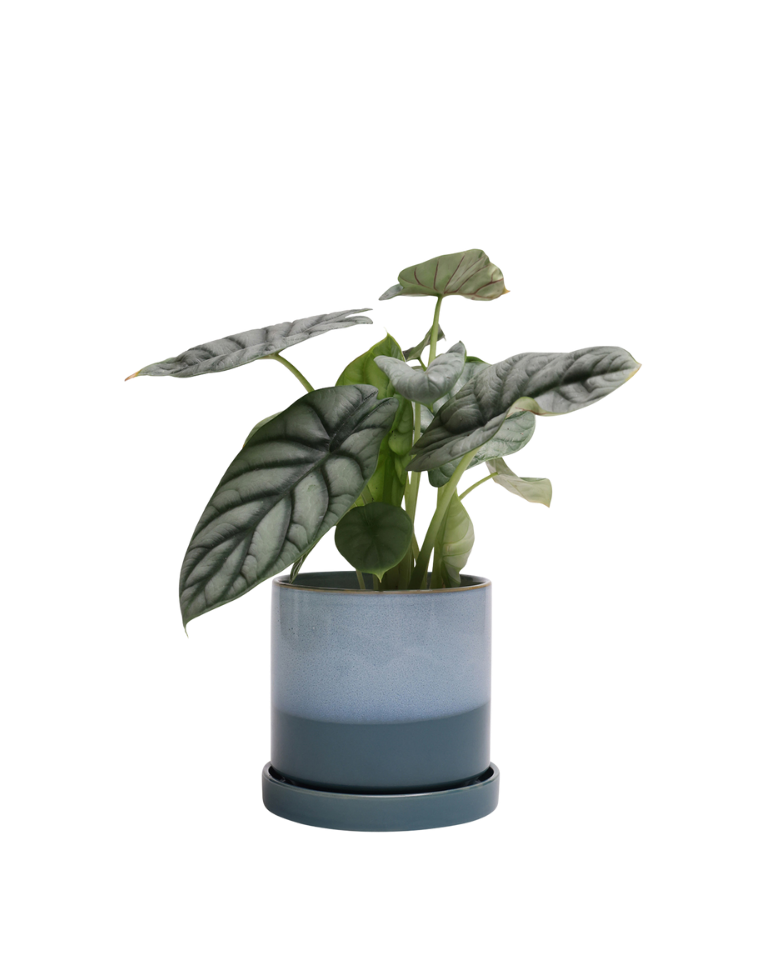
Pretty Pots for Pretty Plants

Your plants work hard to look good—shouldn’t their pots do the same? Choose from our gorgeous flower pots and let your greenery thrive in style. Because plain plastic is just rude.