

Eggplant Vegetable Seeds Packet

$4.95

6 reviews

FREE SHIPPING on seeds when you order 5 packs or more

Eggplant seeds for the kitchen garden that intends to actually produce eggplant this year. Eggplant requires heat, sun, and the understanding that it will take its time.

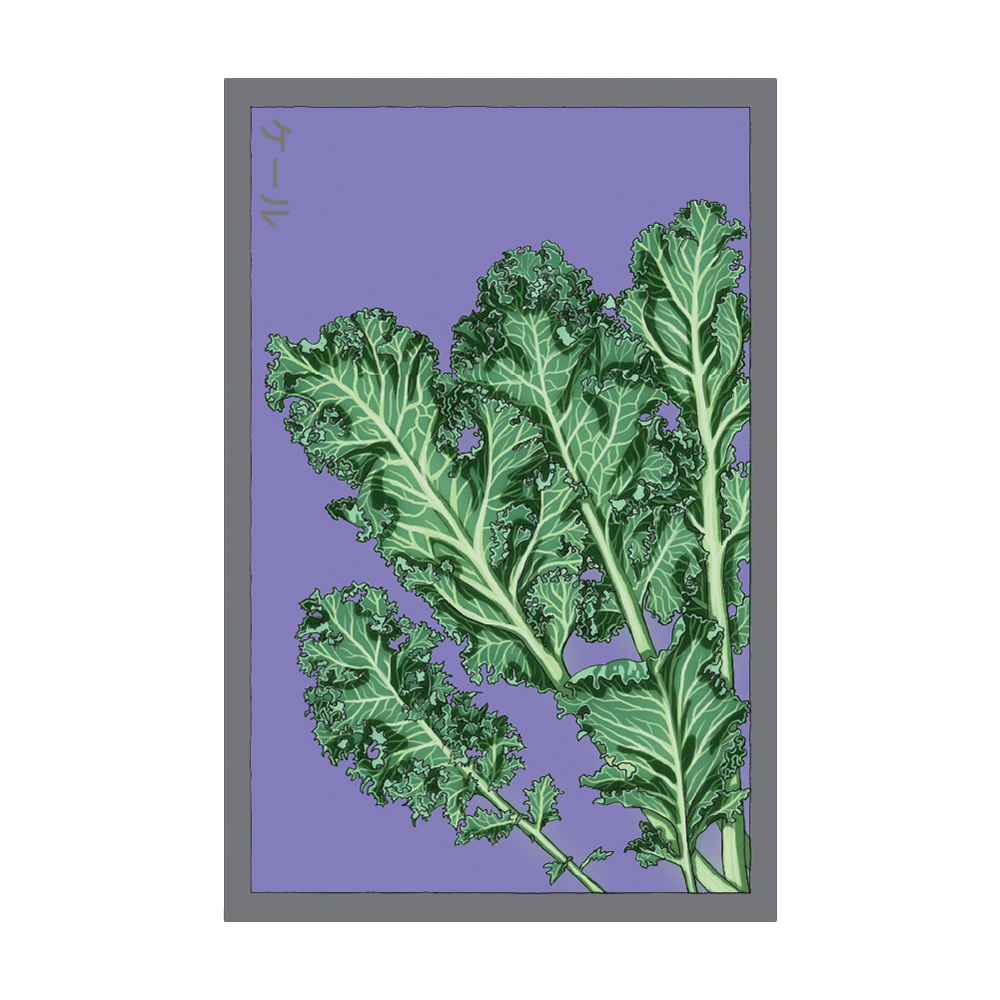
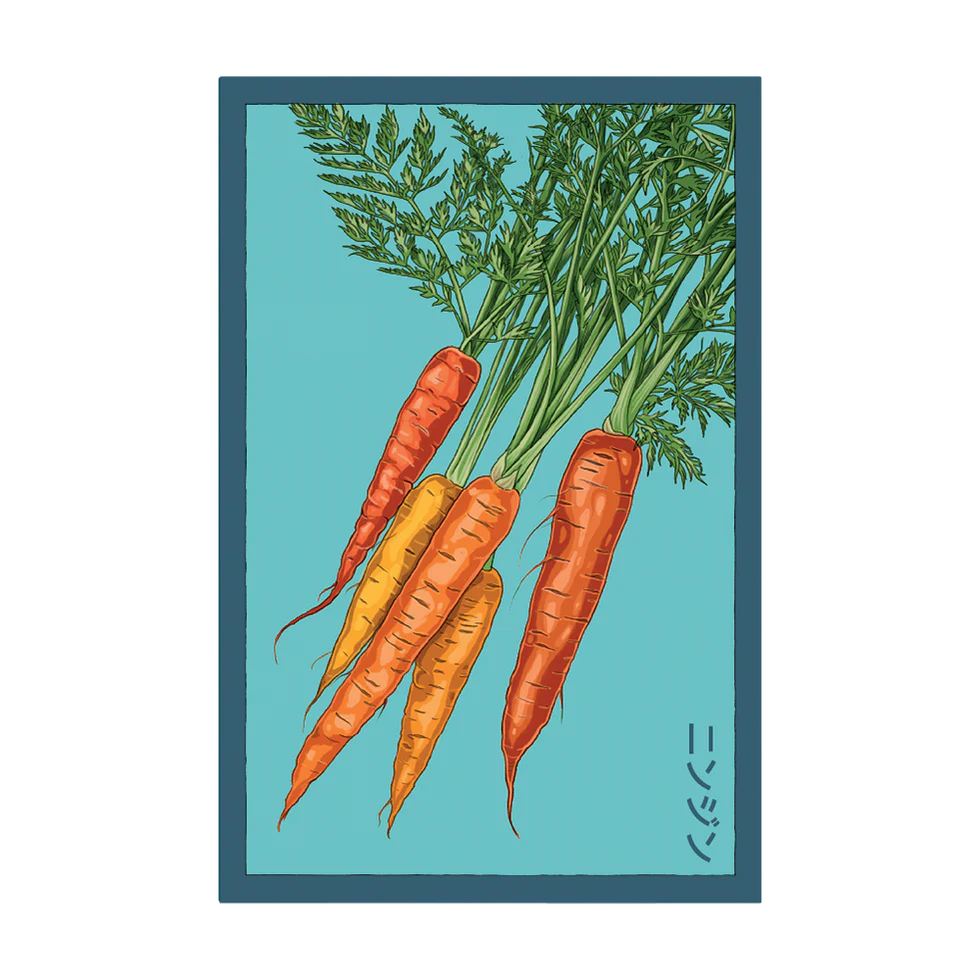
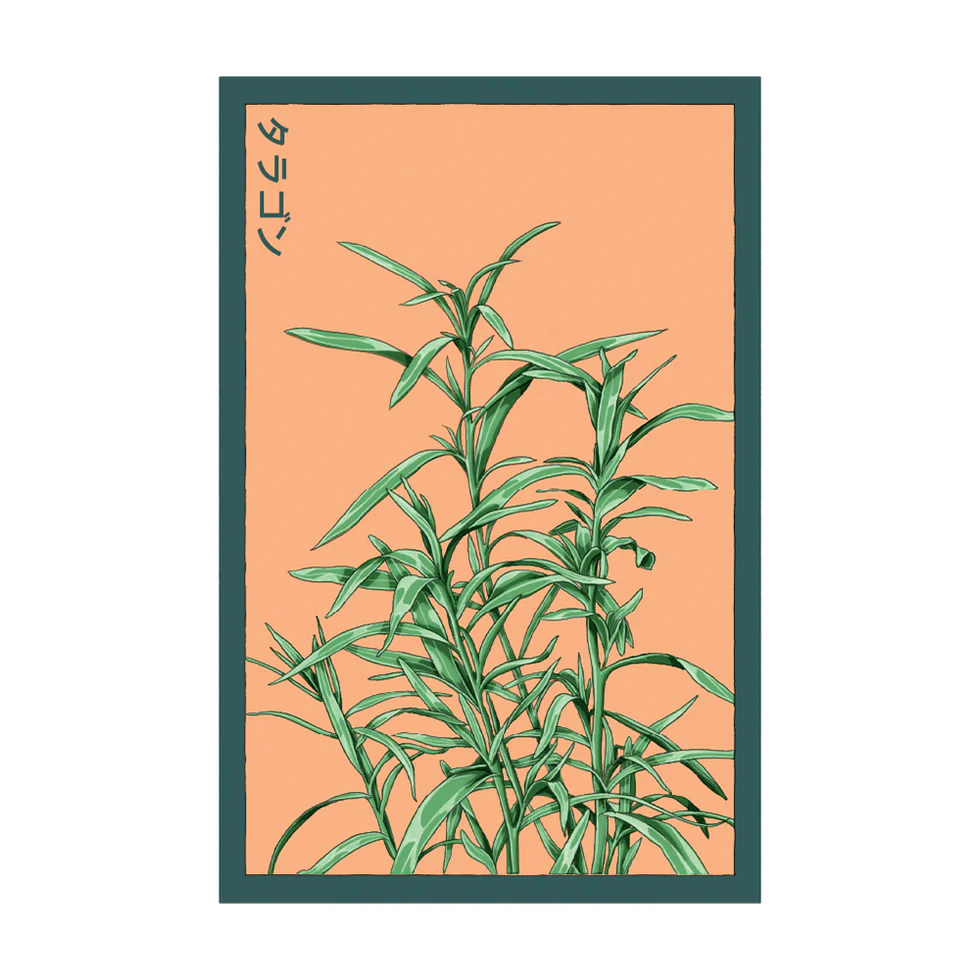
Eggplant is a heat-loving vegetable that produces best when given full sun and the patience it deserves. Each packet is hermetically vacuum-sealed -- removing the oxygen that causes standard paper seed packets to lose germination viability within approximately one year. State law requires a 3-year viability label on sealed packaging. NASA research on hermetic seed storage indicates viability of up to 10 years under proper conditions. Every packet is non-GMO and germination-tested at independent third-party labs before it earns its Japanese woodblock print artwork.

Quick Seed Overview
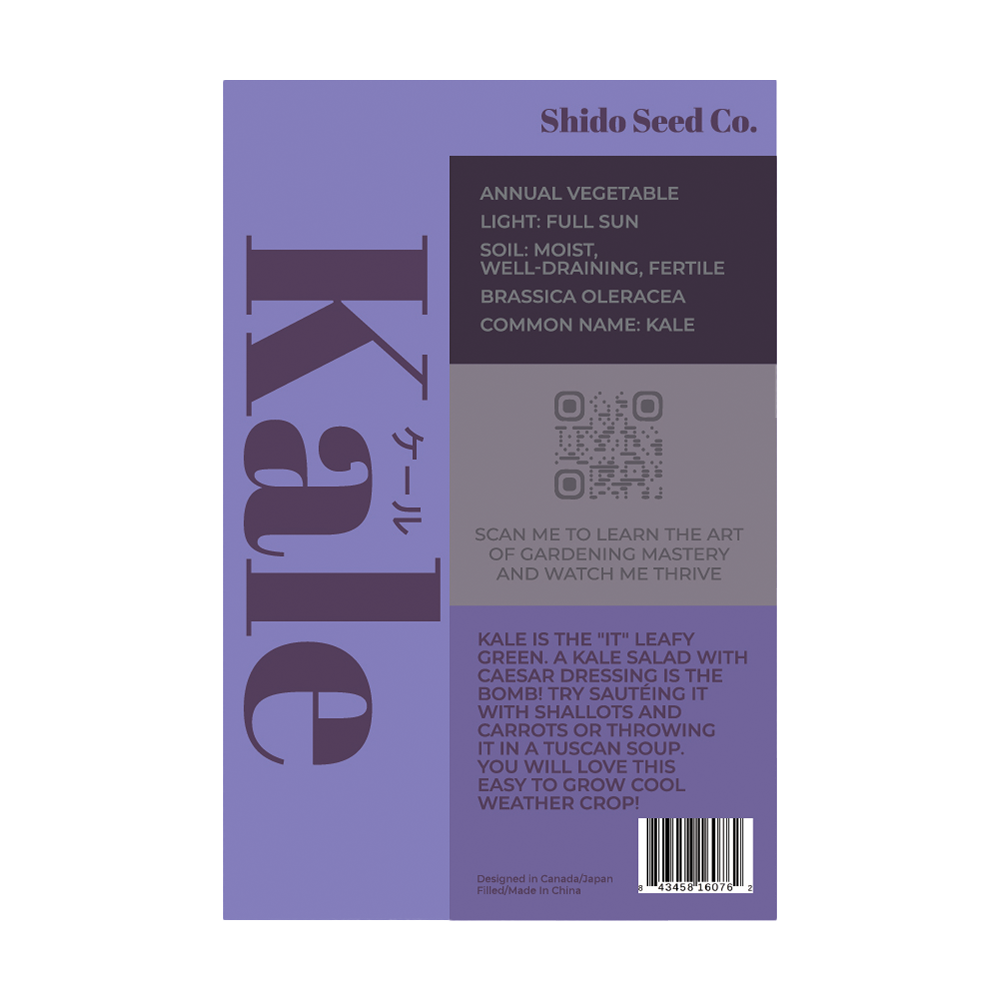
  • Plant Type: Annual
  • Genus: Solanum
  • Species: S. melongena
  • Plant Height/Width: 2–4 ft tall x 2–3 ft wide
  • Season: Spring after last frost
  • Exposure: Full Sun
  • Difficulty: Moderate
Satisfaction Guarantee

We stand by the quality of our flower seed packets! With high germination rates and vibrant blooms, your garden is sure to flourish. If you're not completely satisfied, we’ll replace or refund—guaranteed!

Why Shido Seeds Are the Best

Our flower and vegetable seeds are beautifully packaged little packets of magic. Guaranteed to turn your garden into the envy of the neighborhood. Get your hands dirty and let nature simply do its thing.

How to Plant Eggplant from Seed

PlantCare

When to Plant Seeds

  • Start seeds indoors 8-10 weeks before the last frost date.
  • Transplant seedlings outdoors when temperatures remain consistently above 60°F (16°C).

Preparing for Planting

  1. Choose a sunny location with fertile, well-draining soil.
  2. Loosen soil to a depth of 8-10 inches and enrich with compost.
  3. Space plants 18-24 inches apart to allow for proper air circulation.
PlantCare water

Starting Indoors

  • Plant seeds 1/4 inch deep in seed trays filled with a high-quality potting mix.
  • Keep soil at 75-85°F for optimal germination.
  • Expect seedlings to emerge in 7-14 days.

Transplanting Seedlings Outdoors

  • Harden off seedlings for 7-10 days before planting.
  • Space transplants 18-24 inches apart in rows 24-36 inches apart.
  • Mulch around plants to retain moisture and suppress weeds.

Pro Tip

Eggplants love warmth, so plant them in full sun and wait until nighttime temperatures stay above 10°C (50°F) before transplanting. Support the plants with stakes to keep heavy fruit off the ground, and harvest when the skin is glossy for the best flavour.

Bonus: Regular picking encourages more production!

Companion Plants

Getting to know your Eggplant

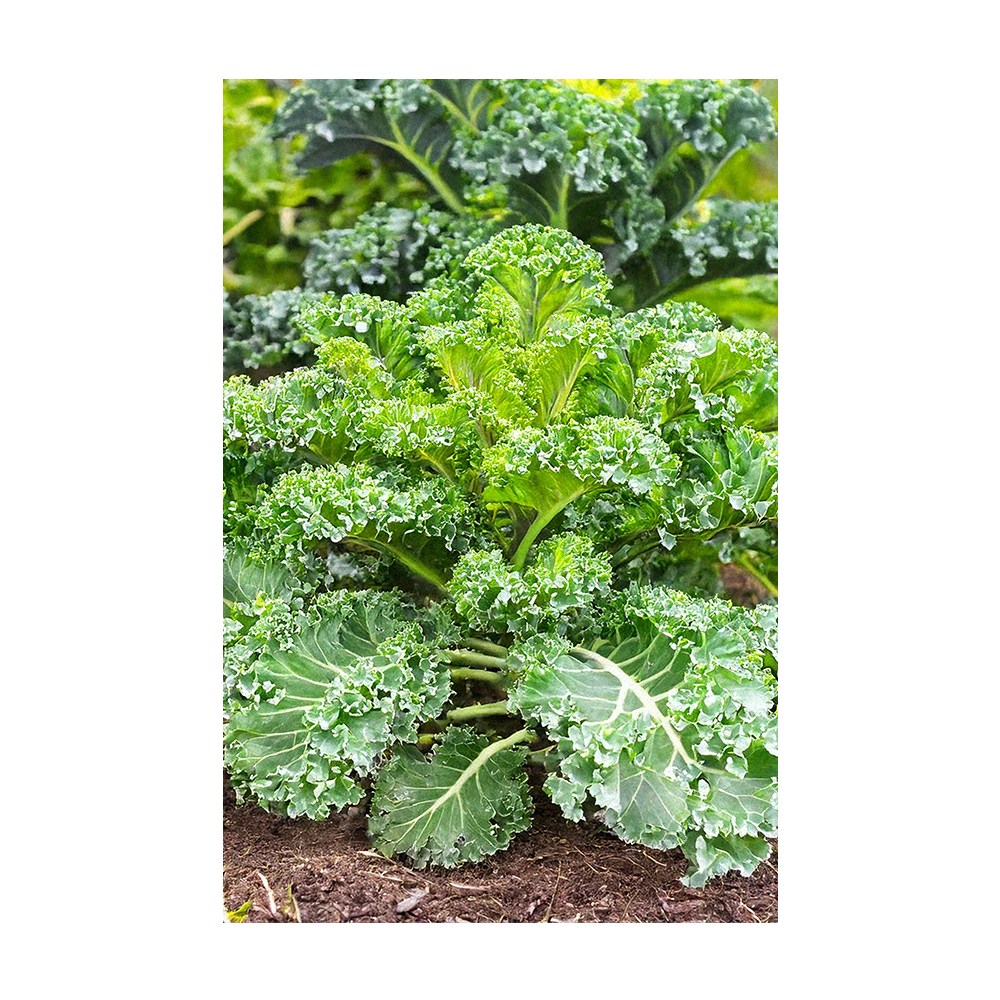
Eggplant is a heat-loving vegetable producing glossy fruit in shades of deep purple or white, depending on the variety grown. It requires full sun, genuinely warm temperatures, and well-drained soil to perform well, thriving in the kind of consistent heat that would stress out many cooler-season crops. Eggplant grows into a substantial, upright plant that benefits from staking once fruit begins to develop, since the weight can bend or snap an unsupported stem. Consistent watering matters throughout the season, since irregular watering tends to show up later as smaller, less consistent fruit. Eggplant shows up constantly in Mediterranean and Asian cuisine, prized specifically for how readily it absorbs the flavours of whatever it's cooked alongside. Flea beetles and spider mites are the more persistent pest concerns, both of which respond to organic pest control measures applied early rather than after visible damage has already spread across the leaves. A heat-loving crop like this rewards a gardener willing to give it a genuinely warm, sunny spot rather than tucking it into a cooler corner of the garden. Patience with heat and support pays off in a genuinely satisfying harvest. Few vegetables reward a genuinely warm spot quite this generously. Consistent care shows up directly in the harvest.

What it's used for

1. Culinary Uses:

  • Eggplant is a staple in Mediterranean, Asian, and Middle Eastern cuisines.
  • Used in roasted, grilled, stir-fried, and baked dishes like ratatouille, baba ganoush, and eggplant parmesan.
  • Absorbs flavours well and is a great meat substitute in vegetarian dishes.

2. Nutritional Benefits:

  • Low in calories but rich in fibre, antioxidants, and vitamins.
  • Contains nasunin, an antioxidant that supports brain health.
  • High in potassium and folate, beneficial for heart health.

3. Companion Planting & Soil Benefits:

  • Pairs well with peppers, basil, and marigolds to deter pests.
  • Helps improve soil structure when rotated with legumes.
Growth Requirements

Light:

  • Requires full sun (6-8 hours of direct sunlight daily).
  • Less sunlight results in smaller yields and slower growth.

Soil:

  • Prefers well-draining, fertile soil with a pH of 6.0-7.0.
  • Amending soil with compost and aged manure improves fertility.

Watering:

  • Needs consistent moisture, especially during flowering and fruit formation.
  • Water deeply 1-2 times a week, ensuring soil stays evenly moist.

Temperature & Climate:

  • Thrives in temperatures between 70-85°F (21-29°C).
  • Sensitive to frost; plant after the last frost date in your region.

Fertilization:

  • Requires balanced fertilization (10-10-10 or 5-10-10).
  • Avoid excessive nitrogen to prevent excessive foliage growth over fruit production.
Maintenance

Watering:

  • Keep soil consistently moist but avoid waterlogging.
  • Mulching helps retain moisture and reduces soil temperature fluctuations.

Pruning & Staking:

  • Remove lower leaves to improve airflow and reduce disease risk.
  • Stake plants if necessary to support heavy fruiting branches.

Harvesting and Seed Collection

  1. When to Harvest:
    Pick eggplants when they are firm, glossy, and fully developed.
    Avoid waiting too long, as overripe fruits become bitter and tough.
  2. Collecting Seeds:
    Allow a few eggplants to fully mature and turn yellow.
    Scoop out seeds, wash, and dry them for next season’s planting.
Pests and Diseases
  • Common Pests: Flea beetles, aphids, spider mites.
    Use row covers, neem oil, or insecticidal soap.
  • Common Diseases: Verticillium wilt, powdery mildew.
    Ensure good air circulation and avoid overhead watering.

Another Heat-Loving Crop

For another crop that thrives in genuine summer heat, Beefsteak Tomato shares eggplant's love of warmth and its need for sturdy staking.


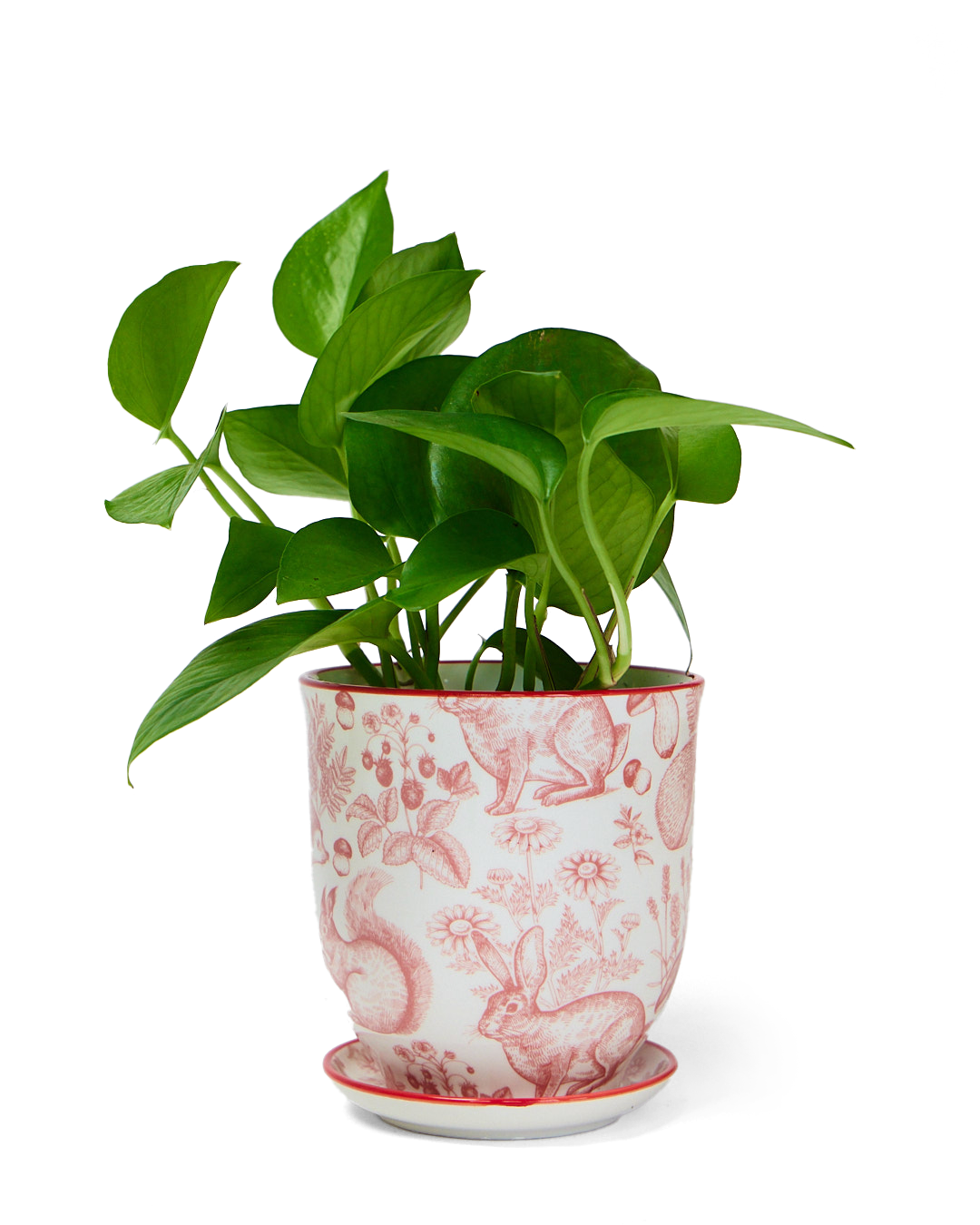
Pretty Pots for Pretty Plants

Your plants work hard to look good—shouldn’t their pots do the same? Choose from our gorgeous flower pots and let your greenery thrive in style. Because plain plastic is just rude.