Green Beans Vegetable Seeds Packet

$4.95

7 reviews

FREE SHIPPING on seeds when you order 5 packs or more

Green Beans seeds for the kitchen garden that intends to actually produce green beans this year. Green beans are the vegetable that grows fast, produces generously, and asks for nothing except to be picked before they get tough.

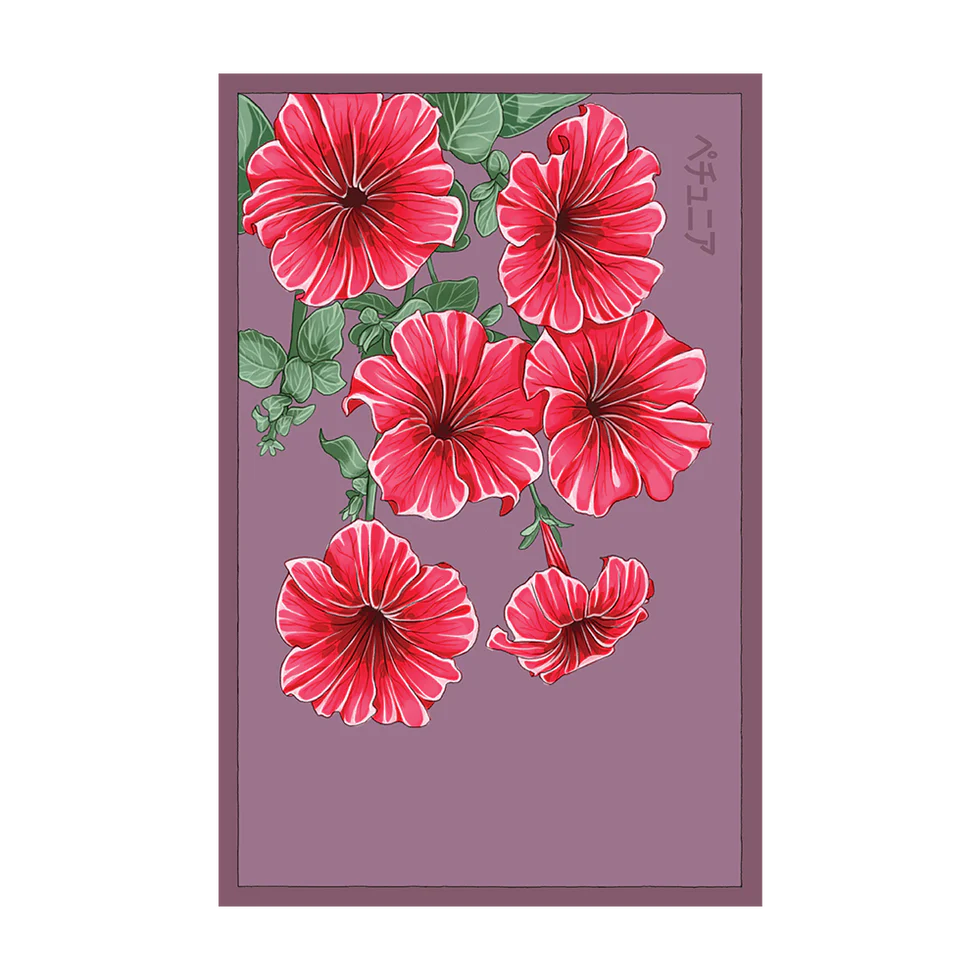
Green Beans is the reliable, prolific bean that is equally happy raw, blanched, or forgotten in the colander. Each packet is hermetically vacuum-sealed -- removing the oxygen that causes standard paper seed packets to lose germination viability within approximately one year. State law requires a 3-year viability label on sealed packaging. NASA research on hermetic seed storage indicates viability of up to 10 years under proper conditions. Every packet is non-GMO and germination-tested at independent third-party labs before it earns its Japanese woodblock print artwork.

Quick Seed Overview
  • Plant Type: Annual
  • Genus: Phaseolus
  • Species: Vulgaris
  • Plant Height/Width: 1–2 ft tall x 1–2 ft wide
  • Season: Late Spring after the last frost
  • Exposure: Full Sun
  • Difficulty: Easy
Satisfaction Guarantee

We stand by the quality of our flower seed packets! With high germination rates and vibrant blooms, your garden is sure to flourish. If you're not completely satisfied, we’ll replace or refund—guaranteed!

Why Shido Seeds Are the Best

Our flower and vegetable seeds are beautifully packaged little packets of magic. Guaranteed to turn your garden into the envy of the neighborhood. Get your hands dirty and let nature simply do its thing.

How to Plant Green Beans from Seed

PlantCare

When to Plant Seeds

  • Sow seeds outdoors after the last frost, when soil temperatures reach at least 60°F (16°C).
  • Green beans do not transplant well, so it’s best to direct sow seeds into the garden.

Seed Preparation

  1. Choose a sunny location with well-draining soil.
  2. Loosen the soil to a depth of 6-8 inches.
  3. Remove weeds and mix in compost or organic matter to improve fertility.
PlantCare water

For Bush Beans

  • Plant seeds 1 inch deep and 2-3 inches apart in rows spaced 18-24 inches apart.
  • No need for support structures as they grow in a compact form.

For Pole Beans

  • Plant seeds 1 inch deep and 4-6 inches apart near a trellis, pole, or fence.
  • Rows should be 30-36 inches apart to allow space for vines to grow.

Pro Tip

Green beans grow best when picked often—harvest while they’re young and tender to keep the plant producing. Provide a trellis for pole beans to climb, or choose bush varieties for compact growth.

Bonus: Soak seeds overnight before planting for faster germination!

Getting to know your Green Beans

Green beans, also known as snap beans, are warm-season legumes that grow as either bush or pole varieties, each suited to a slightly different garden setup. They prefer full sun, well-drained soil, and consistent moisture throughout the growing season to keep pods forming steadily rather than in fits and starts. Bush varieties tend to reach a harvestable size faster, while pole beans need trellising but stretch their production over a considerably longer window once established. Regular harvesting while pods are still young and tender keeps the plant producing rather than slowing down, since beans left too long on the vine signal the plant to stop investing energy in new growth. Green beans bring genuine nutritional value too, rich in fibre along with vitamins C and K, and they hold up well whether eaten fresh, steamed, or tossed into a quick sauté. Bean beetles and aphids show up reliably enough that companion planting and organic treatments are worth building into a season's plan from the start rather than reacting after an infestation takes hold. Few crops reward this modest amount of upkeep with quite this steady a harvest all season long. Either type earns its space in a garden built around a steady, reliable harvest.

What it's used for

1. Culinary Uses:

  • Green beans can be steamed, boiled, stir-fried, roasted, or eaten raw.
  • Commonly used in salads, soups, and casseroles.
  • Can be pickled or frozen for long-term storage.

2. Companion Planting:

  • Green beans grow well with carrots, cucumbers, corn, and marigolds.
  • Avoid planting near onions or garlic, as they can stunt growth.

3. Soil Enrichment:

  • Green beans are nitrogen-fixers, meaning they improve soil quality by adding nitrogen, benefiting nearby plants.
Growth Requirements

Light:

  • Requires full sun (6-8 hours daily) for optimal growth.

Soil:

  • Prefers well-draining, loamy soil with a pH of 6.0-7.0.
  • Adding compost or organic matter improves nutrient content.

Watering:

  • Needs regular watering, about 1 inch per week.
  • Avoid overhead watering to prevent fungal diseases.

Temperature & Climate:

  • Thrives in temperatures between 70-85°F (21-29°C).
  • Cannot tolerate frost or prolonged cold temperatures.

Fertilization:

  • Does not require heavy fertilization since beans fix nitrogen in the soil.
  • A light application of a low-nitrogen fertilizer can improve yields.
Maintenance

Watering:

  • Keep soil evenly moist, especially when flowers and pods begin to form.
  • Water at the base to avoid fungal diseases like powdery mildew.

Weed Control:

  • Mulch around plants to suppress weeds and retain soil moisture.
  • Hand-pull weeds carefully to avoid disturbing shallow roots.

Pruning & Support:

  • Bush beans require little maintenance beyond regular harvesting.
  • Pole beans benefit from trellises or stakes to prevent tangled vines.

Harvesting and Seed Collection

1. When to Harvest:

  • Harvest beans 50-65 days after planting, when pods are firm and crisp.
  • Pick regularly to encourage continuous production.

2. Collecting Seeds for Future Planting:

  • Leave some pods on the plant to fully mature and dry out.
  • Once pods turn brown and brittle, collect seeds and store them in a cool, dry place.
Pests and Diseases
  • Common Pests: Aphids, spider mites, and bean beetles.
    Use floating row covers and hand-pick beetles to manage infestations.
  • Common Diseases: Powdery mildew, rust, and bacterial blight.
    Improve air circulation and apply organic fungicides if needed.

A Different Kind of Legume

For a legume grown for its beans rather than its pods, Edamame shares green beans' nitrogen-fixing habit with a completely different harvest.


Pretty Pots for Pretty Plants

Your plants work hard to look good—shouldn’t their pots do the same? Choose from our gorgeous flower pots and let your greenery thrive in style. Because plain plastic is just rude.