Green Leaf Lettuce Vegetable Seeds Packet

$4.95

4 reviews

FREE SHIPPING on seeds when you order 5 packs or more

Green Leaf Lettuce seeds for the kitchen garden that intends to actually produce green leaf lettuce this year. Green Leaf Lettuce is ready in 30 days, which makes it the fastest answer to the question of whether to start a garden.

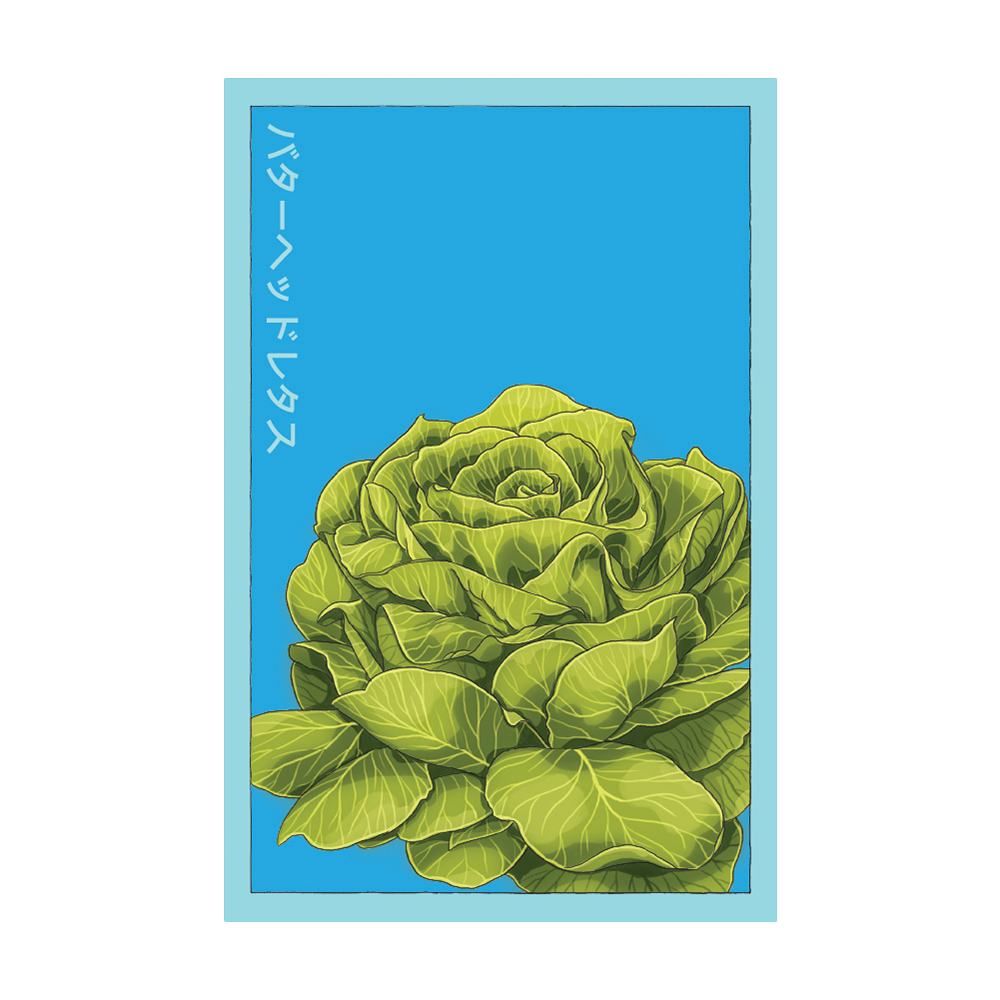
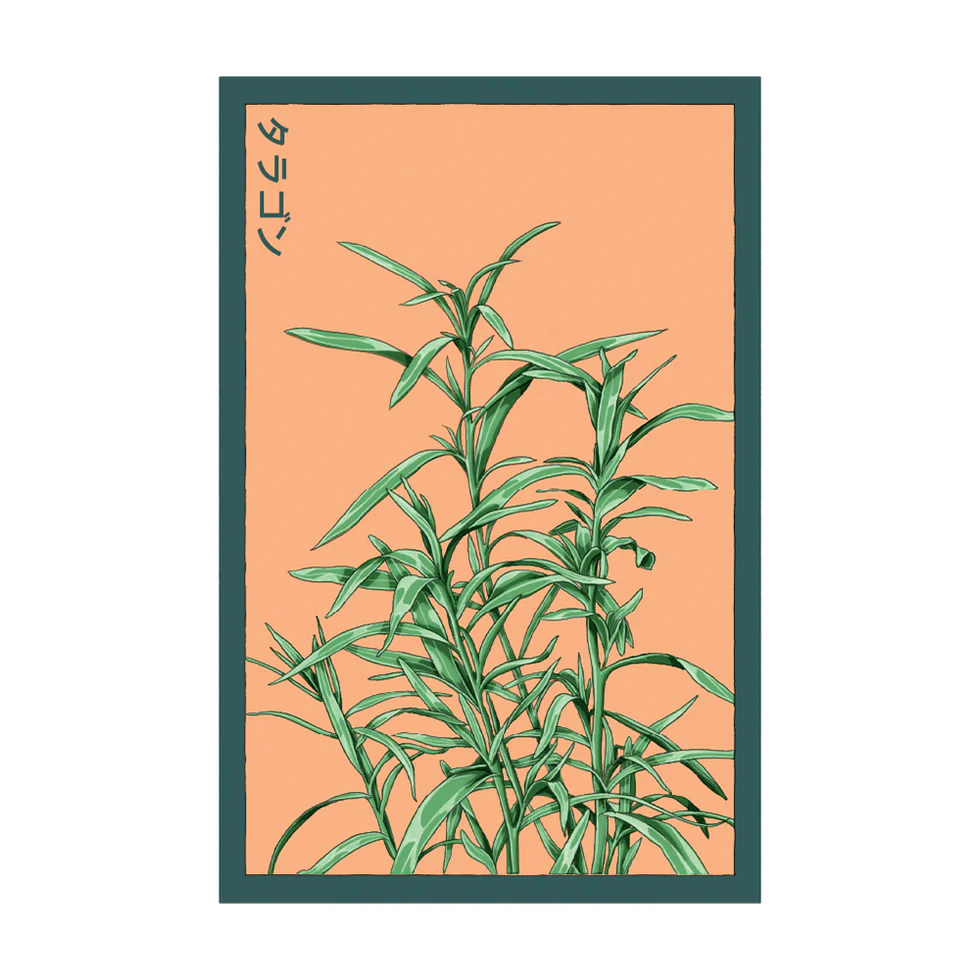
Green Leaf Lettuce is fast-growing loose-leaf lettuce ready in 30-50 days and the most reliable cut-and-come-again crop in the garden. Each packet is hermetically vacuum-sealed -- removing the oxygen that causes standard paper seed packets to lose germination viability within approximately one year. State law requires a 3-year viability label on sealed packaging. NASA research on hermetic seed storage indicates viability of up to 10 years under proper conditions. Every packet is non-GMO and germination-tested at independent third-party labs before it earns its Japanese woodblock print artwork.

Quick Seed Overview
  • Plant Type: Annual
  • Genus: Lactuca
  • Species: Sativa
  • Plant Height/Width: 8–12 in tall x 6–8 in wide
  • Season: Spring and Fall
  • Exposure: Full Sun to Part Shade
  • Difficulty: Easy
Satisfaction Guarantee

We stand by the quality of our flower seed packets! With high germination rates and vibrant blooms, your garden is sure to flourish. If you're not completely satisfied, we’ll replace or refund—guaranteed!

Why Shido Seeds Are the Best

Our flower and vegetable seeds are beautifully packaged little packets of magic. Guaranteed to turn your garden into the envy of the neighborhood. Get your hands dirty and let nature simply do its thing.

How to Plant Green Leaf Lettuce from Seed

PlantCare

When to Plant Seeds

  • Spring planting: Sow seeds 2-4 weeks before the last frost date.
  • Fall planting: Sow seeds in late summer, about 8 weeks before the first frost.
  • Can also be grown indoors year-round in containers.

Preparing for Planting

  1. Choose a sunny location with well-draining, fertile soil.
  2. Loosen the soil to a depth of 6-8 inches.
  3. Mix in organic compost or aged manure for added nutrients.
PlantCare water

Sowing Seeds

  • Scatter seeds ¼ inch deep in rows 12 inches apart.
  • Lightly cover with soil and water gently.

Thinning Seedlings

  • Thin seedlings to 6-8 inches apart once they sprout.
  • For continuous harvests, succession plant every 2 weeks.

Pro Tip

For crisp and flavourful green leaf lettuce, plant in cool weather and provide consistent moisture to prevent bitterness. Use rich, well-draining soil and space plants 8–10 inches apart for good airflow. Harvest outer leaves frequently to encourage continuous growth, or cut the entire plant just above the base for regrowth.

Bonus: To extend the harvest, plant in succession every 2–3 weeks and provide light shade in hot weather to prevent bolting.

Companion Plants

Getting to know your Green Leaf Lettuce

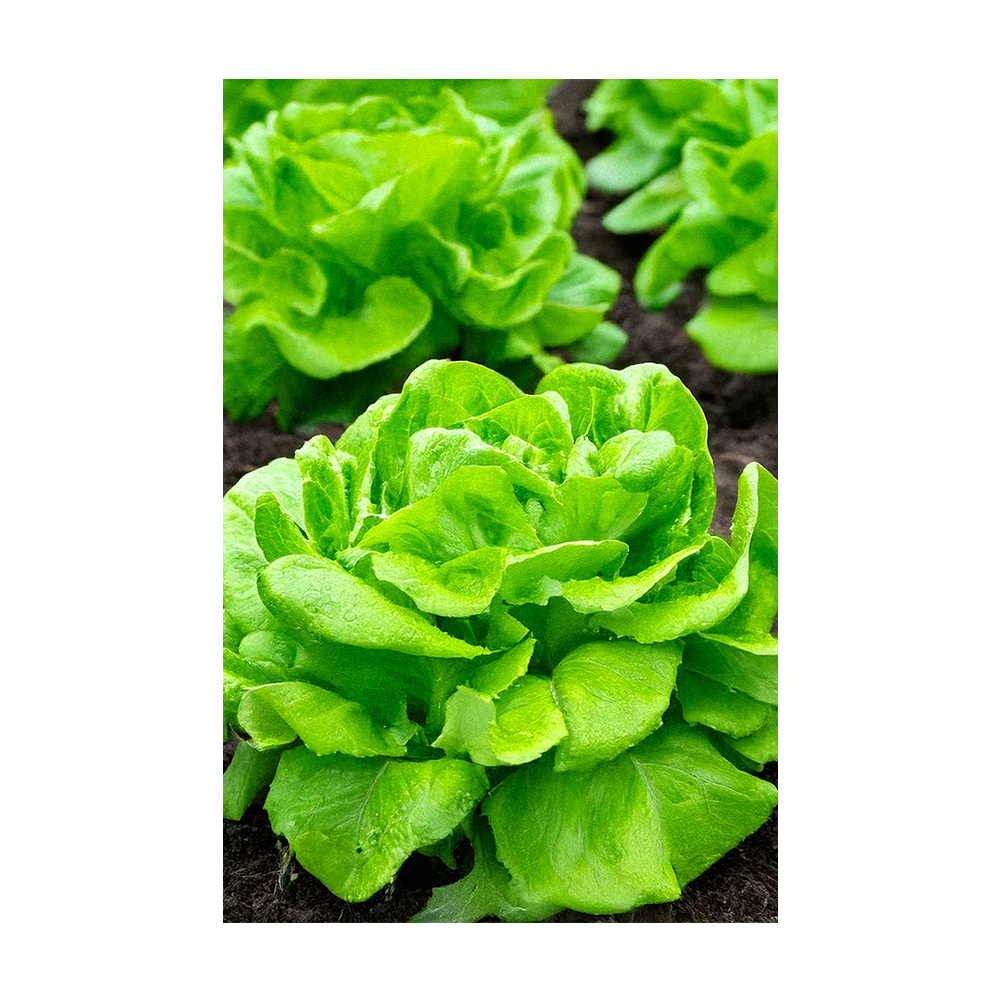
Green Leaf Lettuce is a cool-season, loose-leaf variety with vibrant, tender, ruffled leaves that grow best in moist, nutrient-rich soil with ample sunlight and moderate temperatures. Unlike head-forming lettuces, Green Leaf Lettuce never develops a compact core, which makes it genuinely easy to harvest continuously by picking outer leaves as needed rather than waiting for an entire head to mature at once. Consistent watering keeps the texture crisp and helps prevent the bitterness that can creep in in when growth slows or stresses out under inconsistent conditions. The plant suits succession planting particularly well, since new leaves keep coming as older ones get harvested, extending a single planting's usefulness well beyond what a single-harvest crop offers. In the kitchen, Green Leaf Lettuce brings a mild, slightly sweet flavour and genuinely crisp texture to salads and sandwiches alike, without the bitterness that turns some people off leafy greens generally. Like most lettuce, it can attract aphids and slugs, though row covers and thoughtful companion planting go a long way toward keeping both in check without much additional effort. For a gardener who wants salad greens on a rolling basis rather than all at once, this is one of the more forgiving, low-maintenance ways to get there.

What it's used for

1. Culinary Uses:

  • Commonly used in salads, wraps, sandwiches, and burgers.
  • Can be used as a garnish or in smoothies for extra nutrition.
  • Pairs well with a variety of dressings and toppings.

2. Companion Planting:

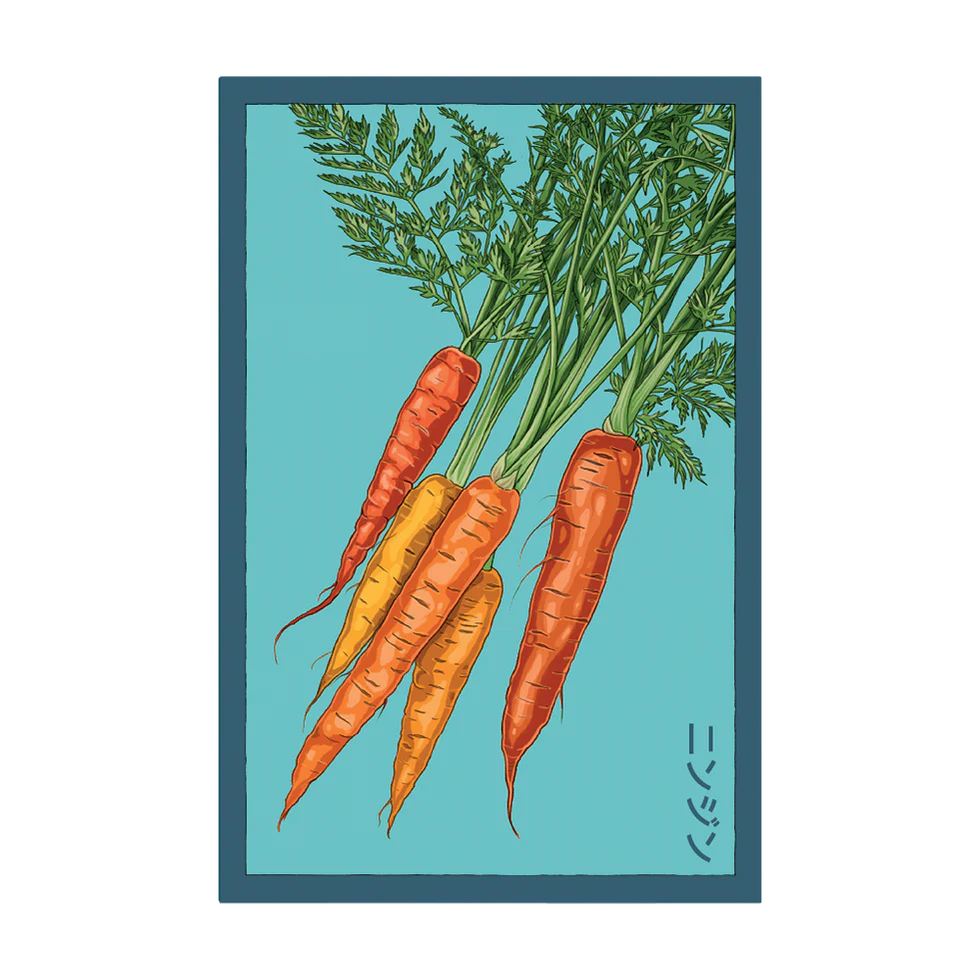
  • Grows well with carrots, radishes, onions, and cucumbers.
  • Avoid planting near brassicas like cabbage, which can compete for nutrients.

3. Soil Improvement:

  • Acts as a great cover crop to help reduce soil erosion.
  • Enhances soil fertility when composted after harvest.
Growth Requirements

Light:

  • Prefers full sun to partial shade.
  • In hot climates, partial shade helps prevent bolting (premature flowering).

Soil:

  • Requires well-draining, loamy soil with a pH of 6.0-7.0.
  • Adding compost or organic matter improves nutrient content and moisture retention.

Watering:

  • Needs consistent moisture, about 1-2 inches of water per week.
  • Avoid overwatering to prevent root rot and fungal diseases.

Temperature & Climate:

  • Thrives in temperatures between 55-70°F (13-21°C).
  • Bolts quickly in high temperatures above 75°F (24°C).

Fertilization:

  • Benefits from light applications of balanced fertilizer (10-10-10).
  • Too much nitrogen can lead to excessive leaf growth but poor flavour.
Maintenance

Watering:

  • Keep soil evenly moist, but avoid overwatering.
  • Use mulch to retain moisture and suppress weeds.

Weed Control:

  • Hand-pull weeds carefully to avoid disturbing the shallow roots.
  • Apply a layer of organic mulch to prevent weeds from growing.

Harvesting and Seed Collection

1. When to Harvest:

  • Ready for harvest in 30-50 days after planting.
  • Pick outer leaves first for a continuous harvest.
  • Harvest entire plants before bolting for the best flavour.

2. Collecting Seeds for Future Planting:

  • Allow some plants to bolt and produce yellow flowers.
  • Collect dry seed heads and store seeds in a cool, dry place.
Pests and Diseases
  • Common Pests: Aphids, slugs, and leaf miners.
    Use floating row covers or companion planting (e.g., marigolds) to deter pests.
  • Common Diseases: Downy mildew and rot.
    Improve air circulation and avoid overhead watering.

A Head-Forming Alternative

For a more traditional head shape instead of loose leaves, the Romaine Lettuce grows in the same cool-season conditions with a sturdier, upright habit.


Pretty Pots for Pretty Plants

Your plants work hard to look good—shouldn’t their pots do the same? Choose from our gorgeous flower pots and let your greenery thrive in style. Because plain plastic is just rude.