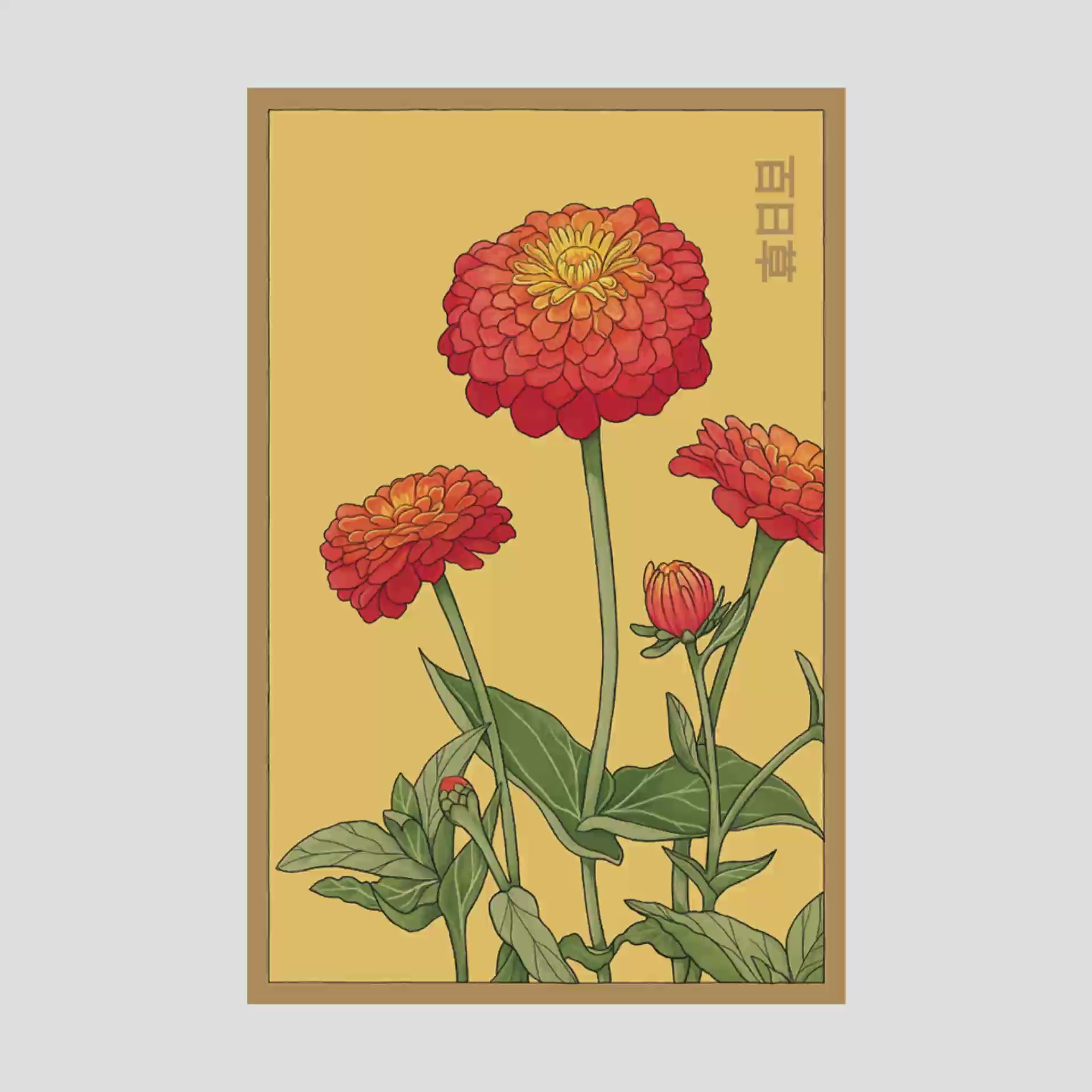
Purple Peas Vegetable Seeds Packet

$4.95

8 reviews

FREE SHIPPING on seeds when you order 5 packs or more

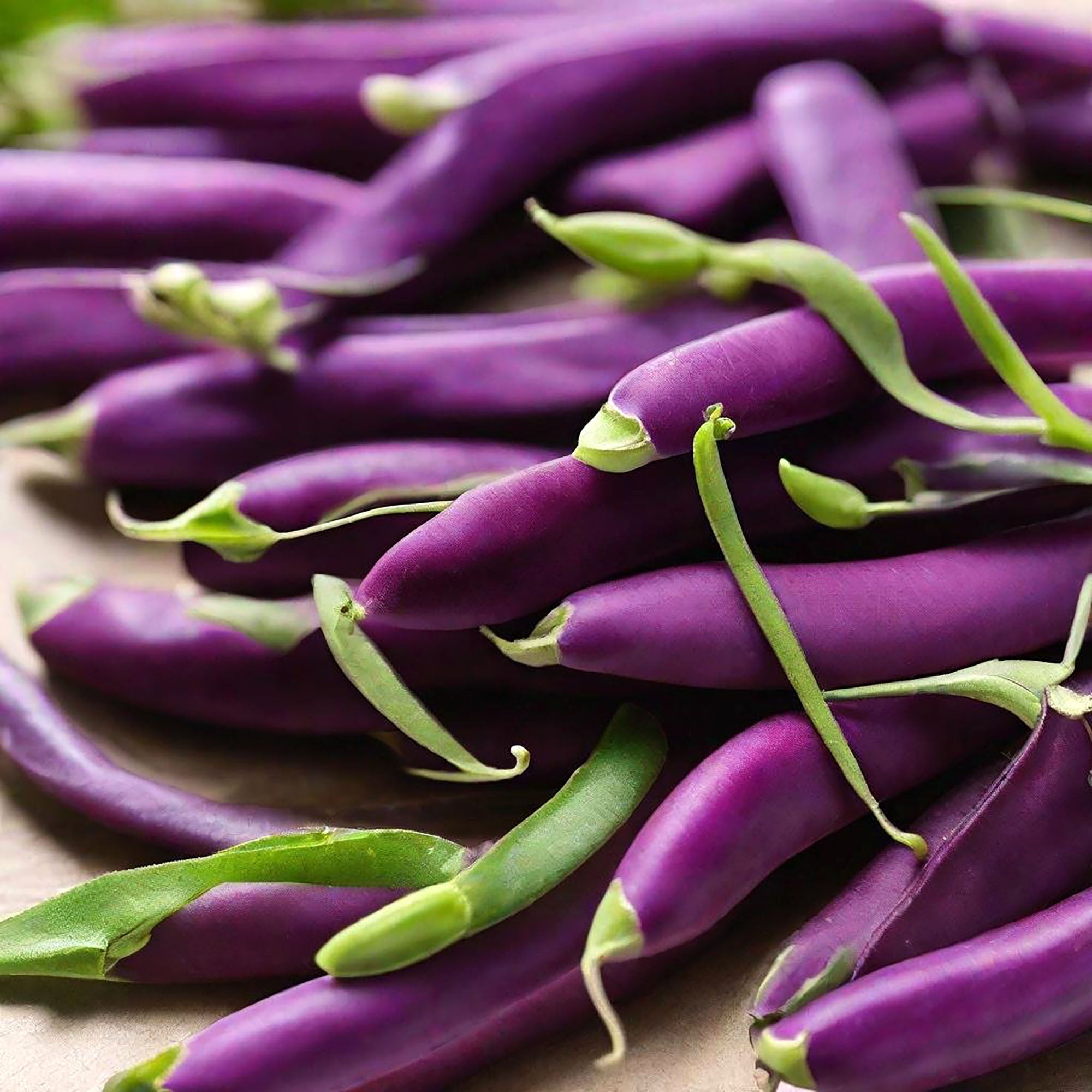
Purple Peas seeds for the kitchen garden that intends to actually produce purple peas this year. Purple Peas grow with the dual ambition of looking good and being edible, and they succeed at both.

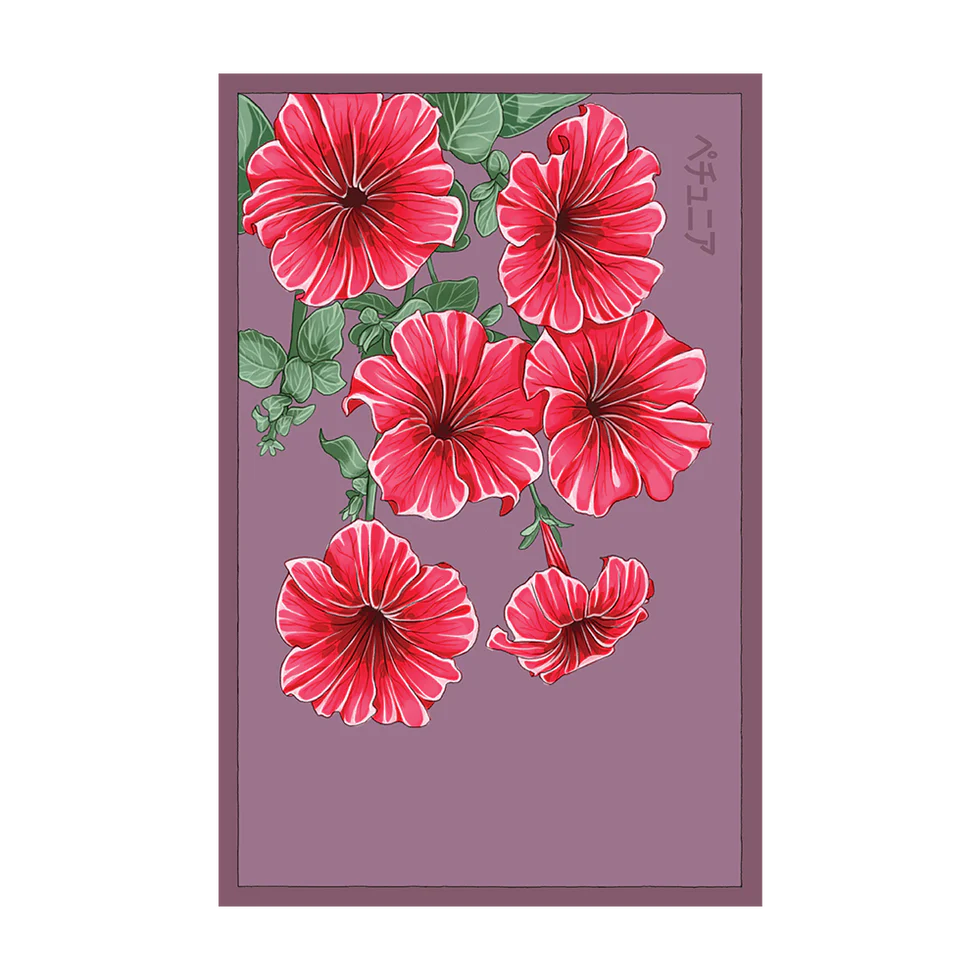
Purple Peas is an ornamental pea with striking purple pods that are as beautiful in the garden as they are useful in the kitchen. Each packet is hermetically vacuum-sealed -- removing the oxygen that causes standard paper seed packets to lose germination viability within approximately one year. State law requires a 3-year viability label on sealed packaging. NASA research on hermetic seed storage indicates viability of up to 10 years under proper conditions. Every packet is non-GMO and germination-tested at independent third-party labs before it earns its Japanese woodblock print artwork.

Quick Seed Overview
  • Plant Type: Annual
  • Genus: Pisum
  • Species: Sativum
  • Plant Height/Width: 2–3 ft tall x 1–2 ft wide
  • Season: Early Spring
  • Exposure: Full Sun
  • Difficulty: Easy
Satisfaction Guarantee

We stand by the quality of our flower seed packets! With high germination rates and vibrant blooms, your garden is sure to flourish. If you're not completely satisfied, we’ll replace or refund—guaranteed!

Why Shido Seeds Are the Best

Our flower and vegetable seeds are beautifully packaged little packets of magic. Guaranteed to turn your garden into the envy of the neighborhood. Get your hands dirty and let nature simply do its thing.

How to grow Purple Peas from Seed

PlantCare

When to Plant

  • Spring Planting: Sow seeds 4-6 weeks before the last frost, when soil temperatures reach 40°F (4°C).
  • Fall Planting: Plant seeds 8-10 weeks before the first expected frost.
  • In mild climates, purple peas can be grown through winter.

Preparing the Planting Site

  • Choose a sunny location with well-draining soil.
  • Prepare the soil by adding compost and loosening it to a depth of 6-8 inches.
  • Install a trellis or support before planting to avoid disturbing the roots later.
PlantCare water

Sowing Seeds

  • Direct sow seeds outdoors, as peas do not transplant well.
  • Plant seeds 1 inch deep and 2 inches apart, with rows spaced 18-24 inches apart.
  • Water gently to keep the soil moist until germination, which occurs in 7-14 days.

Harvest

  • Harvest peas when pods are firm and fully coloured, usually 60-70 days after planting.
  • Pick regularly to encourage continuous production.

Pro Tip

Provide a trellis or support to keep vines off the ground and improve airflow. Harvest pods when they are plump but still tender for the best flavour. Regular picking encourages more production, and the vibrant purple colour makes spotting ripe pods easier!

Companion Plants

Getting to know your Purple Peas

Purple Peas are a striking variety of pea plant, their deep purple pods giving way to bright green interiors once split open, a contrast that catches people off guard the first time they see it. They grow best in cool weather with full sun and well-drained soil, thriving in the same shoulder-season conditions most peas prefer rather than the height of summer heat. The vines need trellising for support as they climb, since without something to grow up, the plants tend to sprawl and tangle in ways that make harvesting considerably more frustrating than it needs to be. Once established, the plants produce sweet, tender peas suited equally well to fresh eating straight off the vine or cooking into whatever dish calls for them. The purple colour is more than a novelty, too; it makes the pods easier to spot at a glance against green foliage, which matters more than people expect once a vine gets dense and harvest becomes a game of parting leaves to check for hidden pods. Purple Peas also tend to draw curiosity from anyone visiting the garden who's never seen a genuinely purple vegetable before, which is a reasonable bonus for a plant that was already going to earn its space through flavour alone.

What it's used for

1. Culinary Uses:

  • Purple peas can be enjoyed fresh off the vine as a garden snack.
  • Add them to salads, stir-fries, and pasta dishes for a pop of colour.
  • The peas can be shelled and cooked, used in soups, stews, and casseroles.
  • Young pods can be eaten whole like snap peas, while mature peas can be shelled and cooked.

2. Ornamental Appeal:

  • The vibrant purple pods and blossoms make purple peas a beautiful addition to edible landscapes.
  • They can be grown along fences, trellises, or garden arches, adding height and colour to the garden.

3. Companion Planting:

  • Purple peas are legumes, which means they fix nitrogen in the soil, benefiting nearby plants.
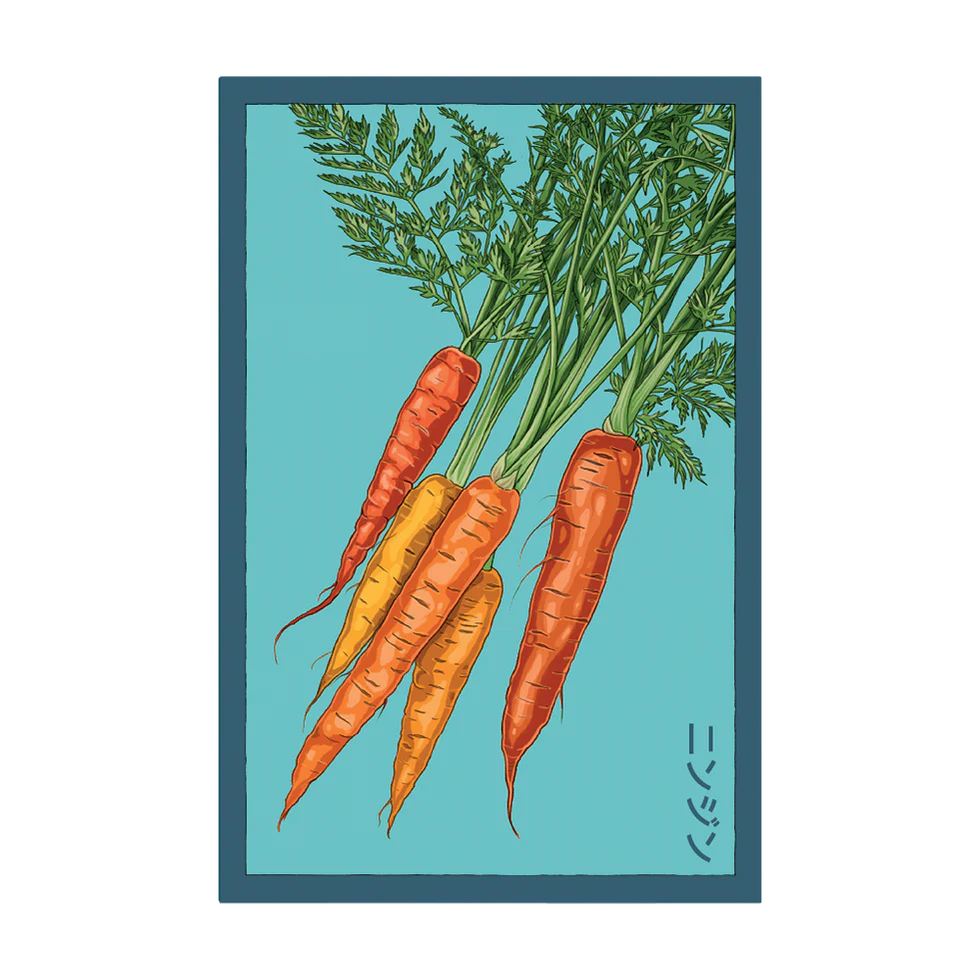
  • Ideal companions include carrots, radishes, cucumbers, and lettuce, which thrive in nitrogen-rich soil.
Growth Requirements

Light:

  • Require full sun for at least 6-8 hours per day.
  • Can tolerate light shade, but this may reduce pod production.

Soil:

  • Thrive in well-draining, loamy soil with a neutral pH of 6.0 to 7.0.
  • Avoid heavy, clay soils that retain too much moisture, which can lead to root rot.
  • Adding compost or aged manure before planting improves soil fertility and structure.

Watering:

  • Keep soil evenly moist, but avoid waterlogging.
  • Water deeply once or twice a week, depending on weather conditions.
  • Mulch around the base of the plants to retain moisture and suppress weeds.

Temperature & Climate:

  • Purple peas prefer cool weather, with optimal temperatures between 55°F and 70°F (13°C to 21°C).
  • They can tolerate light frost, making them one of the earliest crops to plant in the spring.
  • Heat can cause peas to stop producing, so they are best grown in spring and fall in warmer climates.

Fertilization:

  • Avoid high-nitrogen fertilizers, as peas can fix their own nitrogen.
  • If needed, use a balanced fertilizer with low nitrogen and higher phosphorus and potassium.
  • Side-dress with compost mid-season to maintain soil nutrients.

Maintenance

Trellising & Support:

  • Set up a trellis before sowing if this is a vining type, matching general pea growth habit — light stakes can help even more compact varieties stay upright for easier picking.

Mulching:

  • Apply organic mulch to retain moisture and suppress weeds.

Pruning:

  • Minimal pruning needed — if vining, gently guide tendrils onto the support as the plant grows rather than letting them sprawl.

Watering:

  • Keep watering consistent, especially during flowering and pod fill, when moisture stress most affects yield.

Harvesting:

  • Judge ripeness by feel (plumpness) rather than colour — purple pods don't show the same green-to-pale ripening cue a standard pea does.
  • Still unconfirmed whether this is a snap type (whole pod eaten) or shelling type (peas only) — worth resolving, since it changes harvest technique.

Storing:

  • Refrigerate and use within a few days for best quality.
  • Blanch and freeze for longer storage.
Pests and Diseases

A Sweeter, Sturdier Cousin
For a pea built more for snacking straight off the vine, the Sugar Snap Pea shares the same trellis-loving habit with an edible pod of its own.


Pretty Pots for Pretty Plants

Your plants work hard to look good—shouldn’t their pots do the same? Choose from our gorgeous flower pots and let your greenery thrive in style. Because plain plastic is just rude.