
Rabbit Ceramic Bud Vase

Regular price $14.00
Colors: Grey
Sizes
Fully Glazed
Dishwasher safe cleaning
30-day return policy

Pickup available at A.N. Deringer c/o Chive Inc

Usually ready in 24 hours


Build Your Effortless Arrangements With These:

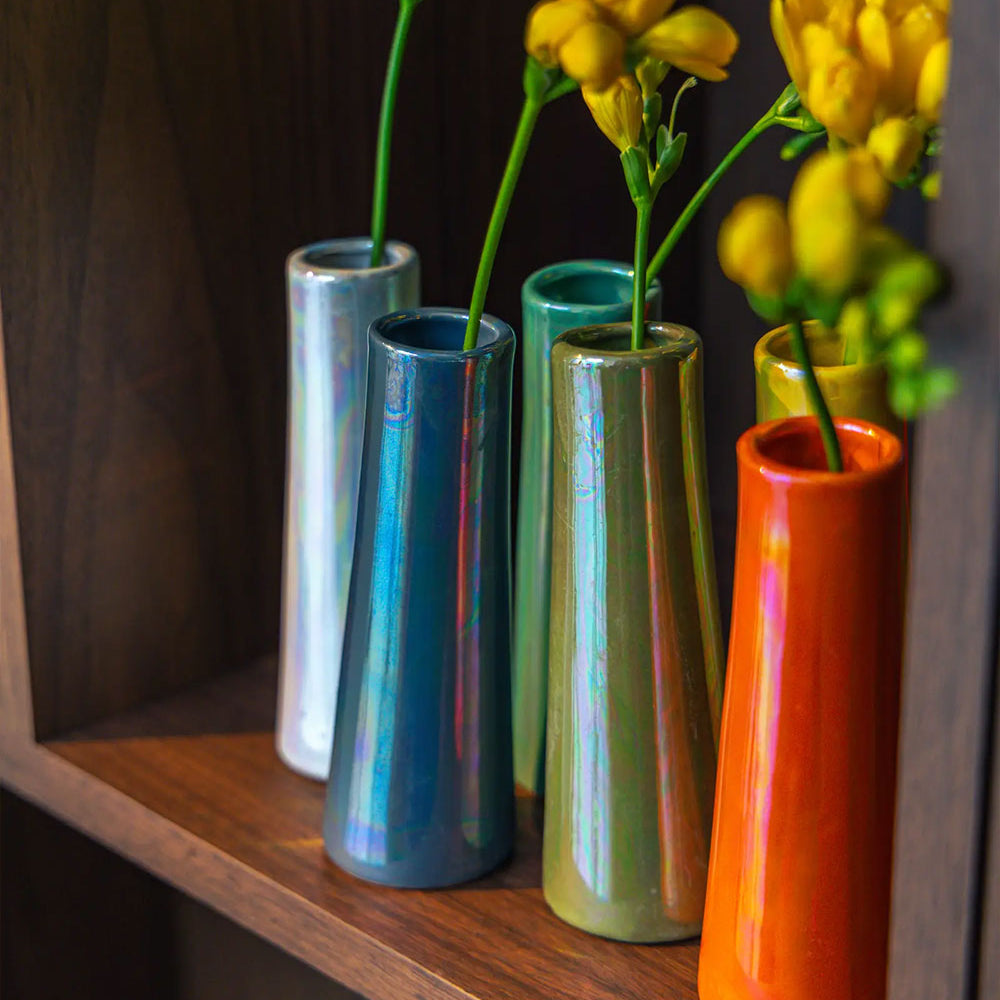
Choose a vase as your anchor, then round out the shelf with these for that thrown-together-but-somehow-perfect look.


A rabbit vase is a single-stem ceramic vessel shaped like a seated rabbit, sized to hold one flower and one room's attention at the same time. This one began in an owl bar in Japan, where the studio's annual trip to visit its makers detoured into coffee, a crib board, and a set of origami papers folded into rabbits. The owl approved. So did we, and the glazed grey figure that came home from that trip has been in production since 2015. As a bunny vase it takes one short stem through the opening at its back; as an animal shaped bud vase it earns its shelf even standing empty, which is more than most vessels can claim. Put it on a windowsill and it reads as deliberate. Put it on a desk and people will ask about it, which is the point. Shaped by hand at Chive Ceramics Studio, where the odd ideas are the ones that stay.

Product detail
  • Vase Type: 
  • Material: Ceramic
  • Glaze finish: Glazed
  • Water Resistance: Watertight
  • Year Designed: 2015
Vase Care Instructions

Every ceramic vase in this collection is dishwasher safe on the top rack, making cleanup between arrangements as simple as loading it in with the rest of the dishes. The glazed surface holds up fine to regular washing, so there's no need to hand-wash unless you'd prefer to.

If you're cleaning a piece with painted or sculpted detail, a gentler cycle or a quick hand-wash with warm water and mild soap will help keep the finish looking sharp for longer. Either way, rinse and dry after each use — especially if flower food or cut-stem residue was in the water — so nothing lingers and clouds the glaze.

No special sealants, no periodic maintenance. Wash it, dry it, put flowers back in it.

Flowers that Love this Vase

Quick Guide to Building a Floral Arrangement

  1. Pick your vase first
  2. Start with your anchor flower.
  3. Build in odd numbers.
  4. Add height, then fill.
  5. Greenery does the quiet work.
  6. Cut stems at an angle, underwater if you can.
  7. Step back before you decide it's done.

Canada wide shipping & returns

Shipping 

  • Standard: 5–8 business days, Express 2–3 business days (at checkout)
  • Canada Wide Shipping: from coast to coast — rates at checkout
  • Packaging Ships: in outer box to protect gift box

View full shipping policy →

Returns

We accept returns within 30 days of delivery on unused hard good items in original packaging. If your piece arrives damaged, contact us within 7 days with a photo and we will replace it at no charge.

View full return policy →

Local pickup & delivery

Delivery: 

  • Delivered by hand across Toronto and the GTA. 
  • Next business day; same-day when you call the shop.
  • Local GTA delivery starts at $14
  • Call for a quote outside of the GTA

Pickup: Order online by 3pm and collect it the same day at:

702 Queen St. W.,
Toronto, ON M6J 1E7
437-777-5021

We are open for in-store shopping

Mon to Thurs: 12pm - 7pm
Fri to Sun: 11am - 7pm

Get Directions

Image description

The fear, domesticated — The Rabbit

Someone at the studio has been afraid of rabbits since childhood, for reasons no therapist, friend, or quiet evening of reflection has ever managed to untangle. The fear did not fade with age the way such things are supposed to. So the studio did what it does with unresolved material: it made an object. A ceramic rabbit, small enough to cradle a single flower, now sits on the desk where its maker has to meet its gaze every working day. Whether this counts as exposure therapy or a very slow act of self-sabotage remains an open question around here, and votes have been cast both ways. The cure has not arrived. The rabbit, however, has gotten considerably cuter about withholding it. What began as one person's private reckoning is now a small grey, pink, or white figure that travels well: it suits the giver who knows somebody with a fear they have never quite gotten around to naming, and the recipient who would rather laugh at the thing than discuss it. One stem in the back, ears up, expression neutral. It asks nothing, forgives nothing, and holds a ranunculus better than most vessels twice its size. That is more than therapy ever promised anyone.

A (Mostly) Simple Guide to Cutting Your Flowers

So, you’re making an arrangement? Let’s ensure it lives long enough to impress someone—even if it's just you.

  1. Scrub the Scissors: Wash your shears first. Your flowers do not want a side of Dorito dust.
  2. Cut at 45°: Snip stems at an angle. It gives them a straw instead of making them chug from the bottle.
  3. Trim Underwater (Fancy Mode): Cut them submerged to block air bubbles. It’s extra, but they didn’t ask to suffocate.
  4. Ditch Submerged Leaves: Strip anything below the waterline. Unless you are actively going for a swamp aesthetic.
  5. Snip Again if Stale: If they sat out on the counter, trim them again. They need a fresh start (don’t we all?).
  6. Swap the Water: Change it and trim the stems every few days so they don't die immediately.

Voilà! You are now a domestic deity. Go take your Instagram photo before you forget to water them.

Pro Tip: Keep It Short and Sweet!

When it comes to flower stems, shorter is better. Not only do shorter stems look chic in arrangements, but they also help your blooms last longer. Why? Because the shorter the stem, the less distance water has to travel to keep those petals perky. It’s like giving your flowers a shorter commute—less stress, fewer breakdowns.

Perfect Pairs for Any Shelf

Image description

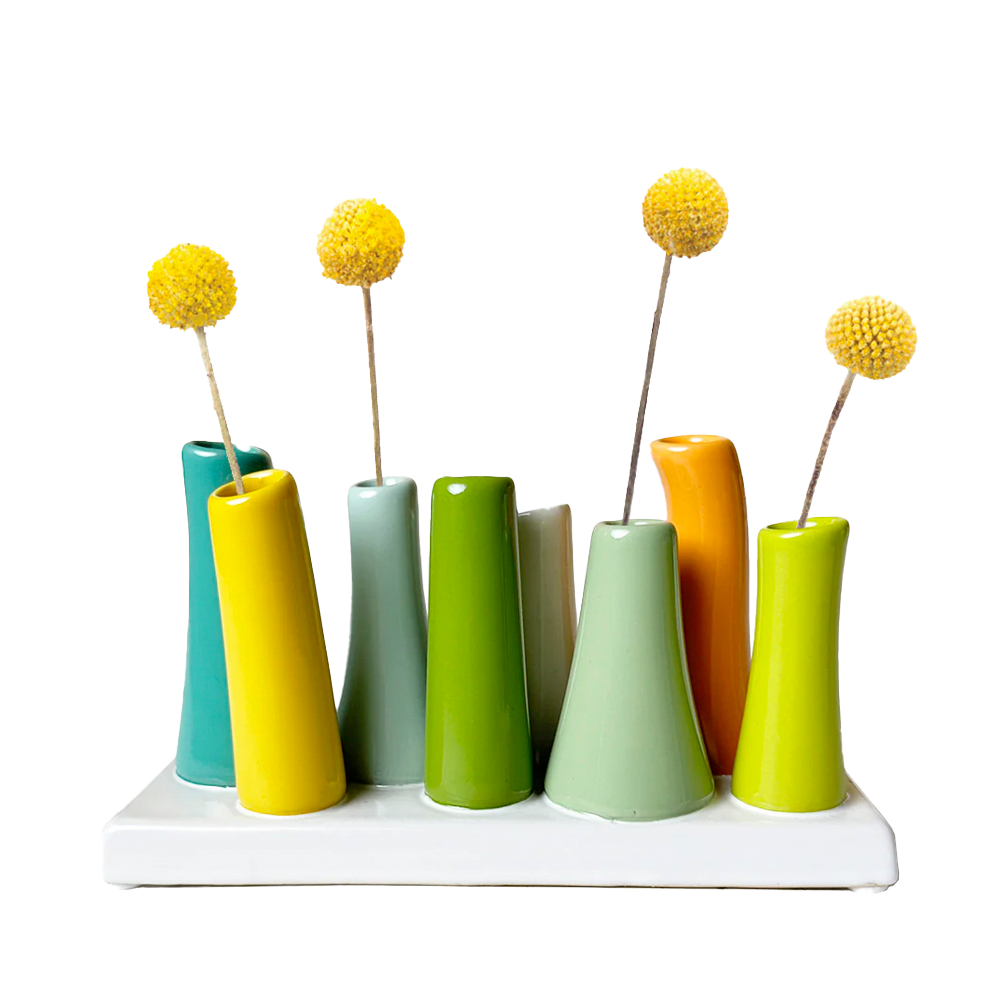
Pooley Round Bud Vase

The ceramic vases at Chive come out of the same studio habit that produced everything else here: design the object once, correctly, then resist every opportunity to complicate it. Each one holds stems. None of them holds back. The Rabbit proves the habit survives having ears. When one stem stops being enough and eight separate addresses start sounding reasonable, the Pooley Round Bud Vase is where that road leads.

The Ceramic Vases Collection

Every Chive vase is built around one decision about how flowers should stand, then finished by hand until that decision reads as obvious. For the Rabbit, the decision was posture: ears up, back open, one stem rising where a tail would be, so a lone flower reads as a character instead of a leftover. It belongs at eye level or below, where the face can do its quiet work on everyone passing. Browse the full Ceramic Vases collection.

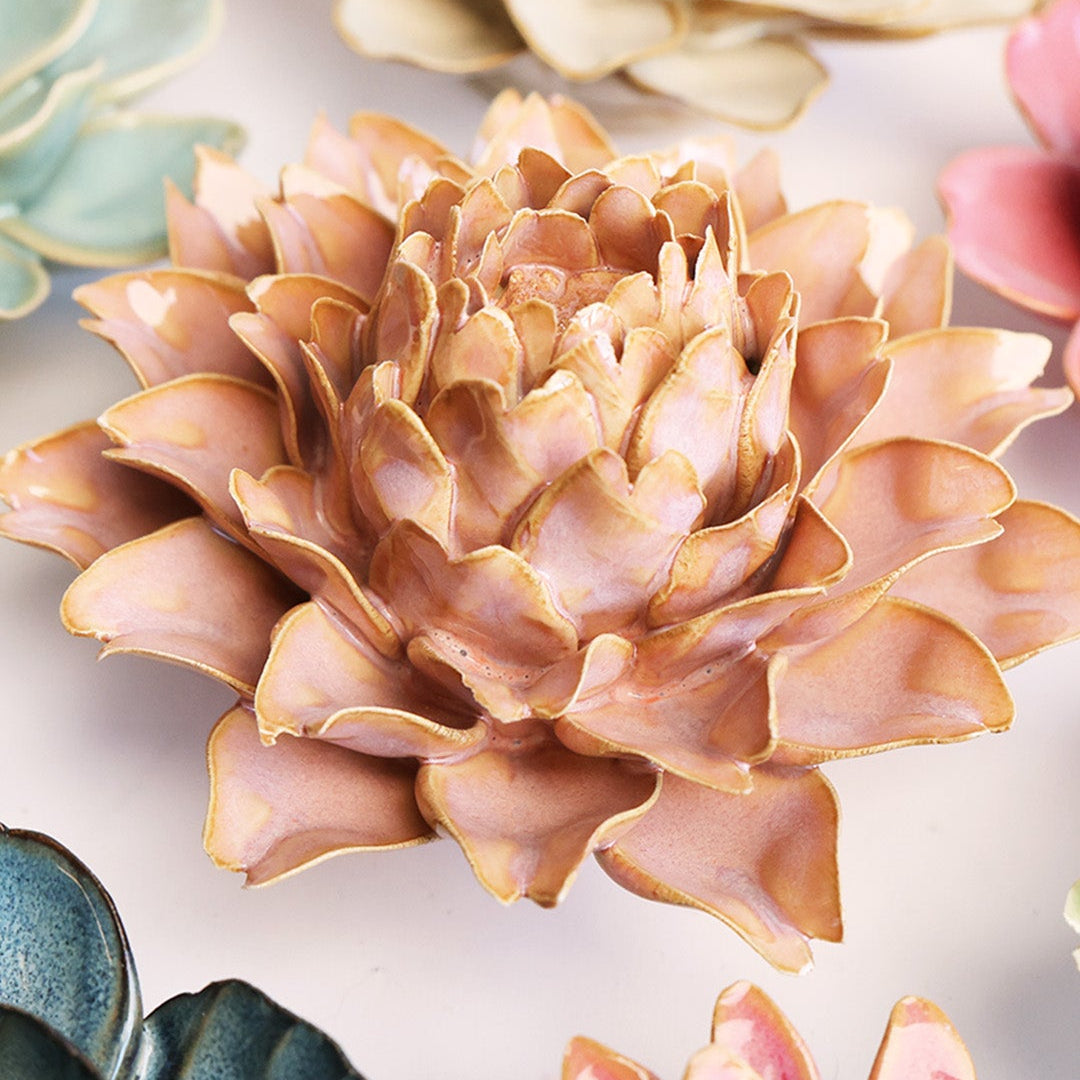
Rose Pink King Protea Ceramic Flower

Hang the Rose Pink King Protea Ceramic Flower on the wall above the Rabbit and the pairing solves itself: the flower never wilts, the rabbit never blinks, and the wall does the arranging. Protea pink against grey glaze is a warmer combination than it has any right to be. One is a bloom that lasts forever. The other is a fear that finally pays rent.


The fear, domesticated — The Rabbit

Someone at the studio has been afraid of rabbits since childhood, for reasons no therapist, friend, or quiet evening of reflection has ever managed to untangle. The fear did not fade with age the way such things are supposed to. So the studio did what it does with unresolved material: it made an object. A ceramic rabbit, small enough to cradle a single flower, now sits on the desk where its maker has to meet its gaze every working day. Whether this counts as exposure therapy or a very slow act of self-sabotage remains an open question around here, and votes have been cast both ways. The cure has not arrived. The rabbit, however, has gotten considerably cuter about withholding it. What began as one person's private reckoning is now a small grey, pink, or white figure that travels well: it suits the giver who knows somebody with a fear they have never quite gotten around to naming, and the recipient who would rather laugh at the thing than discuss it. One stem in the back, ears up, expression neutral. It asks nothing, forgives nothing, and holds a ranunculus better than most vessels twice its size. That is more than therapy ever promised anyone.


Inside the Chive Design Studio

Low maintenance, high impact. Let's make home styling look easy.


Frequently asked questions

What is a rabbit vase and when would you actually use one?

A rabbit vase means a small ceramic figure of a rabbit with a stem opening in its back, built to display one flower at a time. Use it where a full bouquet would crowd the space — a desk, a windowsill, a bathroom shelf — or wherever a room needs a single deliberate object with a face. One stem from the yard qualifies the room as decorated. The rabbit does the rest.

Which stems suit the Rabbit vase's opening and proportions best?

Short-stemmed, single-bloom flowers suit it best: ranunculus, anemones, small roses, or one confident daisy. The opening sits at the rabbit's back, so a stem trimmed to a few inches arcs naturally over the ears instead of towering above them. Trim short, angle the bloom forward, and stop at one. Dignity matters to a rabbit.

Is the Rabbit vase sized for a windowsill or a mantel?

Windowsill, primarily. The Rabbit is bud-vase scale — compact enough that a standard sill holds it with room to spare, and small enough that a wide mantel can swallow it if it stands alone. On a mantel, give it company at varied heights so the group reads as a scene. Alone, keep it at or below eye level. Sills are its natural habitat.

What ceramic quality can you expect from the Rabbit vase?

The Rabbit is glazed ceramic inside and out, fired in small batches and inspected before shipping. The full interior glaze matters most: it seals the vessel so water never reaches bare clay, which prevents seepage rings on furniture and keeps the piece easy to rinse clean. The exterior comes in grey, pink, or white, and each firing lands slightly differently. That variance is the handwork.

Does the Rabbit vase need special care between flower arrangements?

Nothing demanding. Empty the water when a flower retires, rinse with warm water and a drop of soap, and let it dry upright. The fully glazed interior means residue wipes out instead of soaking in, and the piece is dishwasher safe if you would rather not hand-wash a rabbit. Avoid abrasive pads, which dull glaze over time. A rinse is usually plenty.

How do you group the Rabbit vase with other Chive pieces?

Treat it as the character in the scene, not the backdrop. Pair it with quieter geometry — a tube vase, a small pot, anything without a face — so the Rabbit supplies the personality and the neighbours supply the structure. Odd-numbered groups sit best, with the Rabbit off-centre rather than starring in the middle. Vary the heights and let the rabbit be the surprise.

Should you choose the Rabbit vase or the Pooley Round vase first?

Choose by how many flowers your week actually produces. The Rabbit celebrates one stem at a time and thrives on scarcity; the Pooley Round demands eight and rewards abundance. If your garden or grocery habit delivers single blooms, start with the Rabbit and let it earn the counter space. If you routinely bring home armfuls, start Round. Most people eventually keep both.

Why is it called the Rabbit vase and what's the story?

The shape came home from Japan, where a studio trip detoured into an owl cafe, a card game, and origami sheets folded into small rabbits that everyone present — the owl included — agreed were worth keeping. Back at the studio, the fold became a fired form. It looks like a rabbit because it began as one, on paper. The name required no meeting.

Behind the Studio

The story behind the Chive astronaut vases

The story of Laika, Félicette, a solar eclipse in New York, and a space bar that ordered a hundred vases a month until it closed.