Radicchio Vegetable Seeds Packet

$4.95

2 reviews

FREE SHIPPING on seeds when you order 5 packs or more

Radicchio seeds for the kitchen garden that intends to actually produce radicchio this year. Radicchio is the vegetable that taught Italian cooking that bitterness, handled correctly, is a compliment.

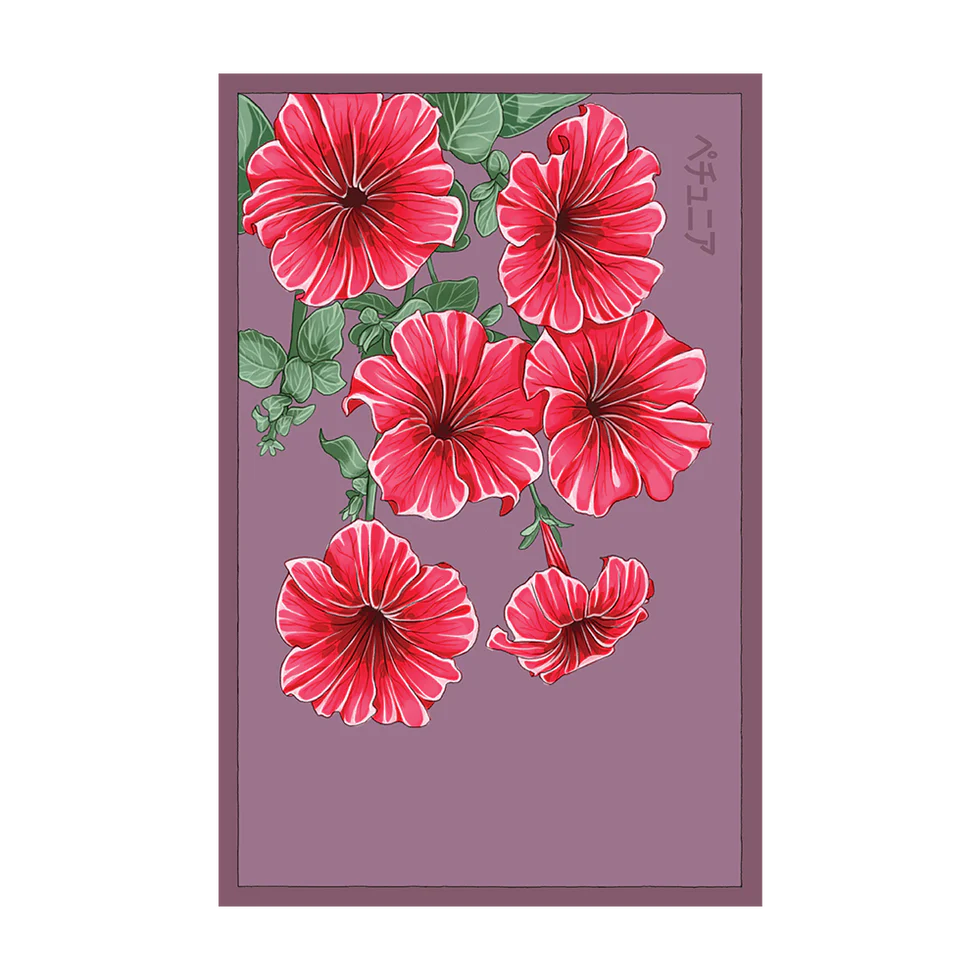
Radicchio is the burgundy Italian chicory that provides bitterness with conviction and improves after frost. Each packet is hermetically vacuum-sealed -- removing the oxygen that causes standard paper seed packets to lose germination viability within approximately one year. State law requires a 3-year viability label on sealed packaging. NASA research on hermetic seed storage indicates viability of up to 10 years under proper conditions. Every packet is non-GMO and germination-tested at independent third-party labs before it earns its Japanese woodblock print artwork.

Quick Seed Overview
  • Plant Type: Biennial
  • Genus: Cichorium
  • Species: C. intybus
  • Plant Height/Width: 8–12 in tall x 8–12 in wide
  • Exposure: Full Sun to Part Shade
  • Difficulty: Moderate
Satisfaction Guarantee

We stand by the quality of our flower seed packets! With high germination rates and vibrant blooms, your garden is sure to flourish. If you're not completely satisfied, we’ll replace or refund—guaranteed!

Why Shido Seeds Are the Best

Our flower and vegetable seeds are beautifully packaged little packets of magic. Guaranteed to turn your garden into the envy of the neighborhood. Get your hands dirty and let nature simply do its thing.

How to Plant Radicchio from Seed

PlantCare

When to Plant Seeds

  • Spring Planting: Sow seeds 4-6 weeks before the last frost date.
  • Fall Planting: Sow seeds 8-10 weeks before the first frost.
  • In mild climates, radicchio can be grown year-round.

Preparing for Planting

  1. Select a sunny to partially shaded site.
  2. Loosen soil to a depth of 6-8 inches and mix in organic compost.
  3. Ensure good drainage, as radicchio does not tolerate waterlogged soil.
PlantCare water

Sowing Seeds

  1. Plant seeds ¼ inch deep and 6 inches apart in rows 12 inches apart.
  2. Water lightly after sowing and keep soil evenly moist.
  3. Germination occurs in 7-14 days, depending on temperature.

Thinning Seedlings

  • Once seedlings reach 3-4 inches tall, thin them to 10-12 inches apart.
  • Use thinned seedlings as microgreens or early greens.

Pro Tip

Radicchio develops its best colour and flavour in cool weather, so plant it in early spring or late summer. To encourage tight, crisp heads, trim outer leaves as it grows and give it plenty of water.

Bonus: A light frost enhances its sweetness and reduces bitterness!

Getting to know your Radicchio

Radicchio forms tight, compact heads similar in shape to a small cabbage, though some varieties lean toward a more open, looser growth habit depending on which type is planted. The leaves carry a distinct, assertive bitterness that mellows considerably once cooked, which is why radicchio shows up both raw in salads and grilled or roasted as a warm side dish. Common varieties include Chioggia, known for its round heads and deep red leaves, and Treviso, which grows in a more elongated shape with a crisper texture throughout. Radicchio thrives in cool weather, much like its close relatives in the chicory family, and rewards well-drained, fertile soil with tighter, more flavourful heads. Consistent watering throughout the growing season helps keep the leaves from turning overly bitter under stress, a common issue when the plant experiences inconsistent moisture. Grilling or roasting radicchio caramelizes some of that bitterness into something considerably sweeter and more complex, which surprises people expecting only the raw, sharper version. Its bold colour and structure also make it a genuinely striking addition to a mixed green salad, holding its own visually against milder lettuces nearby. Few greens offer this much flavour transformation between raw and cooked preparations. Grouped with milder lettuces, it adds structure most other salad greens simply can't provide.

What it's used for

1. Culinary Uses:

  • Used raw in salads to add colour, crunch, and a slightly bitter flavour.
  • Grilled or roasted to mellow its bitterness and enhance its sweetness.
  • Sautéed with olive oil and garlic for a savoury side dish.
  • Added to risottos, pasta dishes, or soups.

2. Nutritional Benefits:

  • Rich in vitamins K, C, and B9 (folate).
  • High in antioxidants, which support immune function and heart health.
  • Contains dietary fibre, promoting digestion and gut health.

3. Companion Planting:

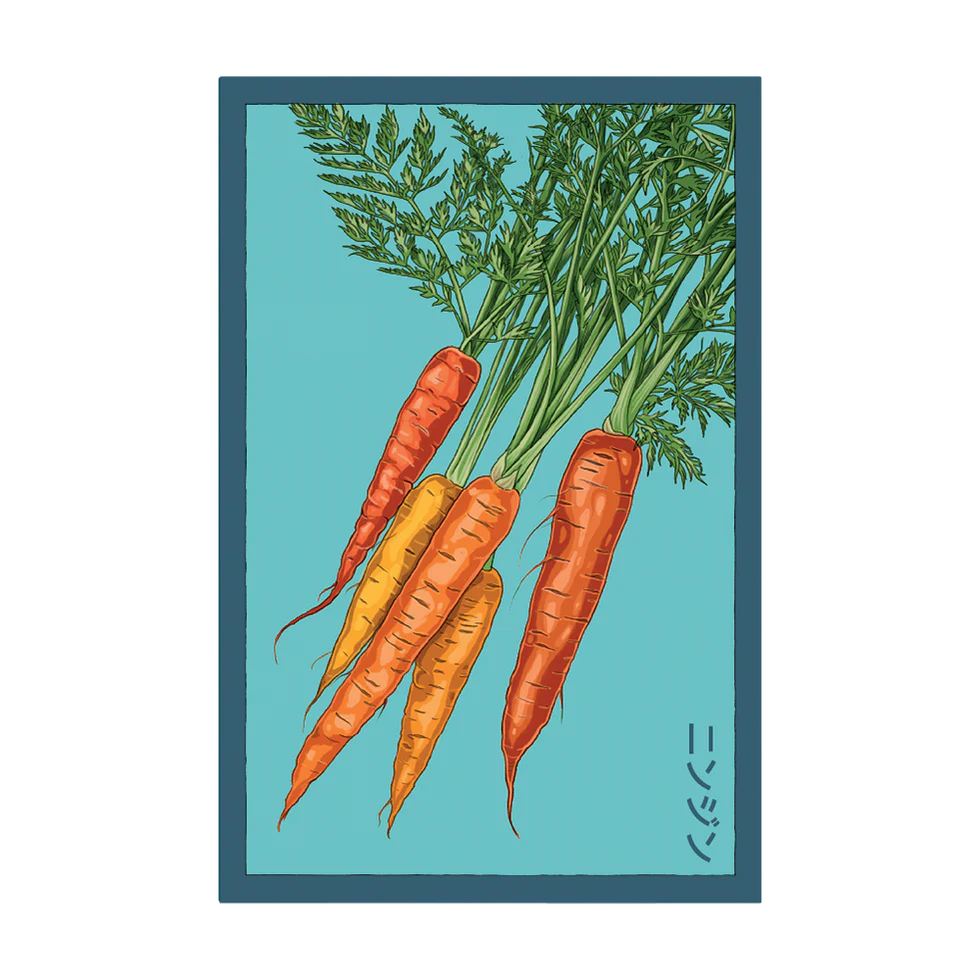
  • Grows well with carrots, onions, garlic, and herbs.
  • Avoid planting with cabbage and other brassicas, as they compete for nutrients.
Growth Requirements

Light:

  • Prefers full sun to partial shade.
  • Requires at least 6 hours of sunlight daily.

Soil:

  • Prefers well-draining, fertile soil with a pH of 6.0-7.0.
  • Adding organic compost or aged manure improves soil quality.

Watering:

  • Keep soil evenly moist but not waterlogged.
  • Water deeply once or twice a week, depending on weather conditions.

Temperature & Climate:

  • Ideal growing temperature: 50-75°F (10-24°C).
  • Can tolerate light frost, which enhances its flavour.
  • Hot temperatures may cause bolting, leading to a bitter taste.

Fertilization:

  • Use a balanced fertilizer (10-10-10) or organic compost.
  • Apply a nitrogen-rich fertilizer every 3-4 weeks to encourage leafy growth.
Maintenance

Mulching:

  • Apply a thin layer of mulch to retain moisture and suppress weeds.

Pruning & Harvesting:

  • Cut outer leaves first to allow continuous growth.
  • Harvest radicchio 60-90 days after planting, when heads are firm.

Bolting Prevention:

  • Avoid high temperatures to prevent premature flowering.
  • Water consistently and provide shade during hot periods.

Refrigeration:

  • Store fresh radicchio wrapped in a damp paper towel in a plastic bag for up to a week.

Freezing:

  • Blanch radicchio leaves and freeze in airtight containers for up to 6 months.

Drying:

  • Dehydrate radicchio leaves at 95°F (35°C) and store in airtight jars.
Pests and Diseases

Common Pests:

  • Aphids: Rinse with water or use insecticidal soap.
  • Slugs and snails: Use barriers like crushed eggshells or diatomaceous earth.
  • Leaf miners: Remove affected leaves to prevent spreading.

Common Diseases:

  • Downy mildew: Improve airflow and avoid excessive watering.
  • Root rot: Ensure well-draining soil and avoid overwatering.
  • Fusarium wilt: Rotate crops yearly to prevent soilborne pathogens.

A Milder Chicory Cousin

For a less assertive relative in the same chicory family, Romaine Lettuce grows under similar conditions with a much gentler flavour.


Pretty Pots for Pretty Plants

Your plants work hard to look good—shouldn’t their pots do the same? Choose from our gorgeous flower pots and let your greenery thrive in style. Because plain plastic is just rude.