Rainbow Chard Vegetable Seeds Packet

$4.95

5 reviews

FREE SHIPPING on seeds when you order 5 packs or more

Rainbow Chard seeds for the kitchen garden that intends to actually produce rainbow chard this year. Rainbow Chard is the only vegetable that works equally well in the kitchen garden and the flower border, and knows it.

Rainbow Chard is ornamental and edible in equal measure -- colourful stems that improve both the garden and the plate. Each packet is hermetically vacuum-sealed -- removing the oxygen that causes standard paper seed packets to lose germination viability within approximately one year. State law requires a 3-year viability label on sealed packaging. NASA research on hermetic seed storage indicates viability of up to 10 years under proper conditions. Every packet is non-GMO and germination-tested at independent third-party labs before it earns its Japanese woodblock print artwork.

Quick Seed Overview
  • Plant Type: Biennial
  • Genus: Beta
  • Species: Vulgaris
  • Plant Height/Width: 1–2 ft tall x 1–2 ft wide
  • Exposure: Full Sun to Part Shade
  • Difficulty: Easy
Satisfaction Guarantee

We stand by the quality of our flower seed packets! With high germination rates and vibrant blooms, your garden is sure to flourish. If you're not completely satisfied, we’ll replace or refund—guaranteed!

Why Shido Seeds Are the Best

Our flower and vegetable seeds are beautifully packaged little packets of magic. Guaranteed to turn your garden into the envy of the neighborhood. Get your hands dirty and let nature simply do its thing.

How to Plant Rainbow Chard from Seed

PlantCare

When to Plant Seeds

Rainbow chard grows best in cool weather, so plant in early spring for a summer harvest or late summer for a fall crop.

Seed Preparation

Choose well-draining, nutrient-rich soil enriched with compost. Seeds typically sprout in 7-14 days.

PlantCare water

Sowing Seeds

Sow seeds 1/2 inch (12 mm) deep, spacing them 2 inches apart in rows 12-18 inches (30-45 cm) apart.

Transplanting Seedlings

Once seedlings reach 3-4 inches (7-10 cm) tall, thin them to 6-12 inches (15-30 cm) apart to allow room for proper growth. Harden off seedlings before transplanting by gradually exposing them to outdoor conditions over a week.

Pro Tip

Rainbow chard is a cut-and-come-again crop, so harvest outer leaves regularly to keep it producing for months! It thrives in rich, well-draining soil—add compost for extra nutrients.

Bonus: Chard can handle light frost, but for sweeter leaves, give it some shade in hot weather.

Companion Plants

Getting to know your Rainbow Chard

Rainbow chard features broad, crinkled leaves paired with strikingly colourful stems that run through shades of red, yellow, orange, and white, all growing from the same packet of mixed seed. It thrives across a genuinely wide range of climates, tolerating both cooler conditions and a fair amount of heat better than many other leafy greens manage. The plant stays highly productive throughout the season, pushing out new leaves continuously as long as it's harvested correctly, taking outer leaves rather than cutting the whole plant down at once. Rainbow chard grows well as a cut-and-come-again crop, which means a single planting can realistically supply a household with fresh greens for months rather than one single harvest. The colourful stems aren't just visual flair either; they hold up well cooked alongside the leaves, adding a mild earthiness that complements the leaf's own gentle, slightly mineral flavour. Well-drained, fertile soil and consistent watering support that extended productivity, since a stressed plant tends to bolt toward seed production earlier than a well-tended one would. Few leafy greens offer this much visual variety alongside this much practical, ongoing harvest. That combination is really the whole appeal of growing a mixed chard blend over a single-colour variety.

What it's used for

1. Culinary Applications:

  • Sautéed quickly as a simple side dish, similar to spinach
  • Added to soups, stews, and braises for body and colour
  • Stems cooked separately from the leaves, since they take longer, or pickled on their own
  • Used in gratins, quiches, and savoury tarts
  • Young, small leaves eaten raw in salads

2. Nutritional Benefits:

  • Extremely high in vitamin K, one of the most concentrated sources among common leafy greens
  • Good source of vitamin C and potassium
  • Contains magnesium and dietary fibre
  • Low in calories relative to how substantial it is in cooking

3. Garden and Ornamental Uses:

  • Genuinely ornamental — red, yellow, orange, pink, and white stems make this a striking addition to a mixed bed, not just a vegetable patch
  • Popular in edible landscaping specifically for this colourful stem display
  • Suits containers as well as garden beds
  • Provides visual interest for months given its long, heat-tolerant harvest window

4. Practical Benefits:

  • True cut-and-come-again crop, harvested continuously rather than all at once
  • More heat-tolerant than spinach or lettuce, extending usable harvest further into summer
  • Both leaves and stems are used, reducing what goes to waste from a single planting
  • Well suited to small, frequent harvests rather than needing to process a large crop all at once
Growth Requirements

Light:

  • Grows best in full sun but tolerates partial shade.

Soil:

  • Prefers well-draining, loamy soil with a pH of 6.0-7.0.

Watering:

  • Keep the soil evenly moist but avoid overwatering to prevent root rot.

Sunlight:

  • Thrives in full sun but can tolerate partial shade.

Fertilization:

  • Apply a balanced fertilizer or compost to encourage leafy growth.

Temperature:

  • Rainbow chard grows well in temperatures between 50-80°F (10-27°C) and is frost-tolerant.
Maintenance

Harvesting:

  • Begin harvesting outer leaves when they reach about 8-10 inches (20-25 cm) tall.
  • Cut leaves at the base while leaving the central growing point intact to promote regrowth.
  • Continuous harvesting encourages more leaf production throughout the season.
Pests and Diseases
  • Aphids: Can be controlled with insecticidal soap or neem oil.
  • Leaf Miners: Remove affected leaves to prevent spreading.
  • Fungal Diseases: Ensure good air circulation and avoid overhead watering.

A Milder Leafy Alternative

For a gentler leafy green with similar growing needs, Spinach trades chard's colourful stems for a faster, more delicate leaf.


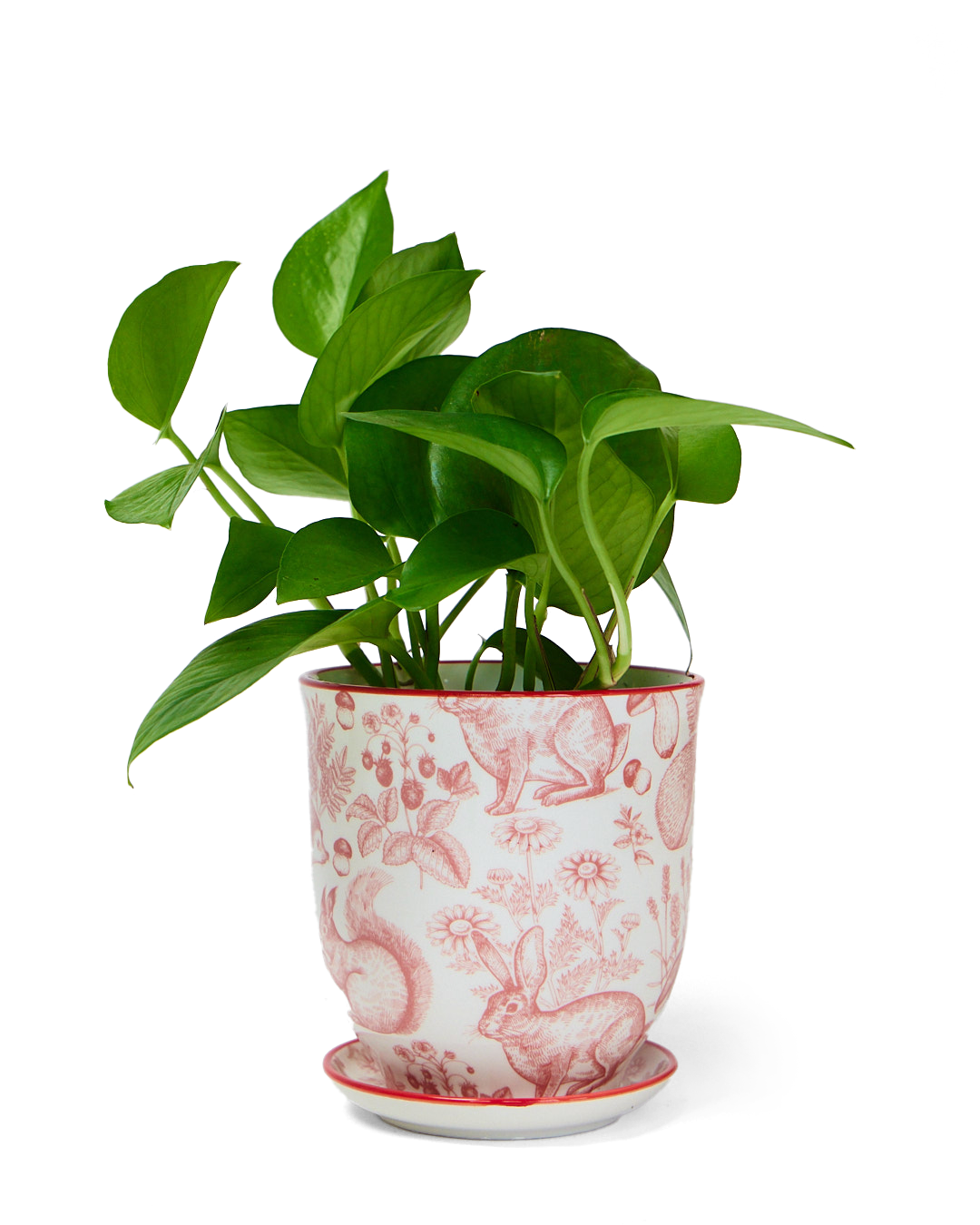
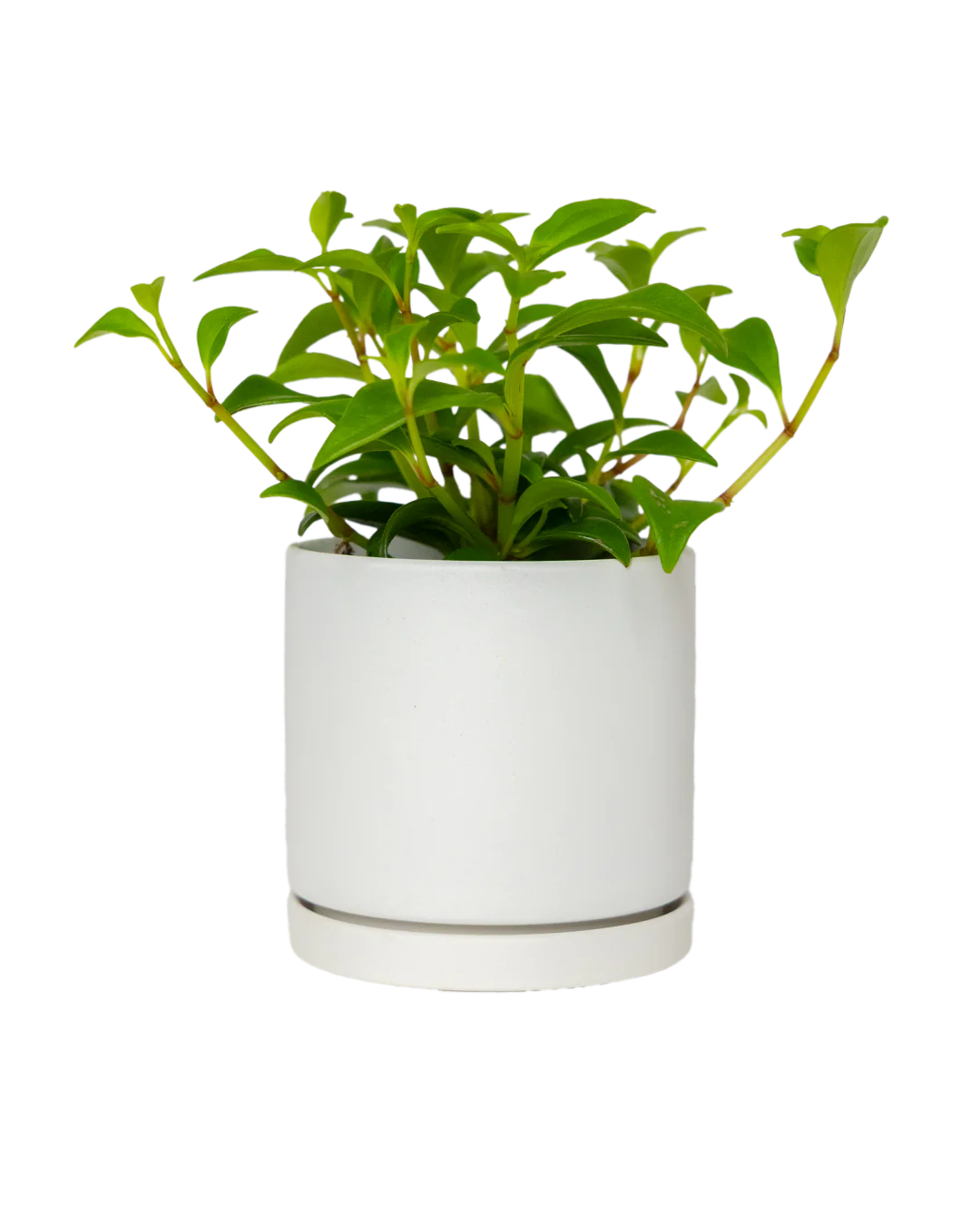
Pretty Pots for Pretty Plants

Your plants work hard to look good—shouldn’t their pots do the same? Choose from our gorgeous flower pots and let your greenery thrive in style. Because plain plastic is just rude.