




Test Tube Copper Glass Cutting Holder
Pickup available at A.N. Deringer c/o Chive Inc
Usually ready in 24 hours
Build the Arrangement That Looks Harder Than It Was
Pick a vase to anchor the shelf, then add the rest until it reads as curated instead of collected.
The Copper Tube is a copper propagation holder in name and colour only, and there is no copper in it anywhere. The finish is a warm metallic tone applied to the stand, chosen because it flatters root systems in a way that chrome does not, and calling it a copper tube vase is a description of what you see rather than what it is made of. We would rather say that plainly than let anybody assume otherwise. Two sizes scale honestly against each other: the large runs 3.75 inches across and 6.5 tall, the medium 2.8 by 4.5, keeping much the same proportion. Glass tubes lift free of the stand for rinsing. As a plant cutting holder it earns its keep in the weeks when a cutting is doing nothing visible, since watching roots travel downward is most of the reward. On a kitchen sill it works hardest.
Product Detail:
- Material: Glass
- Glaze finish: Translucent
- Year Designed: 2020
All glass vases in this collection are dishwasher safe for easy cleaning, with one exception: mercury glass vases should be hand-washed only. The silvered mercury finish is a delicate coating rather than a solid color, and dishwasher heat and detergent can dull or strip it over time.
For standard glass vases, just load it in with the rest of the dishes — no special care needed. For mercury glass pieces, wash gently with warm water and mild soap, and dry with a soft cloth rather than letting it air dry with water spots.
Rinse and dry after each use, especially if flower food or cut-stem residue was in the water, so nothing lingers and clouds the glass.
Quick Guide to Building a Floral Arrangement
- Pick your vase first
- Start with your anchor flower.
- Build in odd numbers.
- Add height, then fill.
- Greenery does the quiet work.
- Cut stems at an angle, underwater if you can.
- Step back before you decide it's done.
Shipping
- Standard: 5–8 business days, Express 2–3 business days (at checkout)
- Canada Wide Shipping: from coast to coast — rates at checkout
- Packaging Ships: in outer box to protect gift box
Returns
We accept returns within 30 days of delivery on unused hard good items in original packaging. If your piece arrives damaged, contact us within 7 days with a photo and we will replace it at no charge.
Delivery:
- Delivered by hand across Toronto and the GTA.
- Next business day; same-day when you call the shop.
- Local GTA delivery starts at $14
- Call for a quote outside of the GTA
Pickup: Order online by 3pm and collect it the same day at:
702 Queen St. W.,
Toronto, ON M6J 1E7
437-777-5021
We are open for in-store shopping
Mon to Thurs: 12pm - 7pm
Fri to Sun: 11am - 7pm

Is the copper real - The Copper Tube

A (Mostly) Simple Guide to Cutting Your Flowers
So, you’re making an arrangement? Let’s ensure it lives long enough to impress someone—even if it's just you.
- Scrub the Scissors: Wash your shears first. Your flowers do not want a side of Dorito dust.
- Cut at 45°: Snip stems at an angle. It gives them a straw instead of making them chug from the bottle.
- Trim Underwater (Fancy Mode): Cut them submerged to block air bubbles. It’s extra, but they didn’t ask to suffocate.
- Ditch Submerged Leaves: Strip anything below the waterline. Unless you are actively going for a swamp aesthetic.
- Snip Again if Stale: If they sat out on the counter, trim them again. They need a fresh start (don’t we all?).
- Swap the Water: Change it and trim the stems every few days so they don't die immediately.
Voilà! You are now a domestic deity. Go take your Instagram photo before you forget to water them.
Pro Tip: The light does half the work.
Glass catches and bends light in a way ceramic can't. Set the arrangement somewhere it'll get some late afternoon sun, even for an hour, and the water and stems start doing something a solid vase never will.
Perfect Pairs for Any Shelf
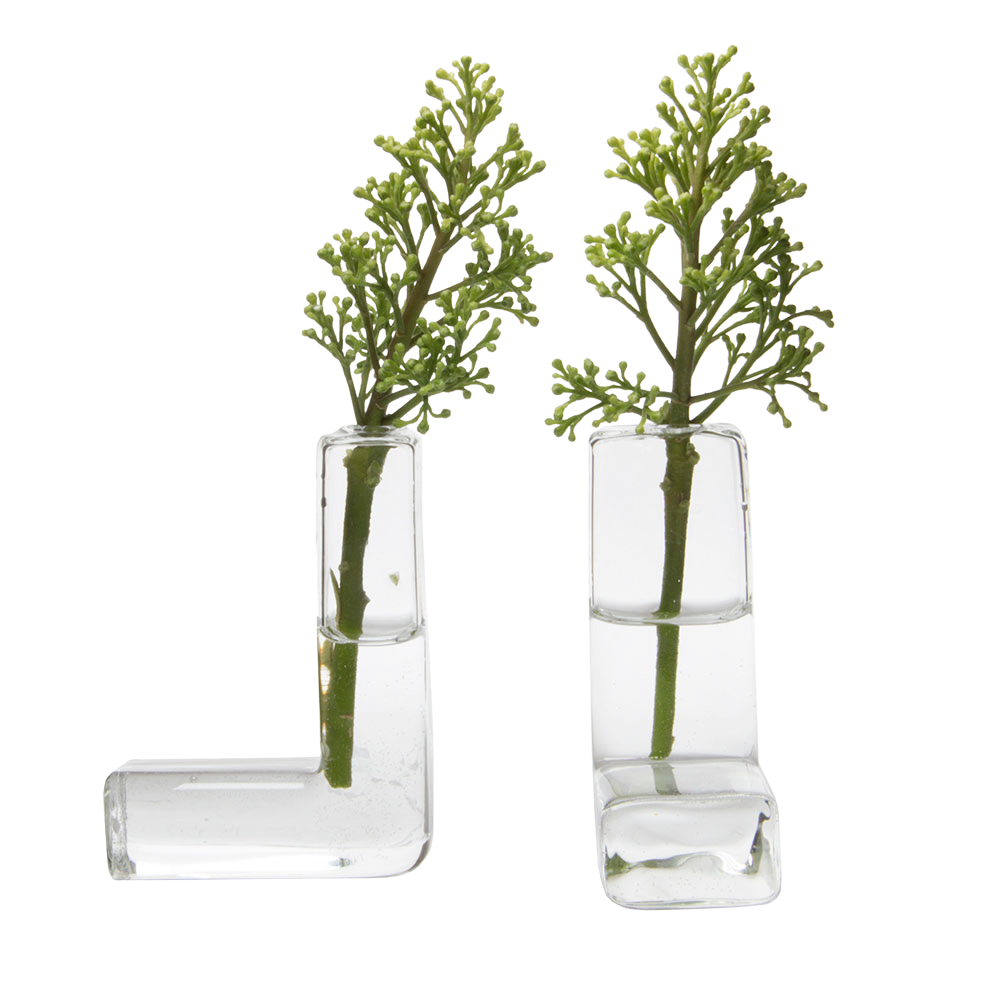
The Same Logic, Applied To A Right Angle
Built For The Root, Not The Bloom
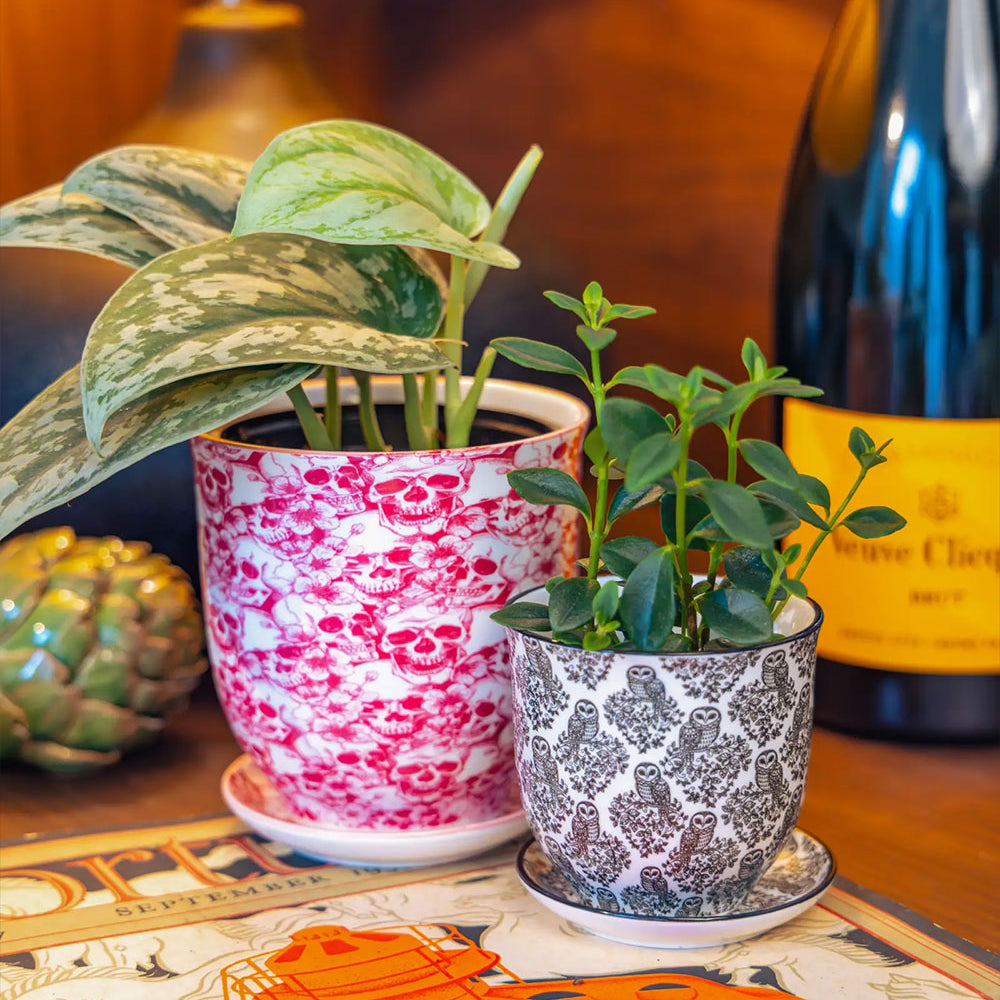
Consecutive, Not Complementary

Inside the Chive Design Studio
Low maintenance, high impact. Let's make home styling look easy.
Frequently asked questions
What should you look for when buying a copper propagation holder online?