




Zucchini Vegetable Seeds Packet
Pickup available at A.N. Deringer c/o Chive Inc
Usually ready in 24 hours
Build Your Garden With These Shido Seeds
Choose a seed packet as your starting point, then round out the bed with these for that thrown-together-but-somehow-perfect harvest.
Zucchini seeds for the kitchen garden that intends to actually produce zucchini this year. Zucchini produces with such enthusiasm that it will eventually test the patience of friends and neighbours.
Zucchini is the famously productive summer squash that rewards consistent harvesting with more zucchini than anyone planned for. Each packet is hermetically vacuum-sealed -- removing the oxygen that causes standard paper seed packets to lose germination viability within approximately one year. State law requires a 3-year viability label on sealed packaging. NASA research on hermetic seed storage indicates viability of up to 10 years under proper conditions. Every packet is non-GMO and germination-tested at independent third-party labs before it earns its Japanese woodblock print artwork.
- Material: Seed
- Botanical name: Cucurbita pepo var. cylindrica
- Genus: Cucurbita
- Plant family: Cucurbitaceae
- Species: Pepo
- Plant type: Annual
- Pollination type: Vegetable
- USDA Hardiness Zones: 3-11
- Packet contents: ≈ 10 Seeds
- Packaging: Hermetically vacuum-sealed
- Non-GMO: Yes
- Seed viability: Up to 10 years (sealed) / 4–5 years (unsealed, ideal conditions)
- Difficulty: Easy - Beginner Friendly
Quick Sowing Guide:
- When to sow: Direct sow after last frost
- Sowing depth: 1 in
- Initial spacing: 36-48 in
- Row spacing: 36-48 in
- Days to germination: 6-10 days
- Light: Full sun
- Water: Consistent moisture, avoid wetting leaves
- Soil: Loamy, and well-drained
- Harvest: 50-70 days
Why Vacuum-Sealed Seeds Last Longer
Standard paper seed packets are permeable to oxygen and moisture -- the two primary causes of seed degradation. Most paper-packaged seeds begin losing germination viability after approximately one year, contributing to significant garden-industry waste: packets purchased, not planted, expired, discarded. Shido Seeds are hermetically vacuum-sealed. The packet does not expire quietly in a drawer. It waits.
About the Packaging
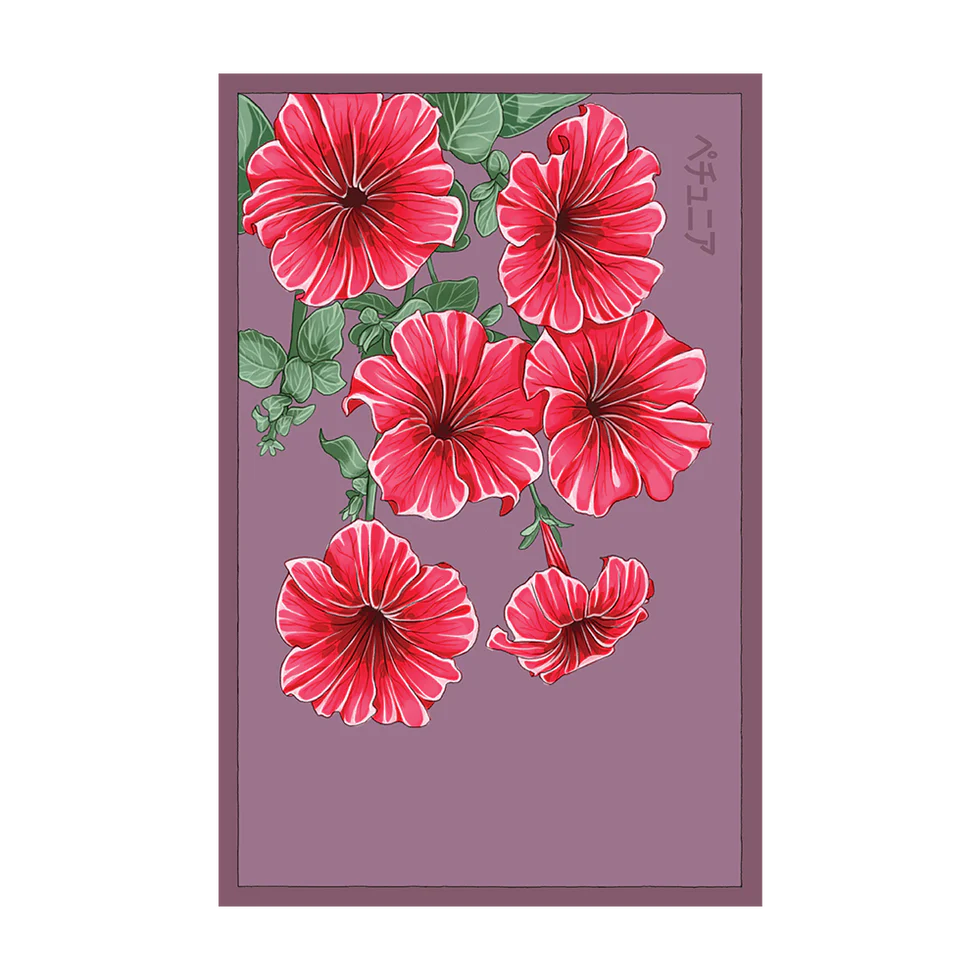
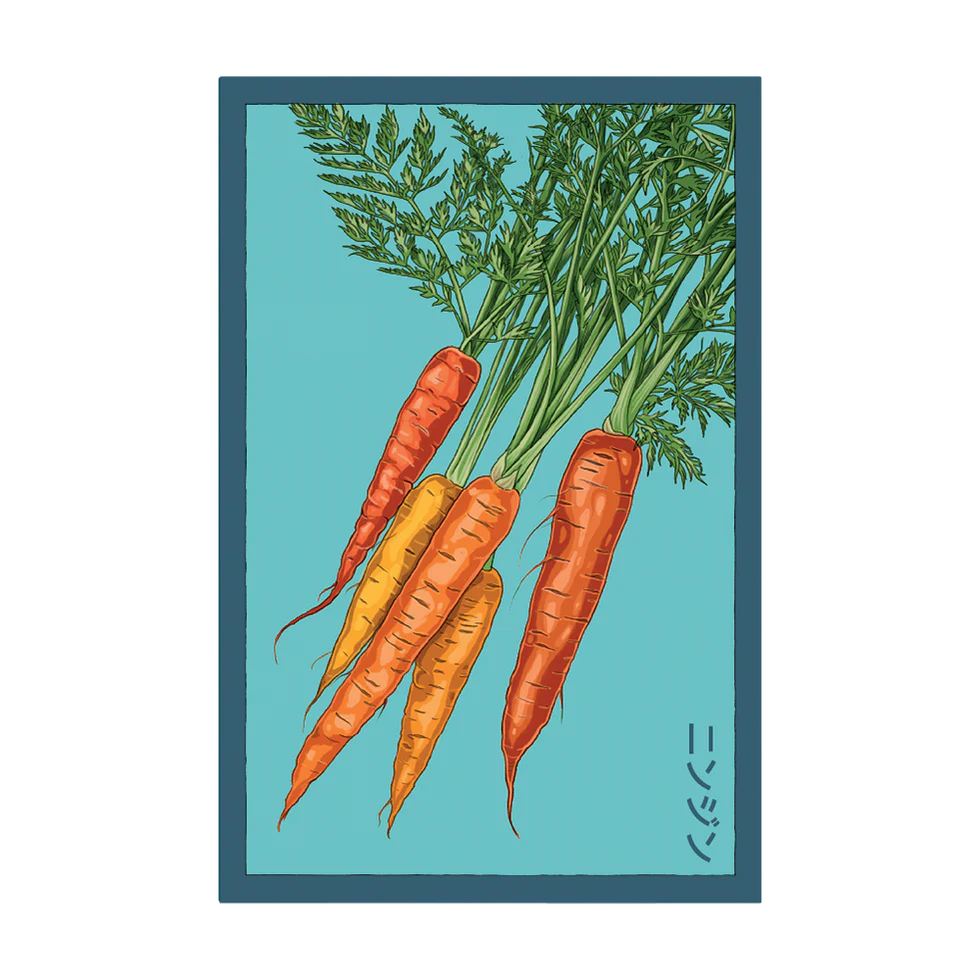
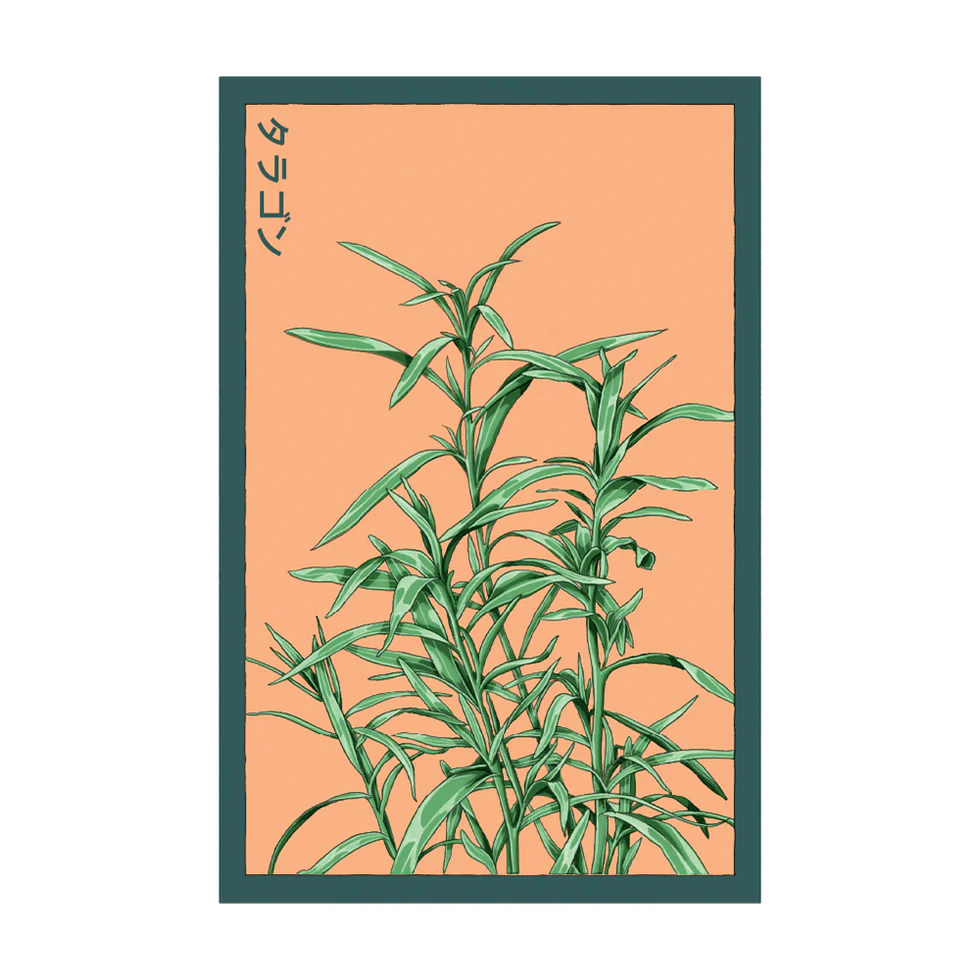
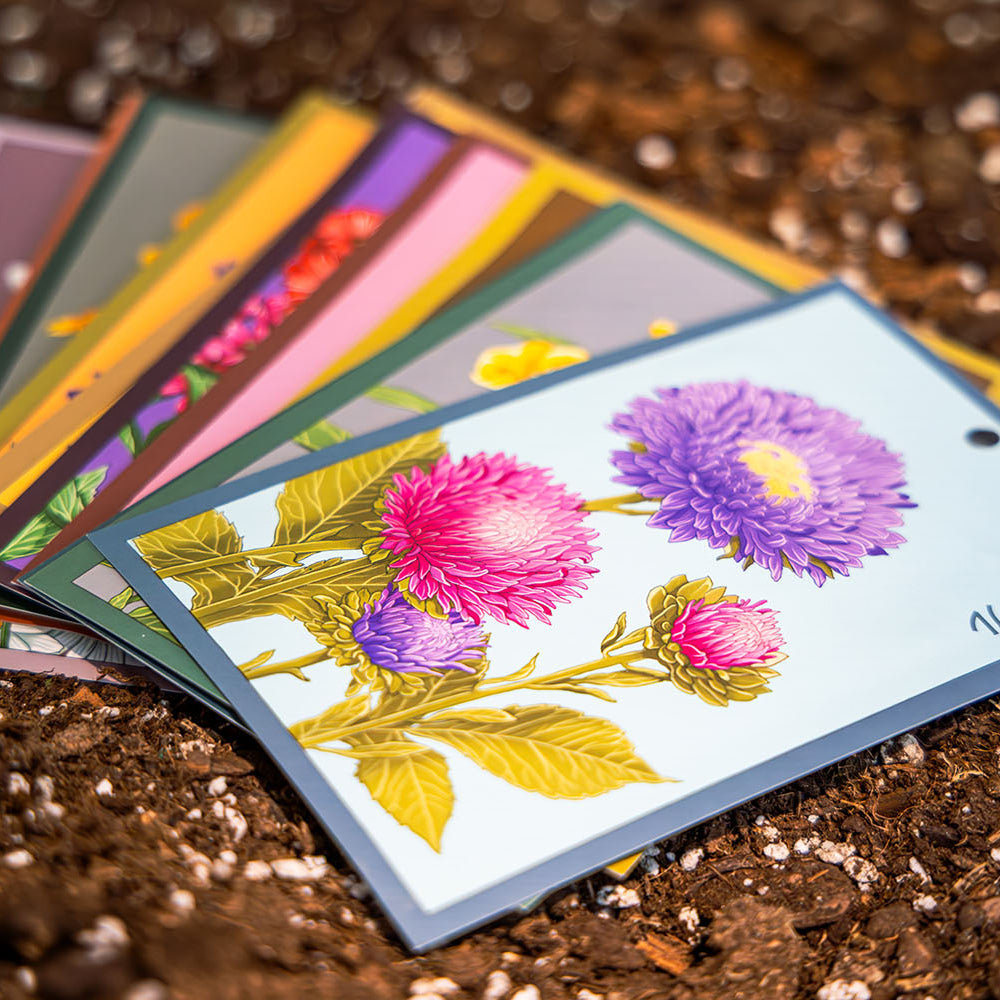
Every Shido seed packet is illustrated in the style of Japanese 1910s woodblock printing -- designed and drawn in-house by Chive, that has been exhibiting at the Chelsea Flower Show in London every year and does not, as a matter of principle, sell to big-box retailers. Customers collect the packets as a series. This was not the original plan.
Shipping
- Standard: 5–8 business days, Express 2–3 business days (at checkout)
- Canada Wide Shipping: from coast to coast — rates at checkout
- Packaging Ships: in outer box to protect gift box
Returns
We accept returns within 30 days of delivery on unused hard good items in original packaging. If your piece arrives damaged, contact us within 7 days with a photo and we will replace it at no charge.
Delivery:
- Delivered by hand across Toronto and the GTA.
- Next business day; same-day when you call the shop.
- Local GTA delivery starts at $14
- Call for a quote outside of the GTA
Pickup: Order online by 3pm and collect it the same day at:
702 Queen St. W.,
Toronto, ON M6J 1E7
437-777-5021
We are open for in-store shopping
Mon to Thurs: 12pm - 7pm
Fri to Sun: 11am - 7pm
We stand by the quality of our flower seed packets! Every Shido seed packet is lab-tested for germination before it ships. If your seeds do not perform to the stated germination rate under correct growing conditions, contact us and we will replace or refund. Guaranteed!
Horticultural Specifications

Botanical
Cucurbita pepo var. cylindrica

Plant Type
Annual

Light
Full sun

Water
Consistent moisture, avoid wetting leaves

Soil
Loamy, and well-drained

Depth
1 in

Germination
6-10 days

USDA Zone
3-11

Mature Height
24-36 in

Harvest
50-70 days

Getting to know your Zucchinis
History & origin

Getting Started
Before you start
Materials needed to sow
Materials for harvest and storage
Growth Requirements
Maintenance
Troubleshooting and common mistakes
Culinary uses & nutritional information
What it's used for
What parts are edible
Nutritional data
Companion plants, pests & diseases
Companion planting
Pests
Diseases
Pro Tip

What makes Shido Seeds different
Shido Seeds are designed by Chive Studio, a ceramic design company. We are not a seed conglomerate. We do not sell through big-box retailers. Each variety in the catalog was selected because it is worth growing — not because it ships well in bulk or photographs well in marketing materials.
Every packet is germination-tested at an independent third-party lab before it earns its woodblock illustration. The vacuum seal removes the oxygen that causes standard paper packets to degrade. The stated germination rate is a floor, not a marketing figure.
If something goes wrong, contact us. We will make it right.
Plants that Grow together look good together...even if they are ceramic
For When One Squash Isn't Enough

The Rest of the Vegetable Garden
One Harvest That Won't Overwhelm You

The credentials behind the packet
Plant Care, Simplified with Chive
Keep it alive, keep it thriving. Let's make plant parenthood look easy.
Frequently asked questions
What is the best way to grow zucchini from seed?
Why does zucchini produce so much fruit?
How often should you harvest zucchini?
Can zucchini plants be grown in containers?
Are zucchini flowers edible?
How long do zucchini seeds last?
Why do zucchini plants sometimes stop producing fruit?
Is this seed lab-tested for germination?