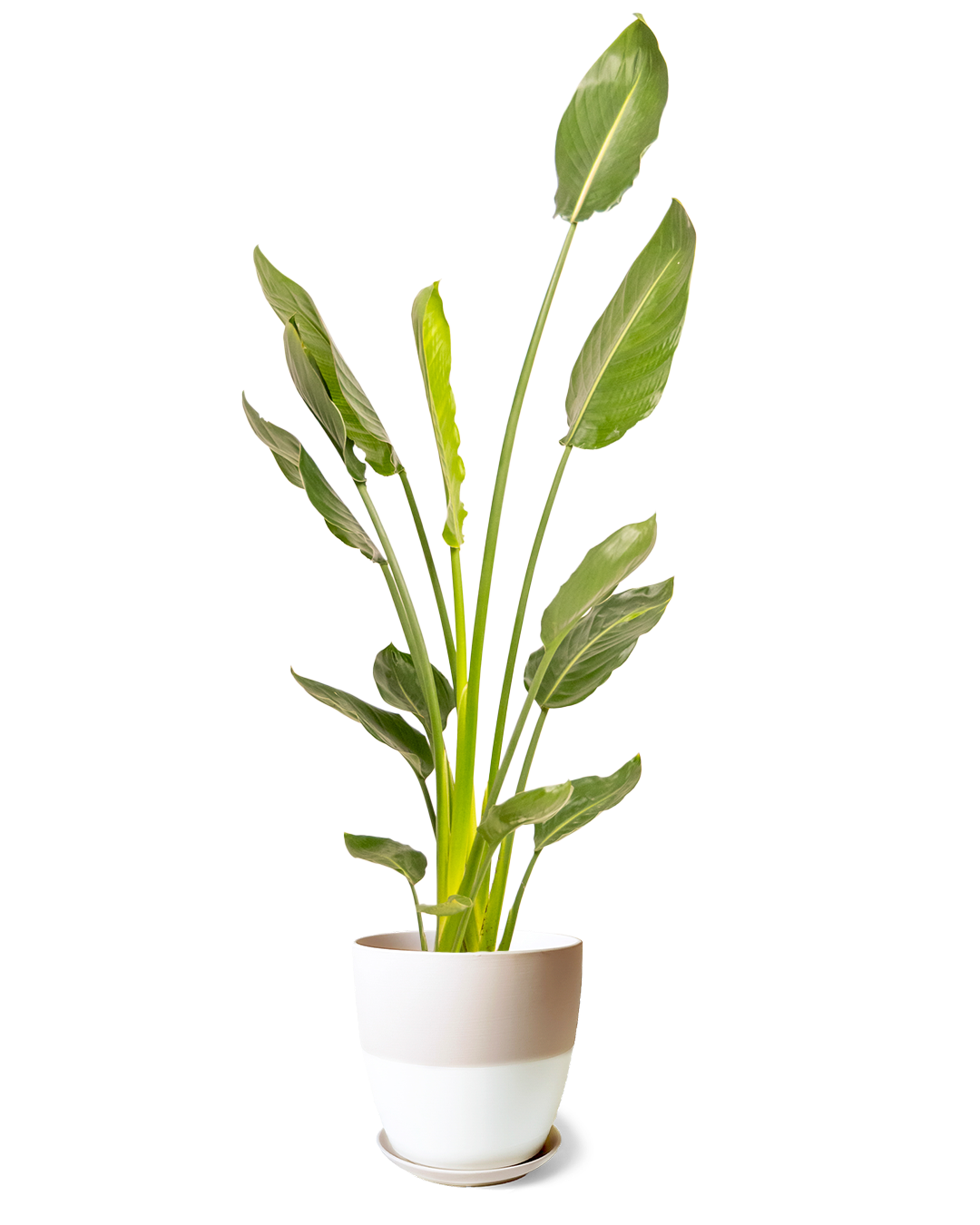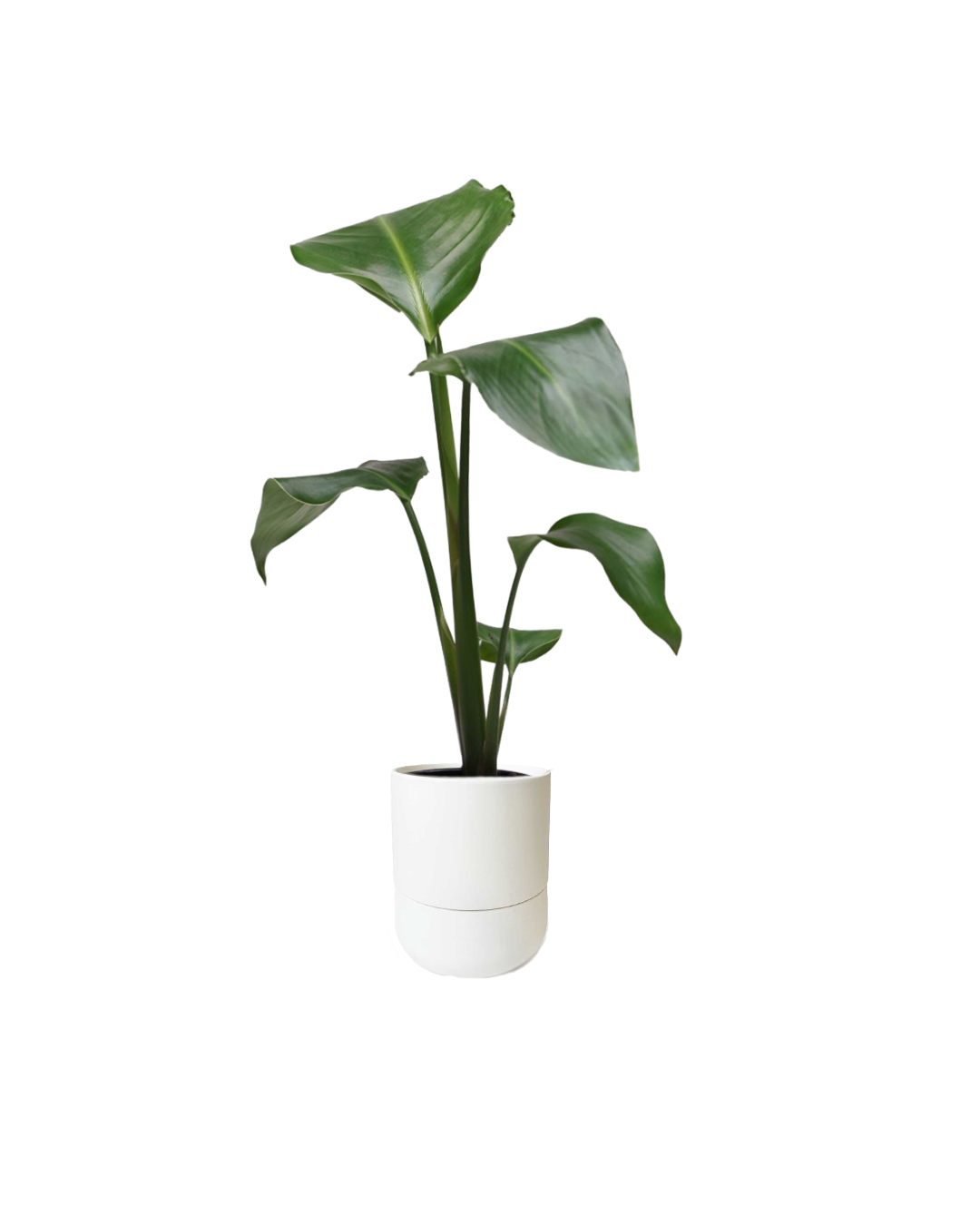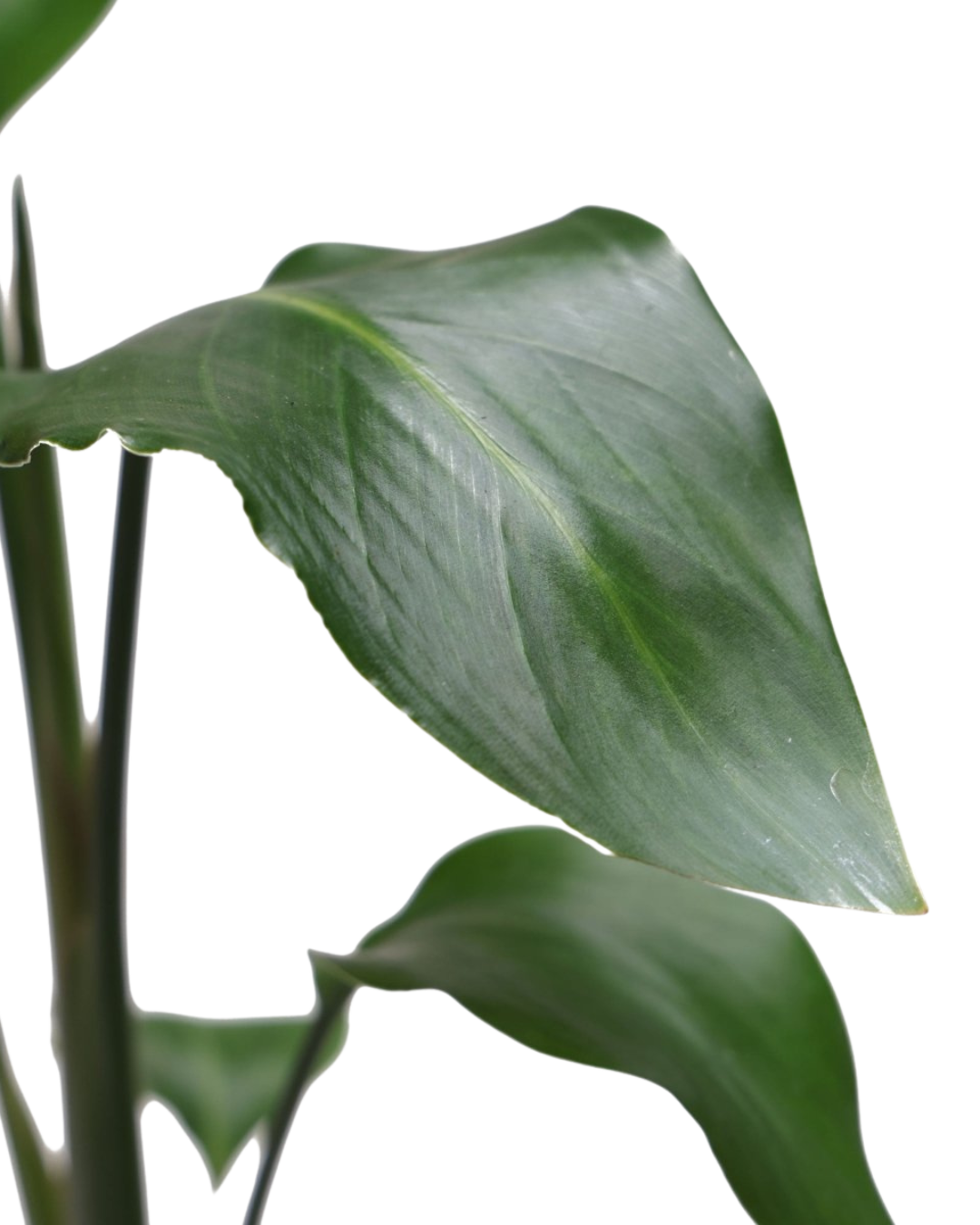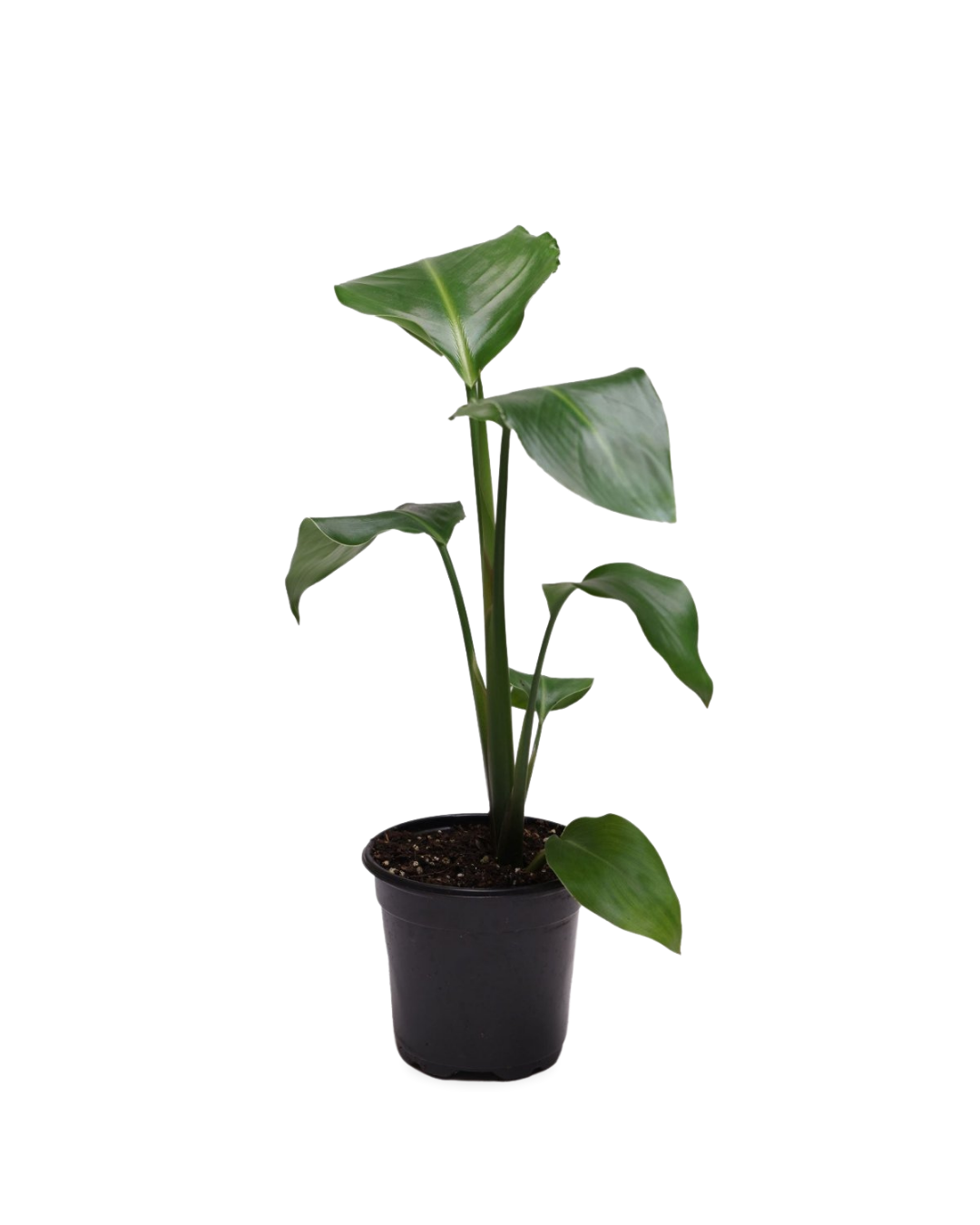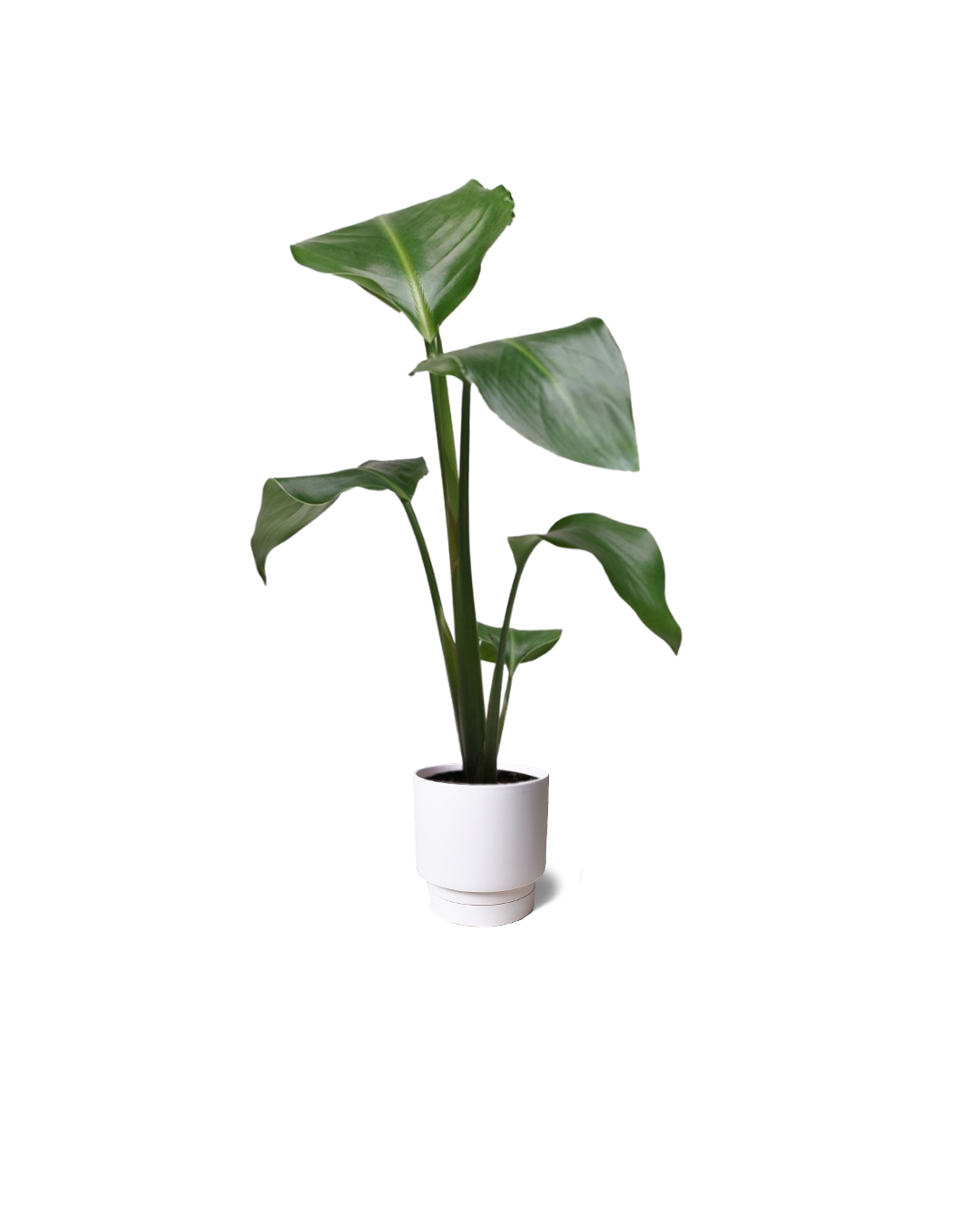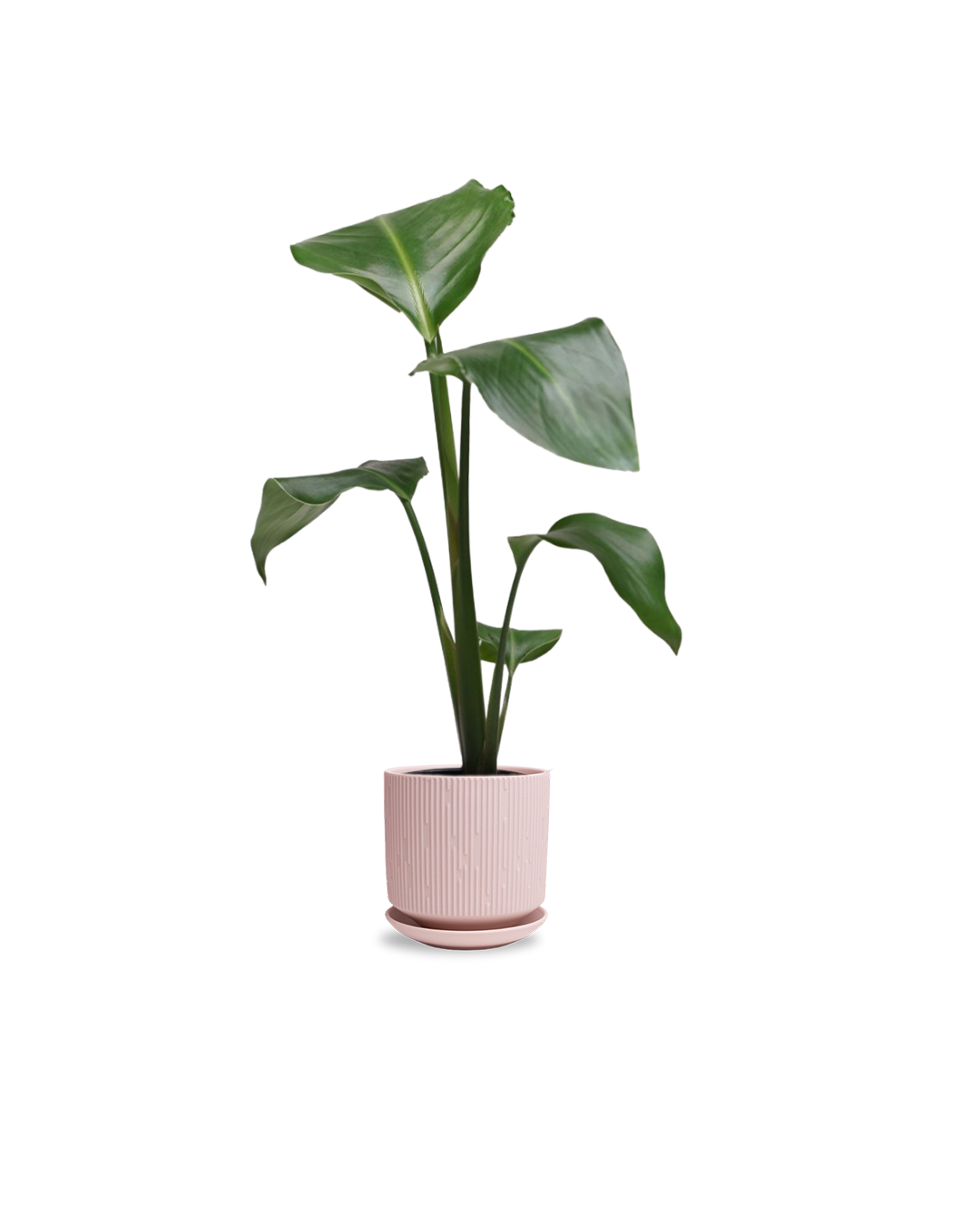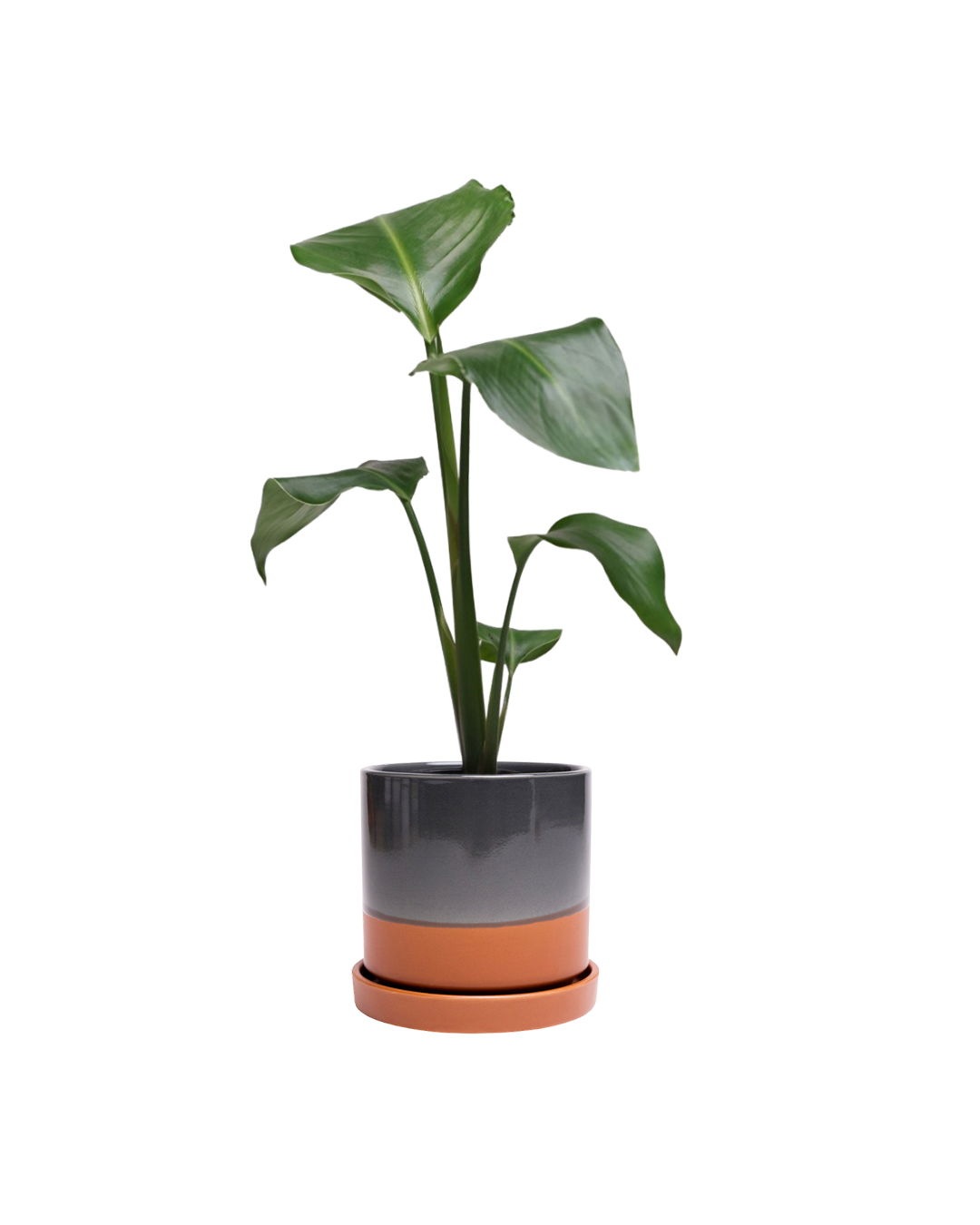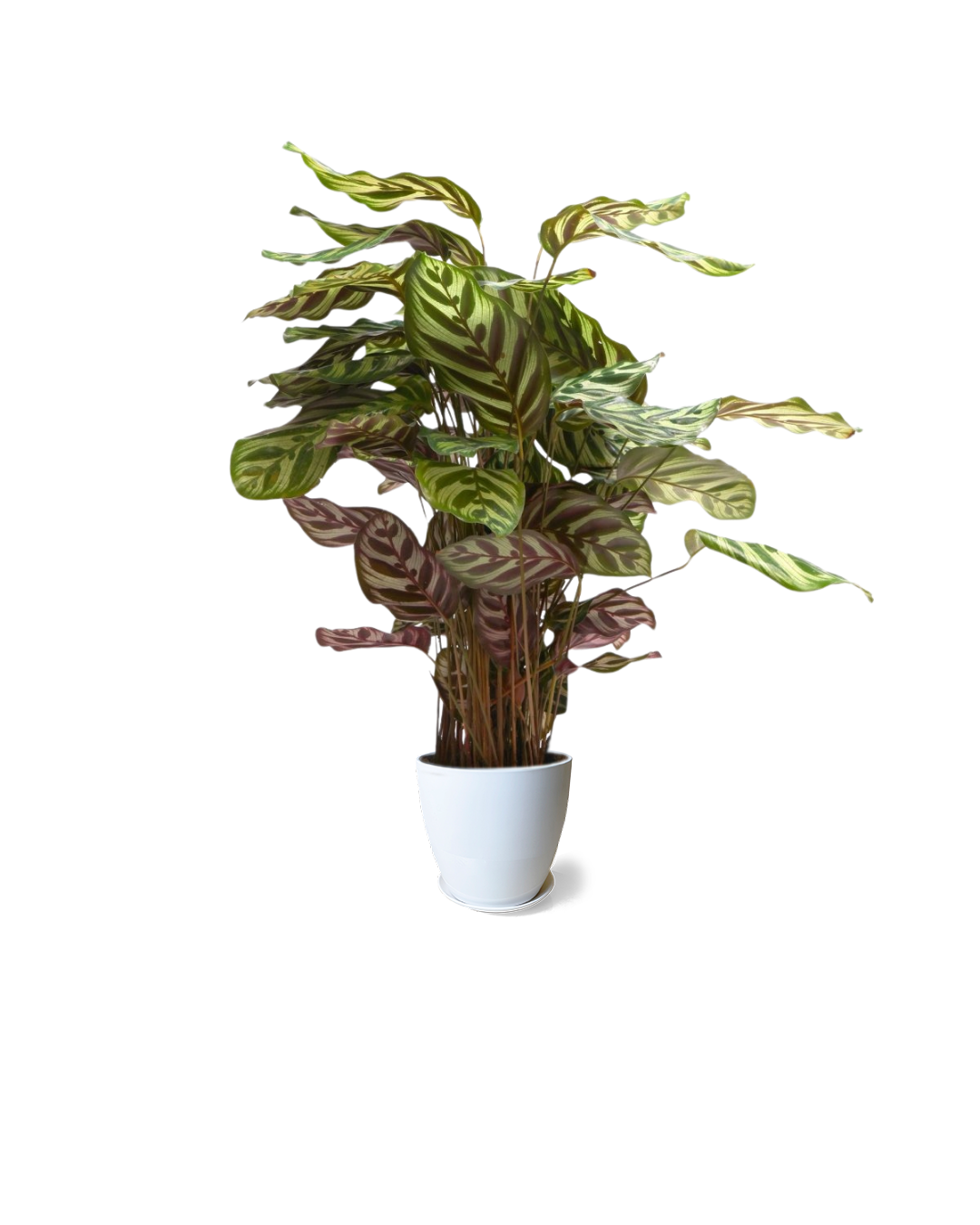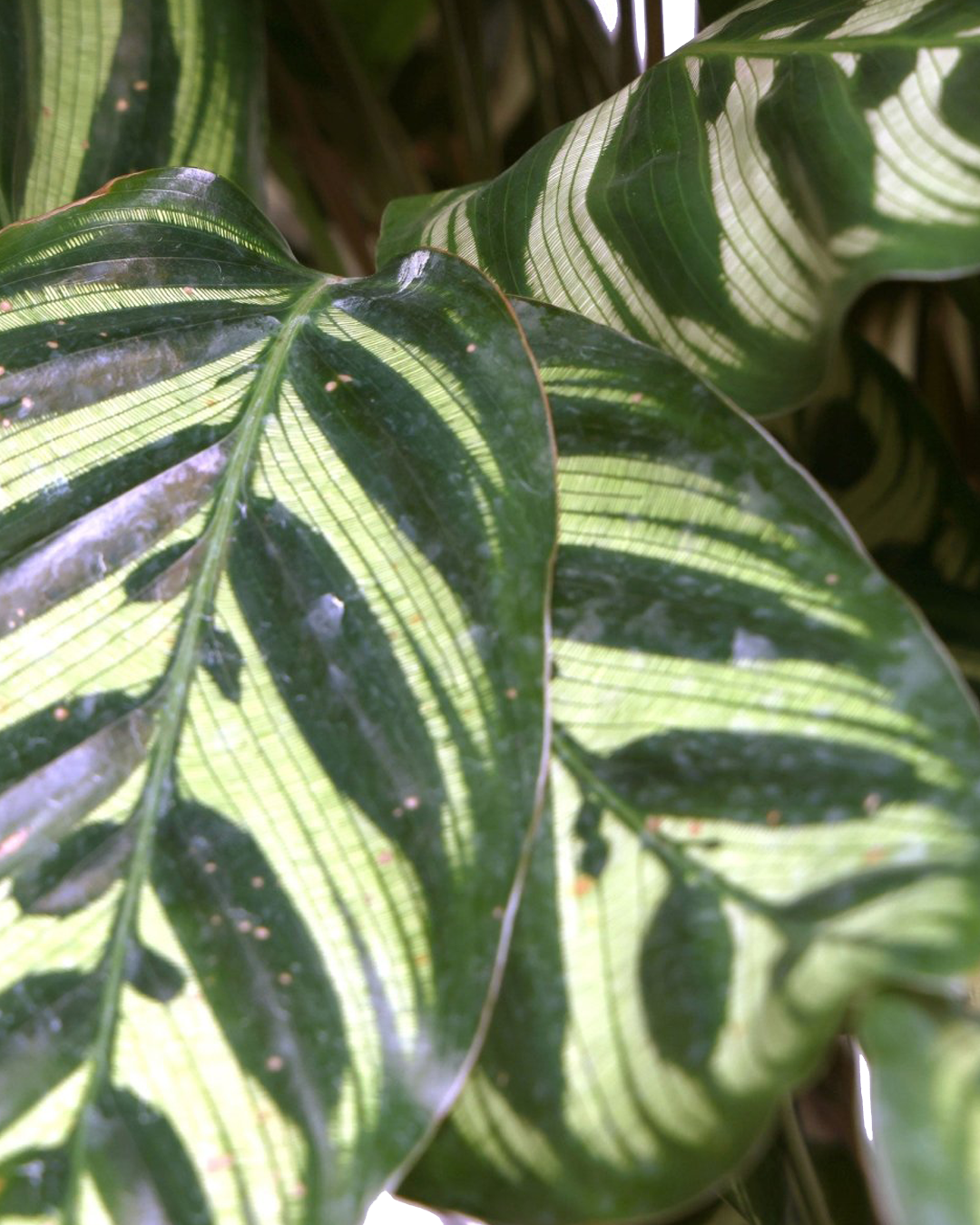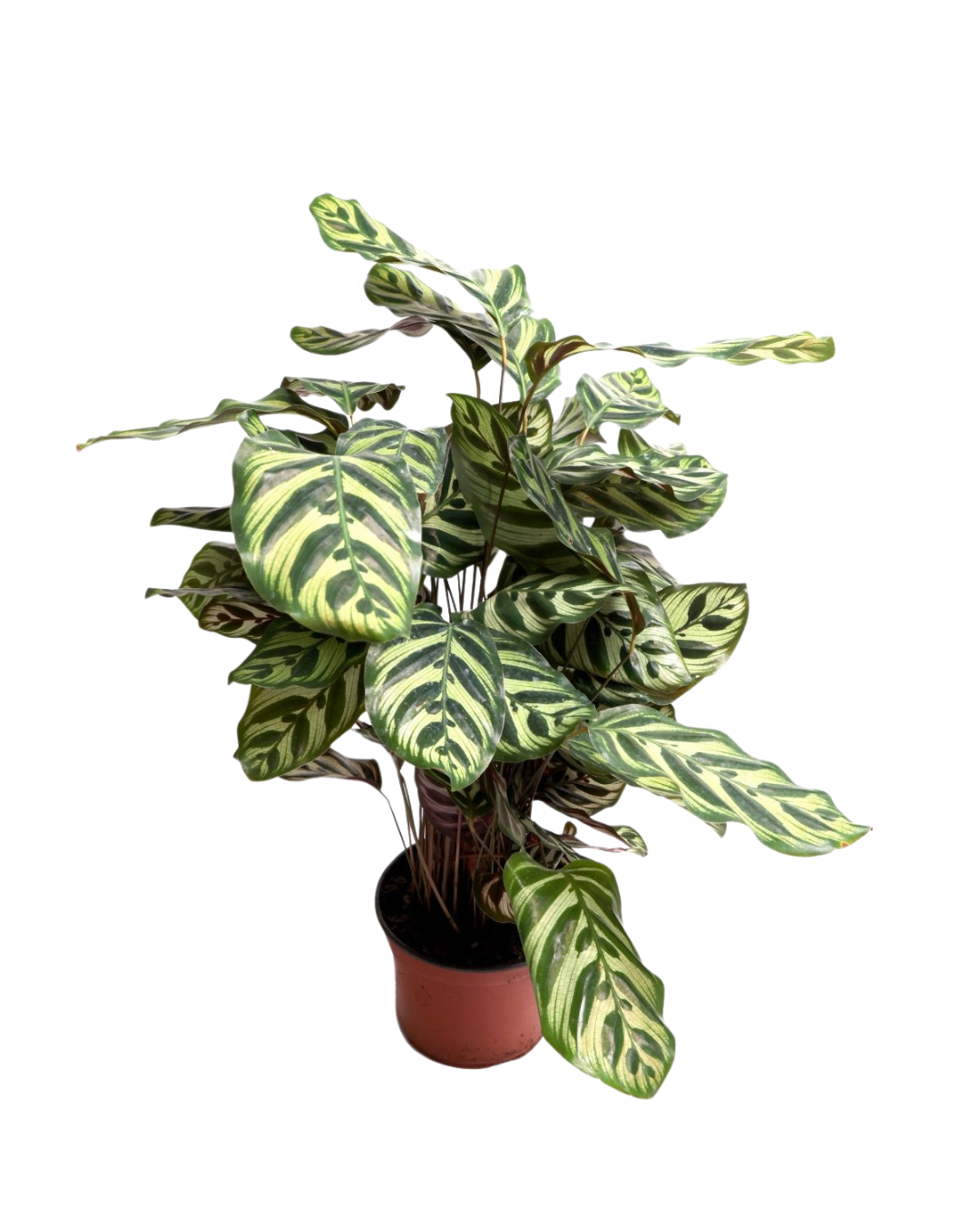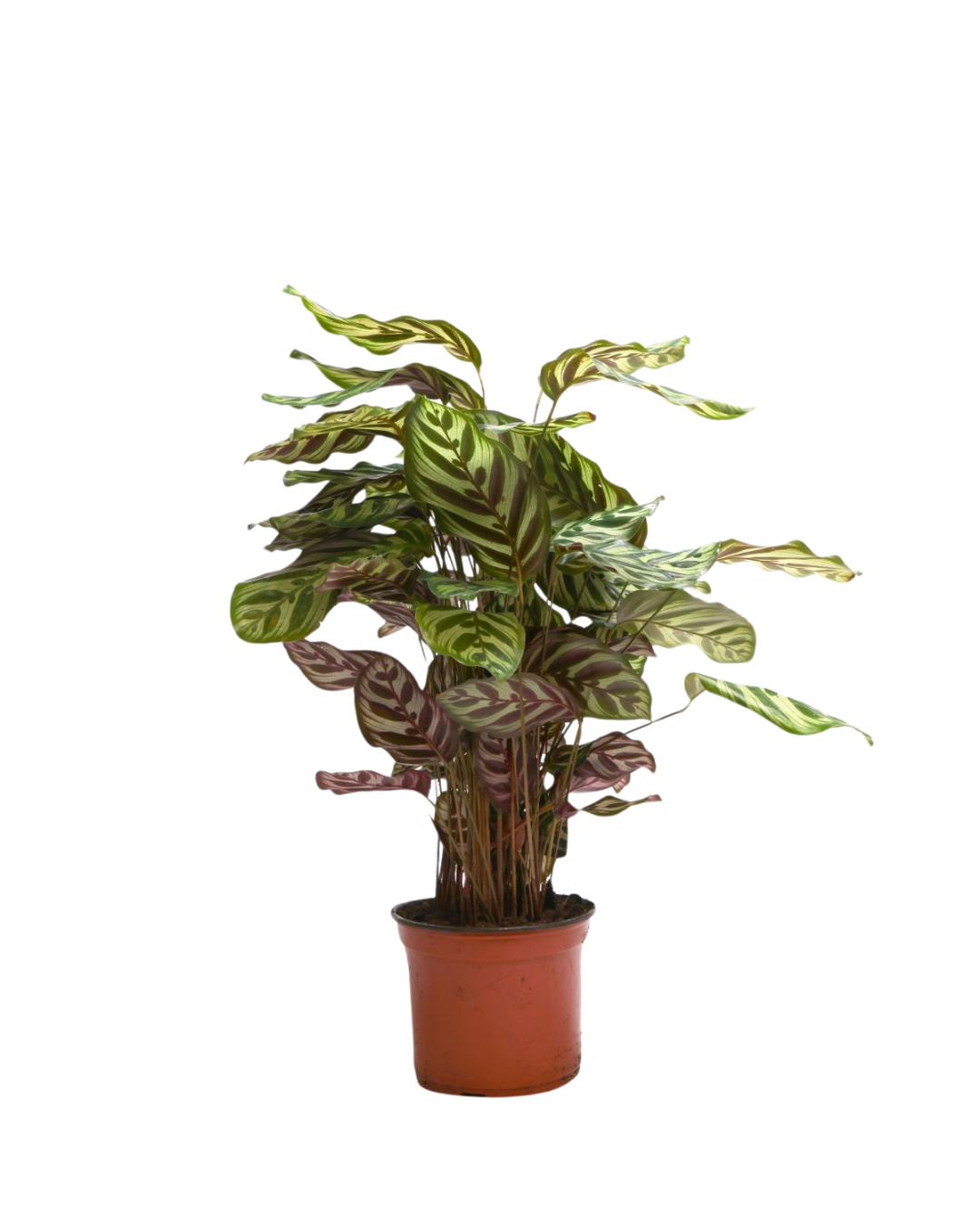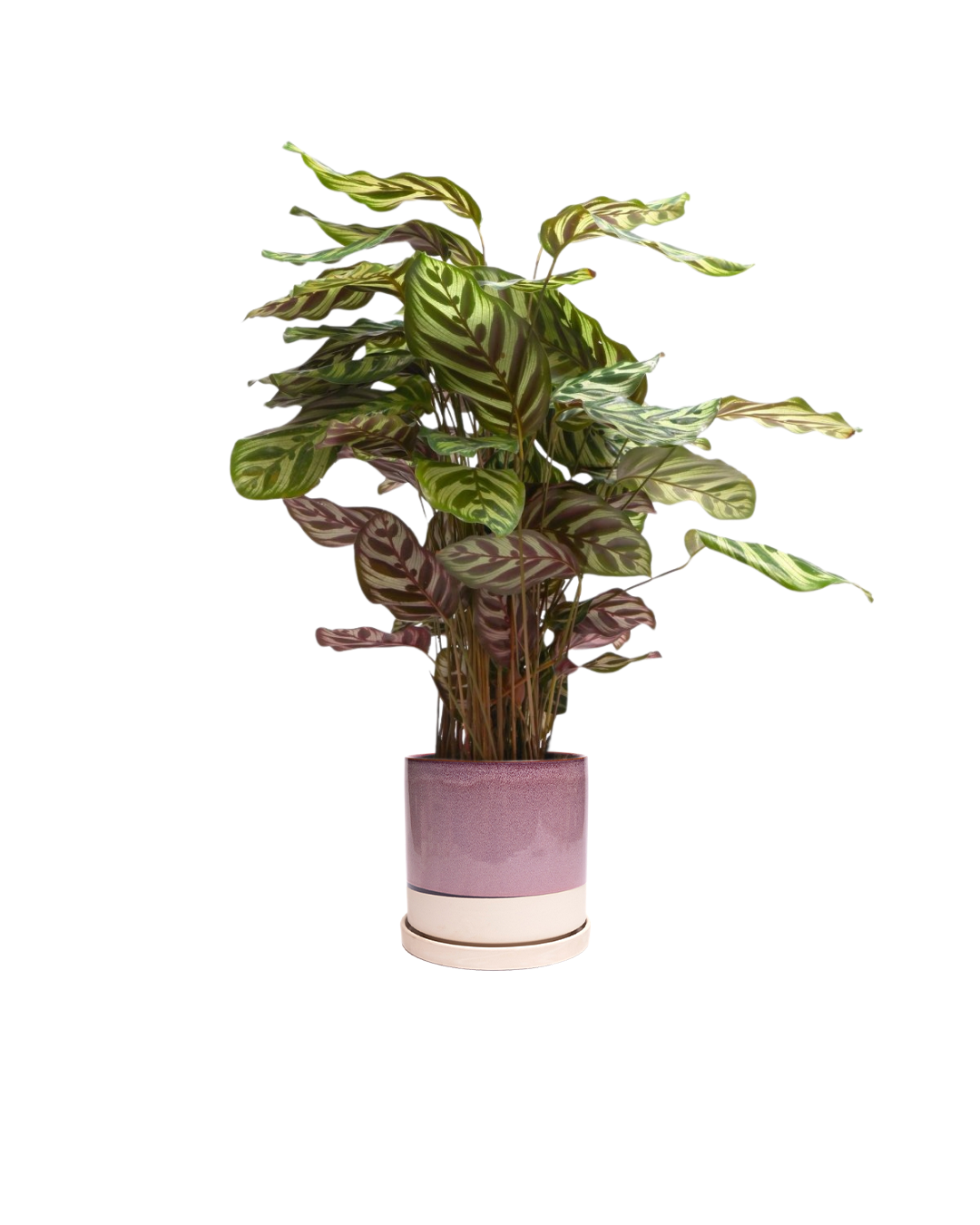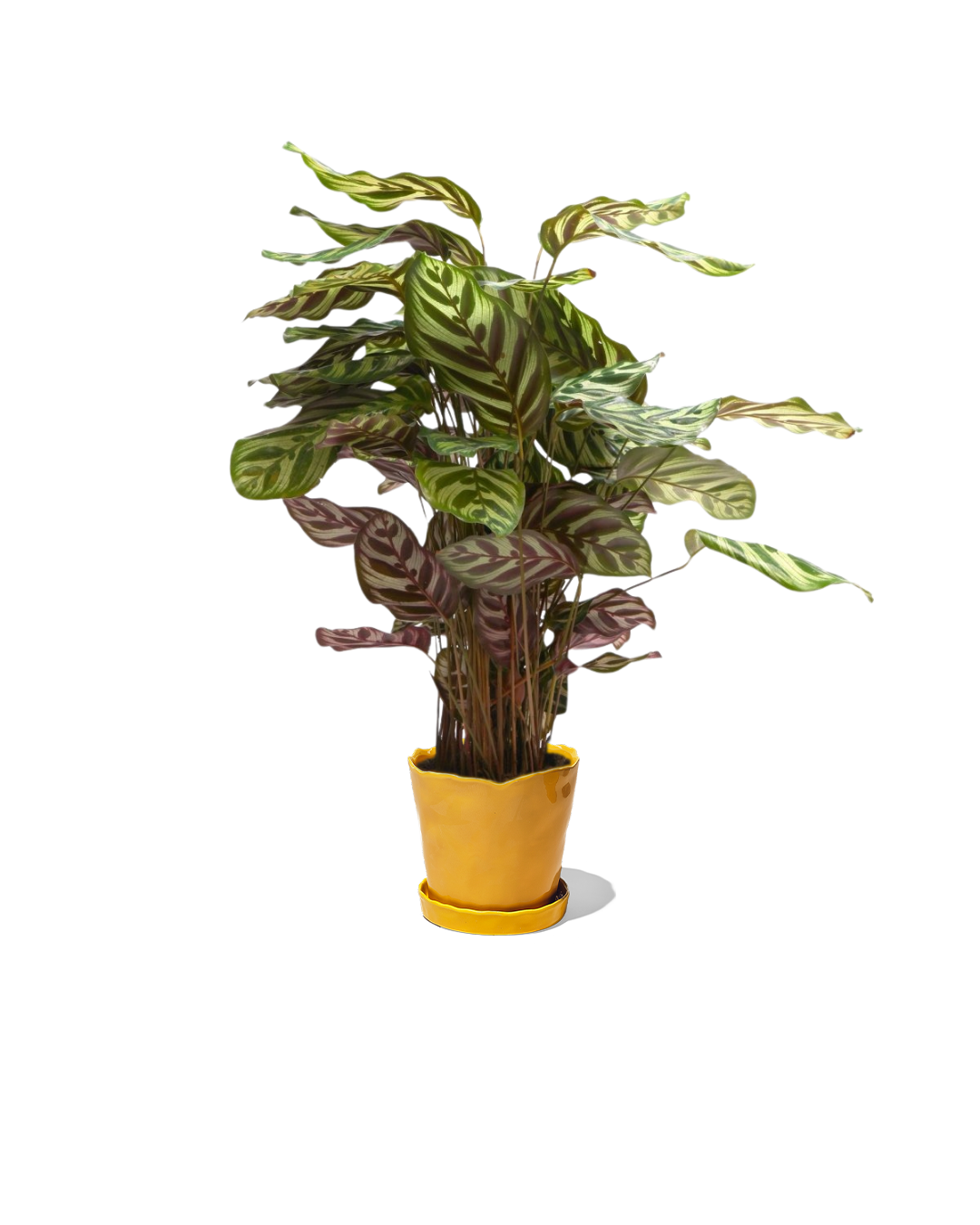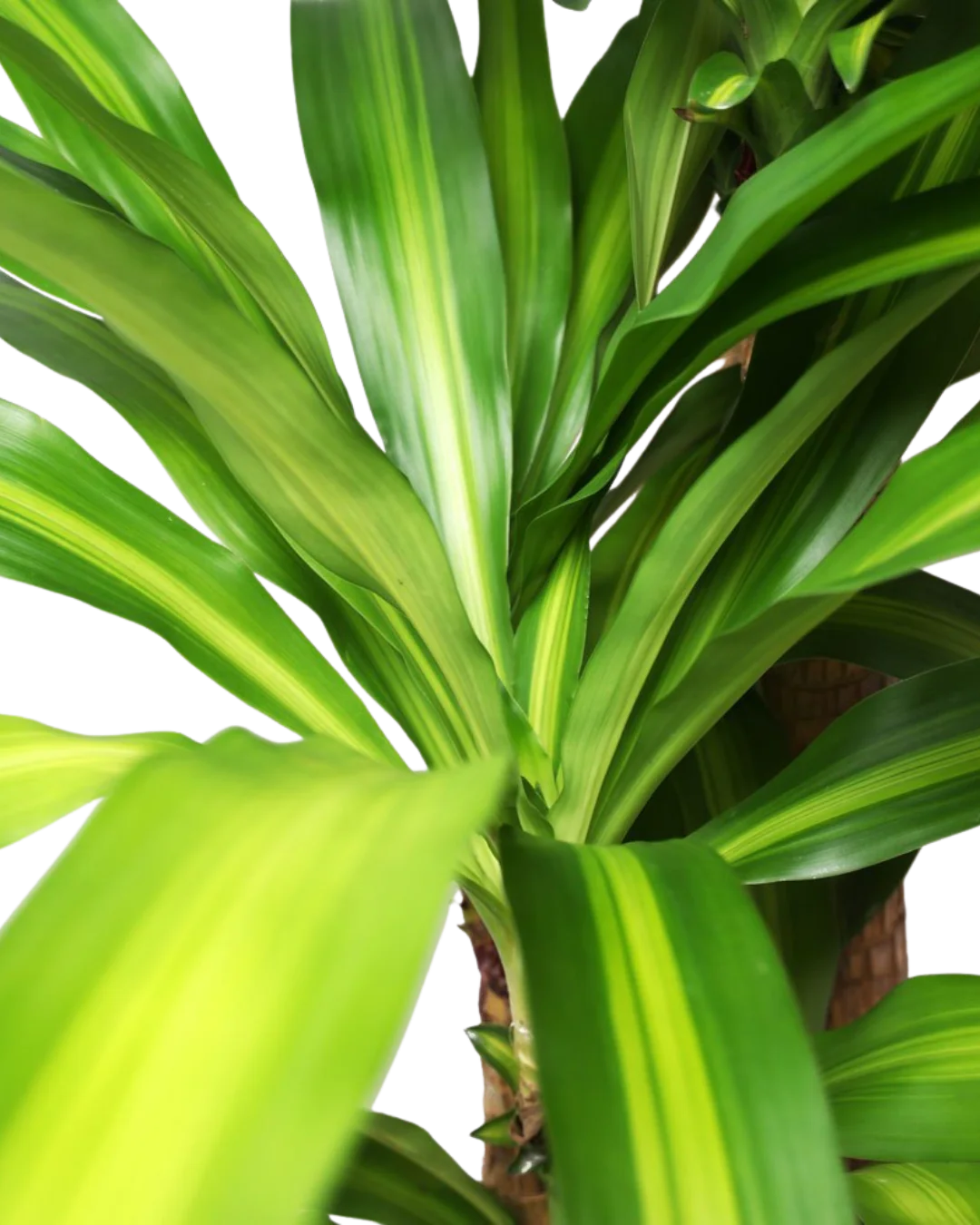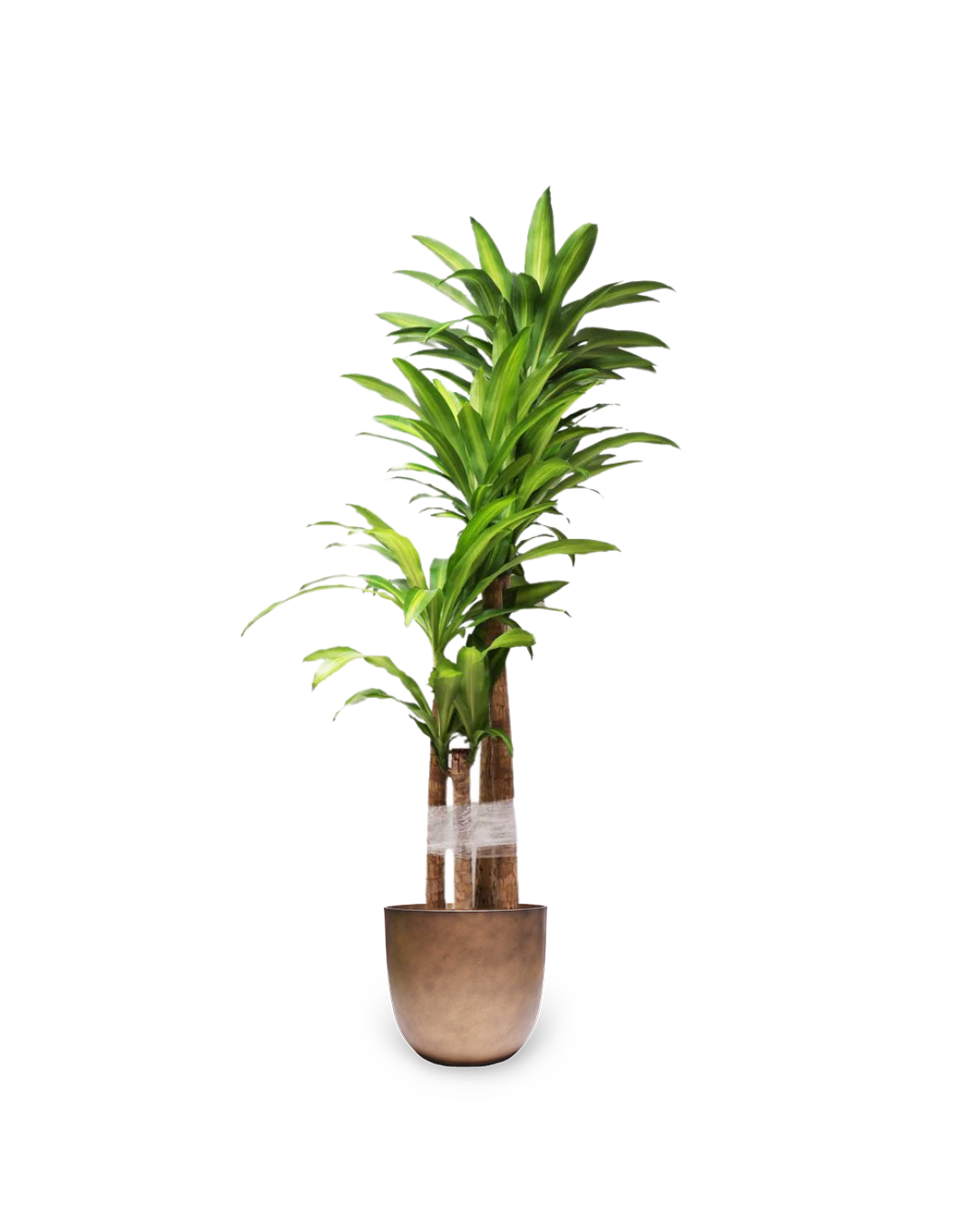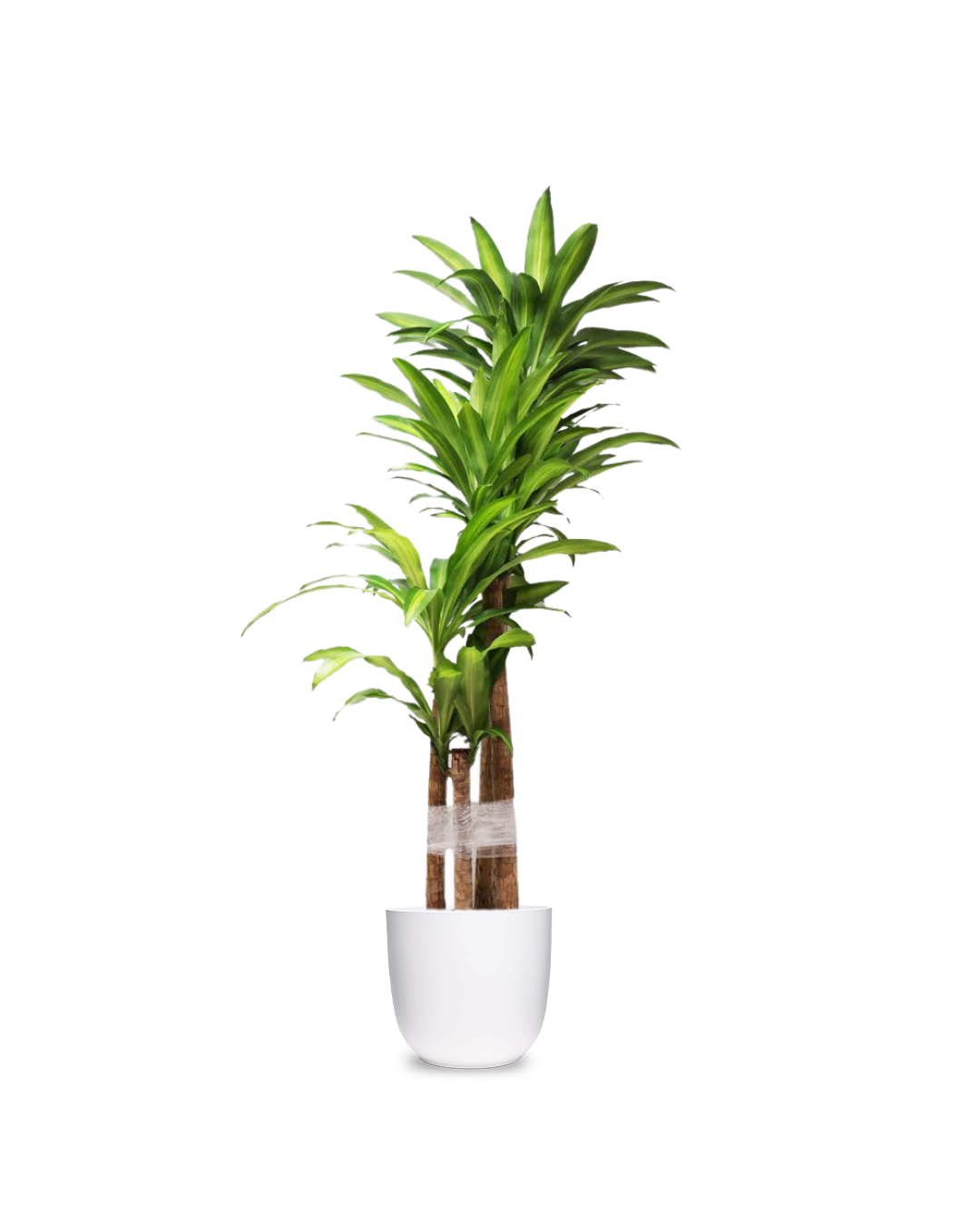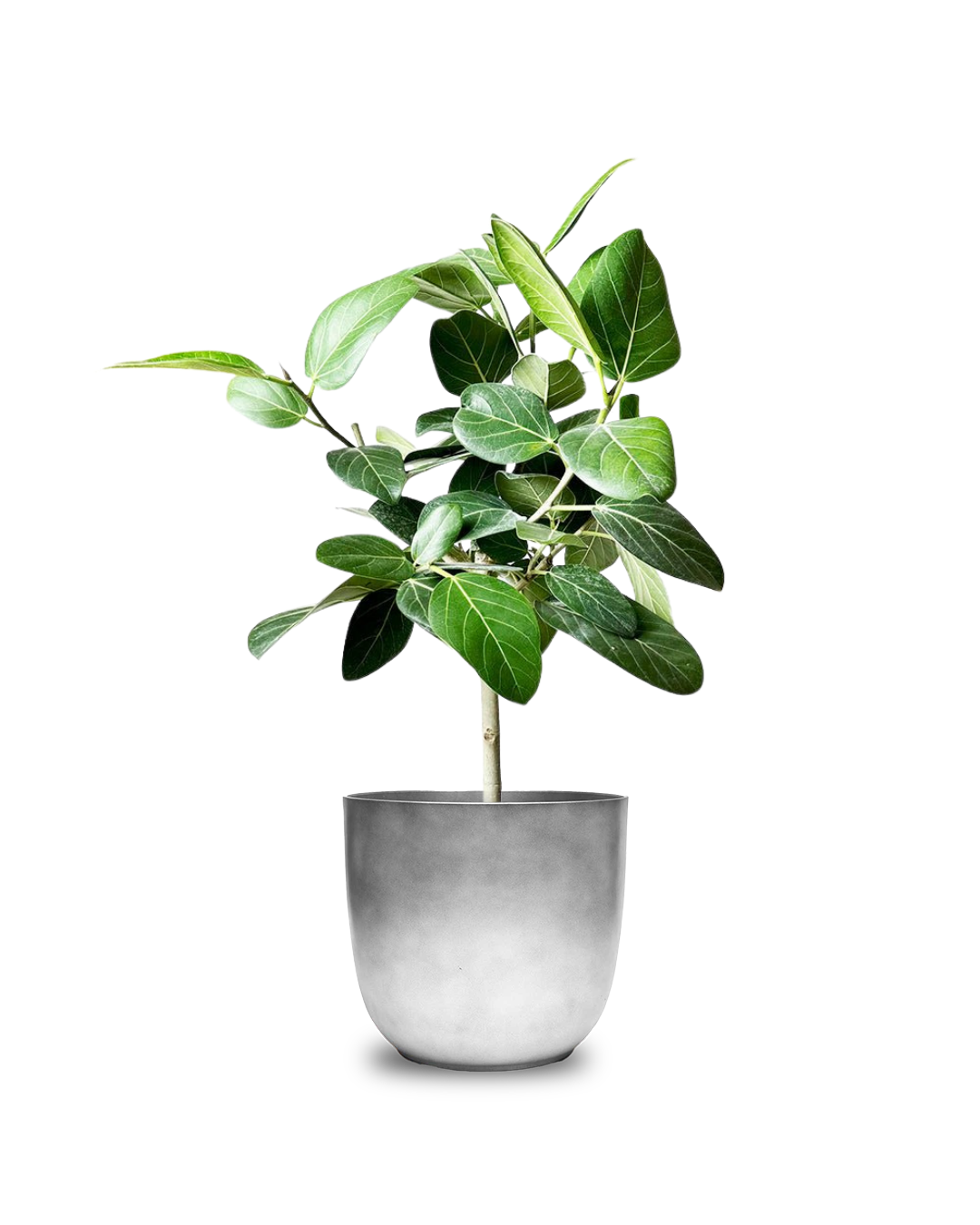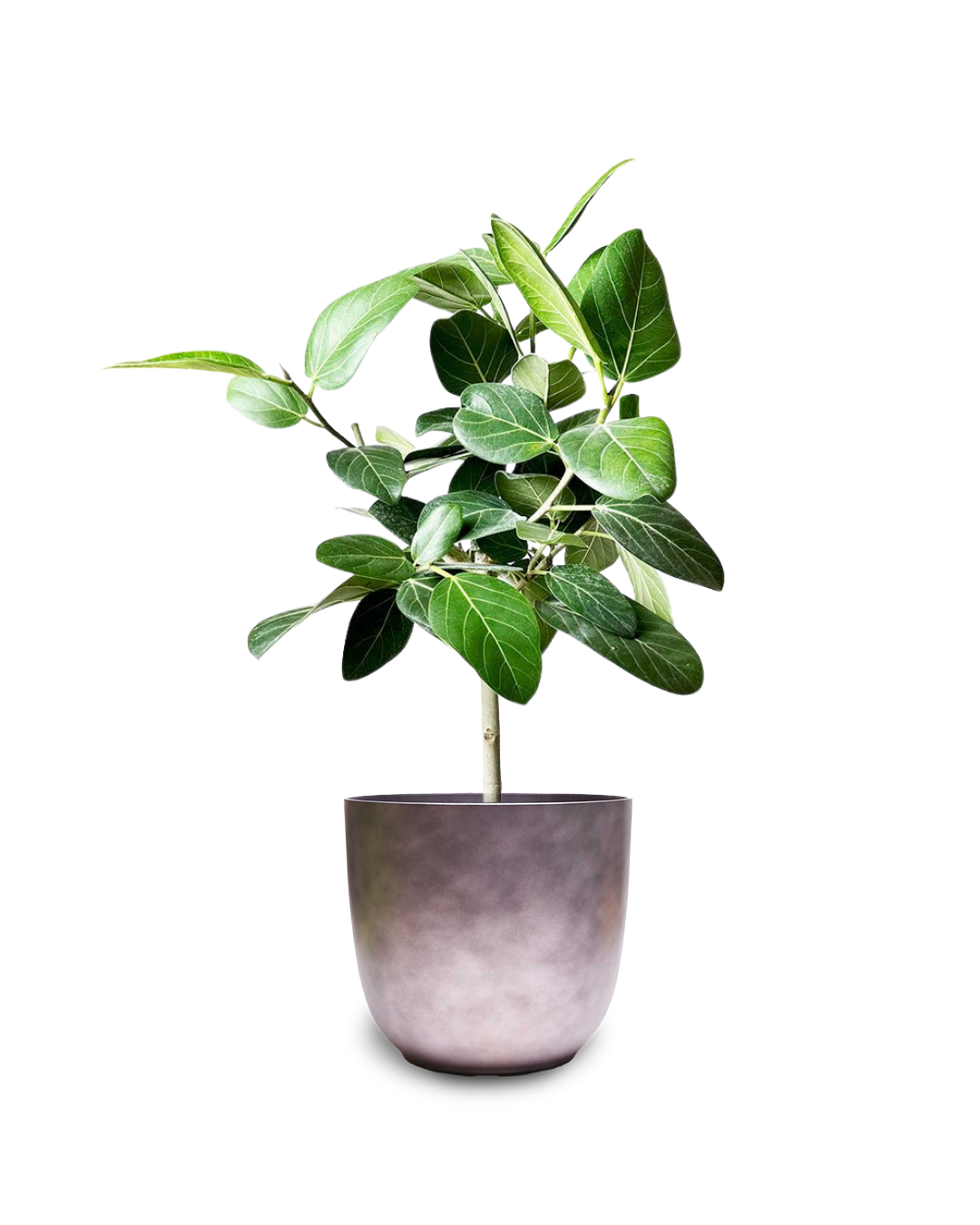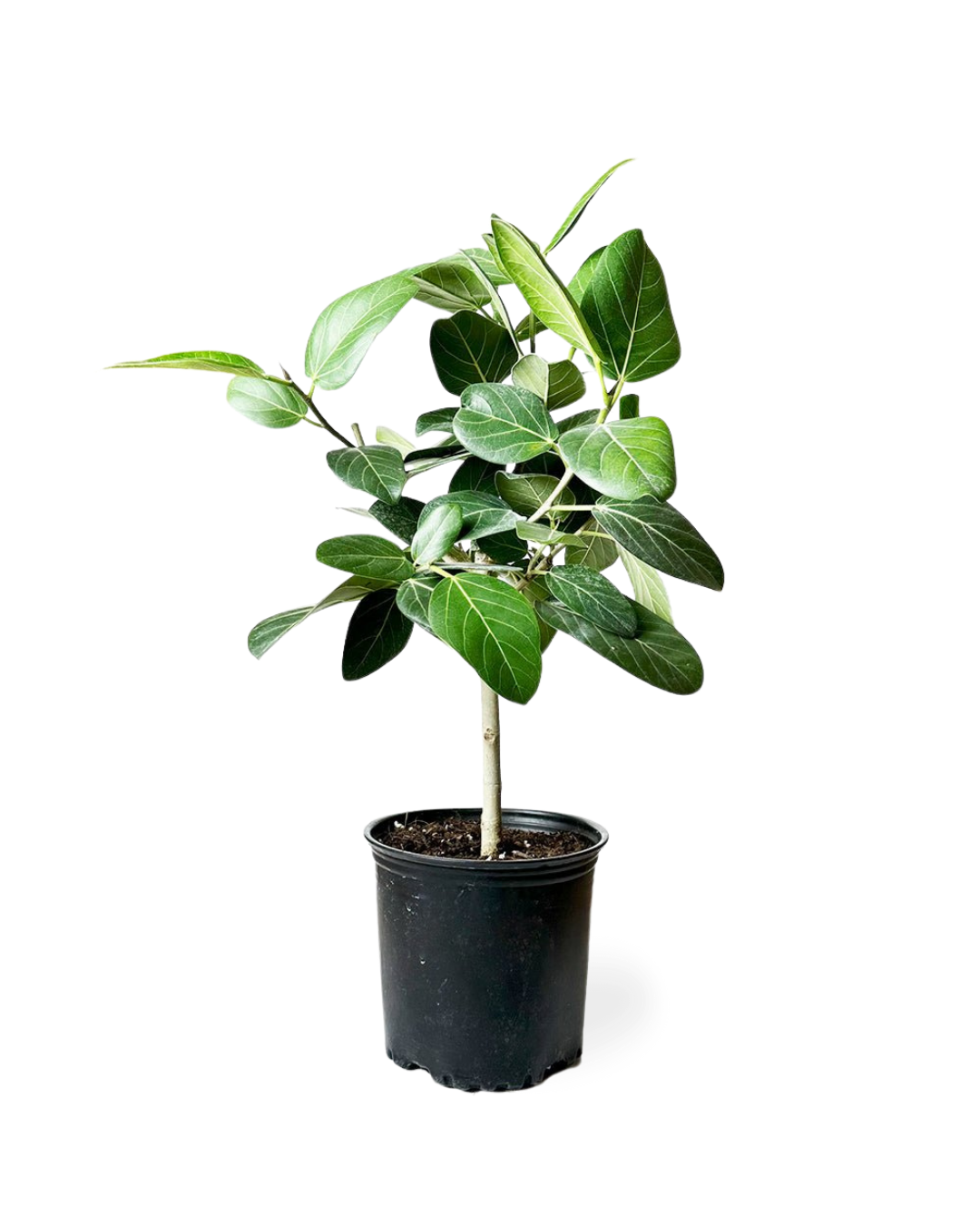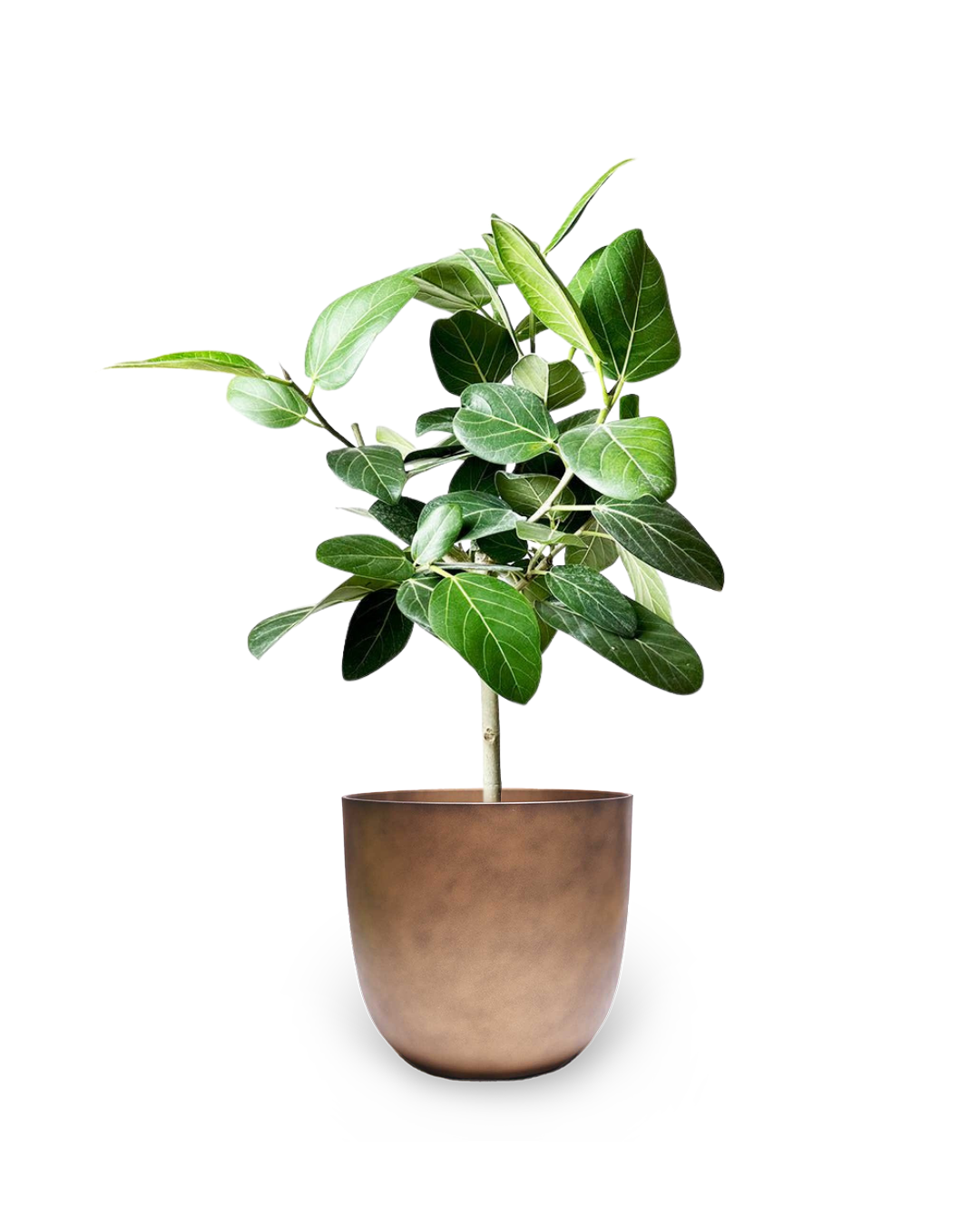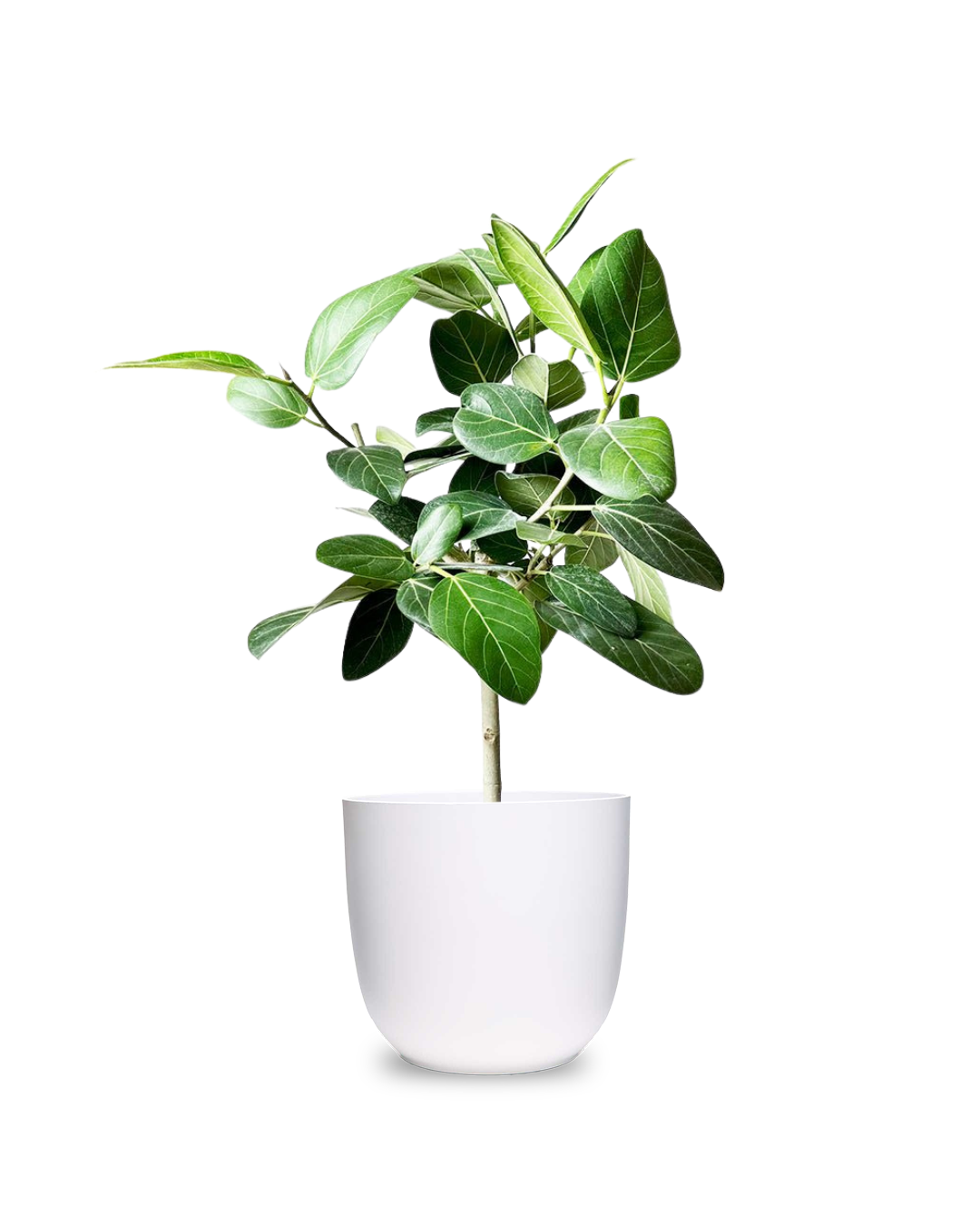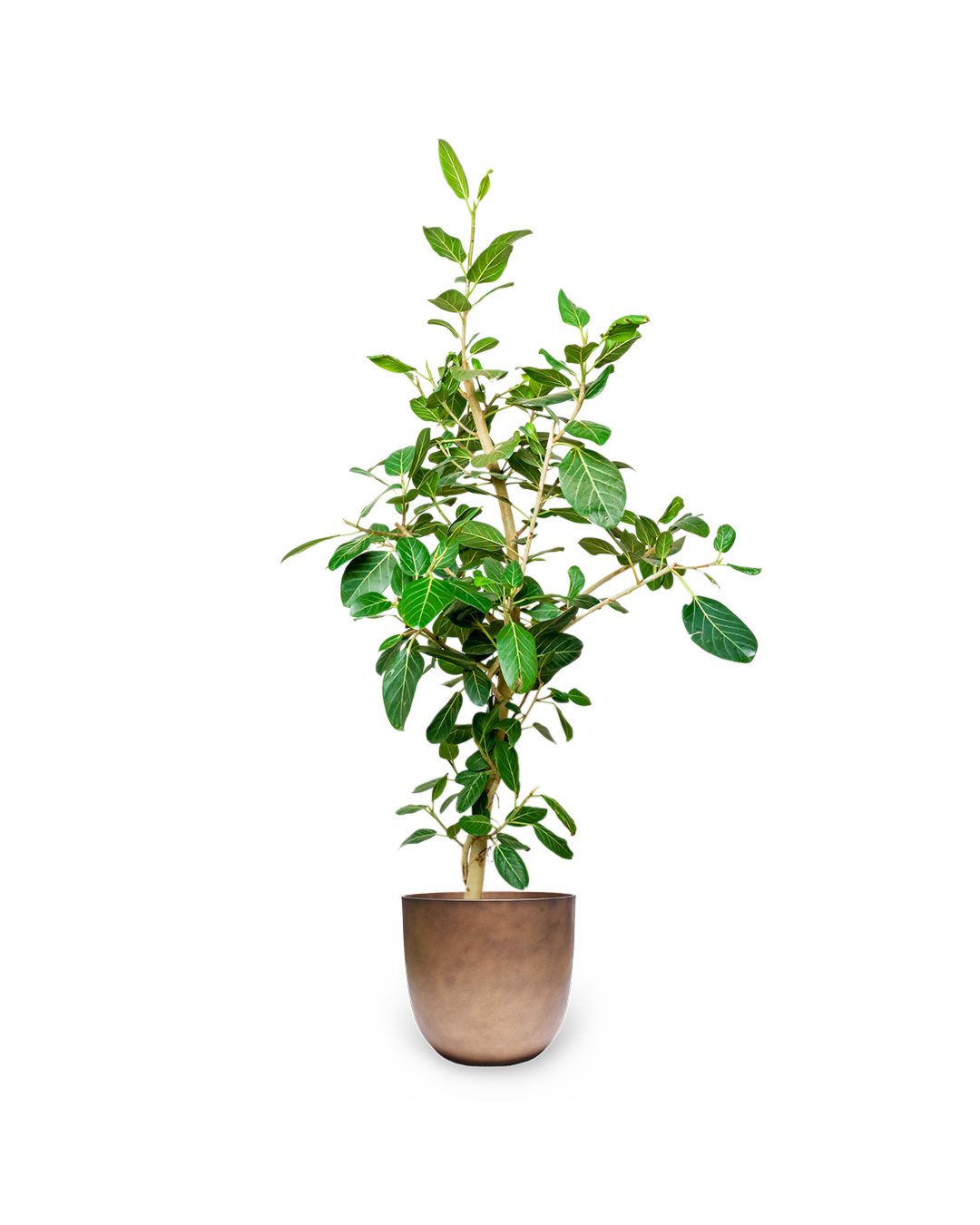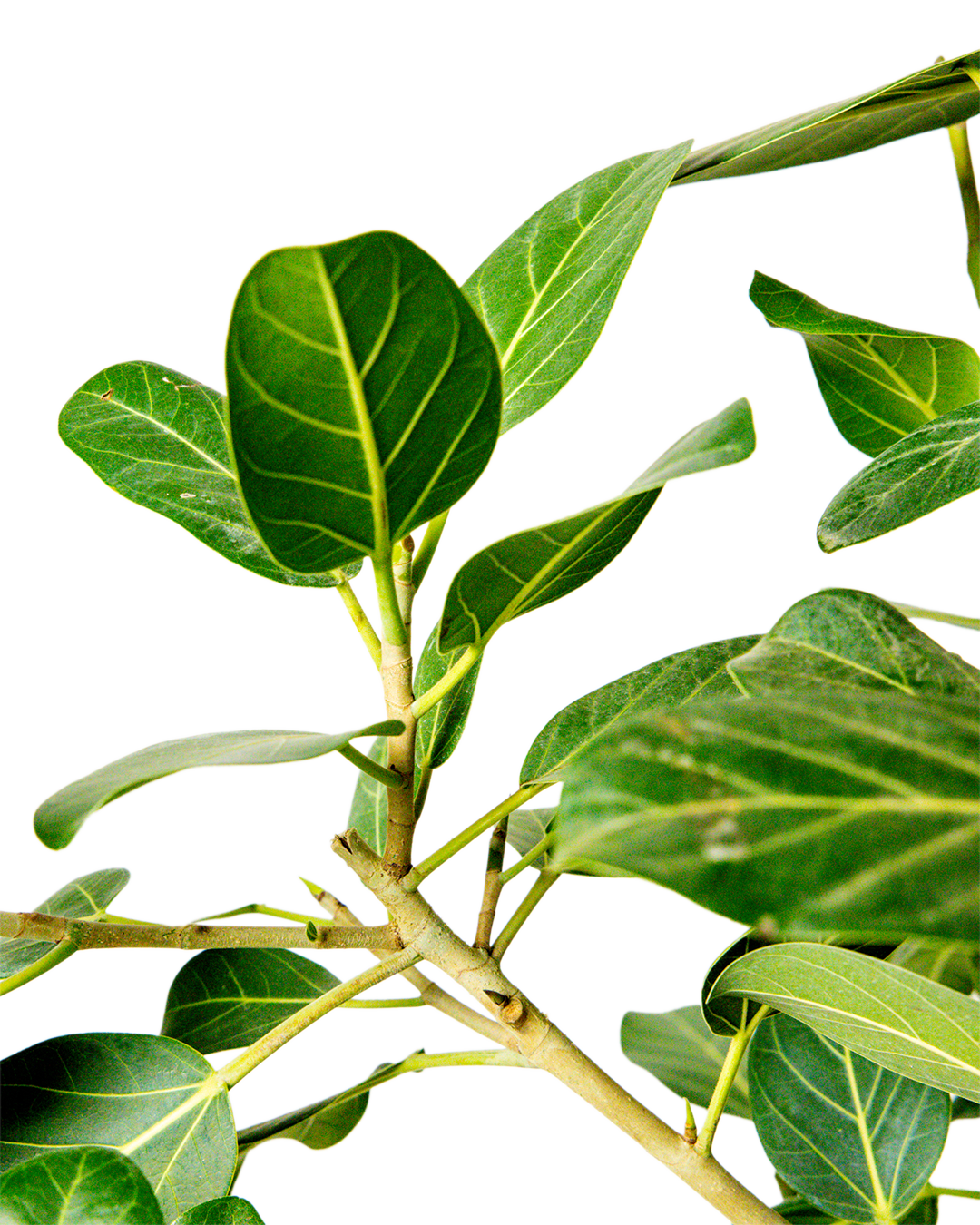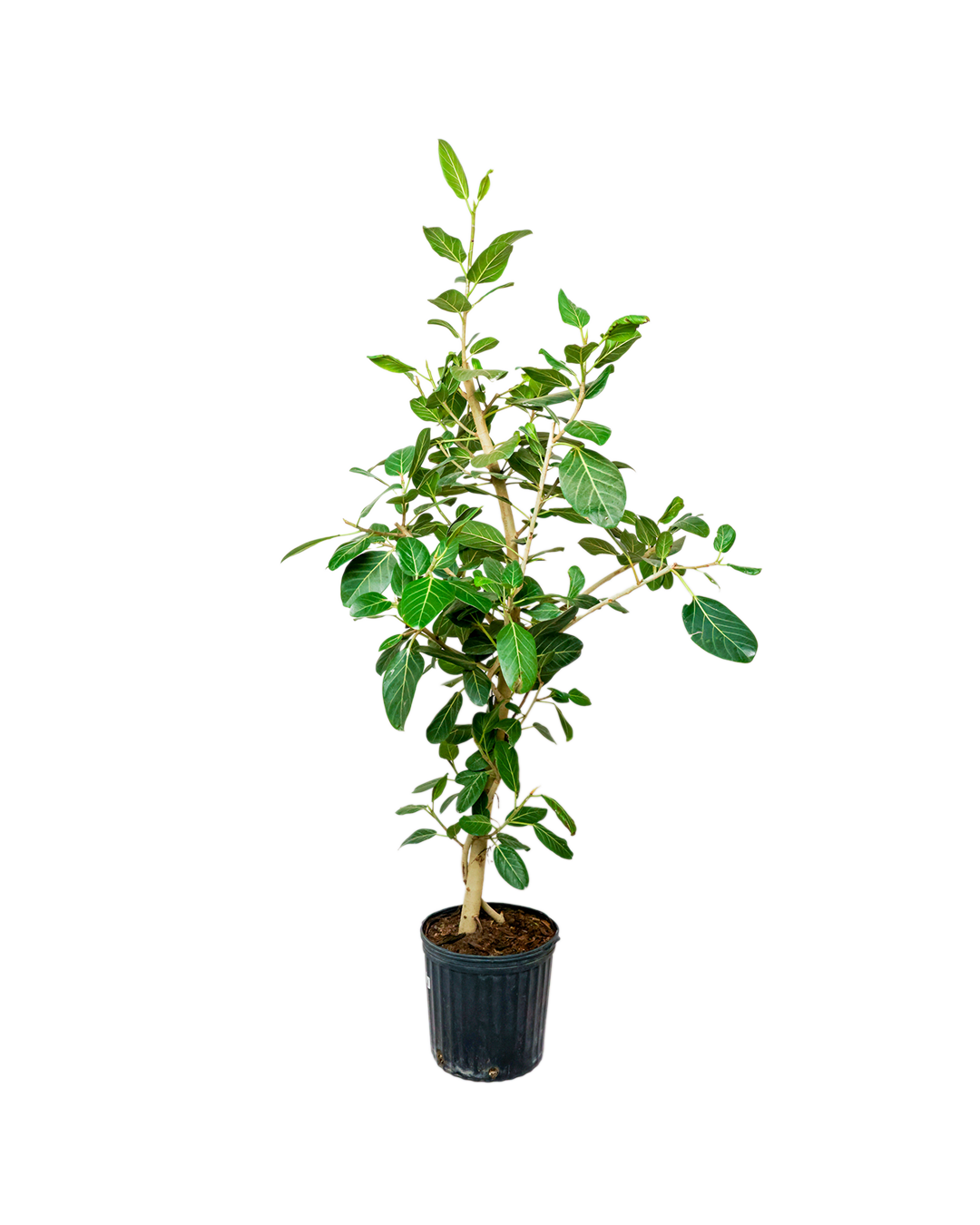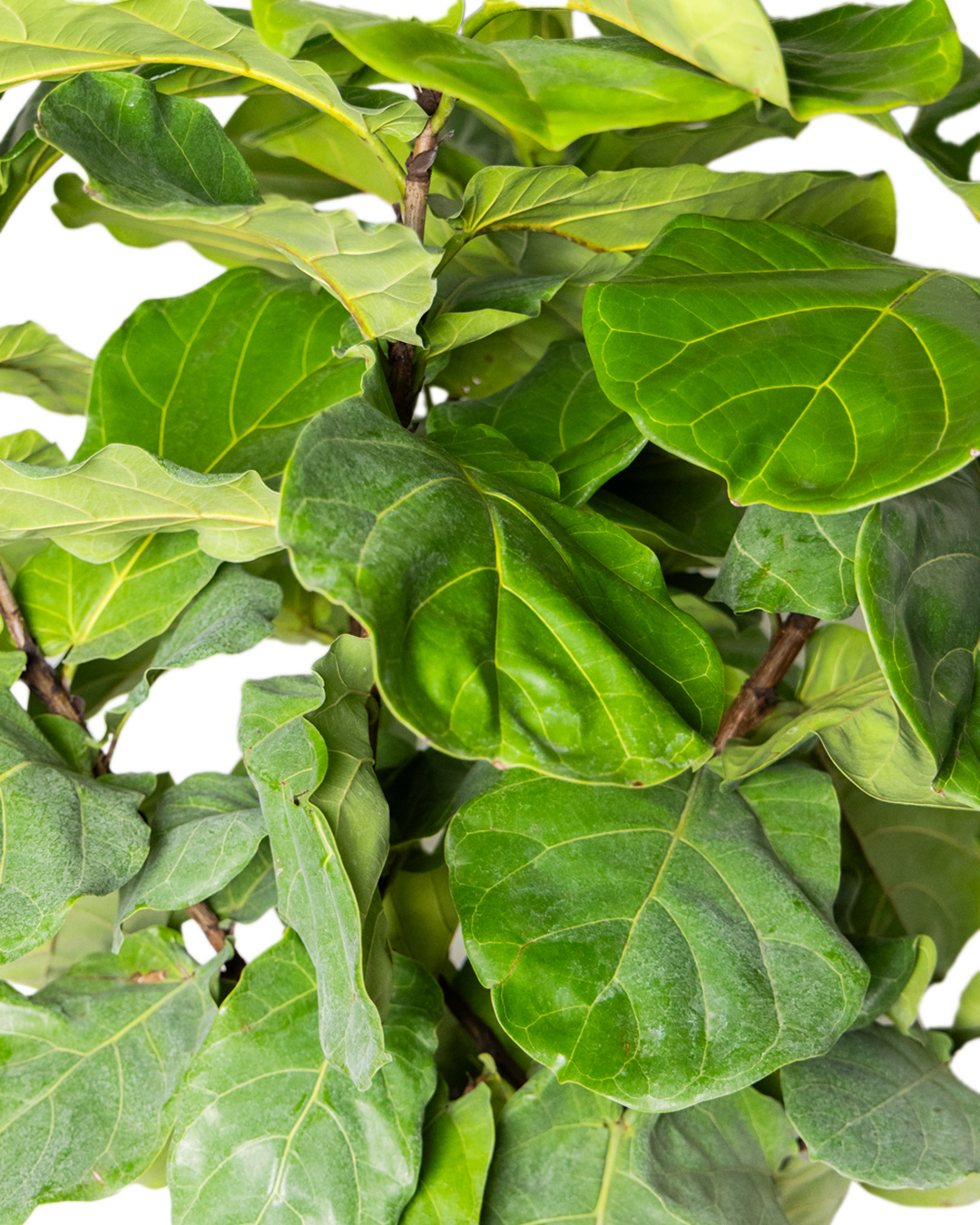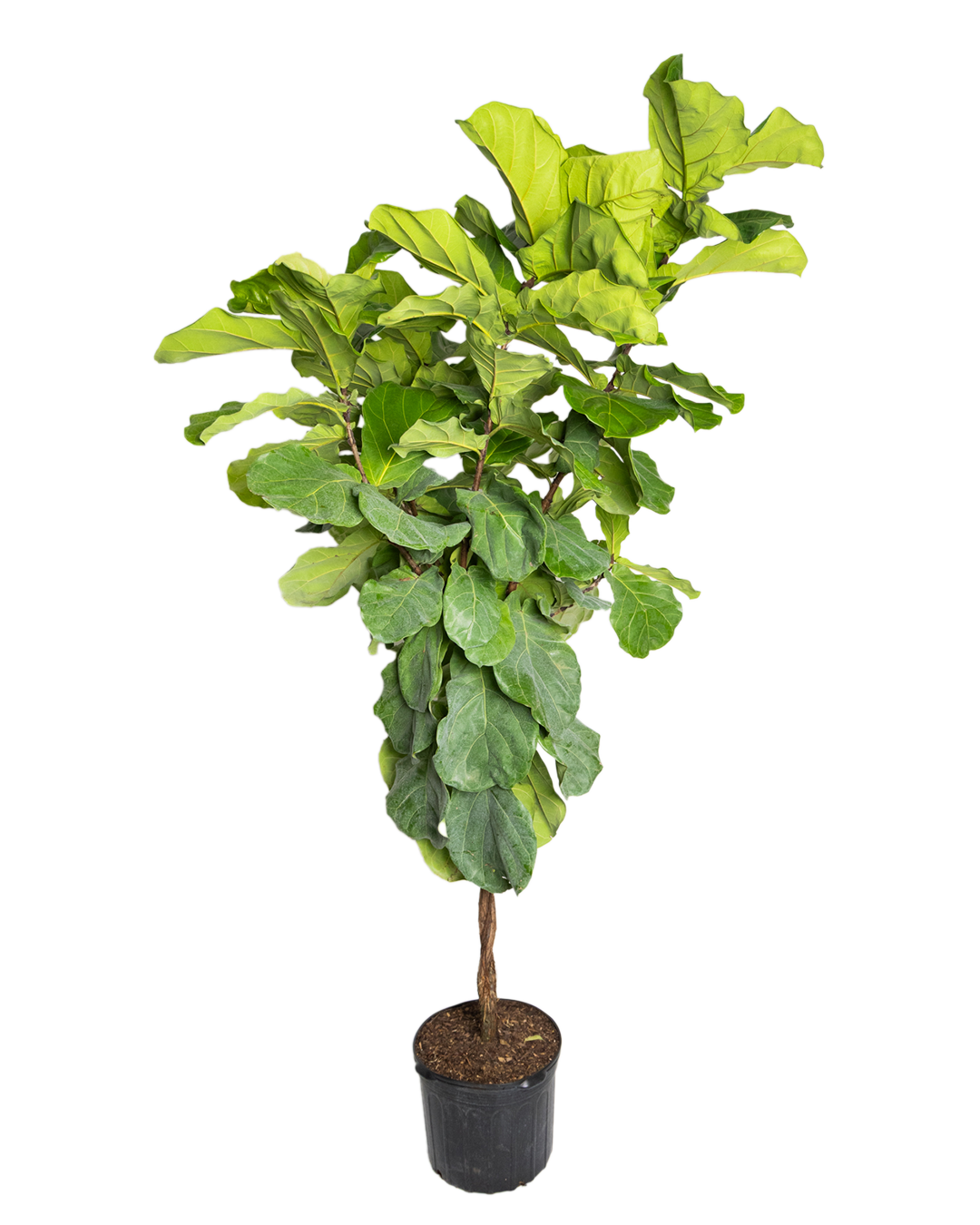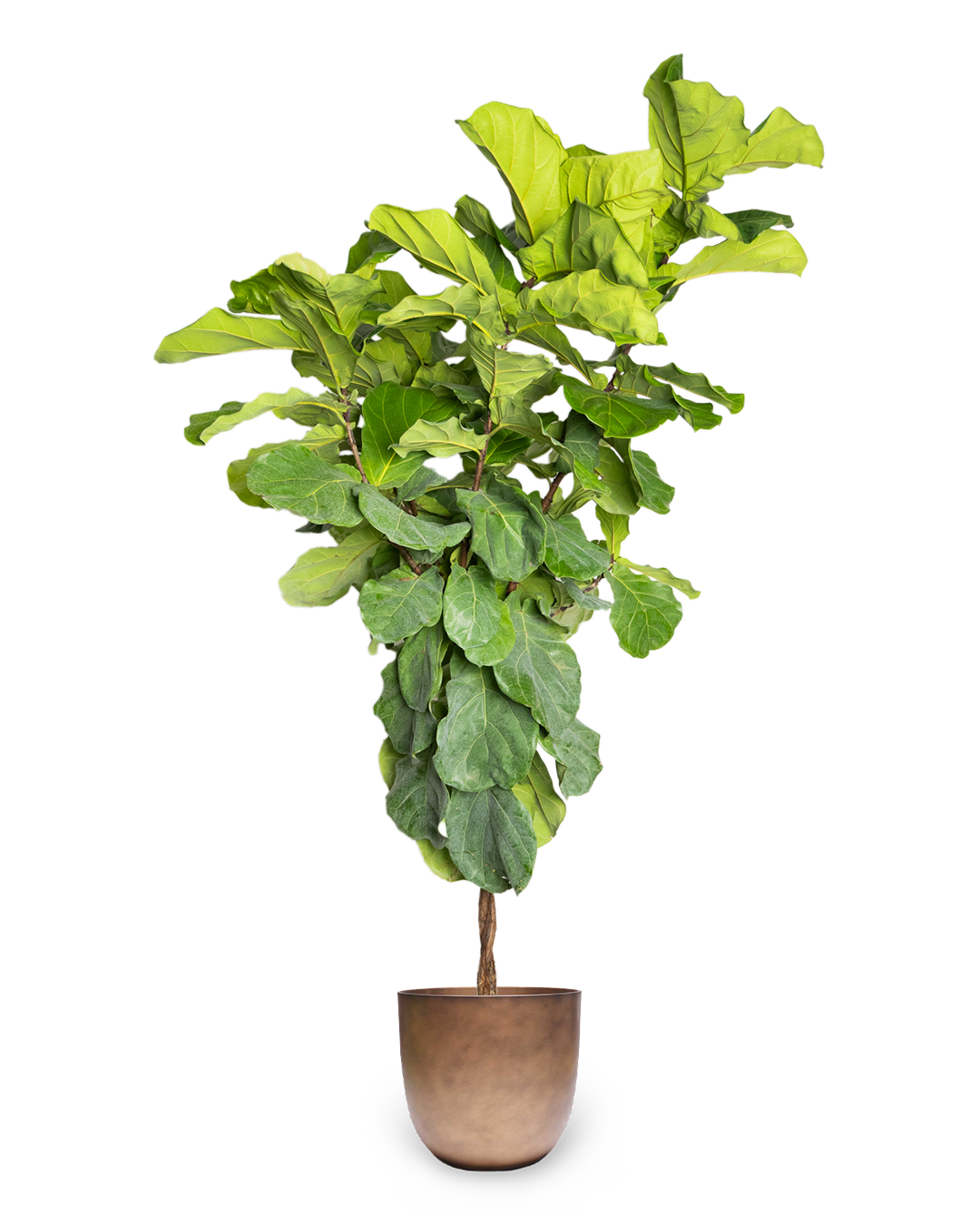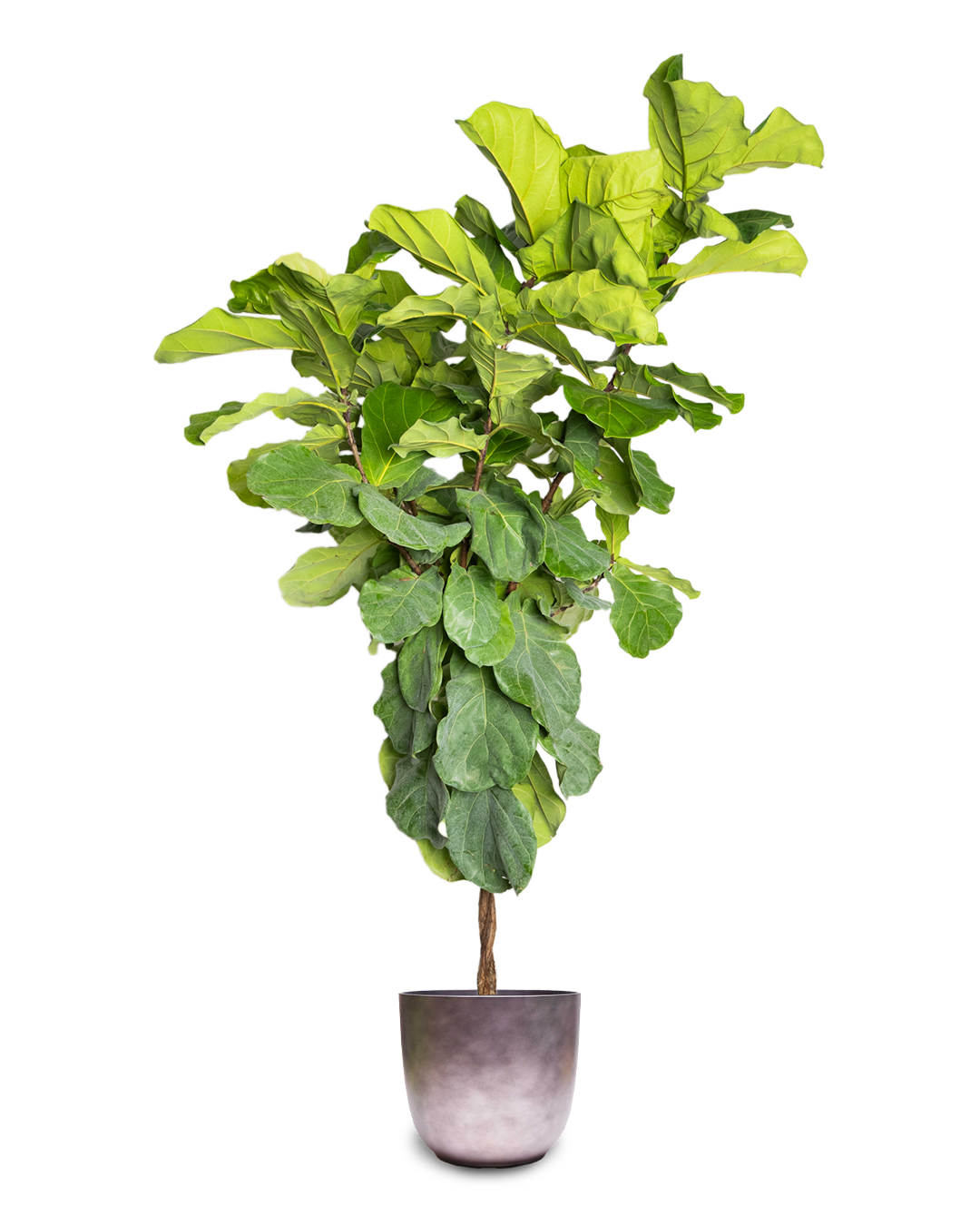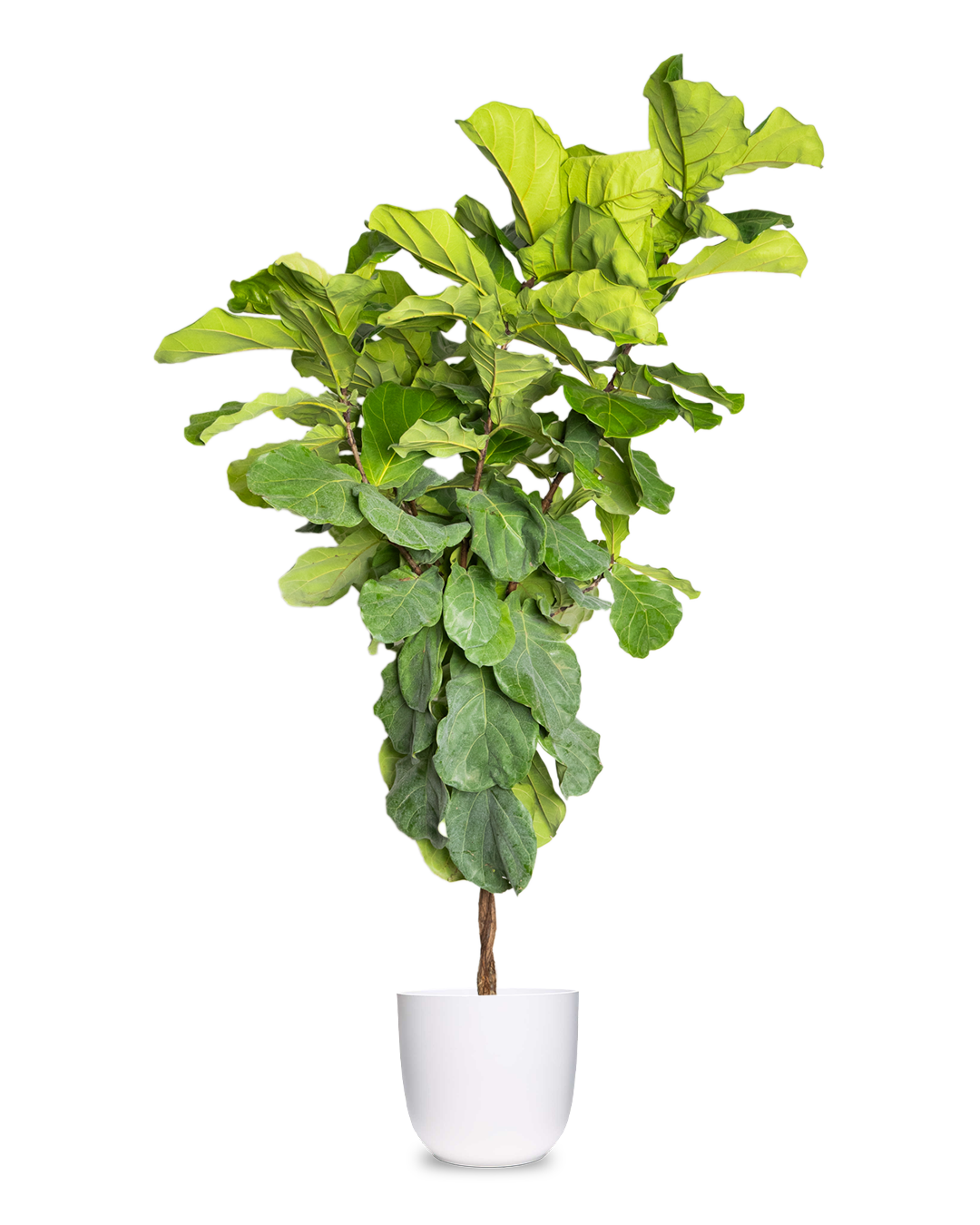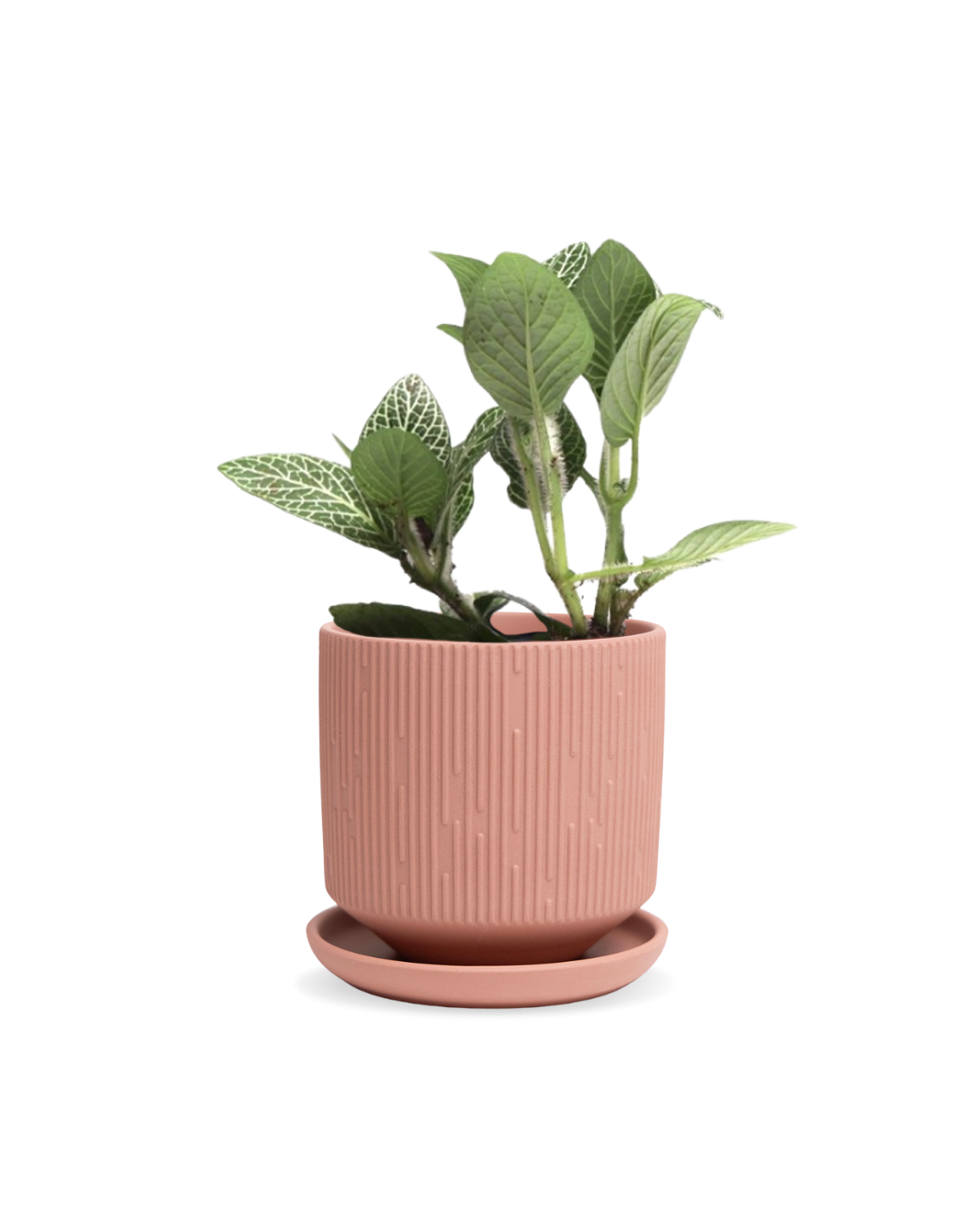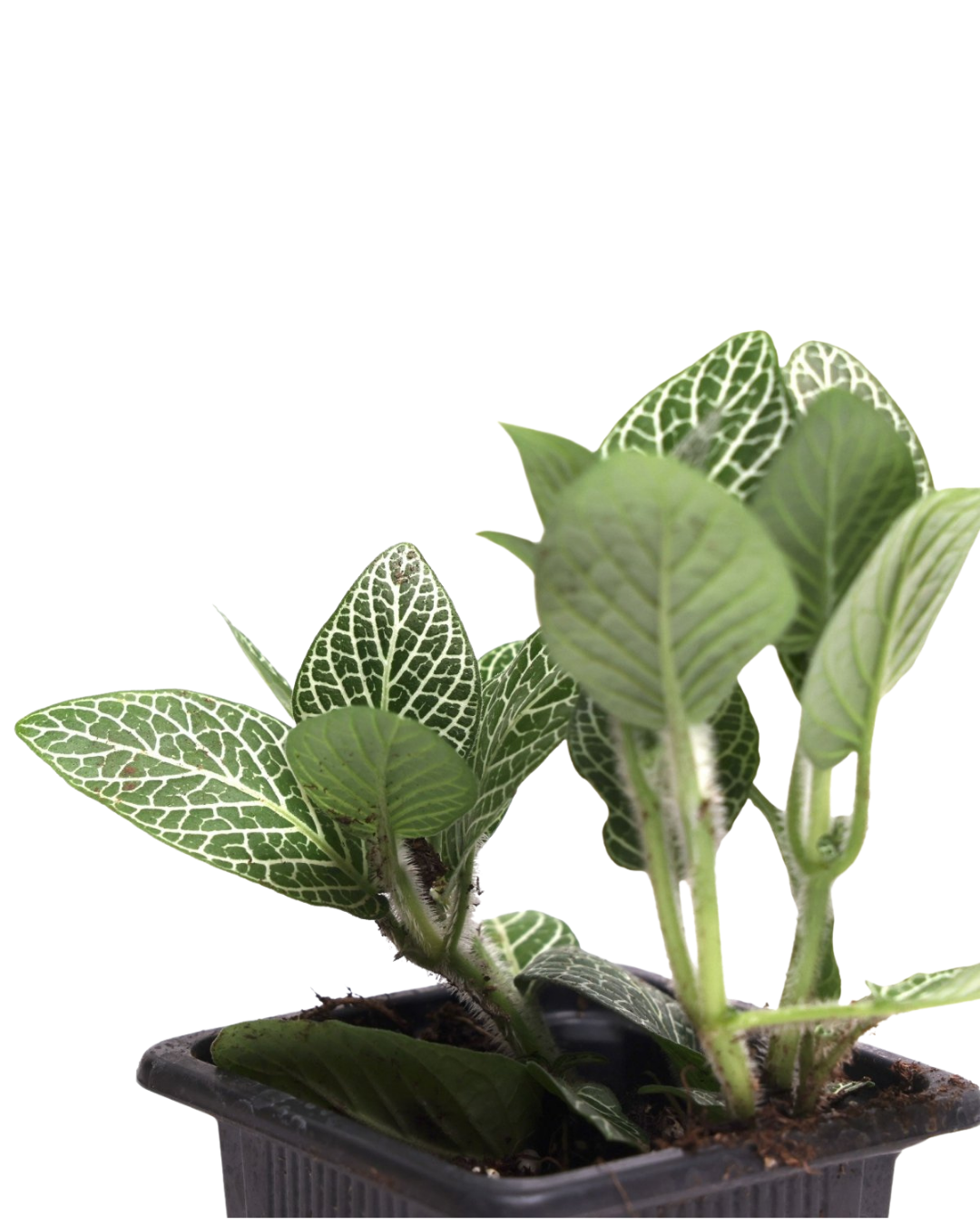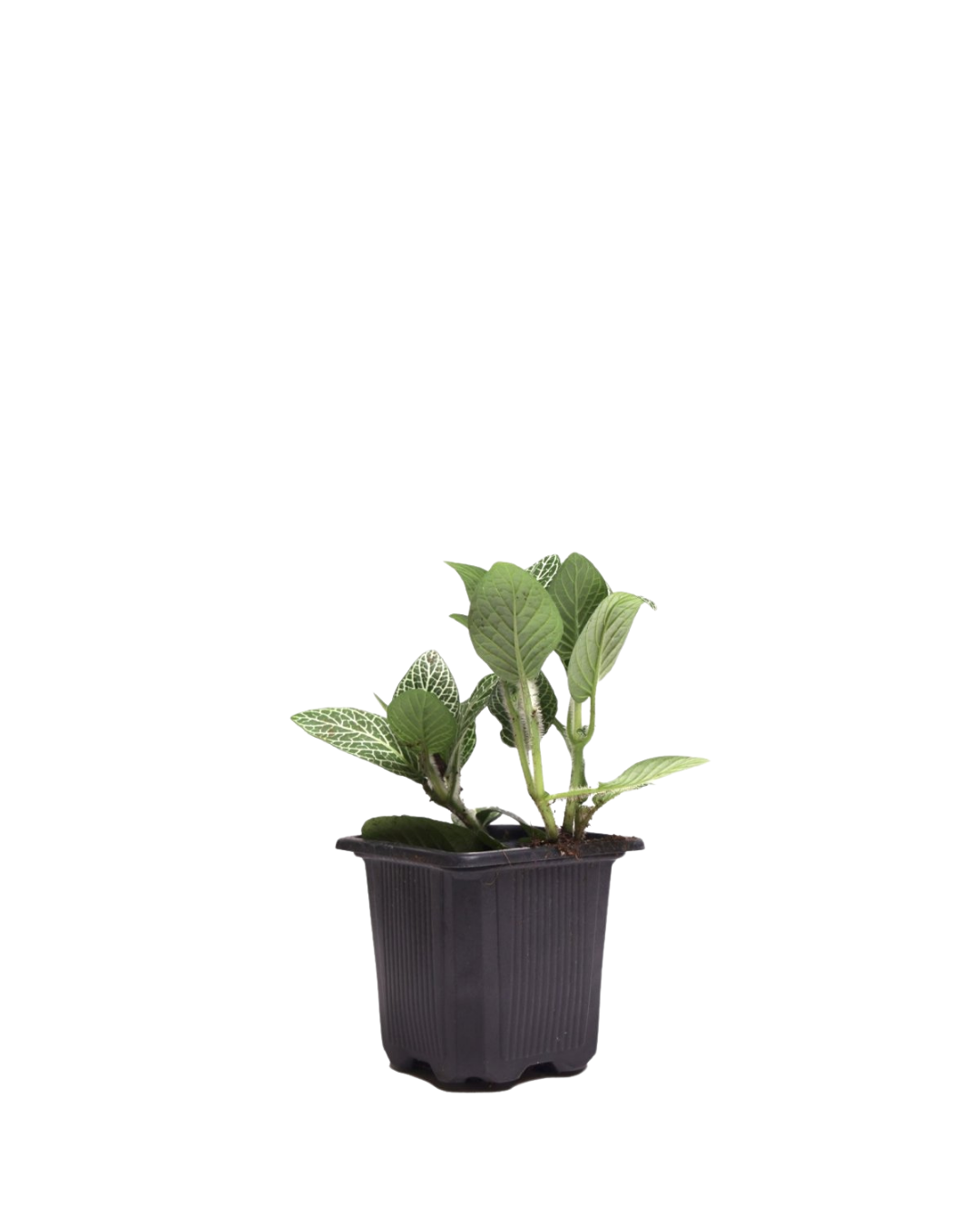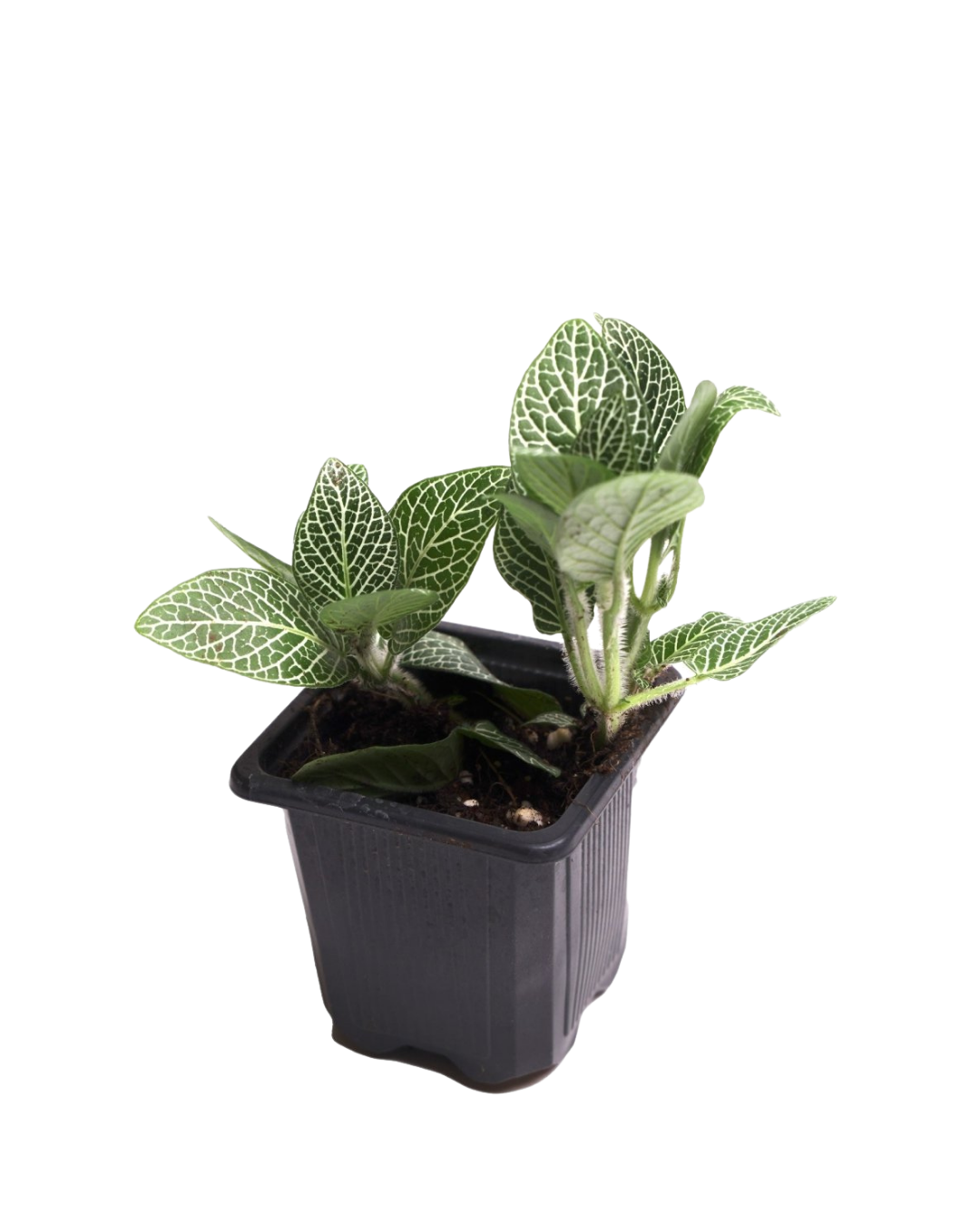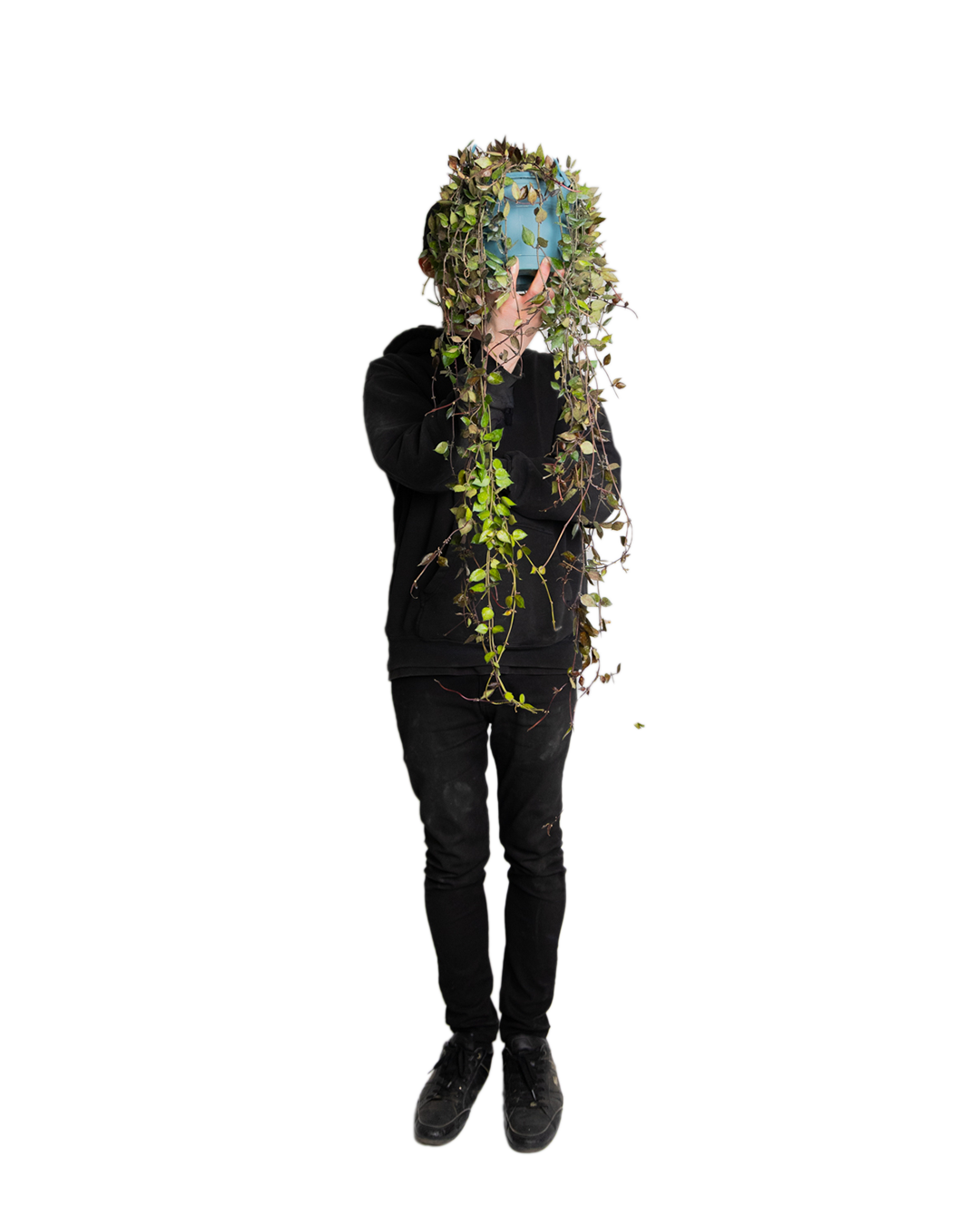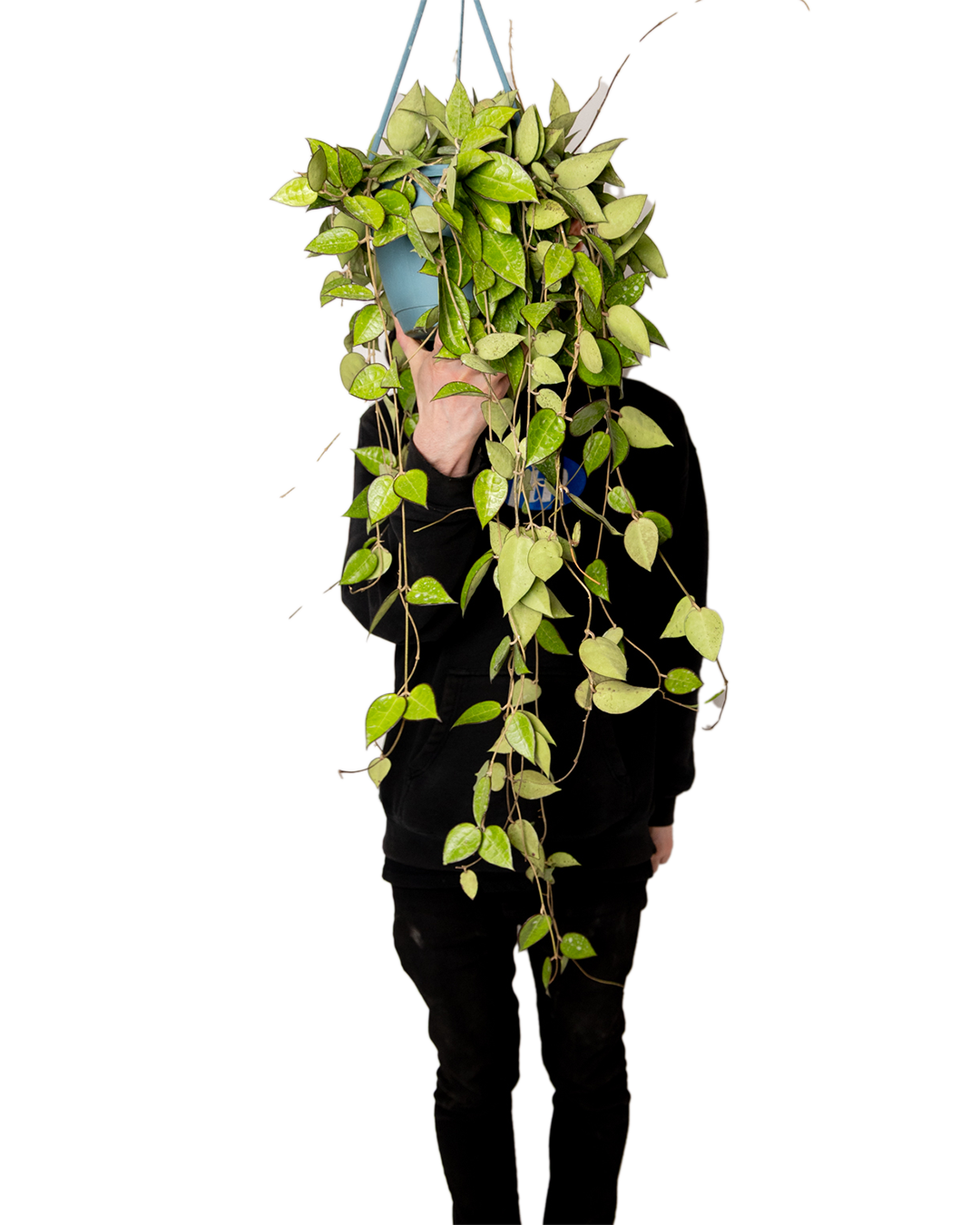




The neighbor's living room resembles something between a Victorian conservatory and a witness protection program safe house. Every corner harbors a towering green specimen that seems perfectly content living in what most would consider the botanical equivalent of solitary confinement. The rest of us stumble around our dimly lit apartments, convinced that houseplants require the luminosity of a professional photography studio, when in reality, some of nature's most magnificent specimens prefer the subdued ambiance of a jazz club.
The revelation that large plants can flourish in low light conditions arrives like discovering that the mysterious ingredient in grandmother's legendary soup was actually just salt. Simple, obvious in hindsight, yet somehow revolutionary. These botanical marvels have evolved to capture every available photon, turning even the most light-challenged spaces into verdant sanctuaries.

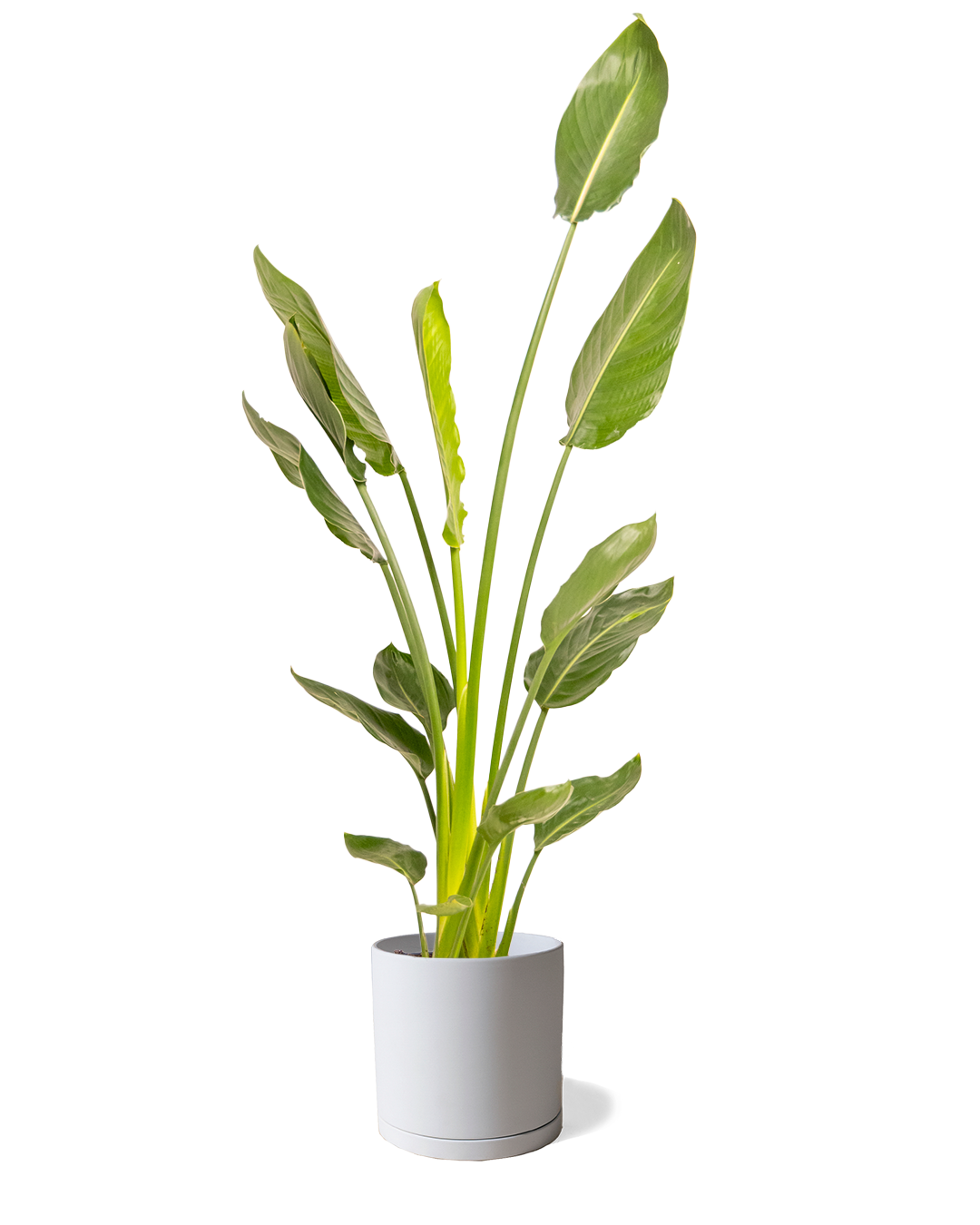
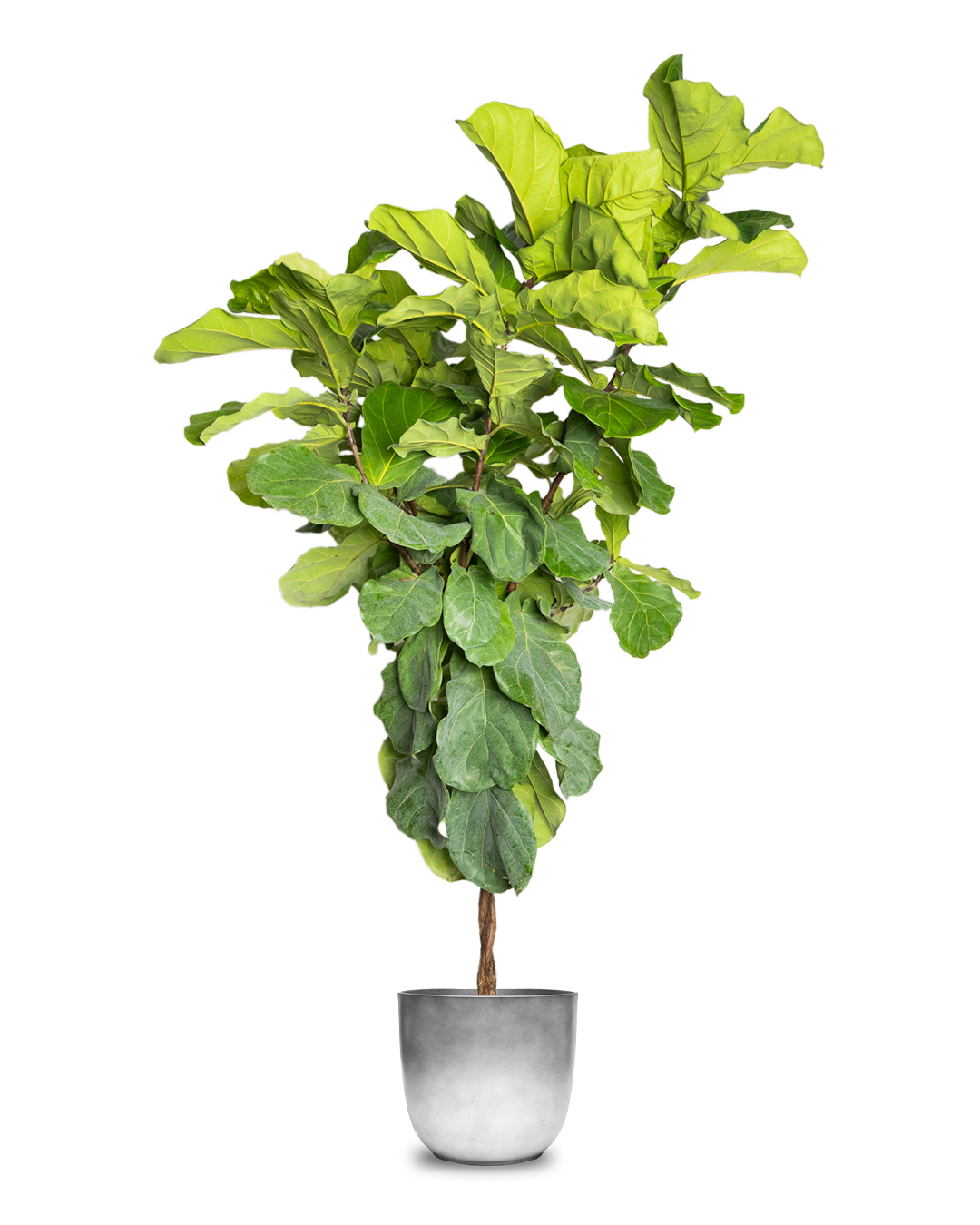
Large Plant Pot
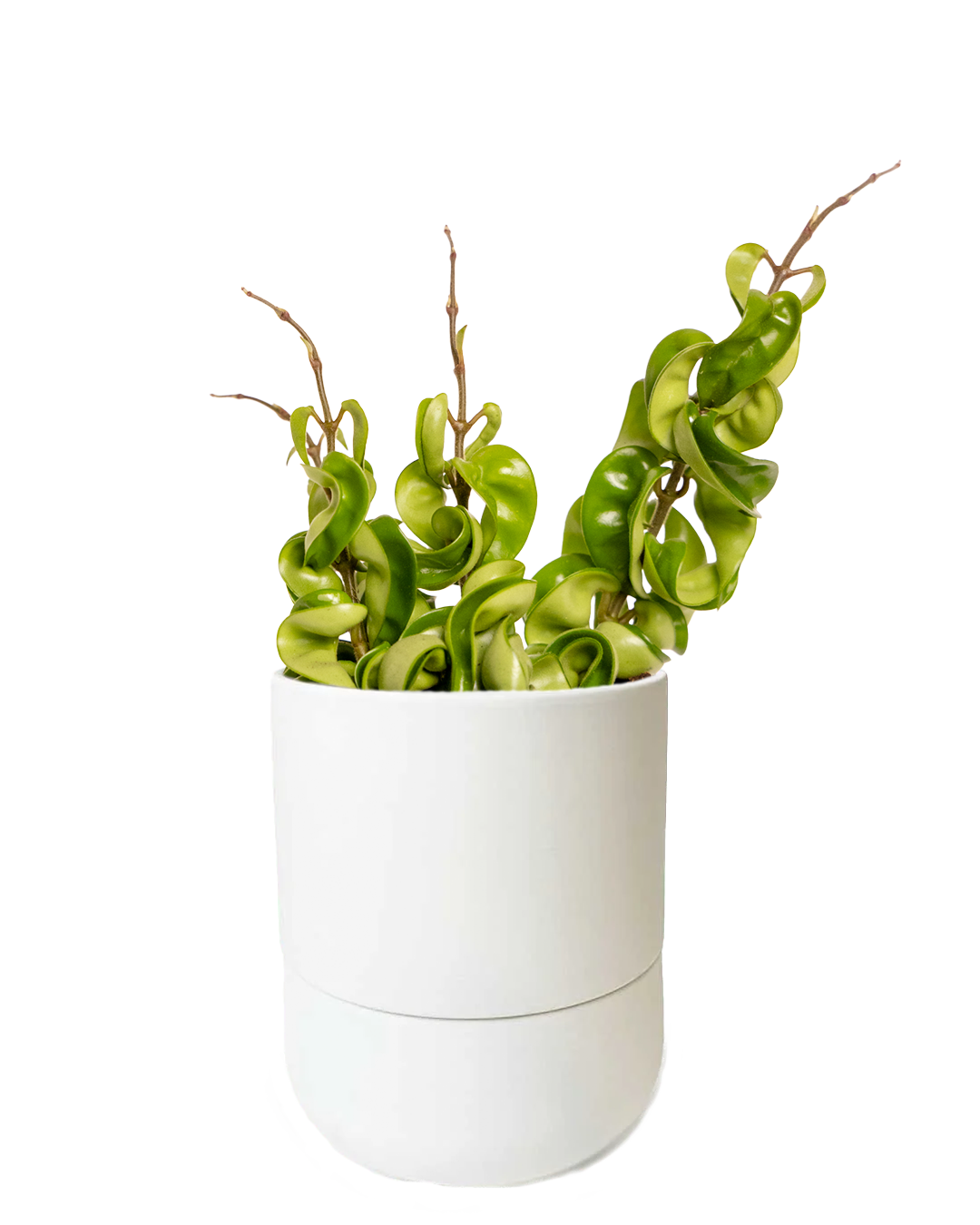
The foundation of any successful low-light gardening venture begins with understanding that size matters, particularly when housing plants that might otherwise sprawl across the Amazon floor. A substantial planter becomes the stage upon which these leafy performers can truly shine, or in this case, thoughtfully reflect whatever ambient light happens to wander by.
The snake plant, officially known as Sansevieria trifasciata but commonly referred to as "mother-in-law's tongue" (a designation that speaks volumes about family dynamics), thrives in generous containers. These architectural specimens can reach impressive heights of three to four feet, their sword-like leaves standing at attention like well-disciplined soldiers awaiting orders that will never come. Pay attention to pot tags when buying snake plants. Some varieties, especially variegated ones, need a particular light level to retain brightest leaf color.
The ZZ plant presents another compelling case for substantial planters. Its glossy leaves emerge from thick stems with the confidence of someone who knows they look good in dim lighting. Unlike that unfortunate cousin who insists on taking selfies in caves, the ZZ plant actually improves its appearance in low-light conditions, developing deeper, more lustrous foliage that catches and amplifies whatever illumination it encounters.
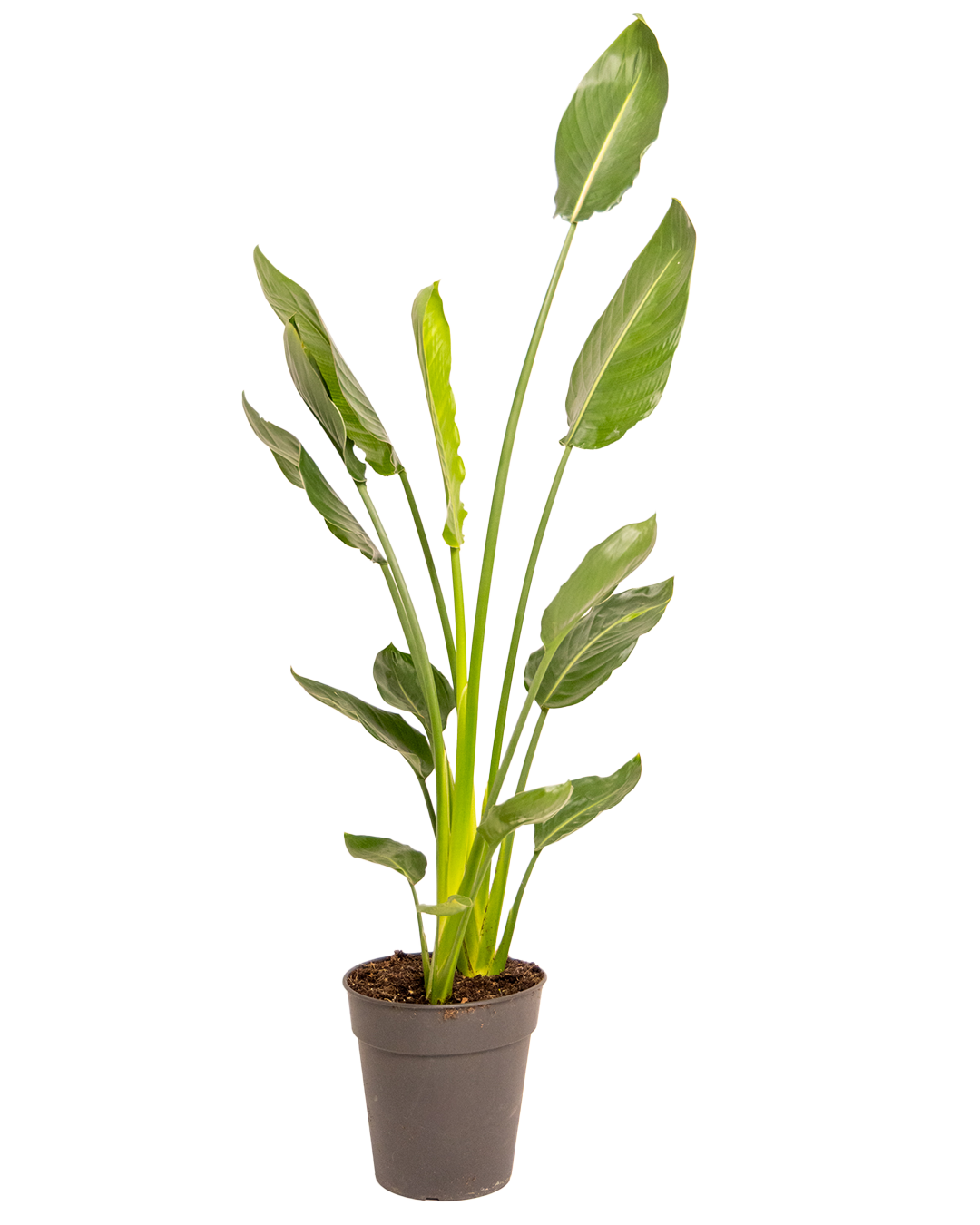
Indoor Houseplant
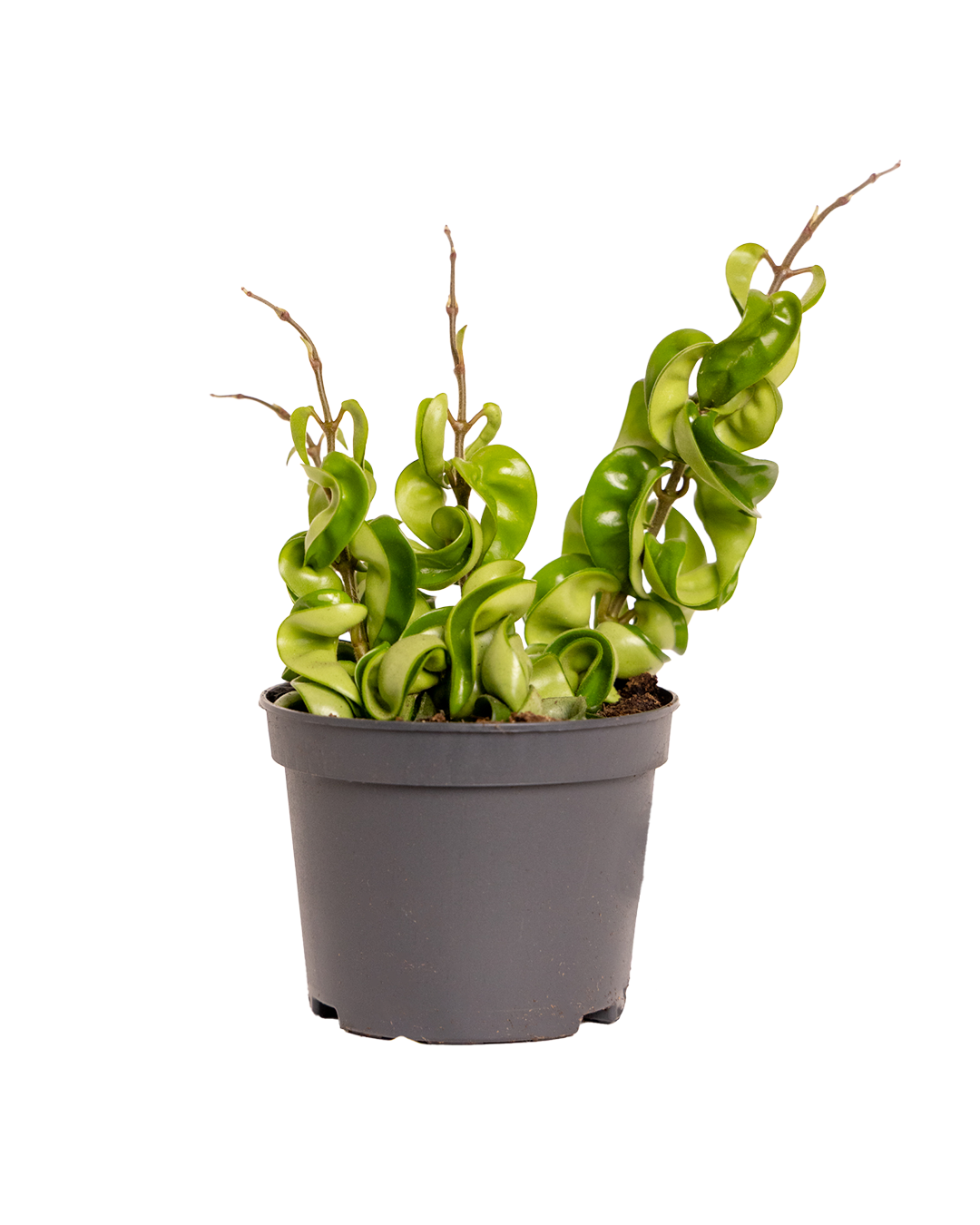
The transition from outdoor enthusiast to indoor plant parent involves accepting certain fundamental truths about domesticated botany. Chief among these revelations: While no plants "require" low light, some plants are more tolerant of low light conditions than others. This tolerance becomes the cornerstone of successful indoor gardening for those whose homes receive about as much natural light as a medieval dungeon.
The peace lily stands as perhaps the most diplomatic of all indoor specimens. Its elegant white blooms emerge like tiny surrender flags, announcing that harmony has been achieved between human habitat and plant requirements. These substantial plants can grow to impressive proportions while maintaining their composure in spaces where most vegetation would stage a dramatic protest involving yellowed leaves and passive-aggressive drooping.
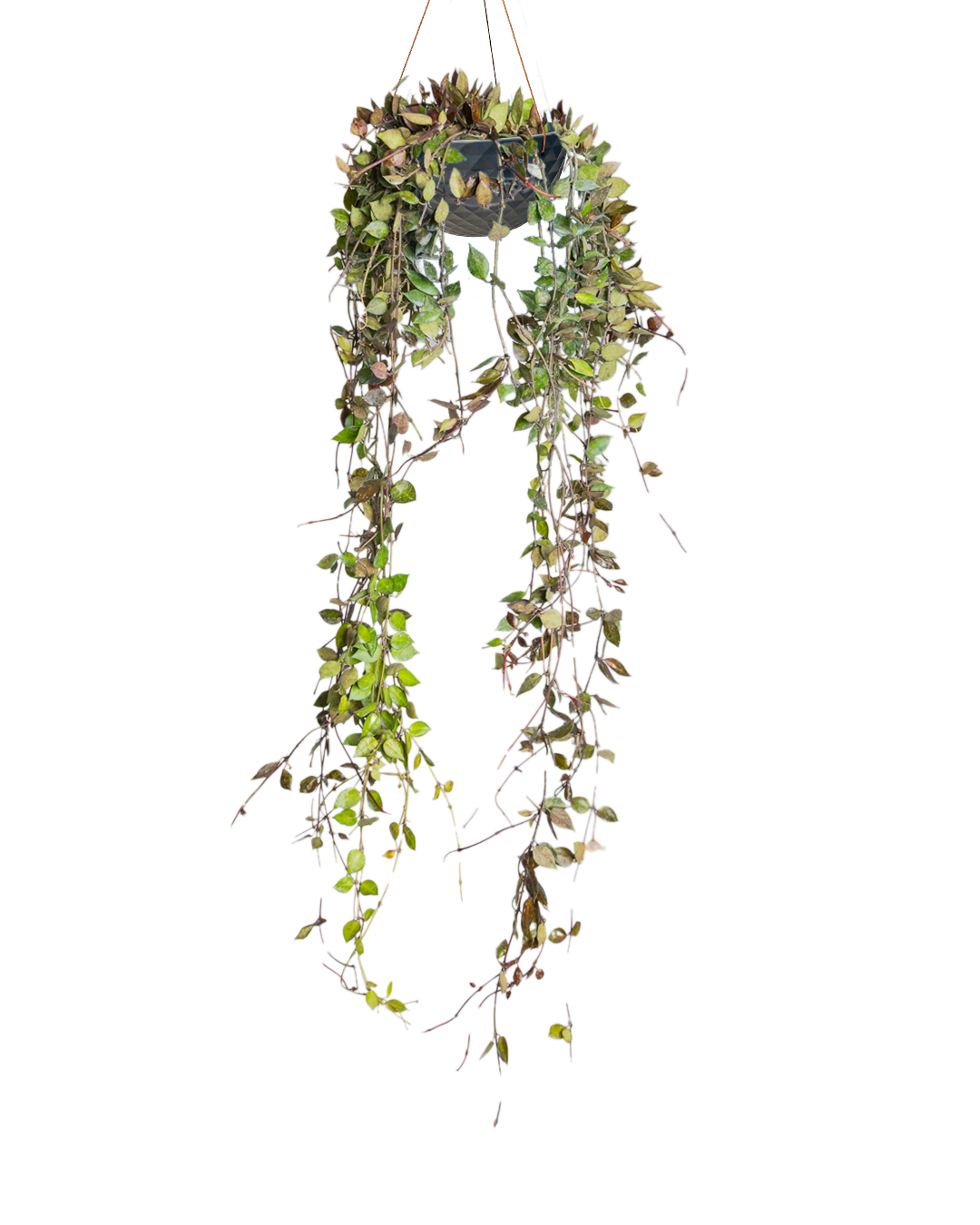
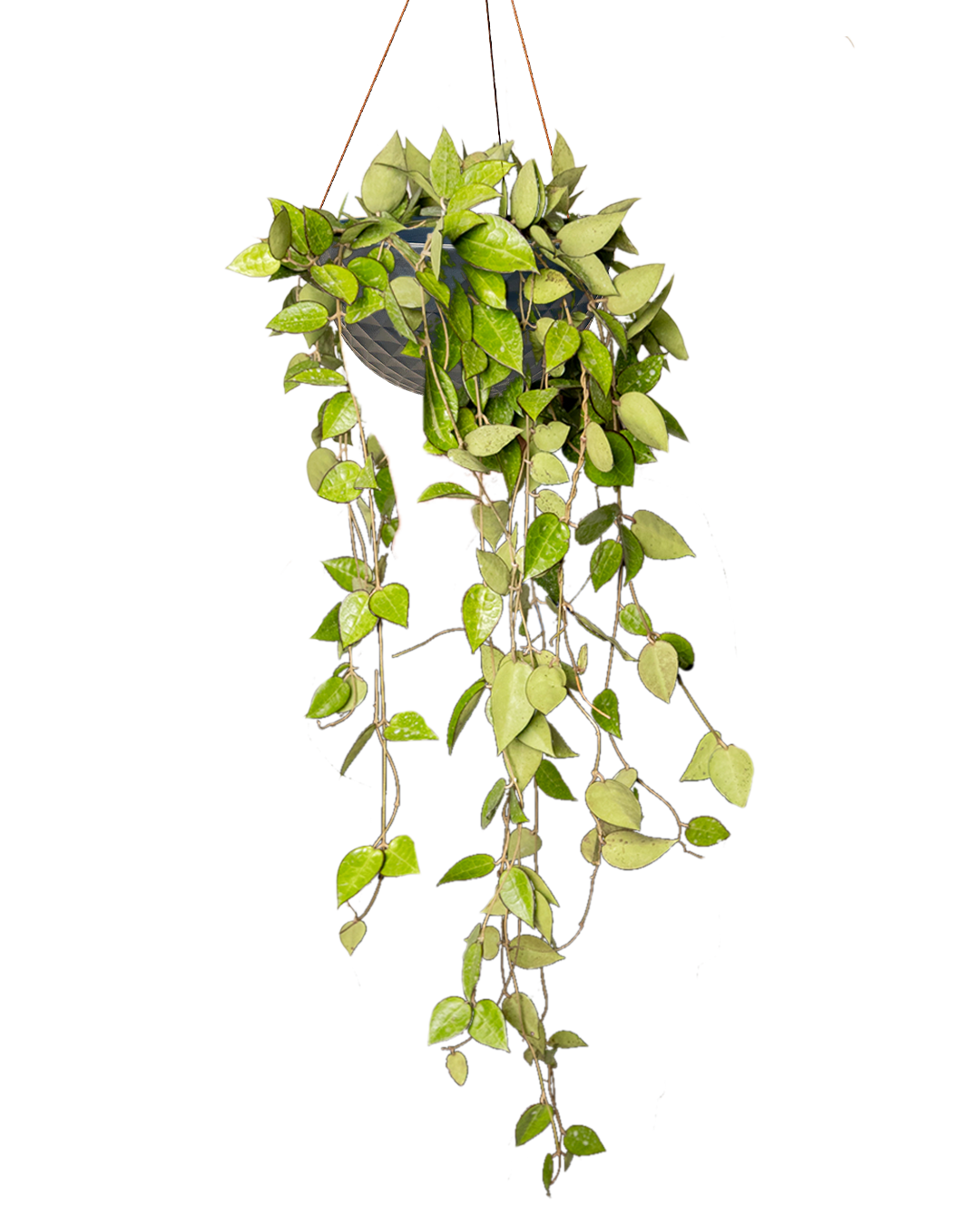
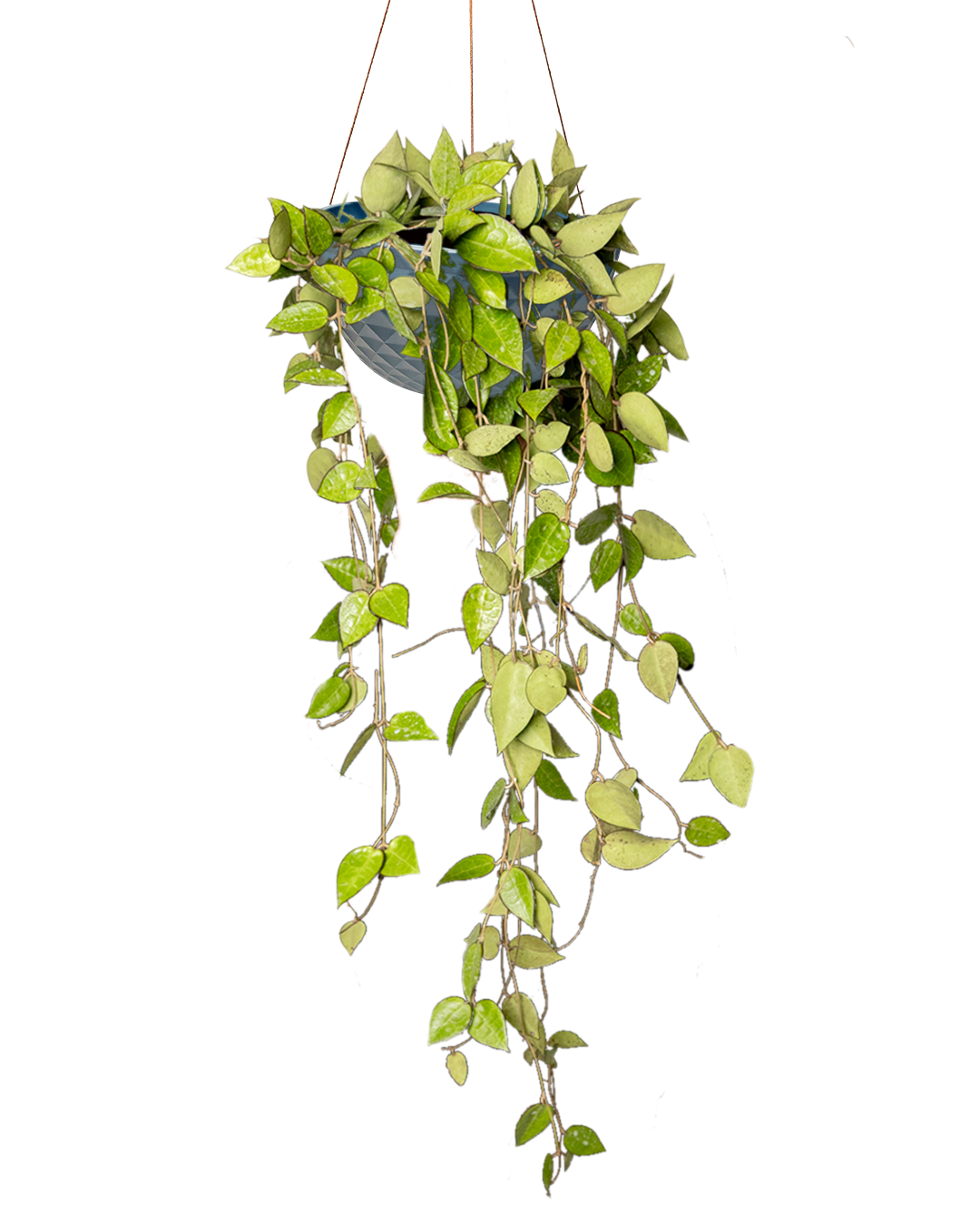
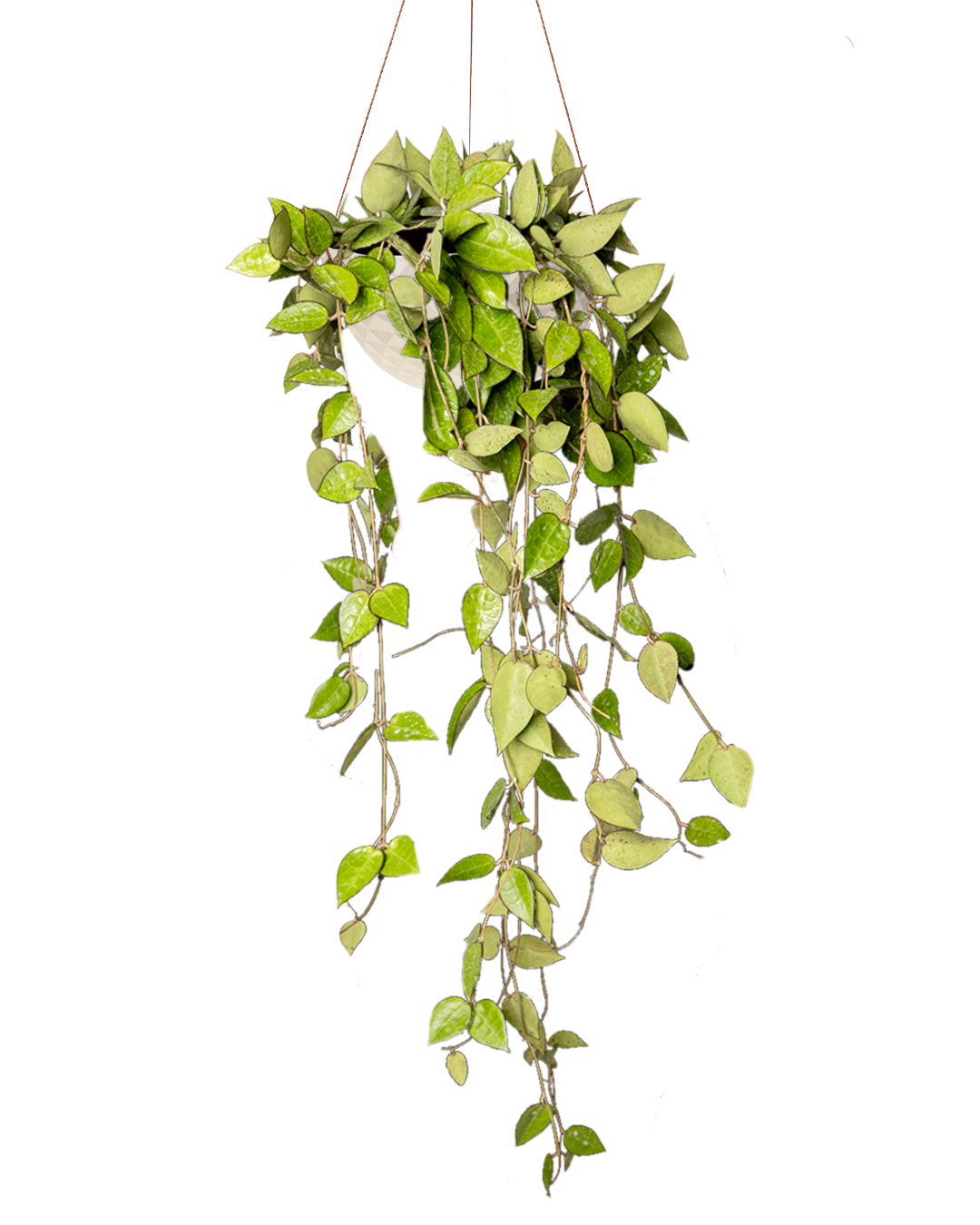
Philodendrons deserve special recognition for their adaptability and their commitment to making even the most botanically challenged individuals appear competent. Philodendron is a medium- to low-light houseplant that prefers to be kept dry between waterings. Their heart-shaped leaves cascade with theatrical flair, creating living curtains that transform mundane corners into conversation pieces.
The cast iron plant lives up to its industrial nomenclature by tolerating conditions that would send more delicate specimens into horticultural therapy. These robust individuals maintain their dignity in hallways, bathrooms, and other spaces typically considered unsuitable for plant habitation.

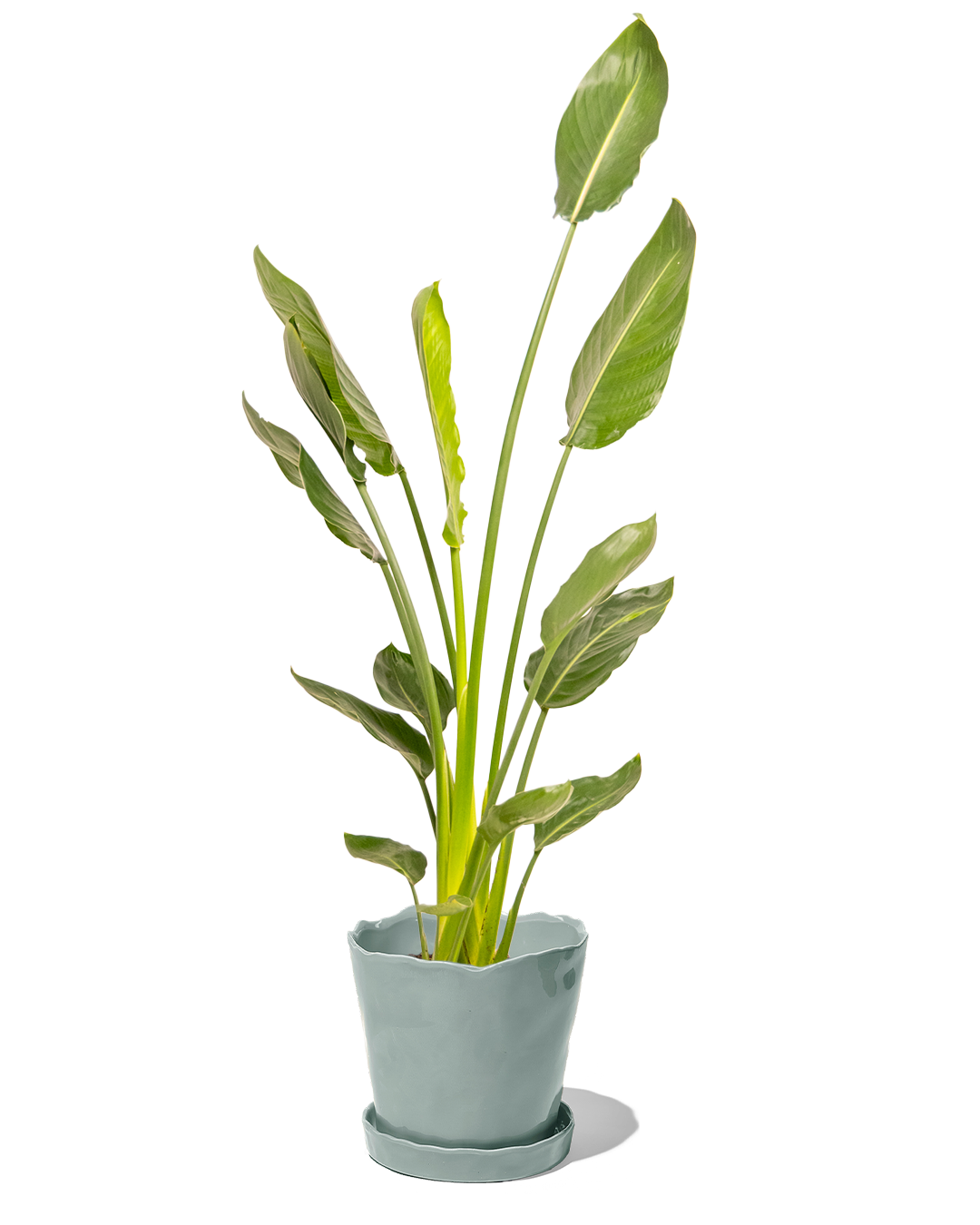
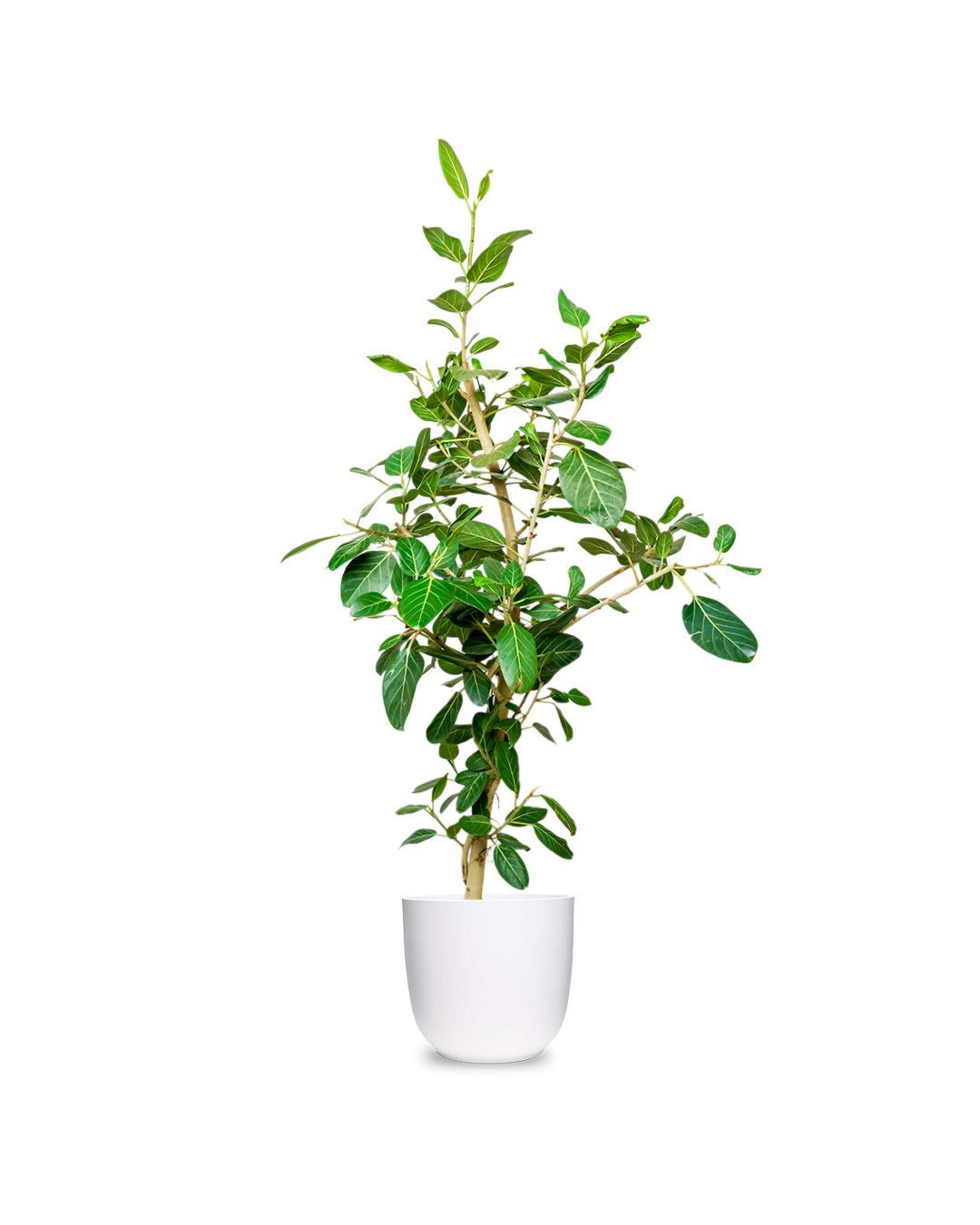
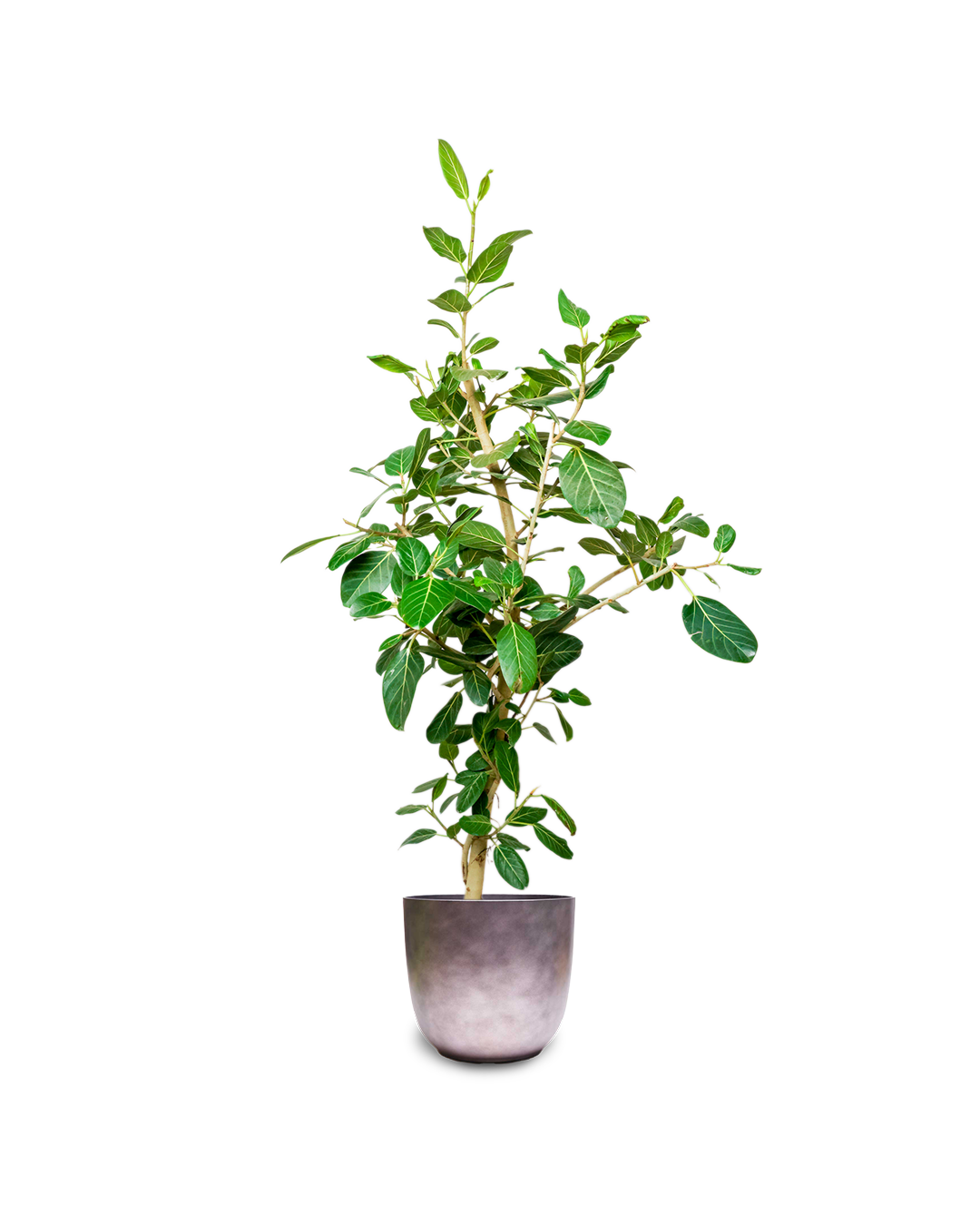
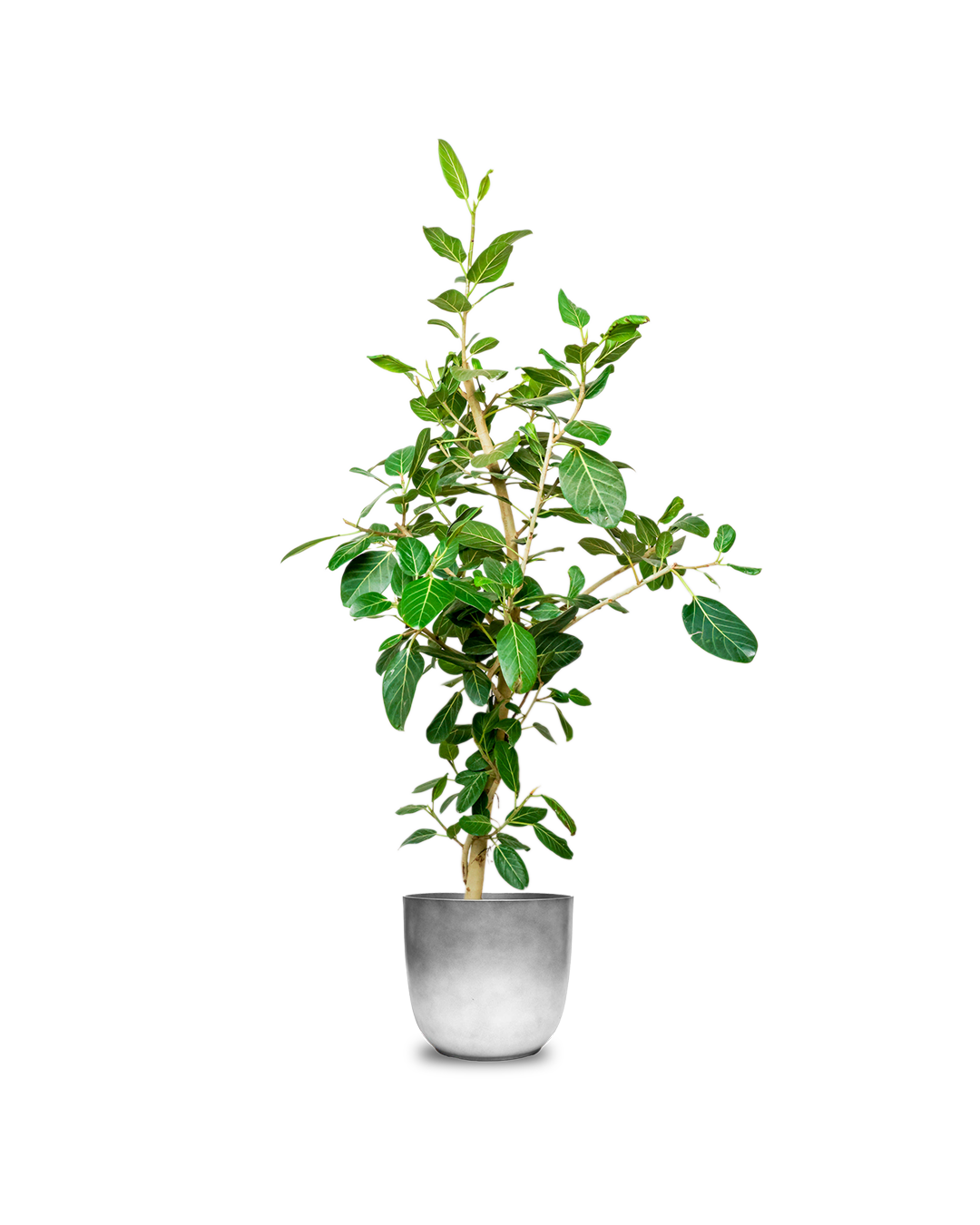
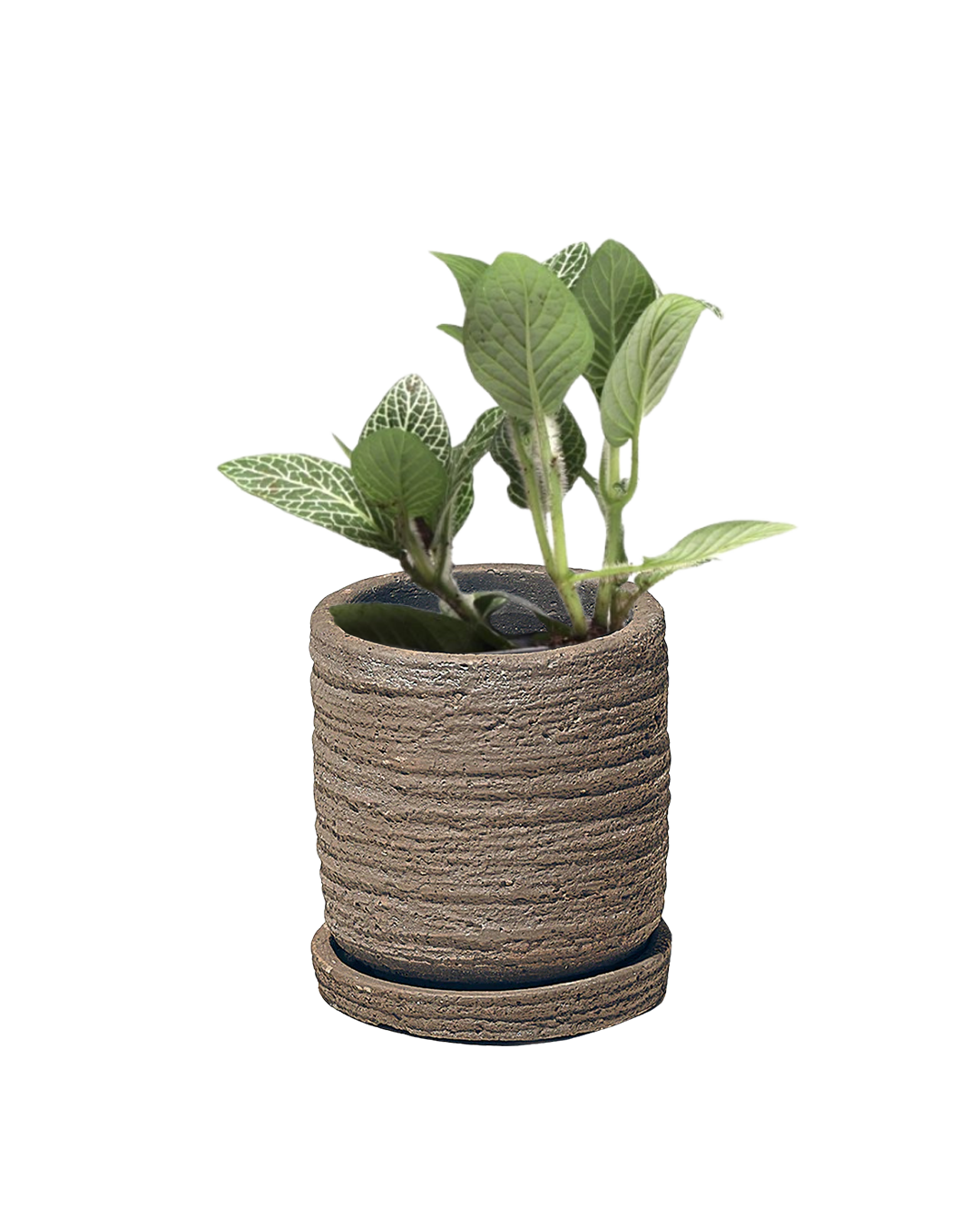
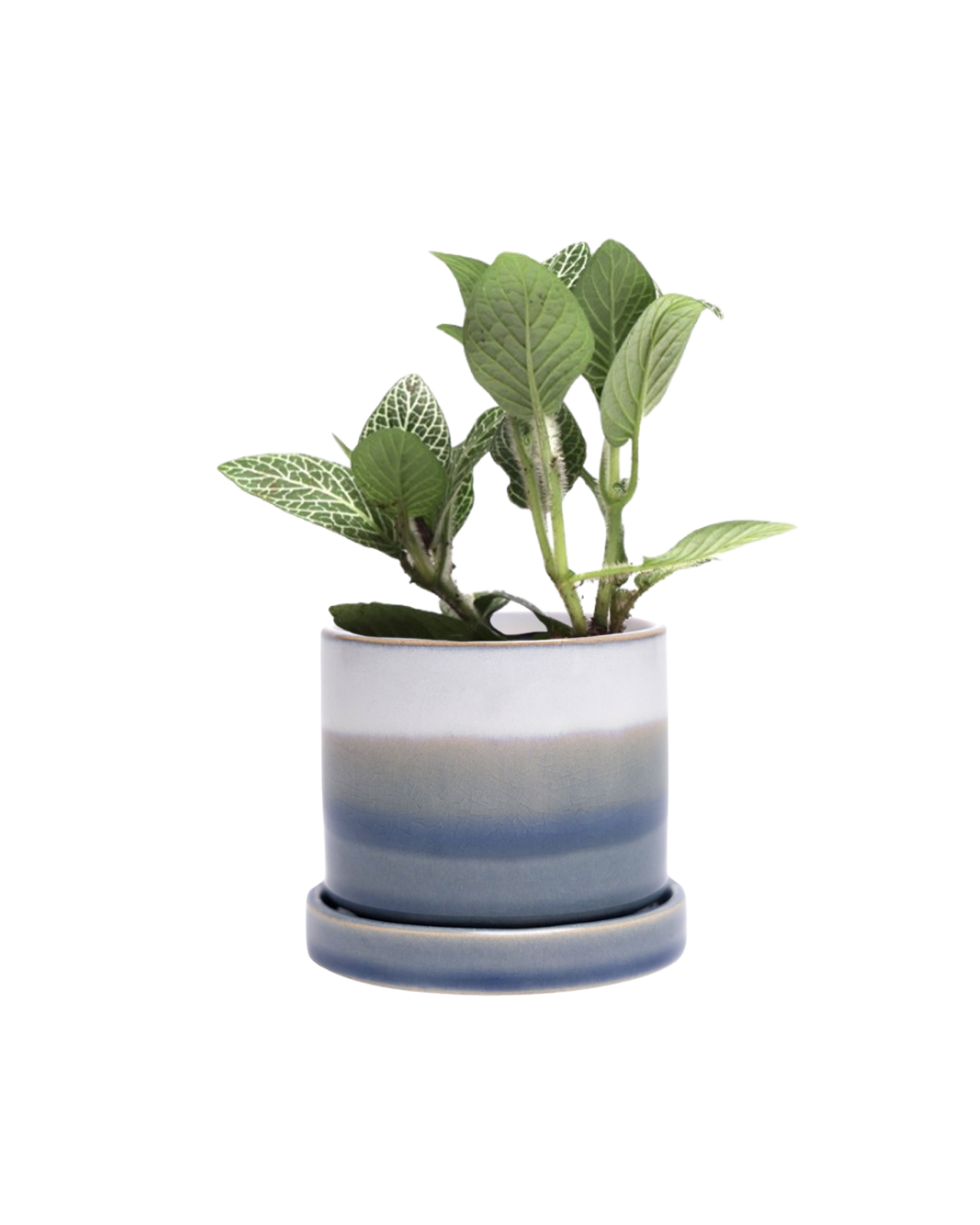
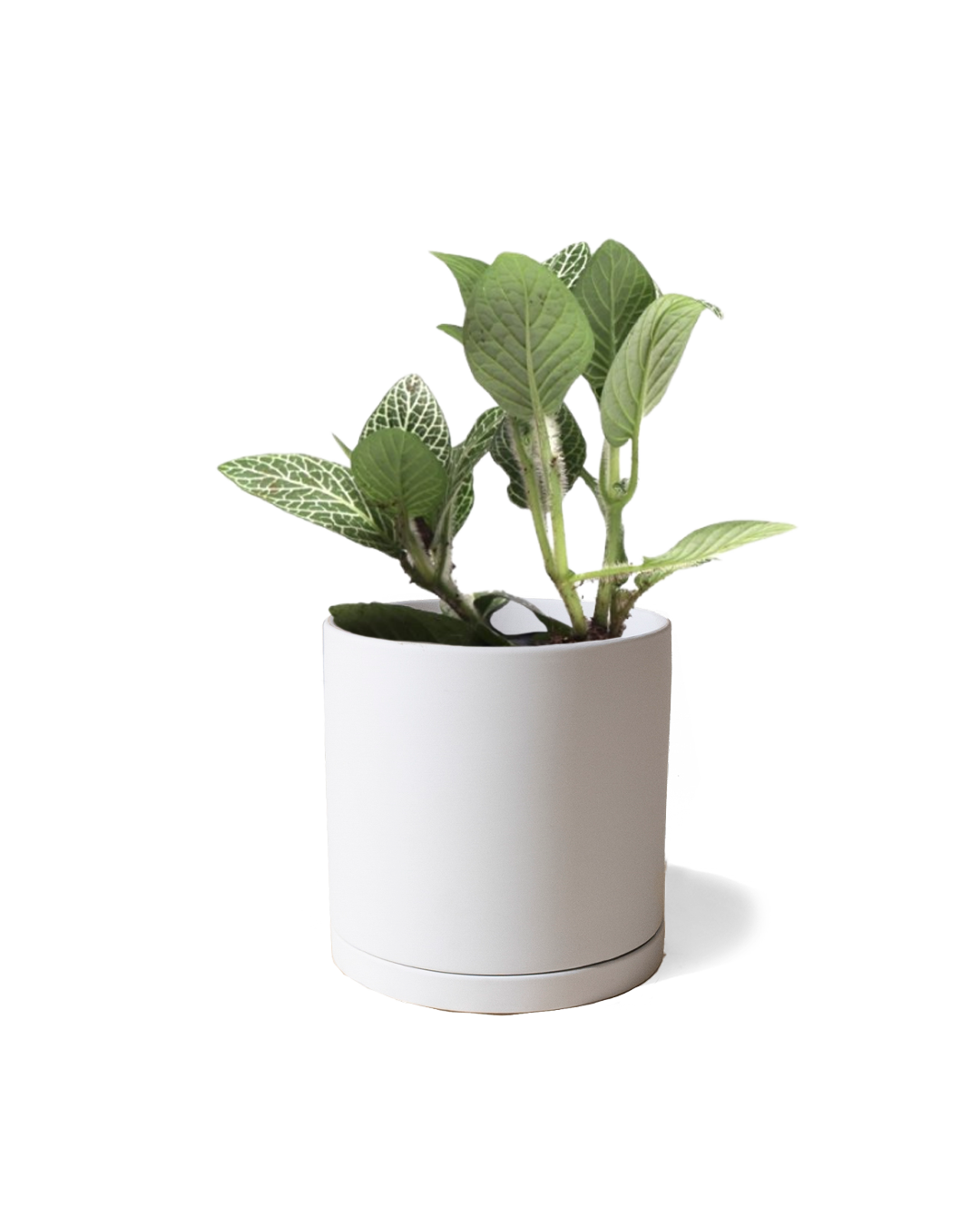
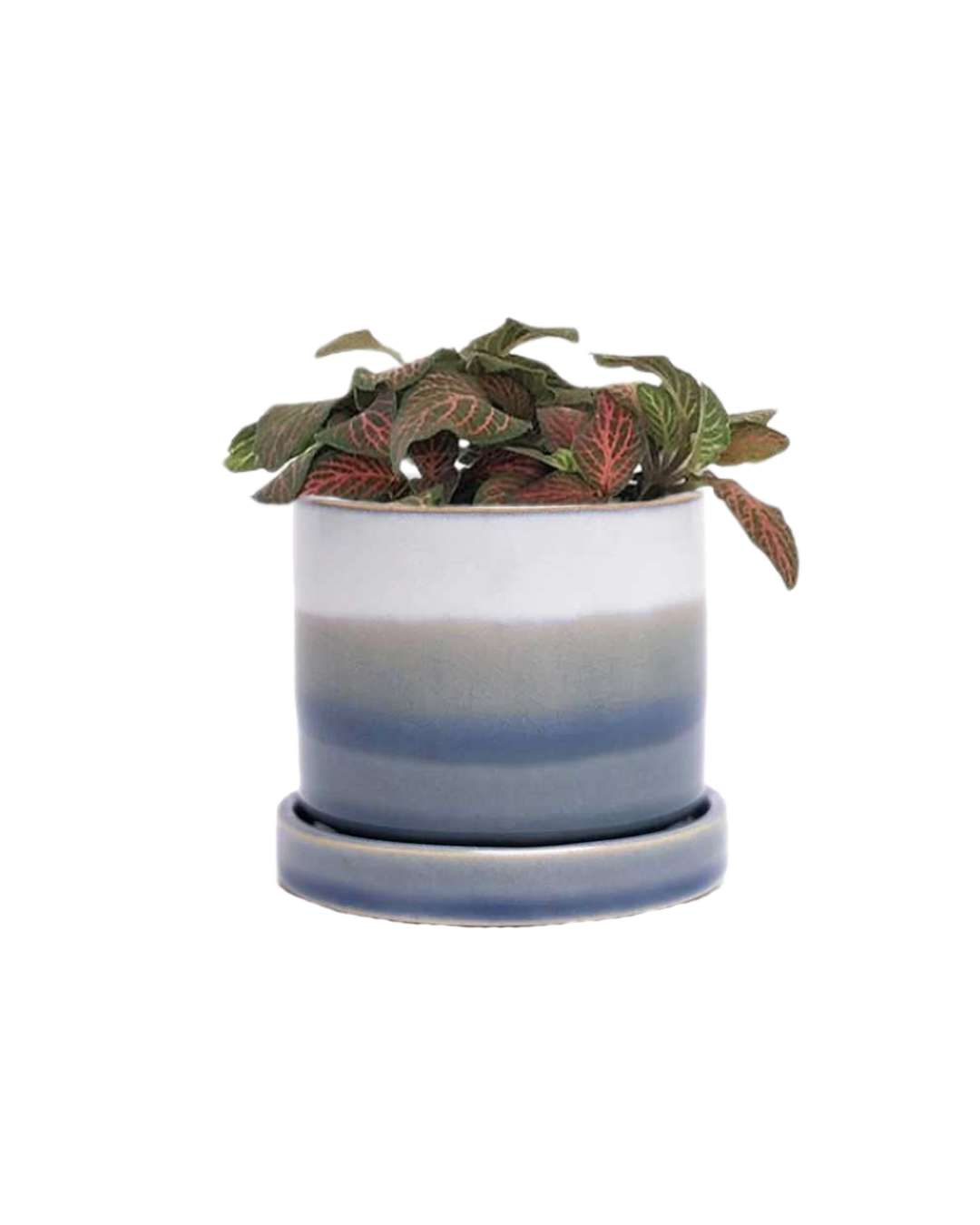
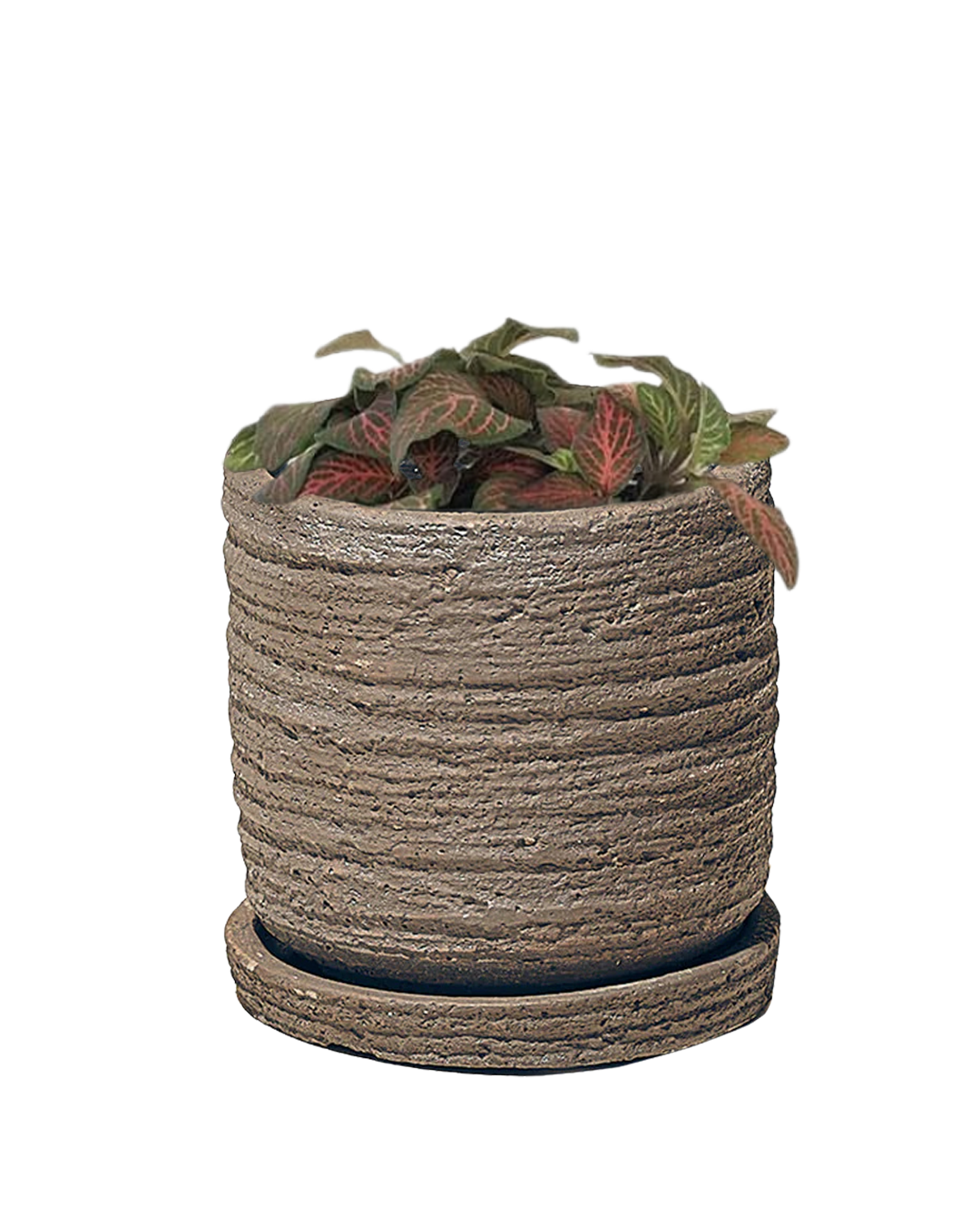
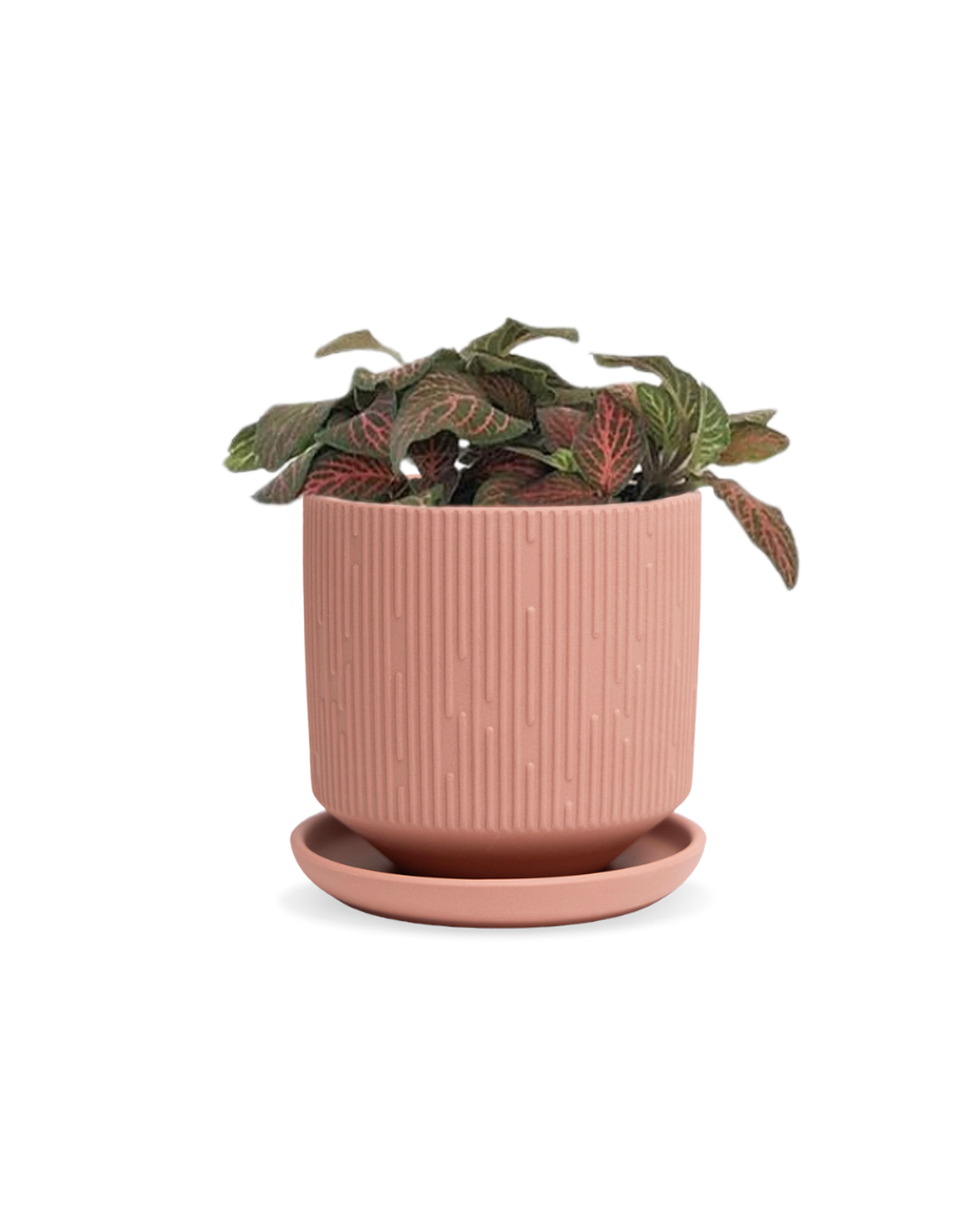
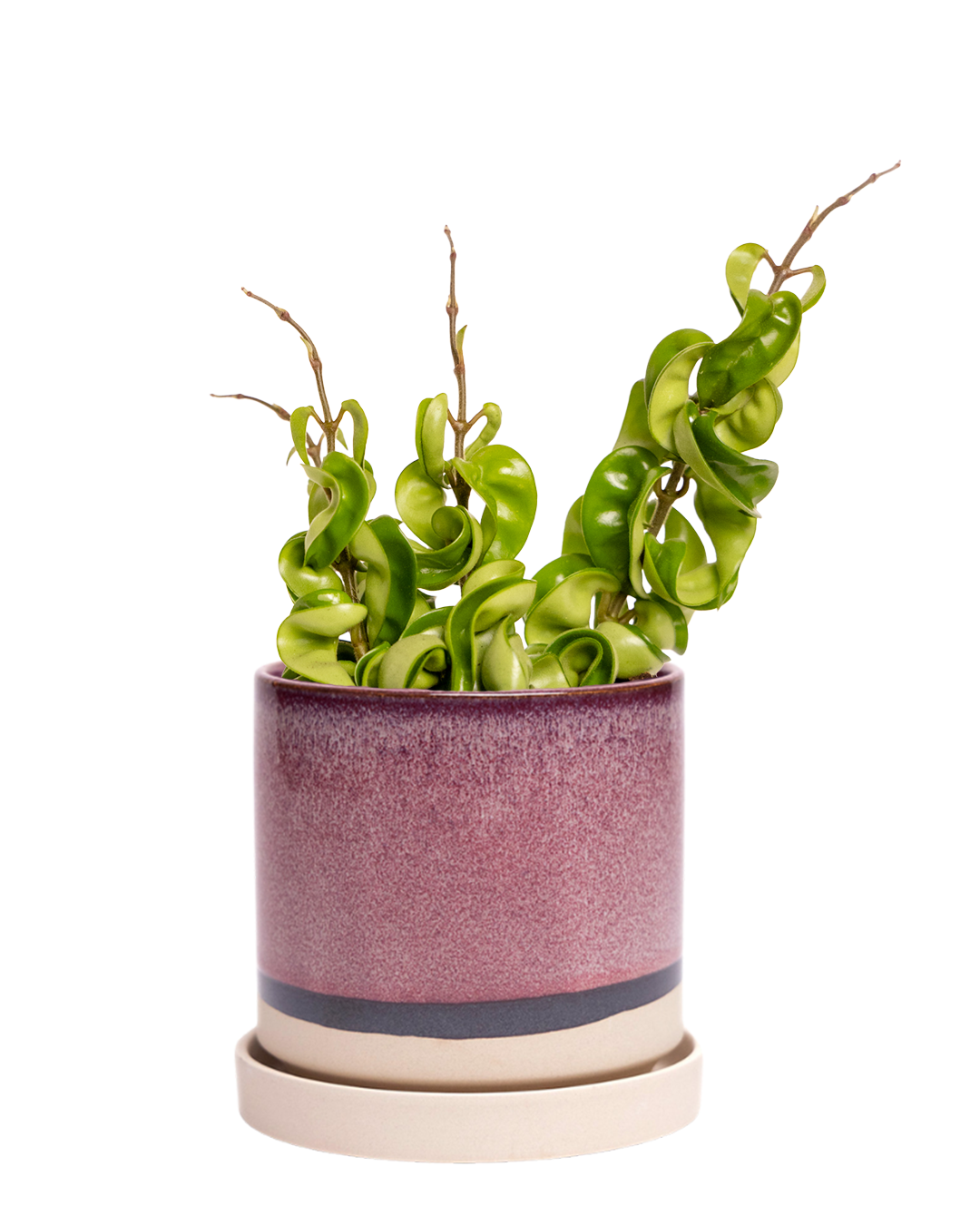
Ceramic Plant Pots
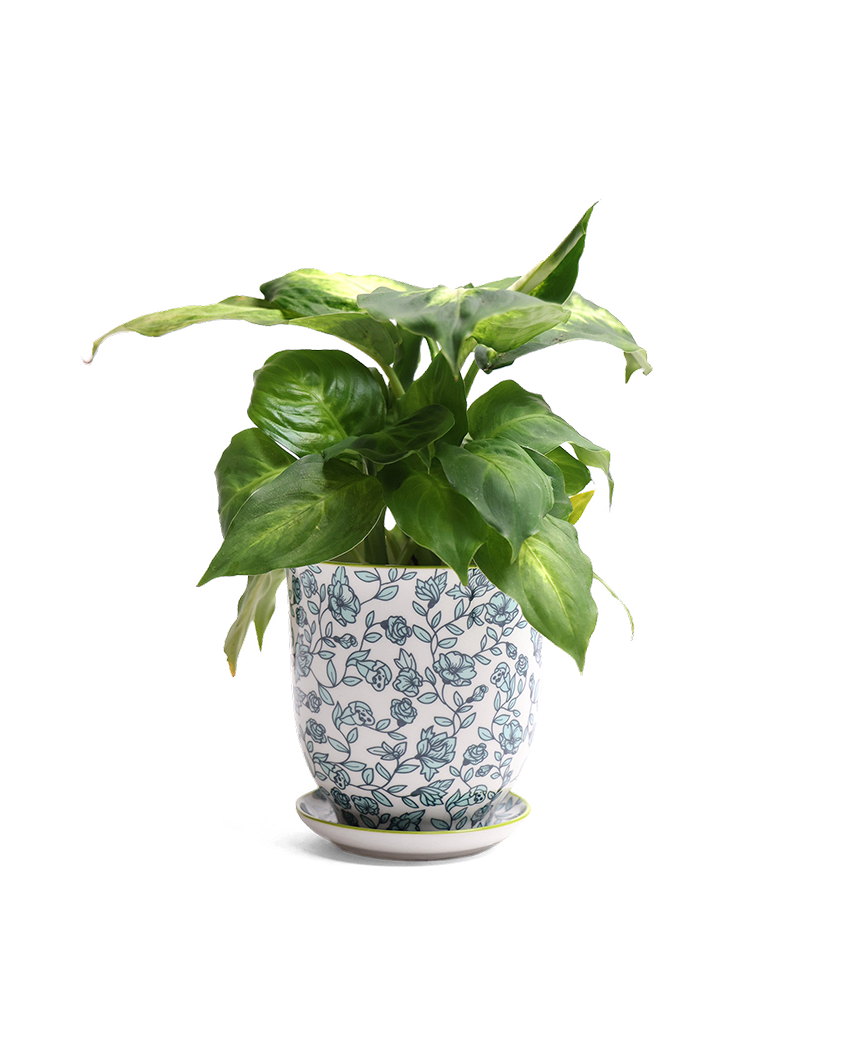
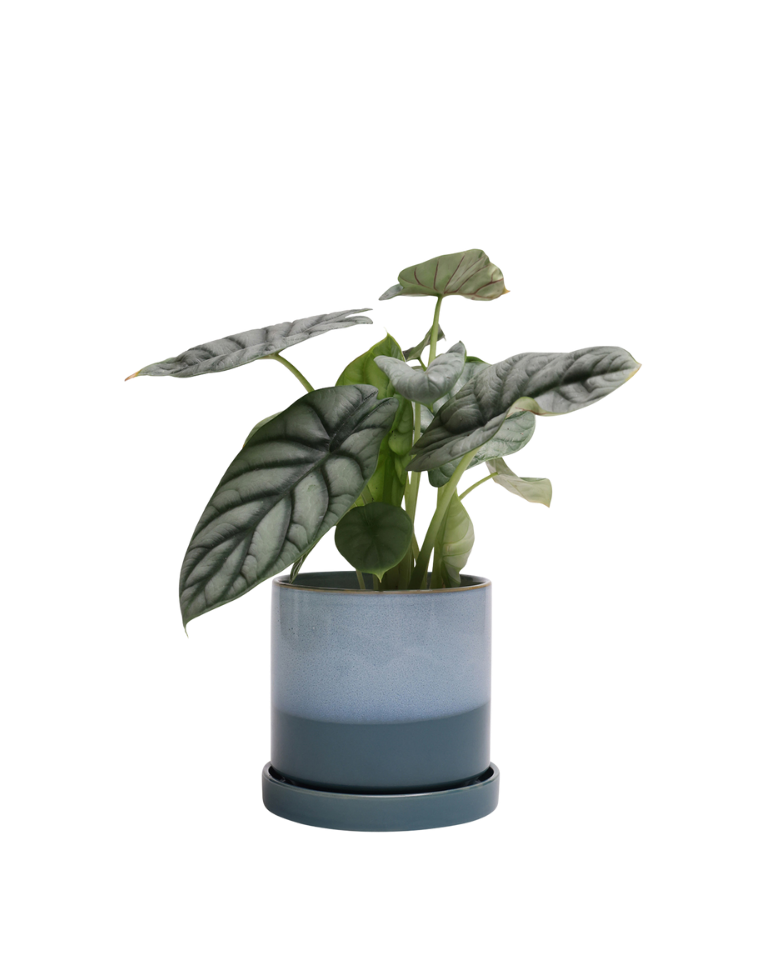
The vessel selection process reveals much about one's commitment to the low-light gardening lifestyle. Ceramic containers offer both practical benefits and aesthetic gravitas, creating the impression that considerable thought has been invested in the arrangement, even when the primary consideration was finding something large enough to contain the expanding root system of an enthusiastic monstera.
The weight of ceramic planters serves dual purposes: providing stability for top-heavy specimens and preventing the sort of accidental relocations that occur when enthusiastic pets or clumsy humans encounter lightweight alternatives. These substantial bases become anchor points around which entire room designs can revolve, transforming functional plant containers into architectural elements.
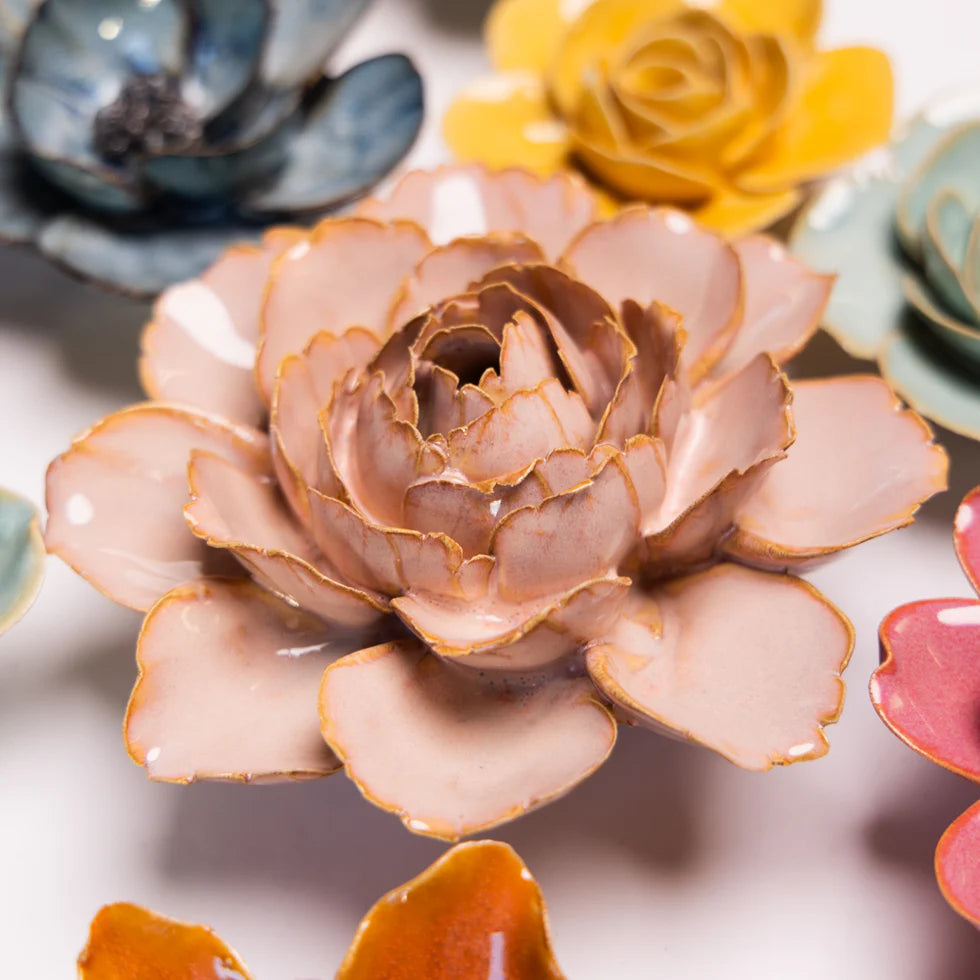
Glazed ceramic surfaces reflect and amplify available light, creating subtle illumination boosts that low-light plants appreciate without requiring. The interplay between glossy container surfaces and the matte textures of large leaves creates visual depth that compensates for the absence of dramatic lighting effects.
Plant Care Essentials
The maintenance requirements of low-light plants align perfectly with the lifestyle of individuals who appreciate the presence of greenery without embracing the full-time commitment typically associated with serious horticulture. The leaves will droop if the plant is thirsty but watch out for yellow leaves that indicate overwatering.
Watering schedules become exercises in restraint rather than enthusiasm. Most low-light specimens prefer the "benign neglect" approach to hydration, thriving when allowed to dry between waterings rather than receiving constant attention from well-meaning caretakers wielding watering cans like medical instruments.

Light Optimization Strategies
Low light does not mean no light, so it is best to think about how to make the most of the limited natural light available. The strategic placement of mirrors can redirect whatever illumination exists toward plant locations, creating the illusion of brighter conditions without requiring electrical intervention.
Windows become precious real estate in the low-light plant universe, with positions near these openings reserved for the most light-sensitive specimens. The areas approximately ten feet from windows often provide ideal conditions for plants that appreciate illumination without demanding spotlight treatment.
Seasonal Considerations
The changing seasons affect indoor light conditions more dramatically than most people realize. Some plants may be able to tolerate shade in summer, but need to be moved in winter to receive more light. This seasonal shuffle becomes an annual tradition, like rearranging furniture, but with higher stakes and more potential for dramatic leaf loss.
Winter months require particular attention to plant positioning, as shortened days and lower sun angles reduce already limited light levels. The wise low-light gardener anticipates these changes, making gradual adjustments rather than waiting for plants to register their complaints through visible distress signals.
The beauty of large low-light plants lies not just in their impressive presence, but in their forgiving nature and their ability to transform spaces that might otherwise remain barren. They offer the satisfaction of successful gardening without requiring the dedication of a botanical scholar or the lighting budget of a small theater company.