




There's something deliciously theatrical about west-facing windows, the way they frame the afternoon sun like a spotlight hitting center stage. Unlike their demure northern cousins that whisper gentle encouragement or those show-off southern windows that blast everything into submission, west-facing windows offer what one might call the Goldilocks of lighting situations – not too harsh, not too weak, but just right for a surprisingly wide cast of botanical characters.
The afternoon light that streams through these windows carries a particular warmth, the kind that makes you want to linger with a cup of coffee and contemplate whether that spider plant has been judging your life choices. West-facing windows provide bright direct sun in front of the window and filtered light off to the side or a few feet away, creating natural zones of illumination that even the most particular houseplant can appreciate.
What makes west-facing windows particularly charming is their flexibility. They're like that friend who can dress up for the opera or down for a backyard barbecue – accommodating without being desperate to please. Plants can receive bright light that is either direct or indirect to encourage their growth, which means you're not stuck with just one type of green companion.

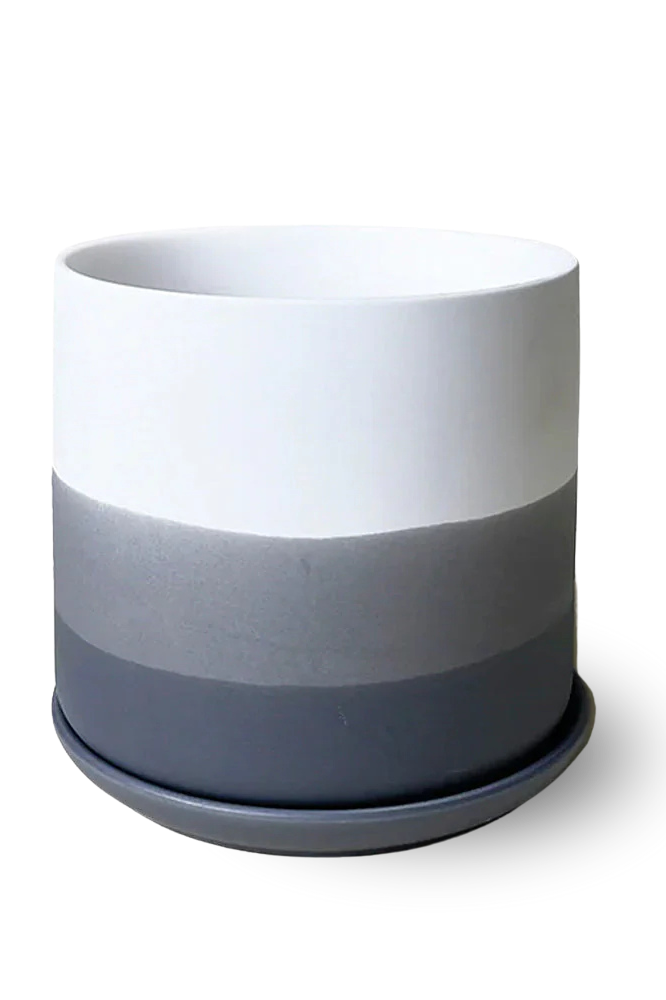
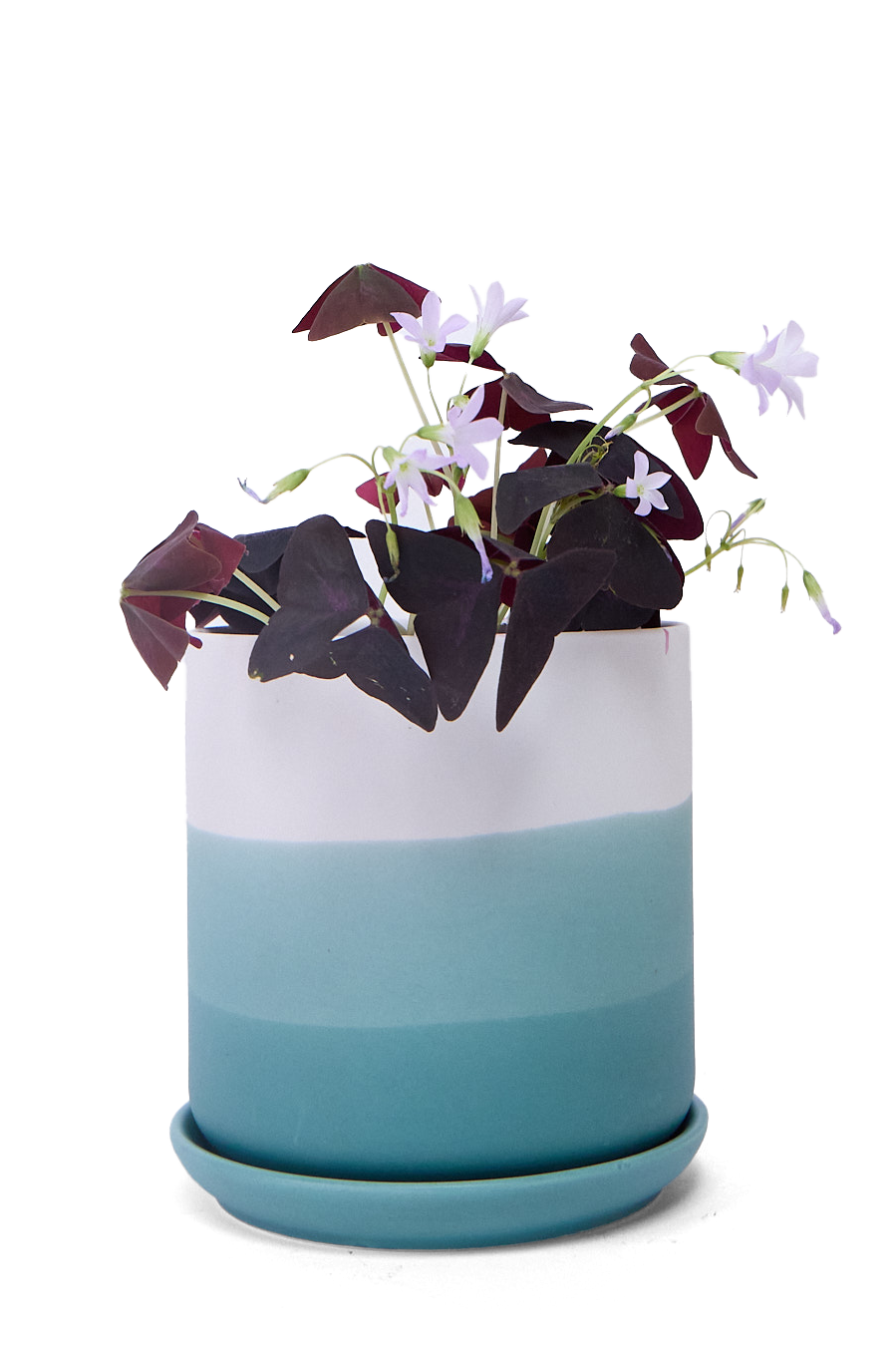
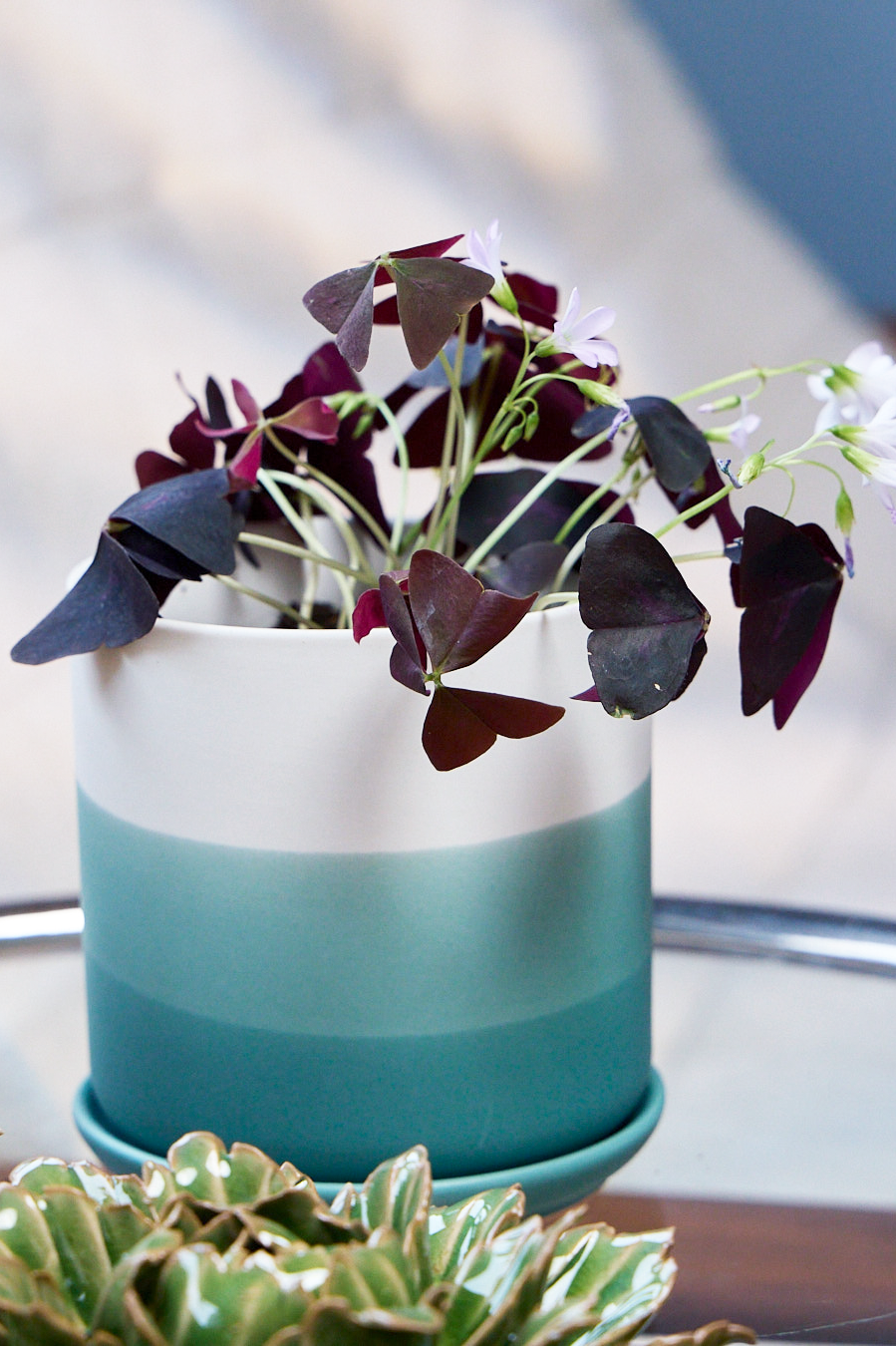
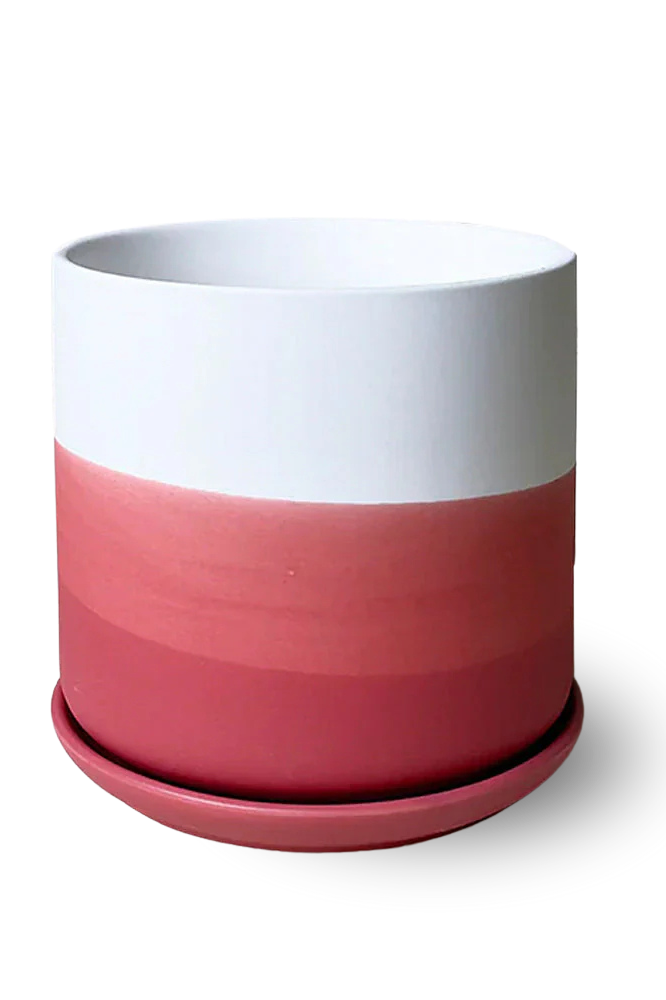
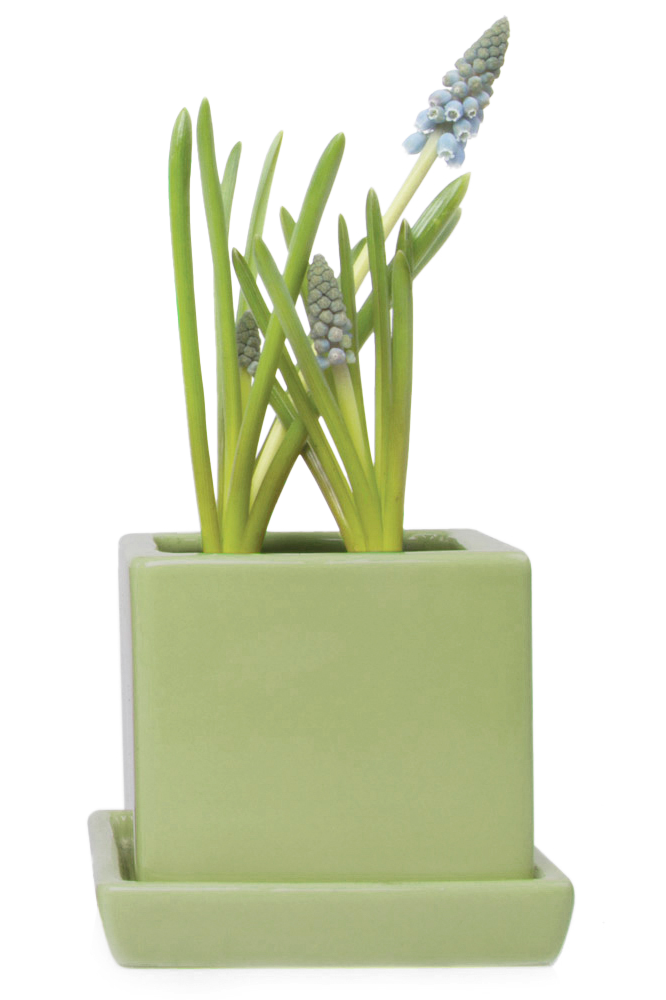
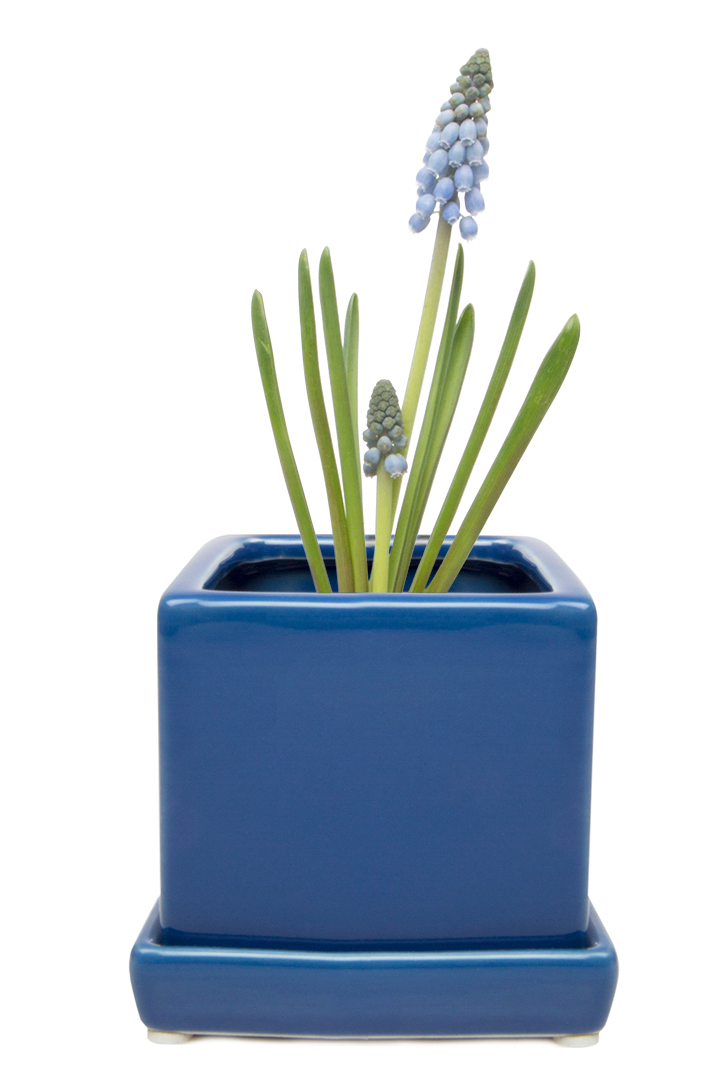
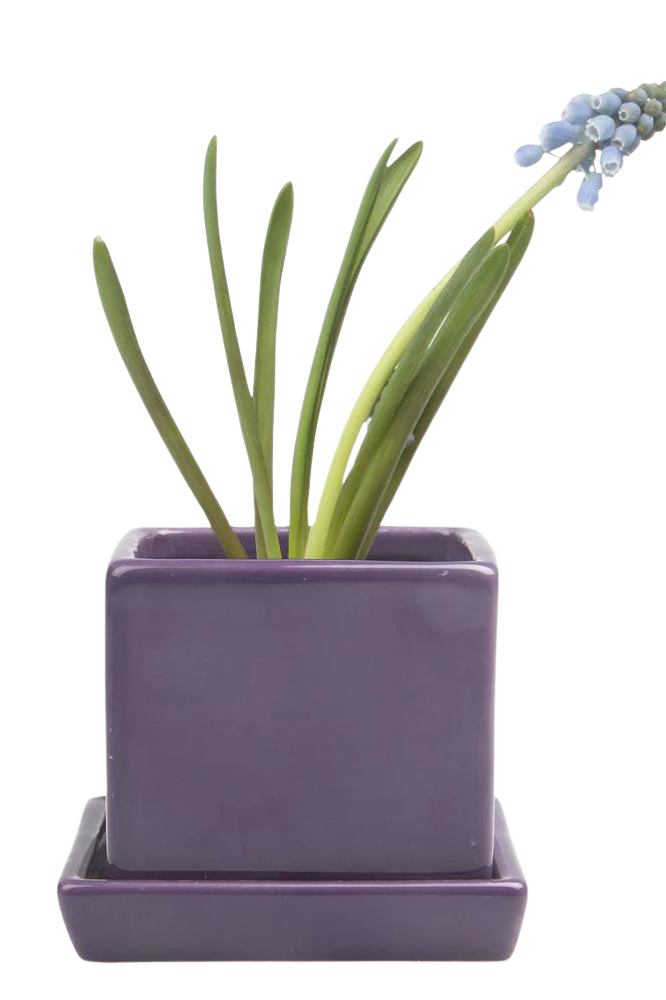
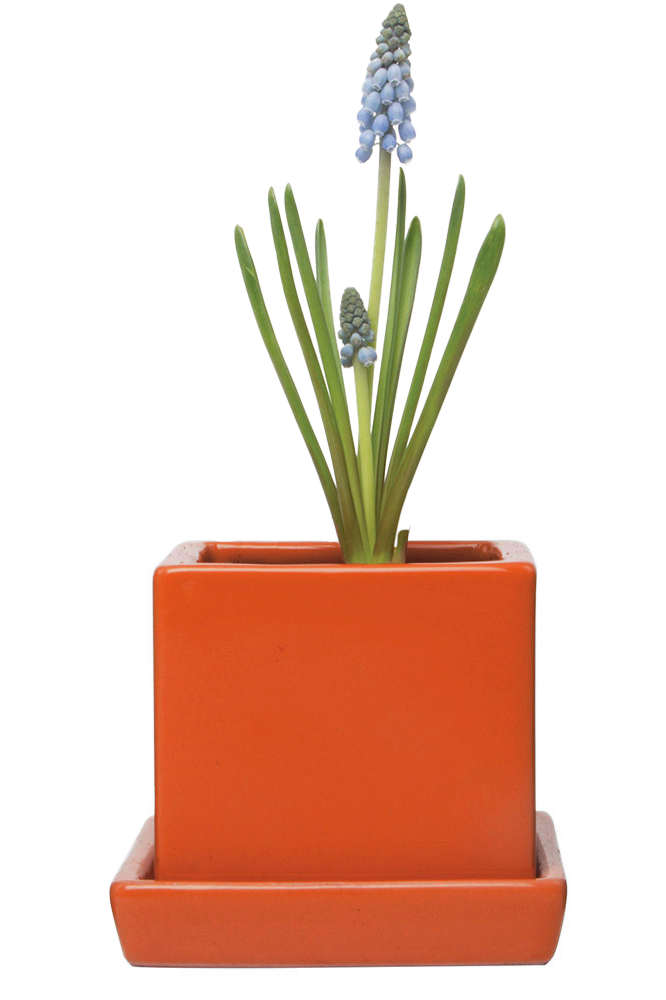
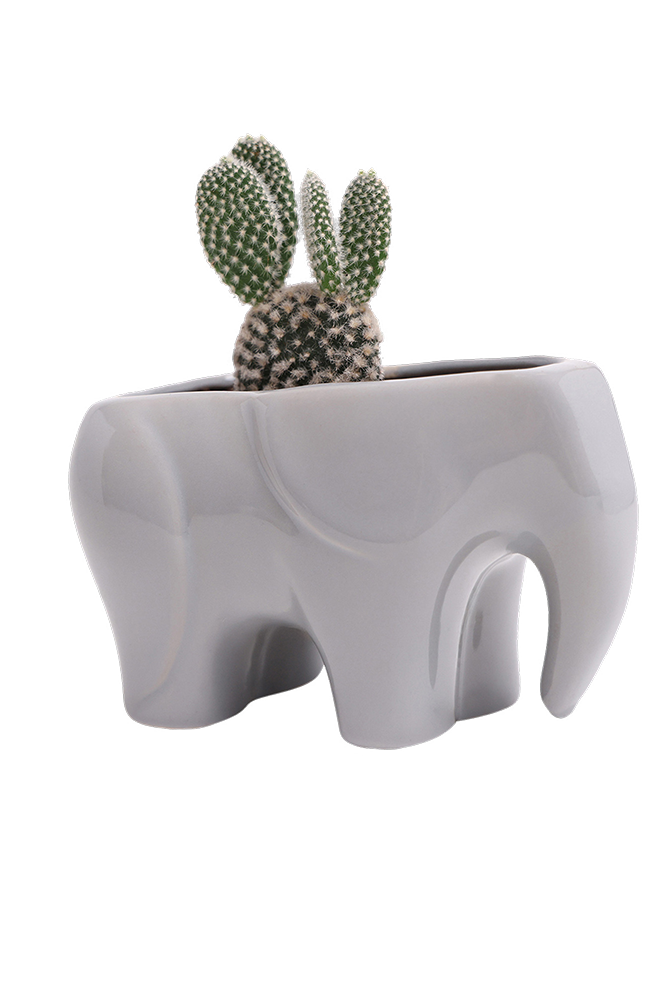
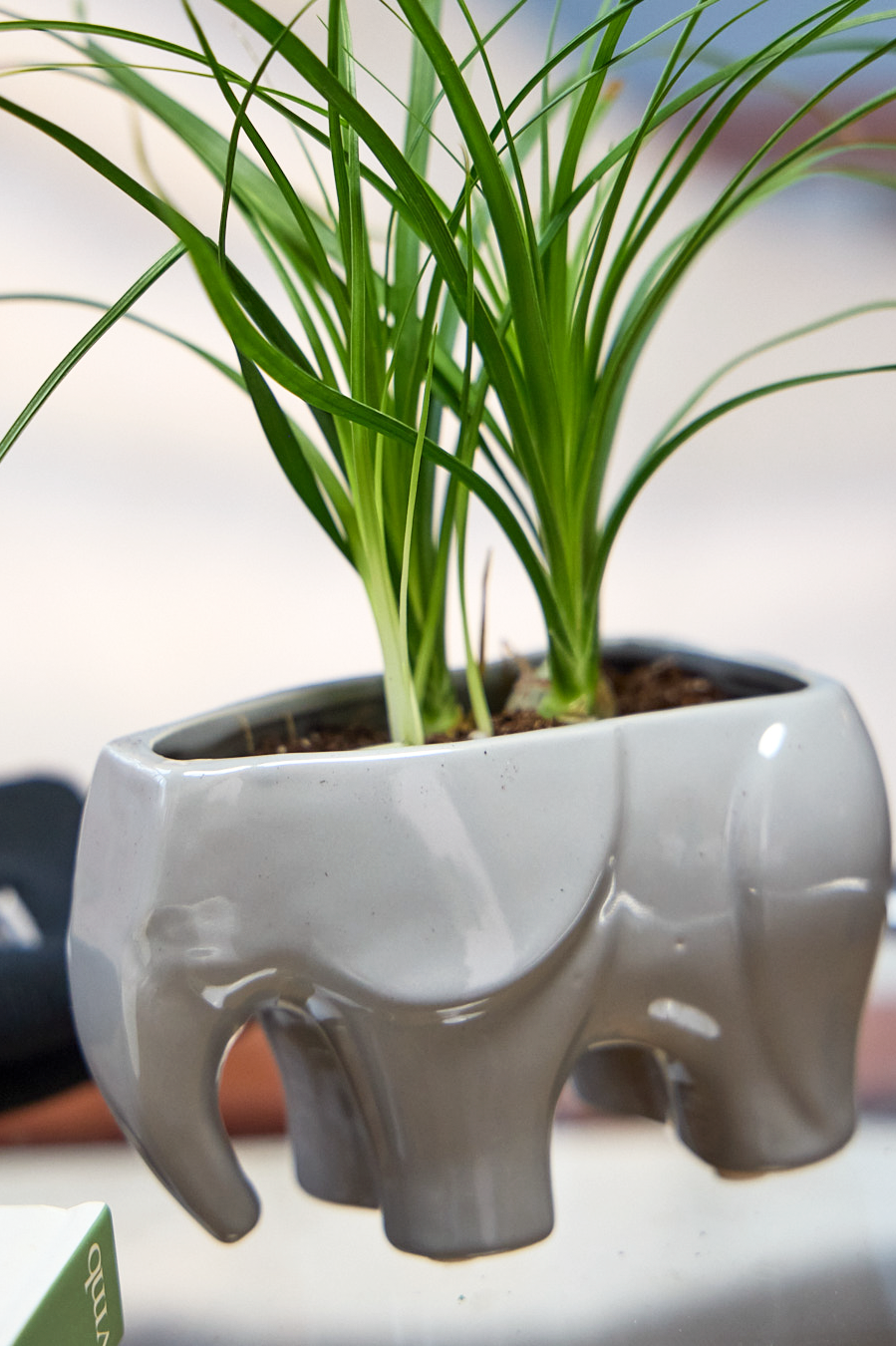
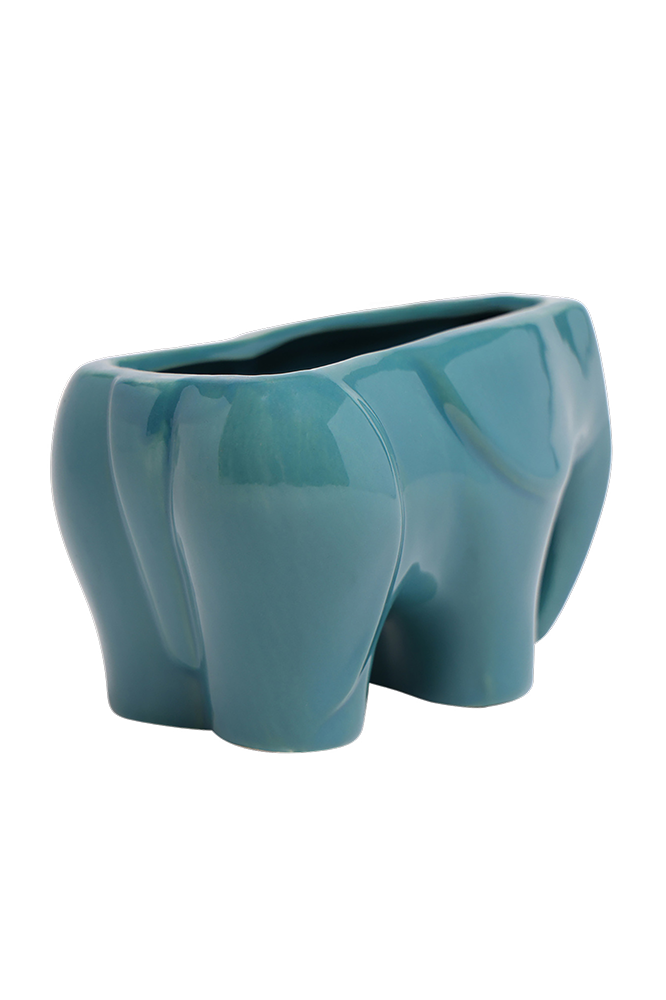
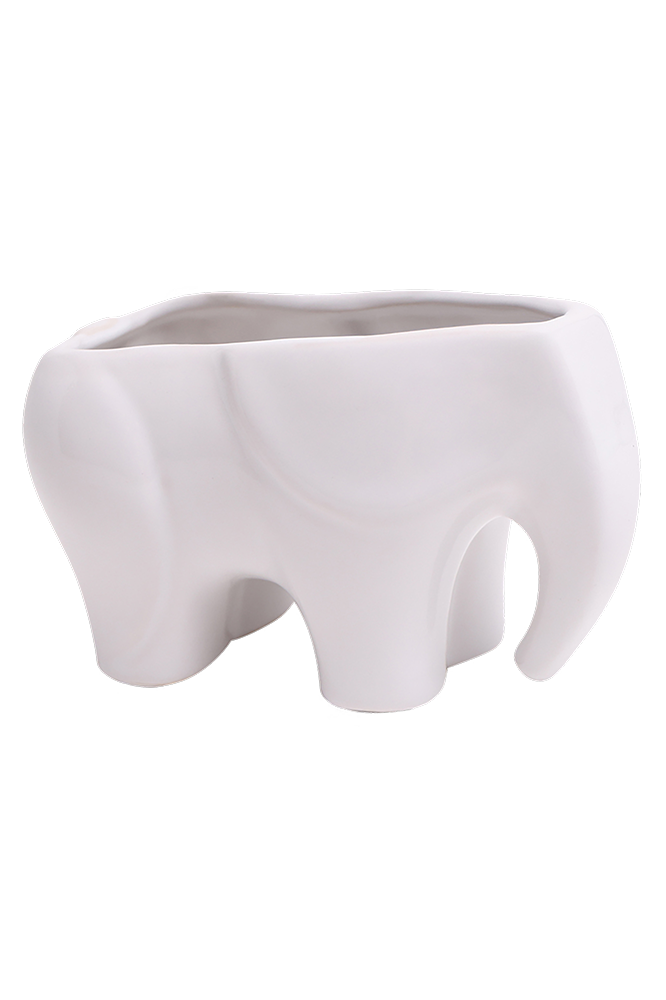
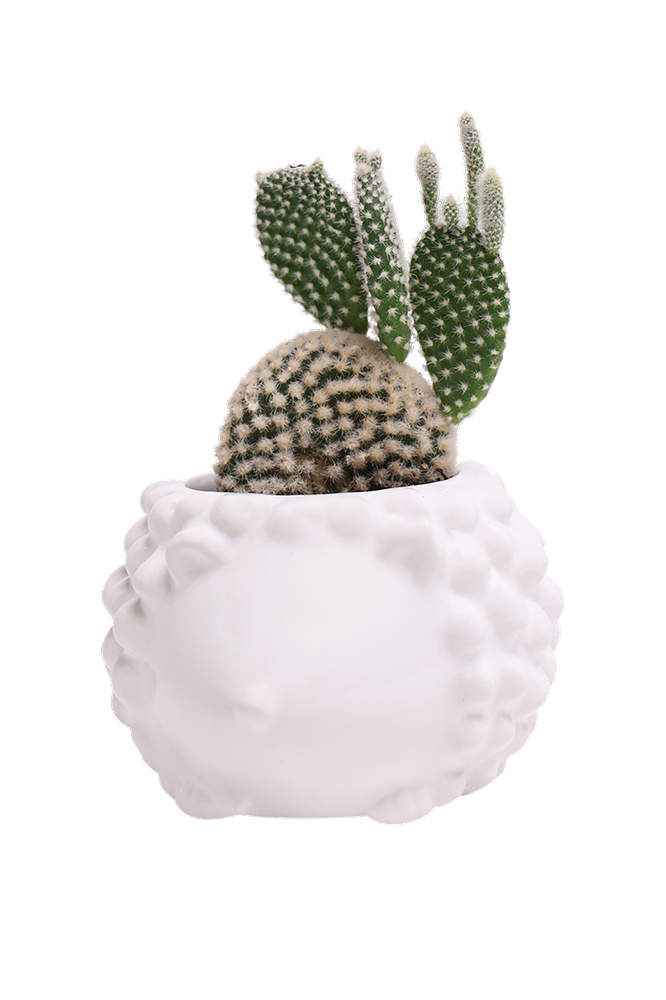
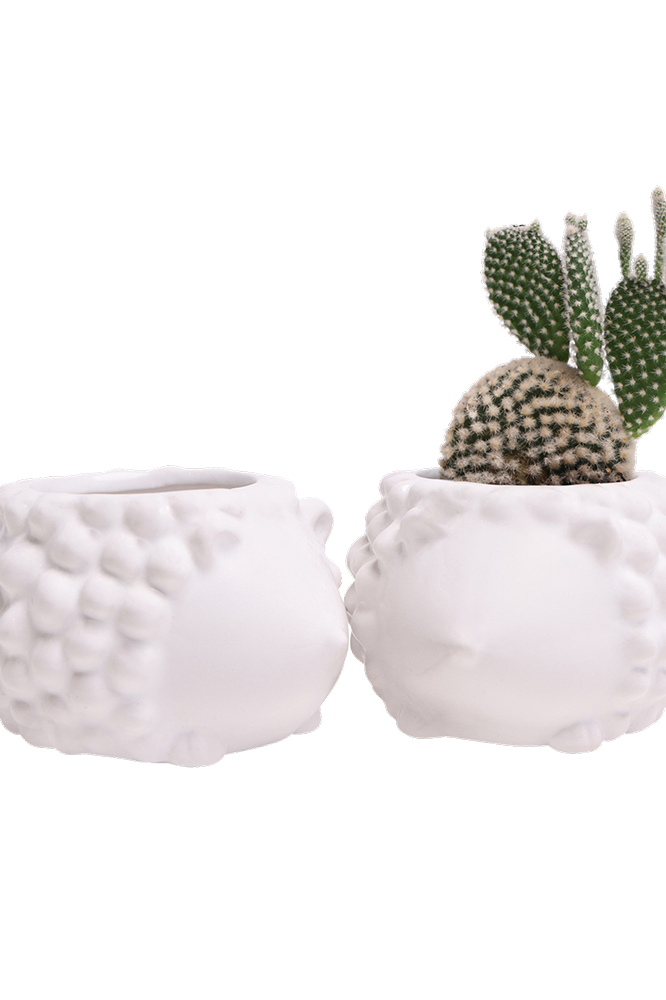
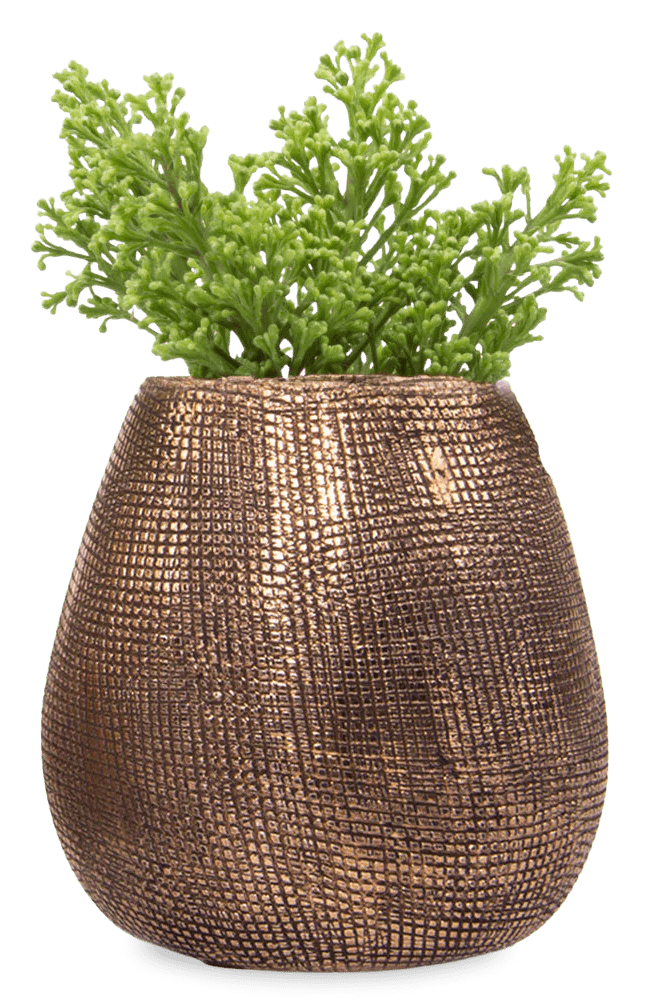
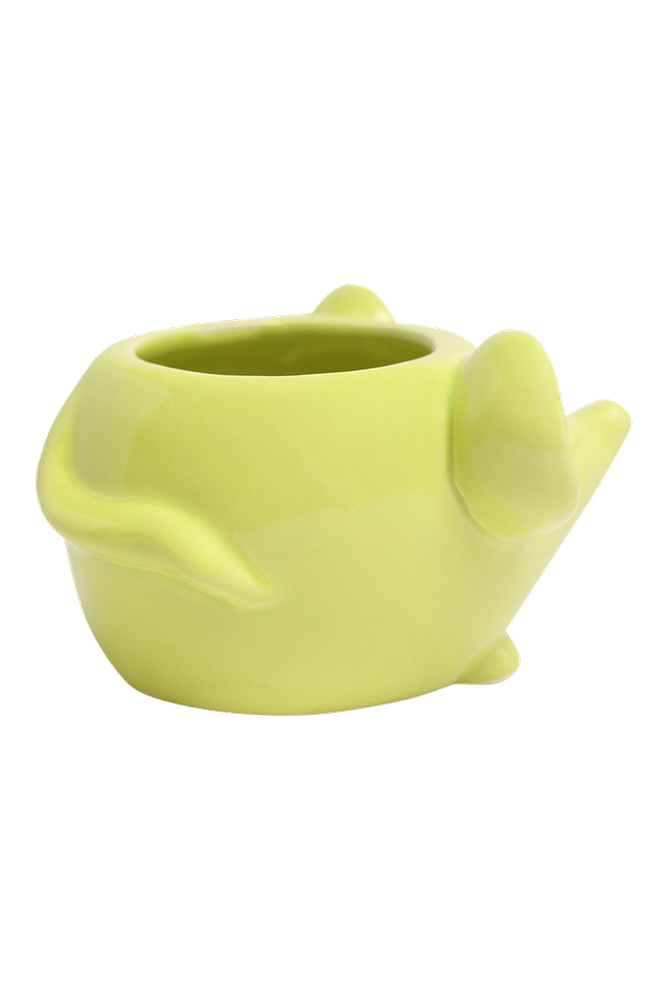
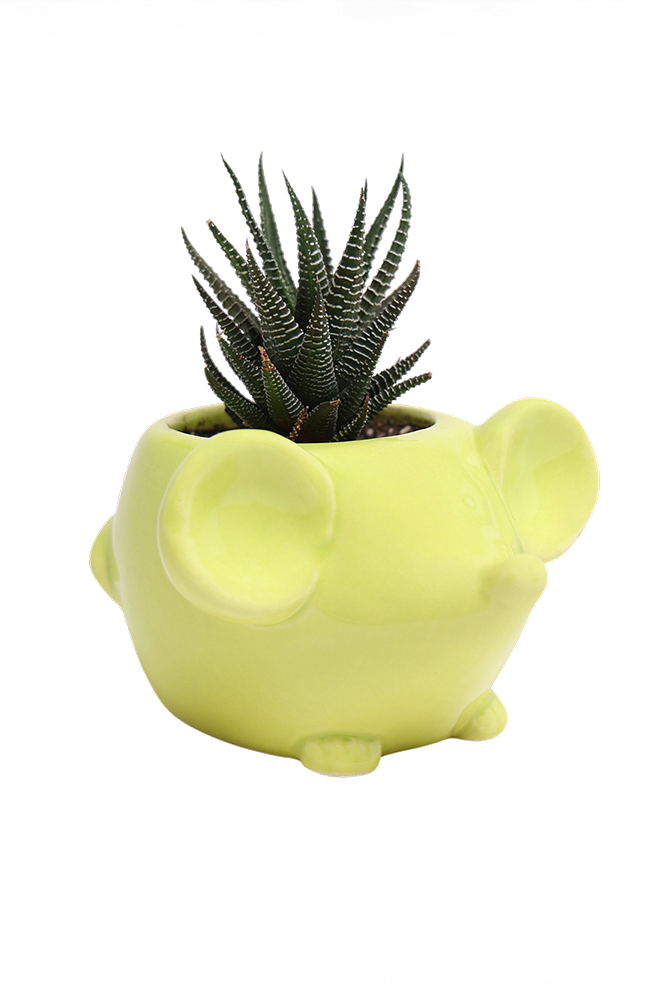
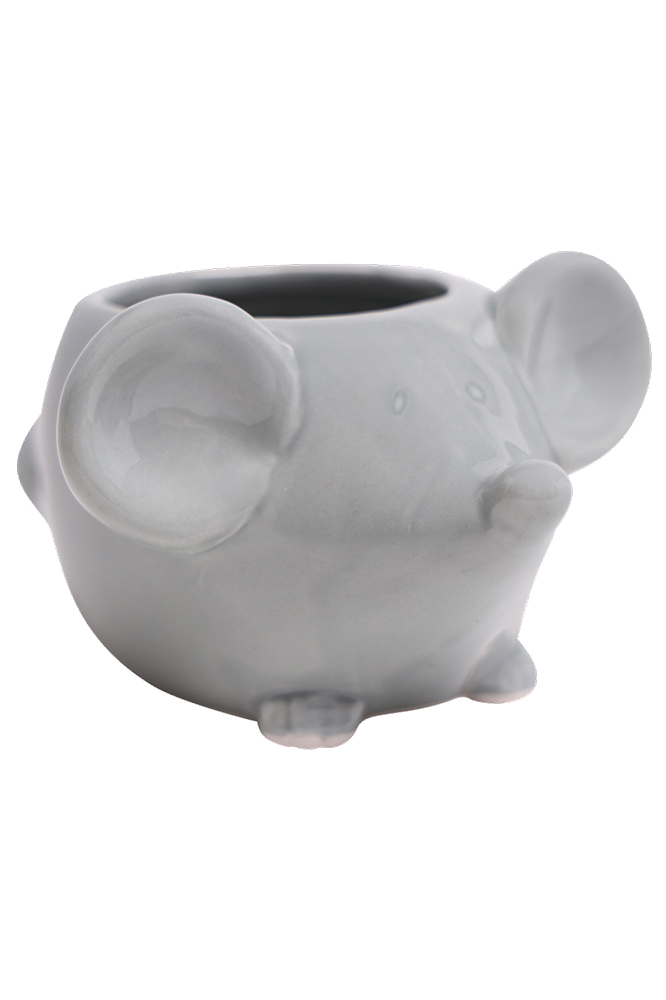
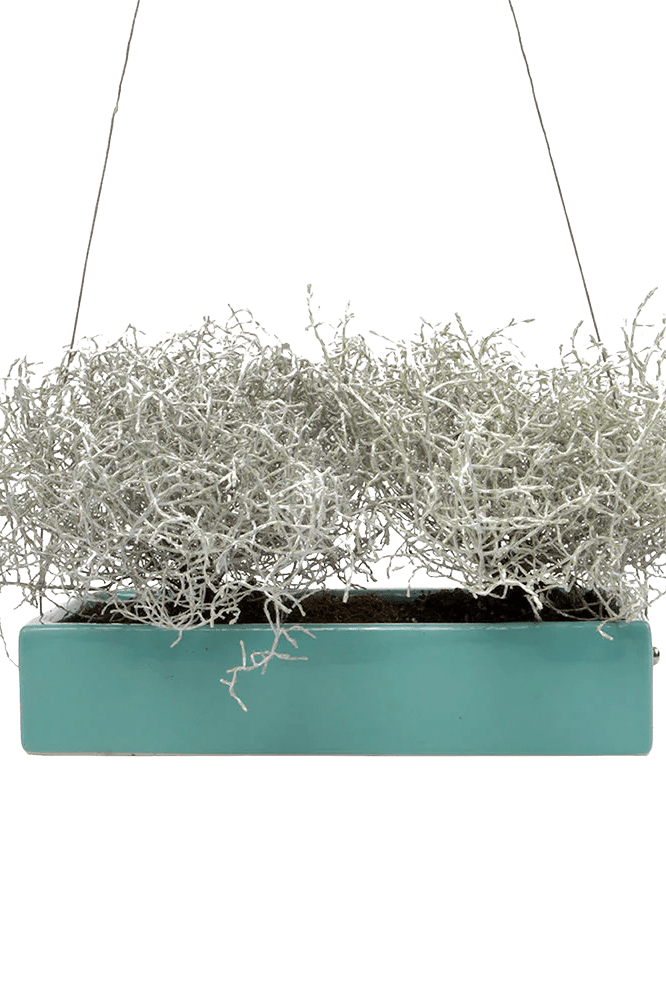
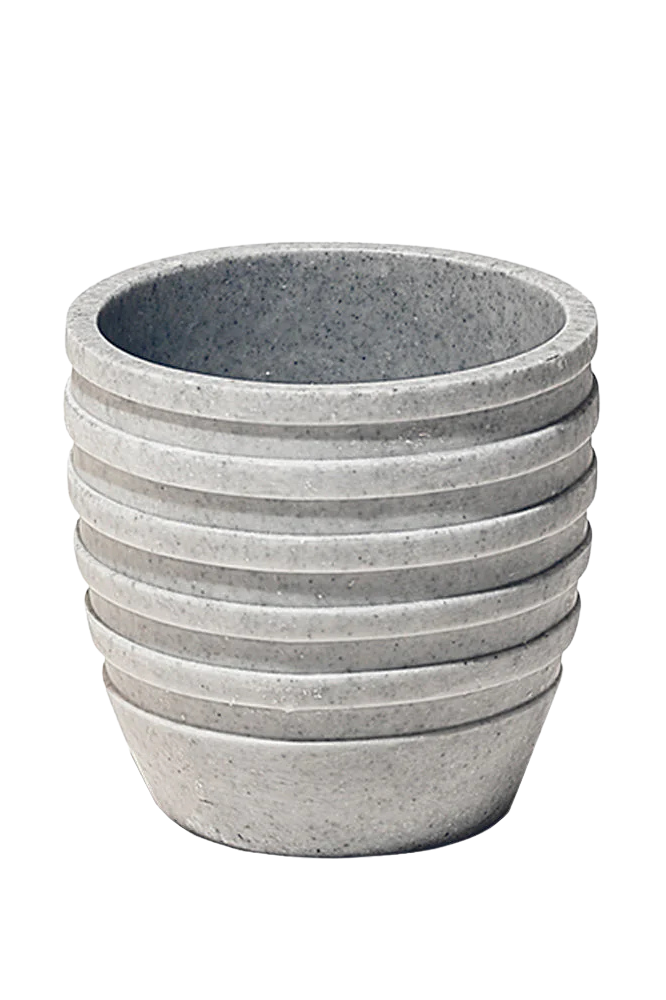
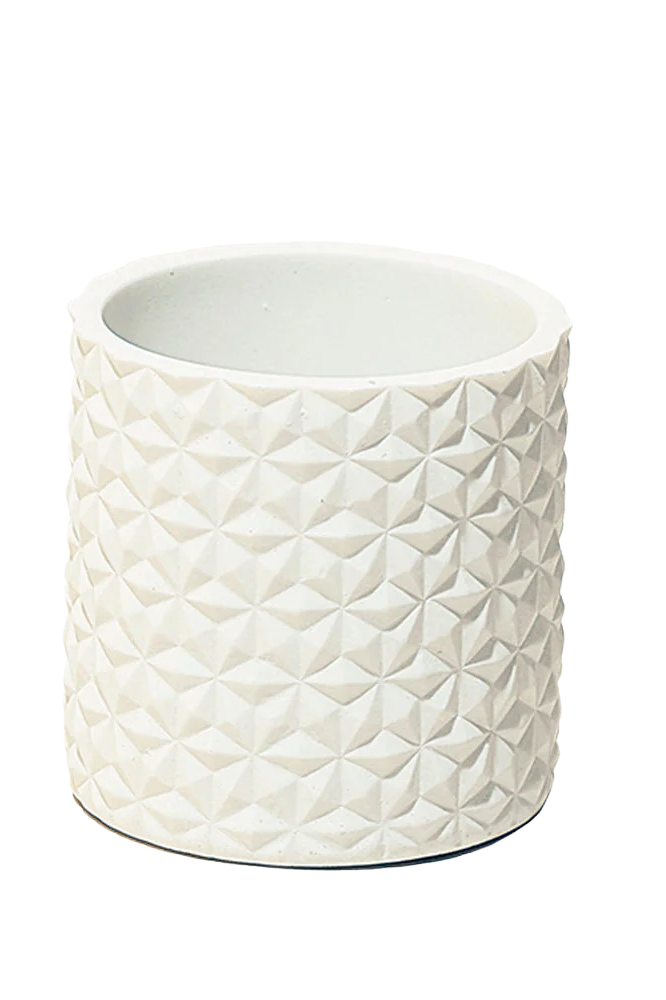
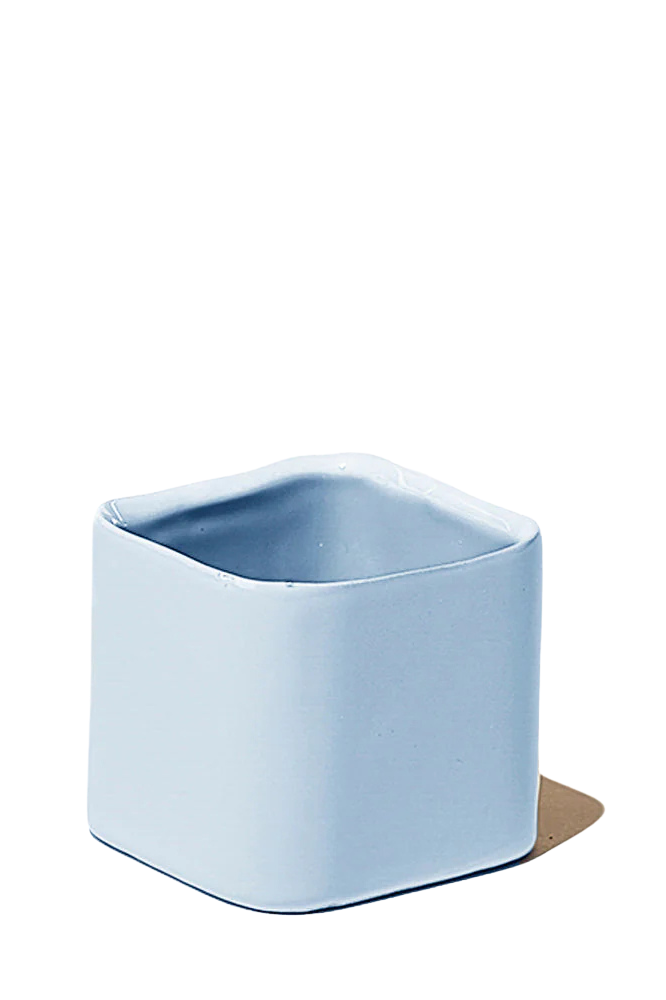
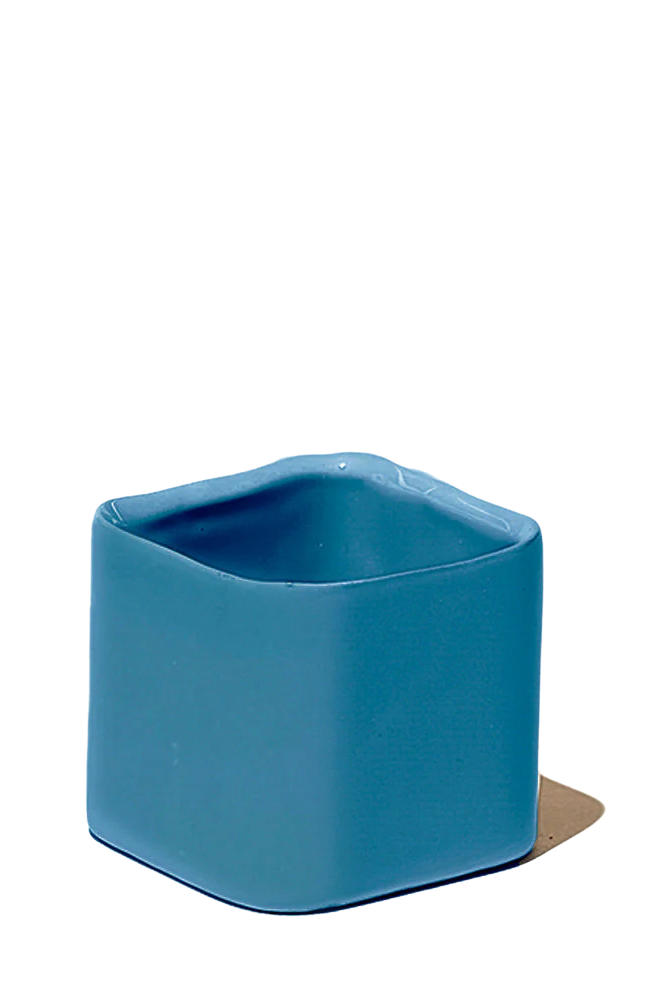
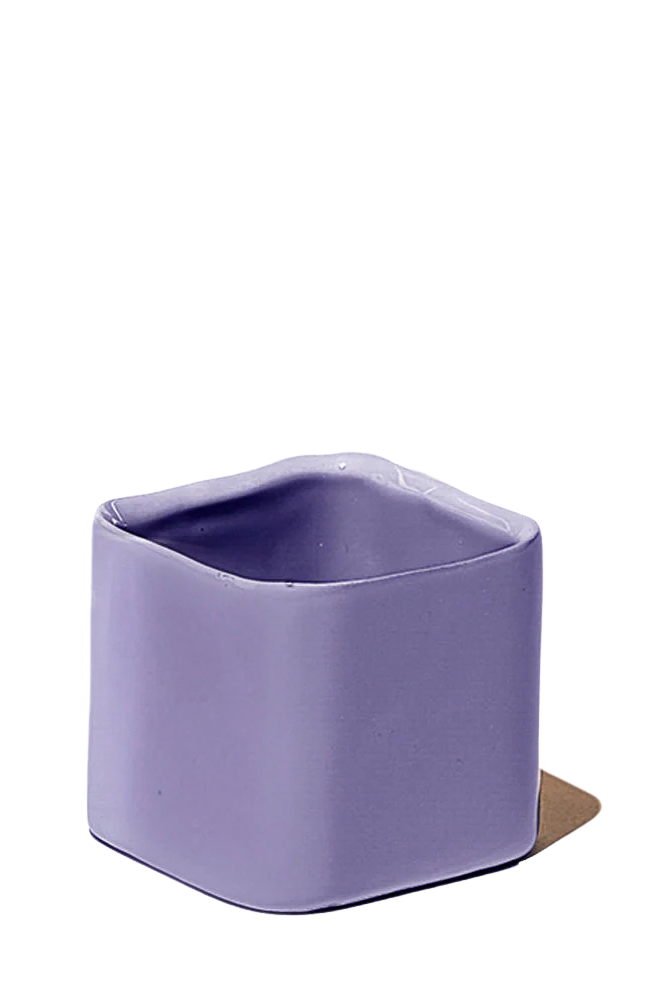
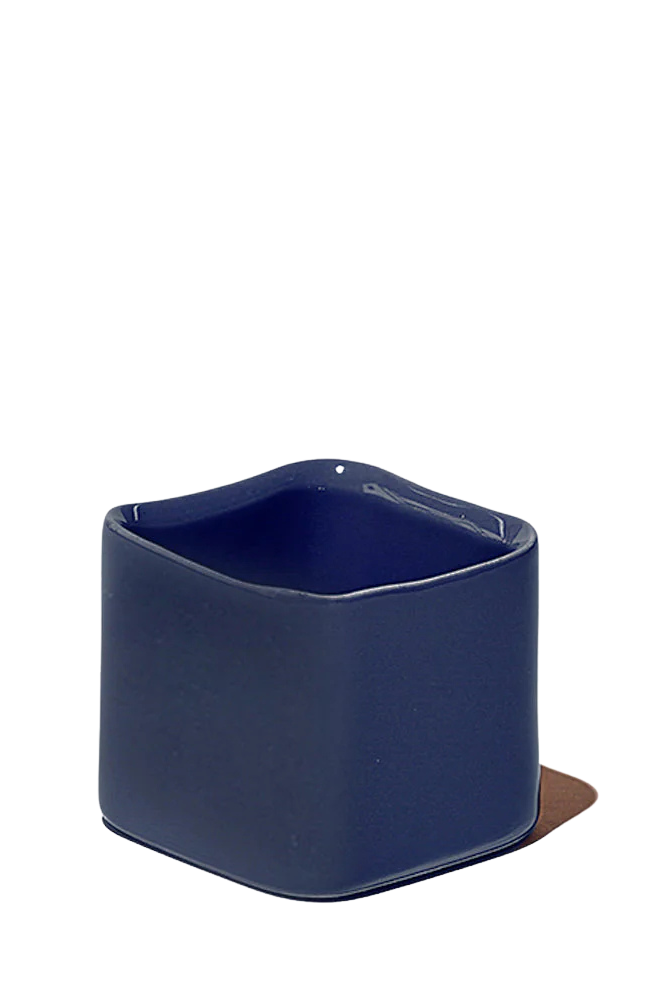
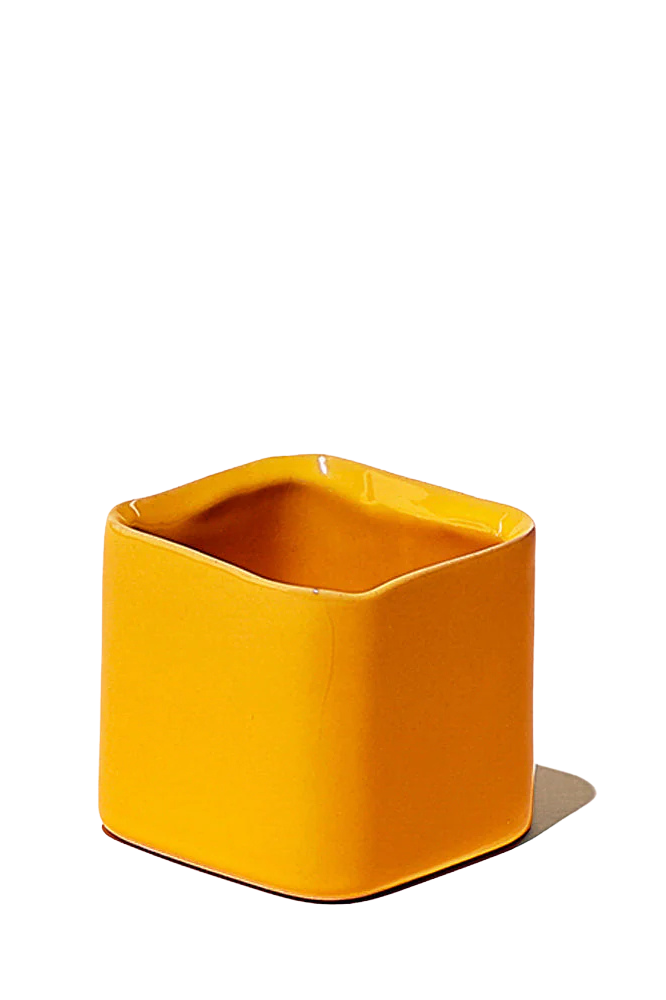
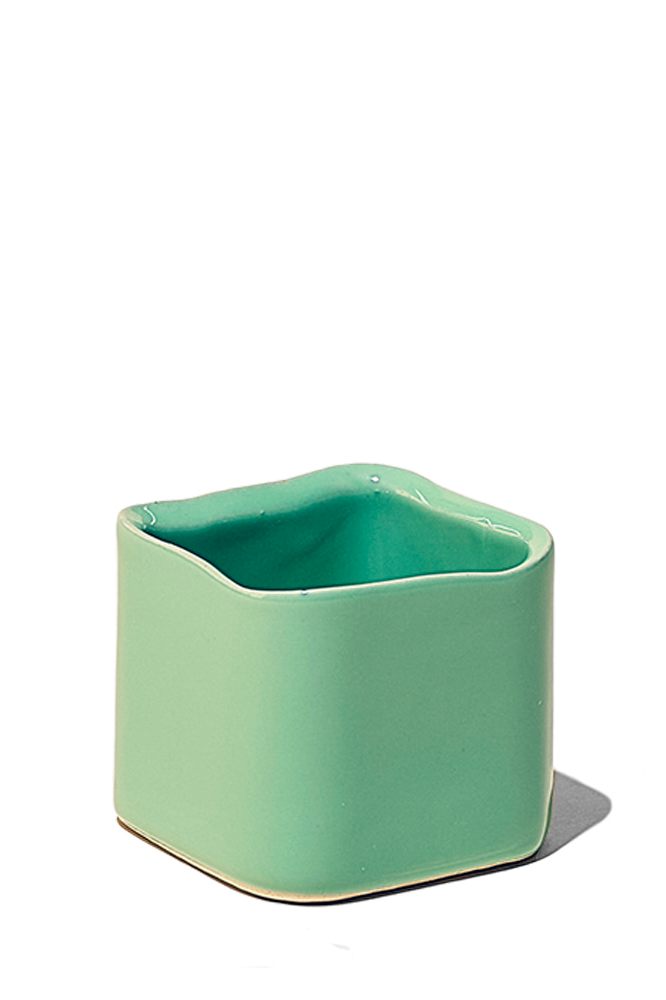
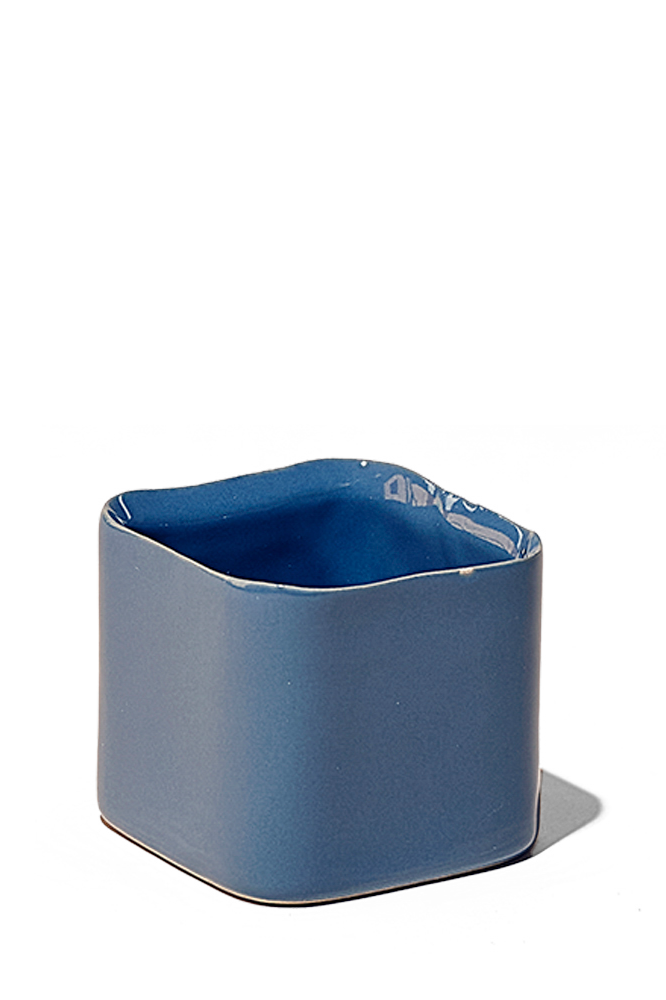
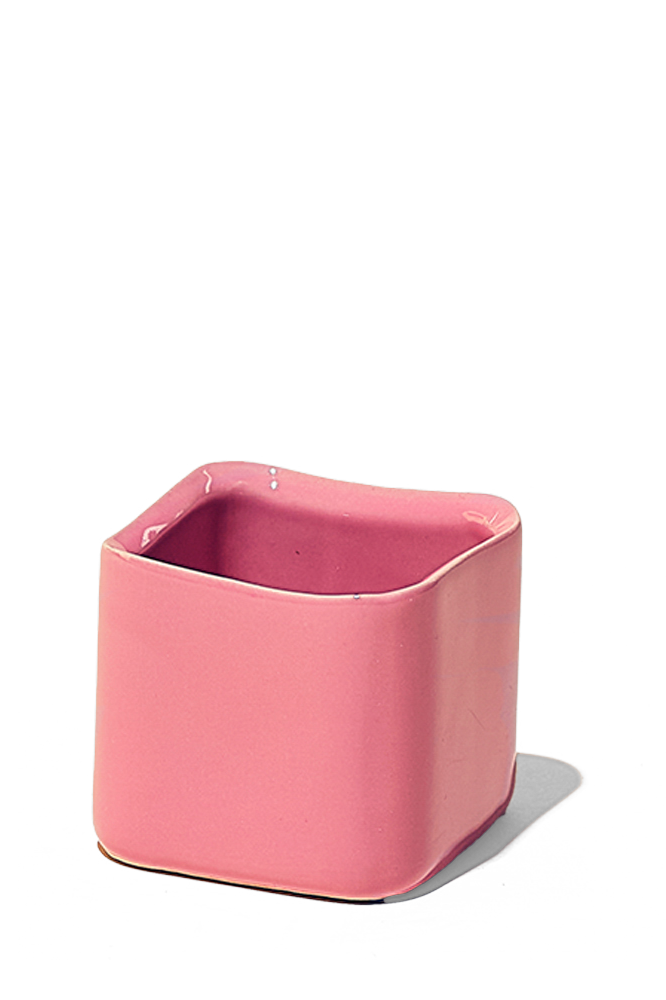
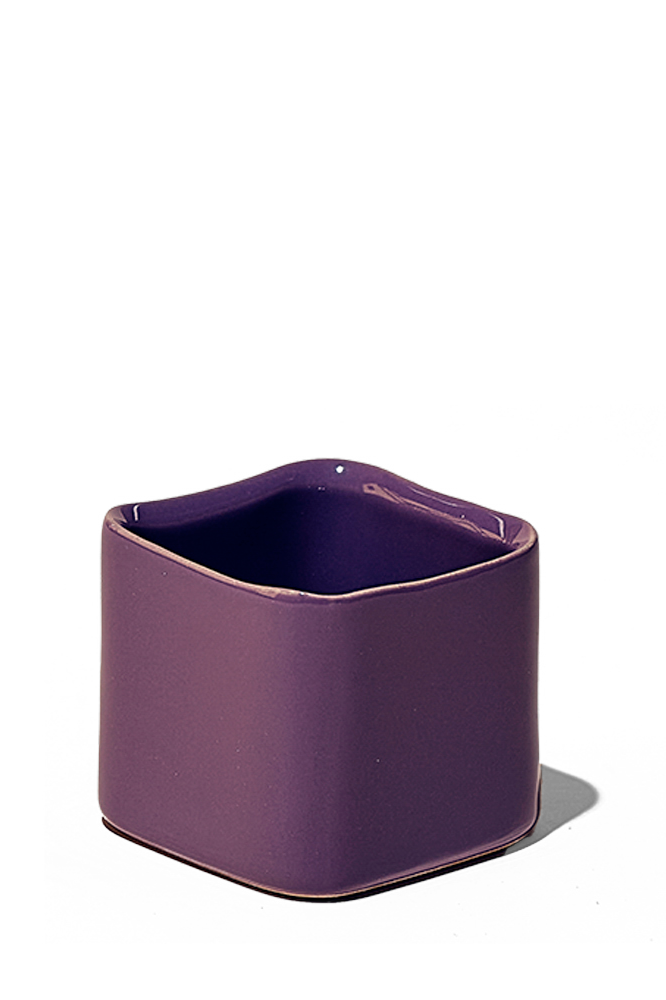
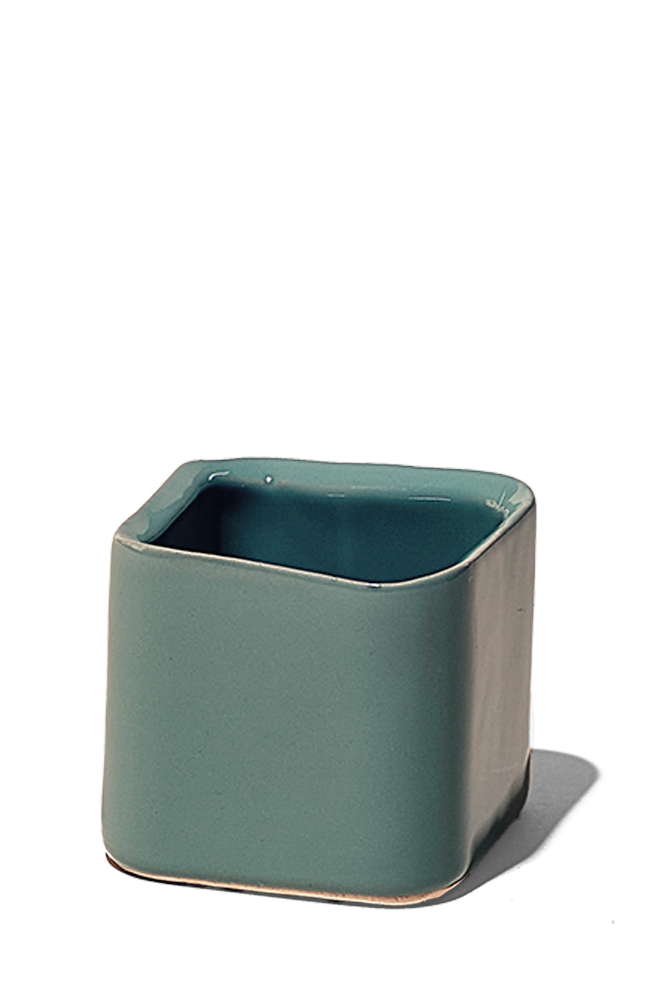
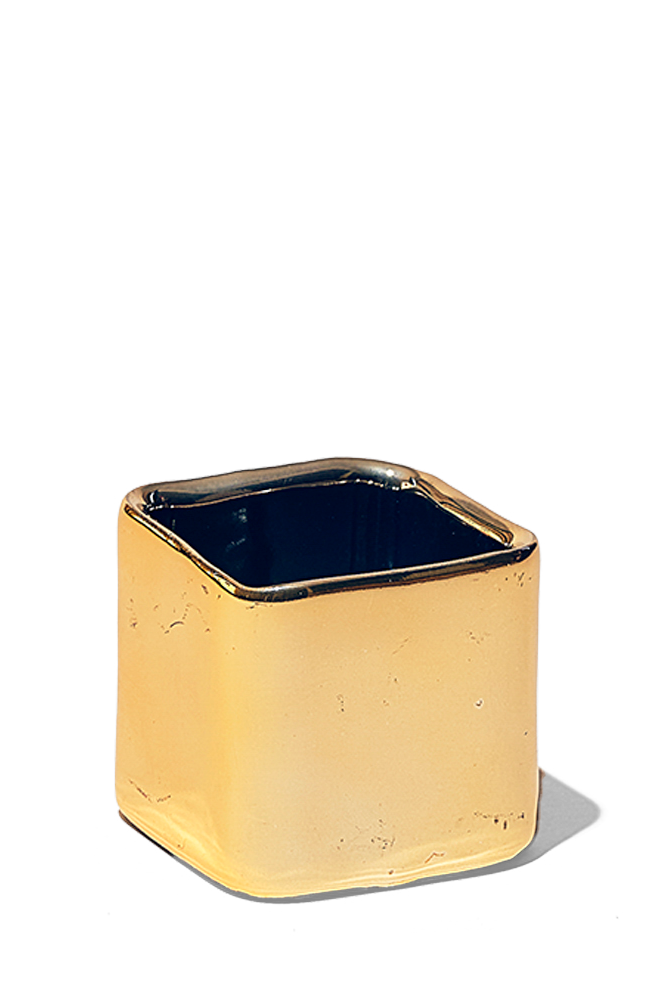
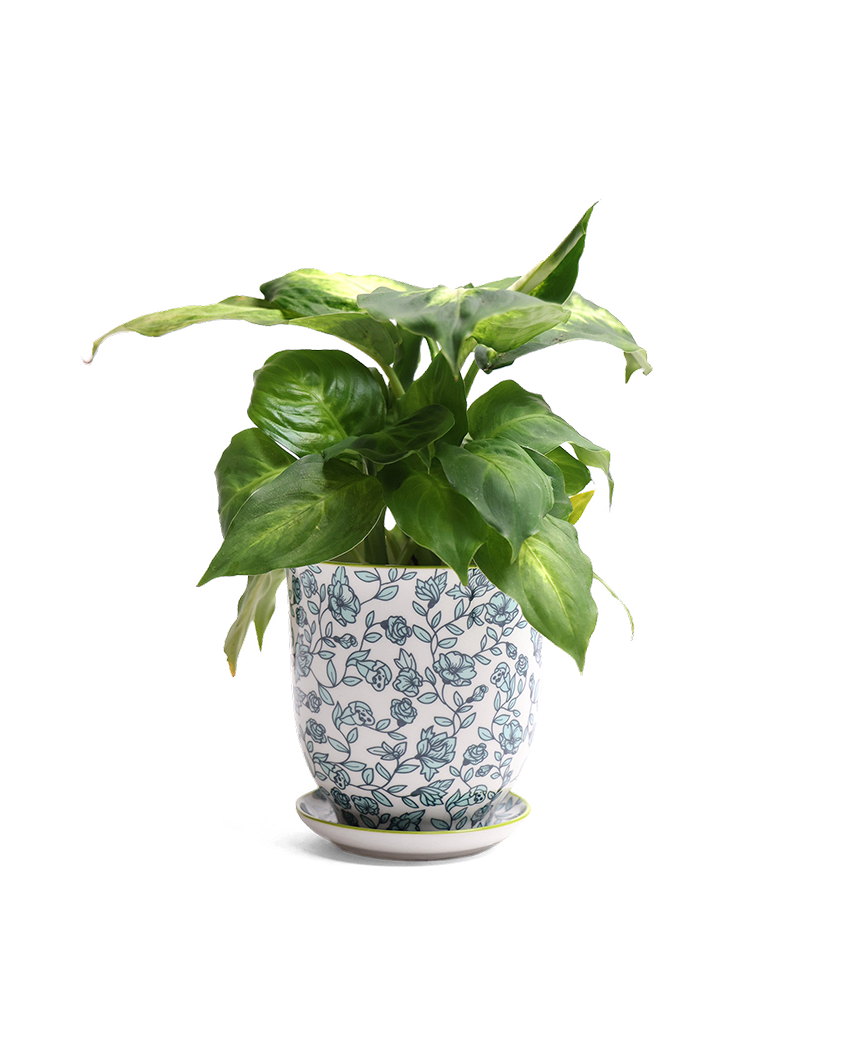
Medium Plant Pot
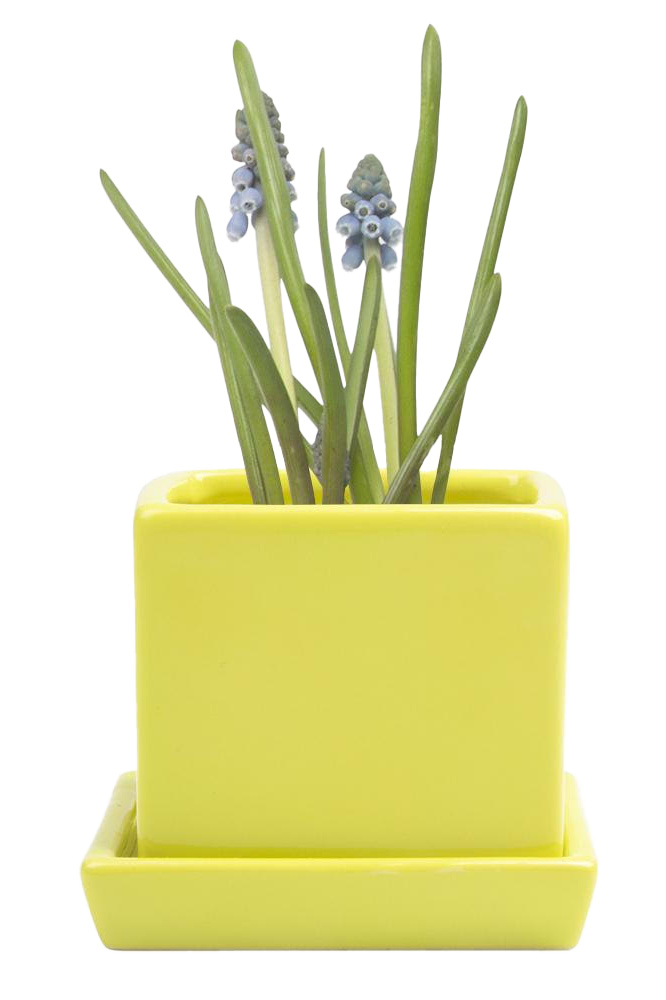
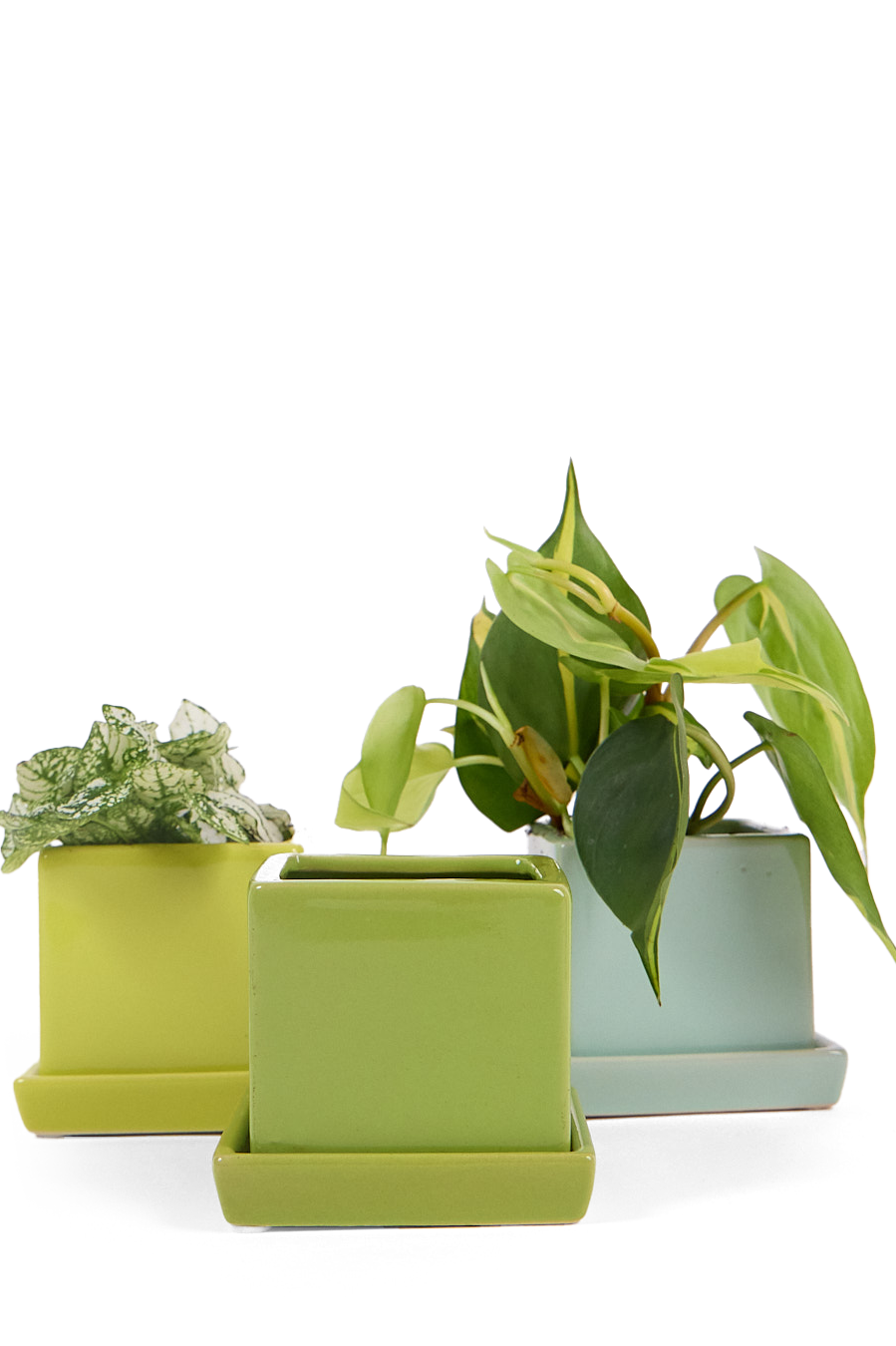
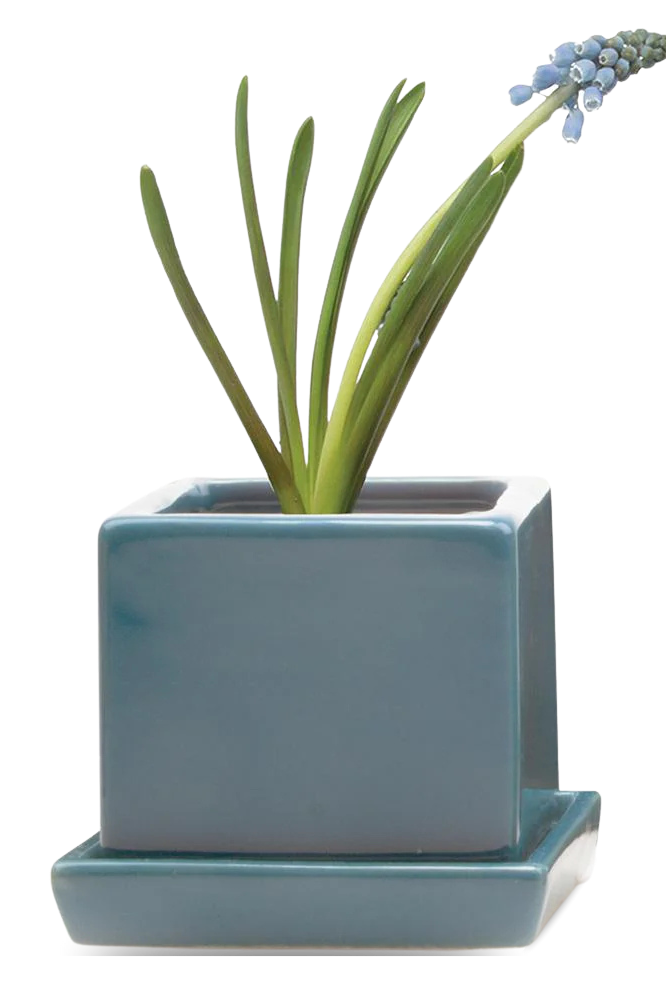
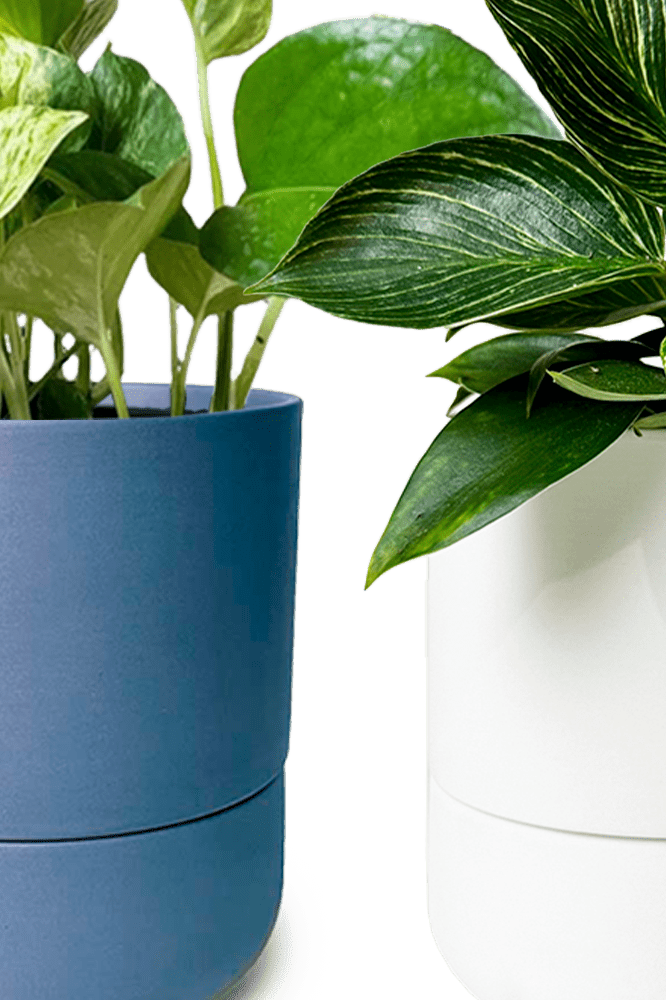
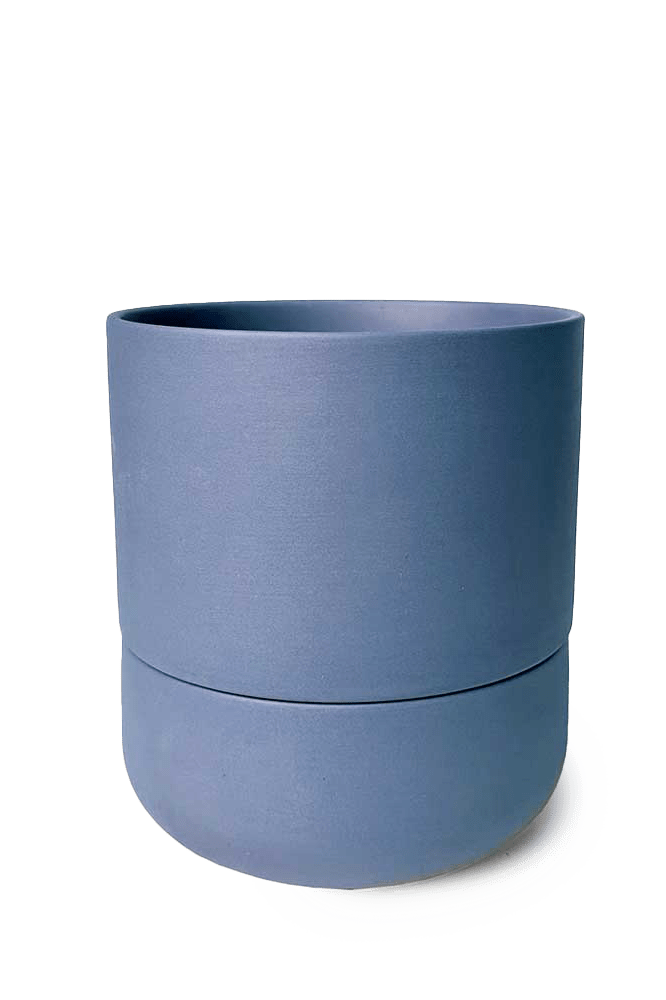
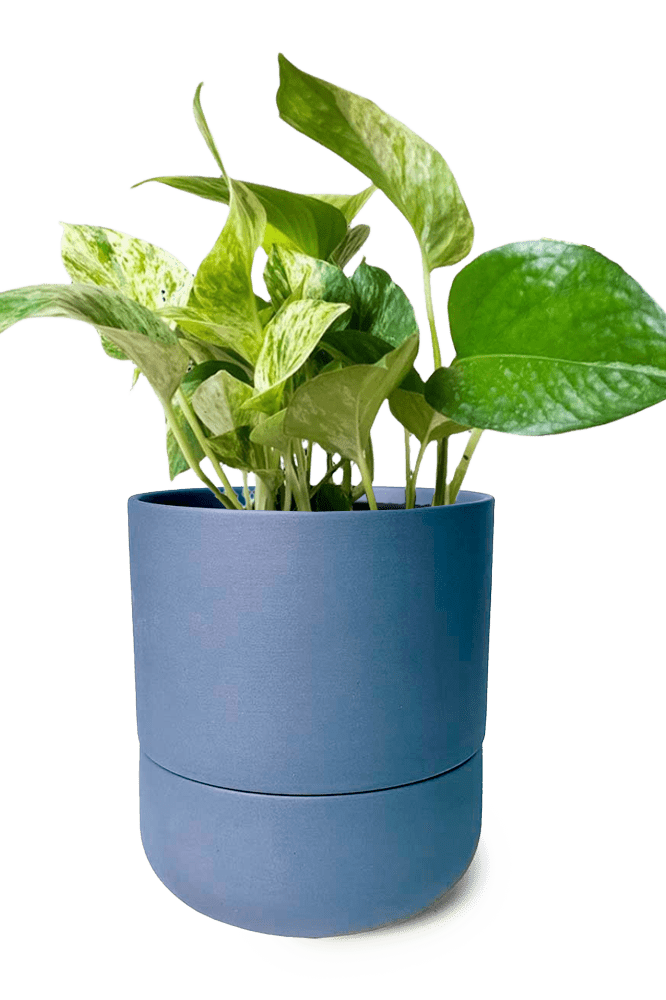
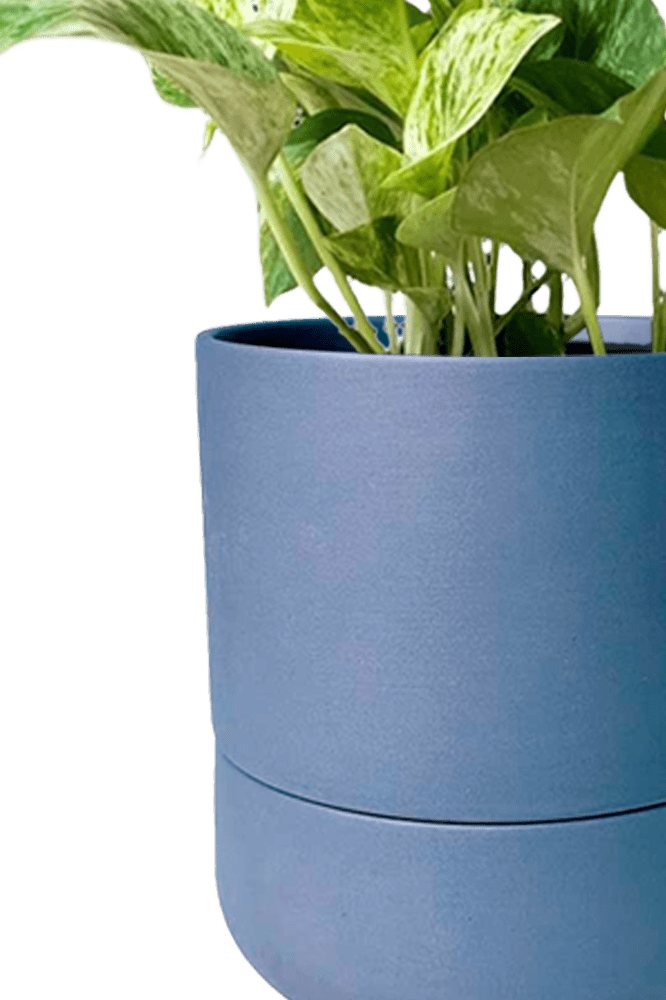
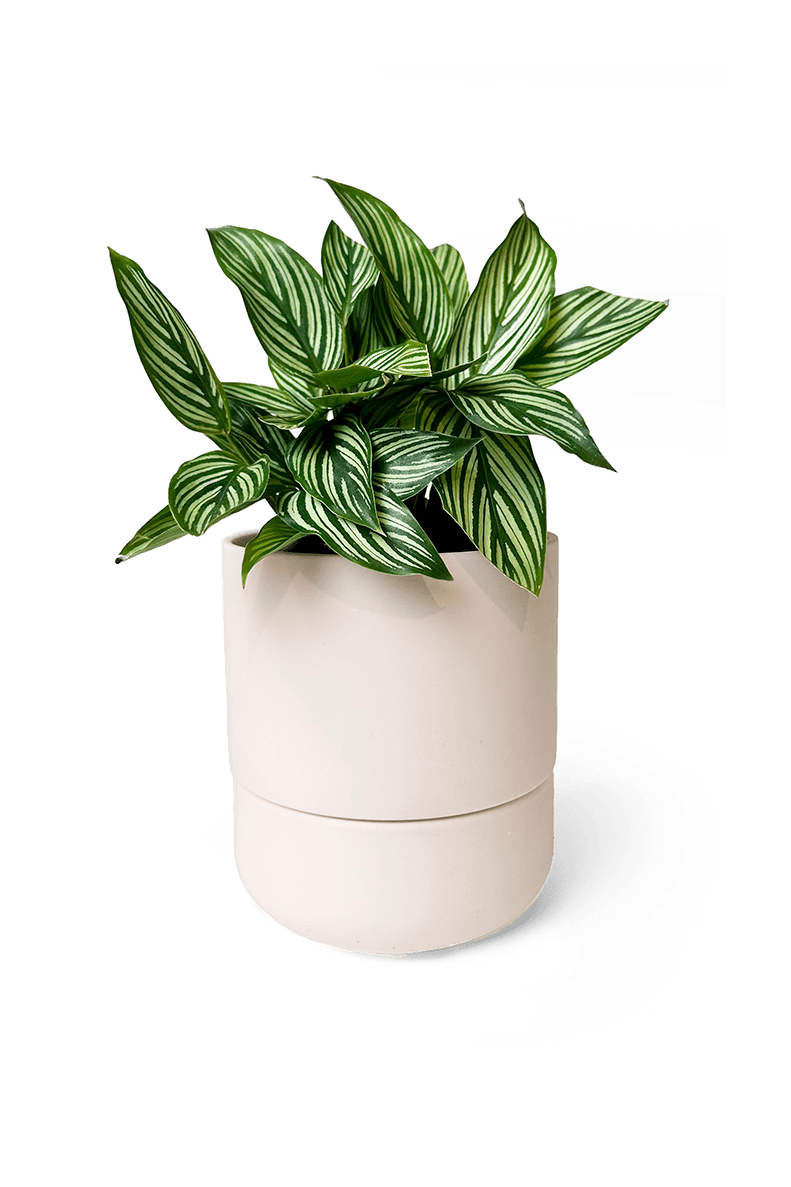
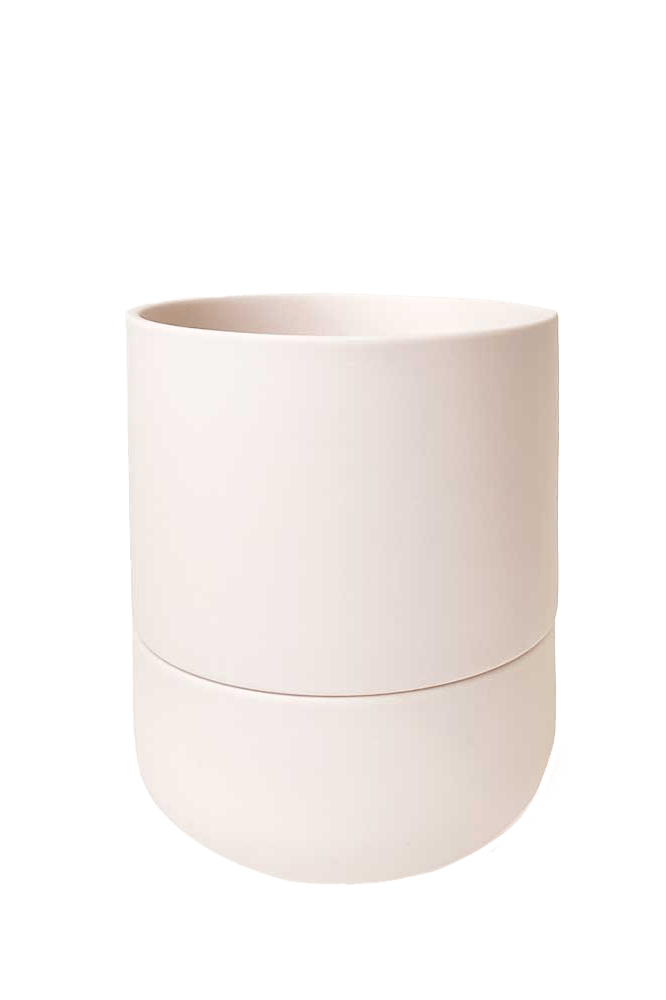
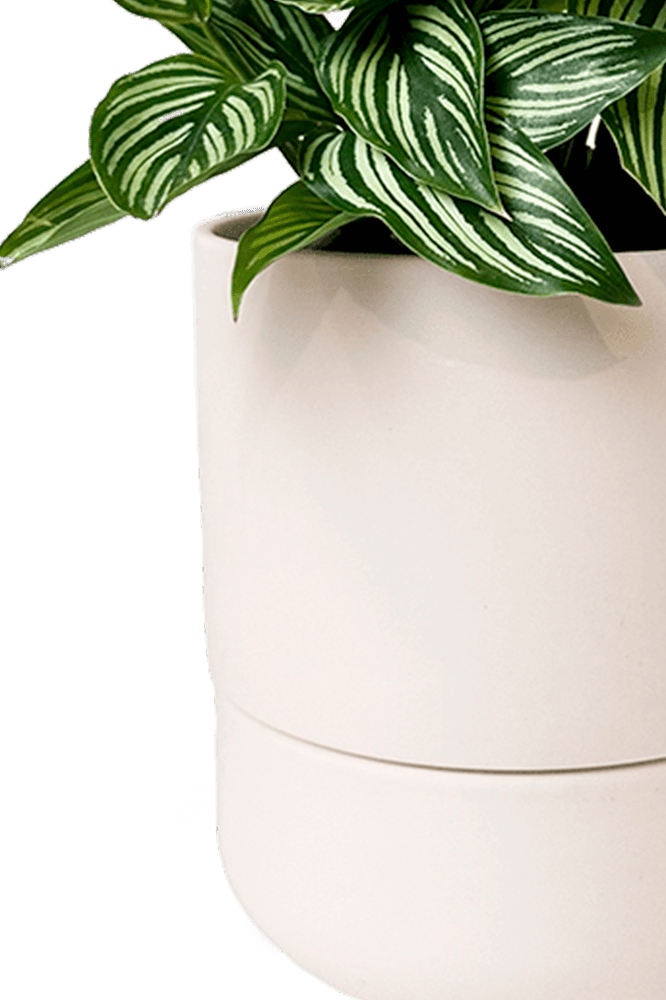
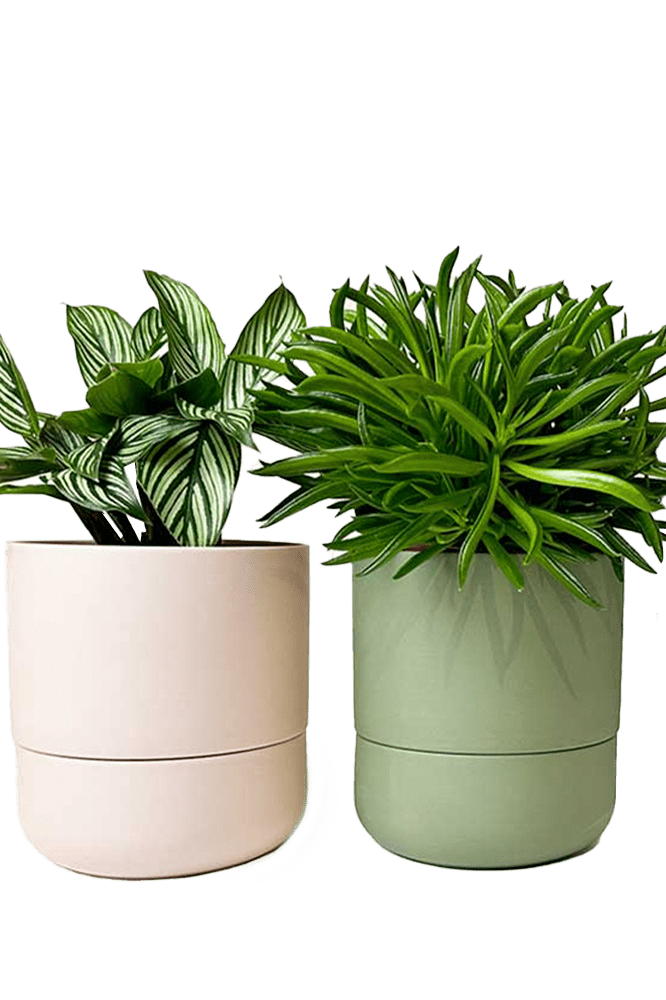
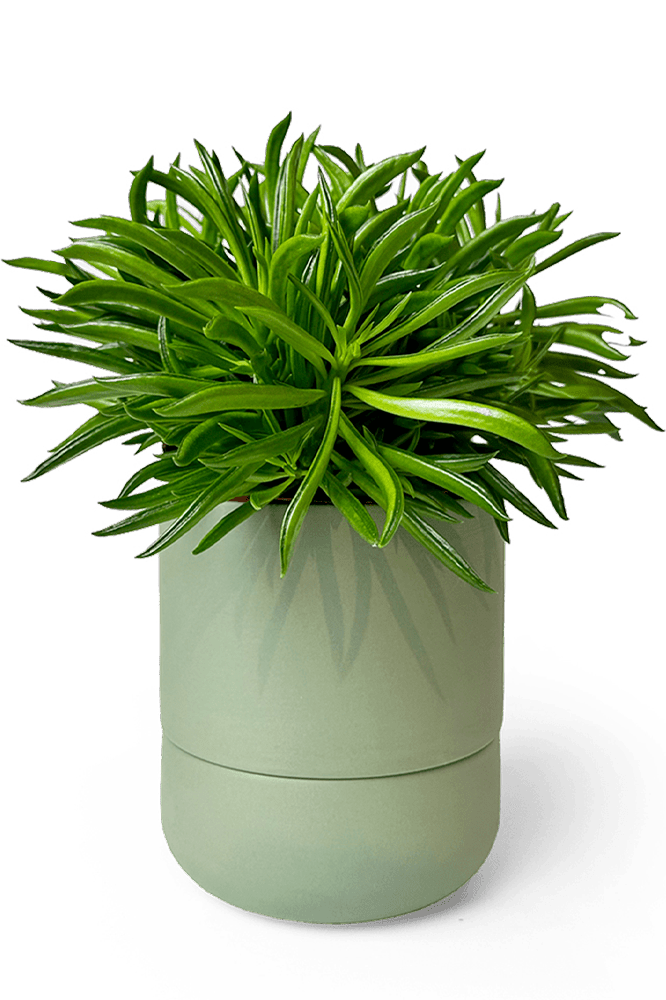
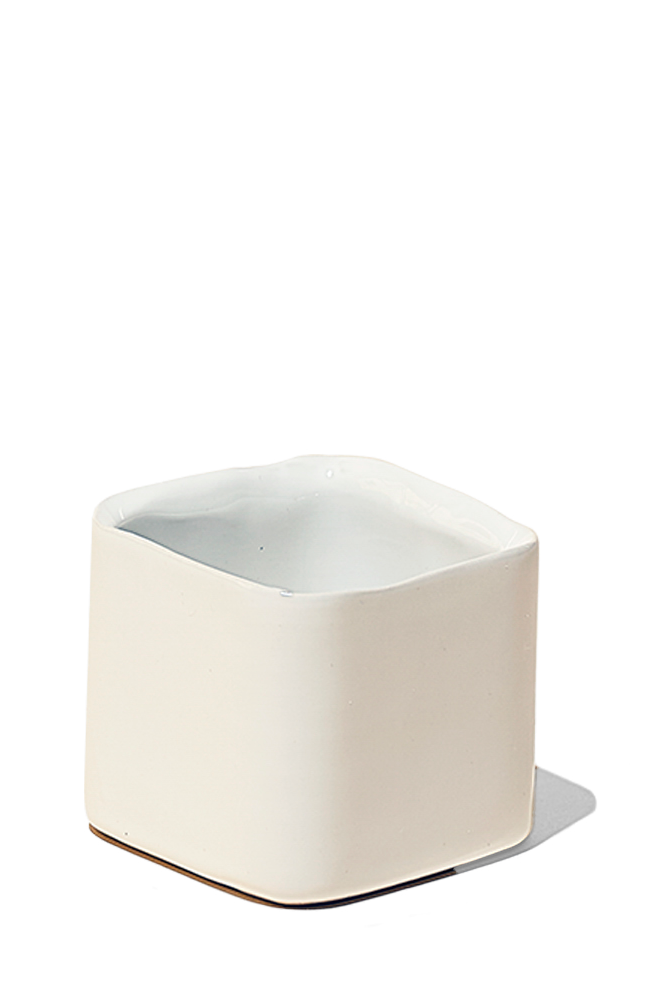
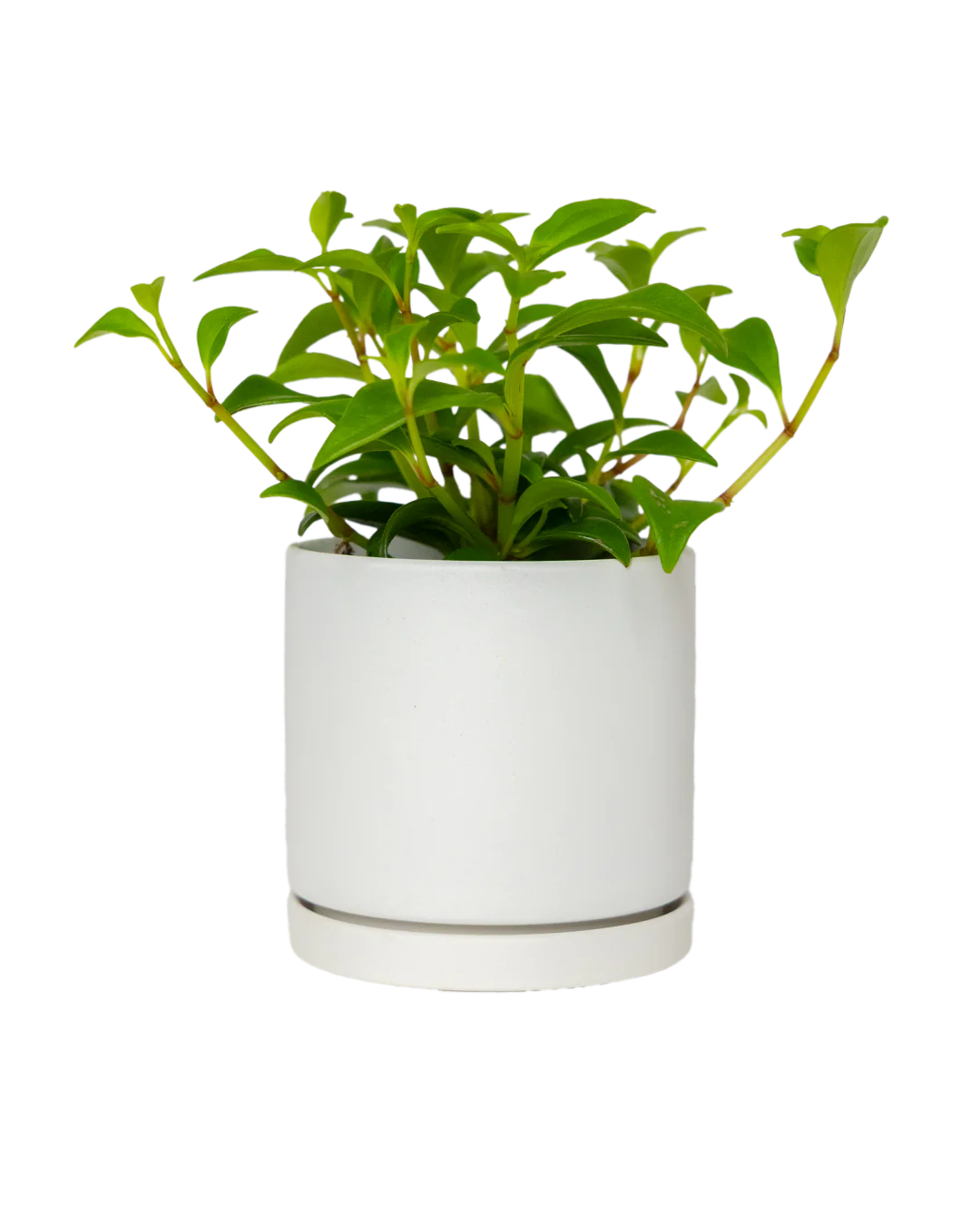
The beauty of a medium plant pot in a west-facing window lies in its diplomatic approach to plant parenthood. Not so large that it overwhelms the space like an uninvited relative at Thanksgiving, nor so small that it appears to be auditioning for a role in a dollhouse. The medium pot strikes that perfect balance, much like a well-tailored blazer that works for both job interviews and casual Fridays.
In these perfectly-sized containers, plants can establish themselves without feeling claustrophobic or lost in too much soil. The afternoon light hits these pots at just the right angle, warming the soil gently rather than turning it into a botanical sauna. There's something satisfying about watching a plant grow into its medium-sized home, like witnessing someone finally find their correct shoe size after years of suffering in ill-fitting footwear.
The thermal properties of west-facing afternoon sun mean that medium pots retain just enough warmth without creating the kind of root-cooking conditions that would make any self-respecting plant pack its bags and head for shadier accommodations. It's the horticultural equivalent of finding that perfect apartment – not too big, not too small, with just the right amount of natural light.

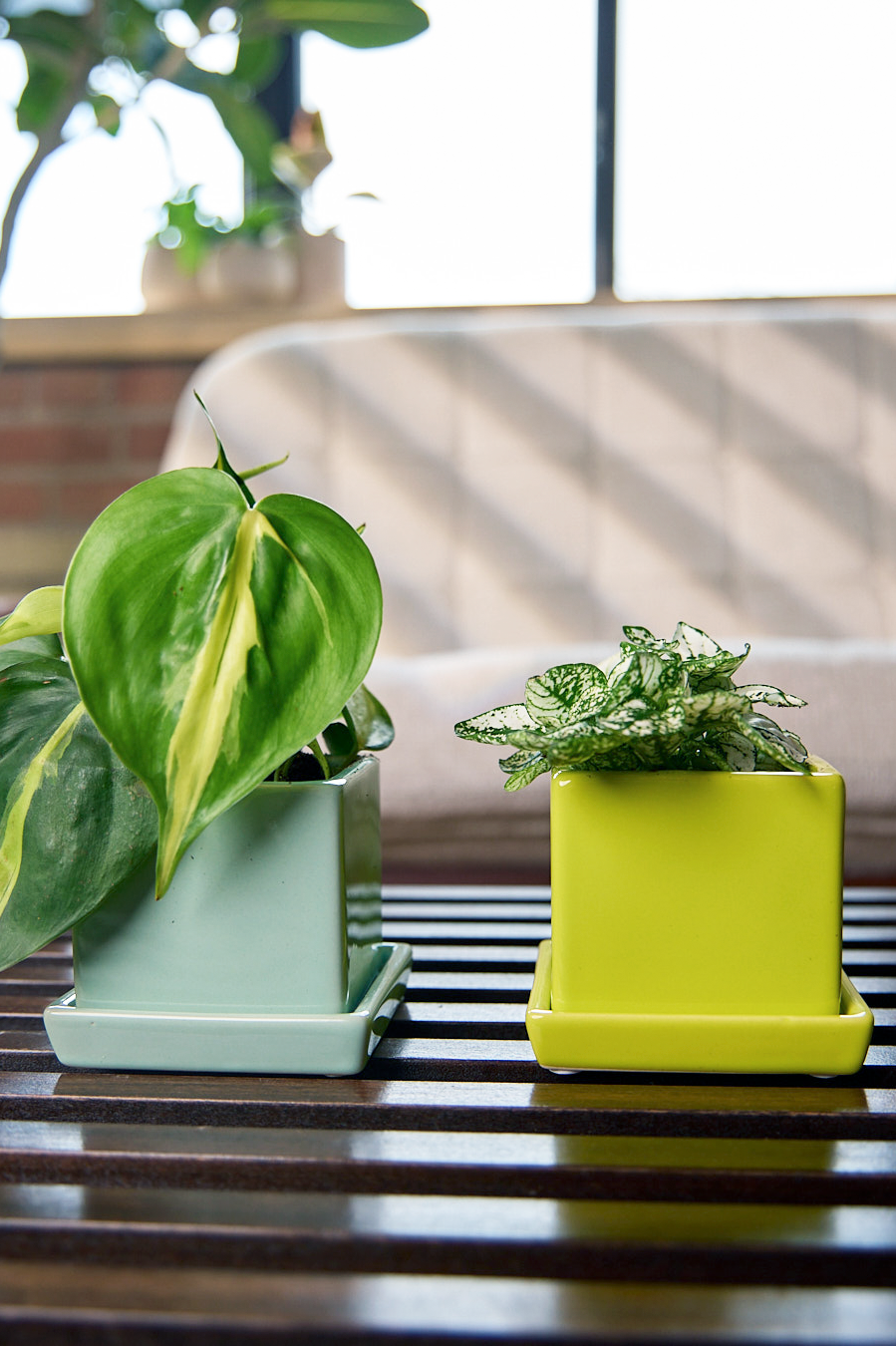
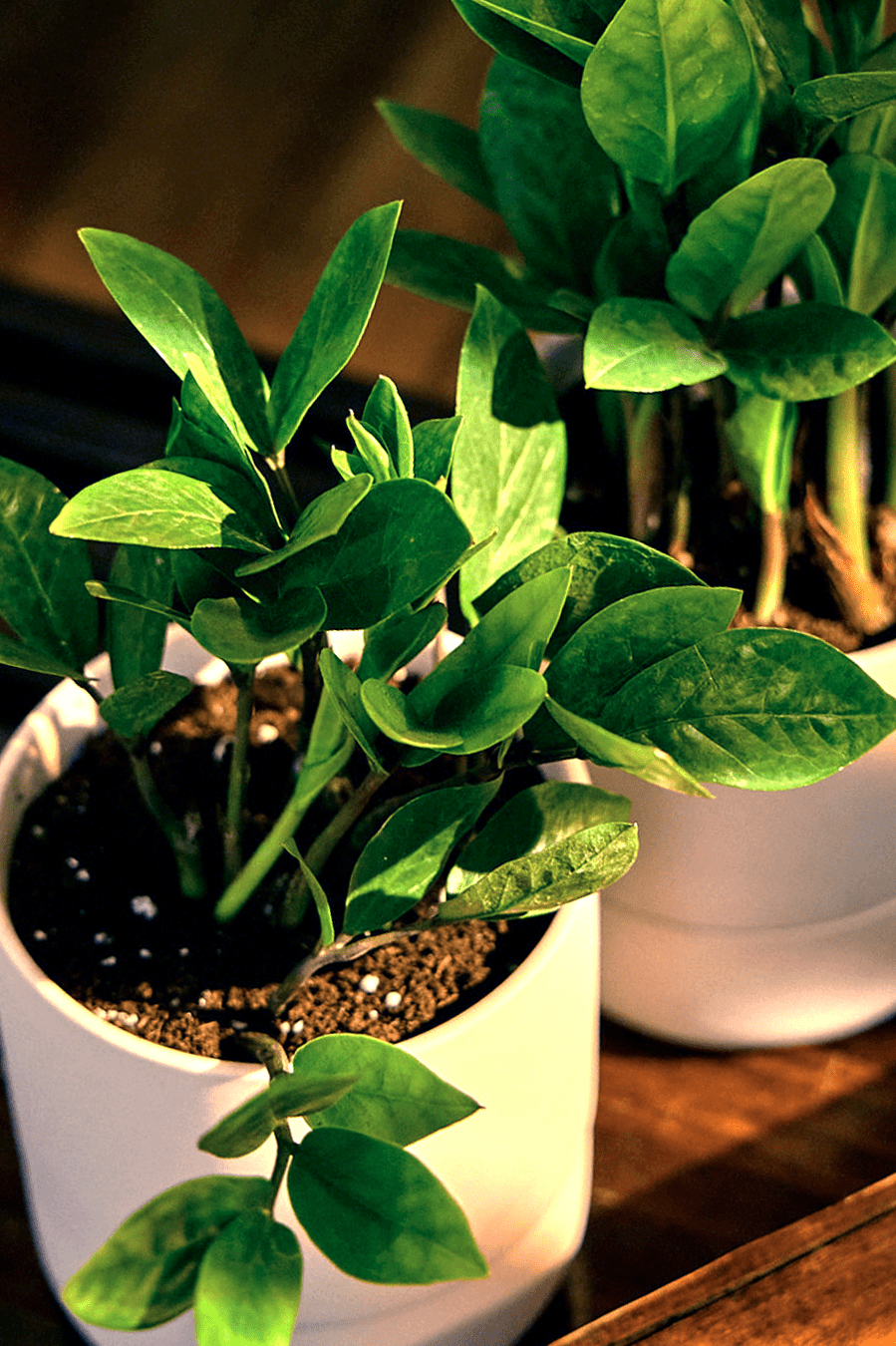
Indoor Houseplant
The modern indoor houseplant has become something of a lifestyle accessory, like throw pillows or artisanal candles, except with the added responsibility of keeping another living thing alive. West-facing windows have become the preferred real estate for these green tenants, offering them prime lighting conditions without the harsh judgment of direct southern exposure.
This window is suitable for most houseplants, which is perhaps the highest compliment you can pay to any window orientation. It's like being told you have a face that works well in photographs – not everyone can claim such versatility. The gentle morning light gradually intensifies through the afternoon, giving plants time to adjust their botanical attitudes accordingly.
Popular residents of west-facing windows include the snake plant, that stoic survivor that could probably thrive in a closet if necessary, and various members of the succulent family who appreciate the intensity without requiring constant attention. These plants have learned to work with their environment rather than against it, much like those people who've mastered the art of looking effortlessly put-together.

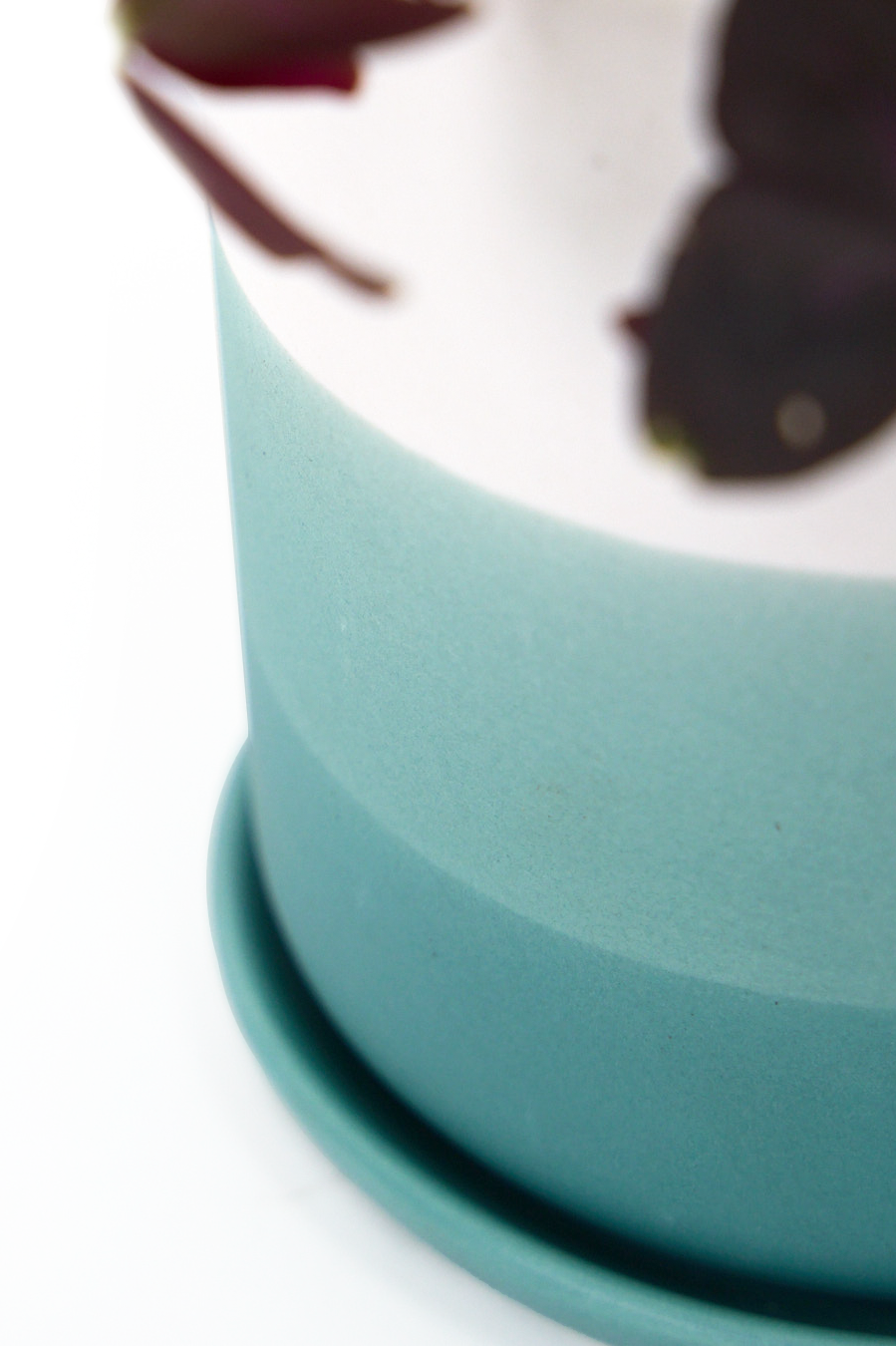
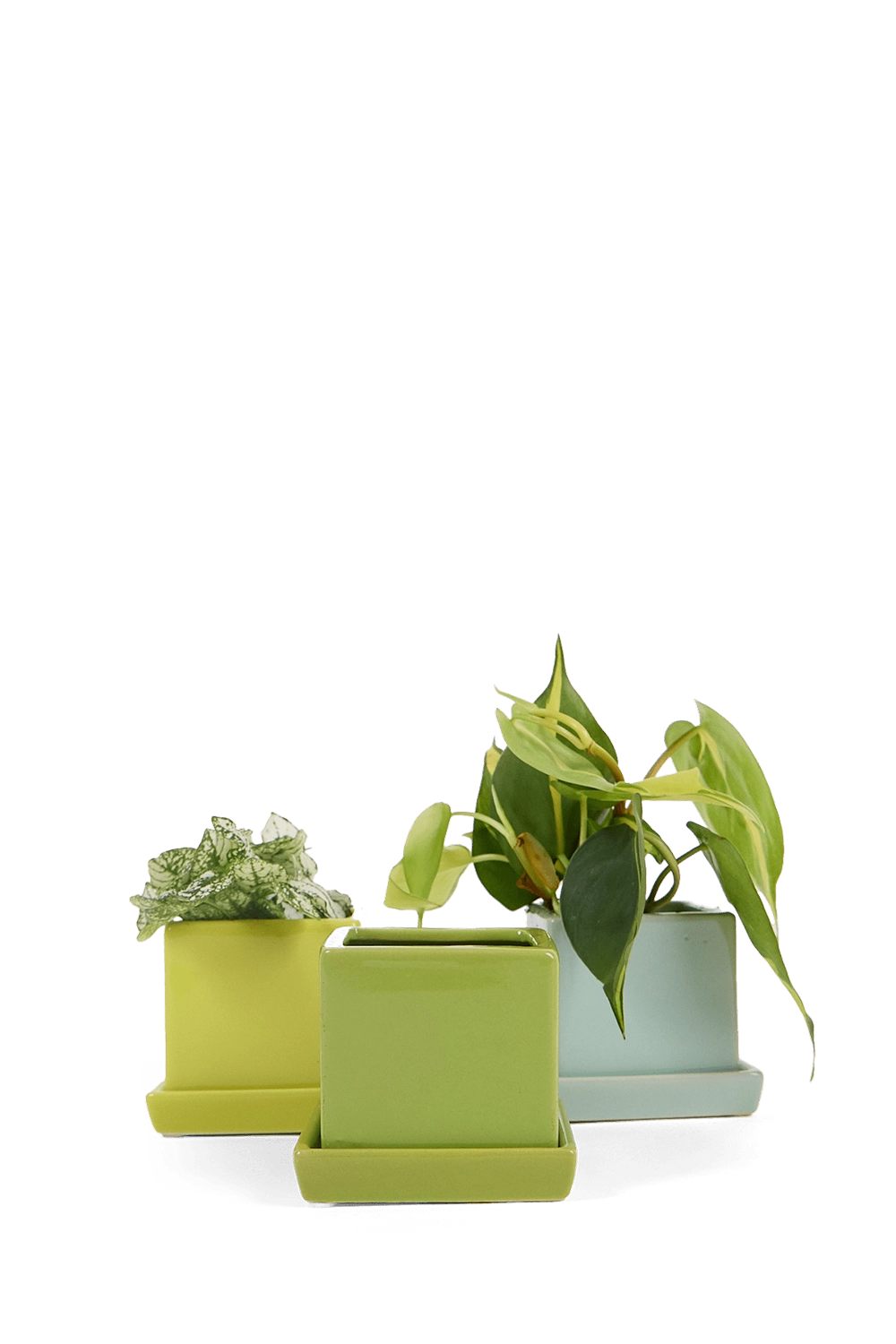
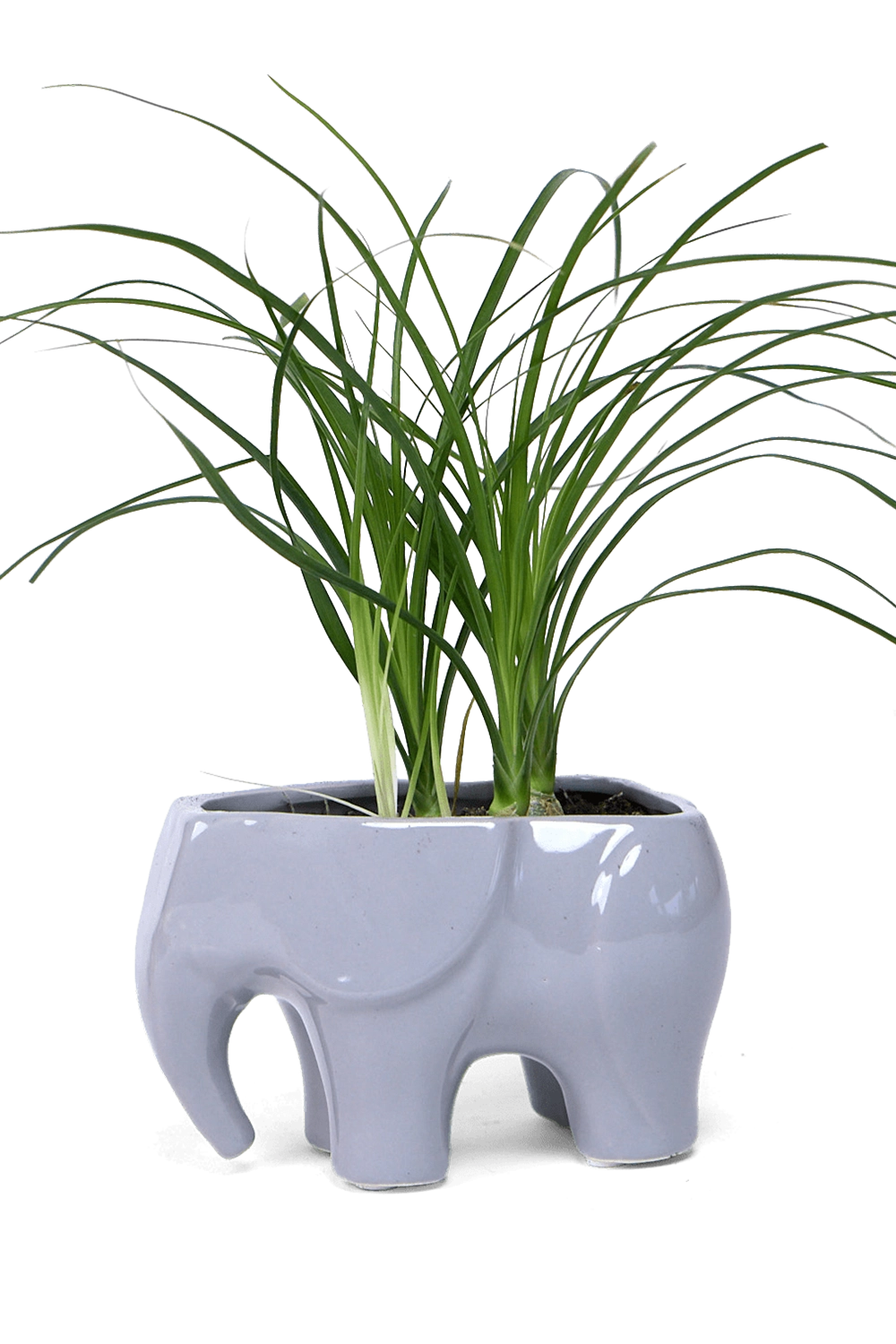
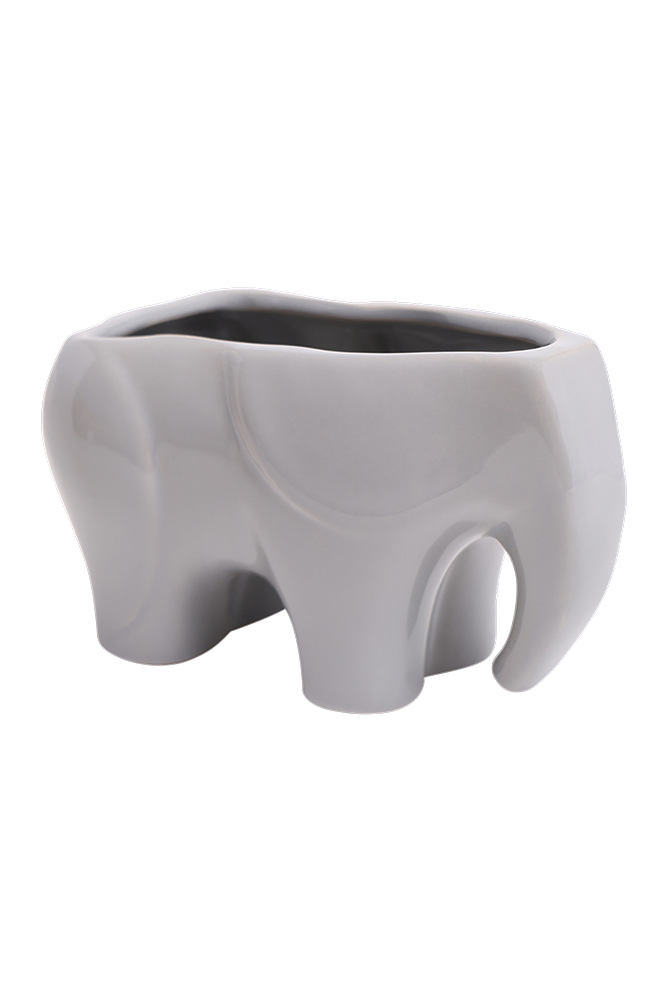
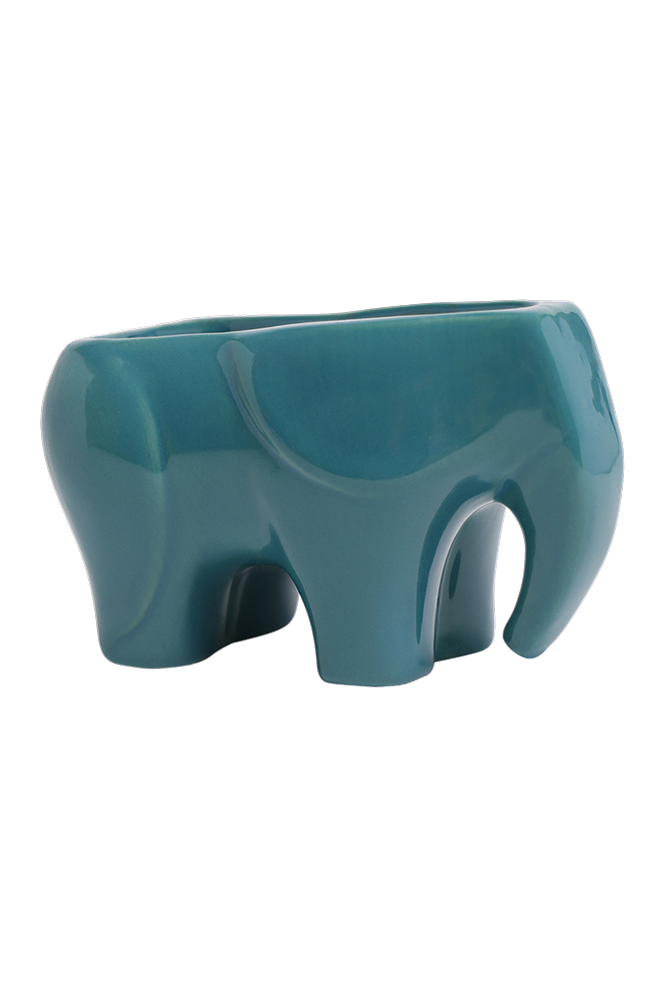
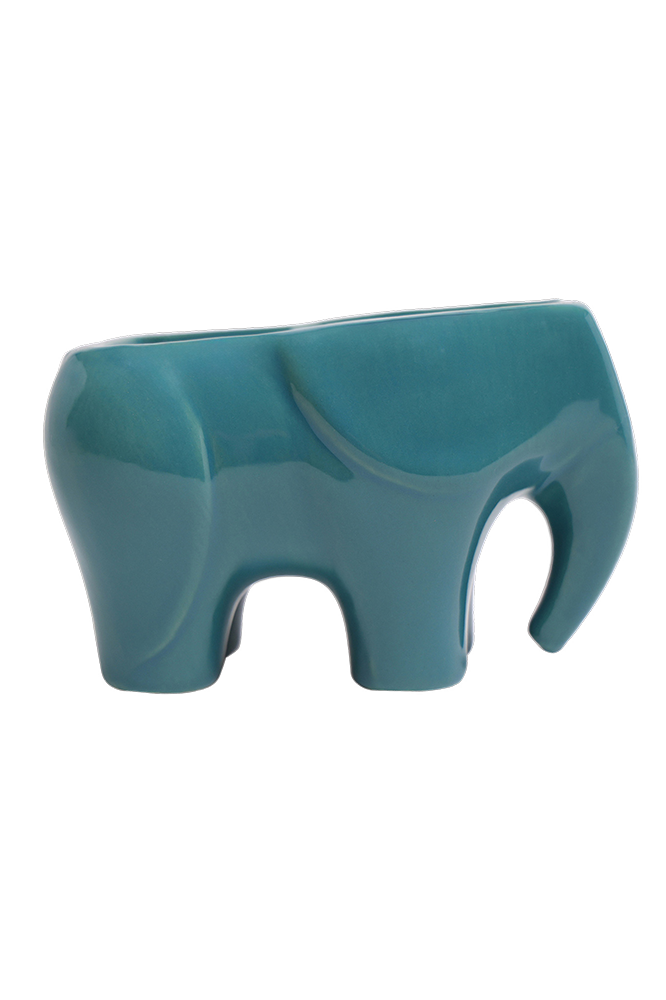
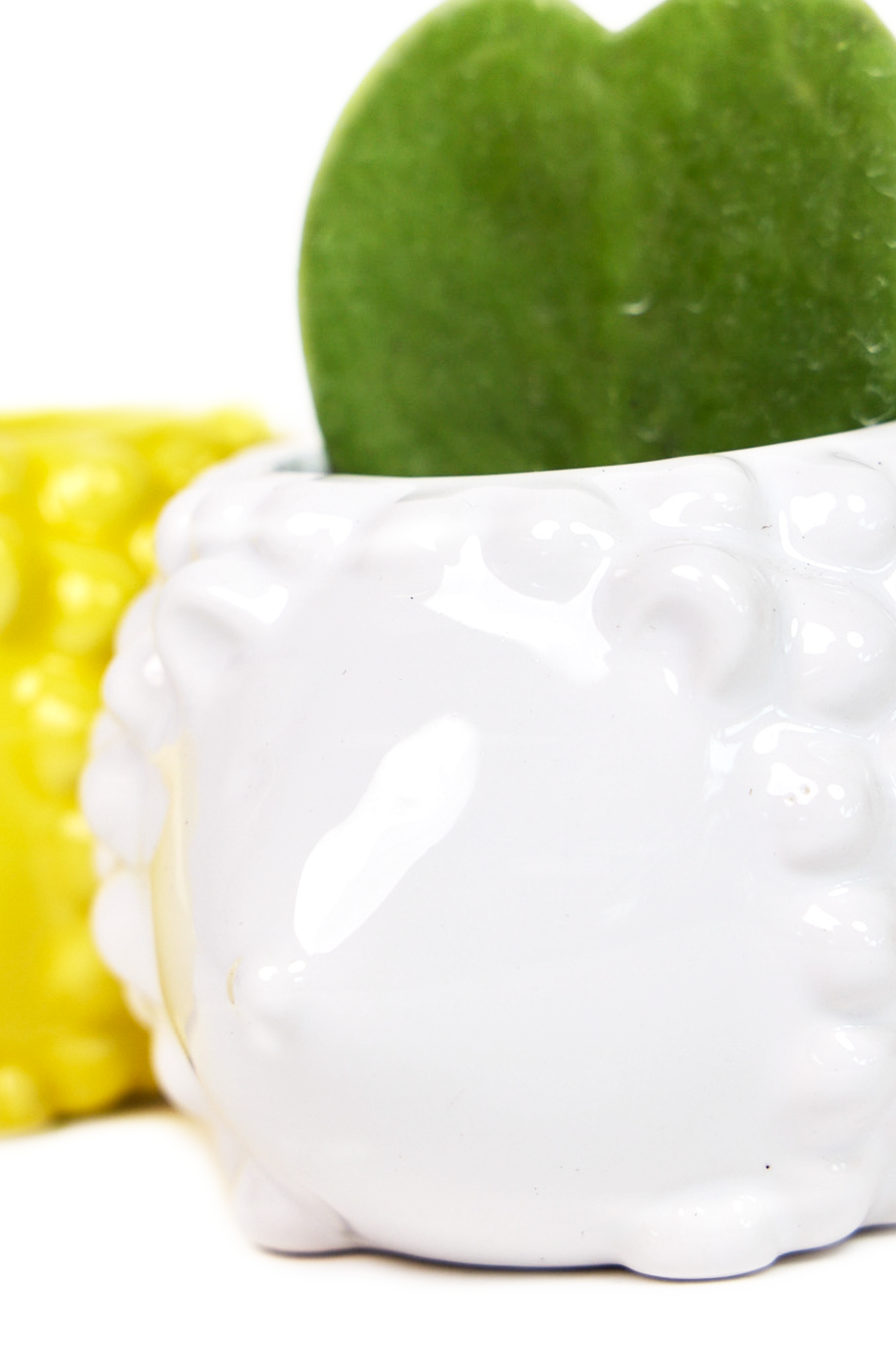
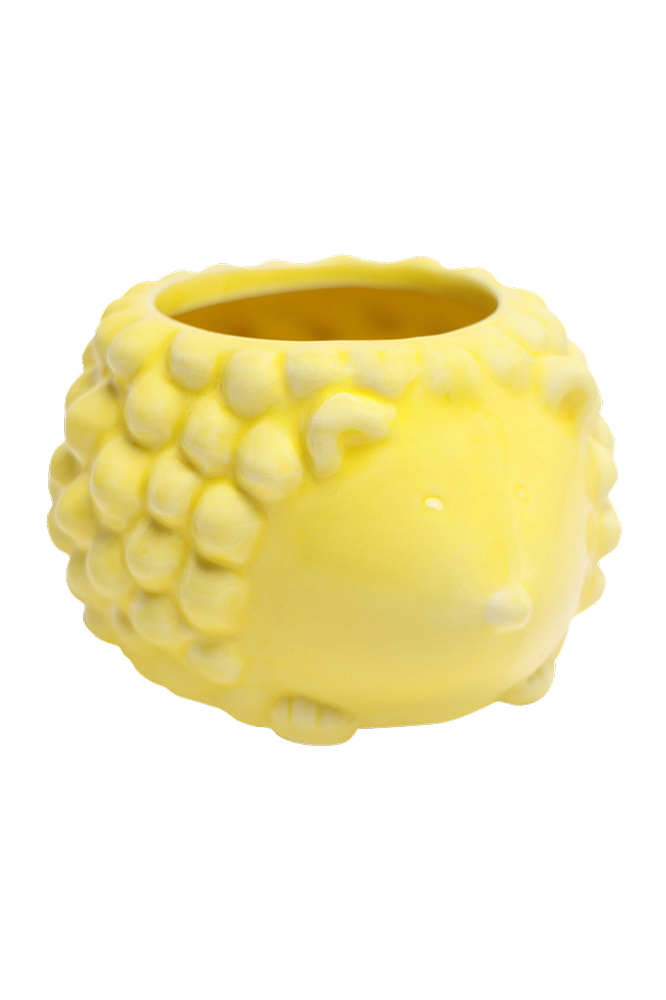
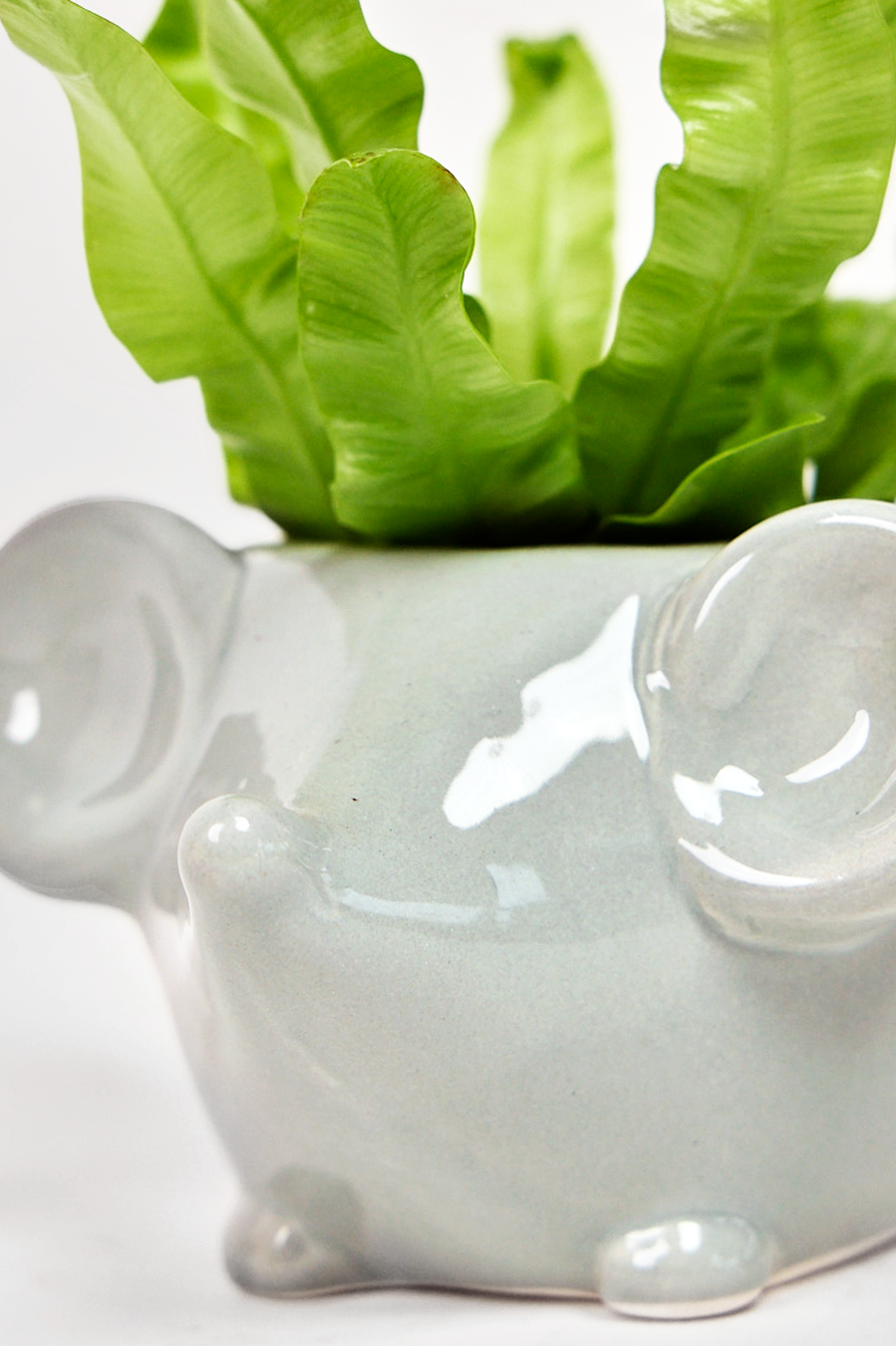
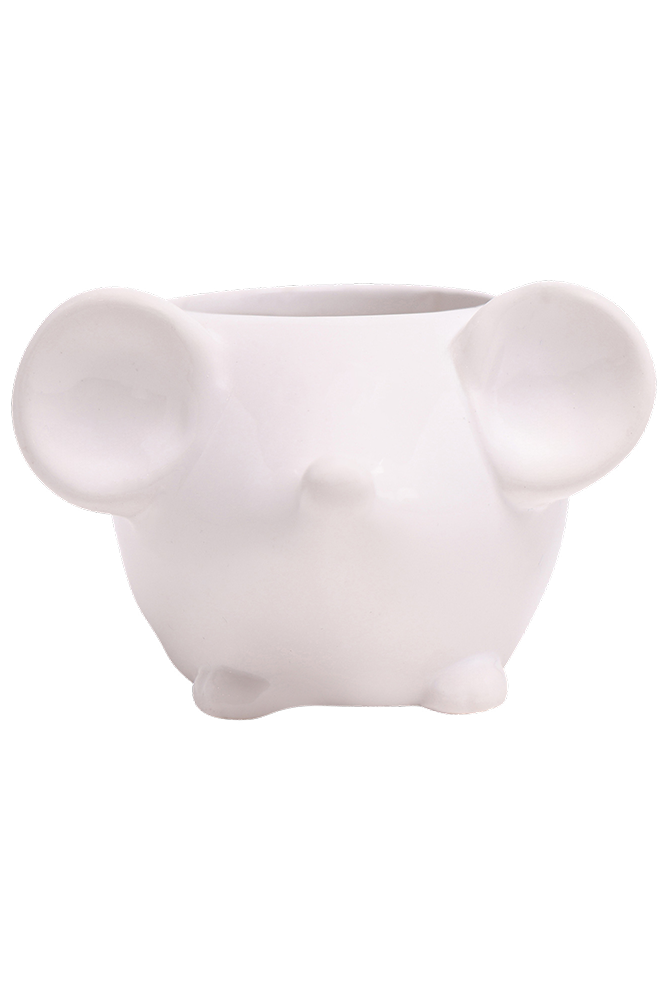
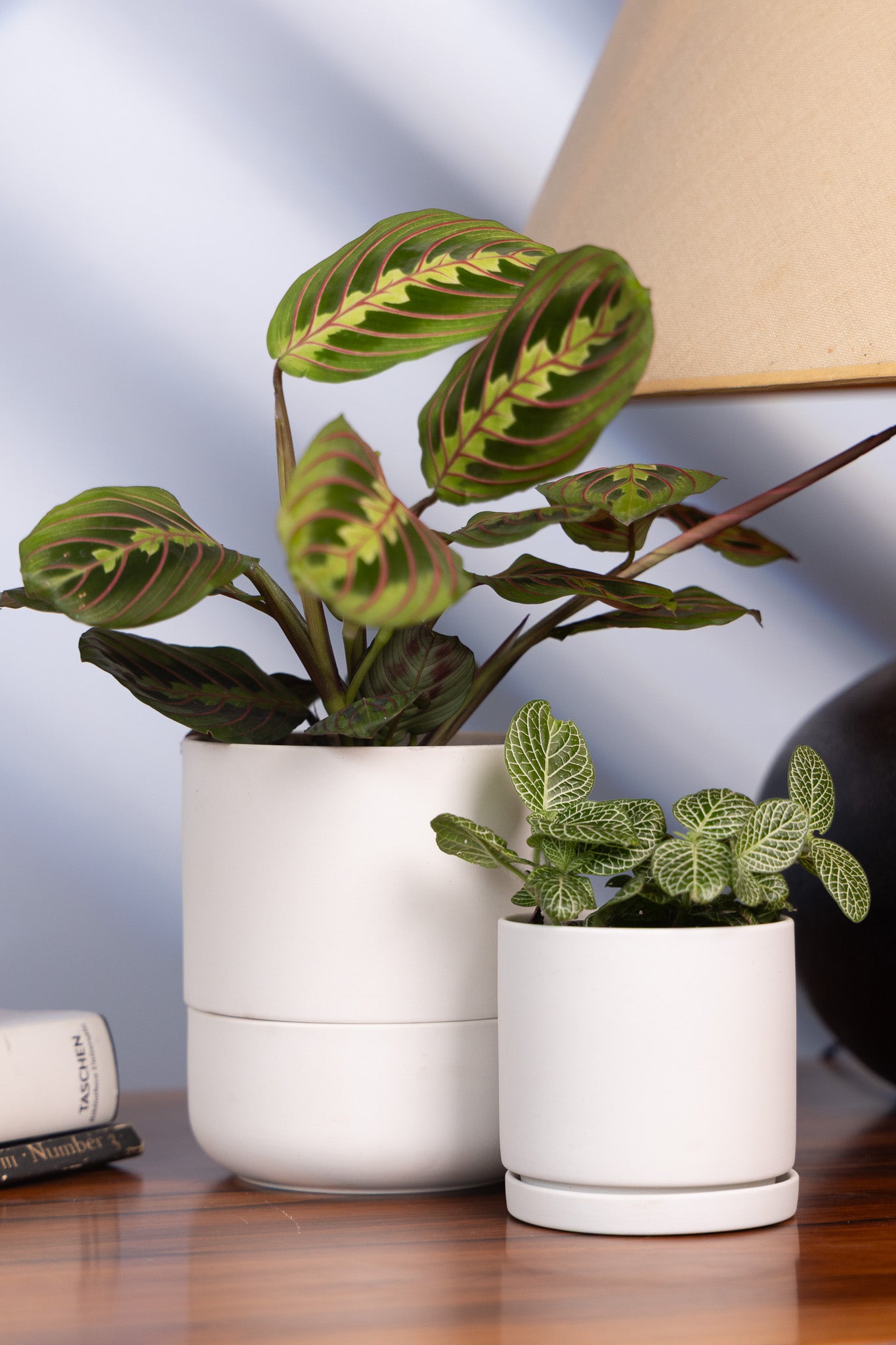
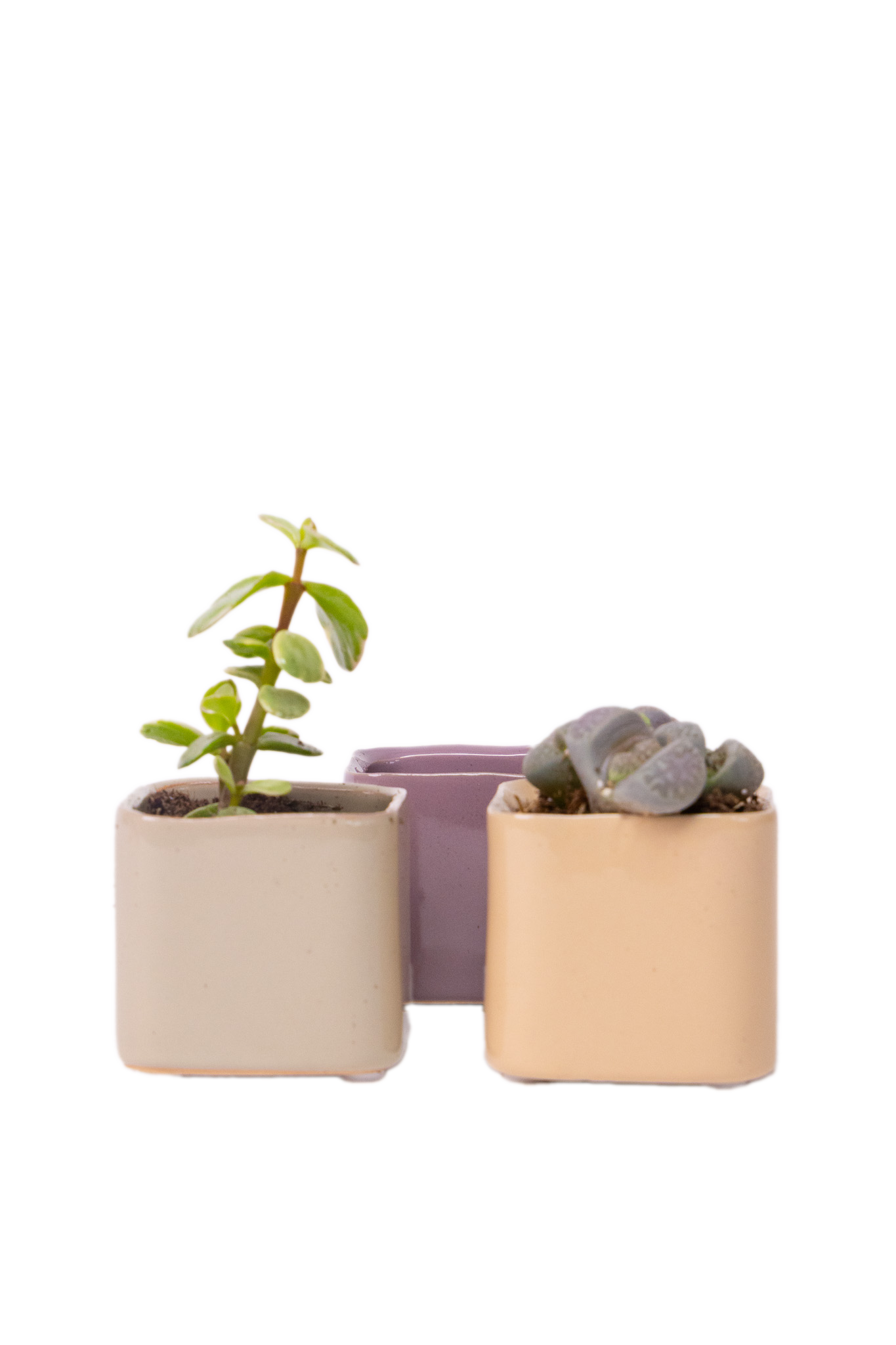
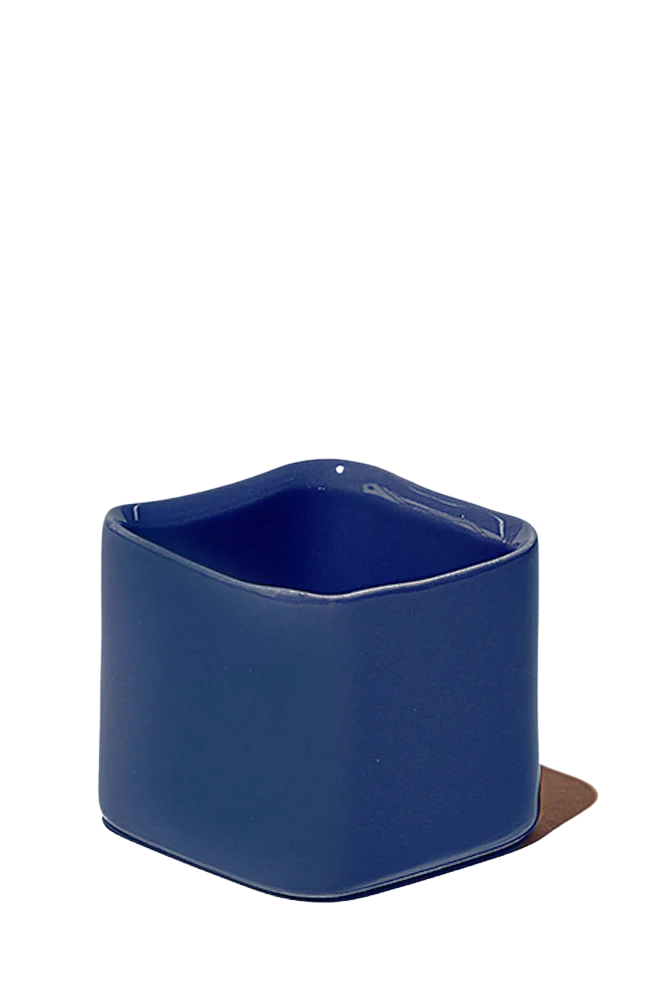
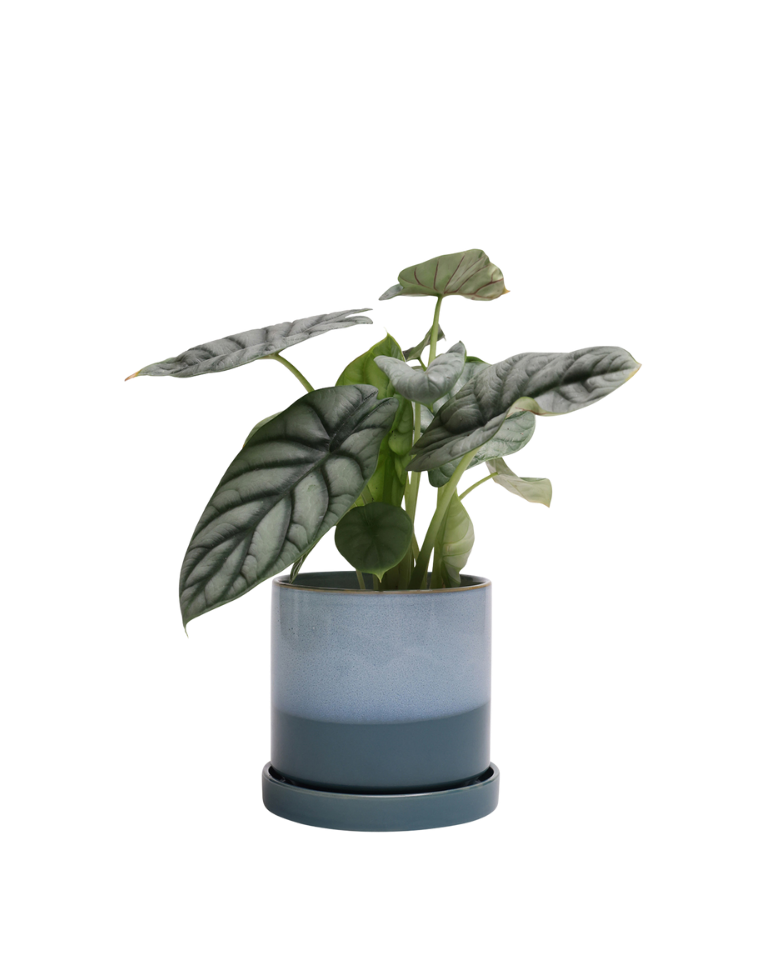
Ceramic Plant Pot
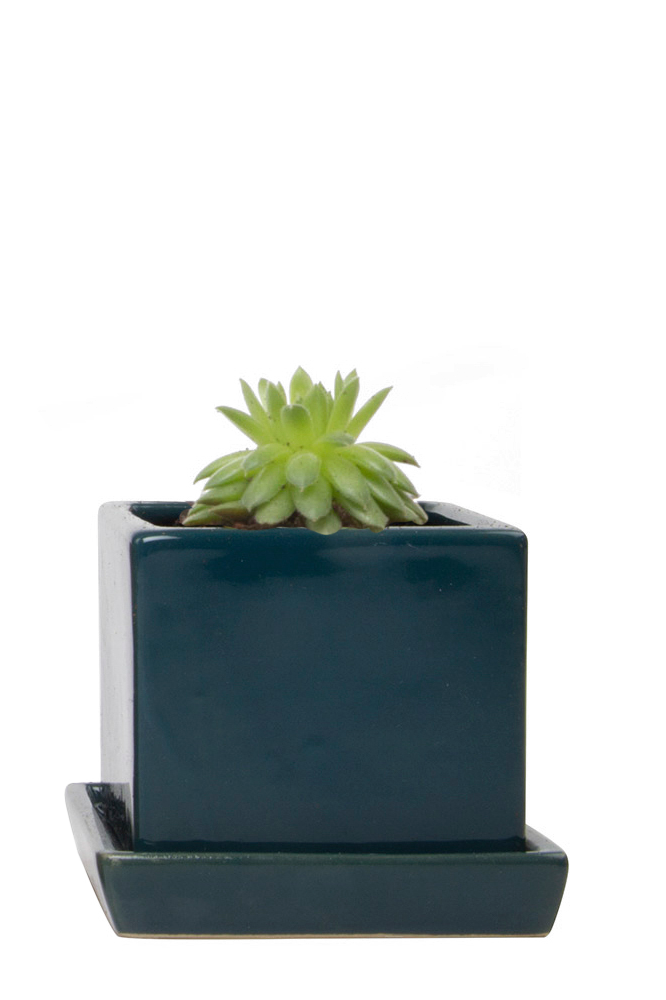
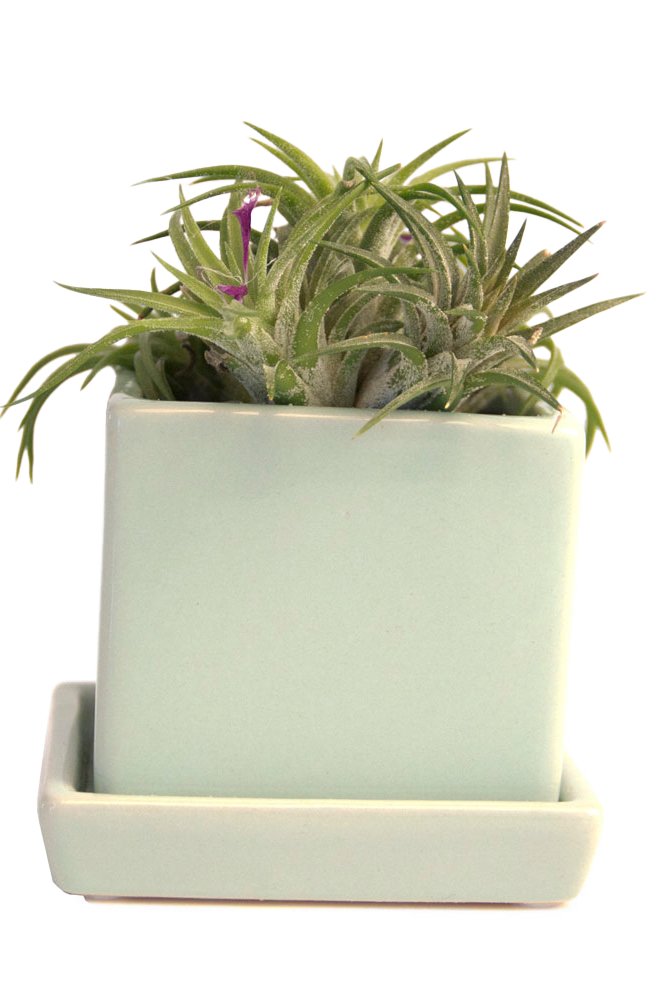
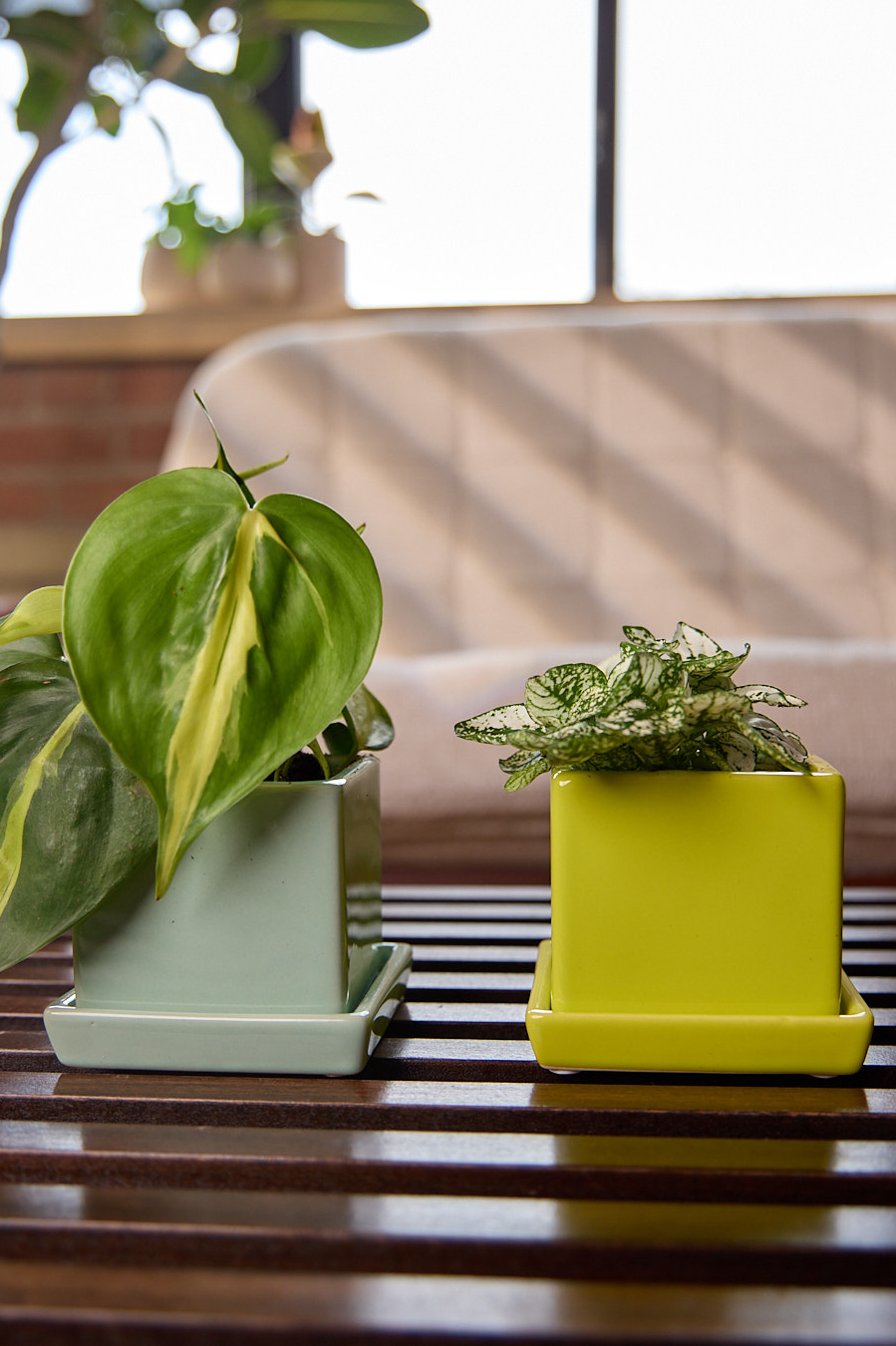
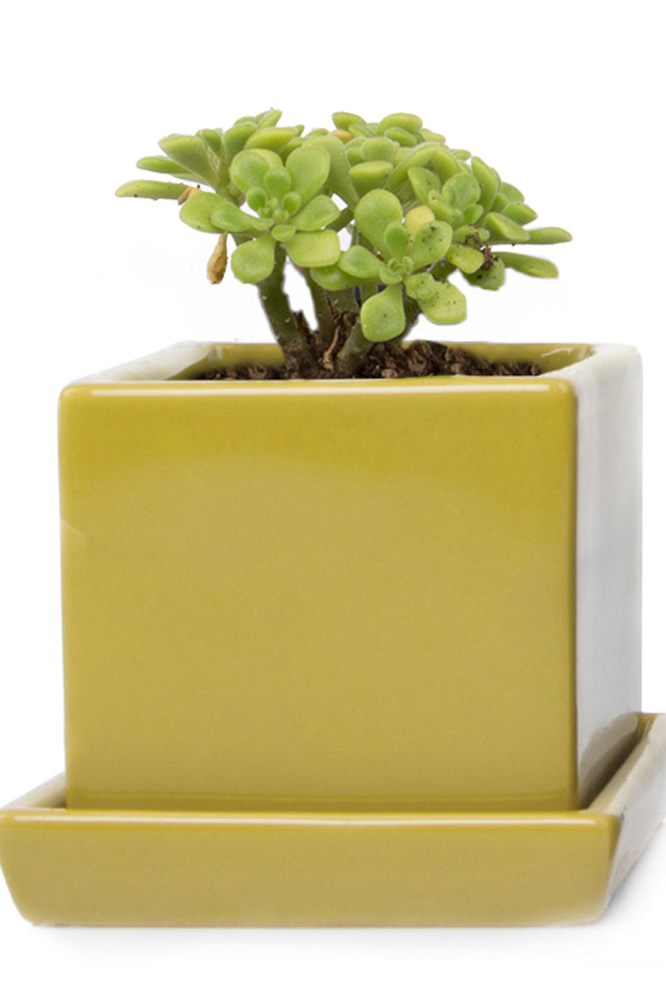
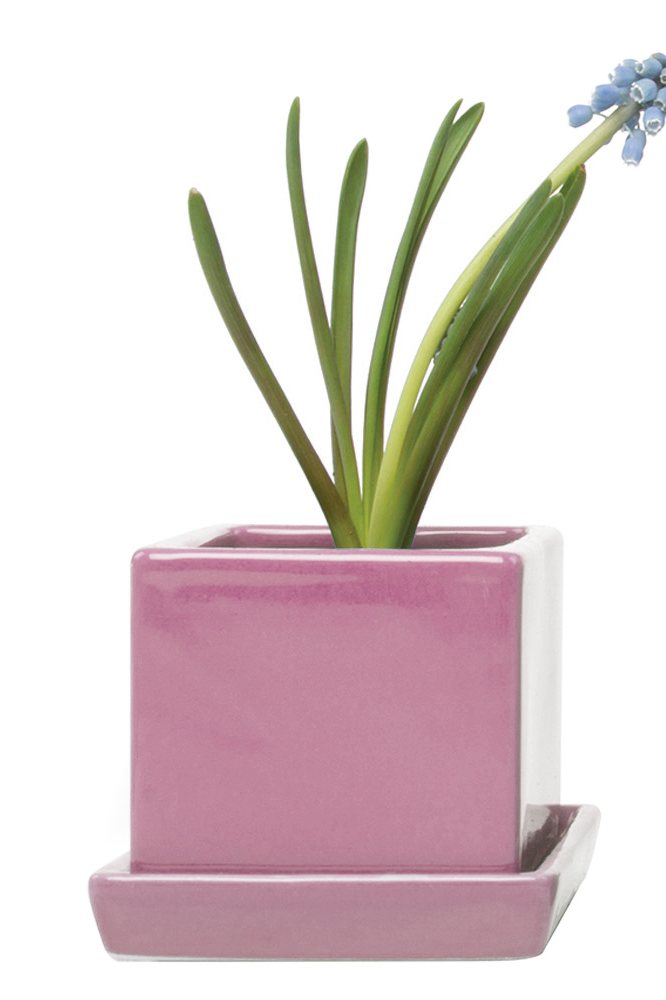
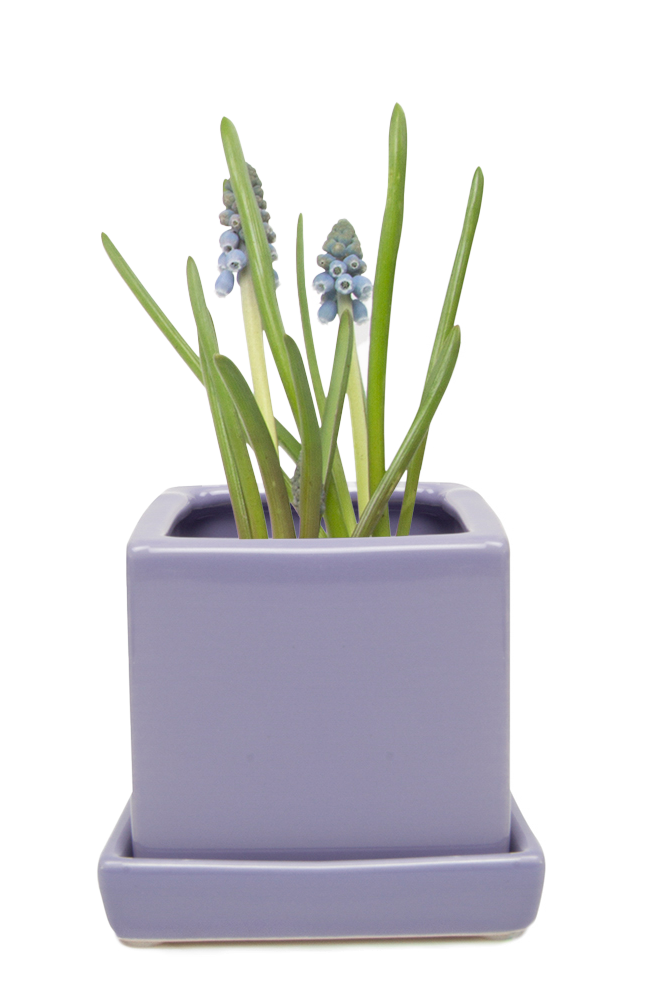
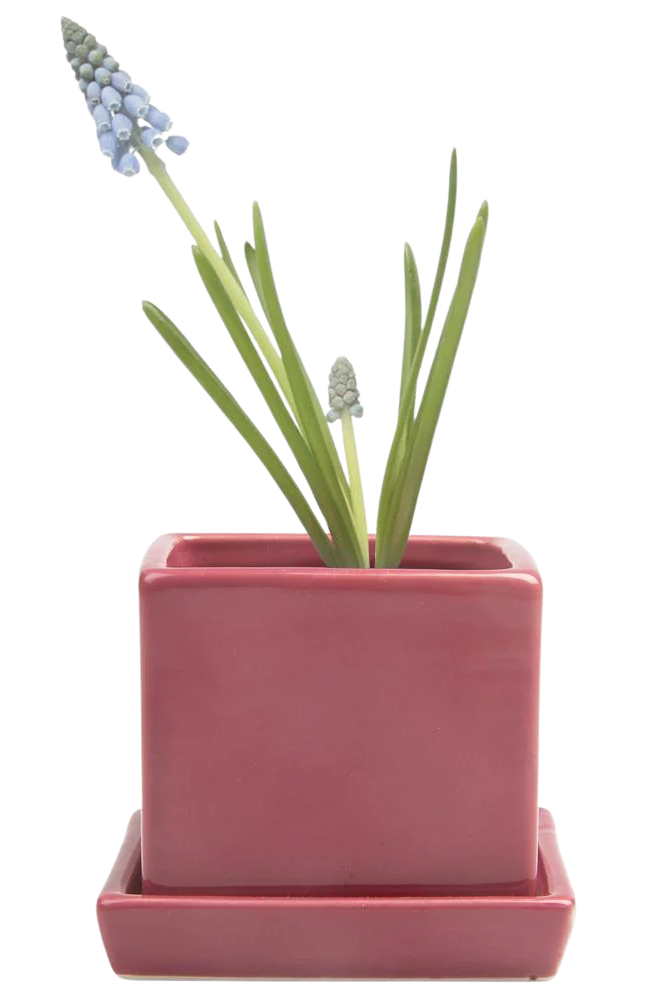
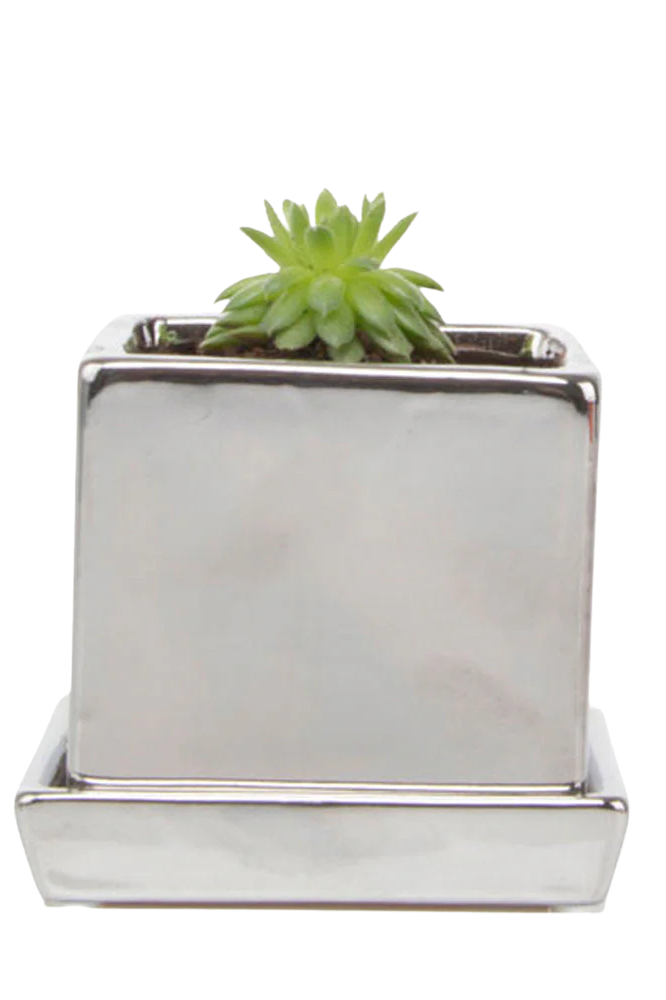
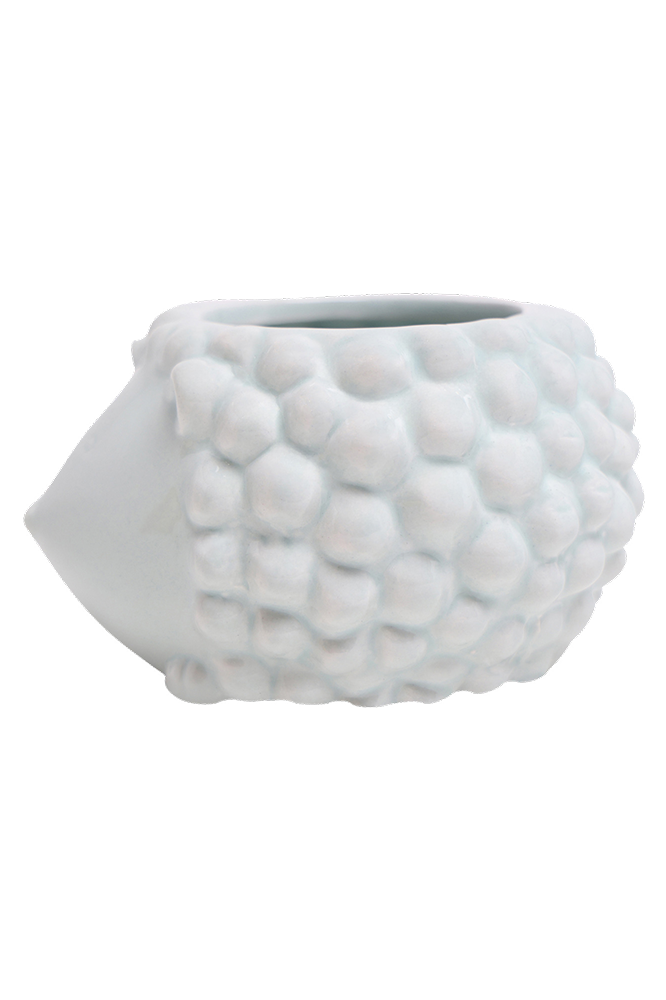
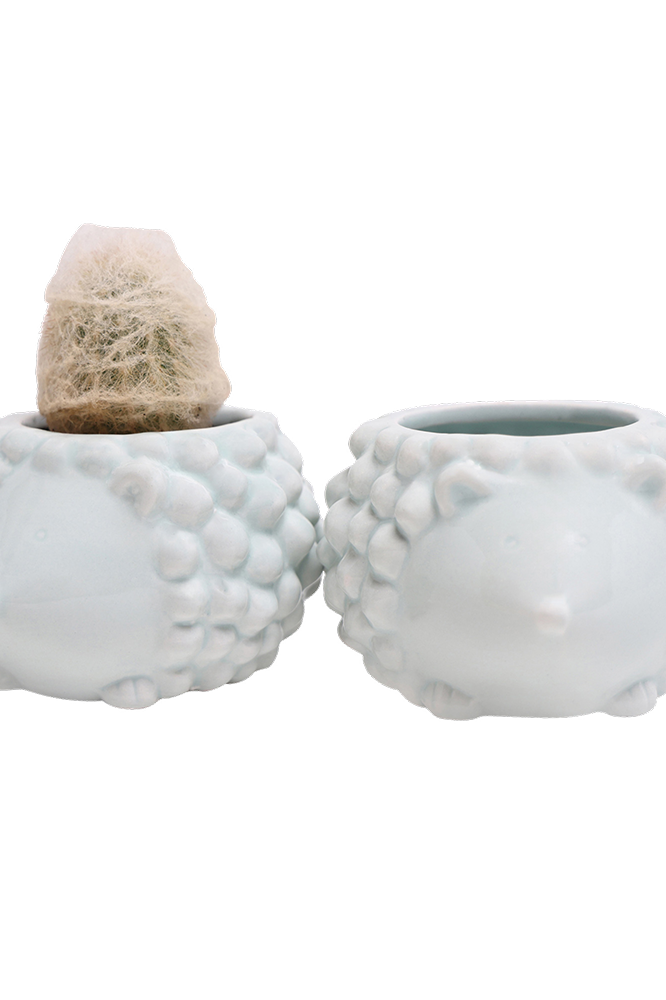
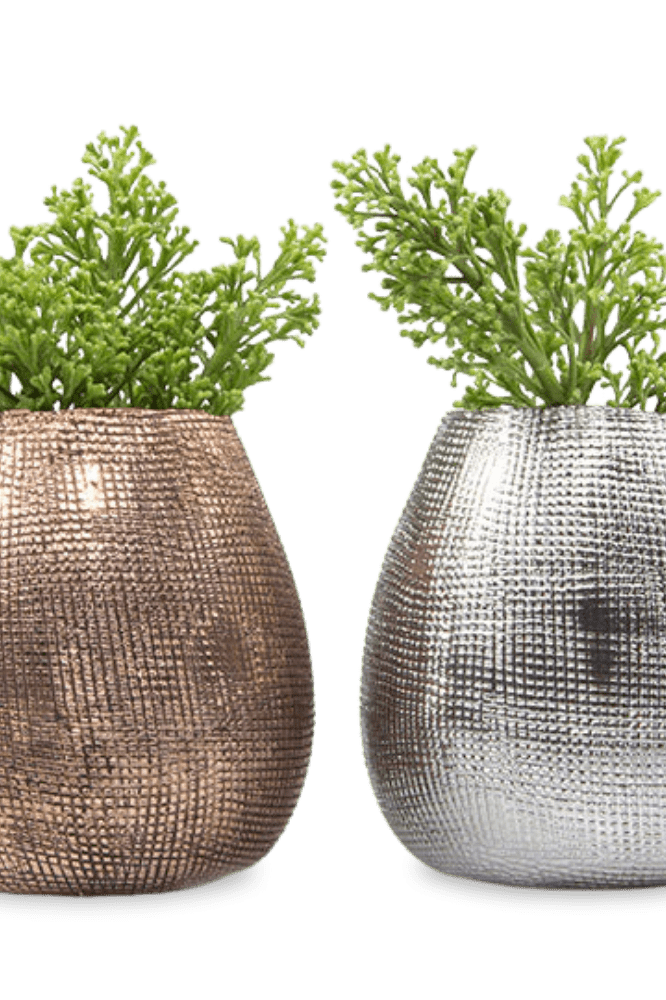
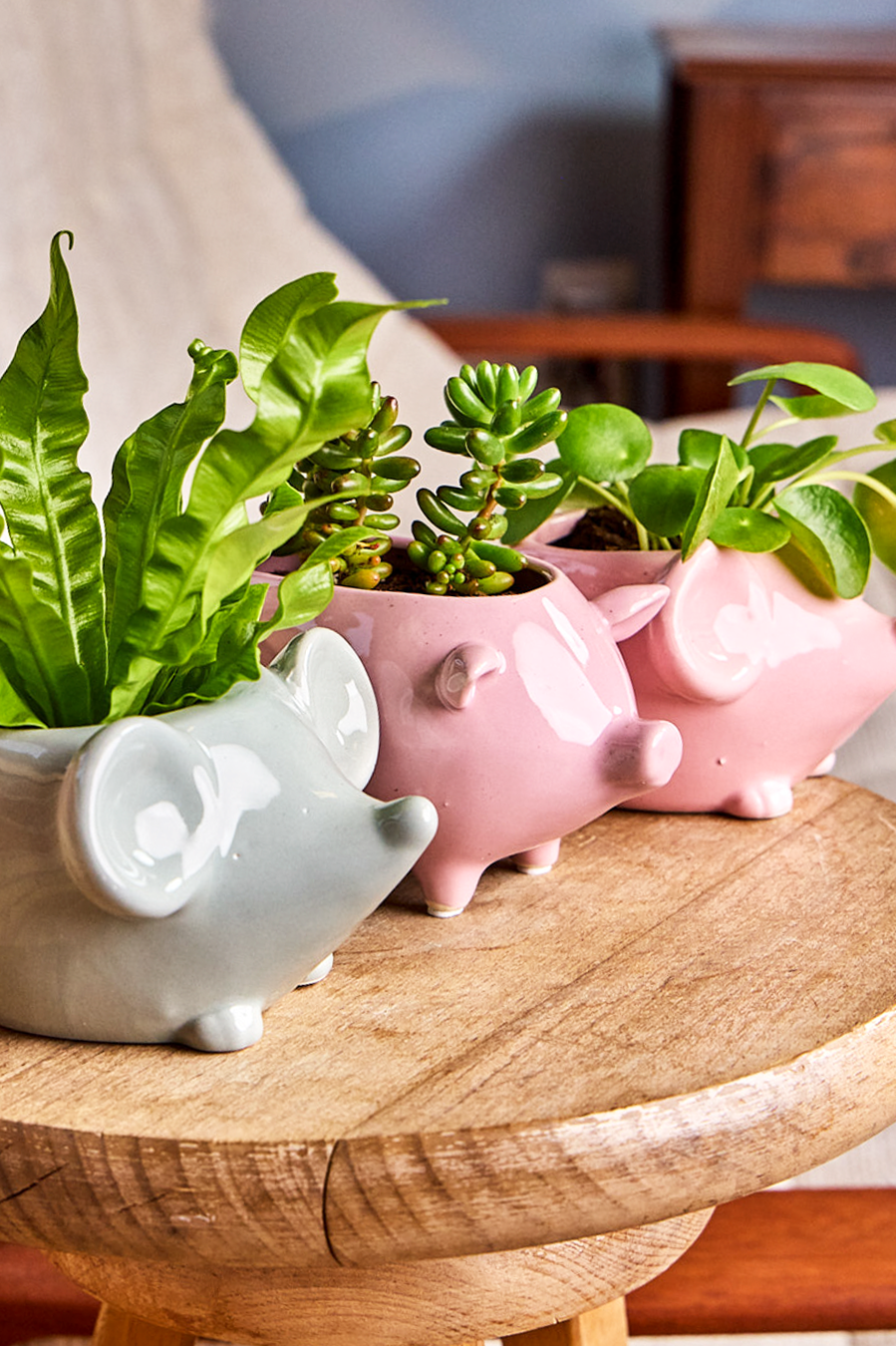
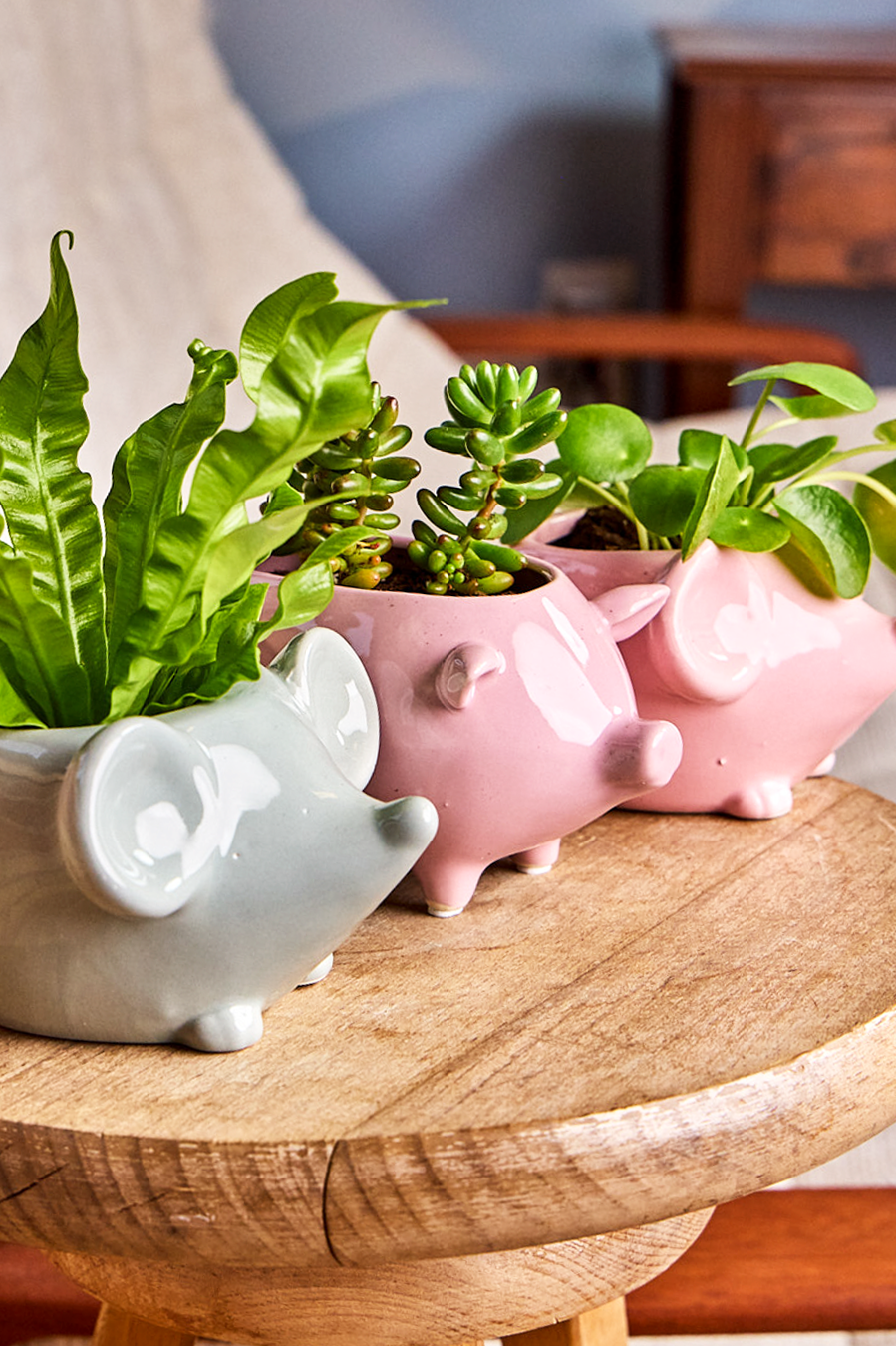
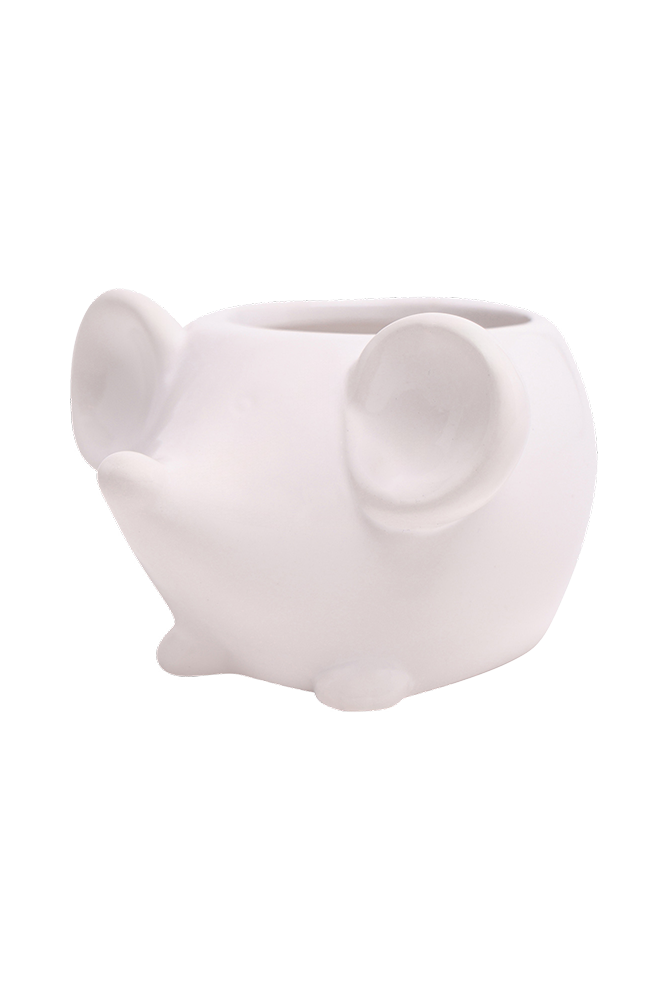
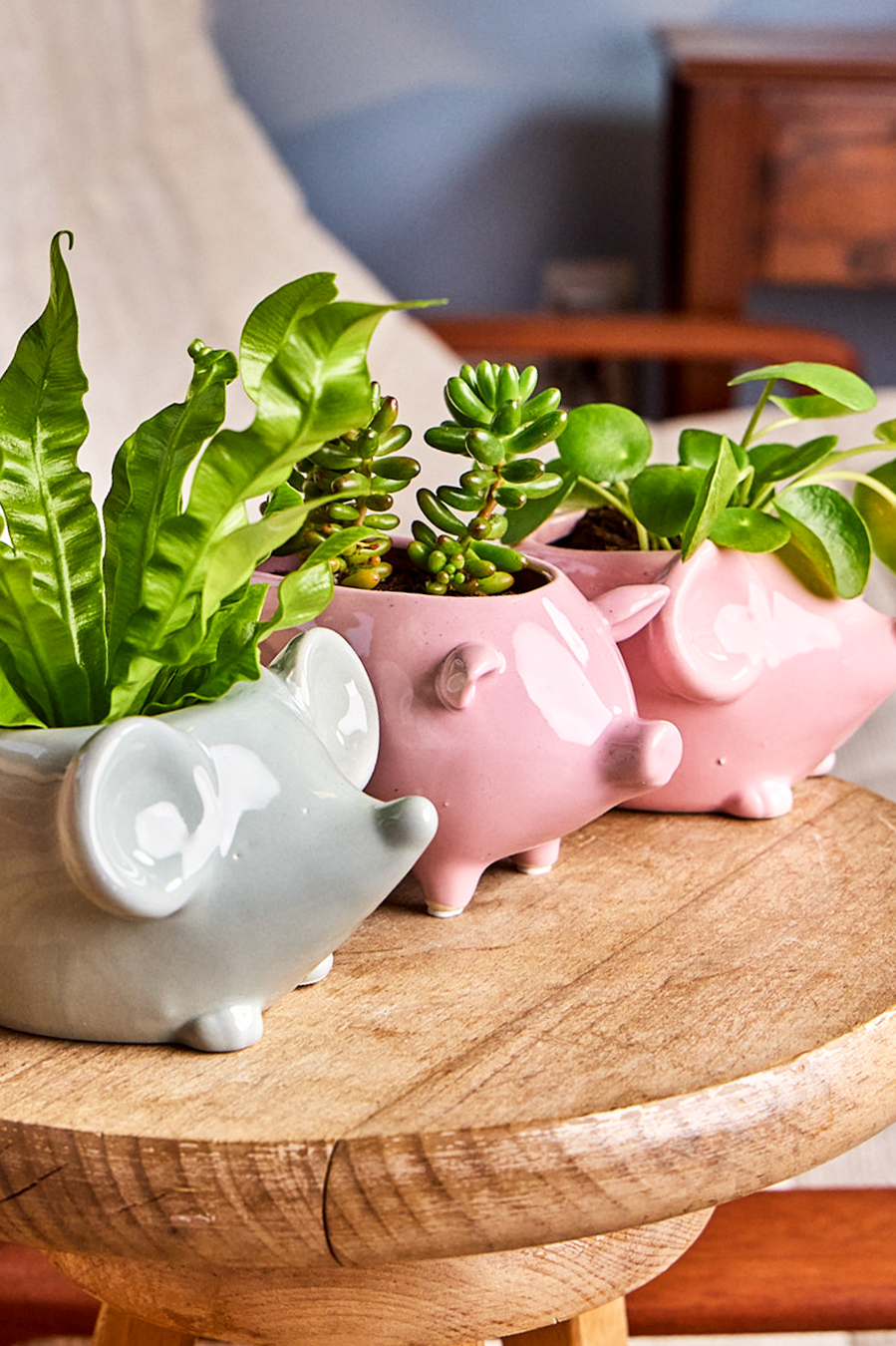
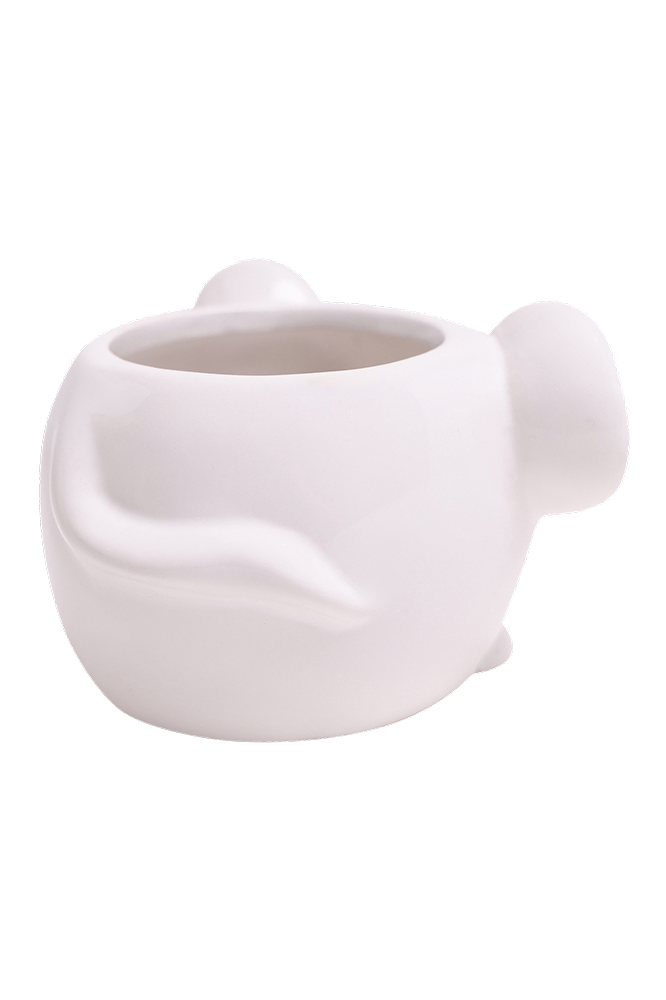
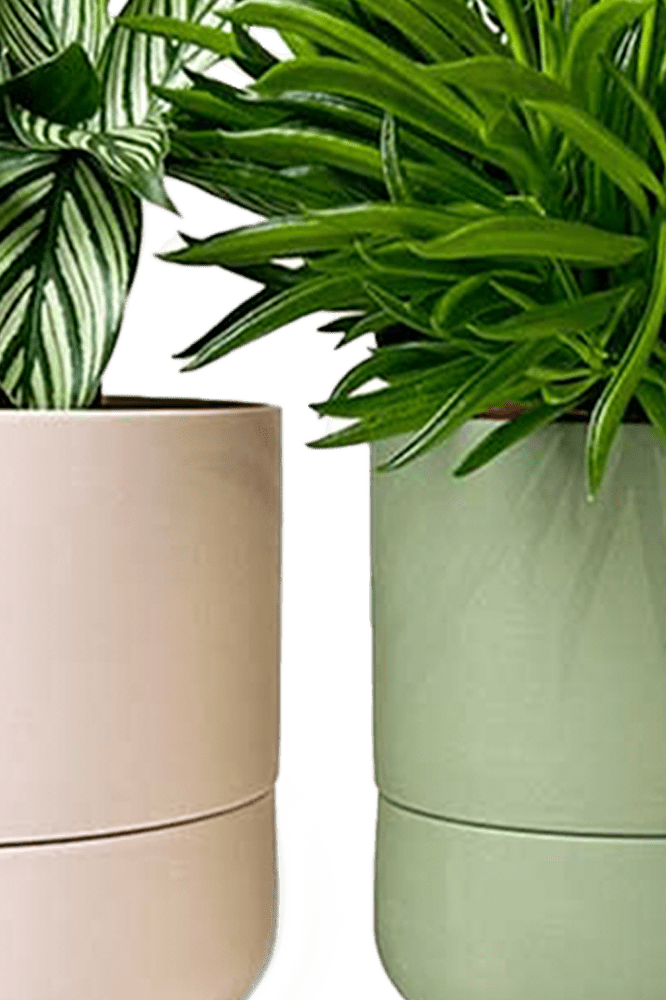
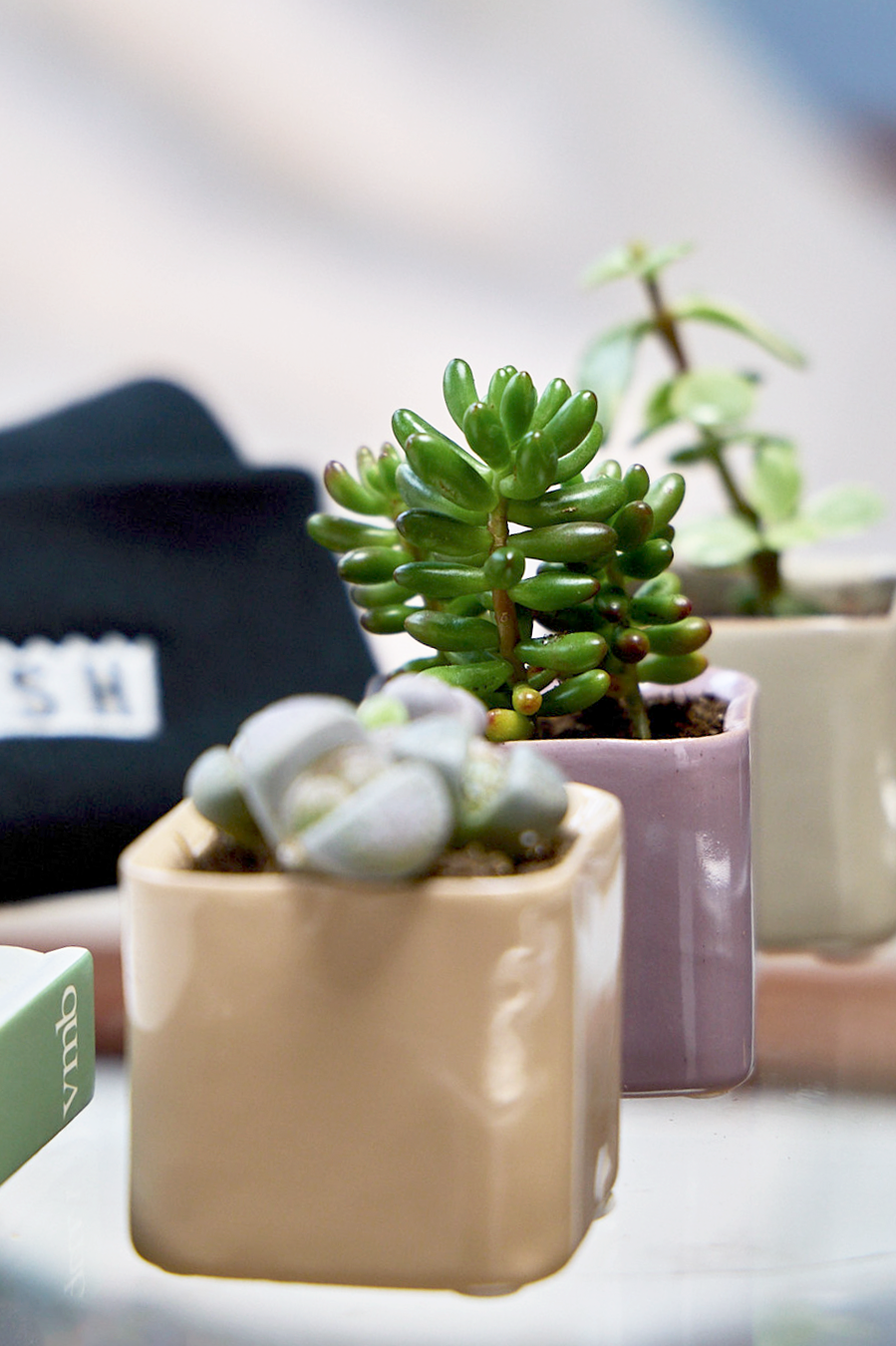
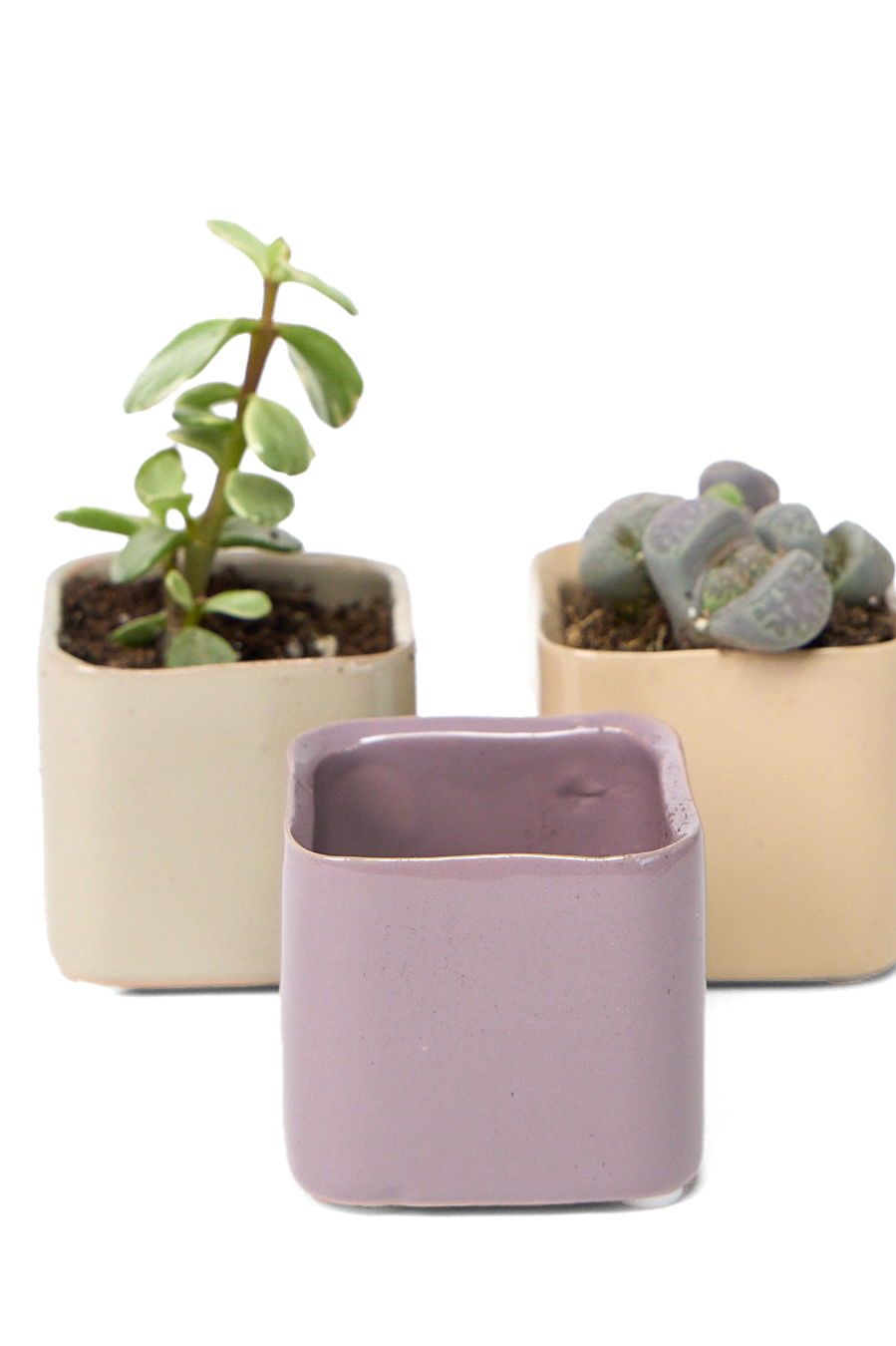
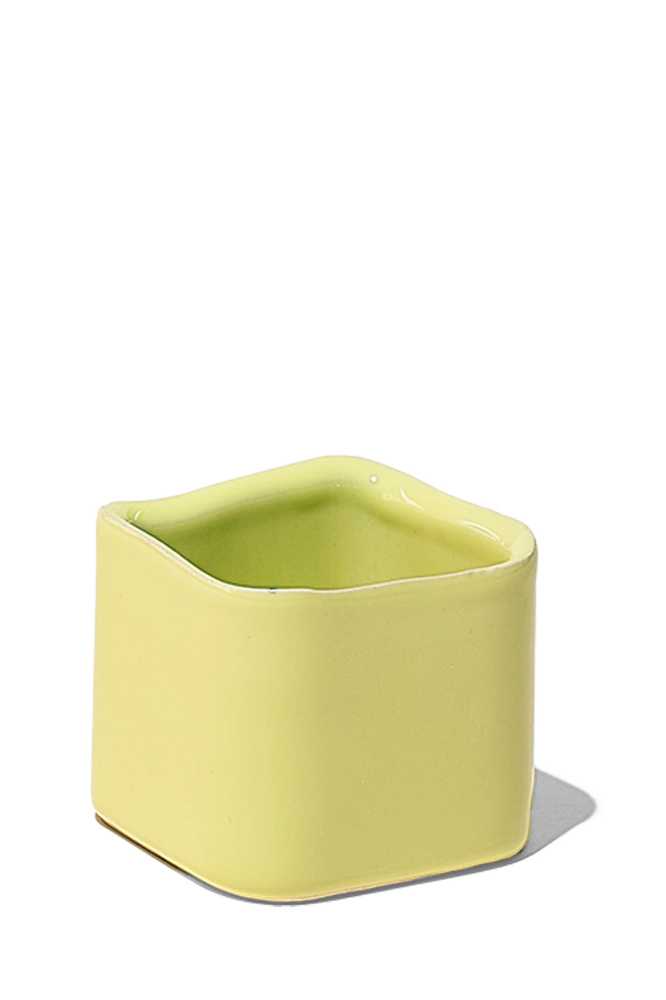
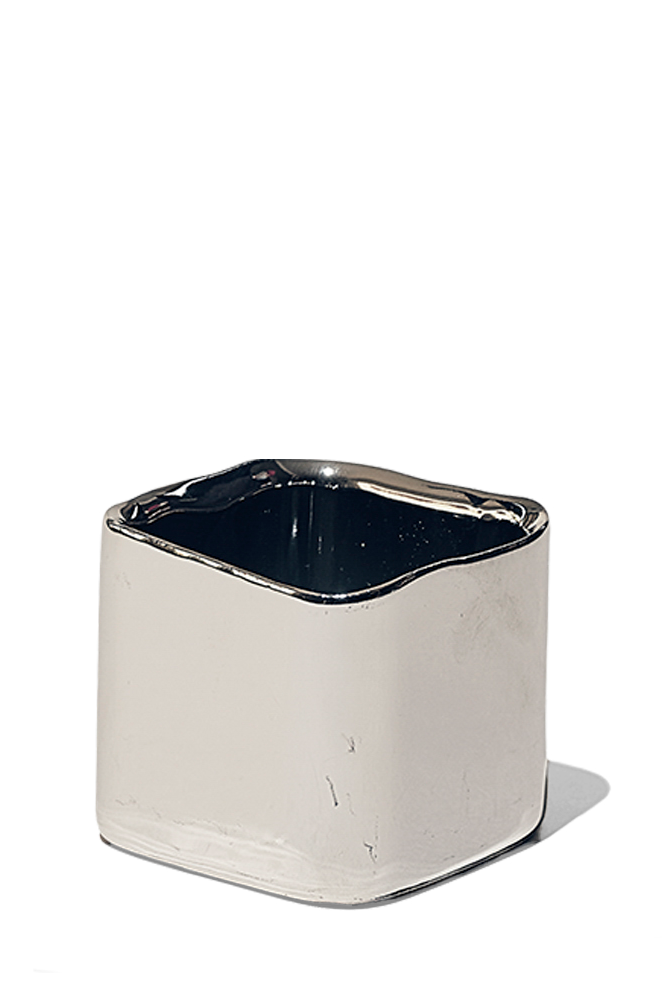
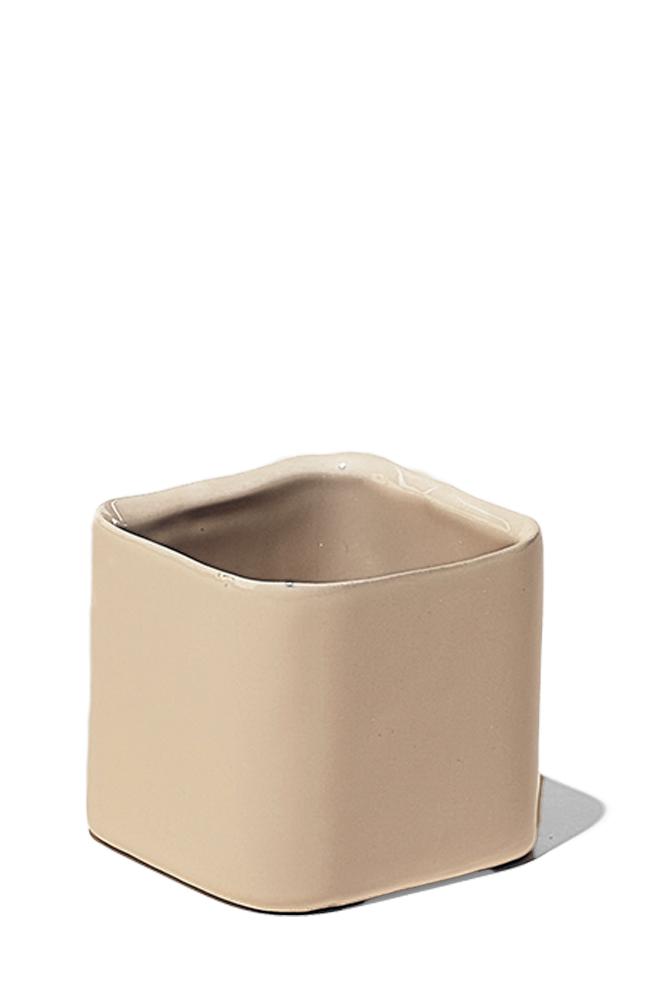
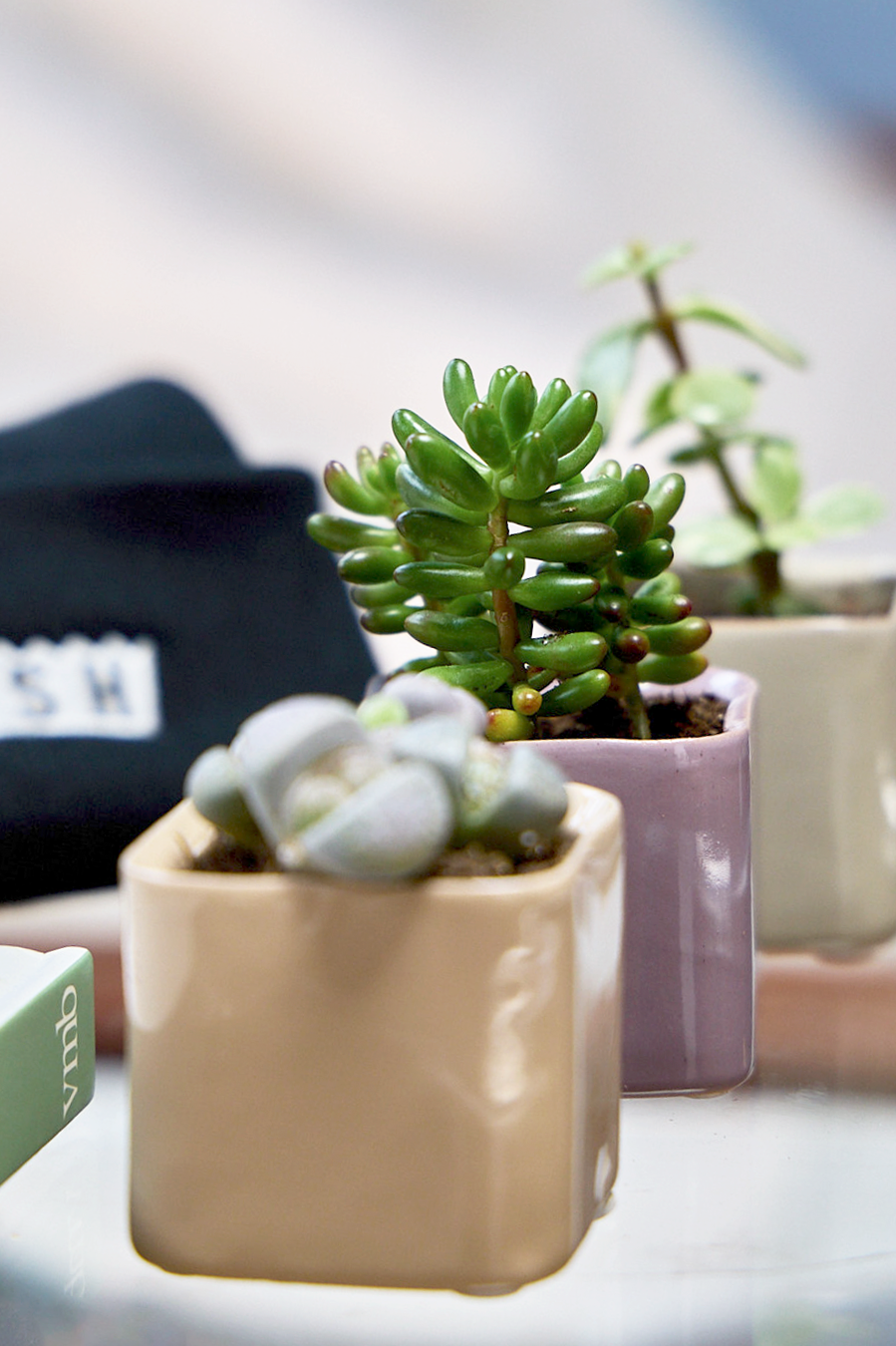
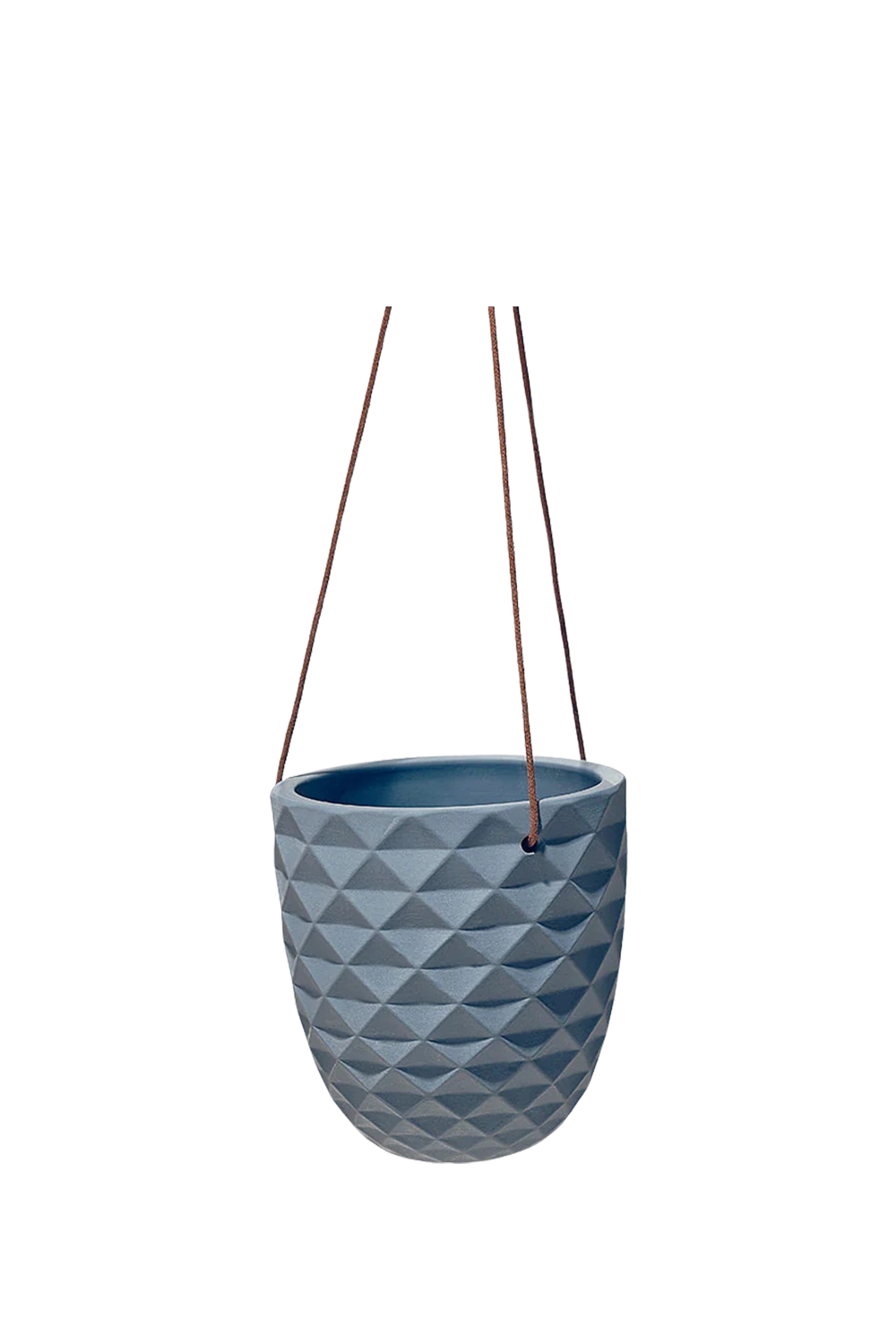
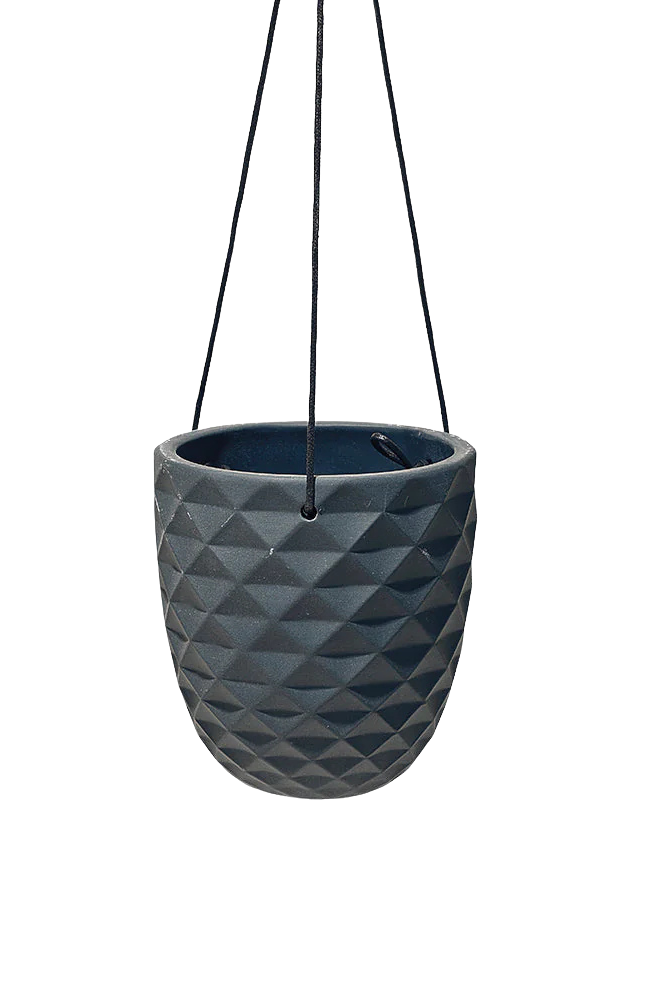
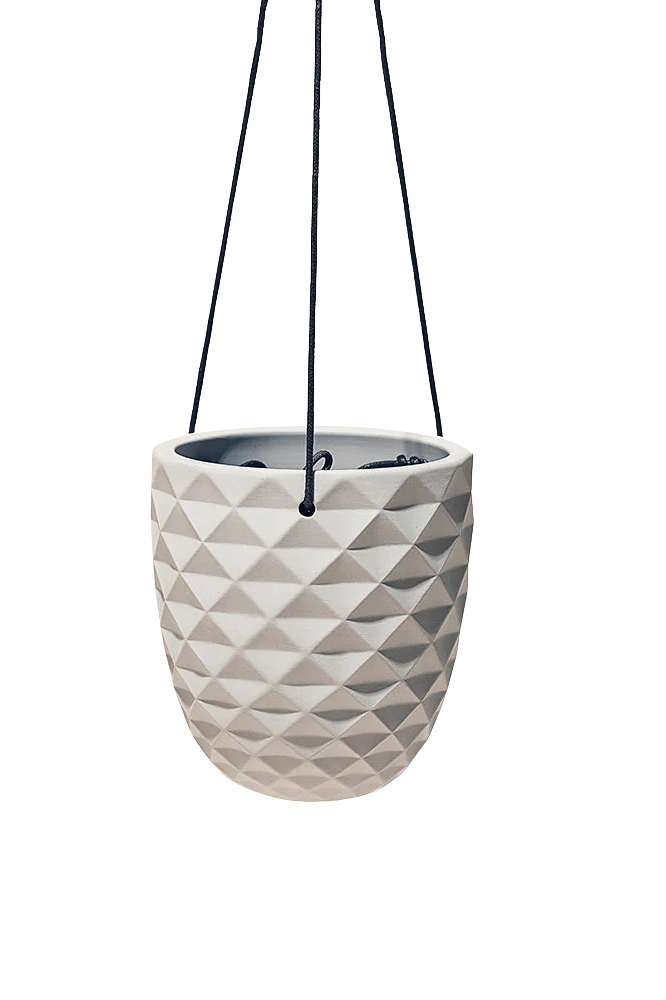
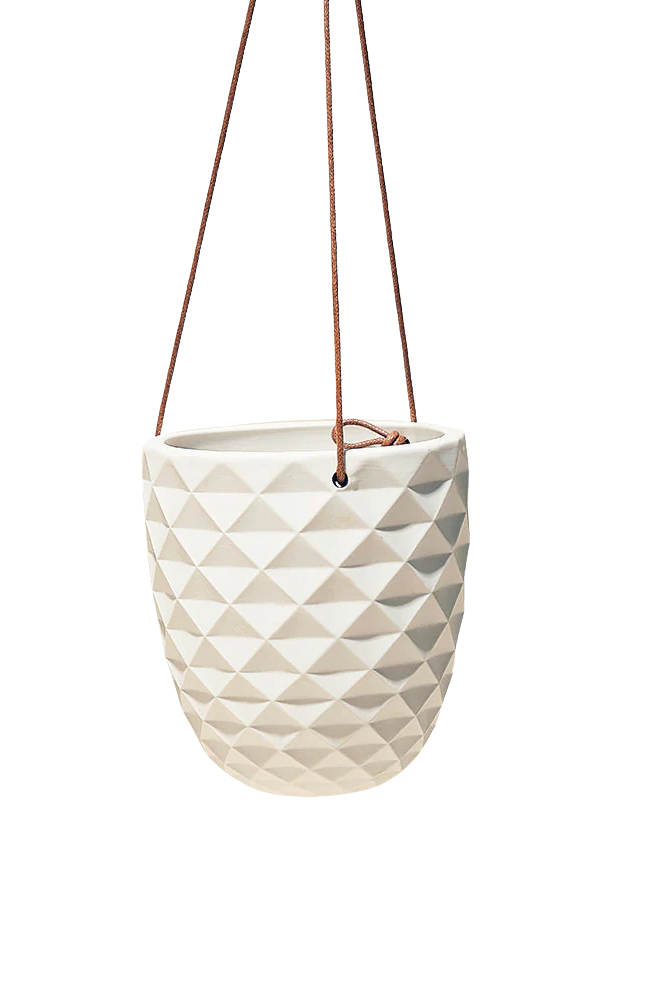
There's an undeniable sophistication to a ceramic plant pot that plastic simply cannot replicate, no matter how hard it tries. Ceramic pots in west-facing windows catch the afternoon light with a subtle gleam, like jewelry that knows it's expensive but doesn't need to announce it to the room. The weight alone suggests permanence, a commitment to the plant-parent relationship that goes beyond mere convenience.
The thermal properties of ceramic make it particularly well-suited to the west-facing window environment. Unlike plastic pots that heat up like miniature greenhouses, ceramic maintains a more consistent temperature, protecting roots from the kind of temperature fluctuations that might send a sensitive plant into an existential crisis.
Aesthetically, ceramic pots complement the natural lighting drama of west-facing windows. The afternoon sun creates shadows and highlights on glazed surfaces that change throughout the day, turning your windowsill into a subtle light show. It's the difference between wearing a quality watch and checking the time on your phone – both serve the same function, but one does it with considerably more style.

Succulents and Desert Dwellers
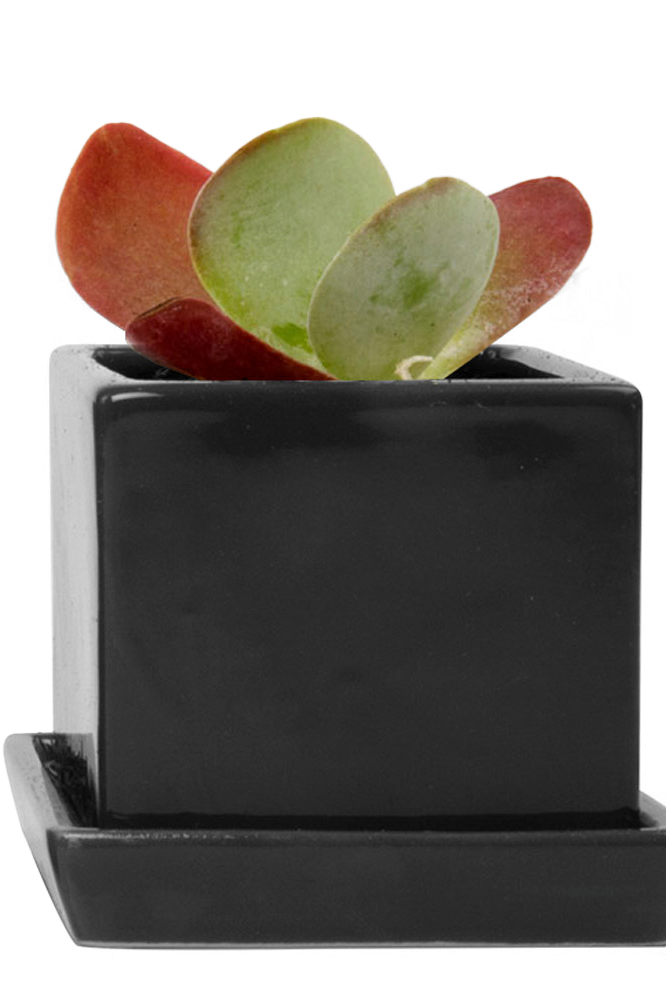
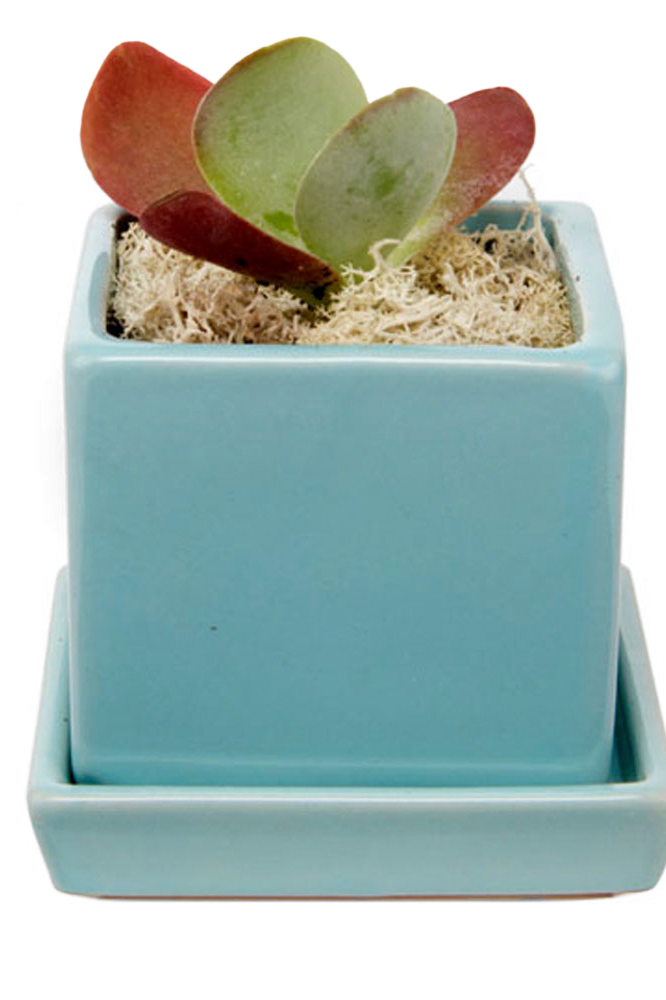
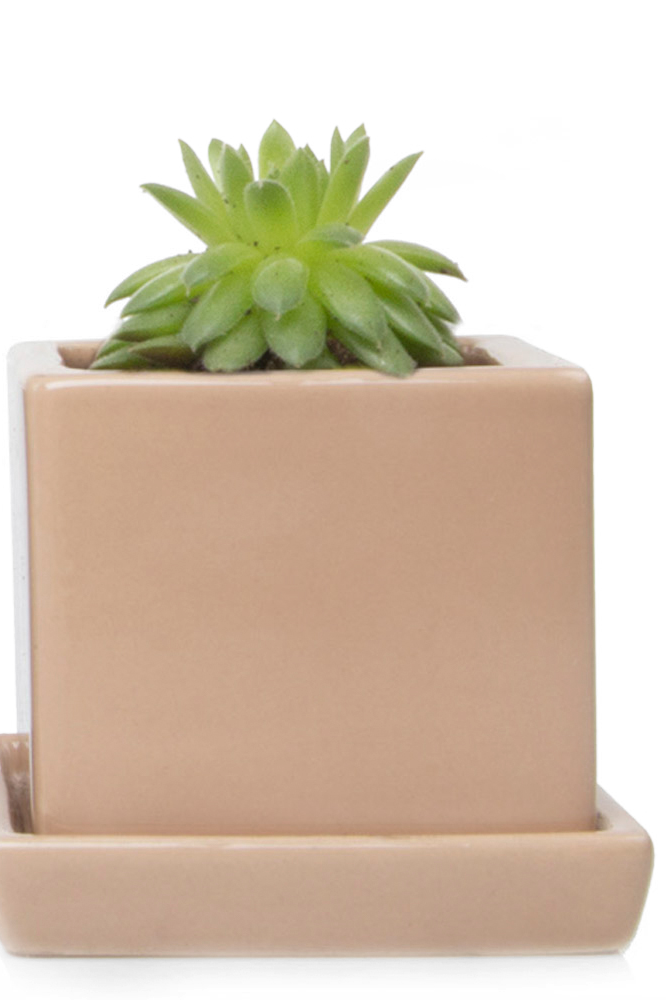
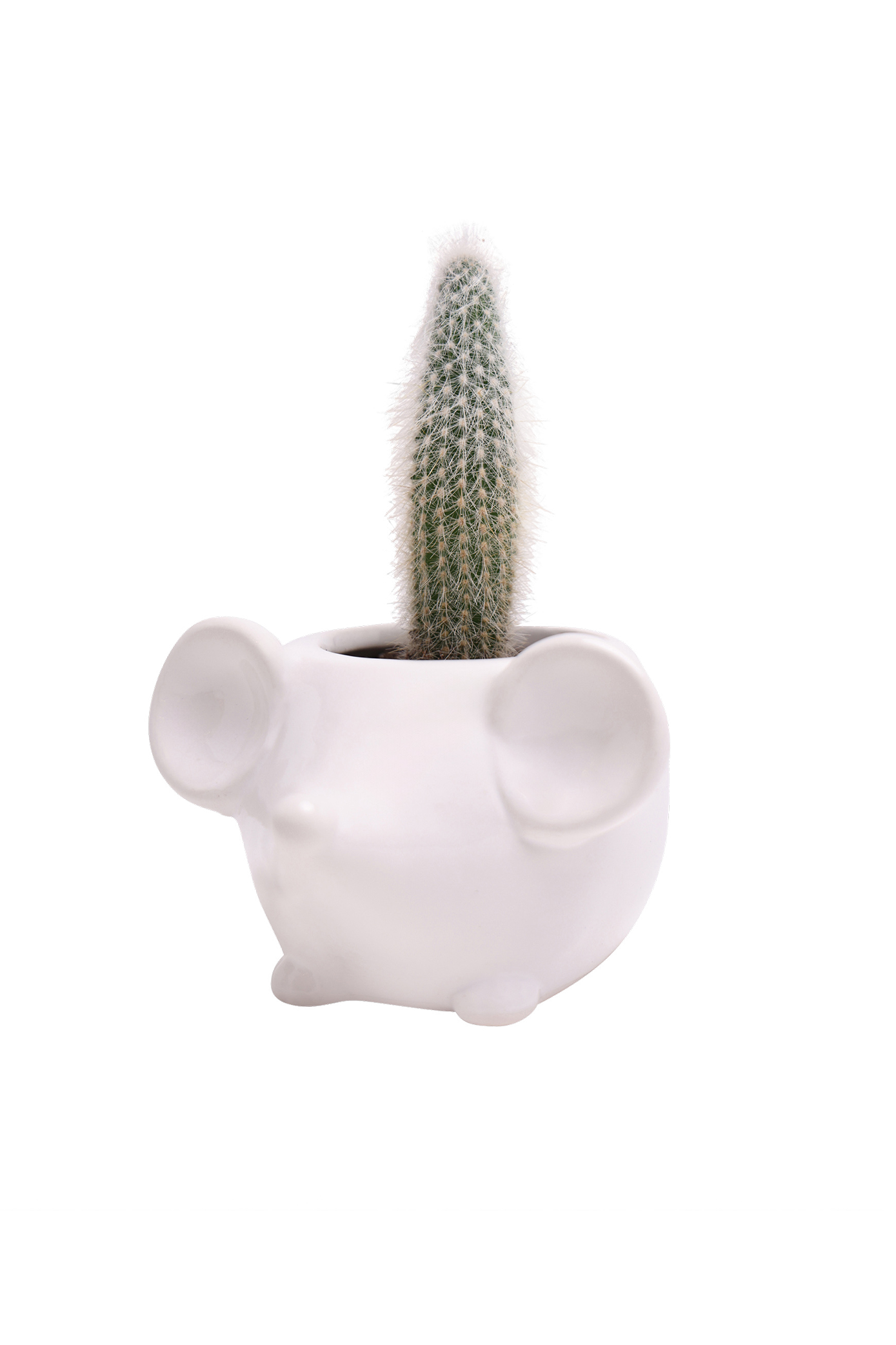
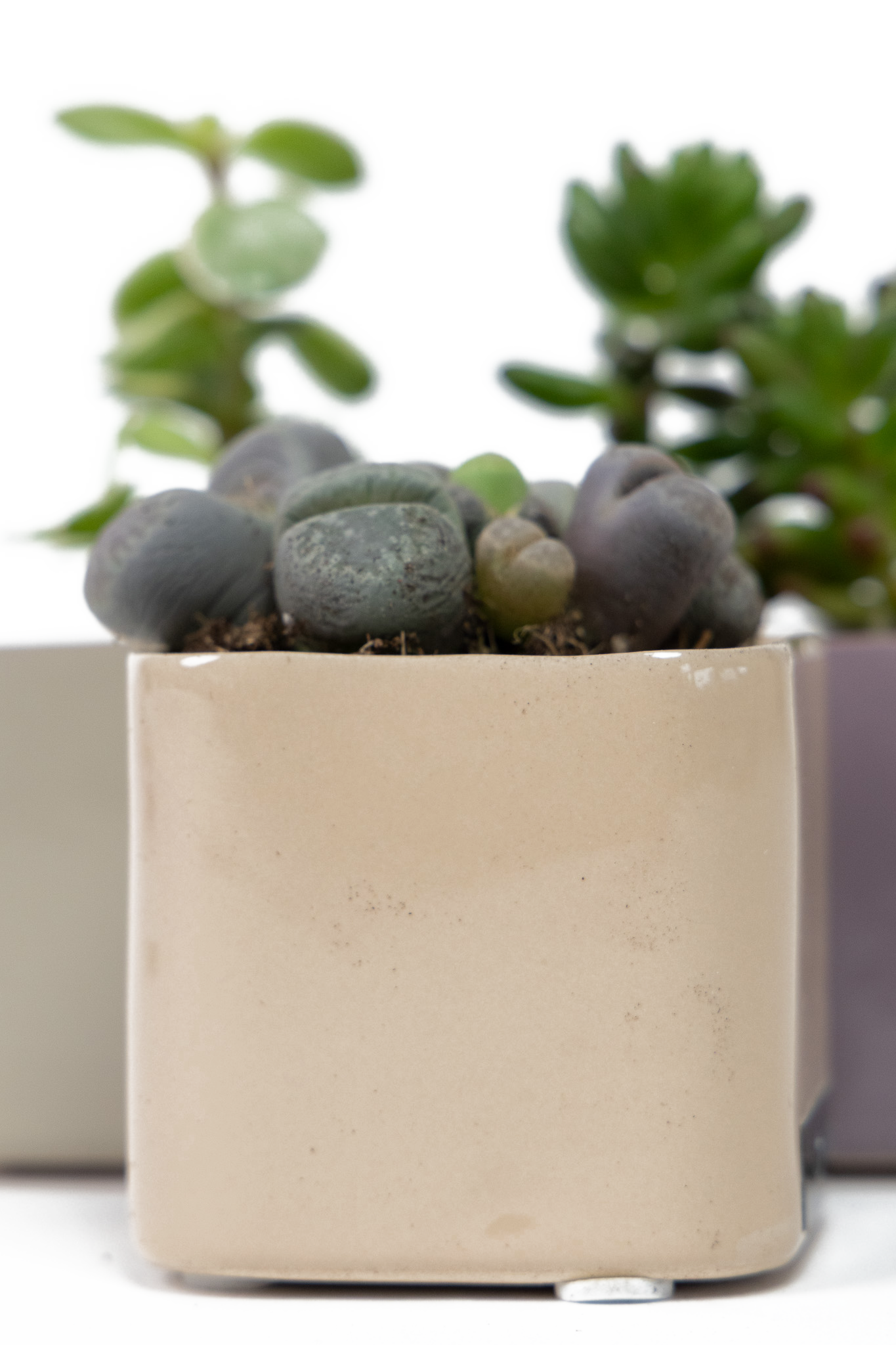
Many cacti and other succulents such as lithops, agave, and hens and chicks will thrive in this exposure, treating west-facing windows like their personal vacation destination. These botanical minimalists have perfected the art of thriving with less – less water, less fuss, less drama than their needier plant relatives.
Succulents in west windows develop that coveted stressed coloration, their leaves taking on sunset hues that would make a fashion designer weep with envy. They're like that friend who looks better after a challenging workout – a little stress brings out their best features. The intense afternoon light doesn't intimidate them; instead, it encourages them to show off their architectural forms and subtle color variations.

Statement Foliage Plants
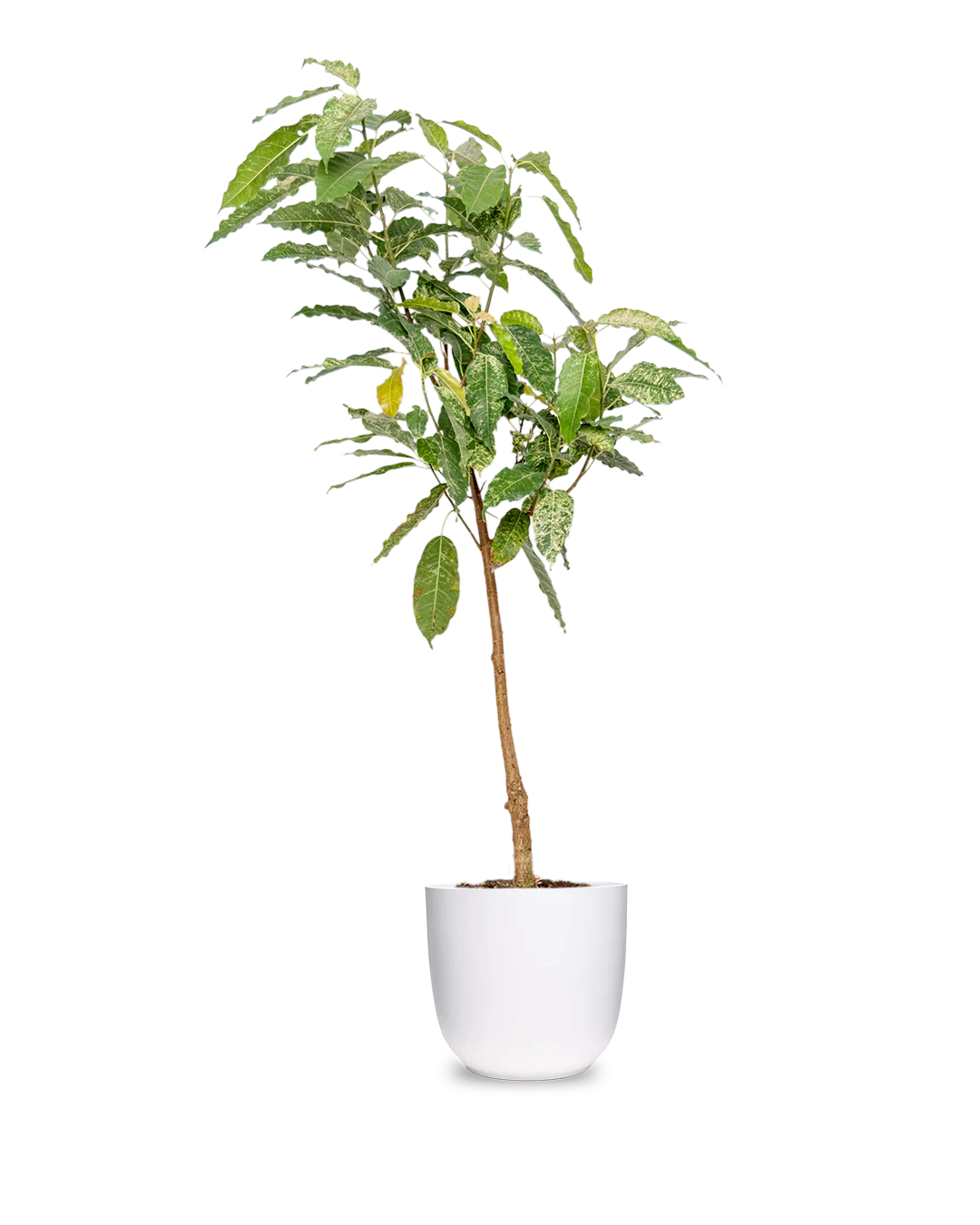
West-facing windows provide the perfect stage for houseplants with dramatic architectural presence. The fiddle leaf fig, that notoriously finicky diva of the plant world, actually appreciates the consistent afternoon light filtering through west-facing glass. These plants are like that friend who looks effortlessly elegant but secretly requires very specific conditions to maintain their composure.
The afternoon warmth seems to encourage these architectural specimens to unfurl their leaves with confidence, creating living sculptures that change the entire personality of a room. It's like having a piece of modern art that occasionally needs watering, transforming any corner into a sophisticated botanical gallery where every leaf serves as both form and function.