





The modern urban dwelling, particularly in Toronto's towering concrete landscape, presents a unique challenge to anyone harboring dreams of domestic jungle life. These architectural marvels, designed with the aesthetic sensibilities of filing cabinets and the natural lighting provisions of underground bunkers, have created an entire generation of plant enthusiasts who measure success not in vibrant blooms but in simple survival. The north-facing apartment dweller has become something of a horticultural specialist, navigating the shadowy world of low-light plant care with the determination of arctic explorers.
The phenomenon began innocently enough when someone realized that not everyone could afford a sun-drenched penthouse with floor-to-ceiling windows facing south. The reality of Toronto living means that most residents inhabit spaces where natural light arrives filtered through neighboring buildings, competing balconies, and the occasional passing cloud that seems to linger with personal vendetta. These dimly lit sanctuaries have spawned an entire subspecialty in the plant world, catering to those who refuse to let architectural limitations interfere with their botanical ambitions.
The low-light plant movement has evolved from necessity into something approaching an underground resistance movement. These shade-loving specimens have become the botanical equivalent of night-shift workers, thriving in conditions that would send sun-worshipping plants into immediate decline. The relationship between dim-space dwellers and their tolerant green companions represents one of the more successful partnerships in modern urban living, built on mutual understanding and realistic expectations.

Understanding Low Light: What It Really Means for Your Plants
The definition of "low light" in botanical terms bears little resemblance to what most humans consider adequate illumination for daily activities. Plant scientists, apparently blessed with the ability to measure light in ways that would make photography enthusiasts weep with envy, have established categories that range from "bright indirect" to "can you even see your hand in front of your face?" The average Toronto apartment falls somewhere in the middle of this spectrum, creating conditions that might charitably be described as "atmospheric."
The science behind low-light plant survival reads like a masterclass in biological efficiency. These remarkable organisms have evolved sophisticated mechanisms for extracting every available photon from their environment, functioning like botanical solar panels designed by engineers who understand the meaning of conservation. Their leaves often display the kind of deep, rich coloring that suggests they're working overtime to capture whatever light manages to penetrate the urban gloom.
Professional plant people speak of foot-candles and lux measurements with the casual authority of meteorologists discussing barometric pressure. They wield light meters like divining rods, seeking out those precious pockets of illumination that might sustain plant life in otherwise challenging environments. The resulting recommendations often sound like military strategies, involving careful positioning, strategic rotation, and the kind of precise timing that would make Swiss watchmakers proud.
Top 10 Low Light Champions for Toronto Condos and Apartments
The pantheon of low-light plant heroes reads like a botanical hall of fame, featuring specimens that have earned their reputations through sheer resilience and an almost supernatural ability to thrive in less-than-ideal conditions. These champions of shade have become the backbone of urban plant collections, proving that photosynthesis can occur even in spaces that barely qualify as naturally lit.
The cast iron plant lives up to its name with the kind of indestructible constitution that makes other houseplants seem delicate by comparison. This Victorian-era survivor has weathered decades of changing plant trends while maintaining its reputation as the ultimate low-maintenance companion for dimly lit spaces. The Chinese evergreen brings tropical elegance to shadowy corners, offering variegated foliage that somehow manages to remain vibrant even under the most challenging lighting conditions.
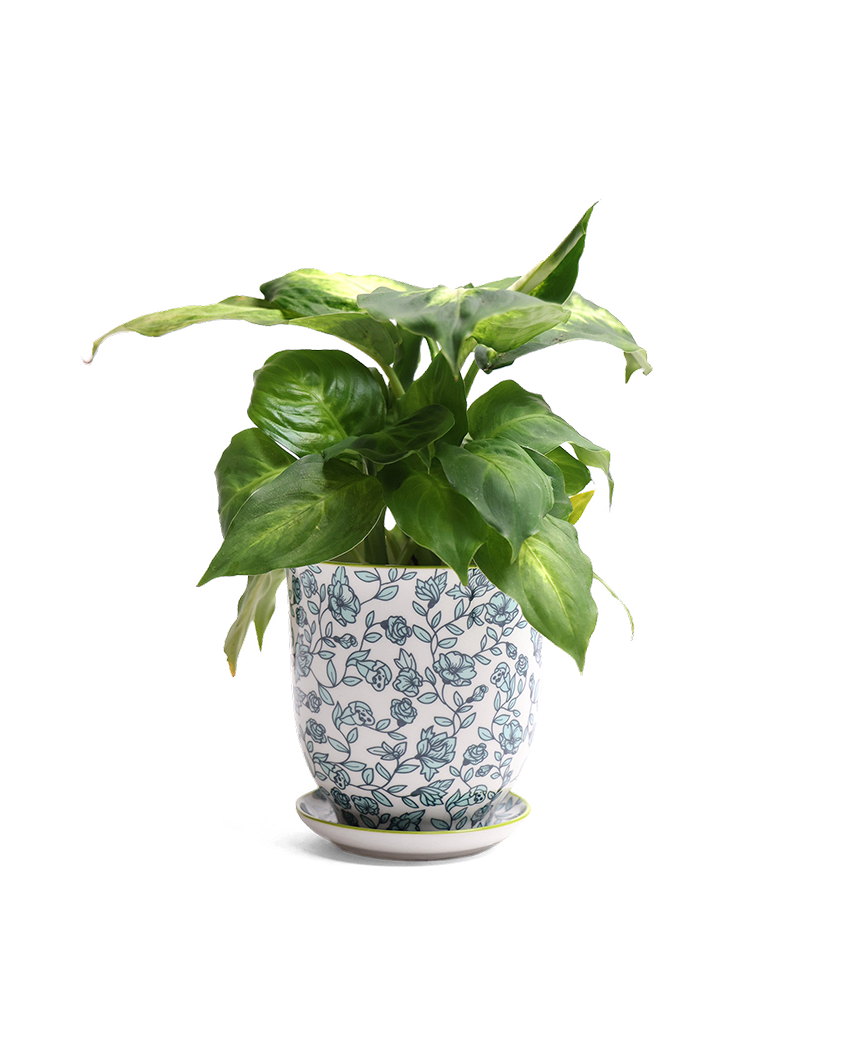
Peace lilies have mastered the art of dramatic communication, signaling their needs through carefully orchestrated drooping that would make theater majors envious. These diplomatic plants manage to convey both resilience and refinement, thriving in low light while occasionally producing white blooms that seem almost miraculous under the circumstances.

Snake Plants: The Ultimate Survivor for Dark Corners
The snake plant represents the pinnacle of low-maintenance plant ownership, functioning more like architectural elements than living organisms. These vertical wonders seem engineered for the modern lifestyle, requiring so little attention that they practically care for themselves while adding sculptural interest to even the darkest corners of urban dwellings.
The remarkable tolerance of snake plants for neglect has made them legendary among plant enthusiasts who appreciate reliability over drama. These stoic specimens can survive extended periods of darkness that would send more sensitive plants into immediate decline, emerging from prolonged neglect looking virtually unchanged. Their thick, sword-like leaves store water with the efficiency of desert cacti while maintaining an elegant appearance that complements modern interior design.
The air-purifying qualities of snake plants add practical value to their aesthetic appeal, functioning as living air filters that work around the clock without requiring electricity or replacement parts. NASA research has confirmed their ability to remove toxins from indoor air, transforming these already impressive plants into multi-functional home accessories.
ZZ Plants: Glossy Foliage That Thrives in Minimal Light
The ZZ plant, with its impossibly glossy leaves and architectural growth pattern, seems almost too perfect for the low-light lifestyle. These specimens appear to have been designed specifically for Toronto condos, offering the kind of polished appearance that photographs beautifully while maintaining the hardy constitution necessary for survival in challenging conditions.
The waxy coating on ZZ plant leaves serves both aesthetic and practical purposes, creating surfaces that reflect available light while conserving moisture with remarkable efficiency. This dual-purpose design allows them to maximize whatever illumination reaches their location while maintaining their stunning appearance through extended periods of minimal care.

Pothos Varieties: Trailing Beauty for Dim Spaces
The pothos family has established itself as the trailing plant royalty of low-light environments, offering cascading vines that transform stark apartment walls into living tapestries. These adaptable climbers seem to possess an almost supernatural ability to find and follow available light sources, creating natural curtains of green that soften the harsh angles of modern architecture.
The variety within the pothos family ensures options for every aesthetic preference, from the classic golden pothos with its heart-shaped leaves to more exotic varieties featuring silvery patterns that catch and reflect whatever light manages to penetrate their environment. These versatile plants adapt their growth patterns to available space and light, creating custom installations that seem tailored to each specific location.