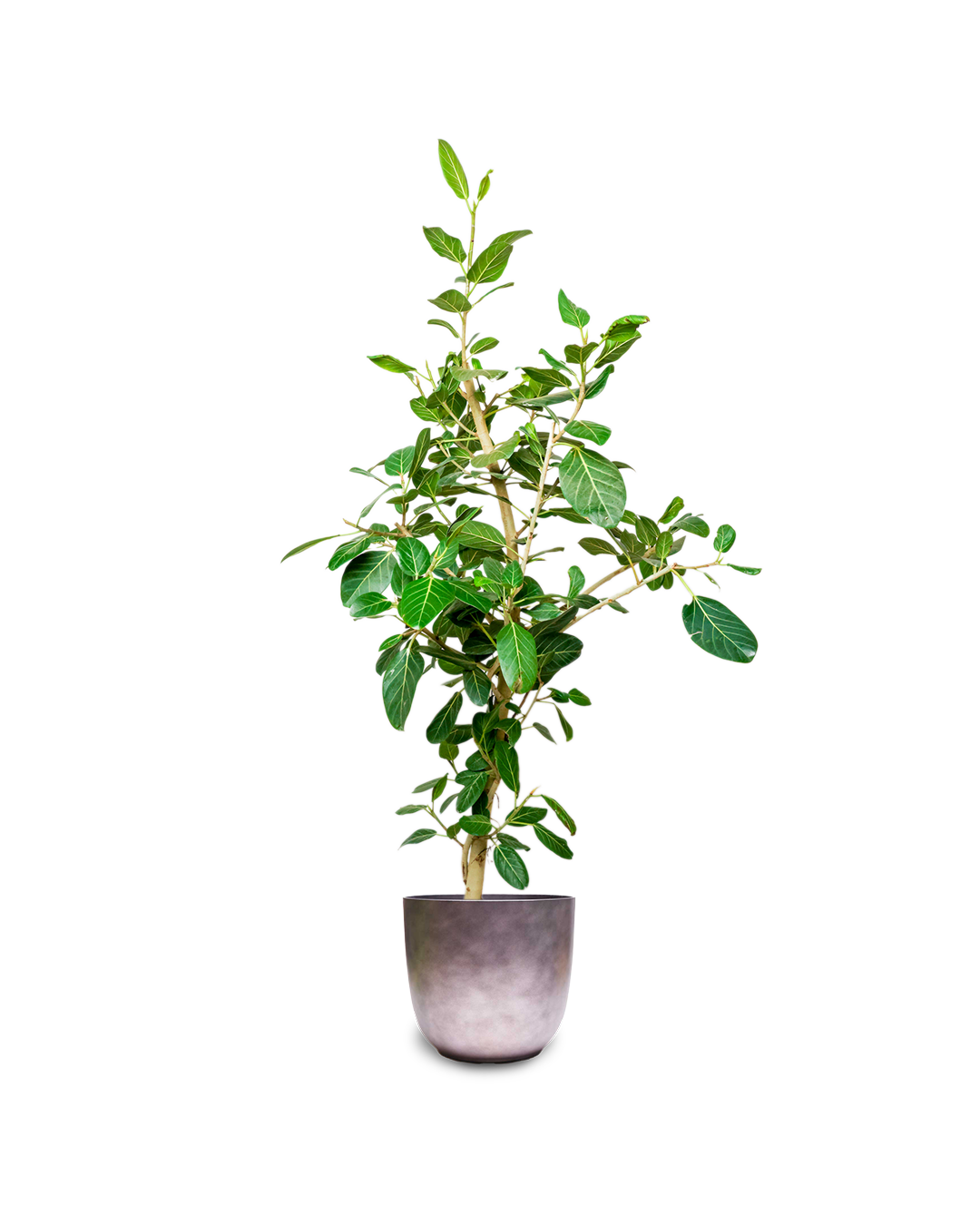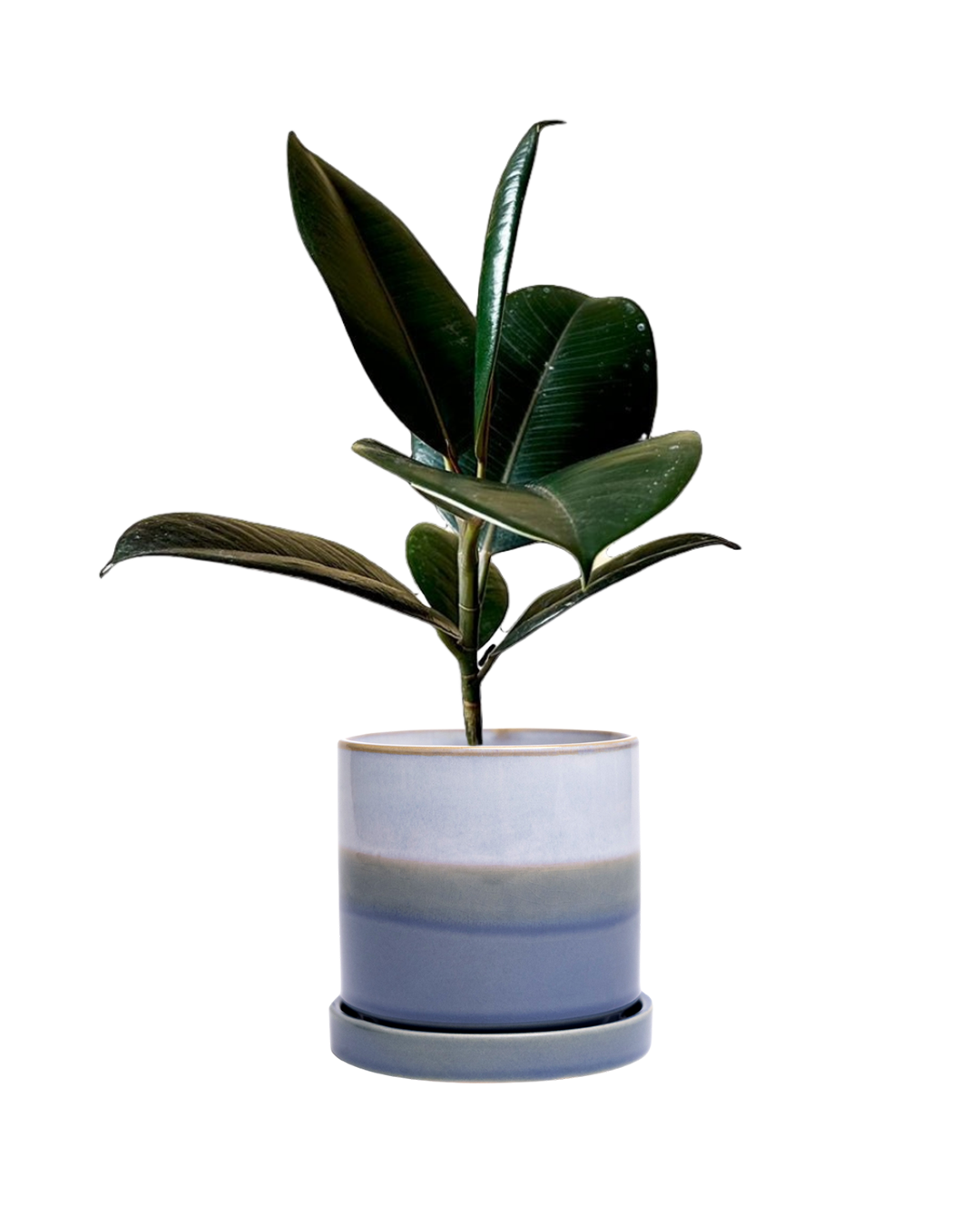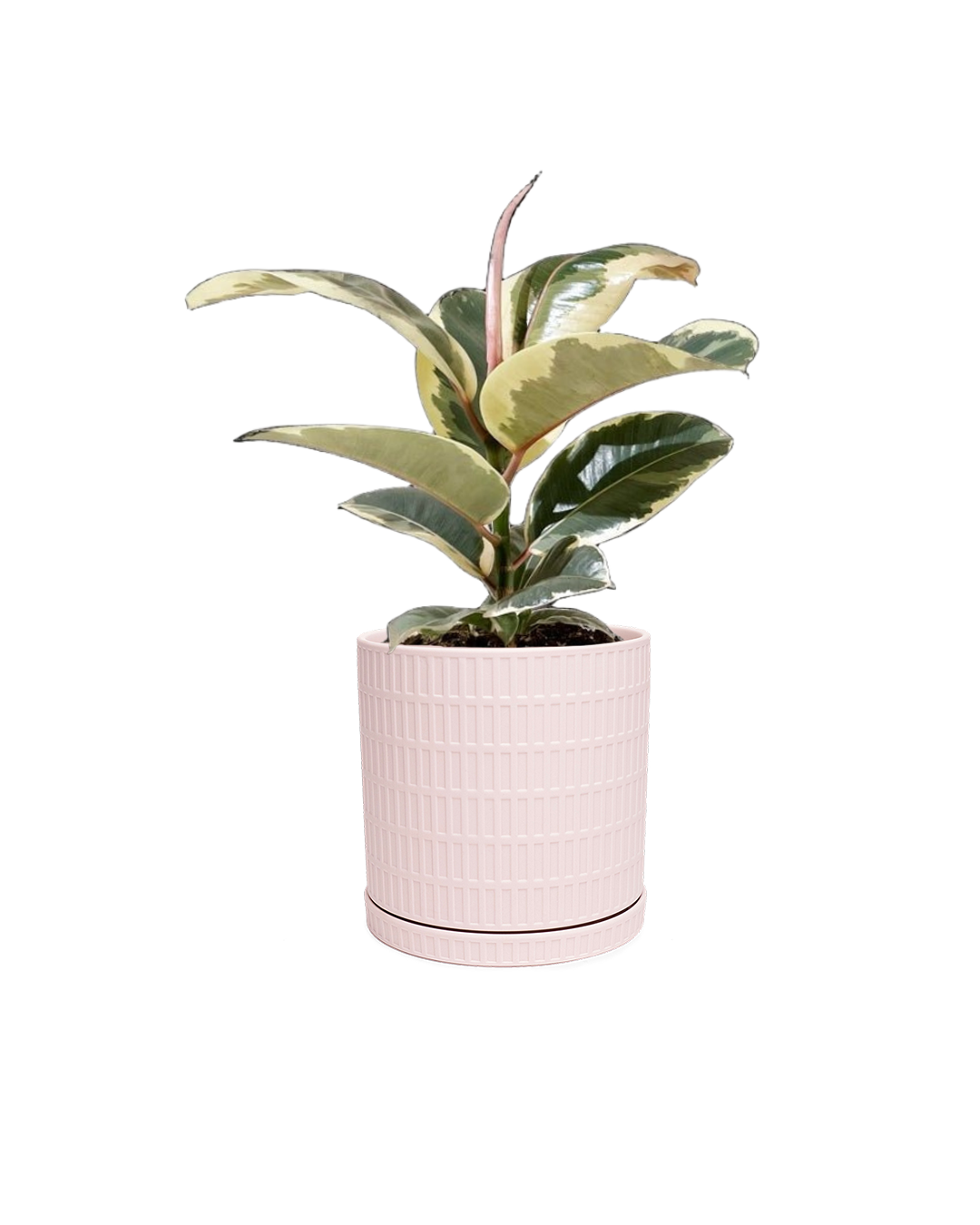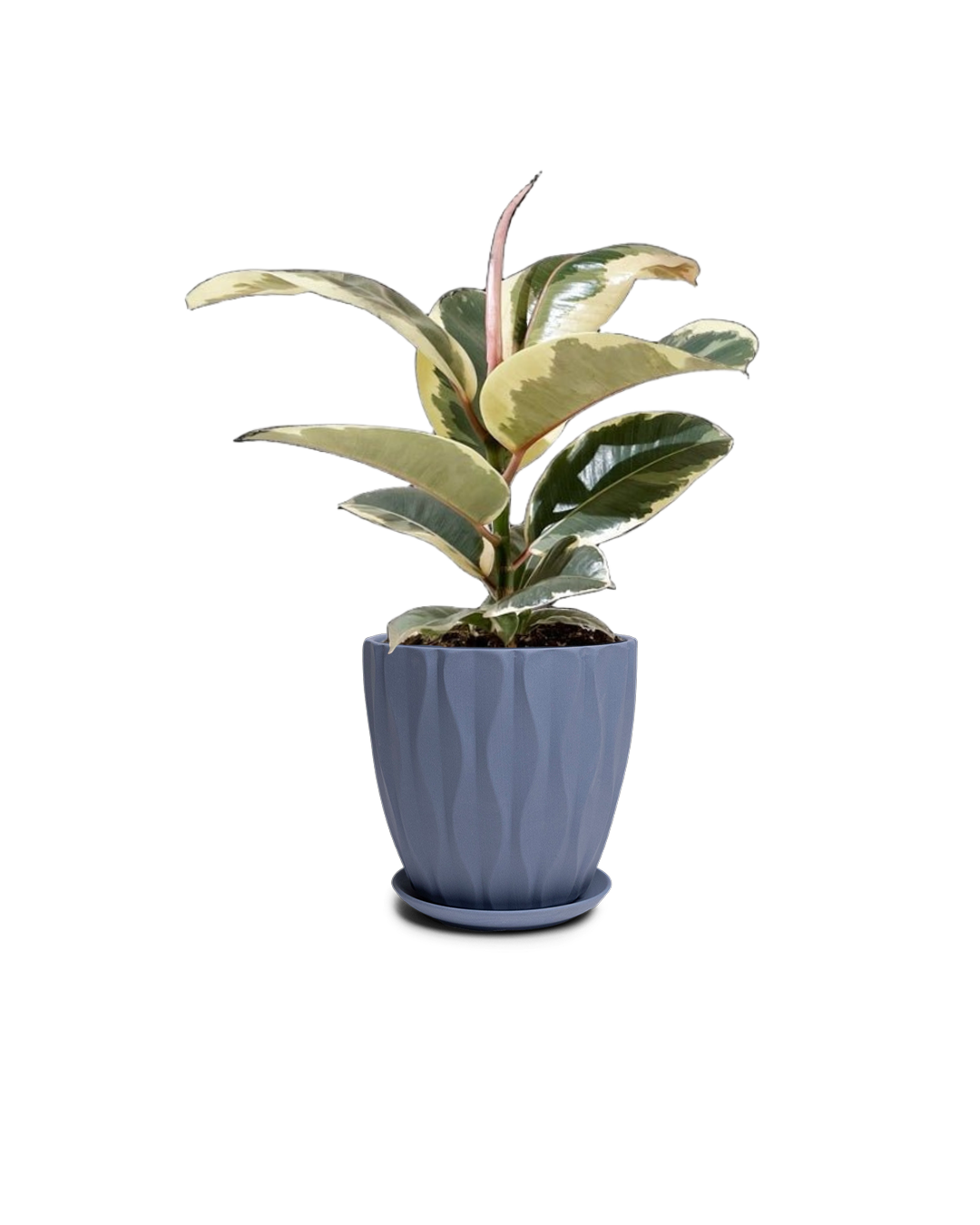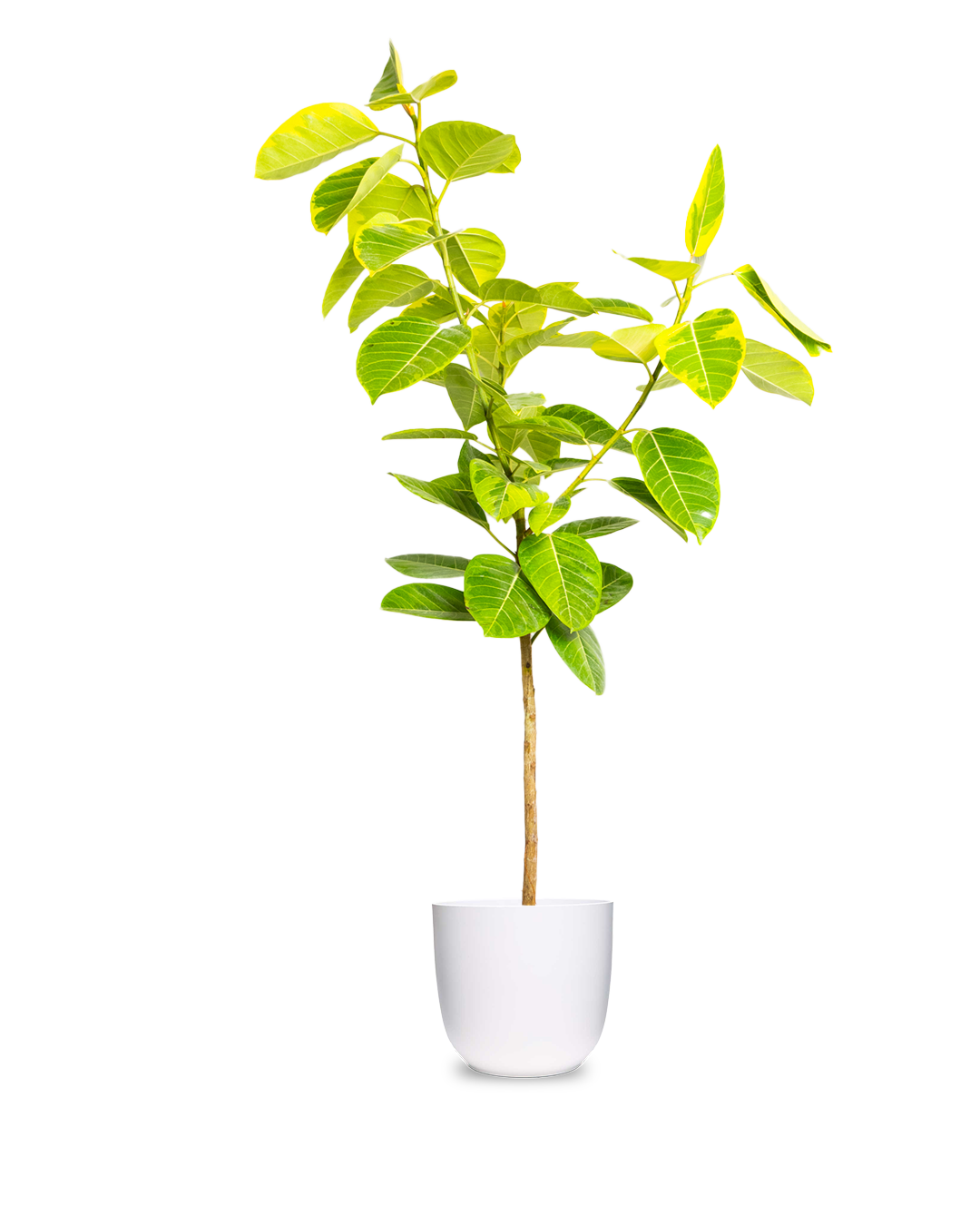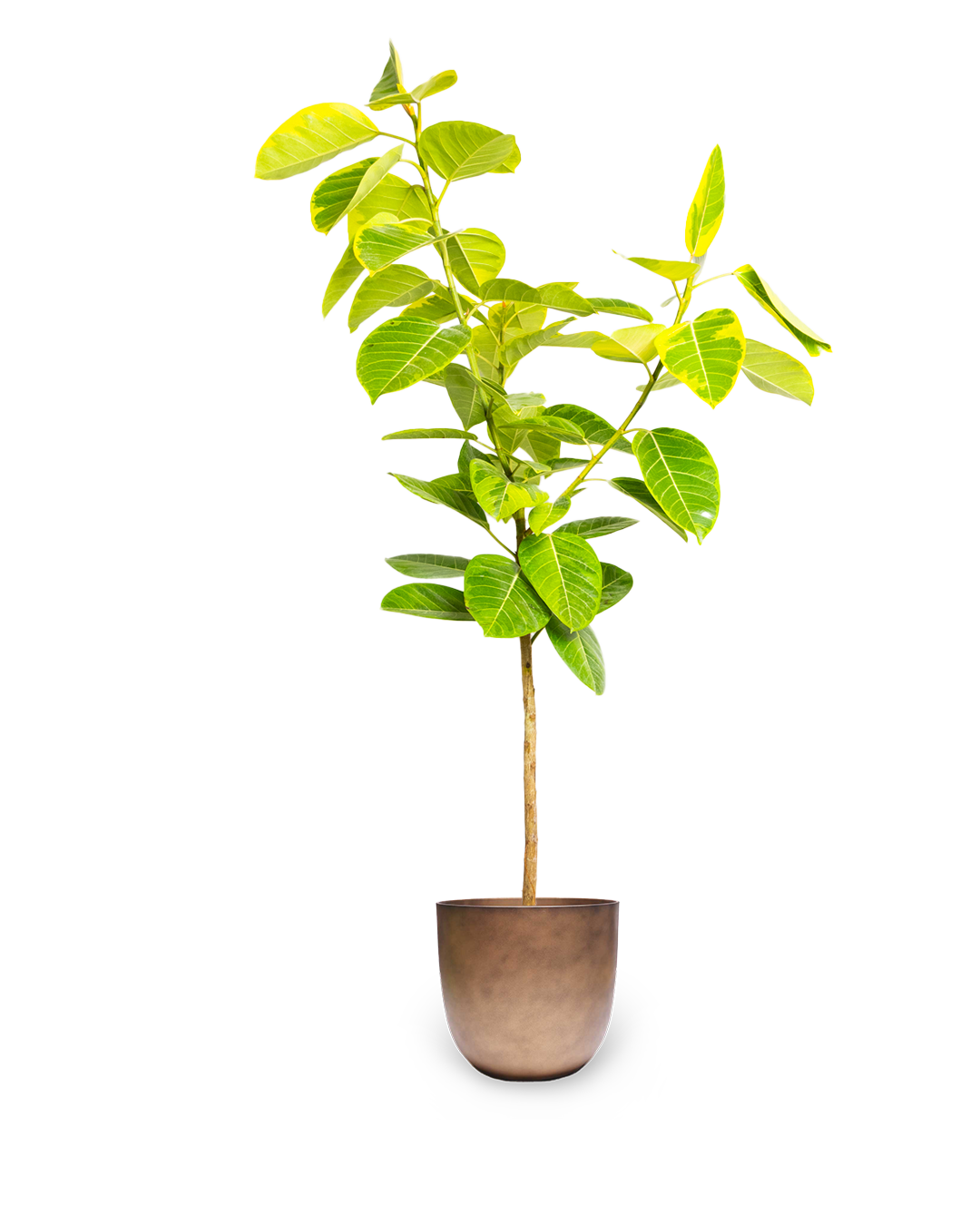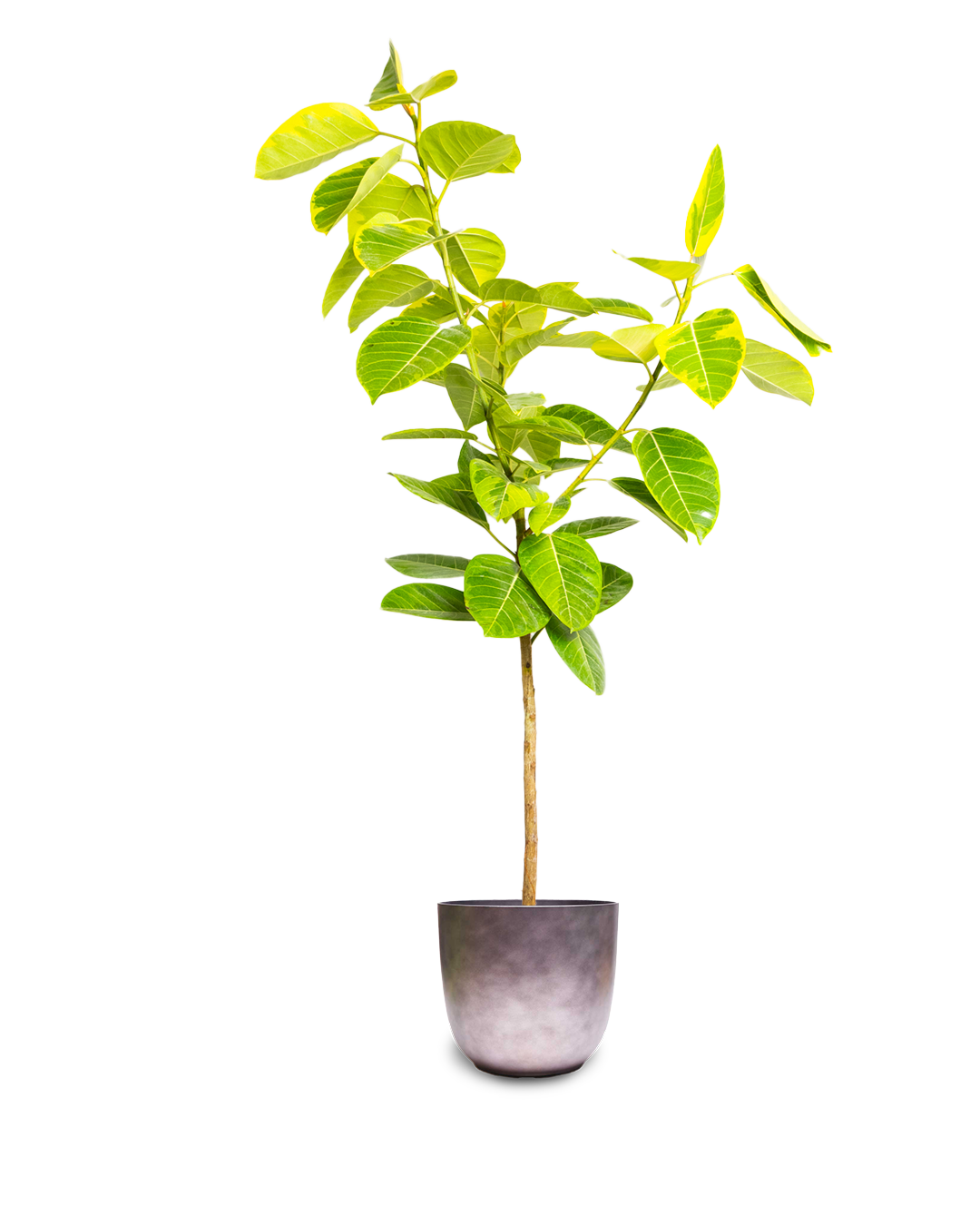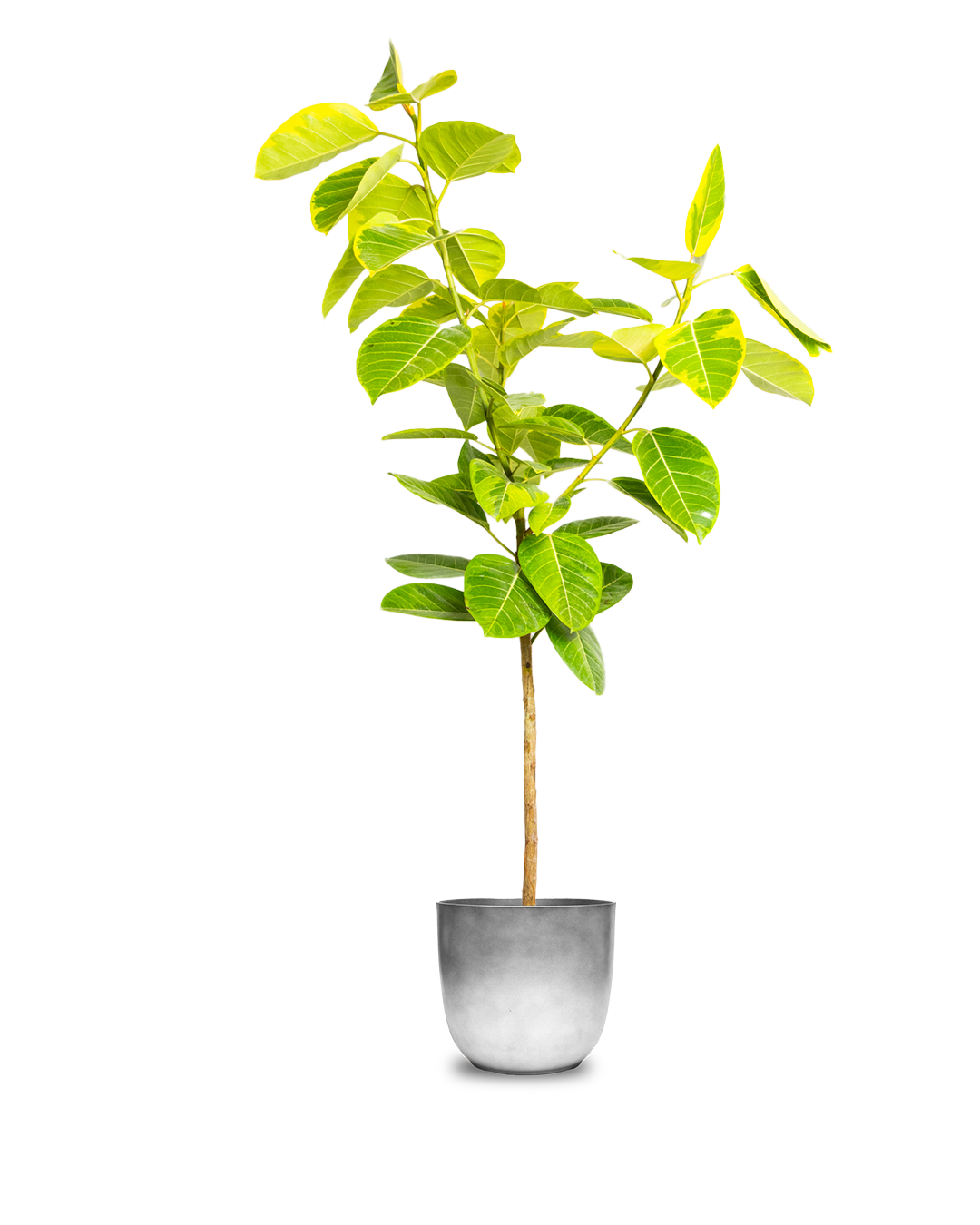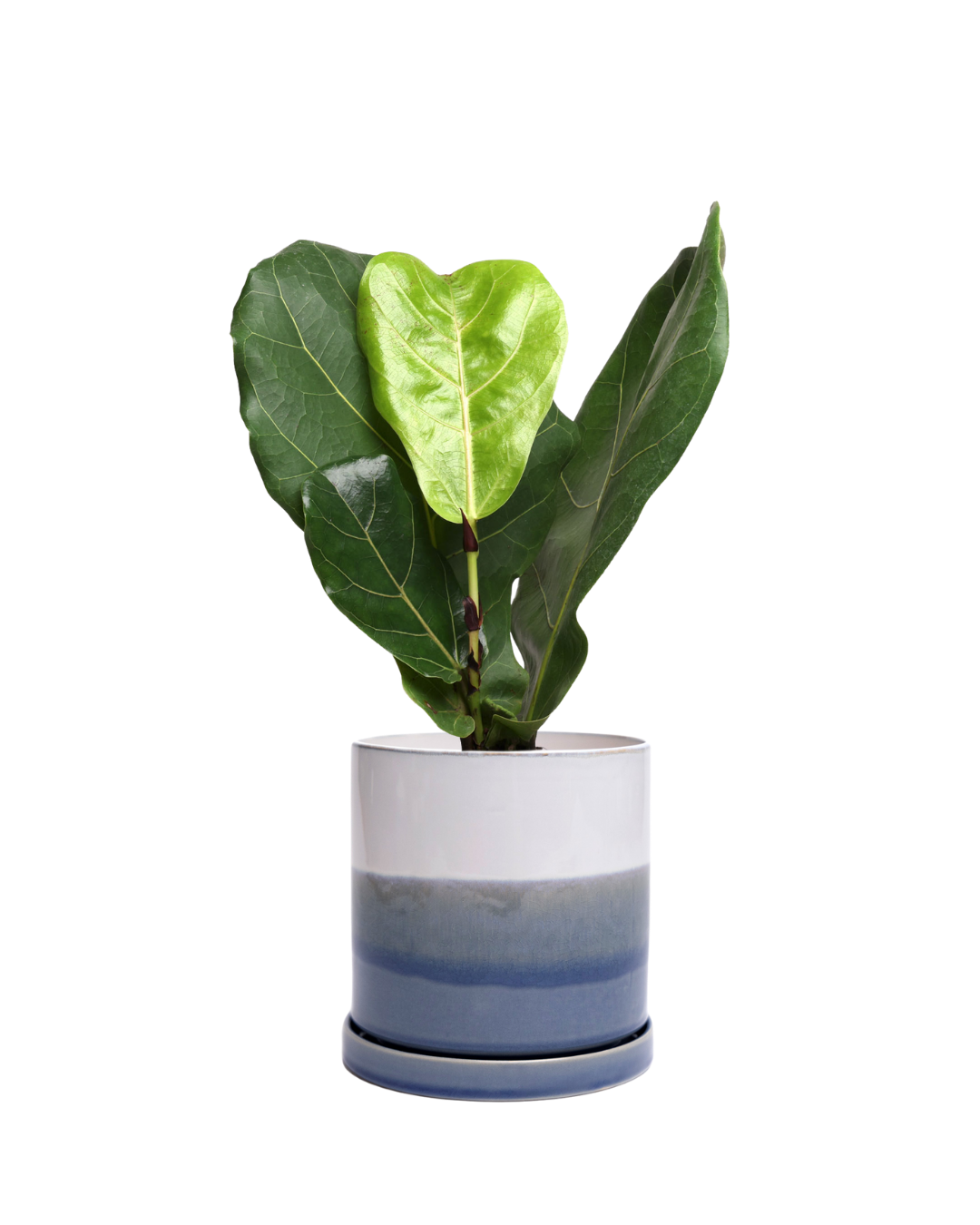






The desire to transform a Toronto apartment into something resembling the Amazon rainforest represents one of the more ambitious acts of domestic rebellion against Canadian climate reality. Across the city, determined individuals have decided that the solution to eight months of winter is not seasonal affective disorder lamps or tropical vacations, but rather the careful cultivation of jungle conditions within heating-bill-inflated living spaces. This movement has created a subculture of botanical enthusiasts who speak in hushed, reverent tones about humidity levels and discuss rare plant acquisitions with the fervor typically reserved for art collectors or vintage wine enthusiasts.
The tropical plant obsession began innocently enough, with someone purchasing what appeared to be a simple houseplant only to discover that it belonged to a vast family of exotic specimens with names that sound like pharmaceutical compounds and care requirements that would challenge seasoned horticulturists. The learning curve proved steep, involving the acquisition of humidifiers, grow lights, and the kind of specialized knowledge that transforms casual plant ownership into something approaching a second career.
The local plant community has evolved into something resembling an underground network, complete with secret Facebook groups, trading meetups, and the kind of passionate discourse typically associated with academic conferences. These botanical devotees gather in coffee shops and community centers, comparing notes on propagation techniques and sharing photographs of rare acquisitions with the pride of new parents displaying baby pictures. The conversation flows seamlessly between scientific terminology and common names, creating a linguistic landscape that would challenge even the most dedicated botanist.
The transformation of ordinary Toronto homes into tropical paradises requires engineering skills that would impress NASA scientists. These domestic jungle creators have mastered the art of manipulating indoor climate conditions, creating microclimates that allow equatorial plants to thrive despite existing several time zones north of their natural habitat. The resulting environments often feature more sophisticated climate control systems than many commercial greenhouses, all in service of maintaining the precise conditions required for exotic plant survival.

Creating Your Indoor Jungle: Tropical Plants That Thrive in Toronto Homes
The art of jungle creation within urban confines requires the strategic thinking of a military campaign combined with the aesthetic sensibilities of a landscape architect. The successful indoor rainforest operates on multiple levels, both literally and figuratively, with canopy plants creating overhead coverage while understory specimens fill the middle ground and ground-dwelling varieties complete the ecosystem. This layered approach mimics natural forest structure while maximizing the botanical impact within available square footage.
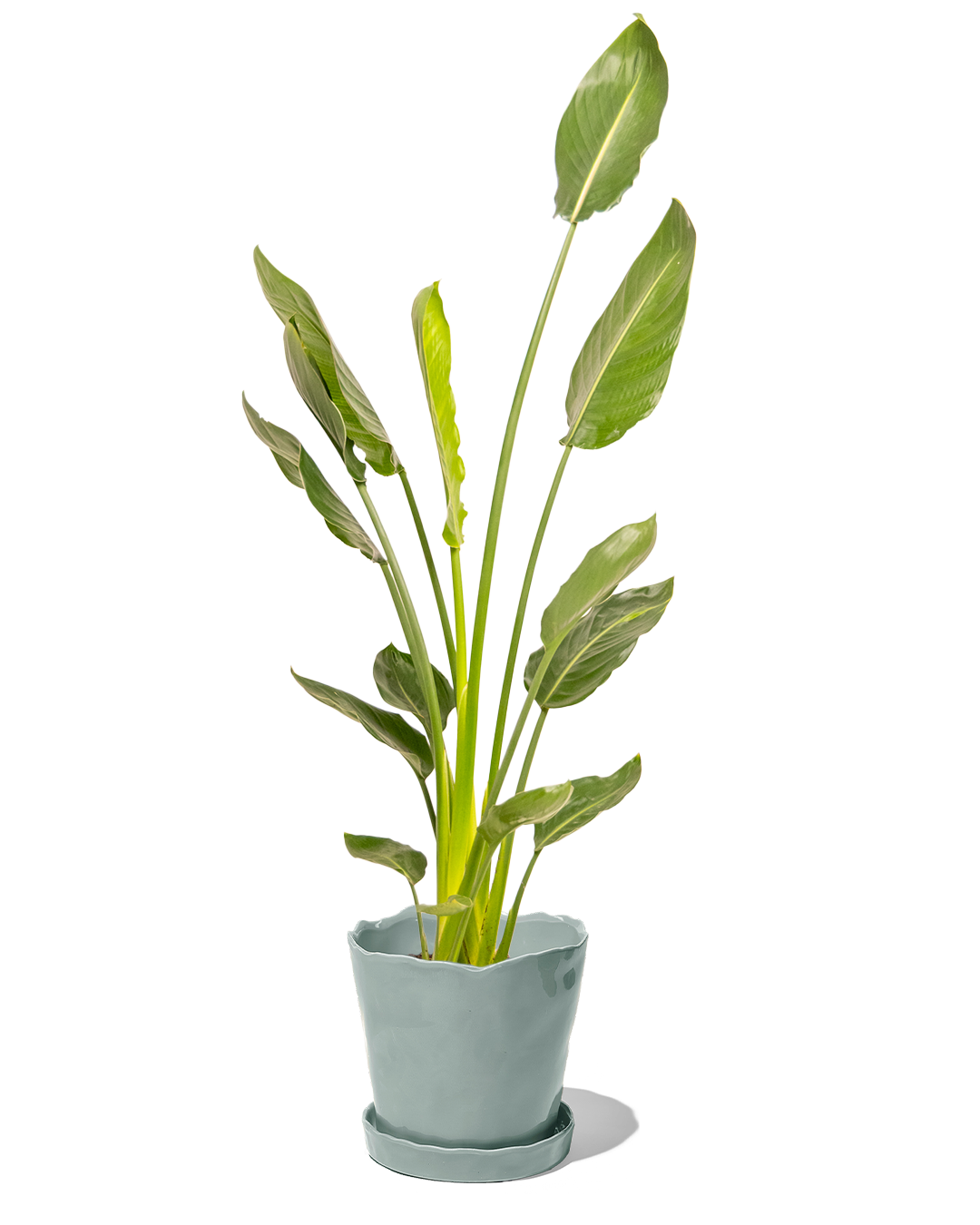
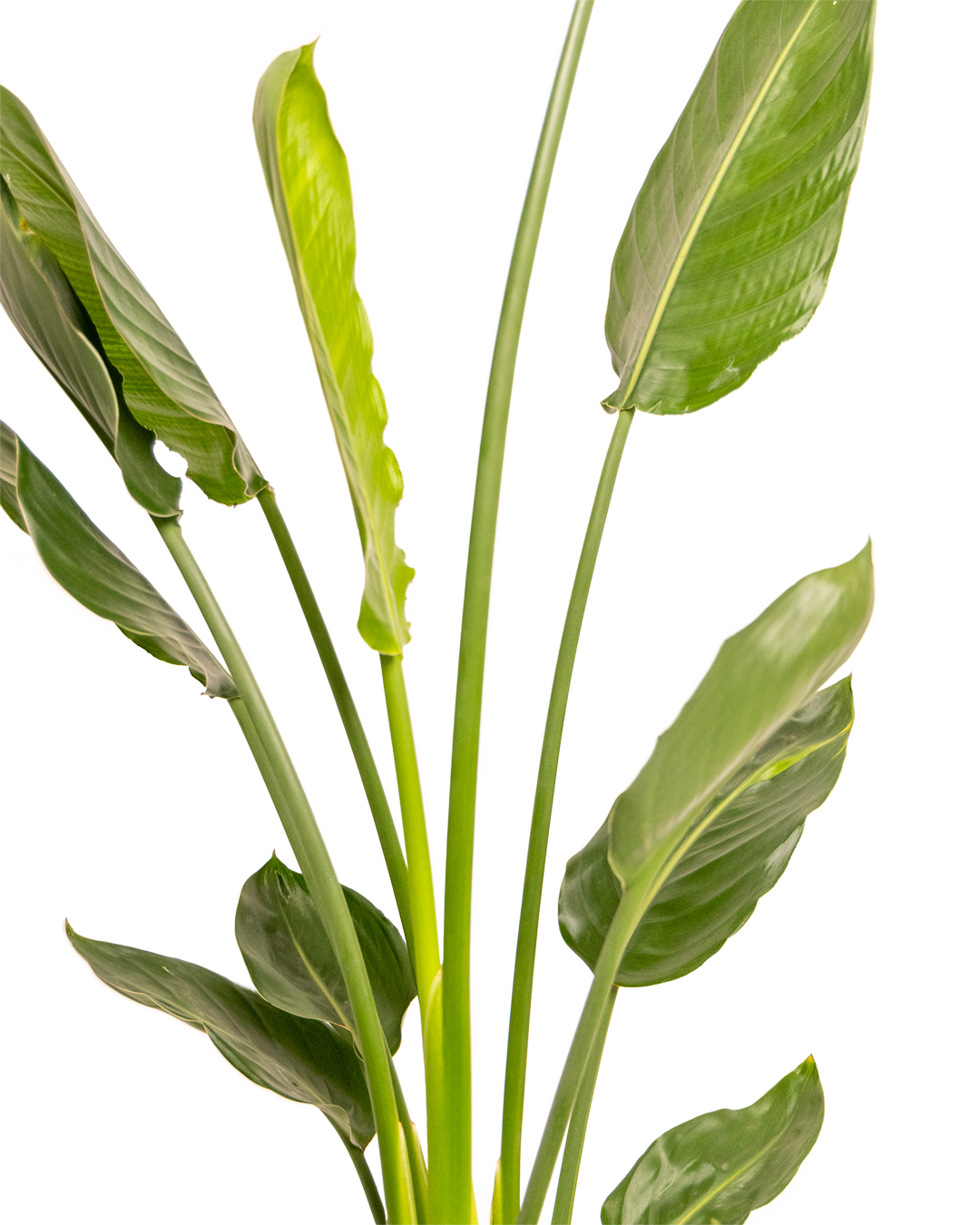
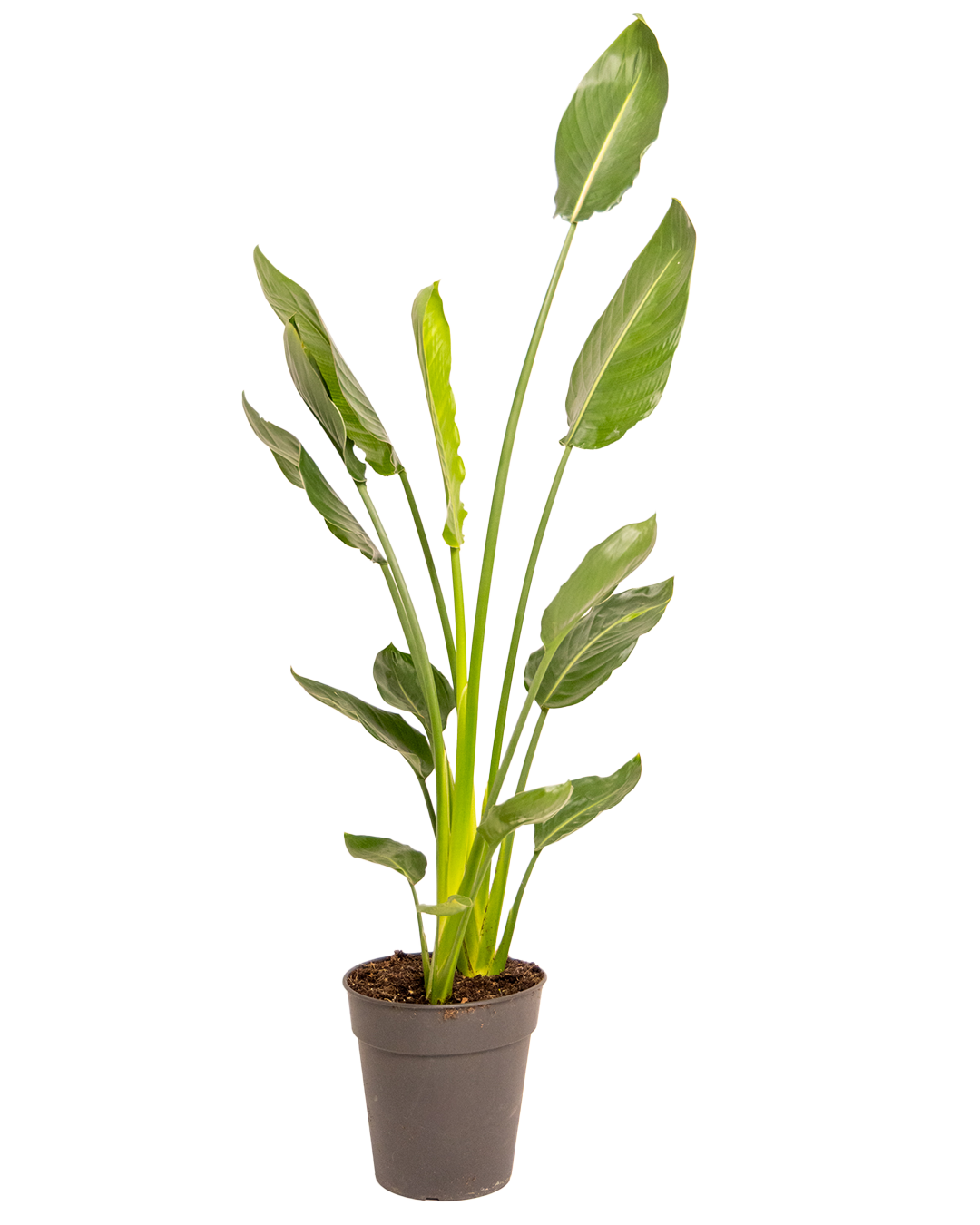
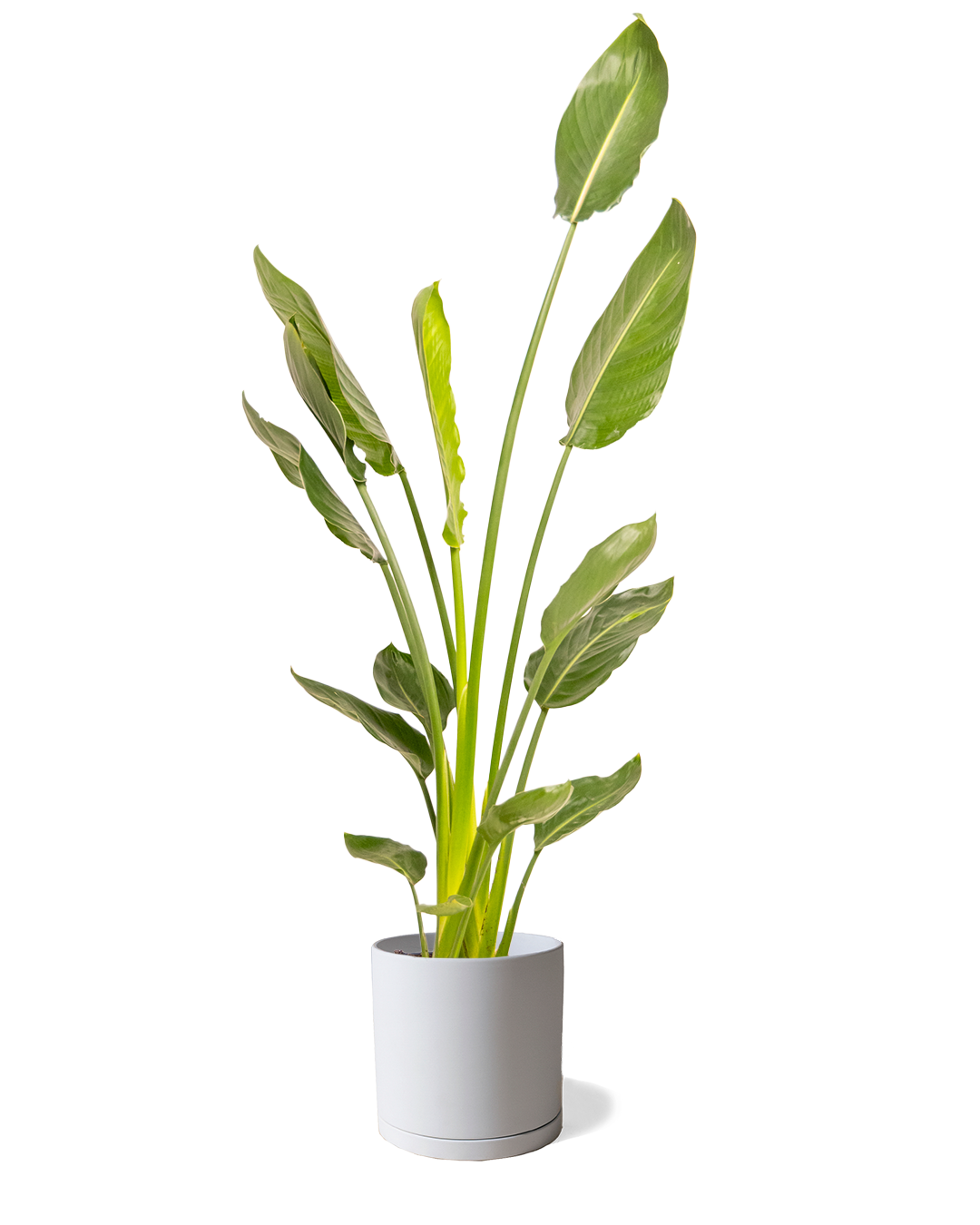
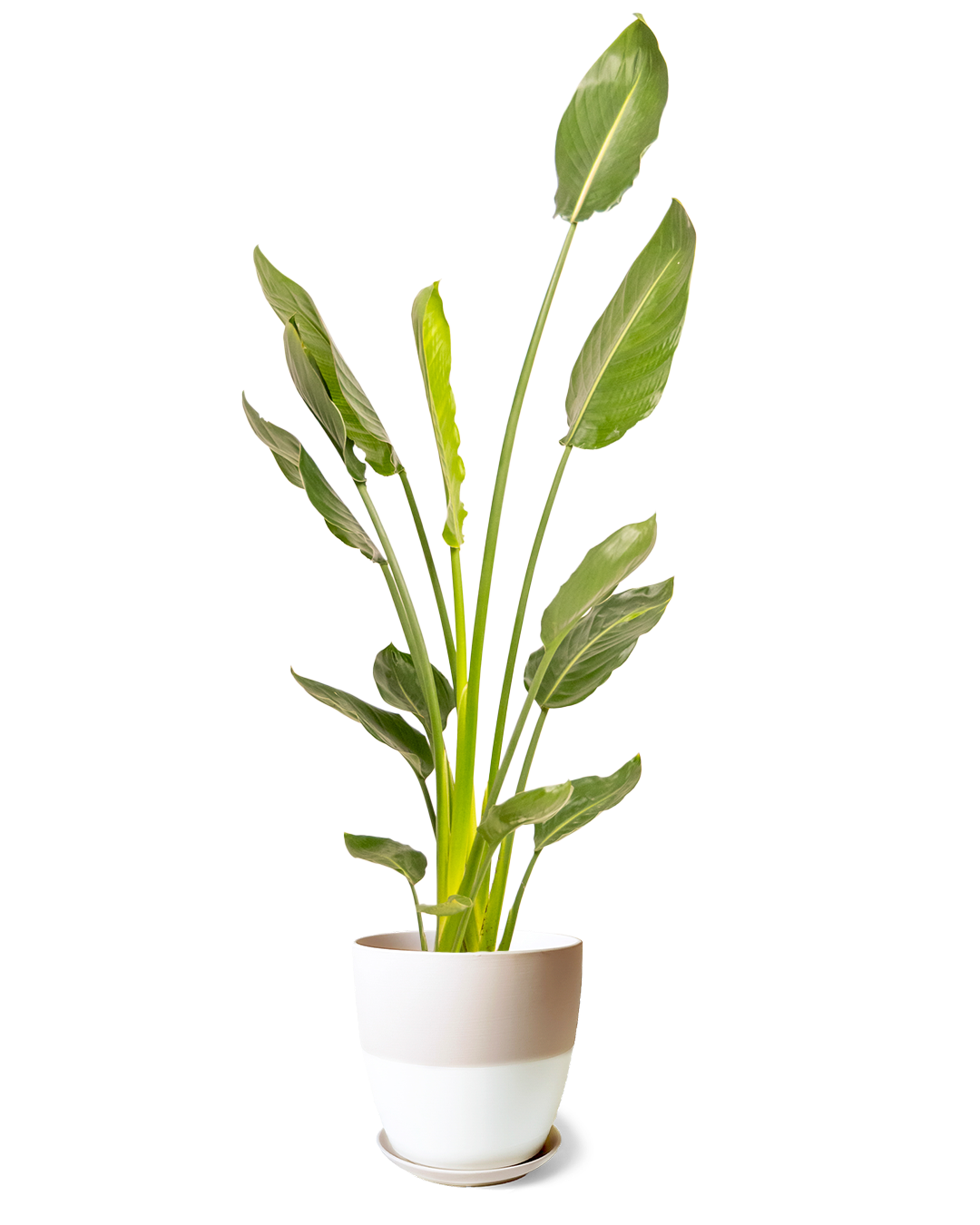
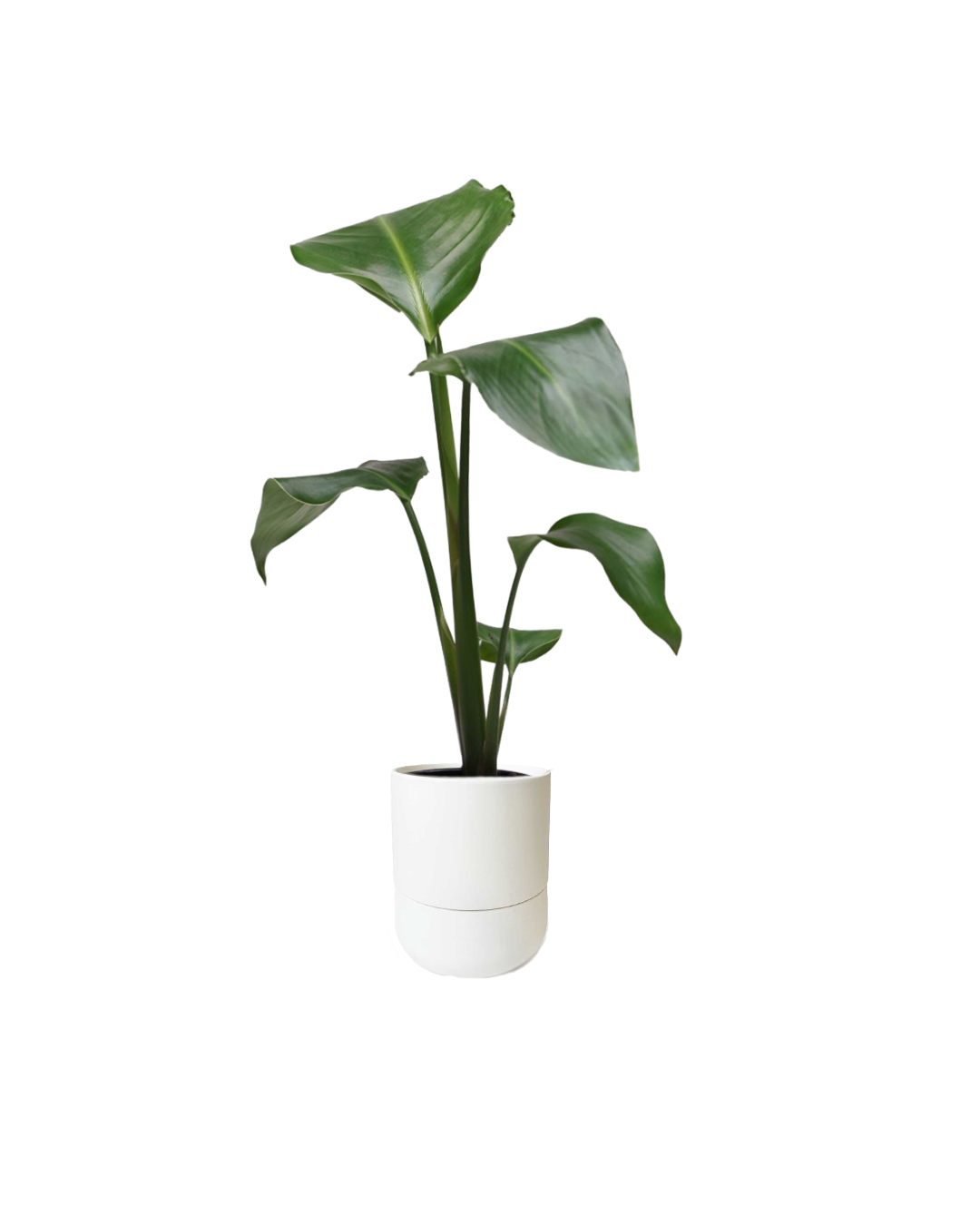
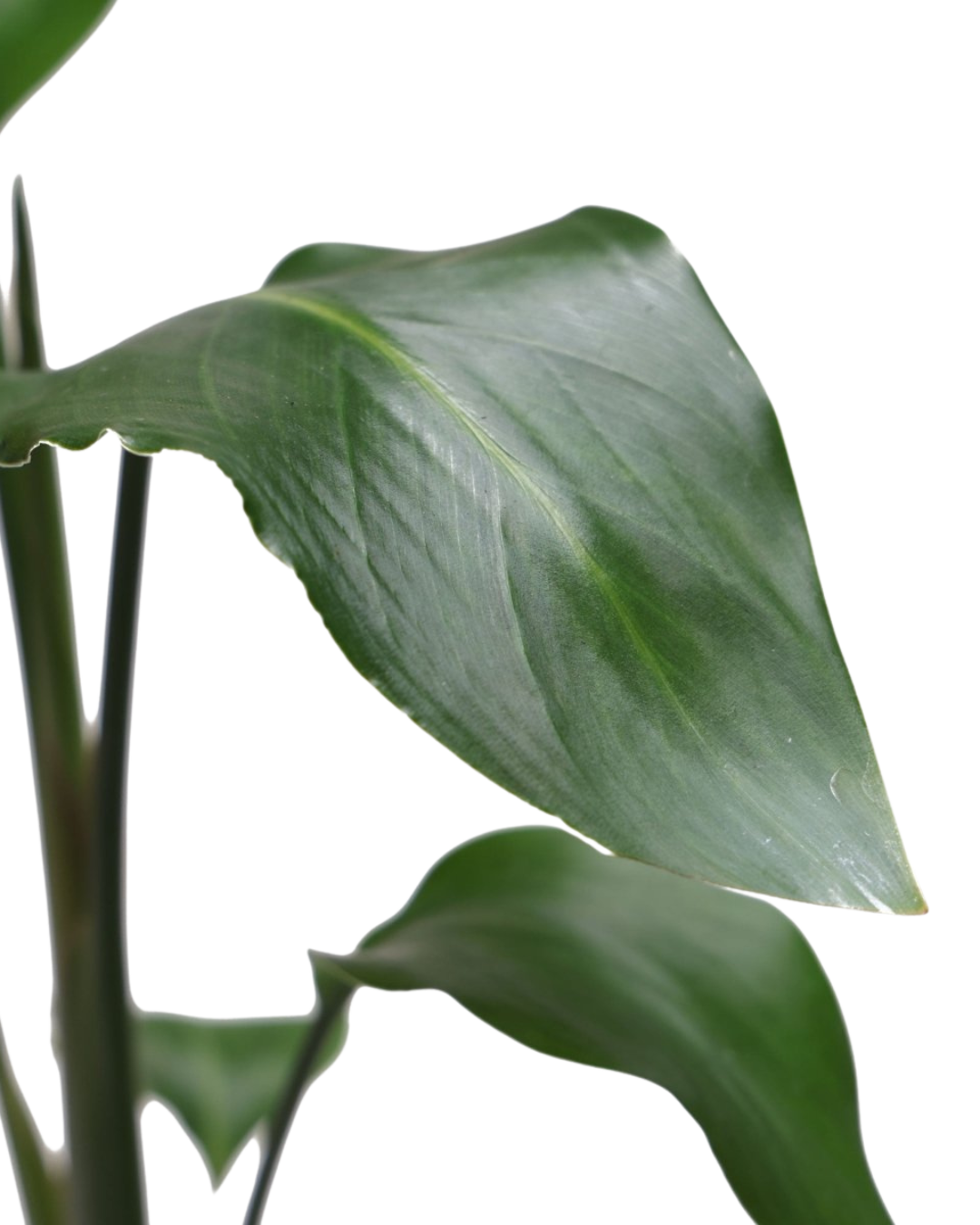
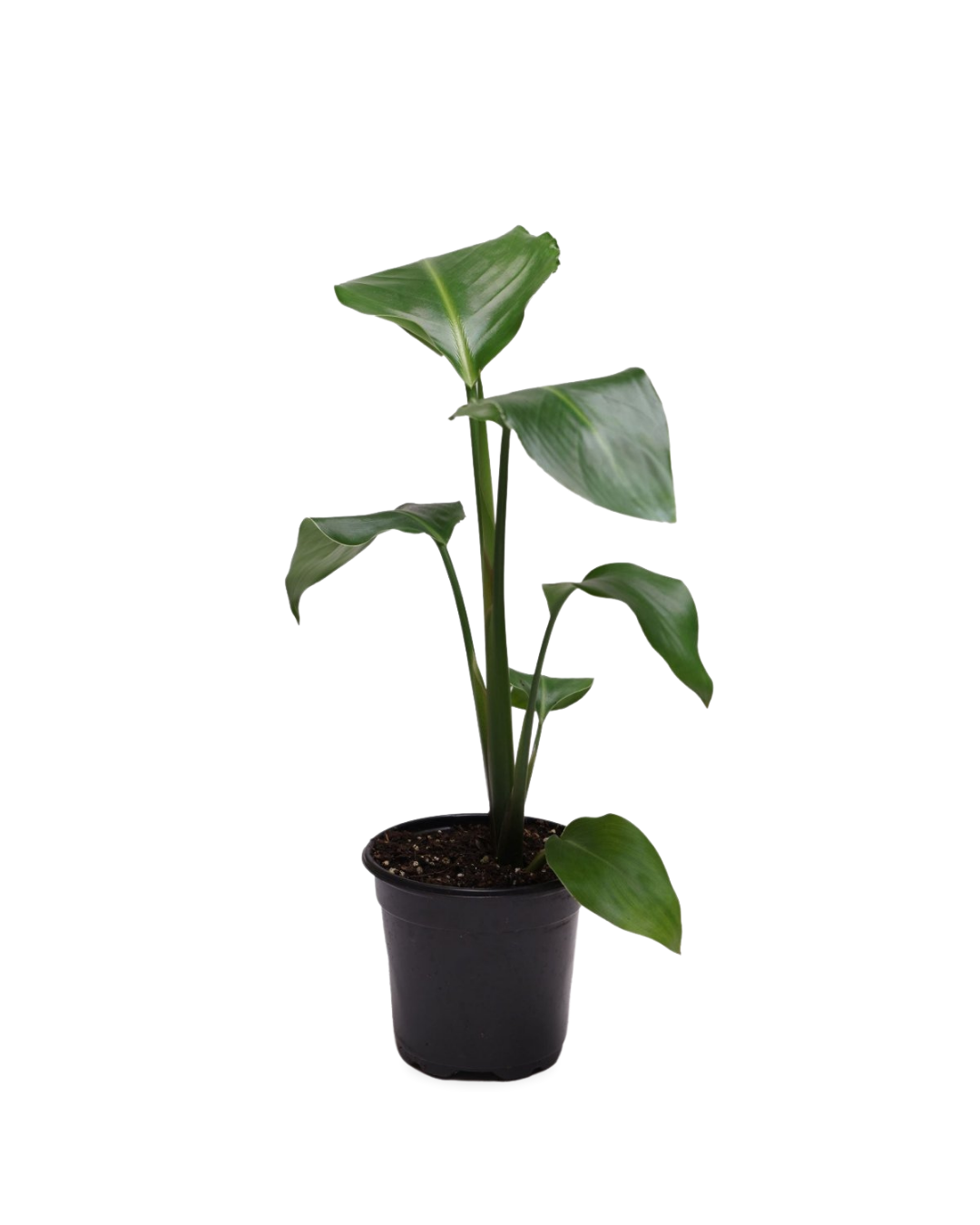
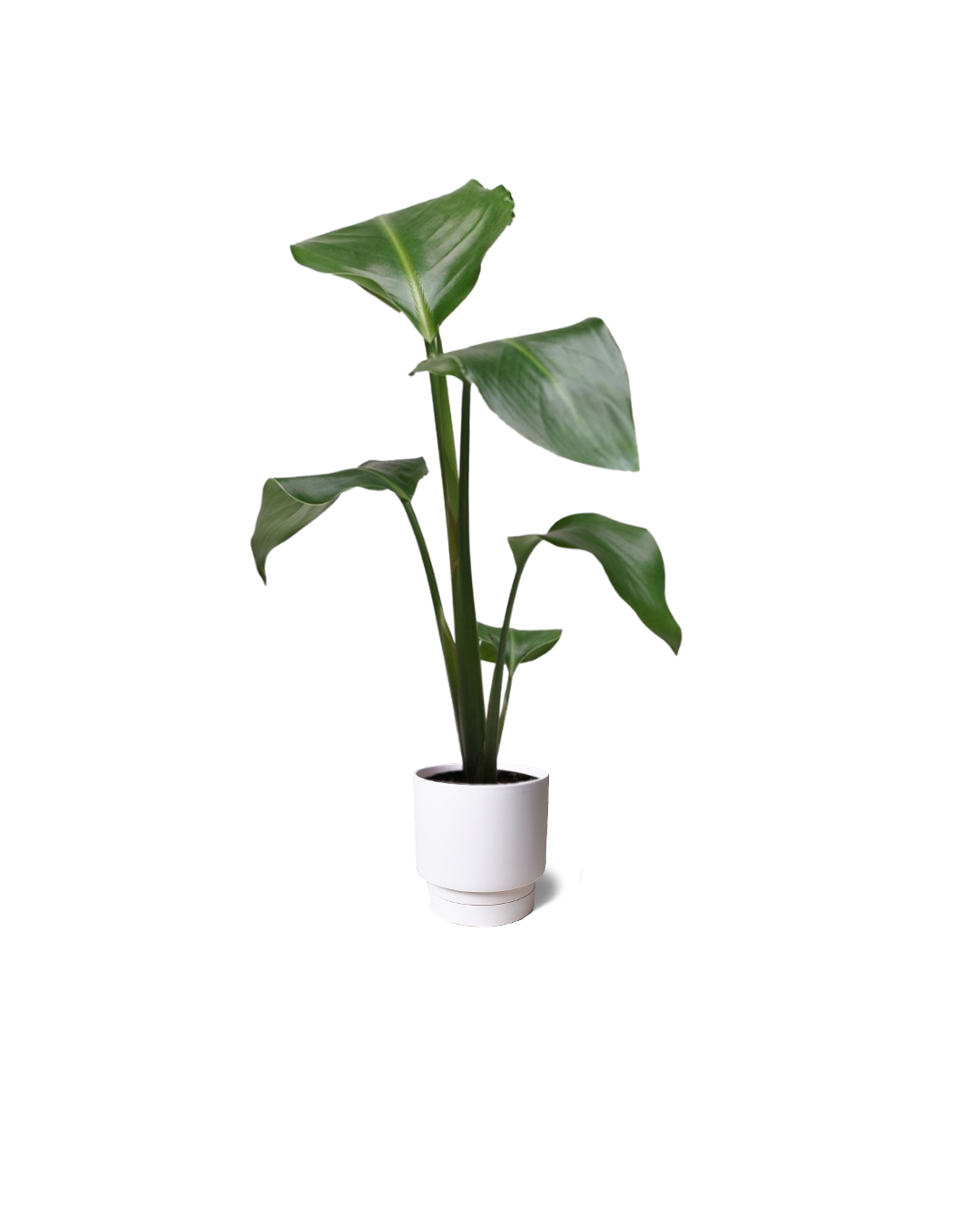
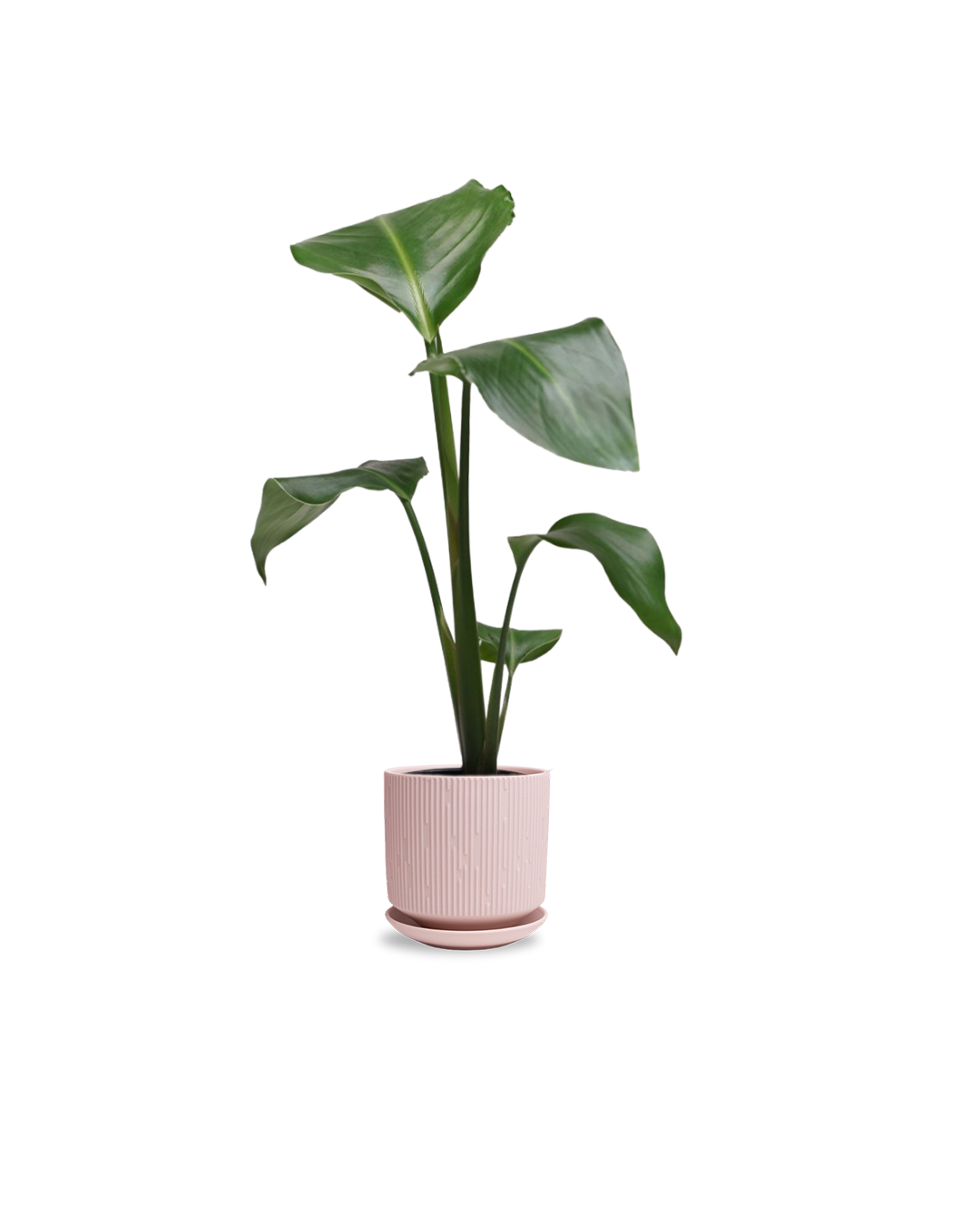
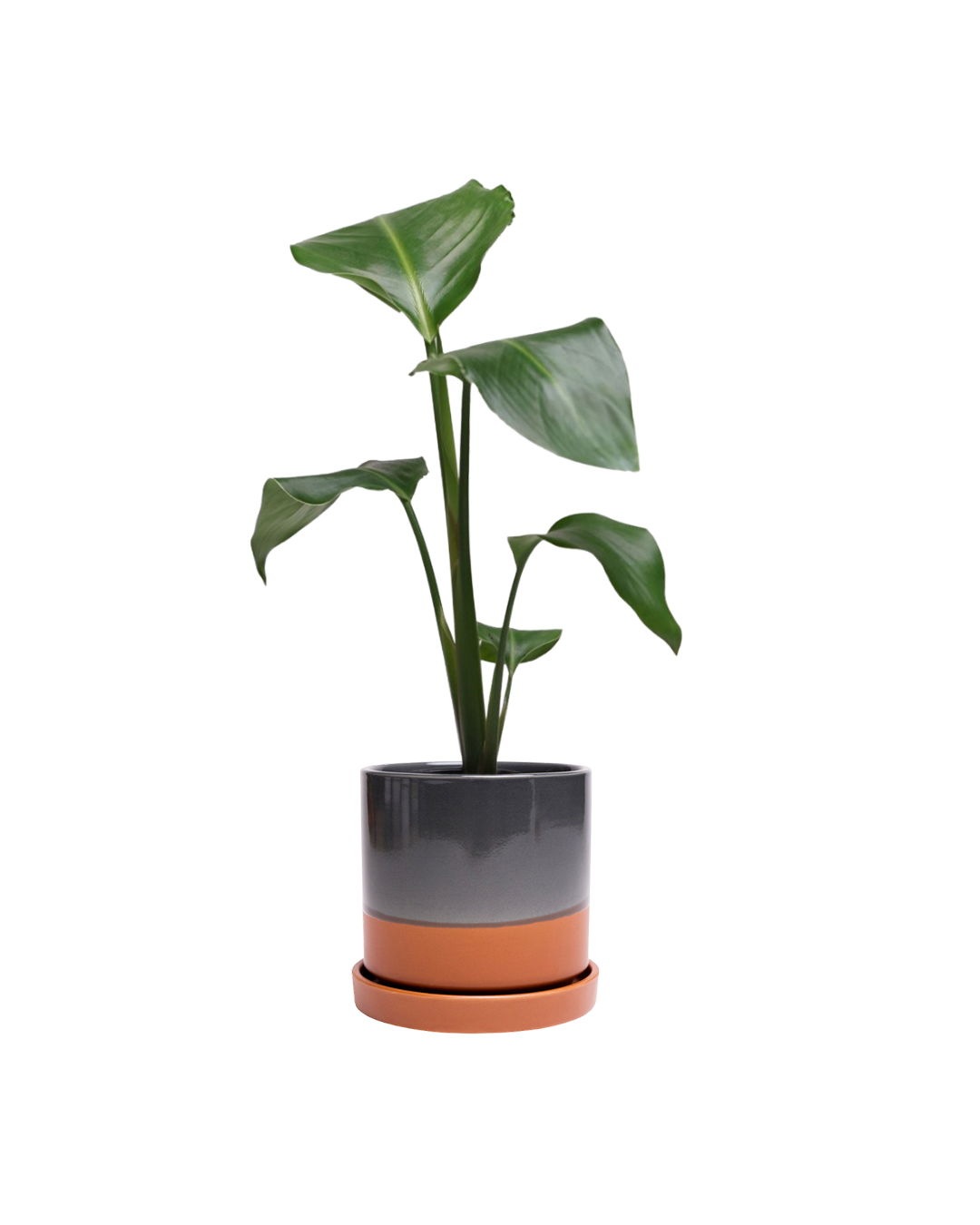
The bird of paradise has established itself as the undisputed royalty of indoor tropical plants, offering dramatic paddle-shaped leaves that create instant exotic atmosphere. These majestic specimens seem designed specifically for the Instagram age, providing the kind of architectural plant presence that transforms ordinary living rooms into tropical showcases. Their growth patterns create natural room dividers while their substantial size commands attention without requiring the space commitment of actual trees.
Philodendrons, in their countless varieties, serve as the supporting cast of tropical plant collections, offering everything from heart-shaped leaves to dramatic fenestrations that create natural artwork. These adaptable climbers transform walls and furniture into living sculptures, proving that tropical elegance can be achieved through strategic plant placement and patience. The variety within the philodendron family ensures options for every aesthetic preference and spatial limitation.
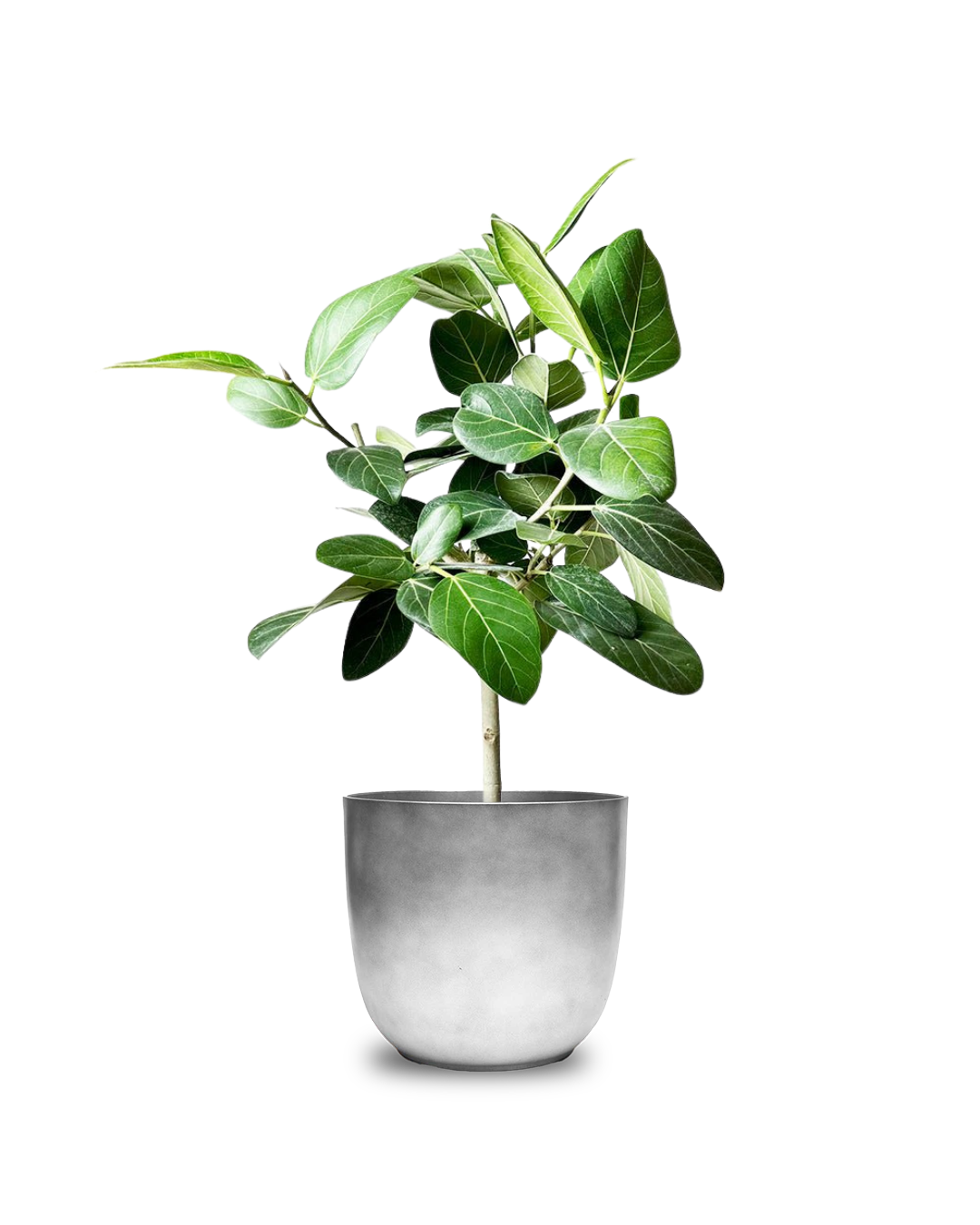
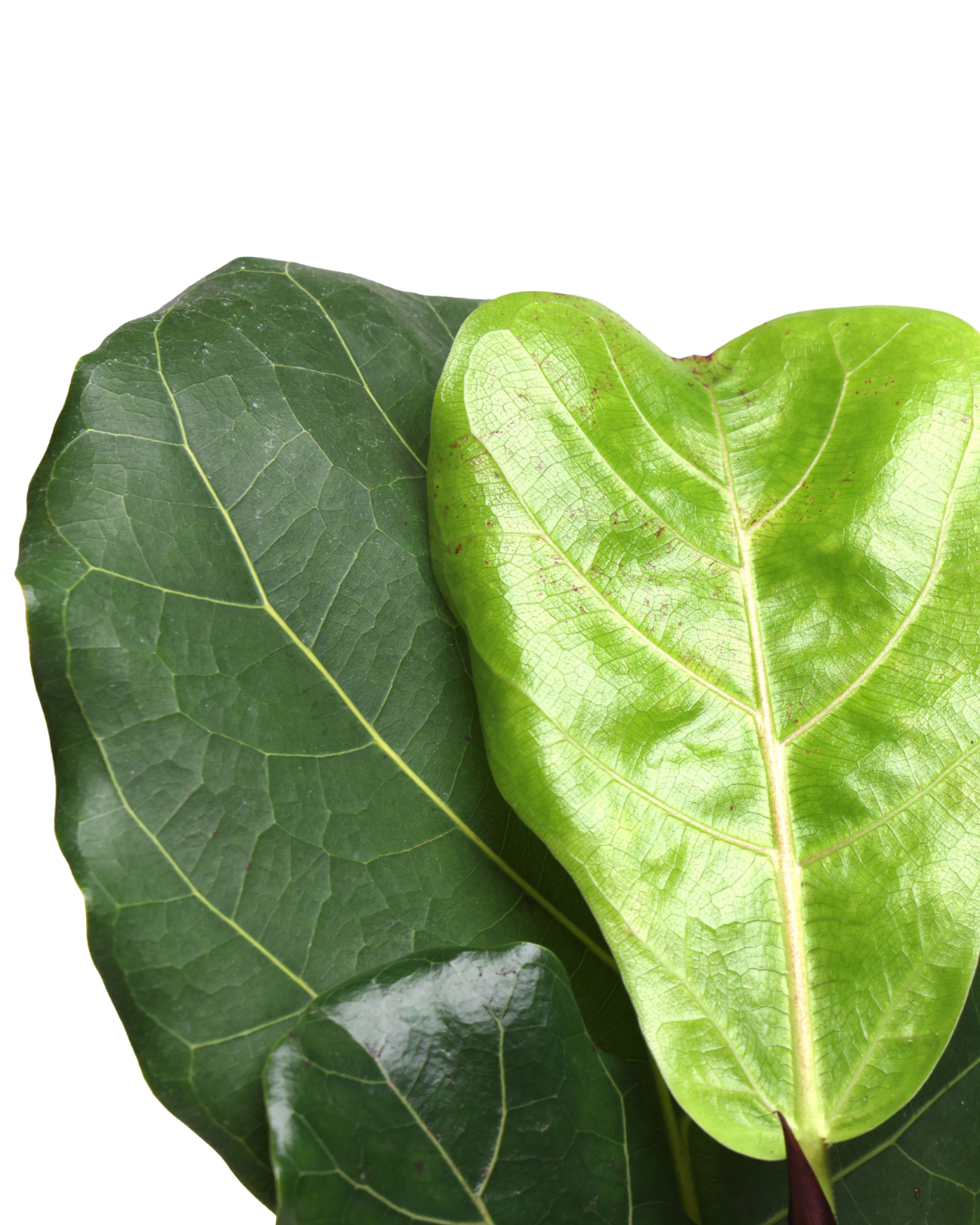
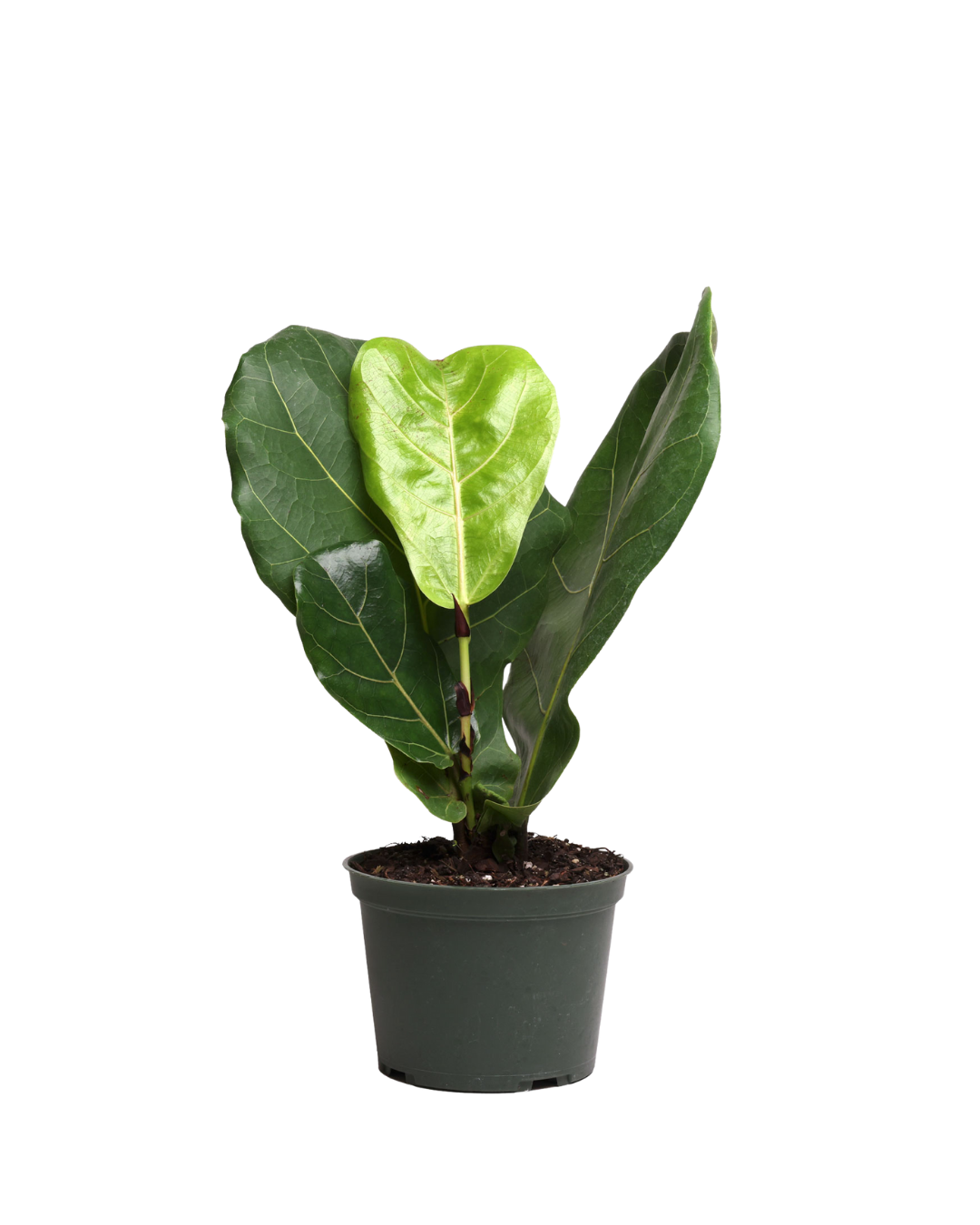
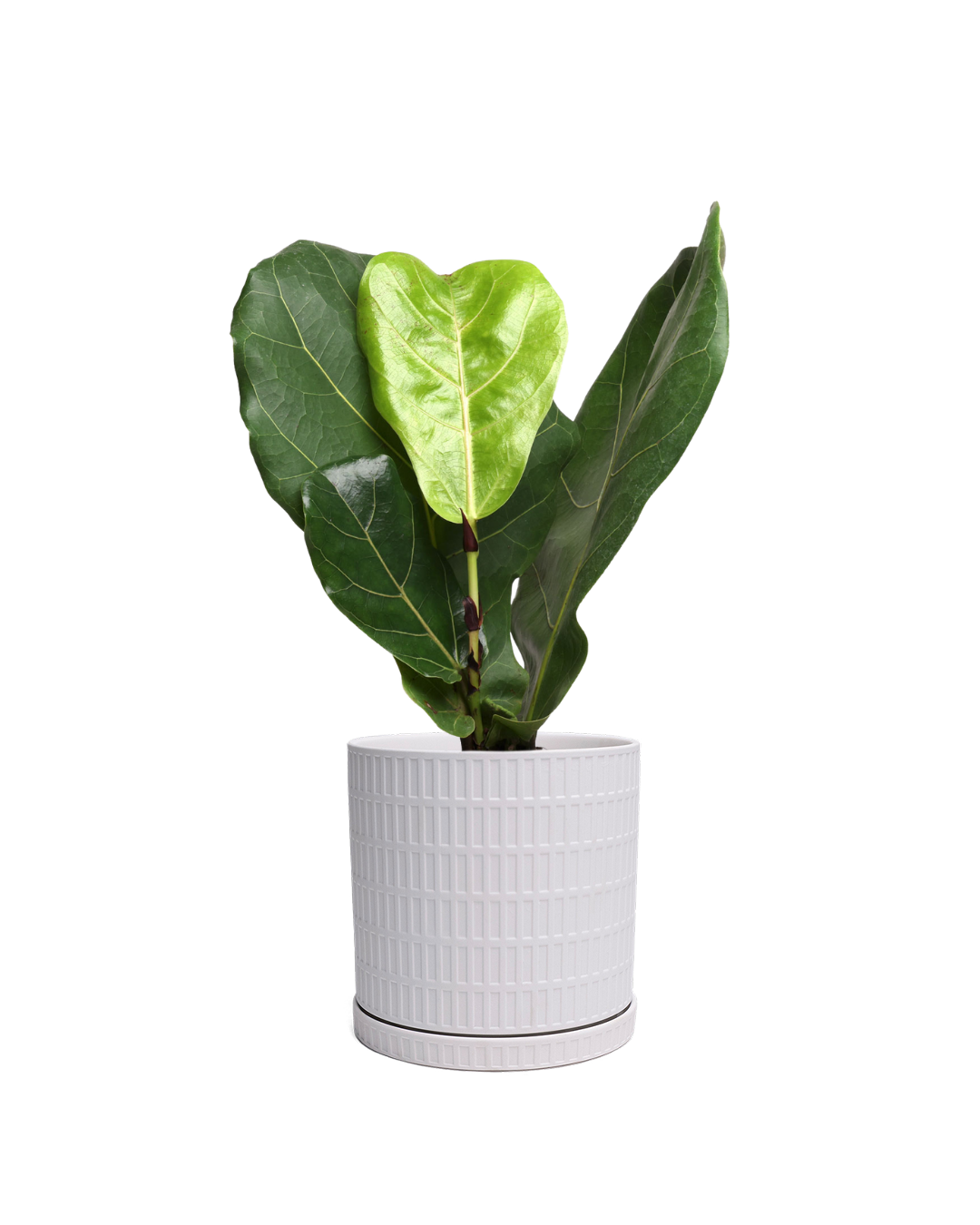
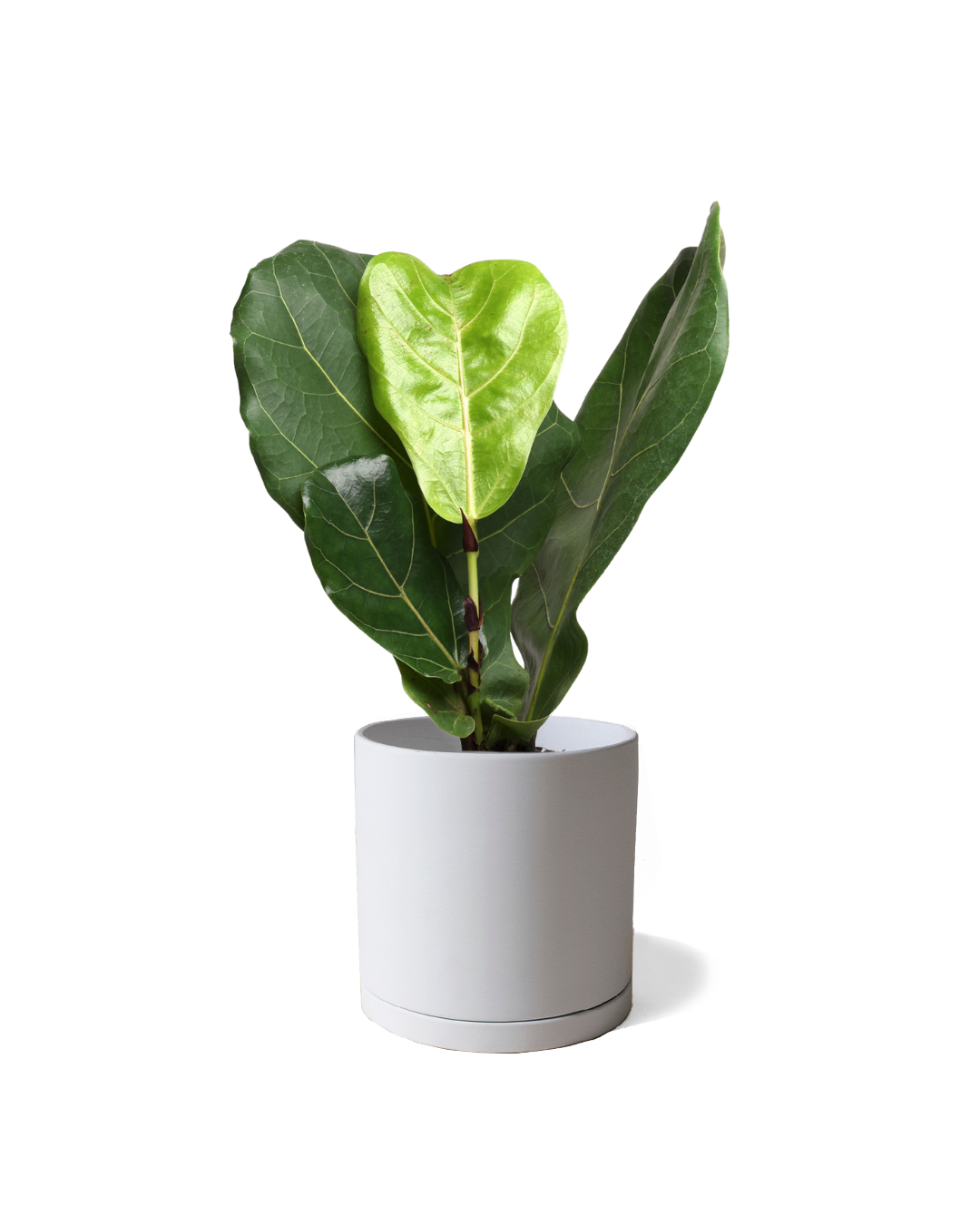
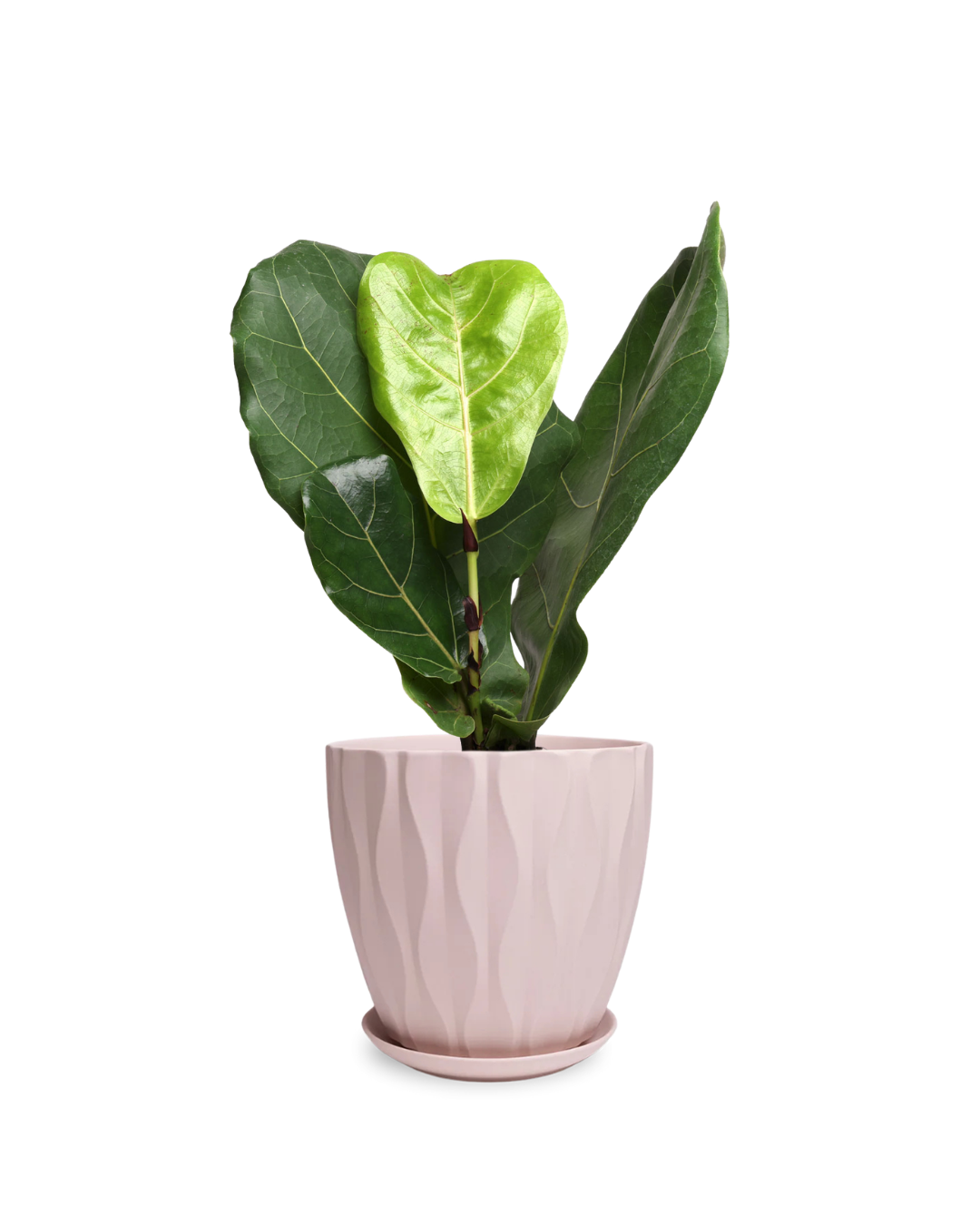
The fiddle leaf fig, despite its reputation for dramatic leaf-dropping protests, remains the gold standard for tropical plant sophistication. These architectural beauties seem to understand their role as living sculptures, growing with the kind of dignified presence that elevates any interior space. Their broad, violin-shaped leaves create bold statements while their vertical growth patterns make efficient use of floor space.

Rare Finds: Exotic Specimens You Won't Find Anywhere Else in the City
The hunt for rare tropical plants has created a parallel economy of botanical treasure hunting, where collectors pursue specimens with the dedication of antique dealers seeking museum-quality pieces. These exotic acquisitions often arrive through networks that operate more like botanical speakeasies than traditional retail establishments, complete with waiting lists, special ordering procedures, and the kind of customer loyalty typically associated with exclusive restaurants.
The variegated monstera has achieved near-mythical status among tropical plant collectors, with perfectly marbled specimens commanding prices that would make art dealers envious. These genetic anomalies represent the intersection of natural beauty and statistical rarity, creating living lottery tickets that appreciate in value while providing daily aesthetic pleasure. The excitement surrounding new variegated growth rivals that of precious gem discoveries, with plant parents documenting each new leaf with the thoroughness of scientific researchers.
Pink princess philodendrons occupy their own category of botanical luxury, offering foliage that combines the exotic appeal of tropical plants with coloration that seems almost too perfect for nature. These specimens represent the cutting edge of houseplant breeding, where horticulturists have created varieties that push the boundaries of what plants can achieve in terms of visual impact.

Monstera Mania: Beyond the Basic Deliciosa
The monstera family extends far beyond the Instagram-famous deliciosa, encompassing a diverse collection of species that would make taxonomy professors weep with joy. These varied specimens offer everything from miniature versions perfect for small spaces to giant varieties that require architectural planning for proper accommodation. The exploration of monstera diversity represents a journey into the sophisticated world of plant classification, where species names become as familiar as old friends.
The monstera adansonii, with its delicate fenestrations and trailing growth habit, offers the monstera experience scaled for apartment living. These climbing specimens create living curtains that soften harsh architectural lines while providing the exotic appeal that makes tropical plant collections so compelling. Their growth patterns adapt to available support structures, creating custom installations that seem designed specifically for each space.
Thai constellation monsteras represent the premium end of the monstera spectrum, featuring variegation patterns that resemble abstract art. These specimens combine the architectural presence of traditional monsteras with the visual drama of variegated foliage, creating plants that function as both living sculptures and conversation pieces.

Aroid Addiction: Exploring the World's Most Coveted Houseplants
The aroid family represents the aristocracy of tropical houseplants, encompassing species that range from beginner-friendly to specimens that require advanced degrees in horticulture to maintain successfully. These diverse plants share certain characteristics that make them particularly suited to indoor tropical gardens, including dramatic foliage and growth patterns that adapt well to container cultivation.
Anthurium collections have become the stamp collections of the plant world, with enthusiasts pursuing rare species and cultivars with the dedication of philatelists. These flowering aroids offer the dual appeal of exotic foliage and occasional blooms, creating dynamic displays that change with the seasons while maintaining consistent visual interest.
The pursuit of rare aroids has created communities of collectors who communicate in scientific names and share propagation techniques with the generosity of master craftsmen passing down trade secrets. These botanical networks operate across continents, connecting Toronto plant enthusiasts with growers in tropical regions who understand the global appetite for exceptional specimens.