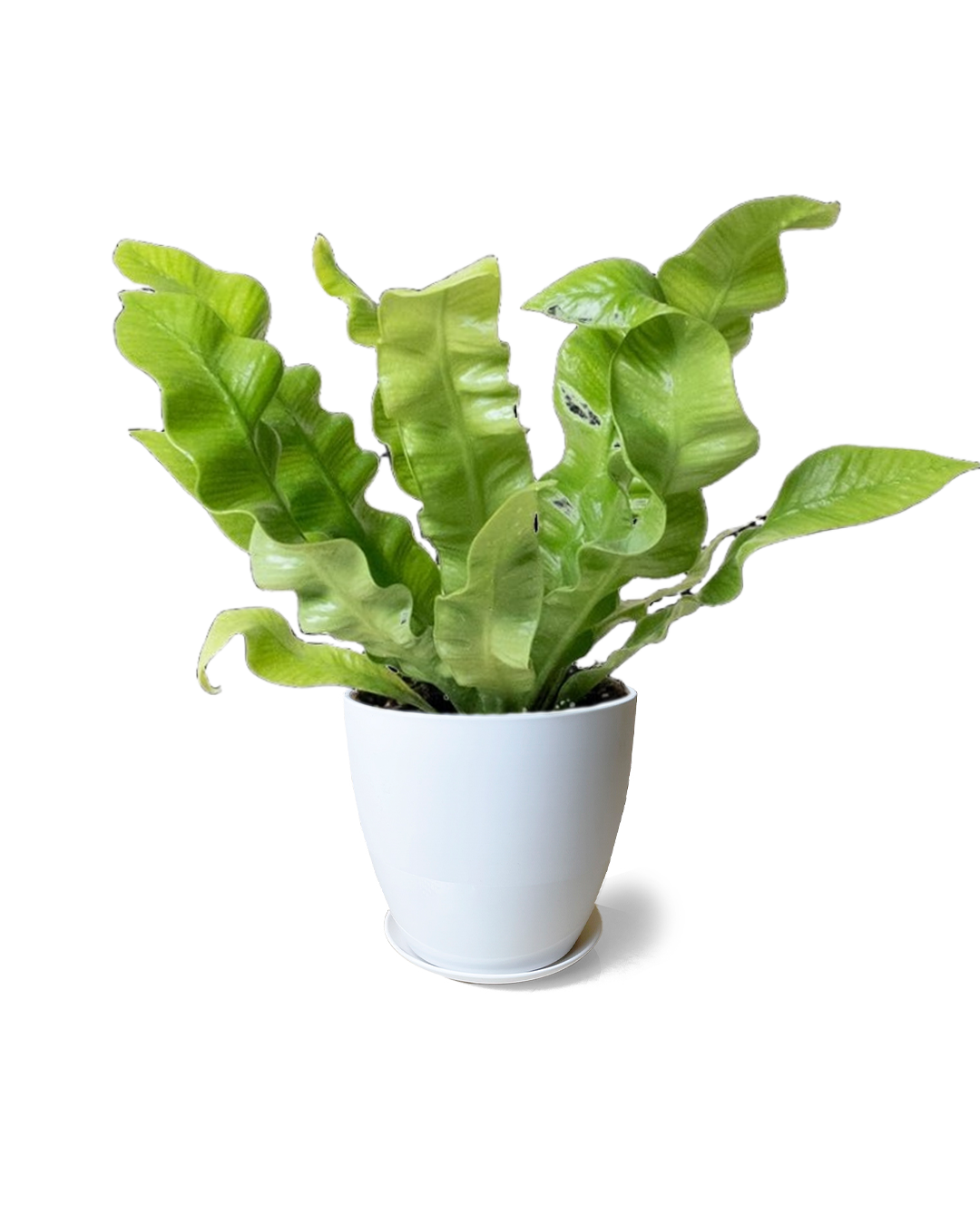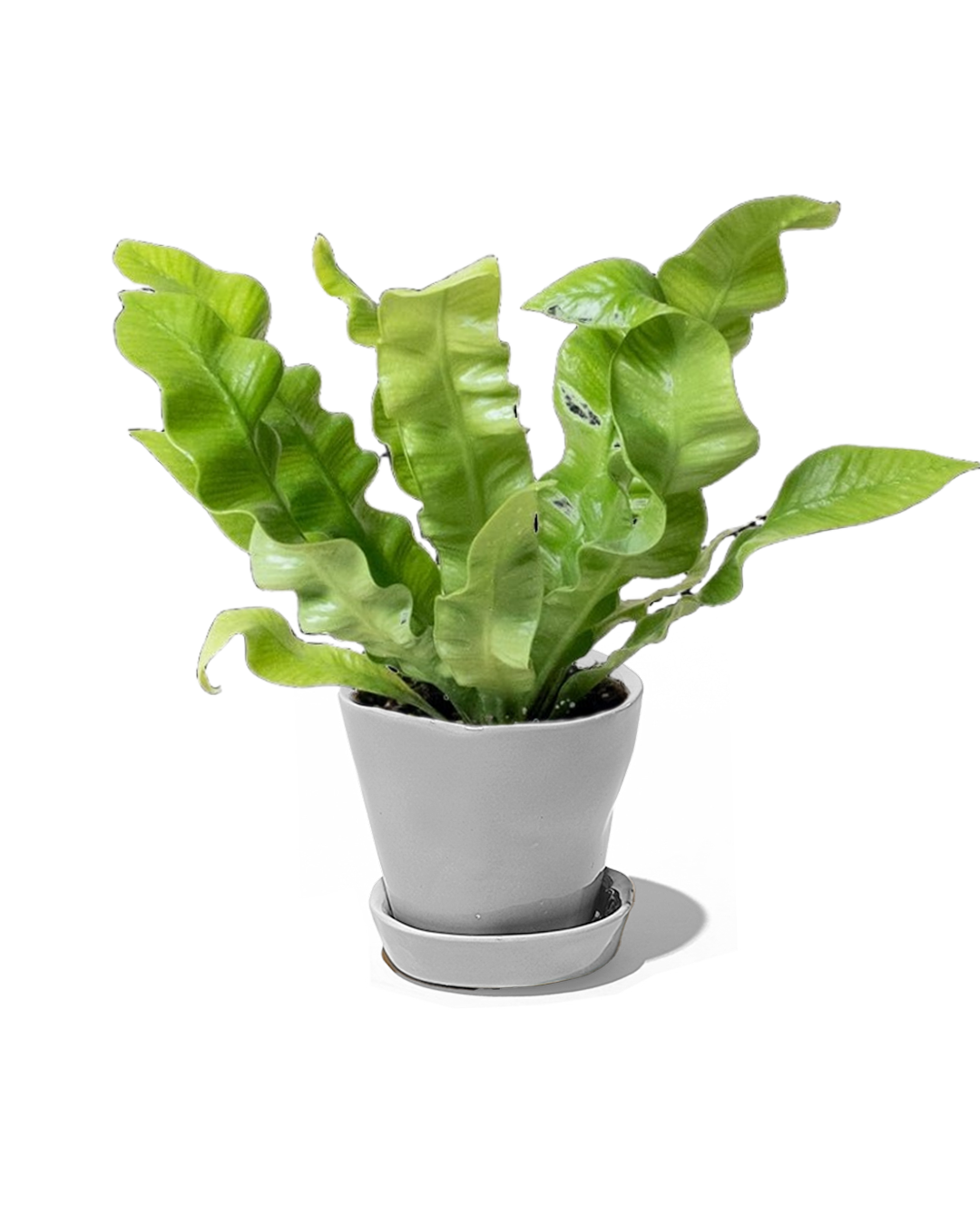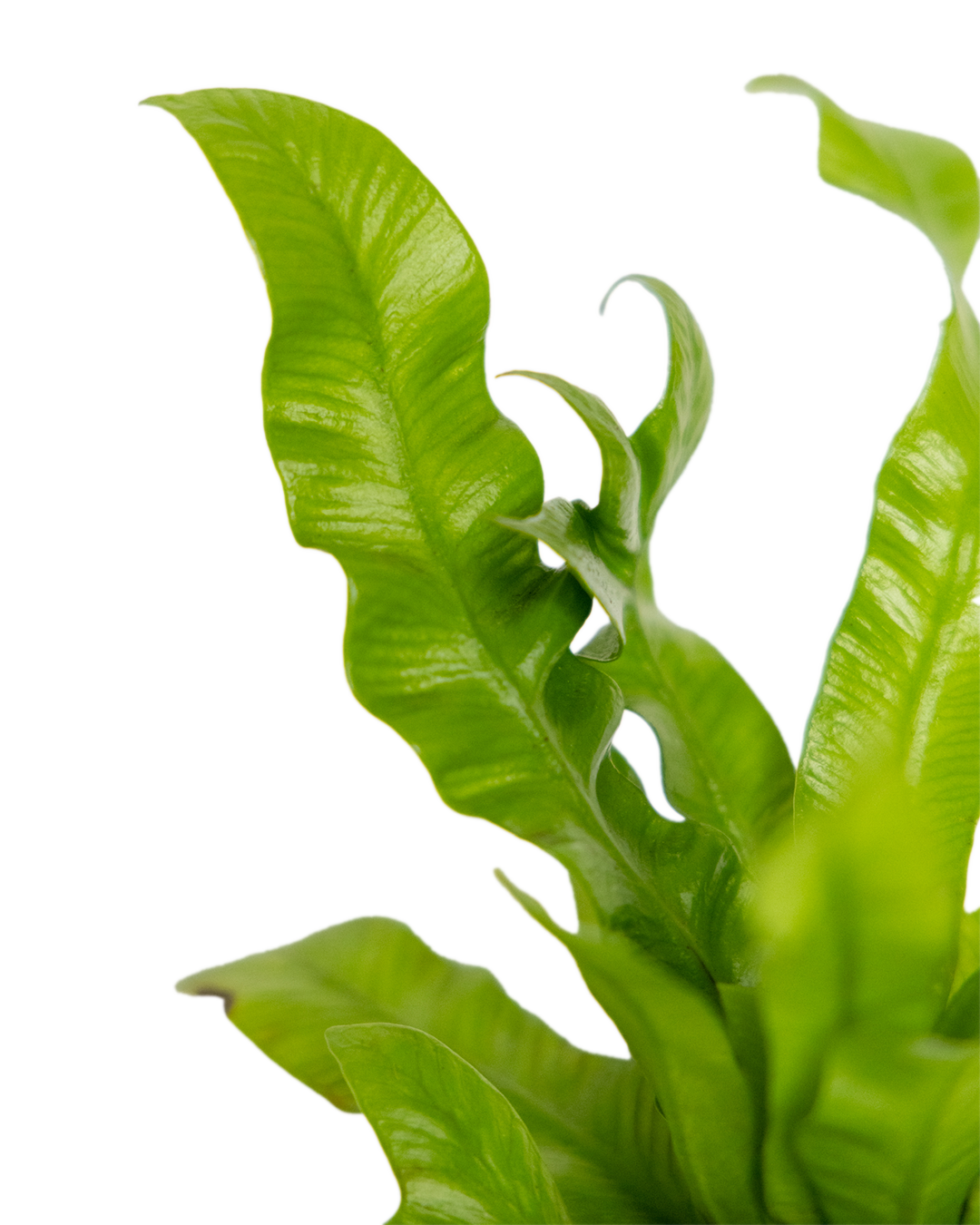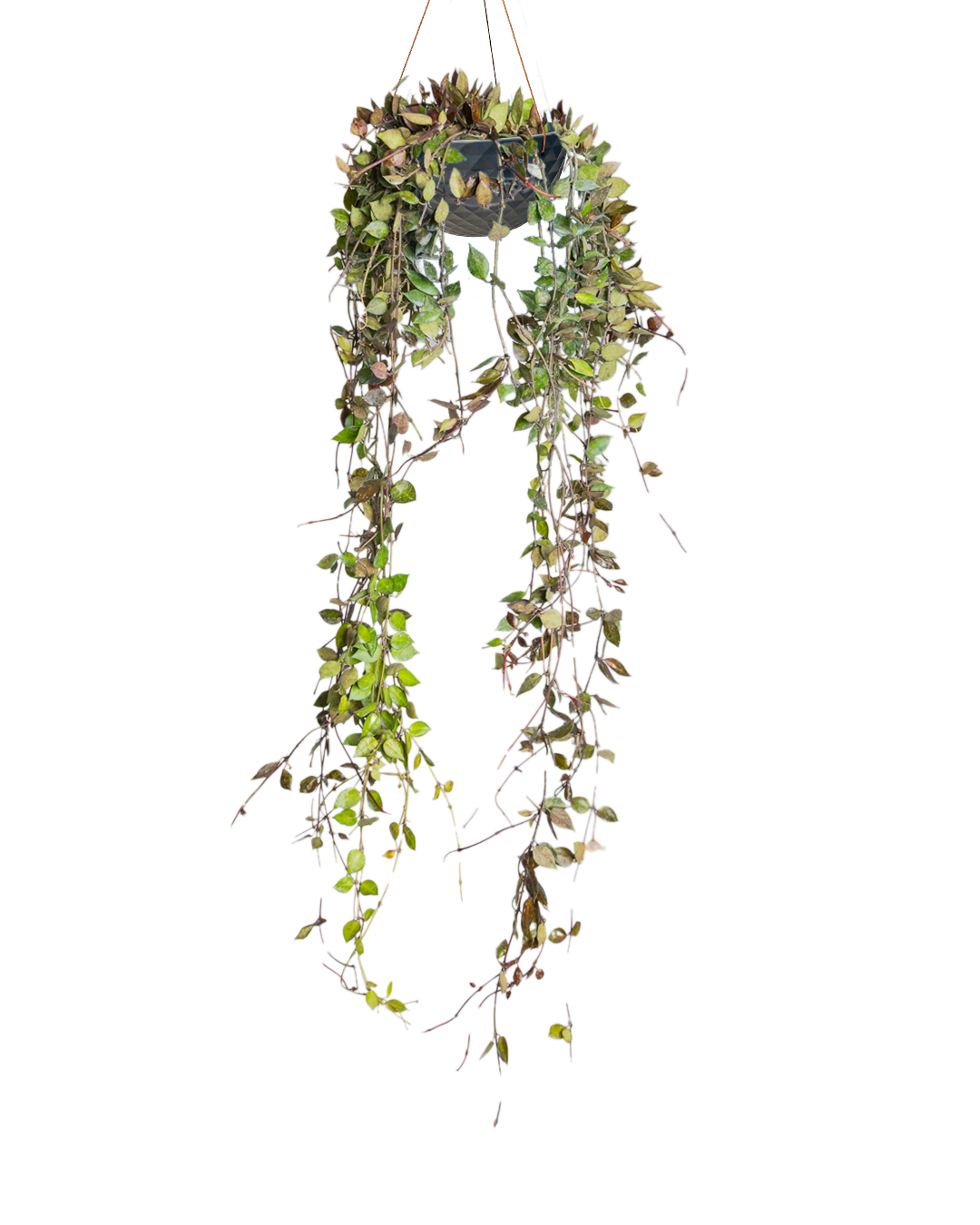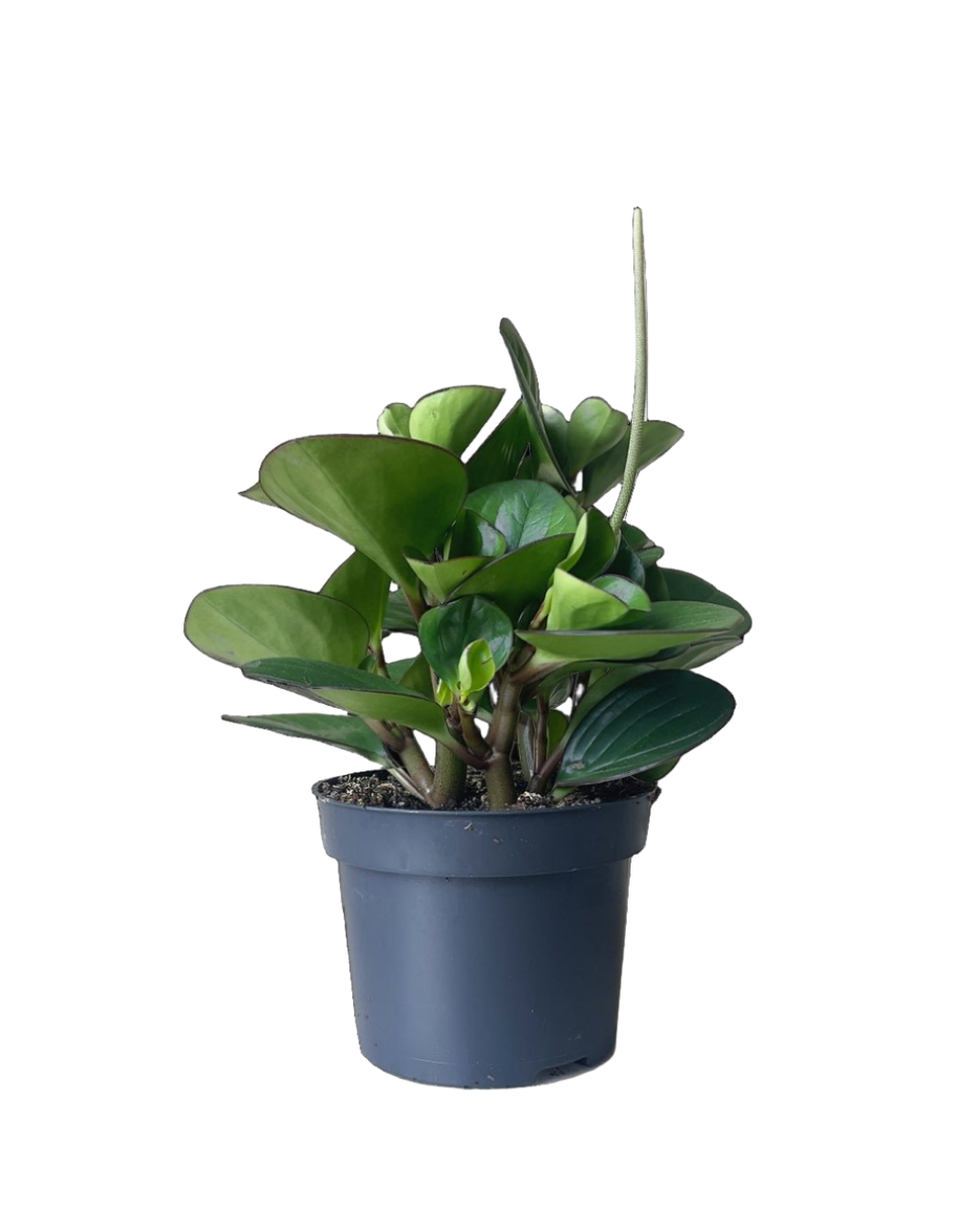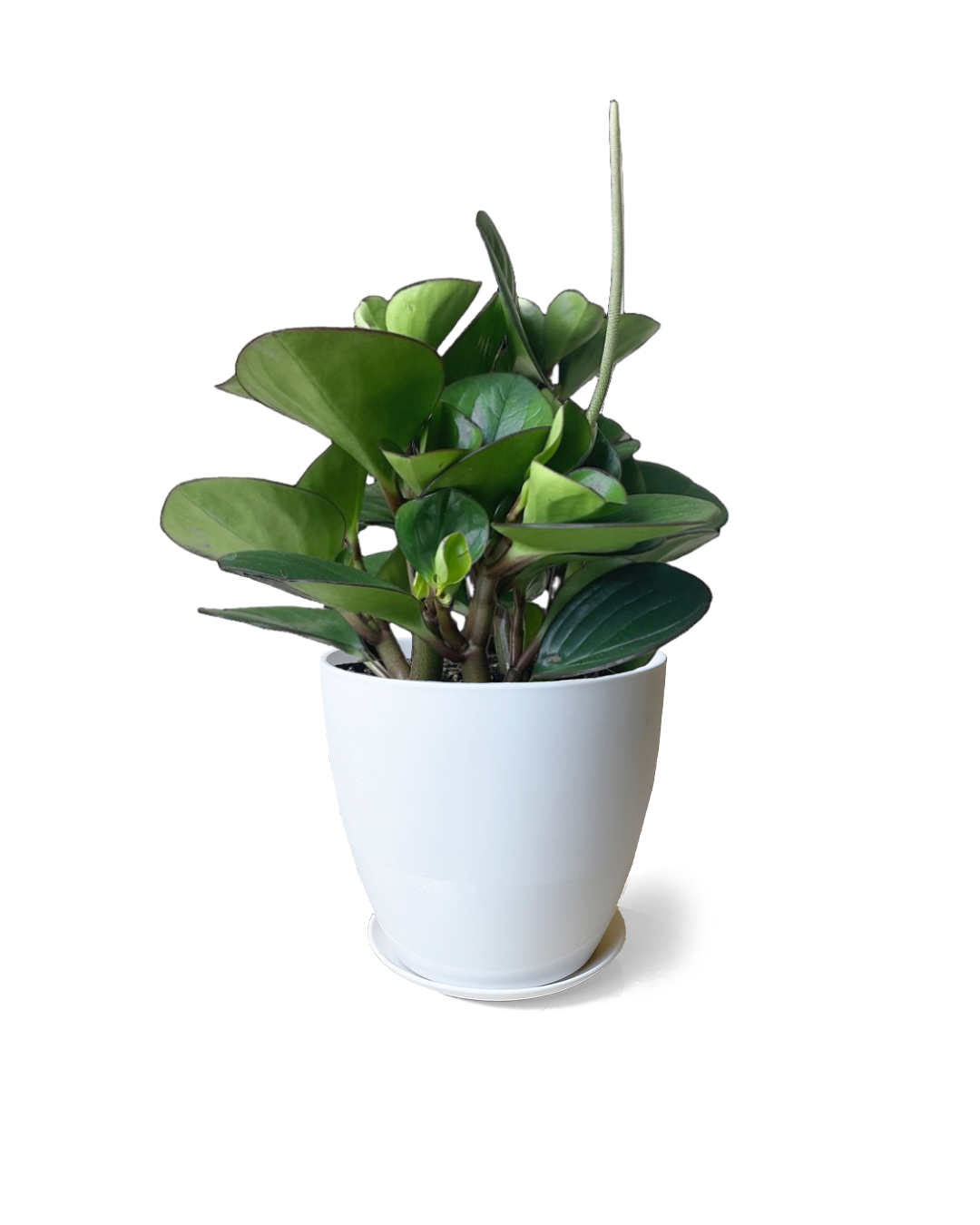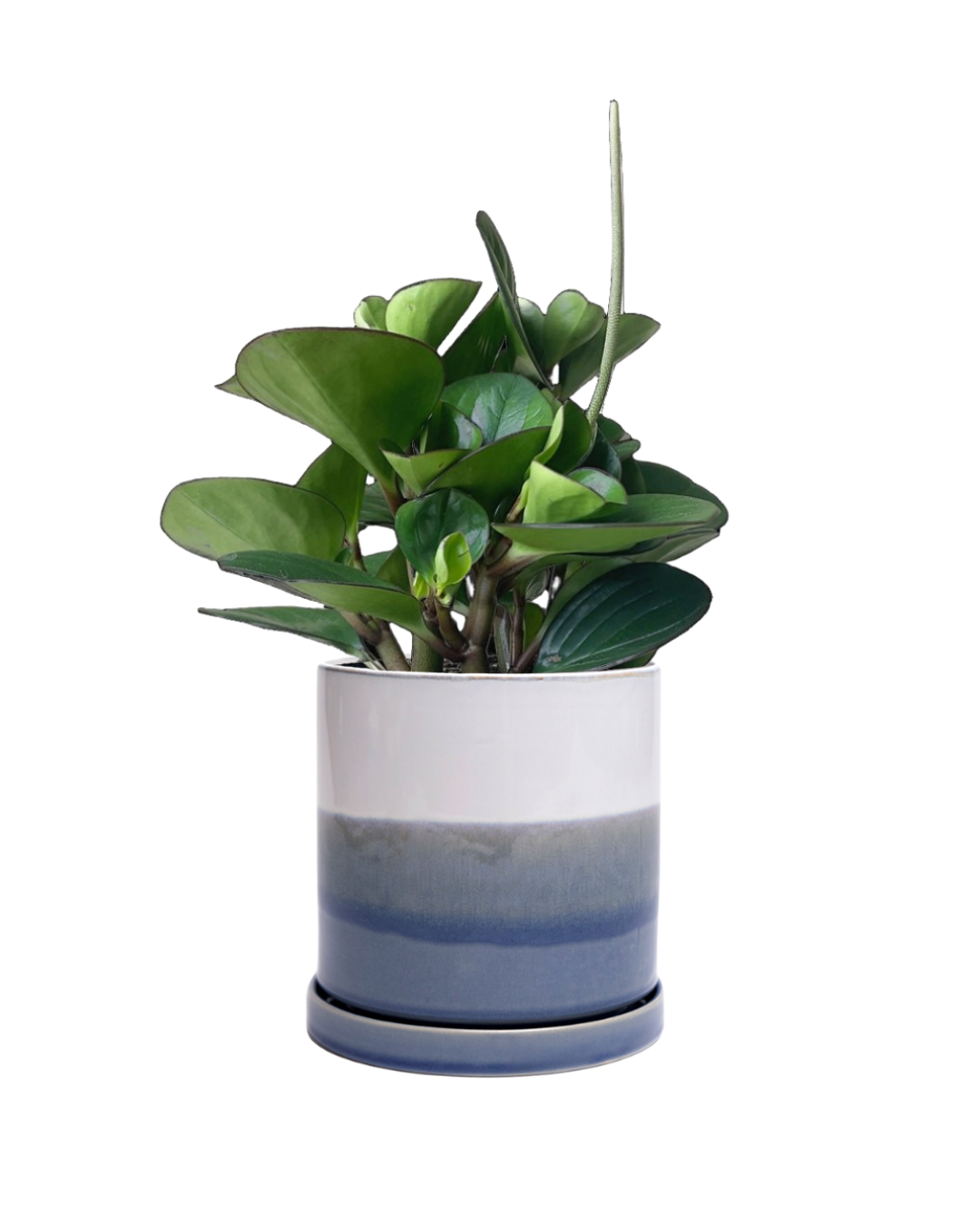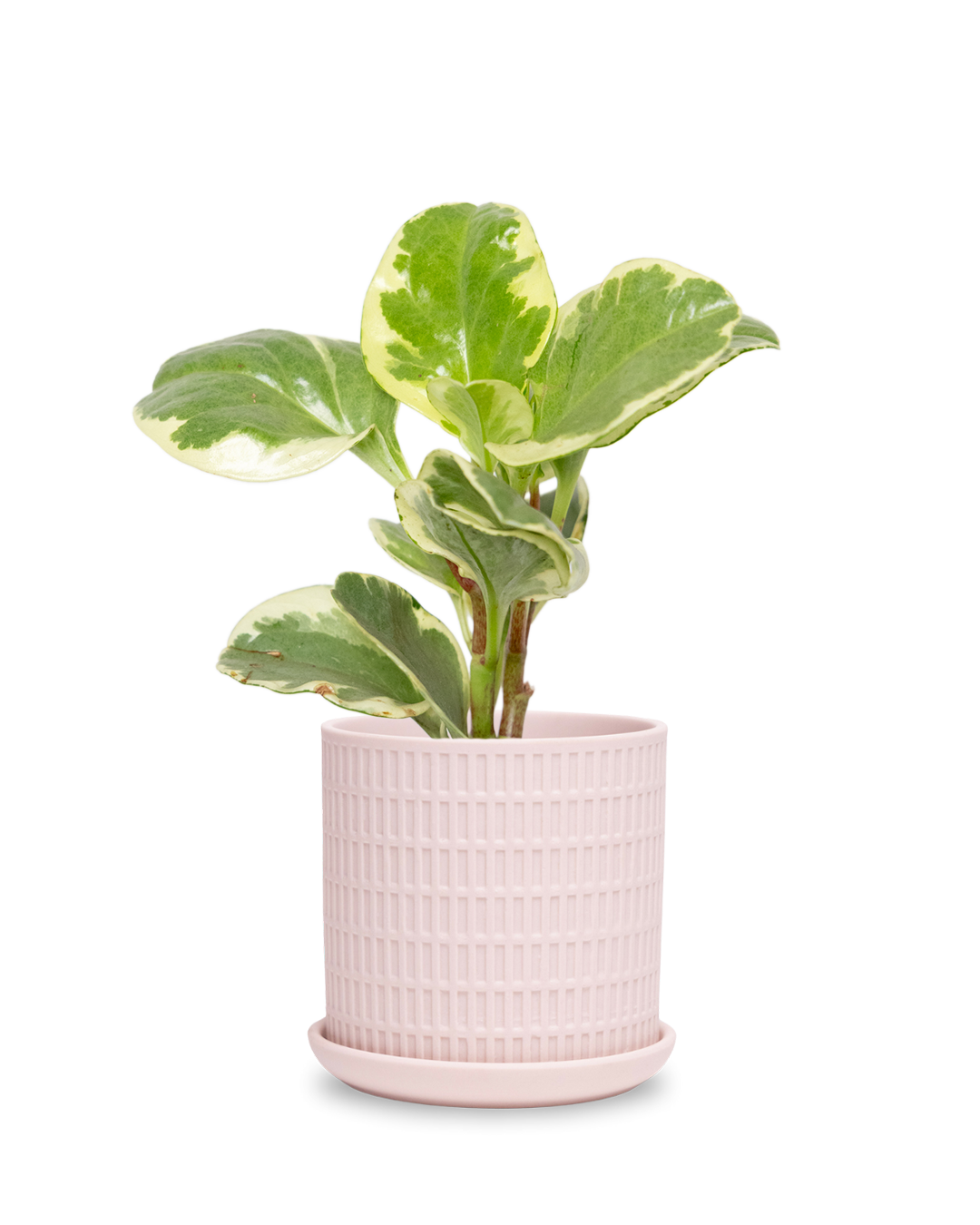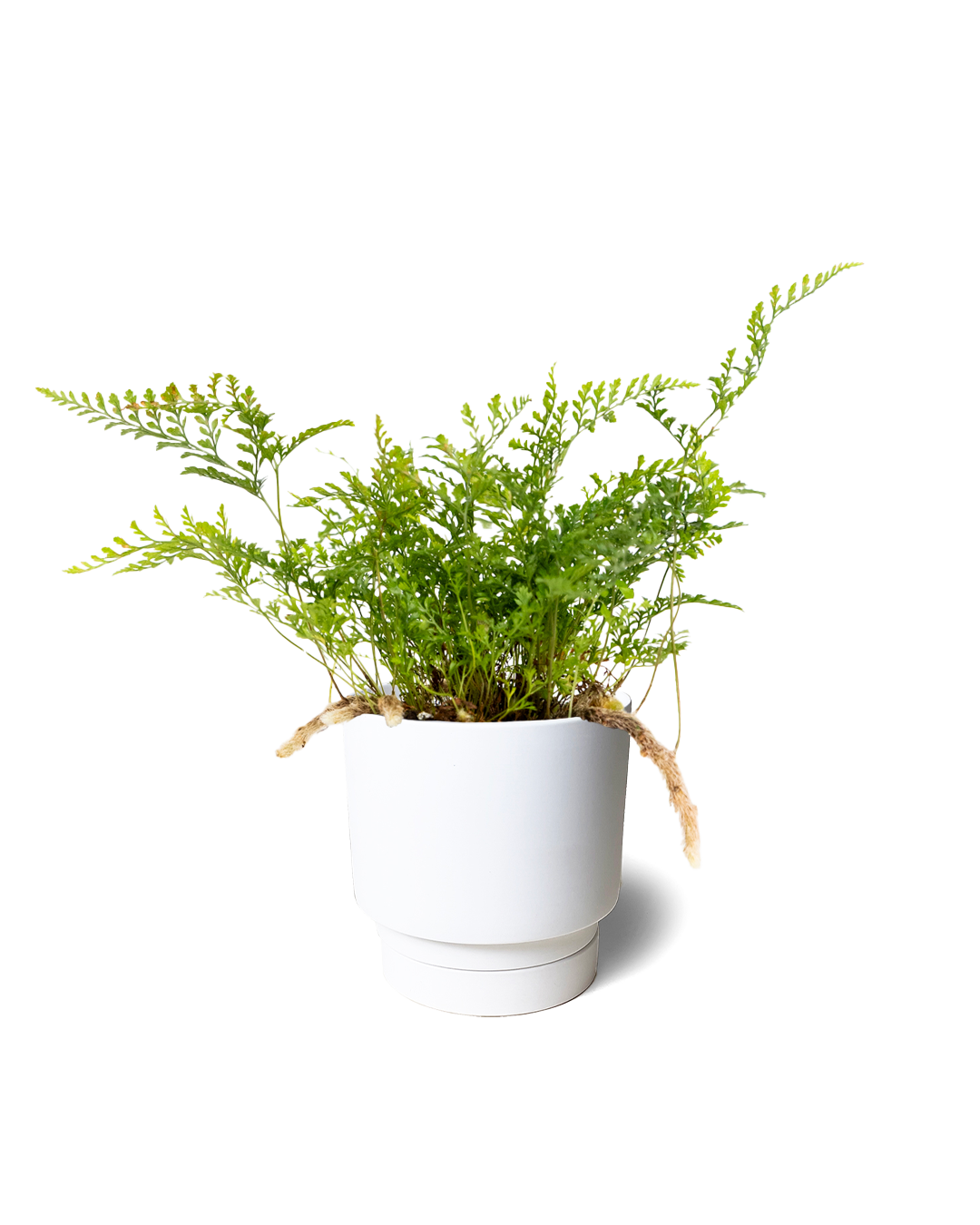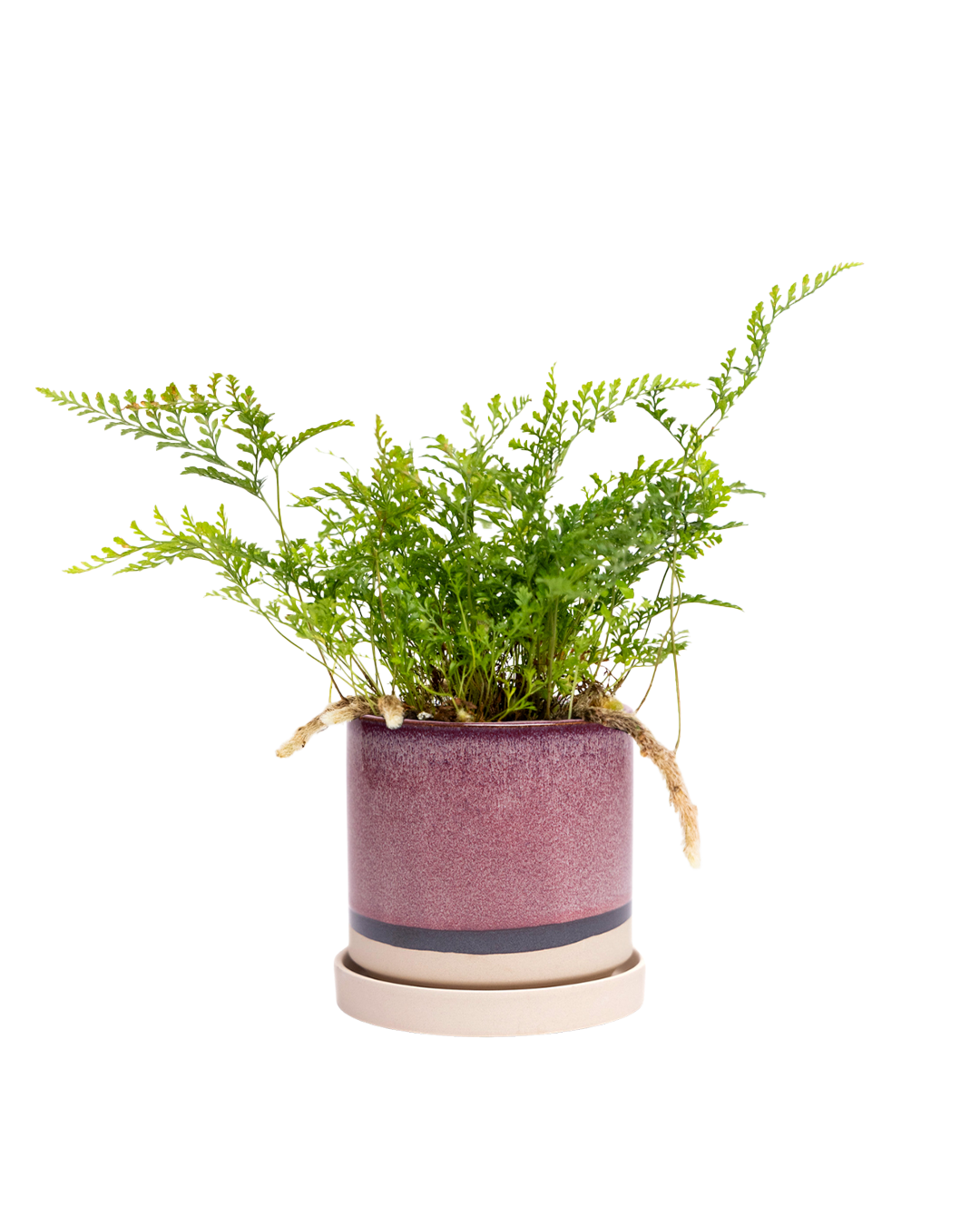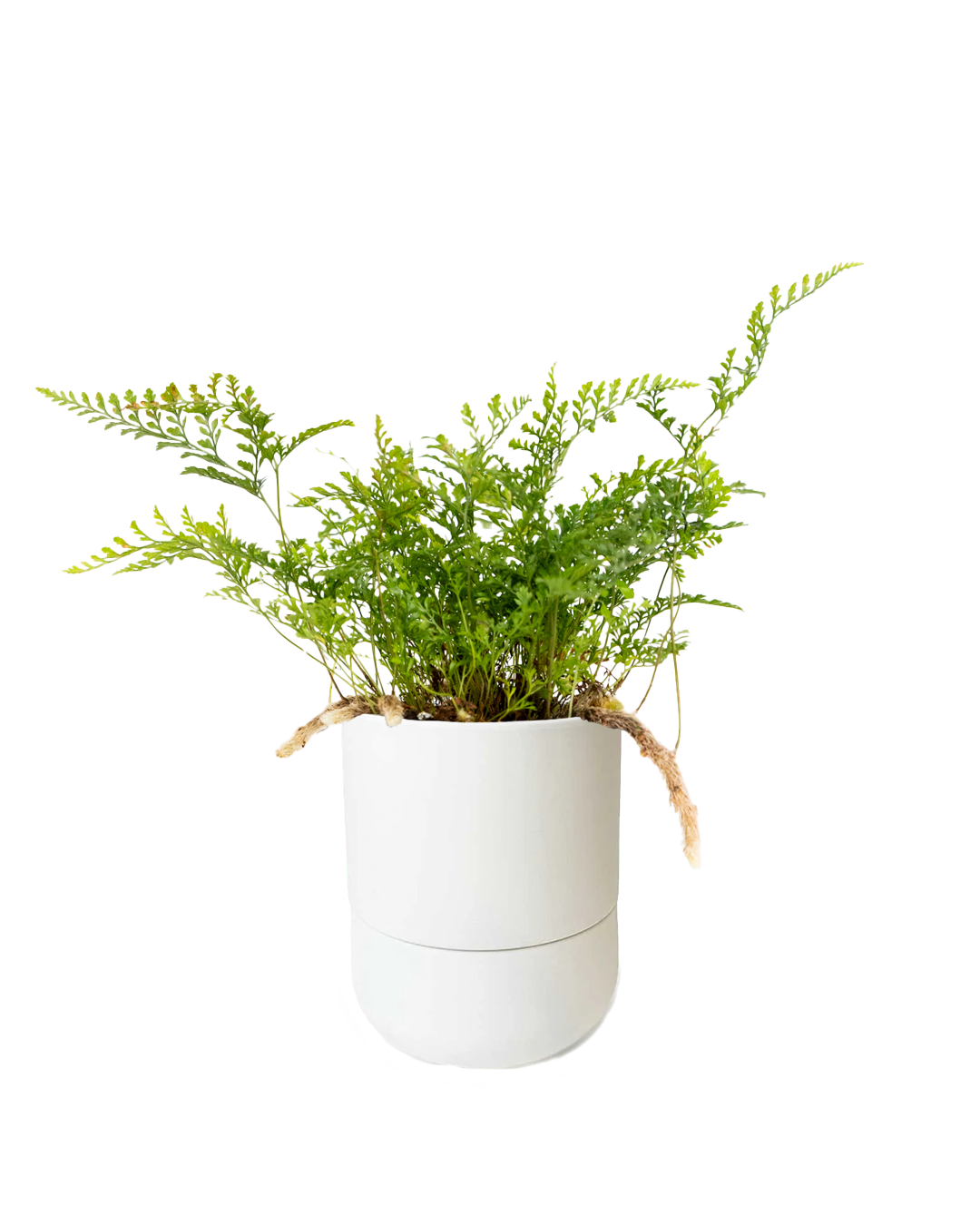
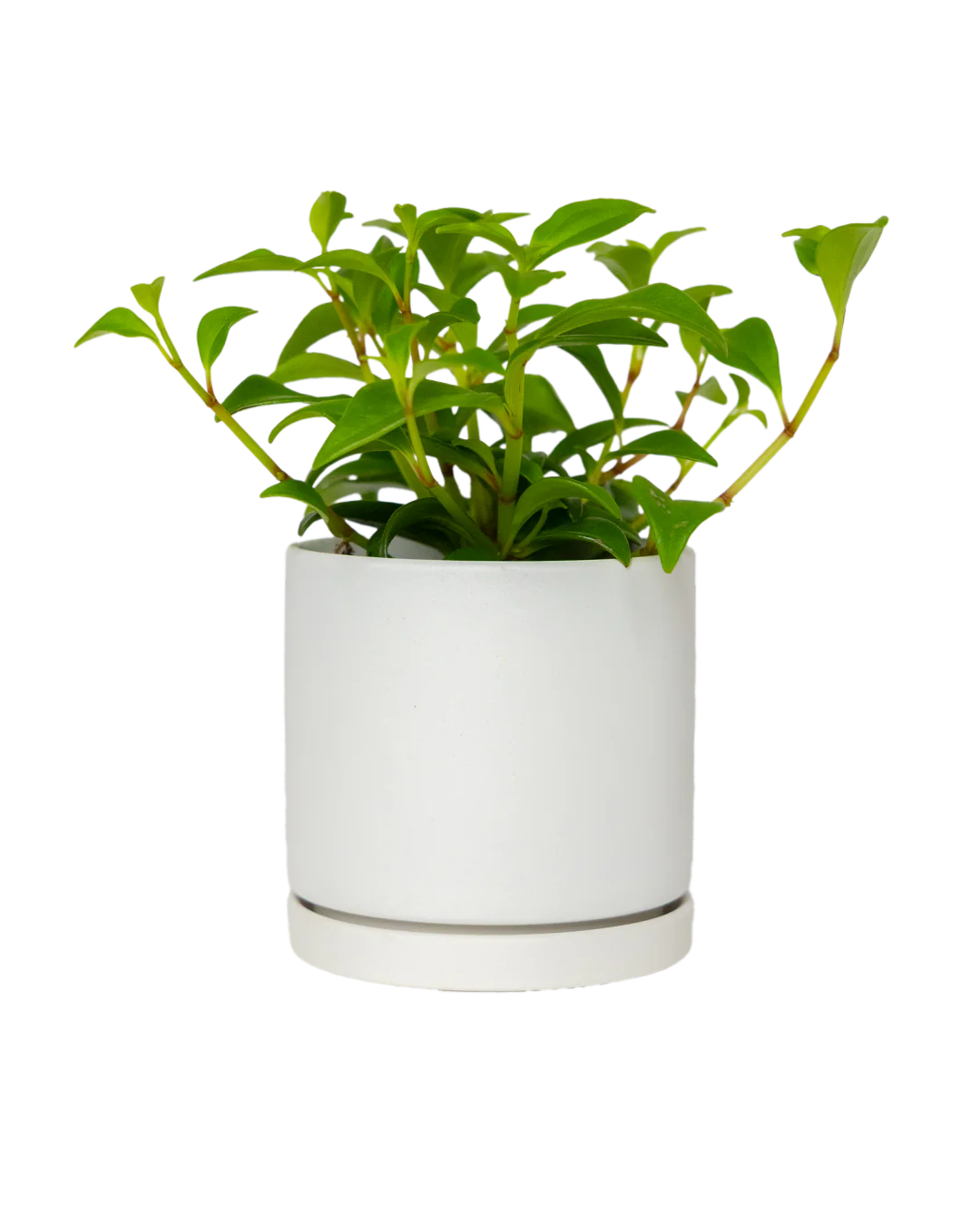






The intersection of pet ownership and plant parenthood represents one of the more peculiar challenges of modern domestic life. Here exists a demographic of humans who have somehow convinced themselves that sharing living quarters with both creatures that view everything as potential food and organisms that prefer to remain uneaten constitutes a reasonable lifestyle choice. The result is a delicate ecosystem where success is measured not in Instagram-worthy plant arrangements, but in the absence of emergency veterinary visits.
Toronto's pet-owning plant enthusiasts have elevated this precarious balancing act into something approaching an art form. These dedicated individuals navigate the complex world of botanical toxicity with the thoroughness of forensic investigators, researching each potential plant acquisition as though preparing for a doctoral defense in inter-species cohabitation. The local plant shops have responded by developing expertise that combines horticultural knowledge with veterinary science, creating a specialized field that might be called "pet-safe botany."
The stakes of this domestic juggling act became clear when the houseplant trend collided head-on with the pet adoption boom. Suddenly, homes across the city found themselves populated by curious cats who viewed hanging plants as interactive entertainment systems and dogs who approached floor plants with the investigative enthusiasm of trained botanists. The learning curve proved steep, littered with chewed leaves, overturned pots, and the kind of panicked late-night phone calls to veterinary emergency lines that make pet insurance seem like a bargain.

Why Pet Safety Matters: Understanding Plant Toxicity for Dogs and Cats
The science of plant toxicity reads like a botanical thriller, complete with substances that sound like they belong in a chemistry textbook rather than a living room. The innocent-looking houseplant world harbors compounds with names like saponins, cardiac glycosides, and calcium oxalate crystals—substances that transform beloved greenery into potential hazards for the four-legged members of the household.
Cats, those graceful acrobats who somehow manage to reach every conceivable surface in the home, approach plants with the curiosity of laboratory researchers conducting taste tests. Their sophisticated palates, which somehow find canned tuna irresistible while rejecting gourmet cat food, seem incapable of distinguishing between harmless greenery and vegetation that could send them on an unscheduled visit to the emergency clinic.
Dogs present their own unique challenges, approaching plant life with the enthusiasm of vacuum cleaners equipped with legs. Their investigative method involves comprehensive sampling, treating each new botanical addition as though it were part of an elaborate buffet designed specifically for their enjoyment. The larger breeds add the additional complexity of treating floor plants as potential wrestling partners, engaging in play sessions that rarely end well for the vegetation.
The veterinary community has responded to this domestic plant crisis by developing expertise in what might be called "accidental botanical poisoning." Emergency clinics now stock treatment protocols for everything from mild stomach upset to more serious complications, while pet poison control hotlines field calls from panicked plant parents who have discovered evidence of unauthorized botanical consumption.

Our Certified Pet-Safe Plant Collection: Peace of Mind for Pet Parents
The pet-safe plant industry has evolved into something that would make pharmaceutical companies envious in terms of safety protocols and quality assurance. Each plant receives the kind of thorough vetting typically reserved for medication trials, with multiple sources confirming its safety rating before earning the coveted "pet-friendly" designation.
The certification process involves cross-referencing multiple veterinary databases, consulting with toxicology experts, and maintaining the kind of detailed documentation that would satisfy the most stringent regulatory agencies. The result is a collection of plants that have been scrutinized with the thoroughness usually reserved for space mission components, ensuring that even the most determined pet investigator cannot transform a simple houseplant into a medical emergency.
These botanical safety experts maintain relationships with veterinary schools, poison control centers, and pet health organizations, creating a network of expertise that spans both the plant and animal kingdoms. The ongoing research ensures that the pet-safe plant list remains current, accounting for new discoveries in both toxicology and horticulture.

Most Popular Pet-Friendly Plants for Toronto Homes
The spider plant has emerged as the undisputed champion of pet-friendly foliage, offering graceful cascading leaves that somehow manage to remain non-toxic despite appearing irresistibly appealing to cats. These resilient specimens seem almost designed for homes with curious pets, producing baby plants with the enthusiasm of a suburban nursery while maintaining their safety credentials through even the most thorough feline investigations.
The Boston fern has carved out its own niche as the diplomat of pet-safe plants, providing lush greenery that photographs beautifully while posing no threat to even the most adventurous pet explorers. These feathery specimens add tropical elegance to any room while maintaining the kind of robust constitution that can withstand occasional pet encounters.
Parlor palms bring a touch of exotic sophistication to pet-friendly homes, offering architectural interest without the toxicity concerns that plague many of their more dangerous botanical cousins. These elegant specimens seem to understand their role in multi-species households, growing with dignified restraint while remaining completely safe for curious nibbling.

Danger Zone: Common Houseplants to Avoid with Pets
The list of pet-dangerous plants reads like a who's who of popular houseplant varieties, creating a challenging navigation course for would-be plant parents with four-legged housemates. The peace lily, despite its angelic name, harbors calcium oxalate crystals that can turn a simple taste test into a medical emergency.
Philodendrons, those Instagram-famous trailing beauties, contain compounds that make them decidedly unfriendly to pet digestive systems. The fiddle leaf fig, that towering symbol of modern plant parenthood, poses risks that extend far beyond its reputation for dramatic leaf-dropping.

Creating a Pet and Plant Harmony: Placement Strategies for Your Home
The art of pet-plant coexistence requires strategic thinking that would impress military tacticians. Successful plant placement involves understanding pet behavior patterns, traffic flows, and the remarkable ability of cats to defy gravity when motivated by dangling foliage.
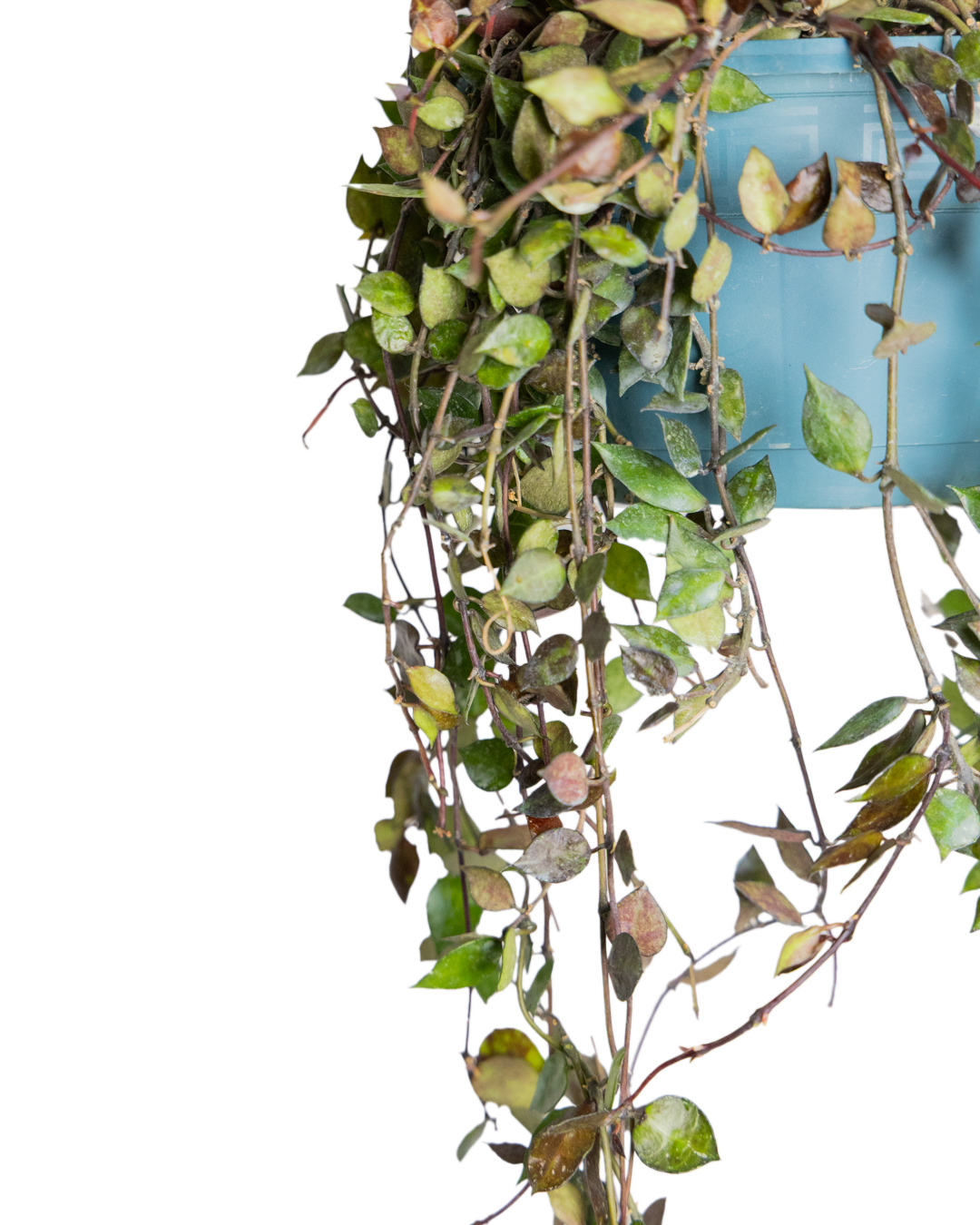
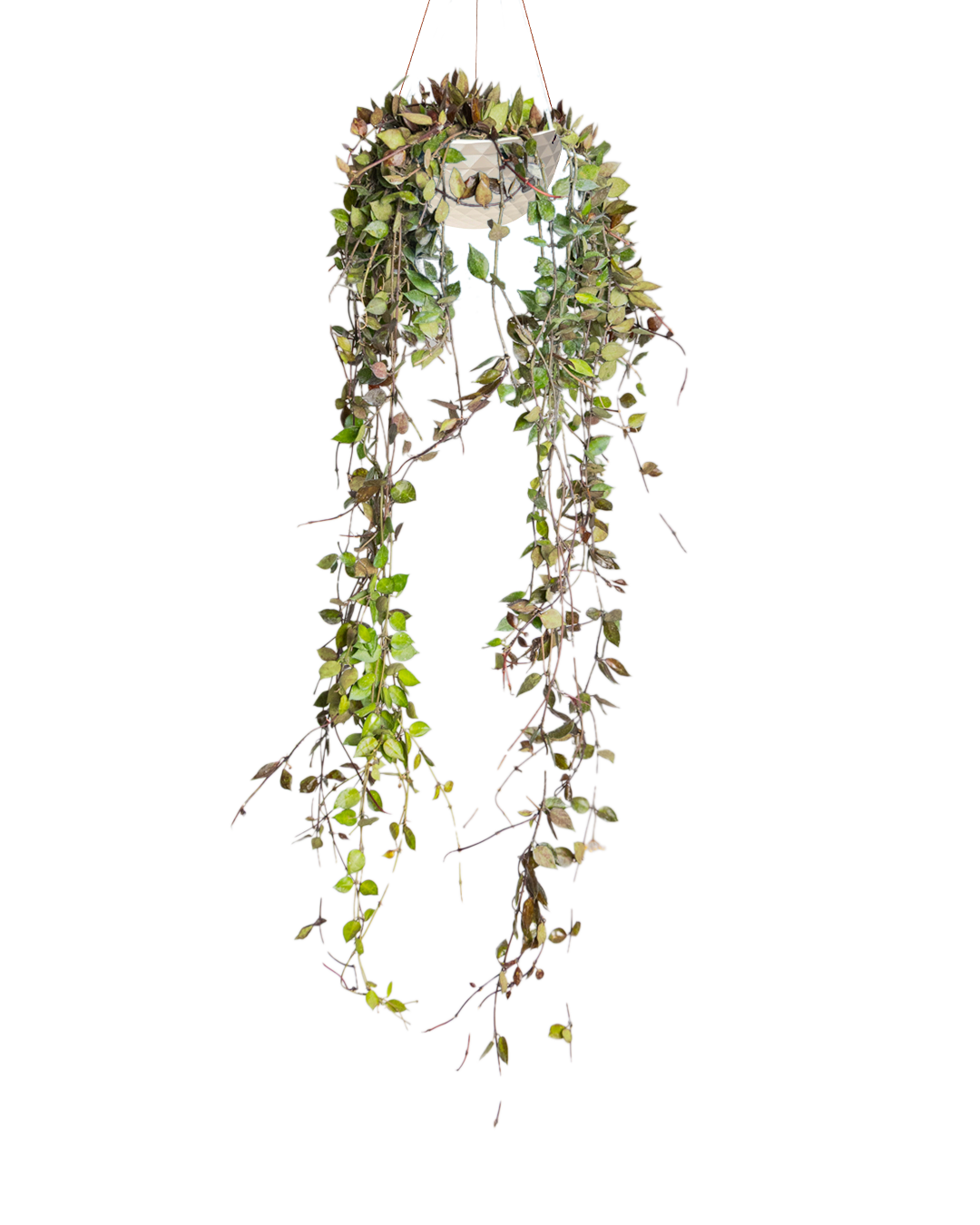
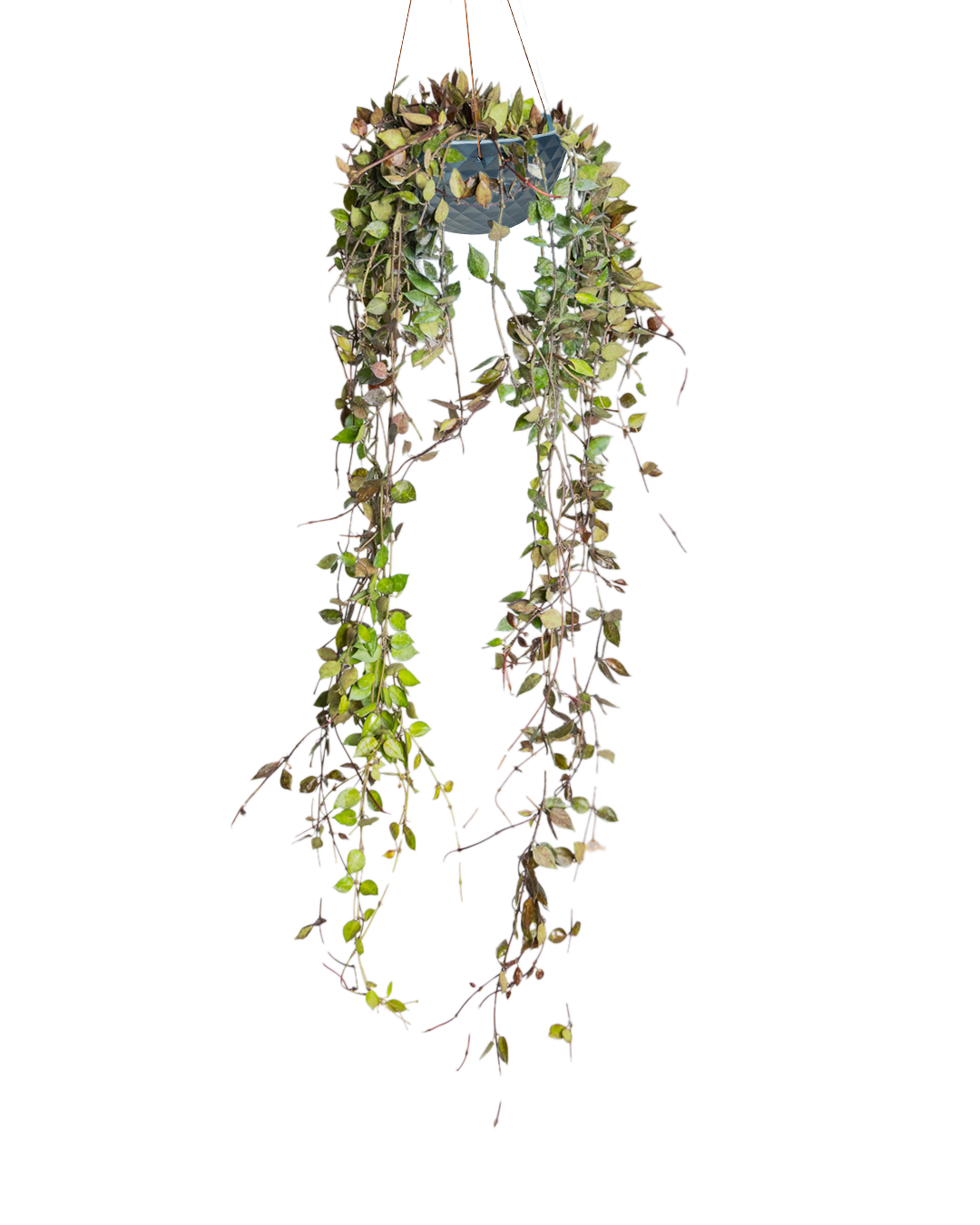
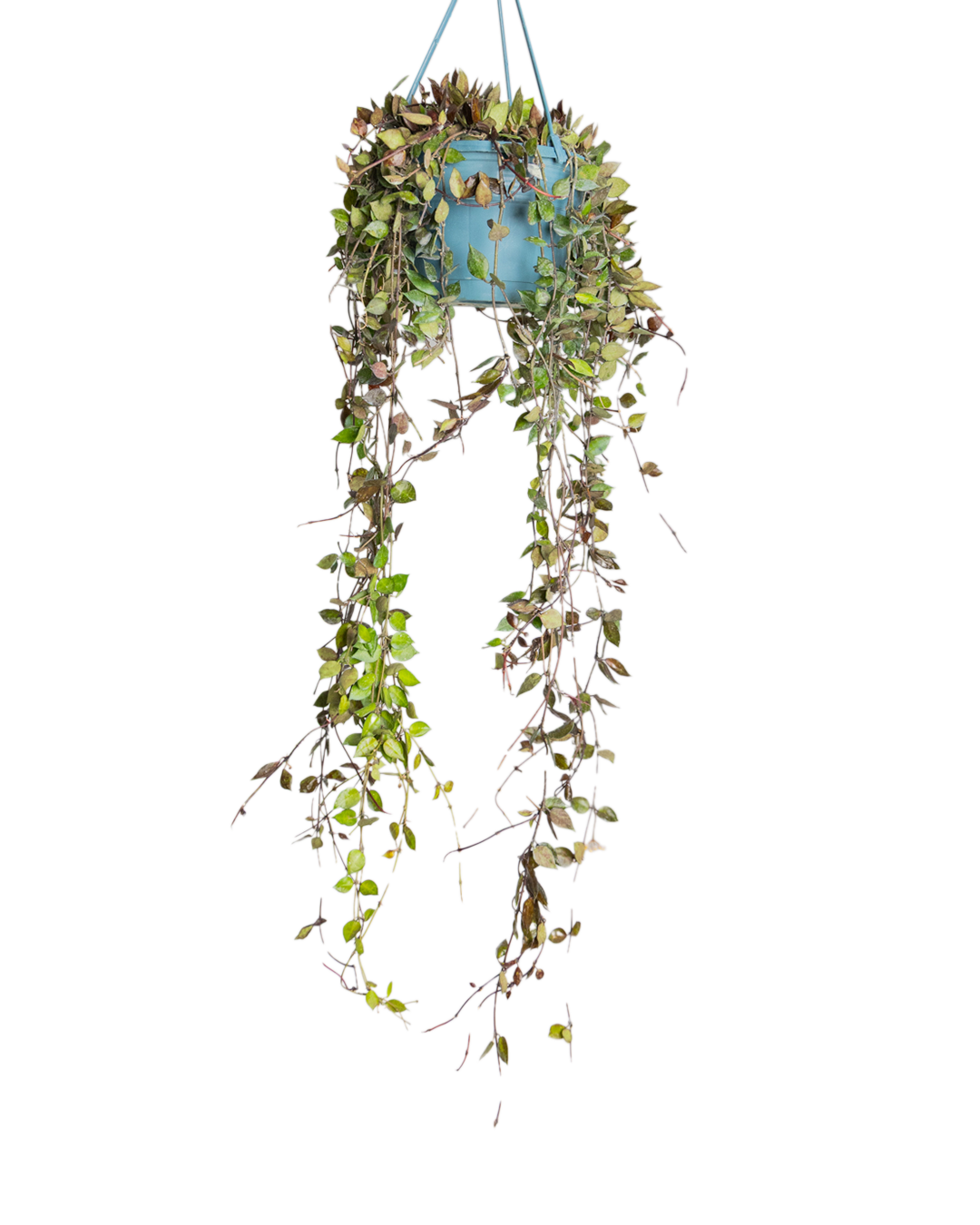
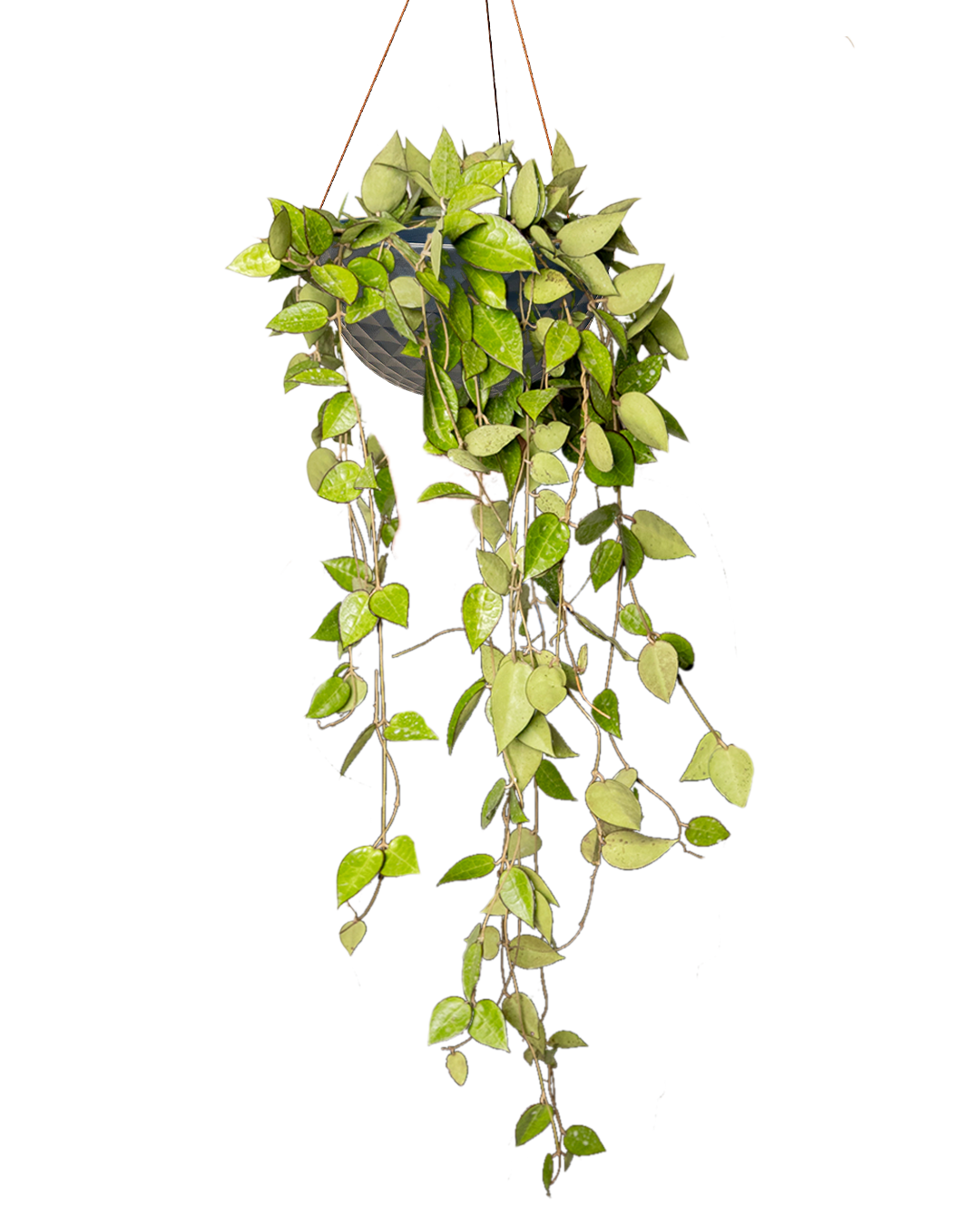
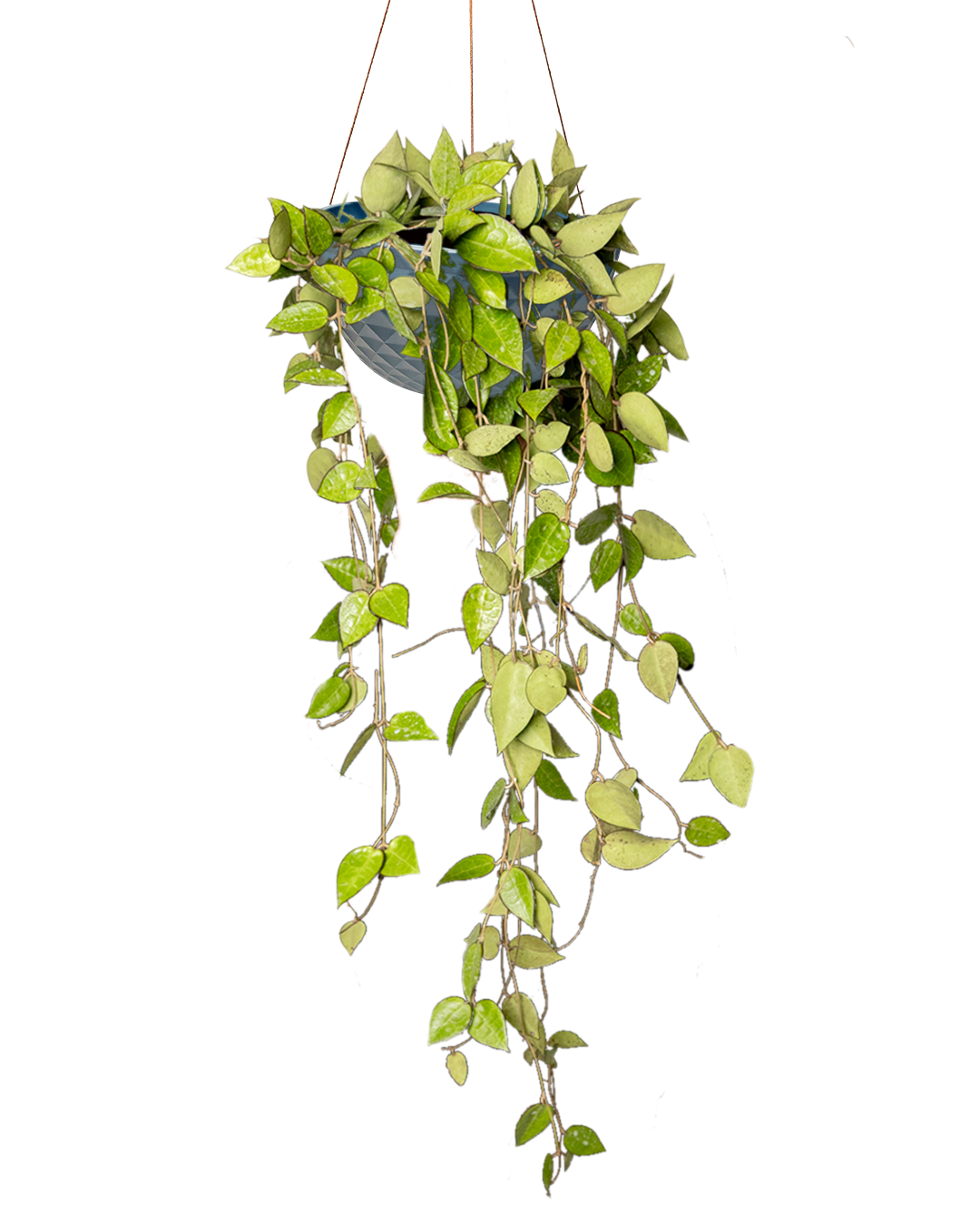
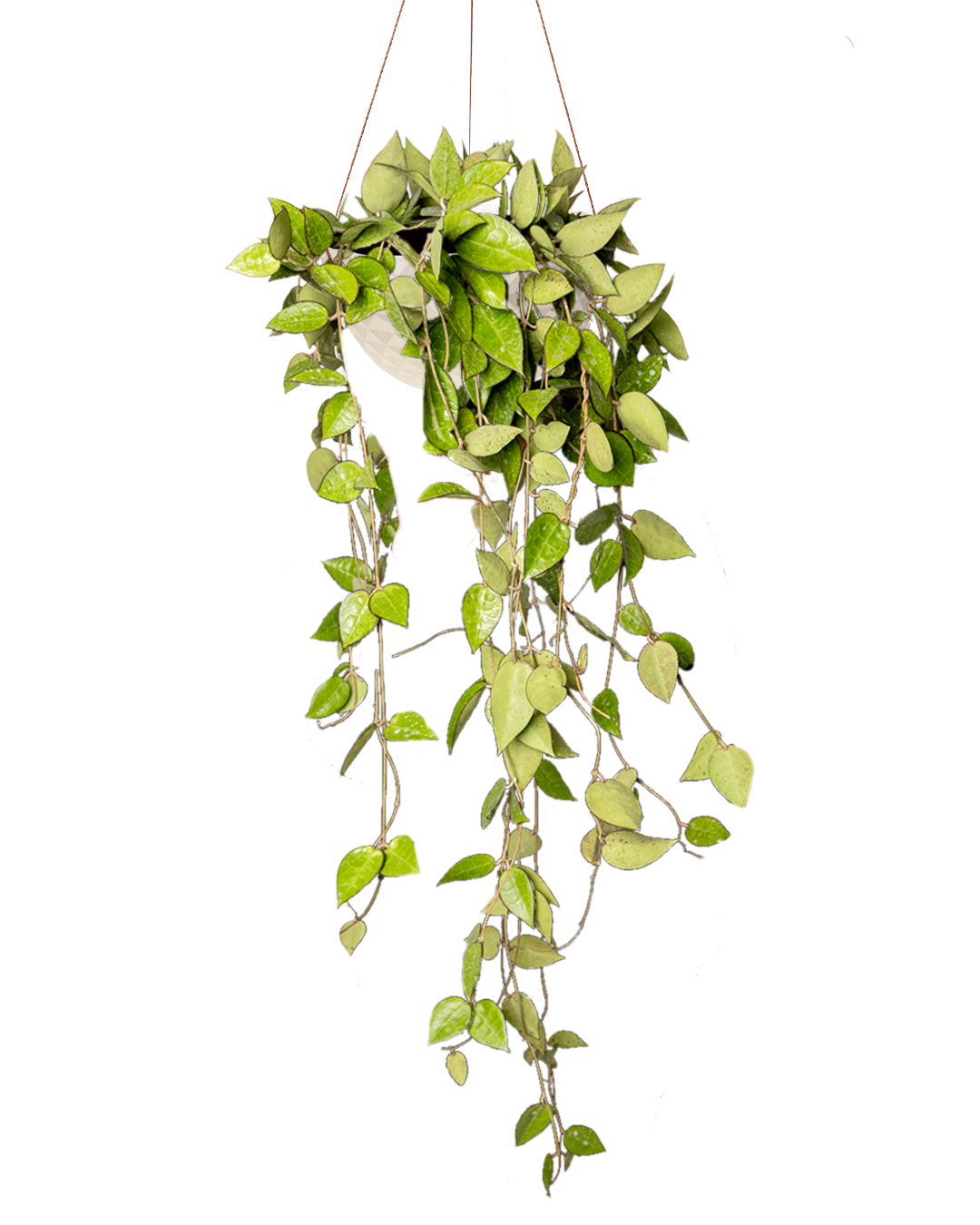
Hanging planters have become the aerial gardens of pet-friendly homes, suspended at heights that challenge even the most athletic felines while providing the greenery that plant parents crave. Wall-mounted shelving systems create botanical galleries that satisfy human aesthetic desires while remaining safely beyond pet reach.
The key lies in creating distinct zones where plants can flourish while pets can roam freely, establishing a peaceful coexistence that benefits all species involved in this domestic ecosystem.