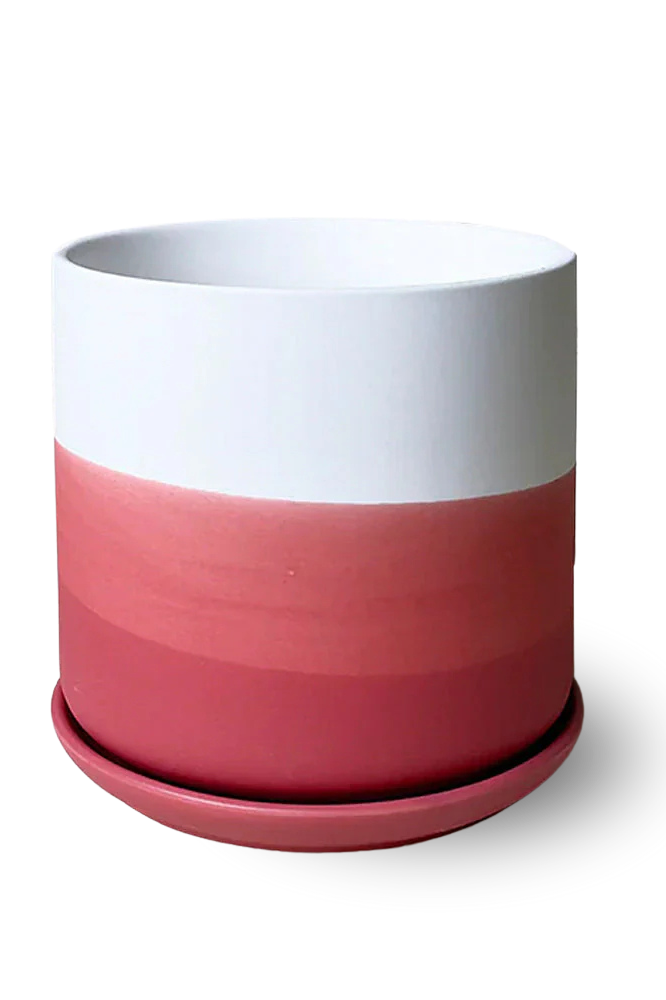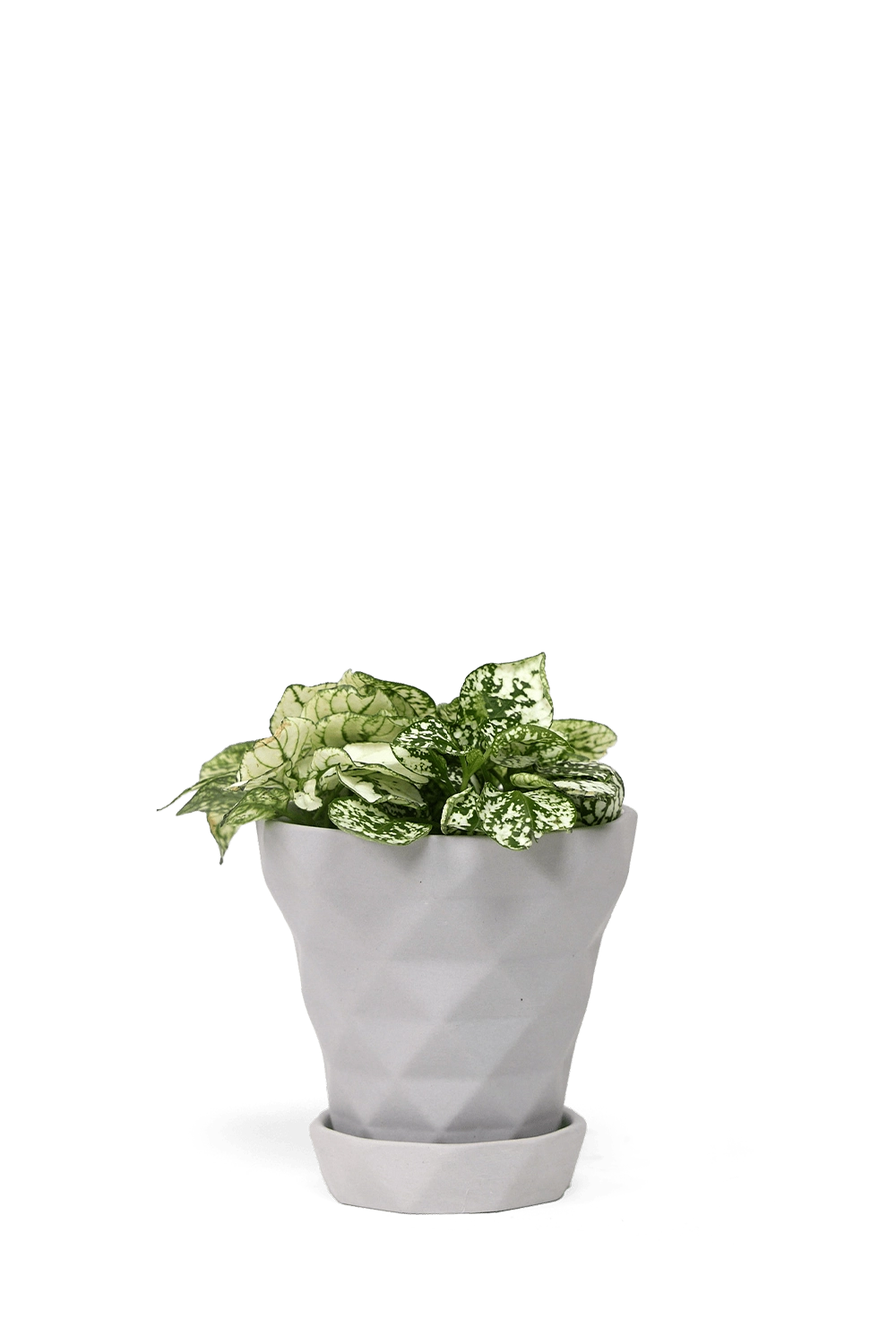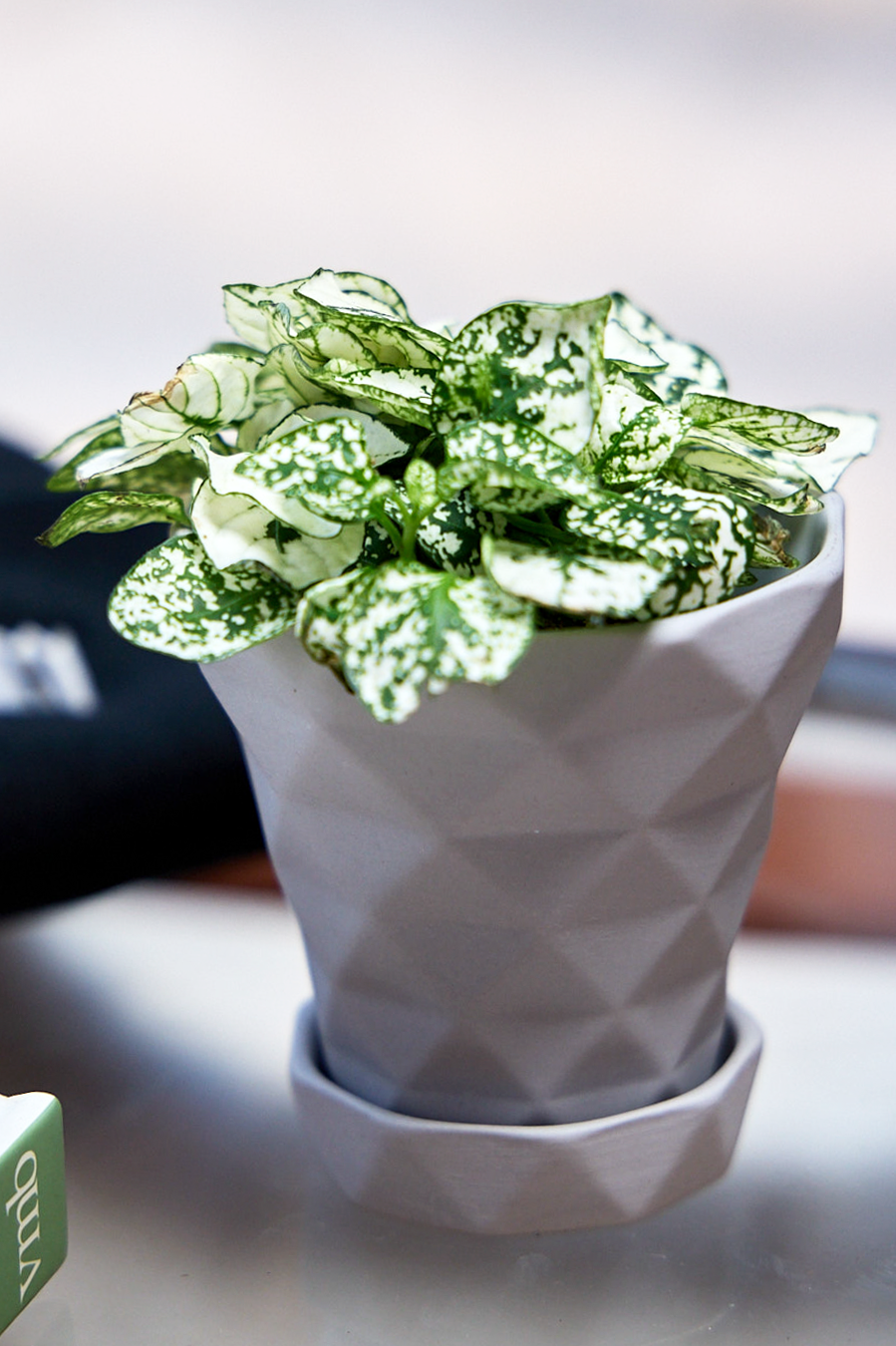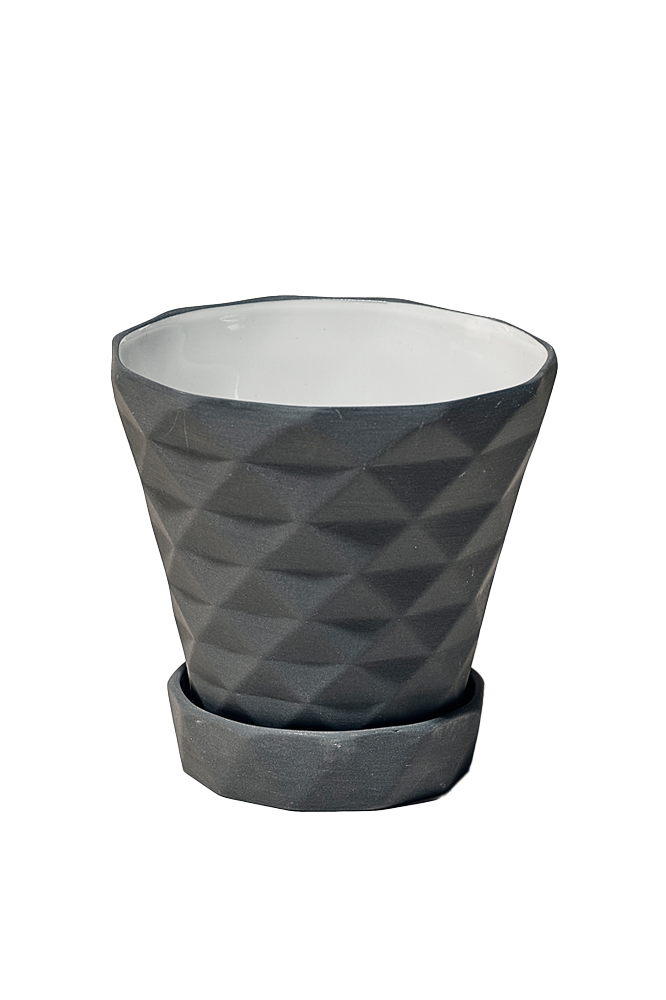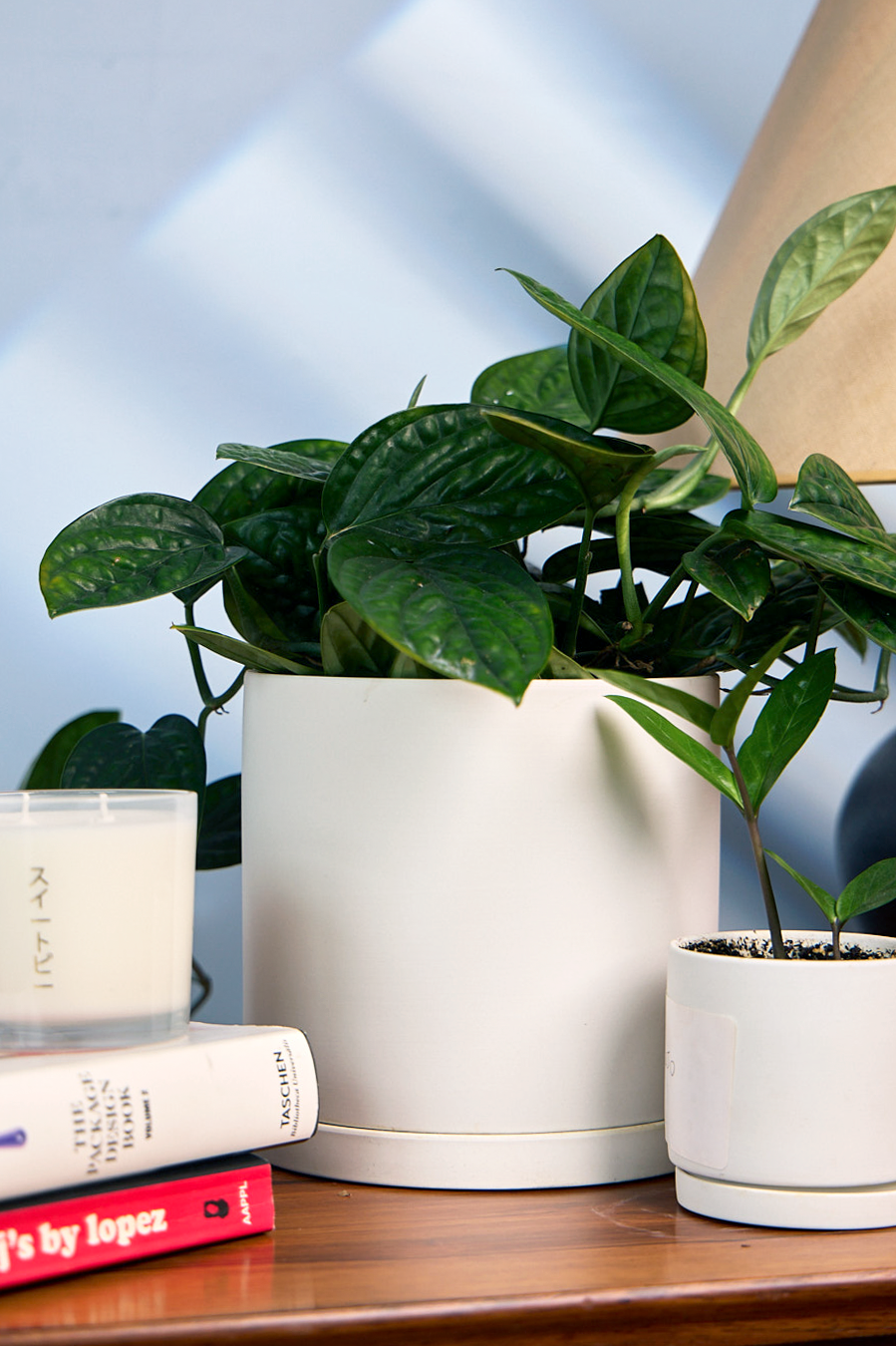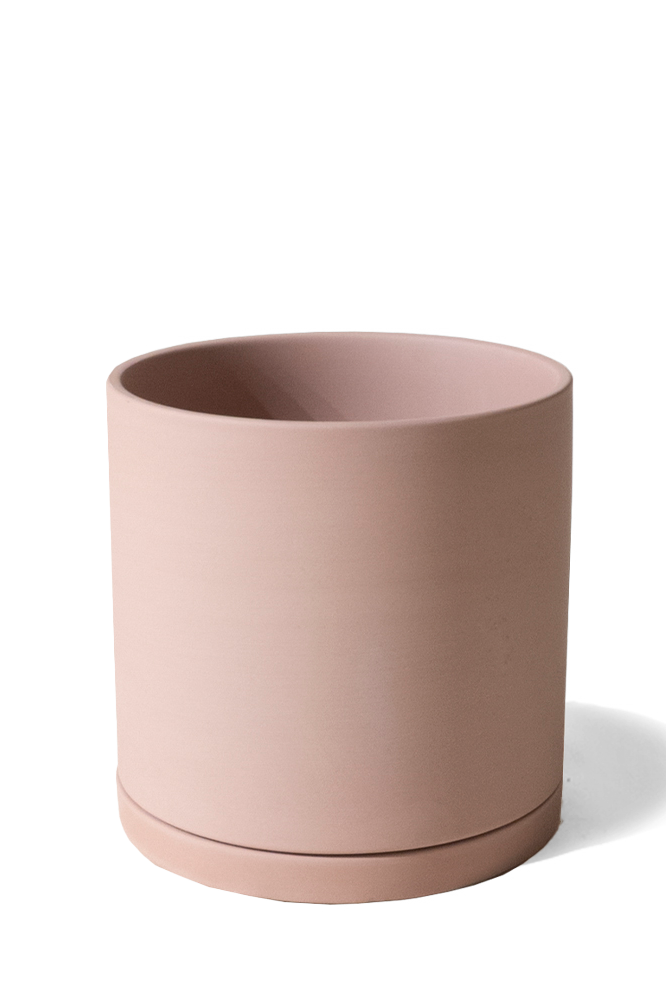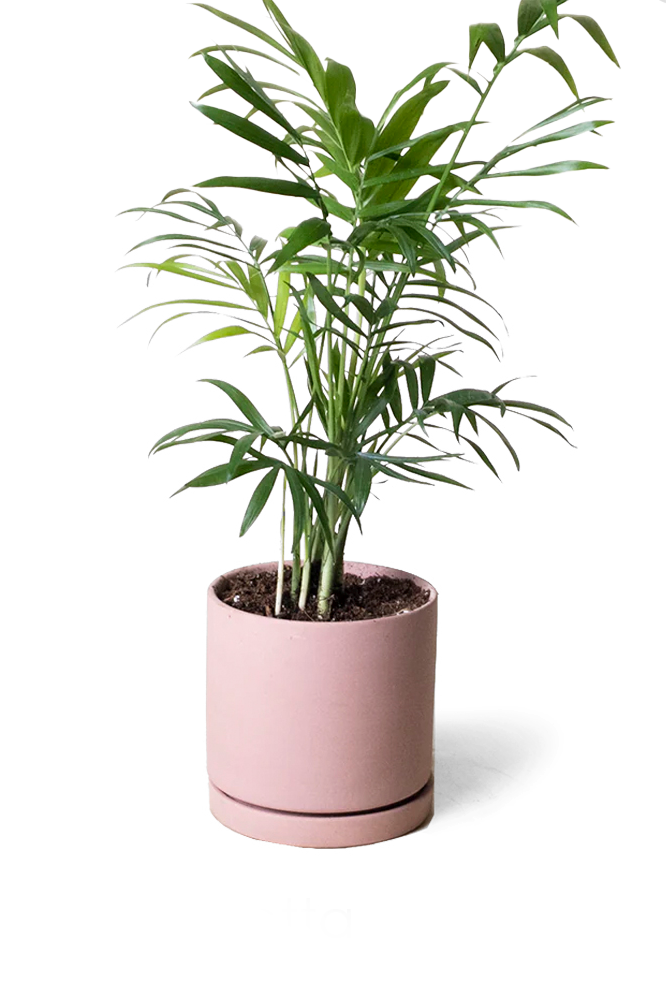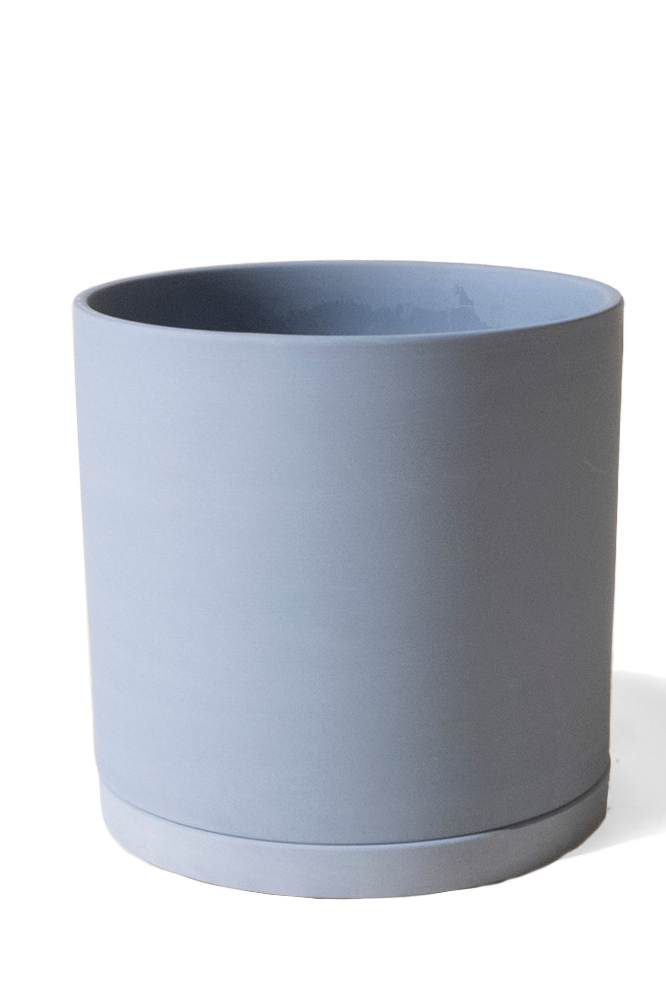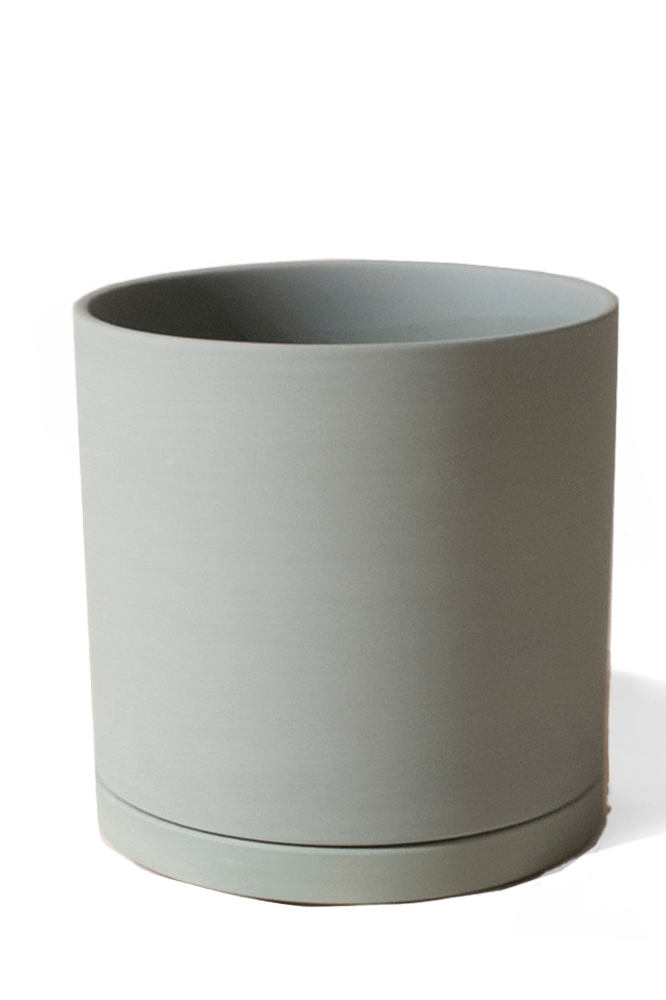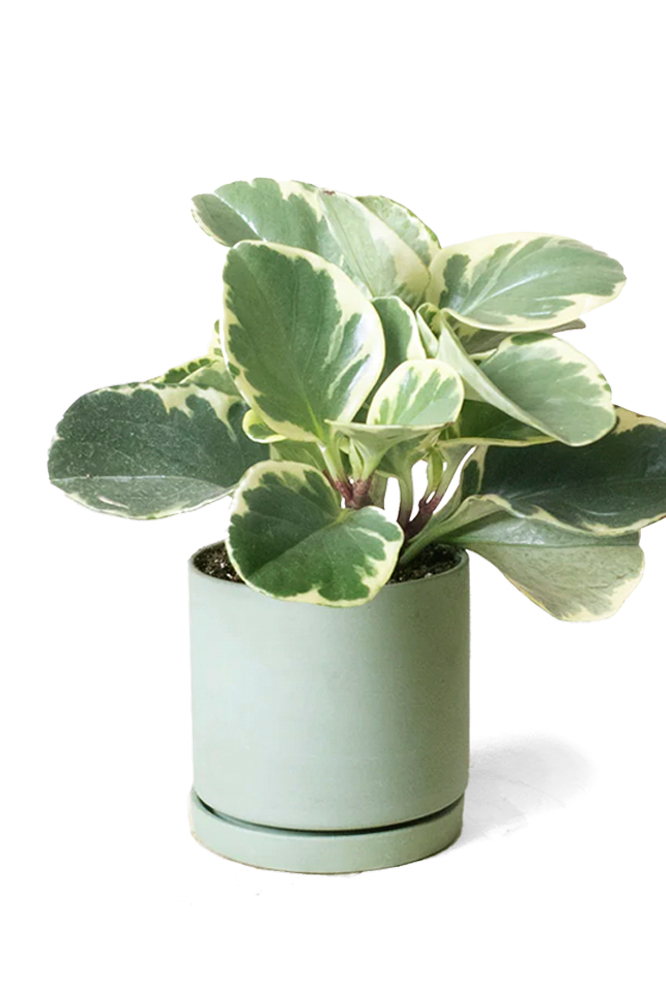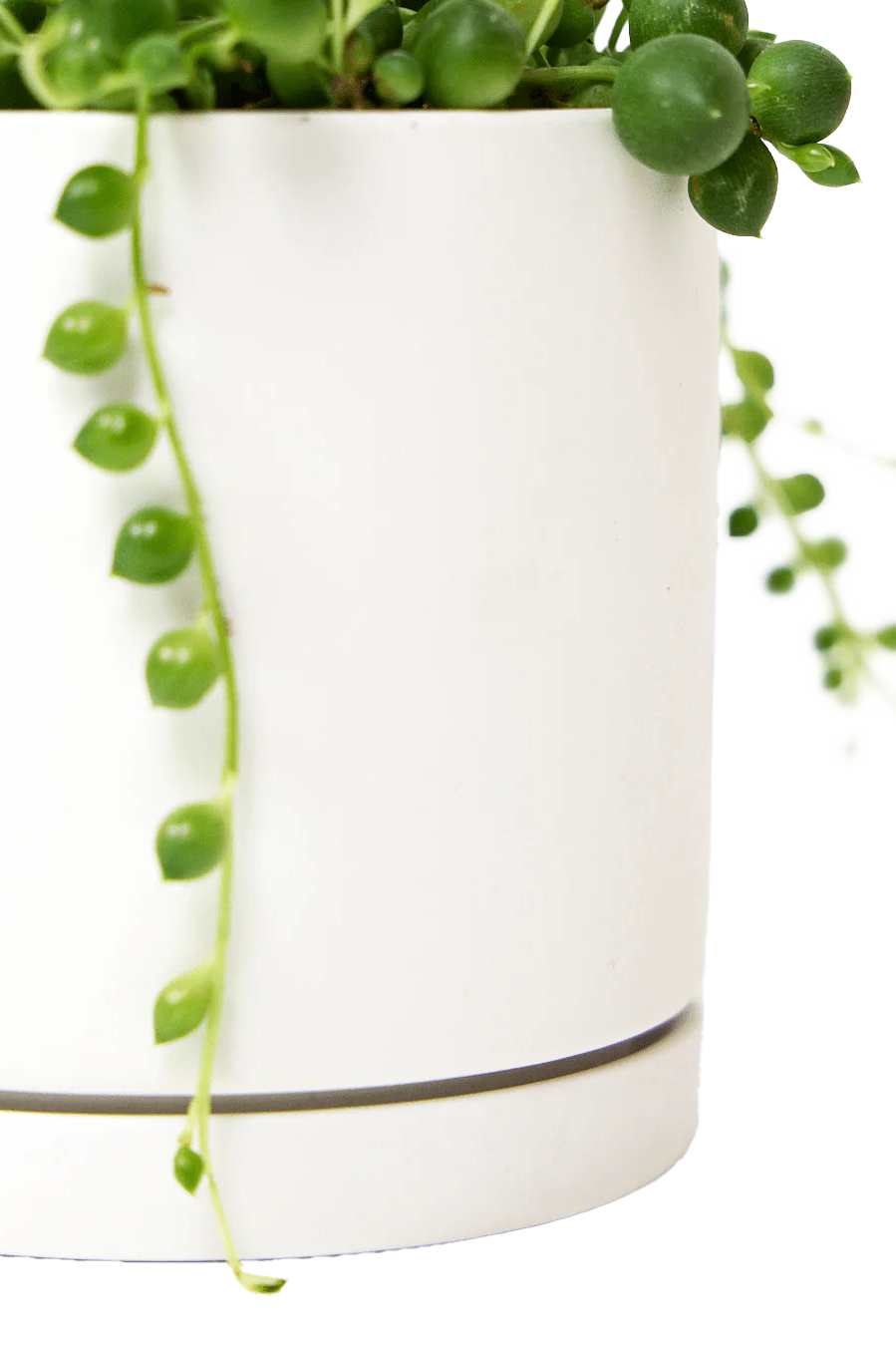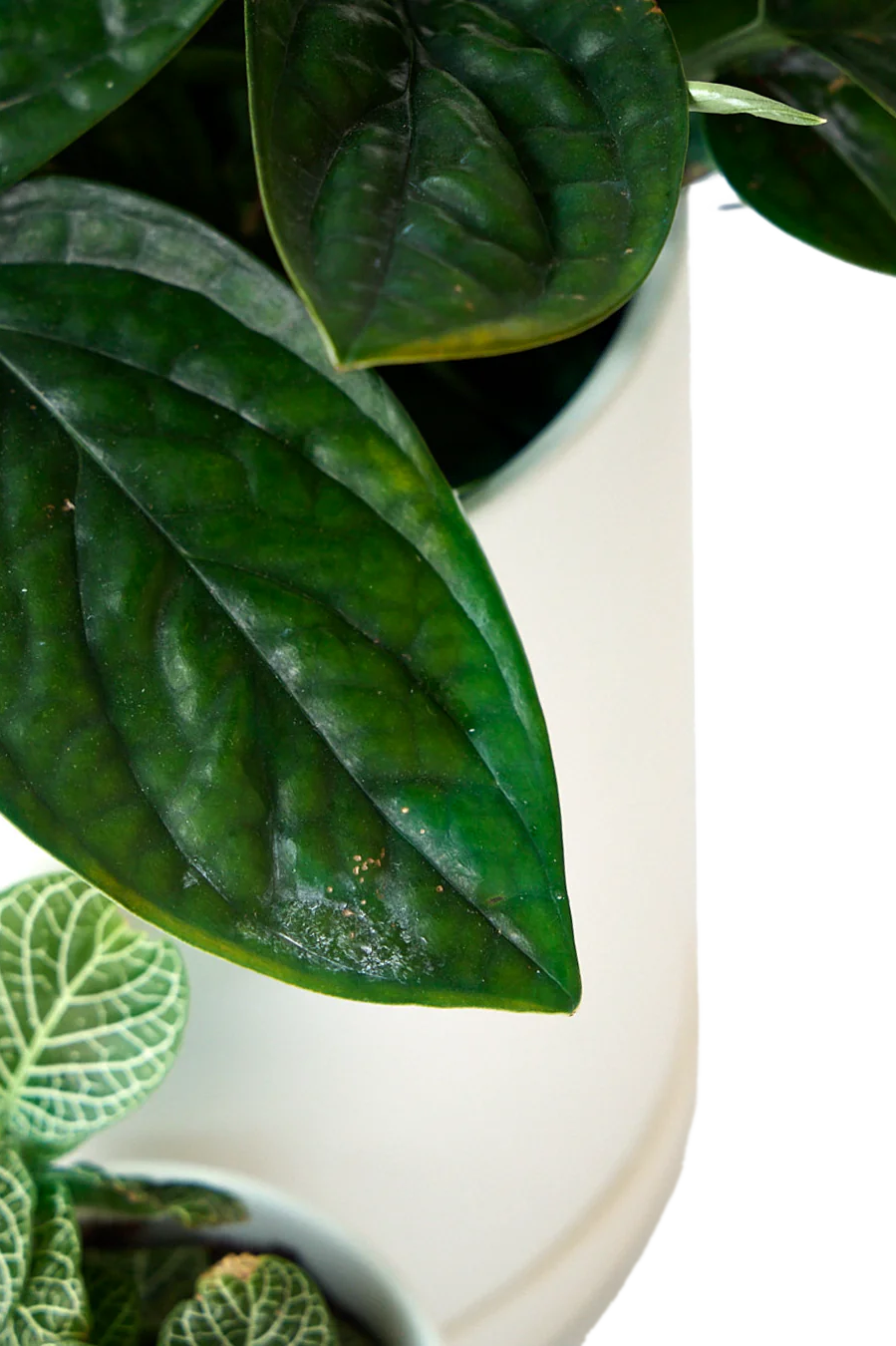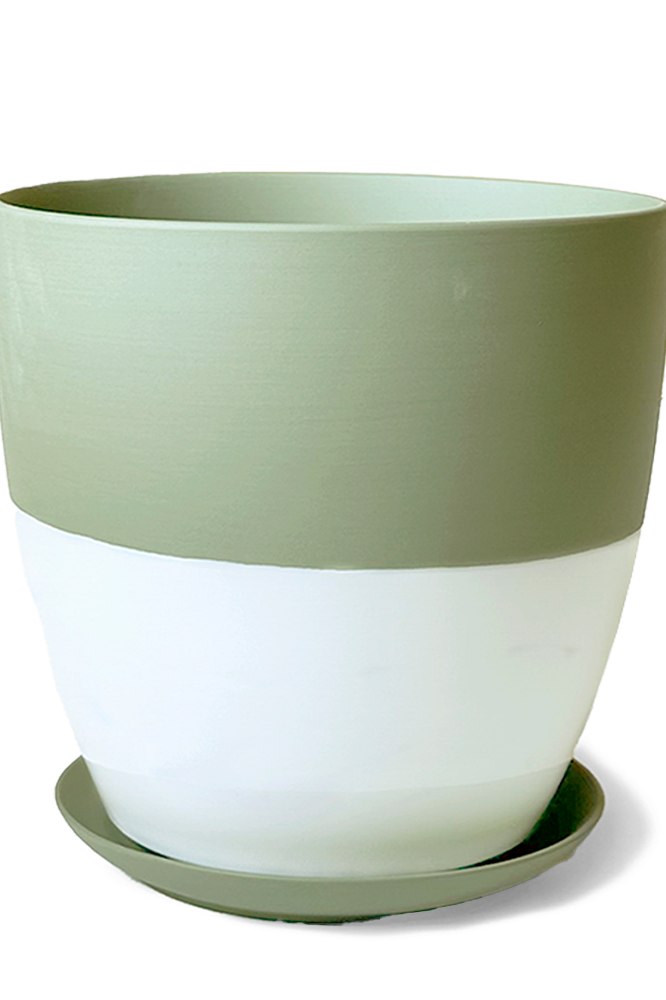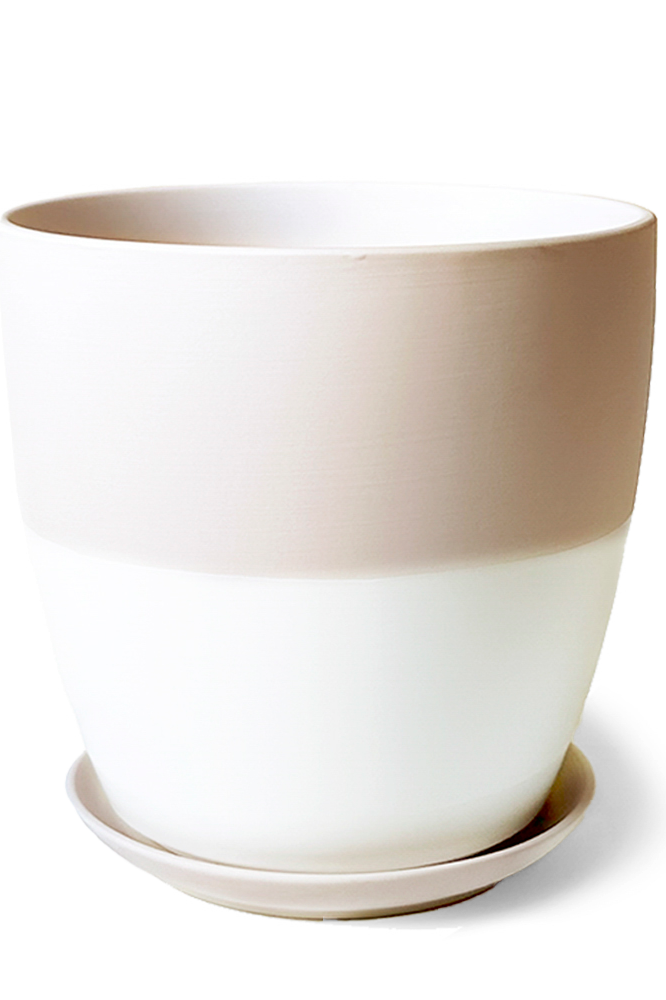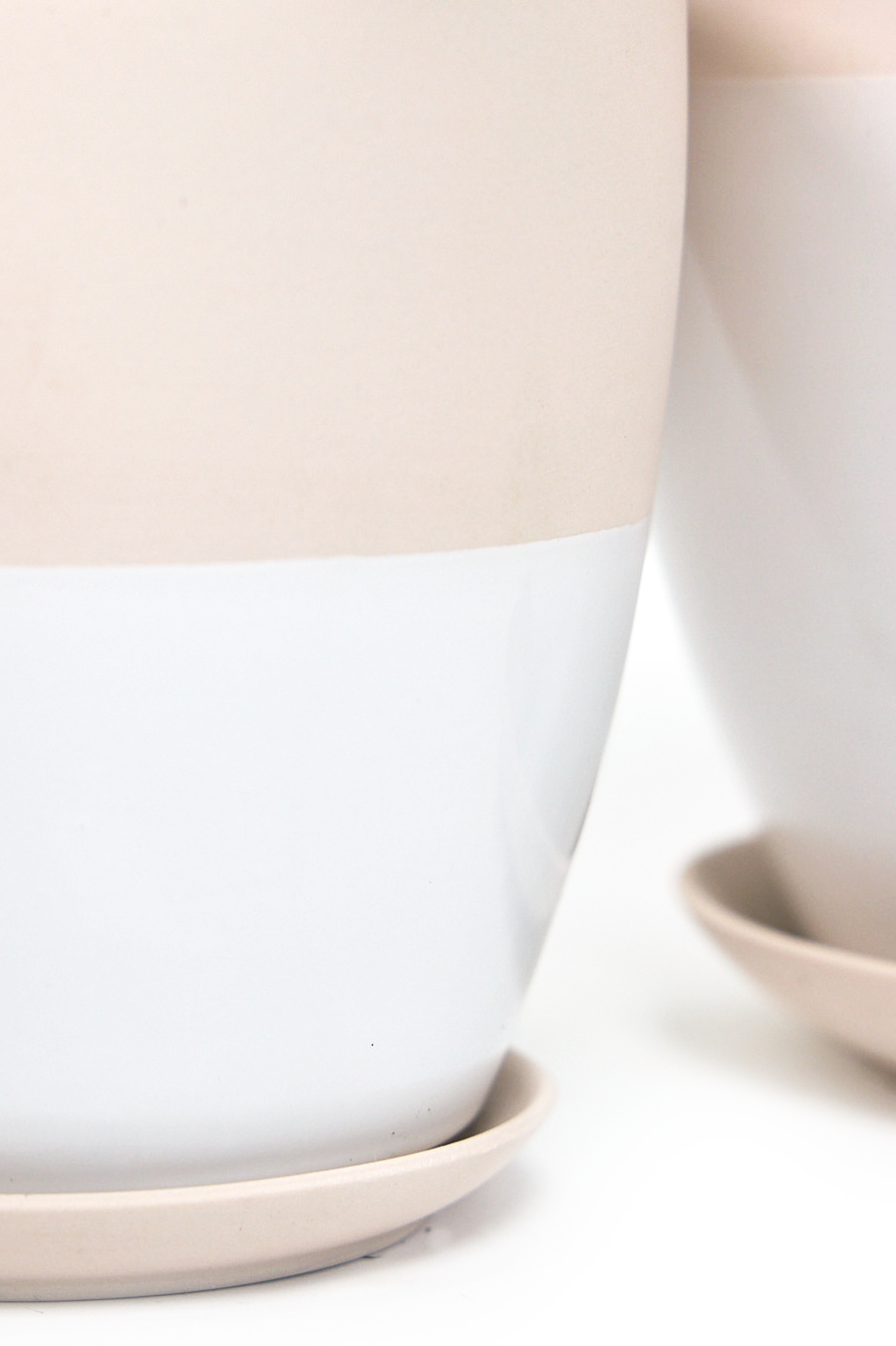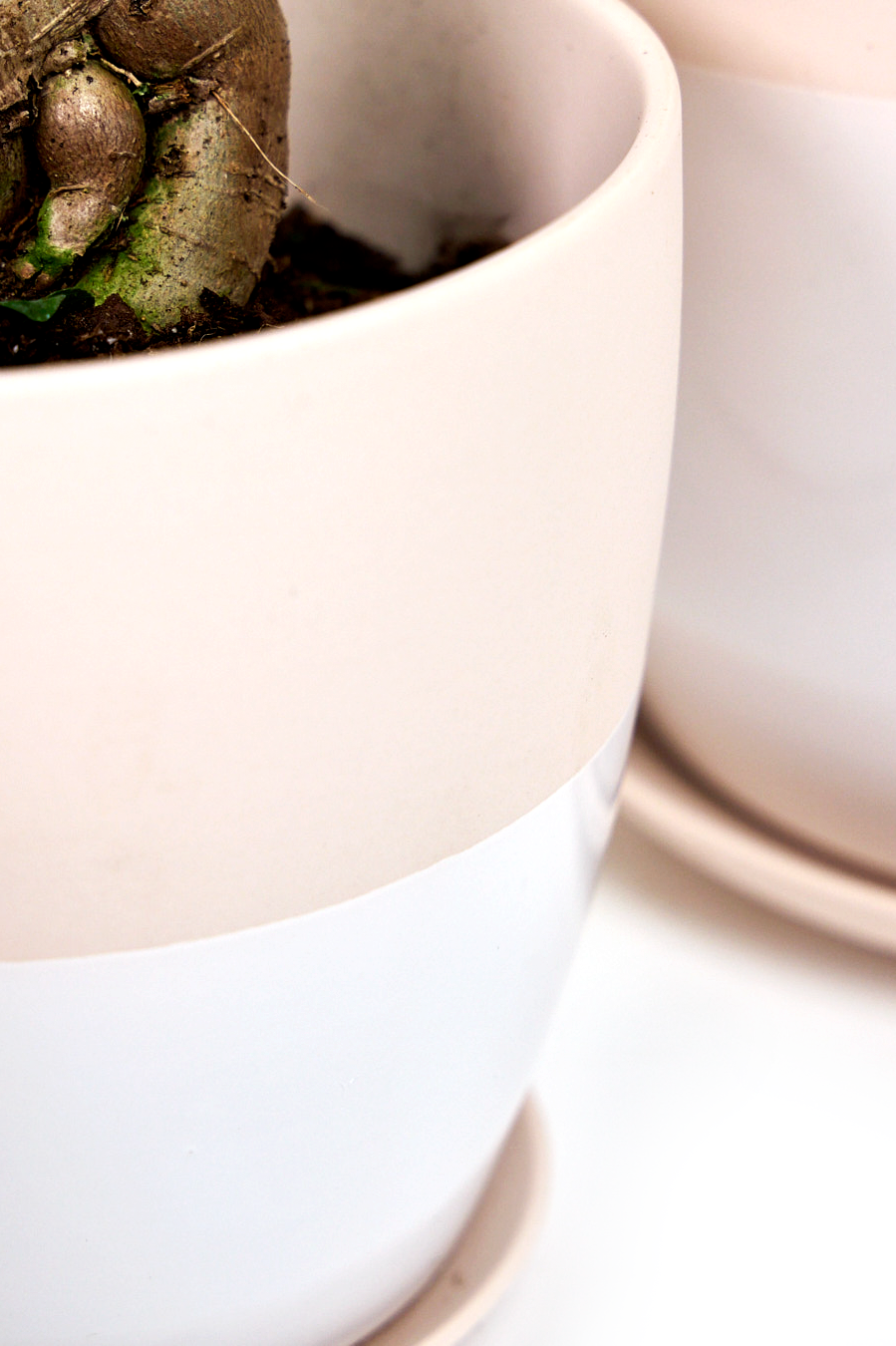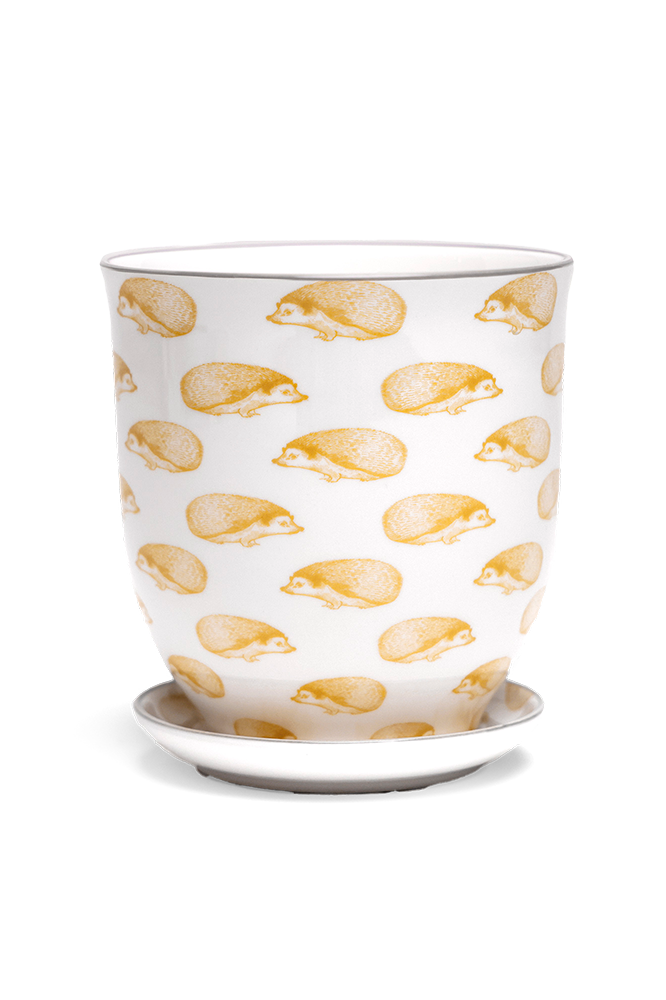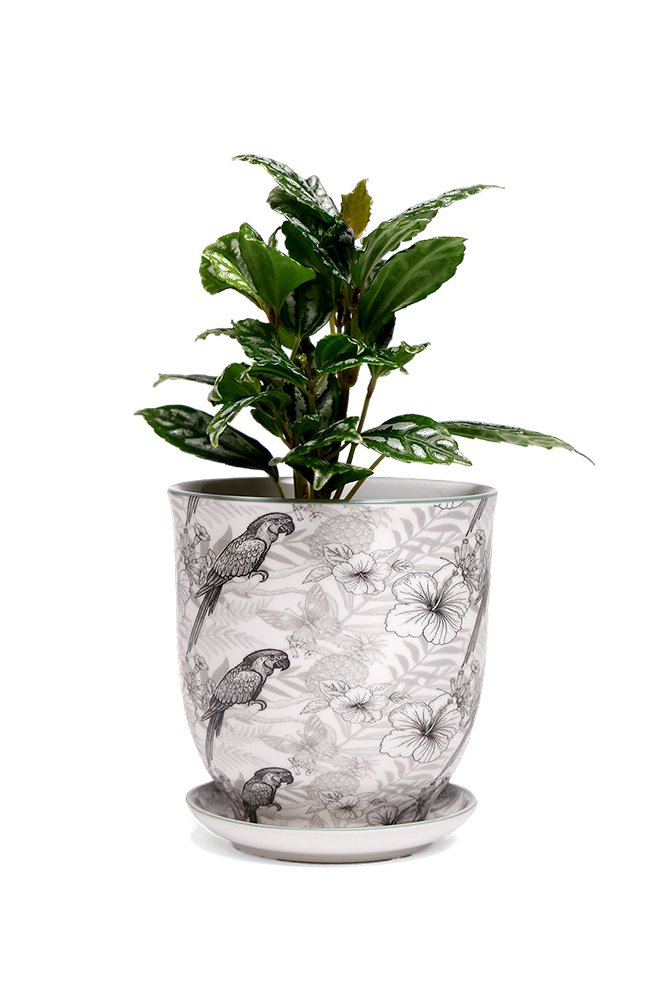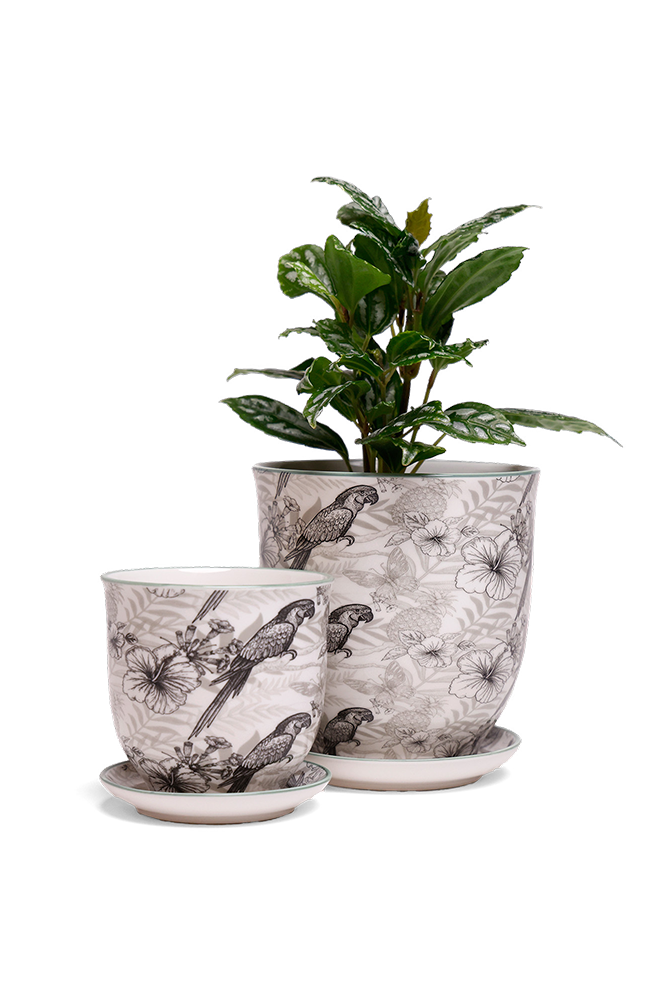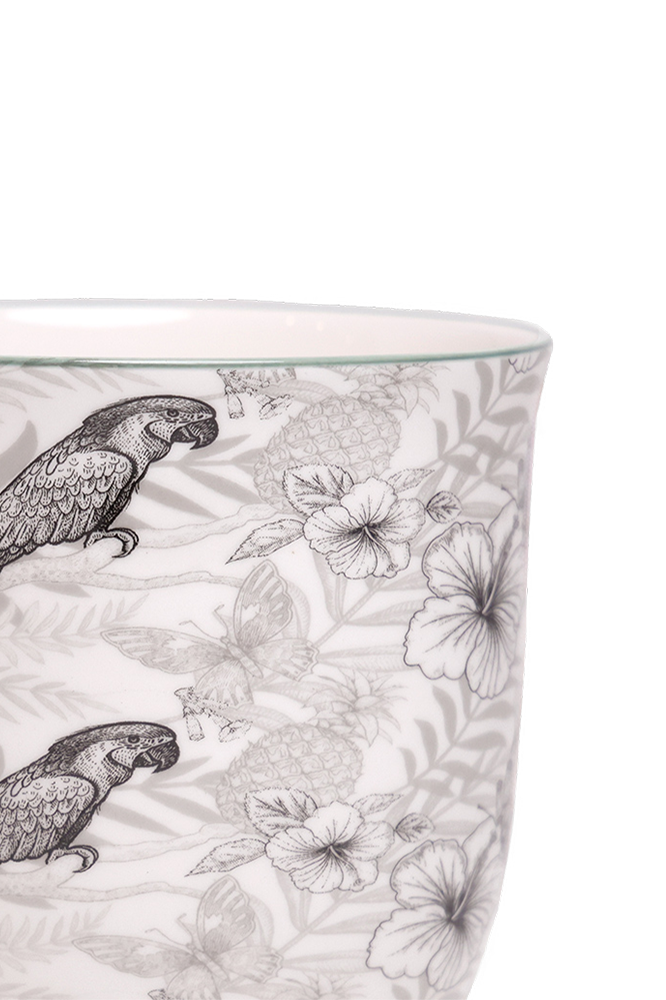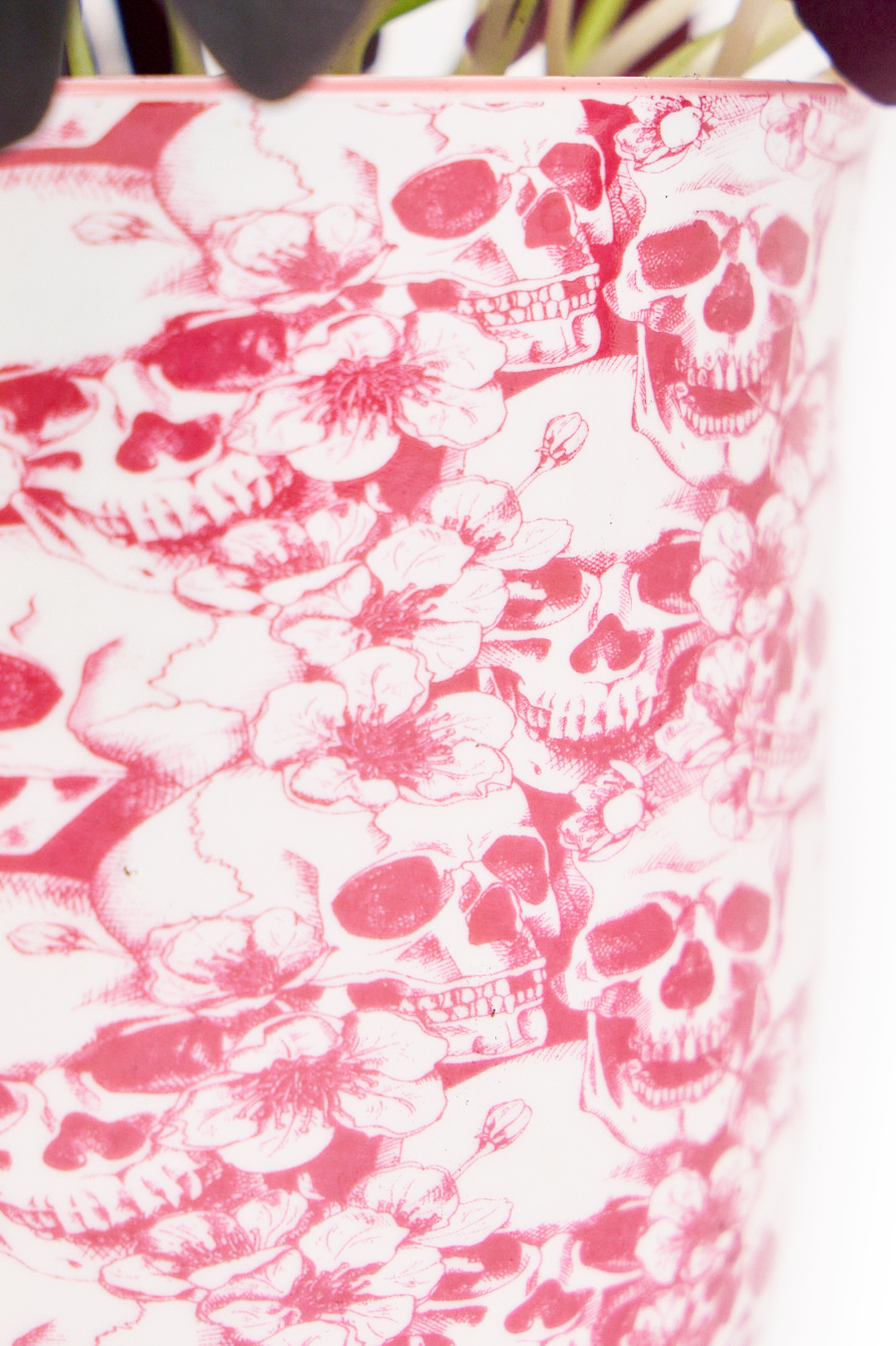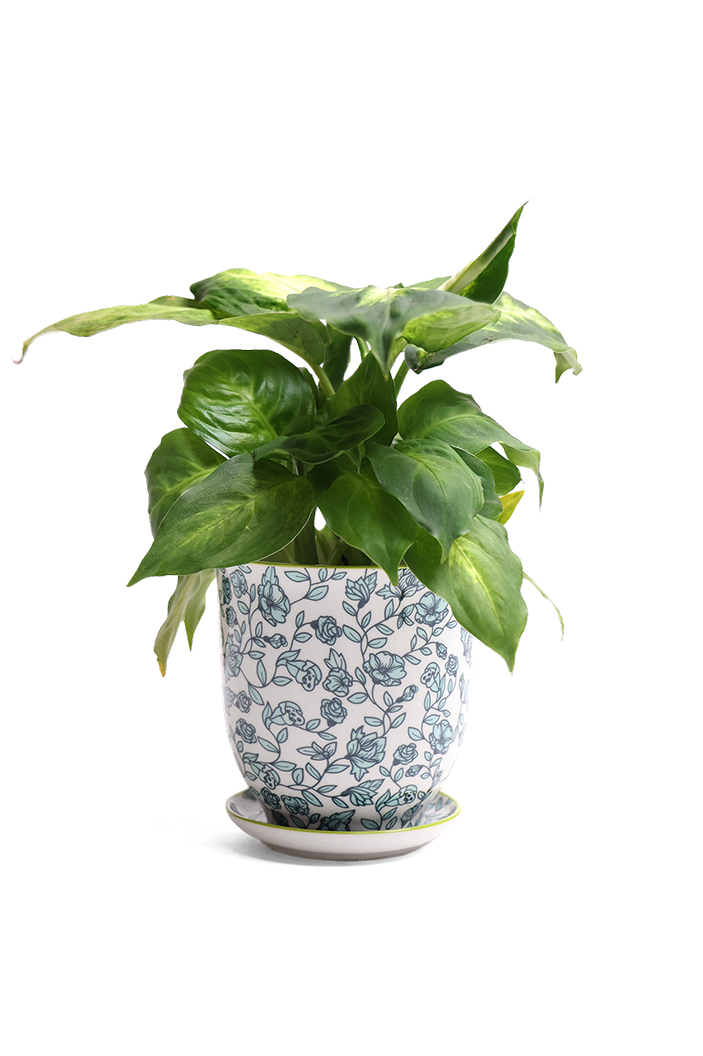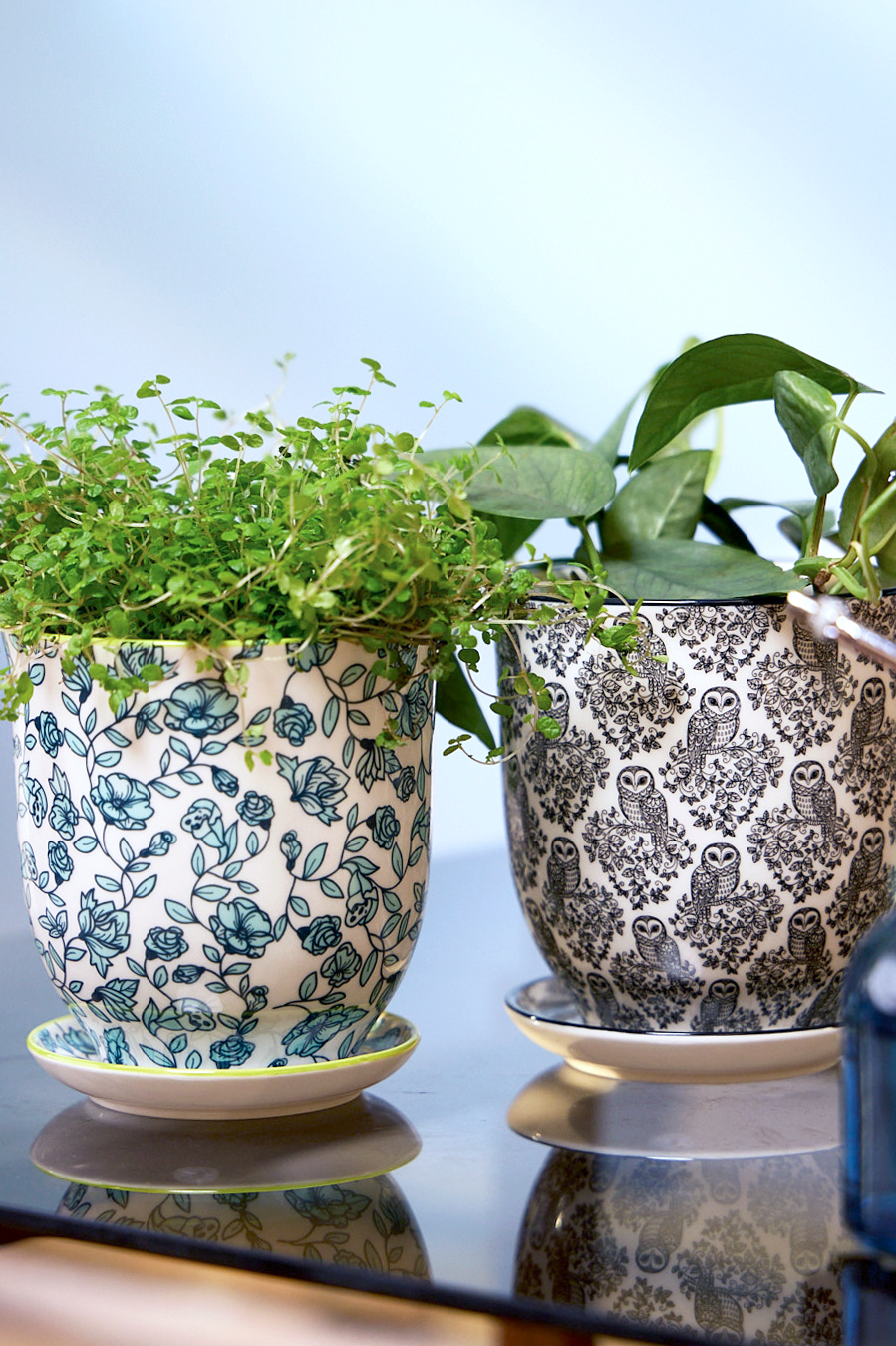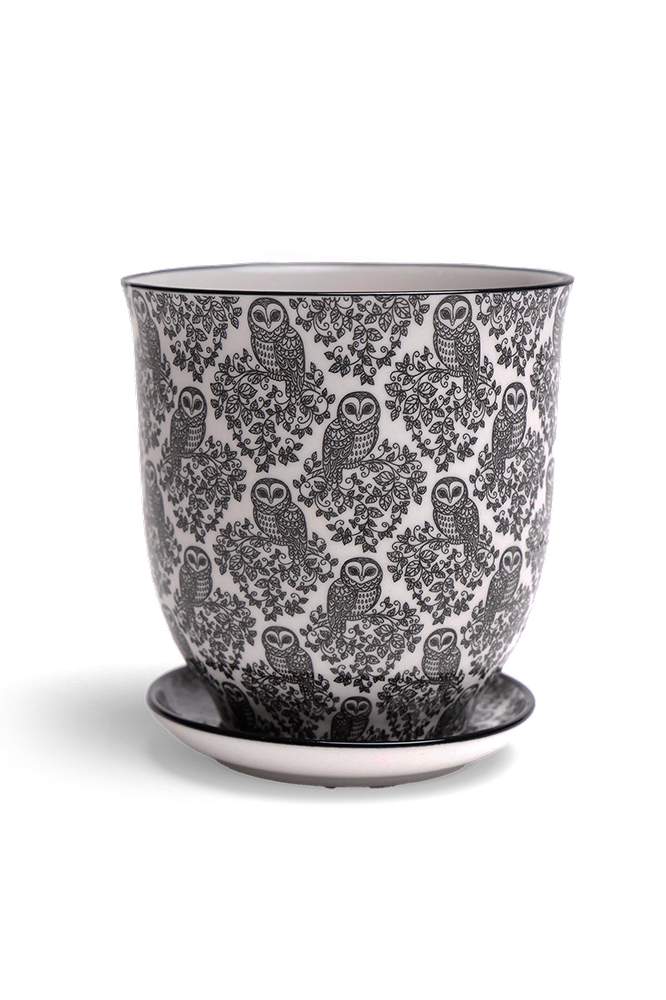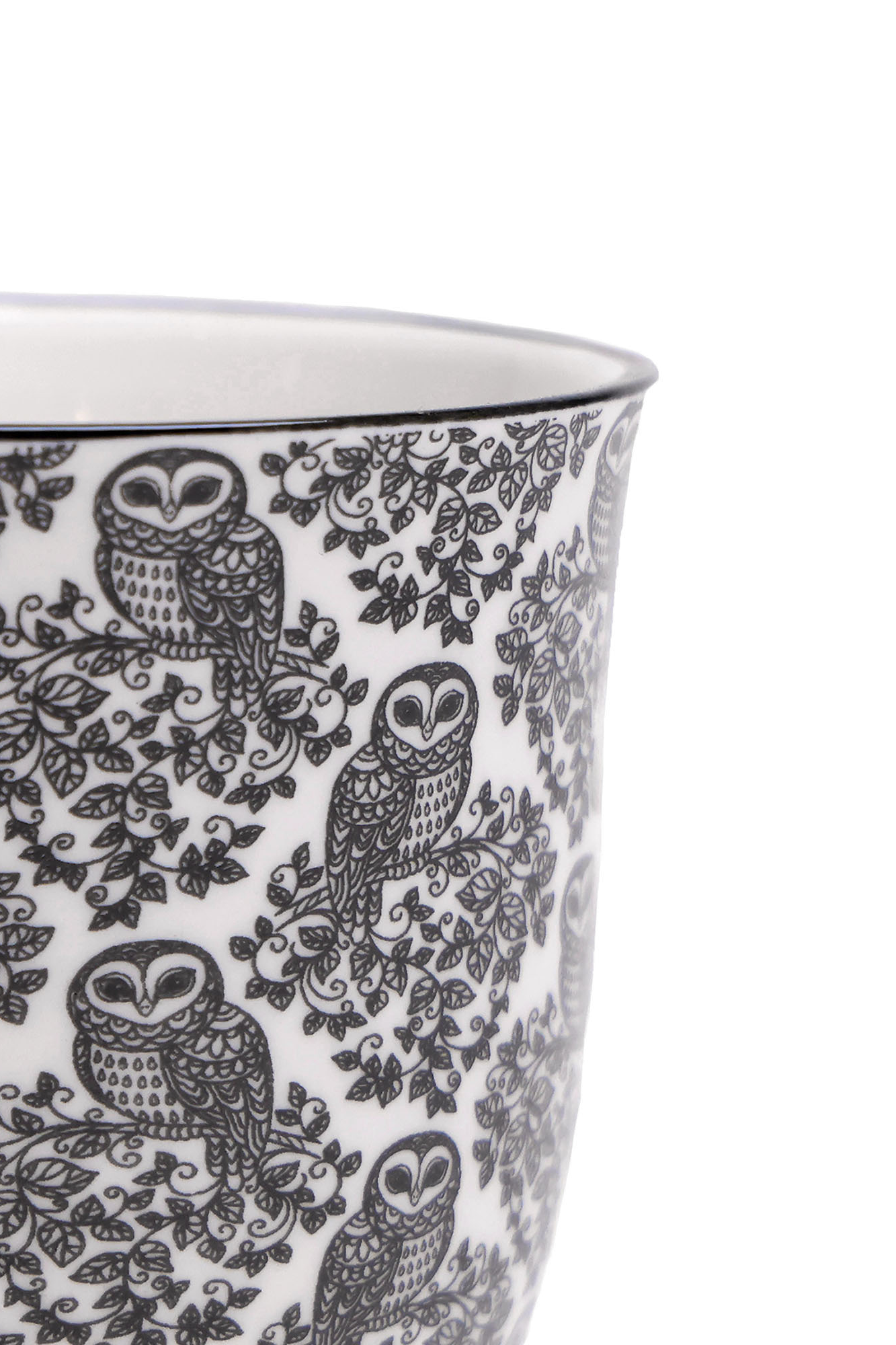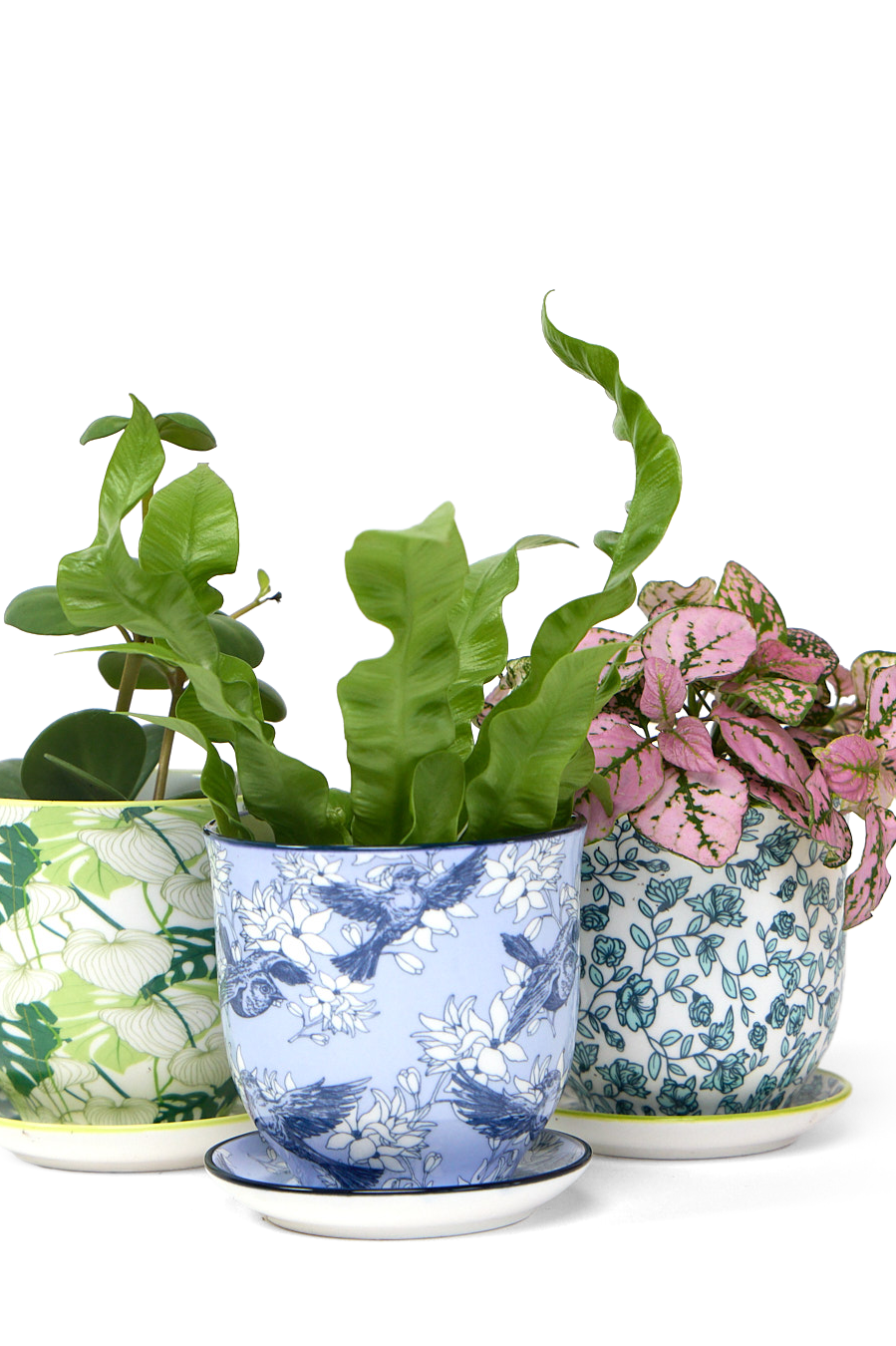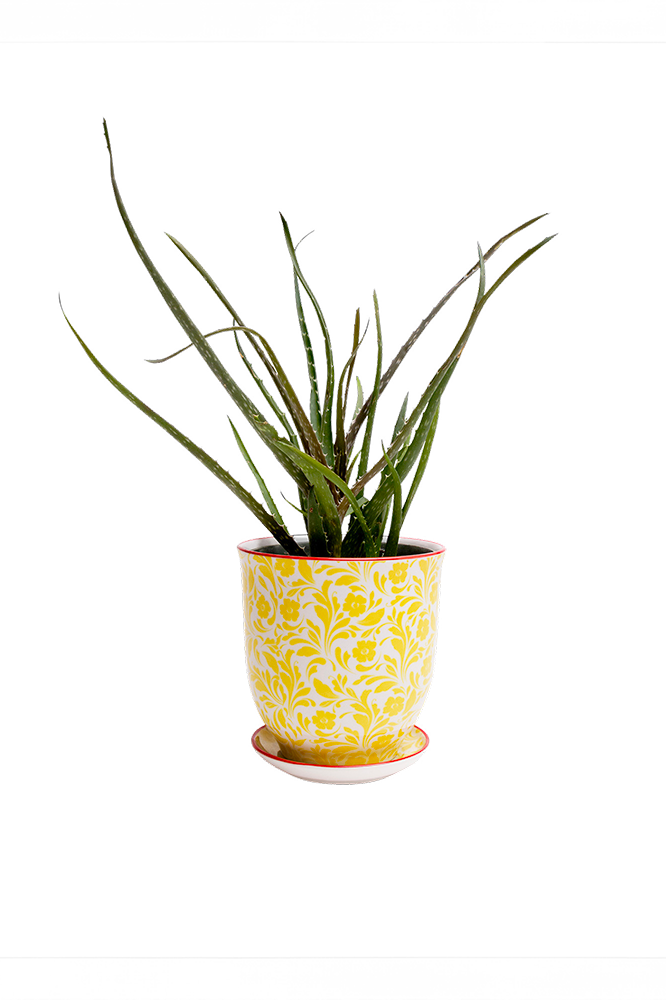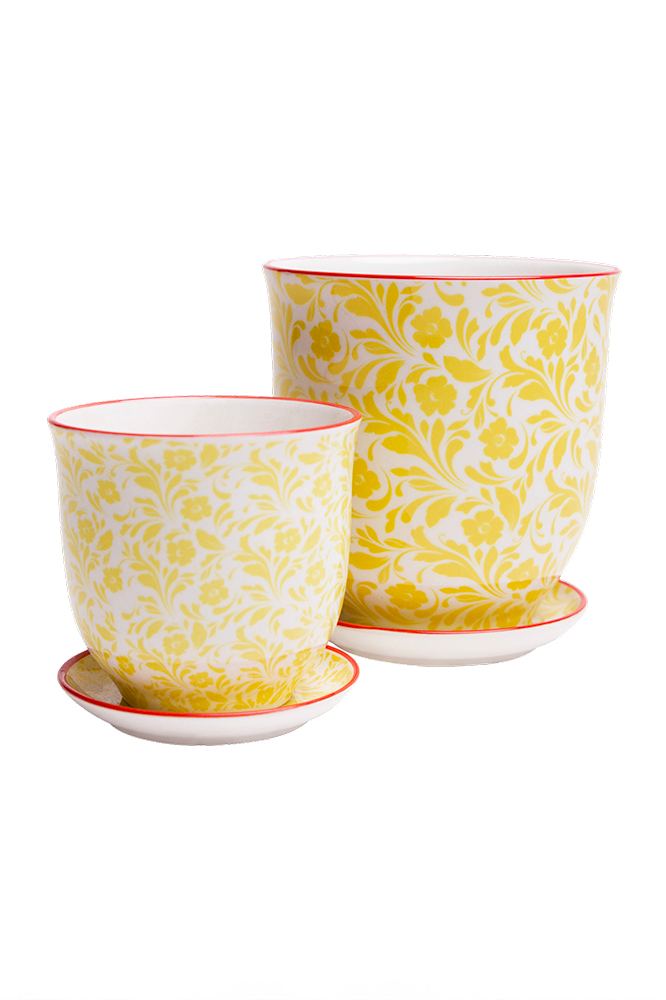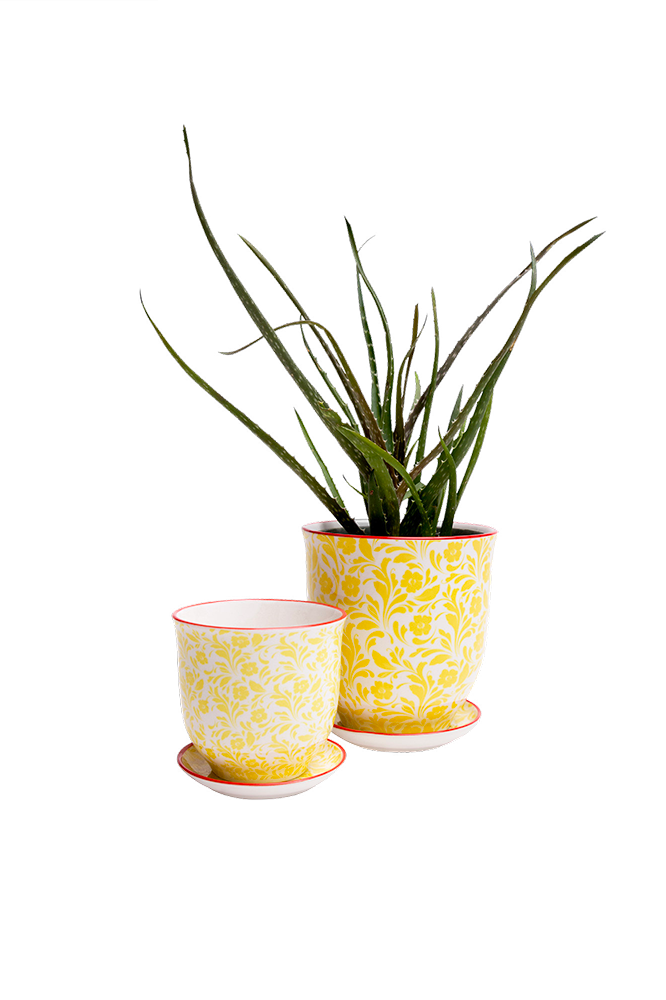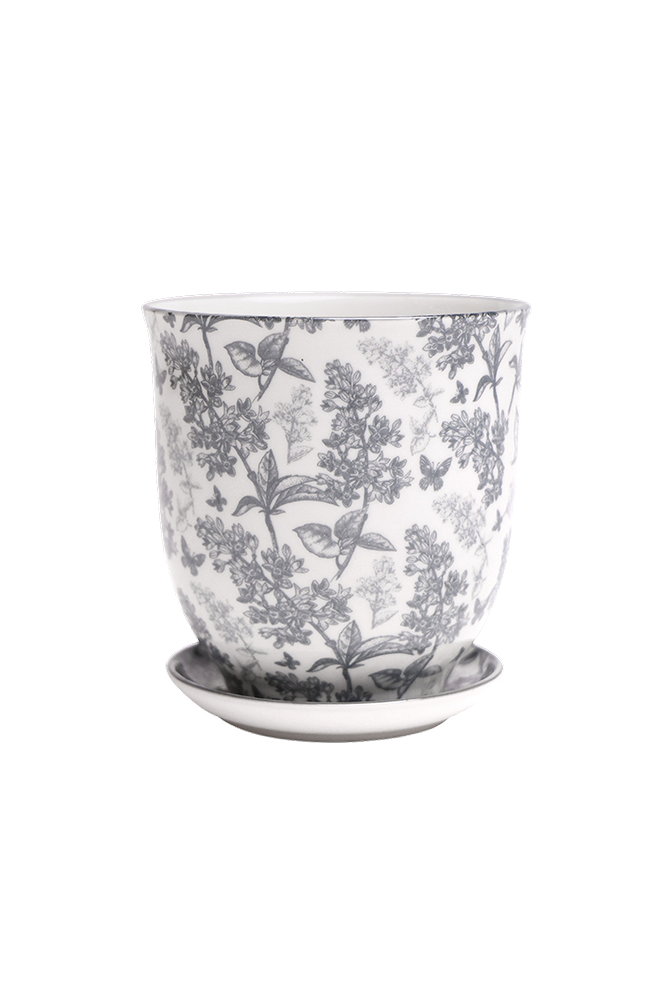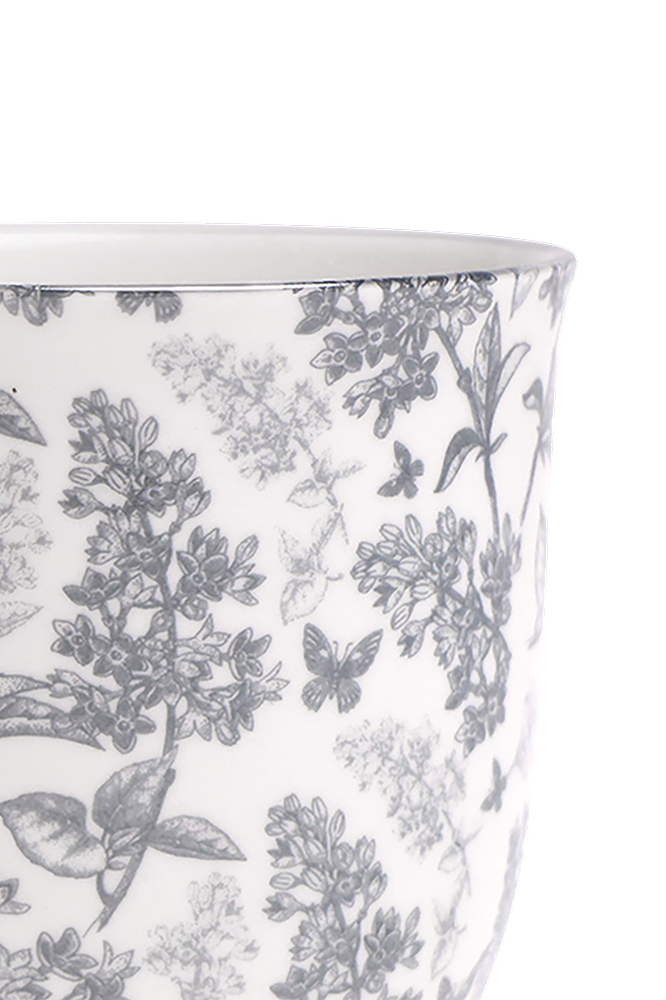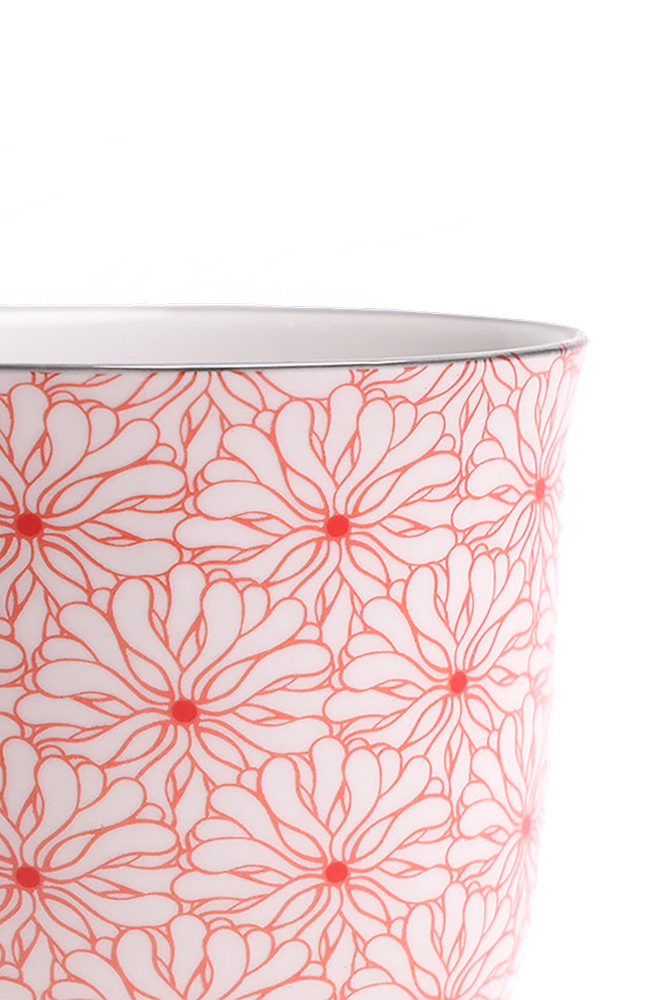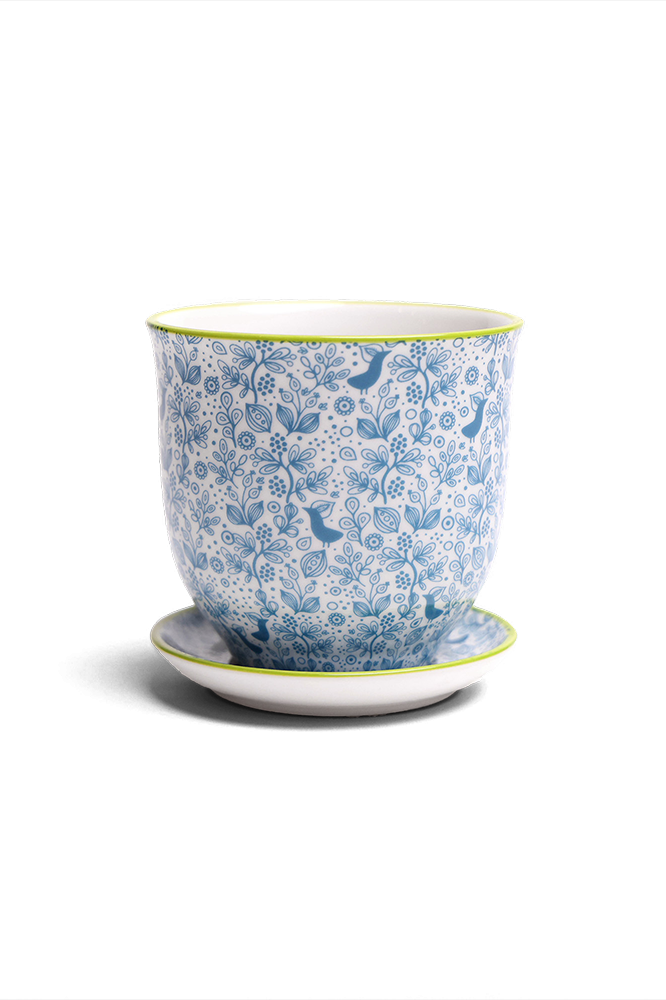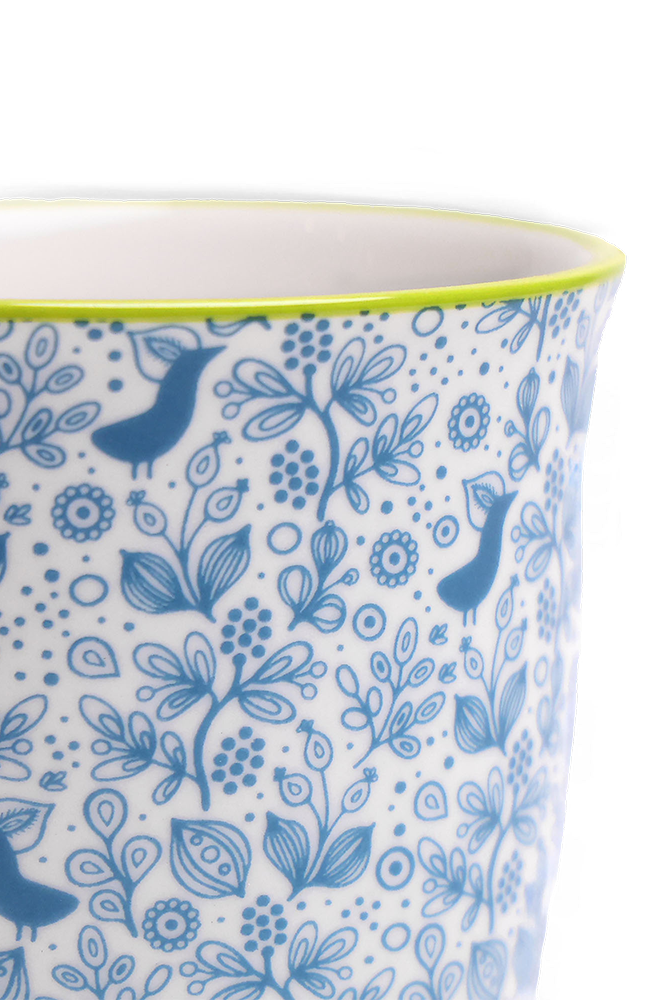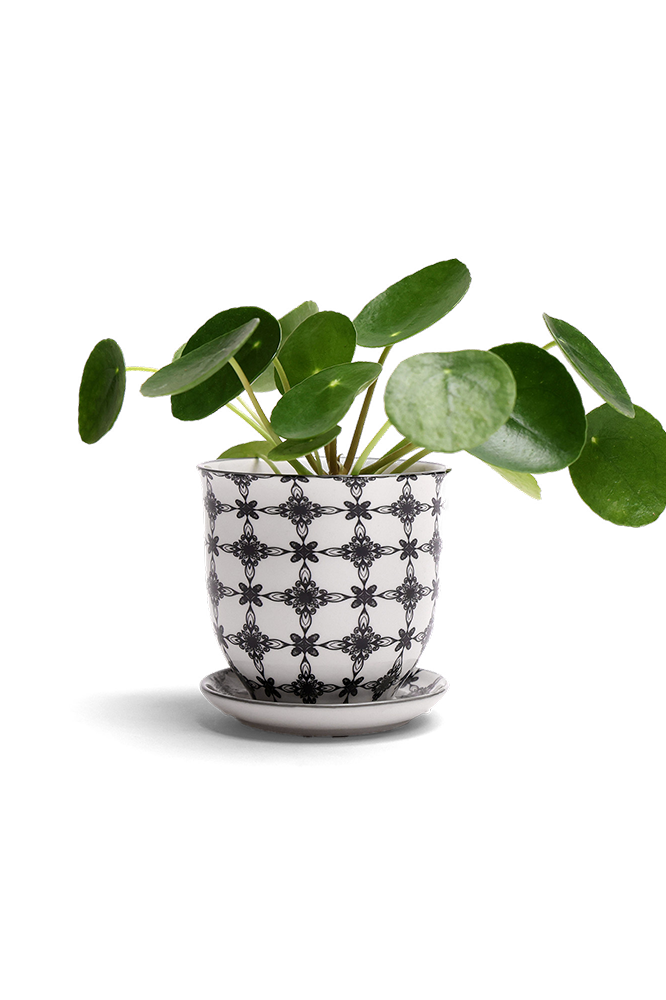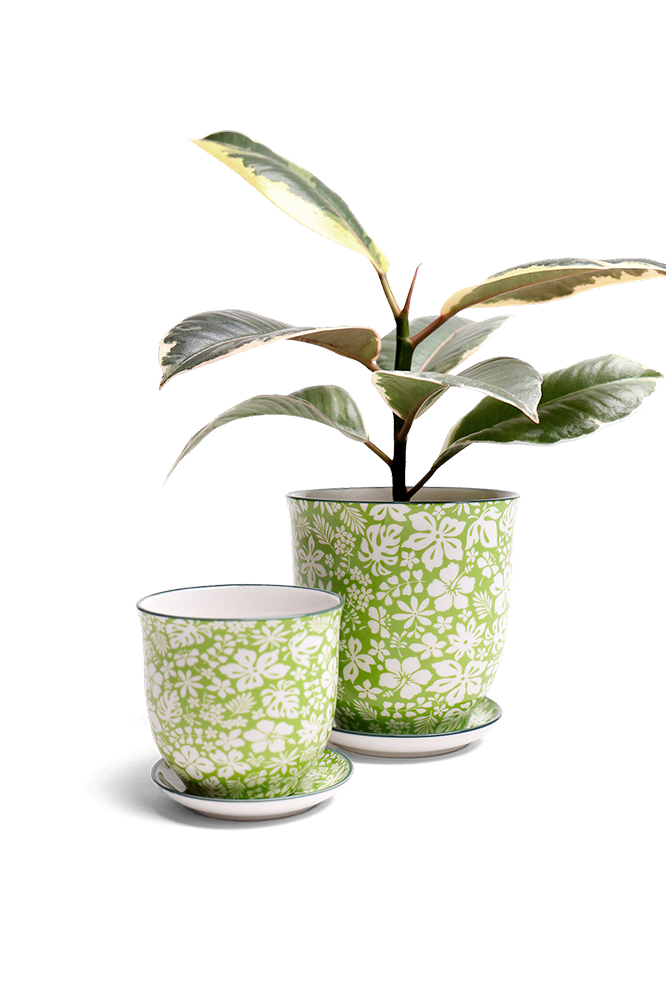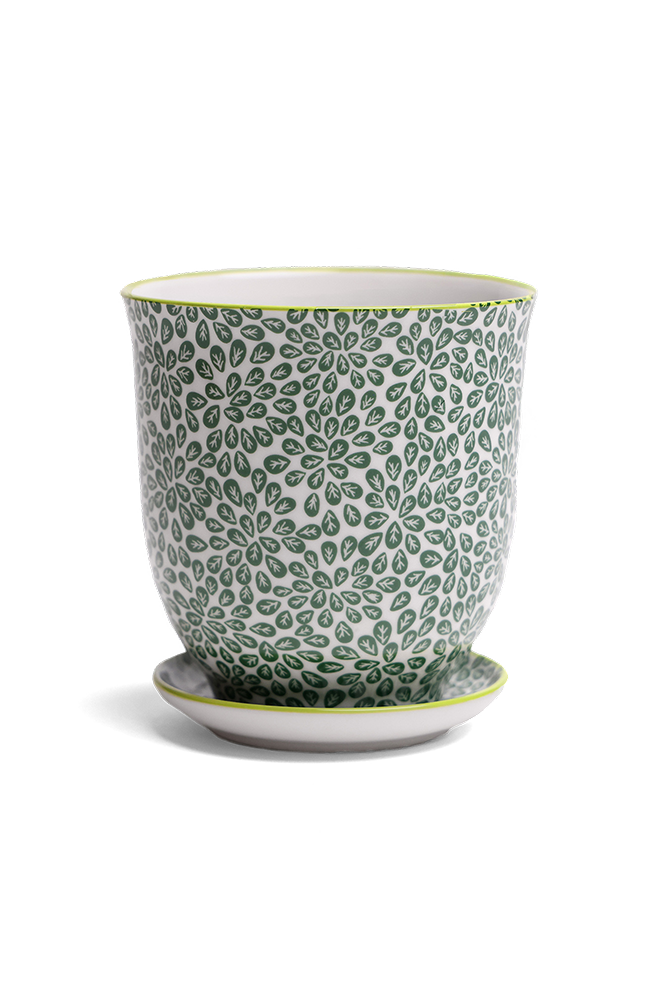






There comes a moment in every adult's life when they realize their living space has been colonized by foliage. Not gradually, mind you, but with the swift efficiency of a hostile takeover. One day there's a modest fern by the window, and the next, the apartment resembles a greenhouse designed by someone with questionable spatial awareness and an obvious shopping addiction.

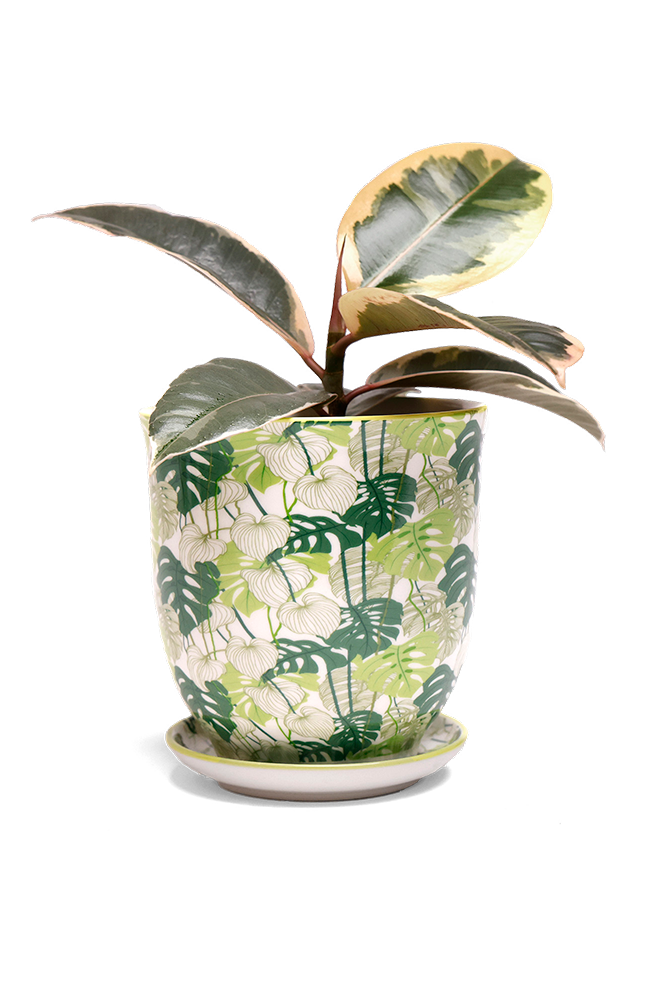
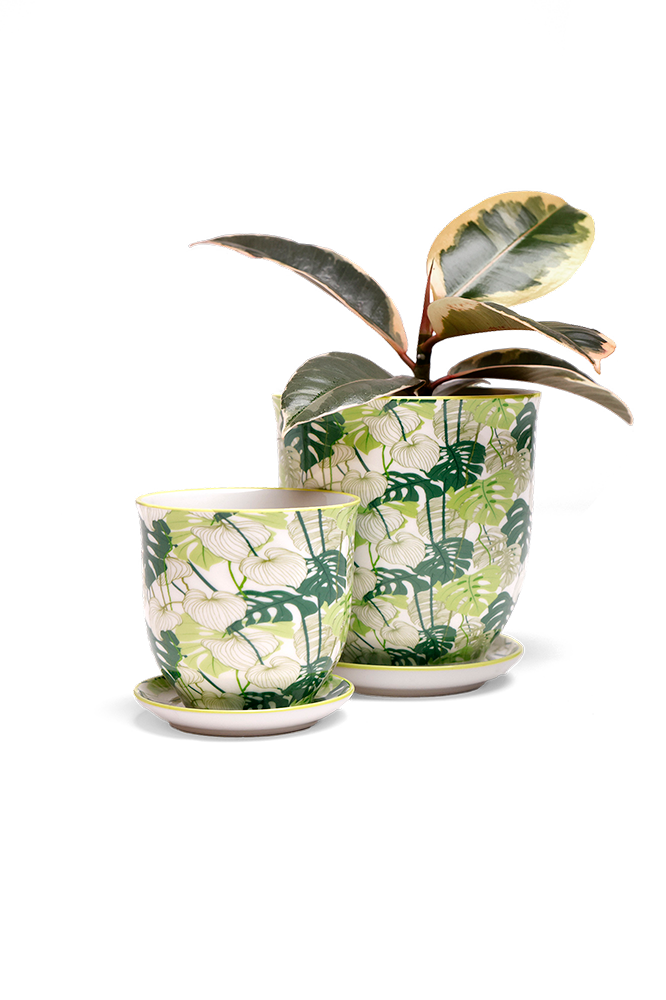
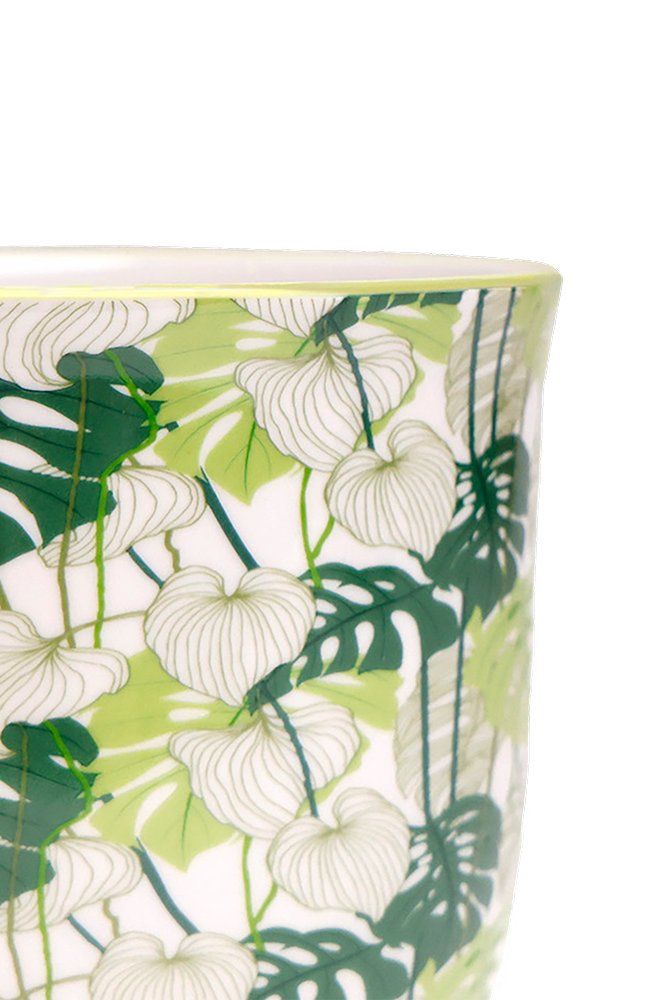
Monstera Plant Pot
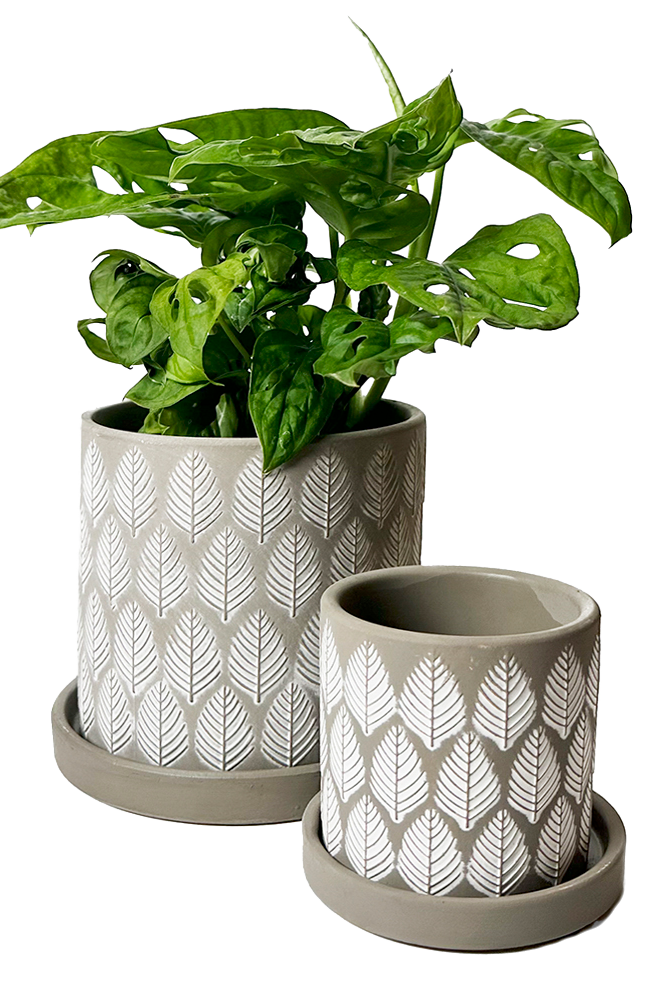
The monstera, that Swiss-cheese-leafed diva of the plant kingdom, demands accommodations befitting its Hollywood status. These aren't merely plants; they're living sculptures with the temperament of method actors. The pot selection process alone could drive a reasonable person to therapy. Too small, and the monstera throws what can only be described as a botanical tantrum, with leaves yellowing in protest. Too large, and root rot sets in faster than gossip at a small-town bridge club.
The secret lies in understanding that monsteras are essentially teenagers with trust funds—they want everything but refuse to ask for it directly. They require drainage holes the size of quarters and soil that's simultaneously moisture-retaining yet well-draining, a contradiction that would make a philosopher weep. When repotting season arrives, typically every two years, the process resembles an archaeological dig conducted by someone wearing gardening gloves the size of oven mitts.

Terracotta Plant Pot
Ah, terracotta—the sensible shoe of the plant pot world. These earthy vessels possess a porous quality that allows plants to breathe, much like those expensive athletic fabrics that promise to wick moisture while maintaining dignity during spin class. The beauty of terracotta lies not in its Instagram-worthy aesthetics (though it photographs well in that rustic-chic way that makes everything look like it belongs in a French countryside kitchen), but in its honest functionality.
Unlike their plastic counterparts, terracotta pots age gracefully, developing a patina that speaks of wisdom and countless watering cycles. They're the sort of containers that wouldn't look out of place in a monastery garden or holding herbs in someone's grandmother's kitchen. The weight alone suggests permanence, the kind of heft that says, "This plant isn't going anywhere, and neither is its pot."

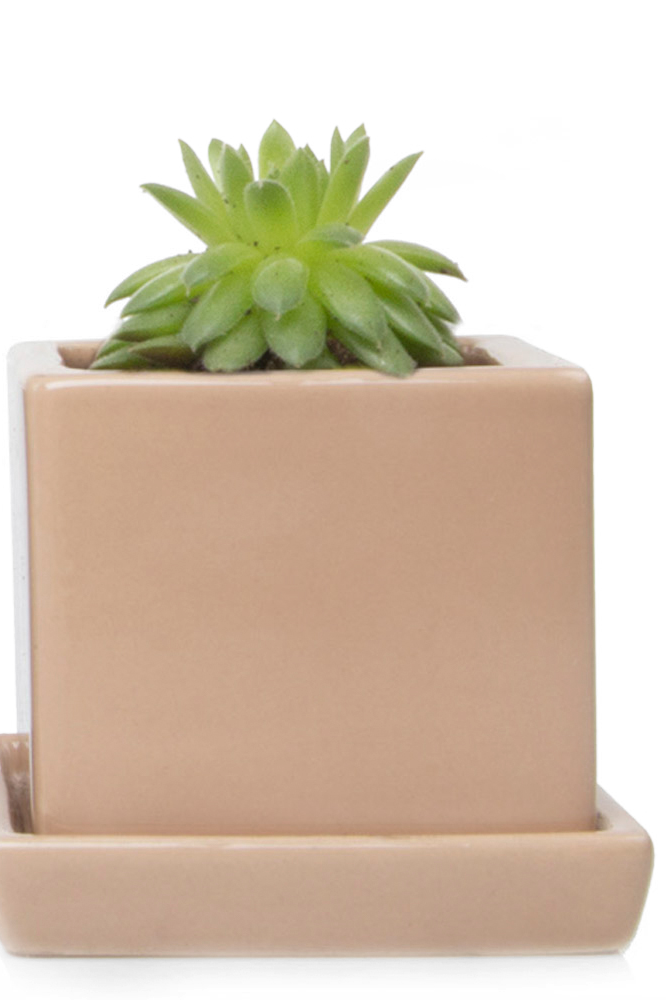
Succulent Plant Pots
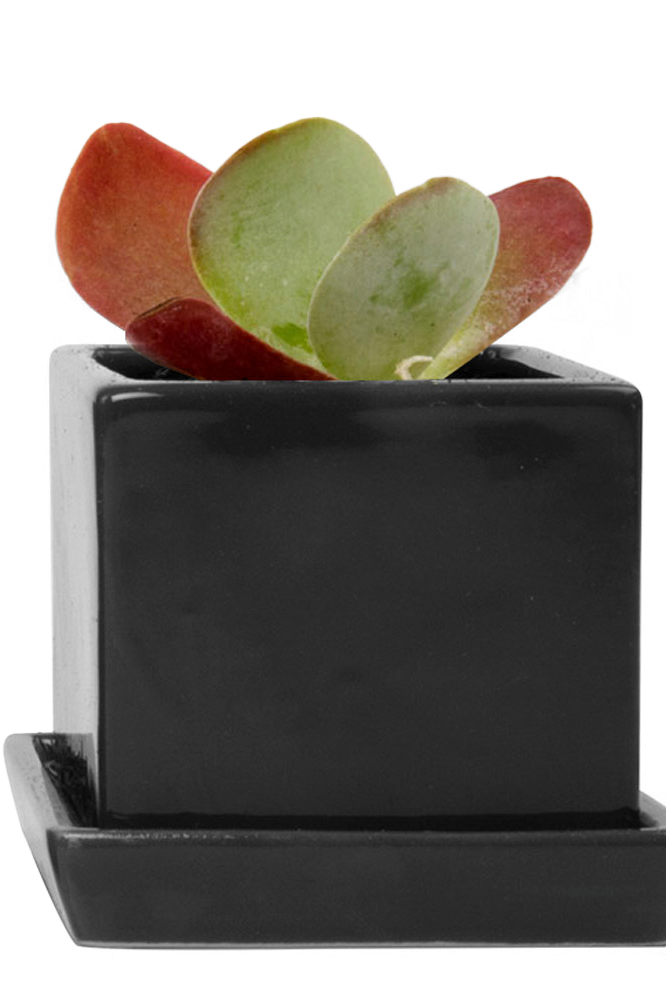
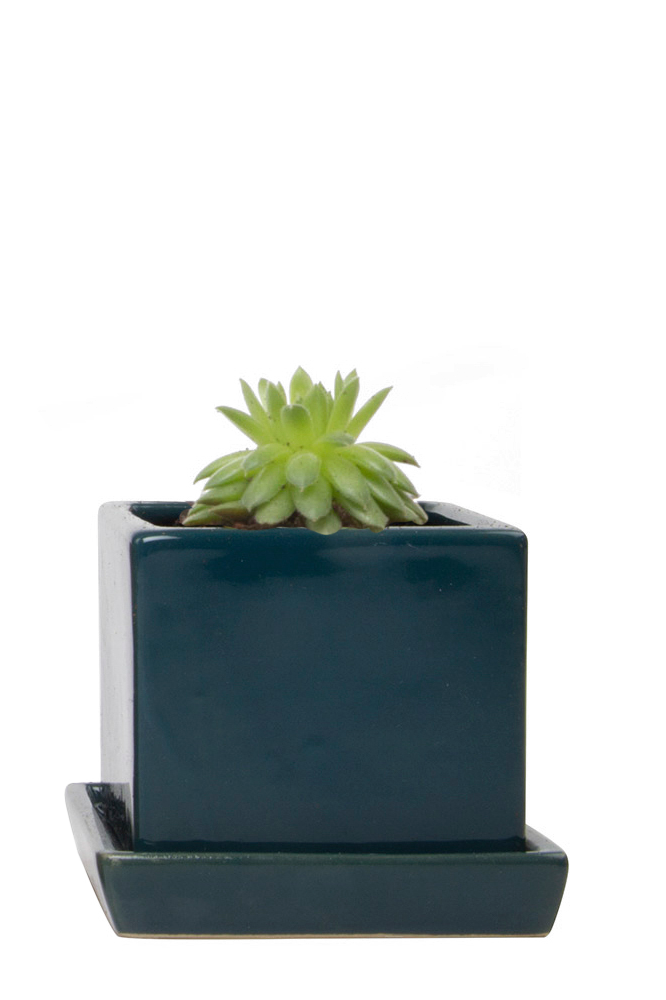
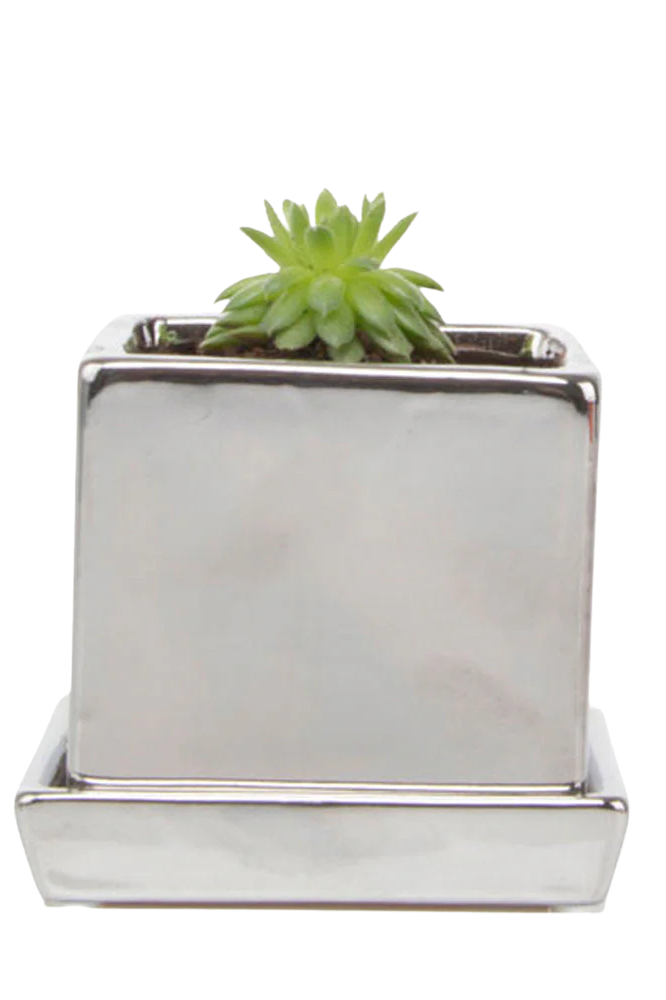
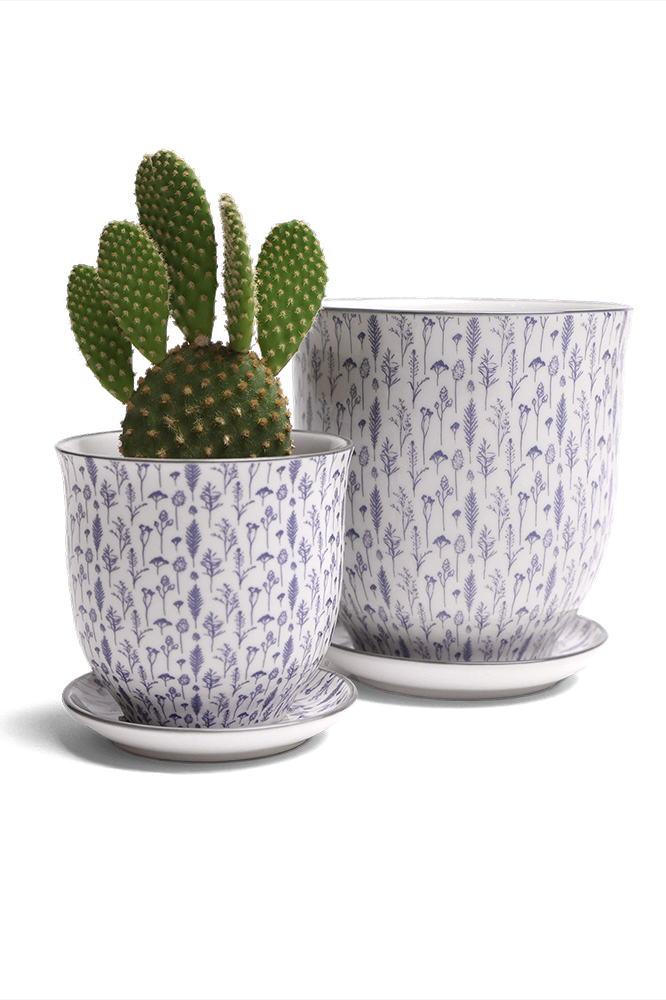
Succulents occupy a special category in the plant kingdom—they're the introverts who thrive on neglect and judge those who try too hard. Their pot requirements reflect this low-maintenance philosophy. These plants prefer containers that drain faster than a bathtub with a missing plug, shallow dishes that barely qualify as pots in the traditional sense.
The irony, of course, is that plants requiring the least attention often receive the most elaborate housing. Succulent arrangements have become an art form, with tiny specimens nestled in containers that cost more per square inch than Manhattan real estate. These miniature landscapes suggest zen gardens designed by someone who's never experienced true meditation but has excellent taste in ceramics.

Snake Plant Pot
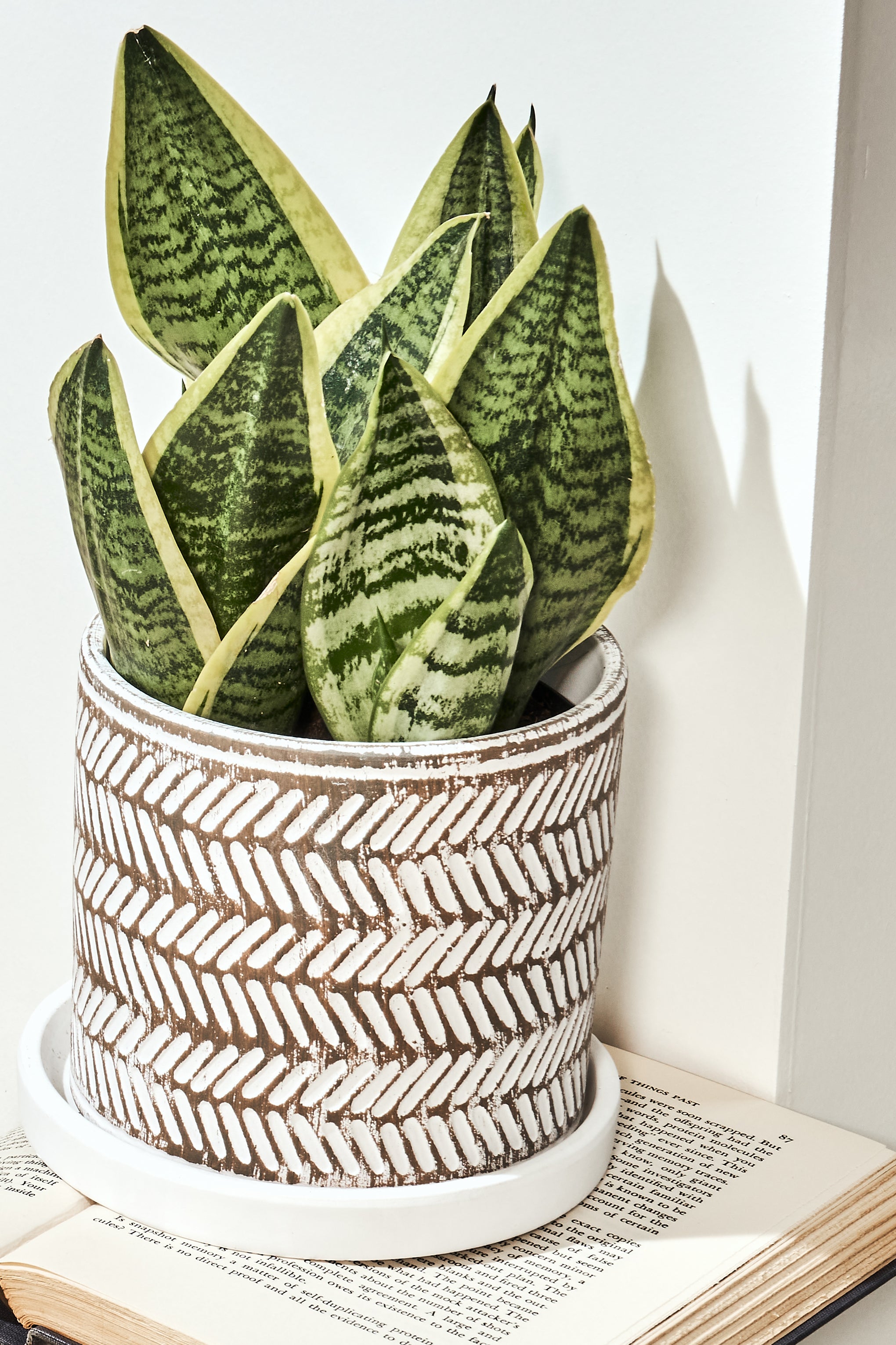
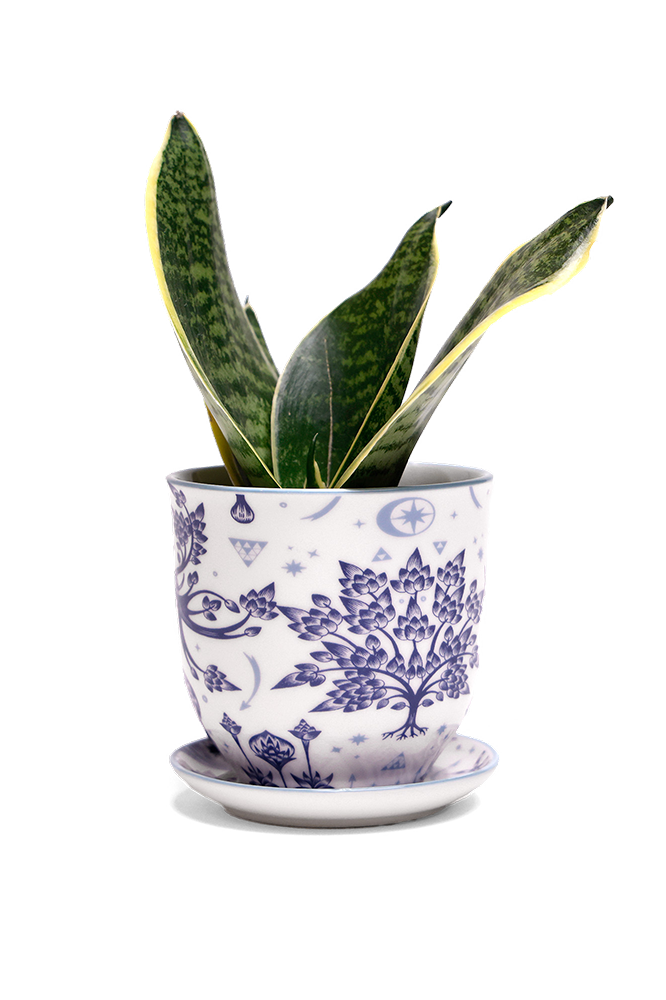
Snake plants, or as some prefer to call them, mother-in-law's tongue (a name that reveals more about family dynamics than anyone really needs to know), are the stoics of the plant world. They endure conditions that would send other flora into existential crisis, thriving in corners forgotten by sunlight and surviving watering schedules maintained by people who consider plant care an extreme sport.
Their pot requirements mirror their philosophical outlook: sturdy, dependable, and unimpressed by trends. A good snake plant pot possesses the same qualities one might seek in a reliable friend—solid construction, proper drainage, and the ability to support growth without drawing attention to itself. These aren't plants that require constant validation or Instagram documentation; they simply exist, growing slowly and steadily like compound interest or wisdom.

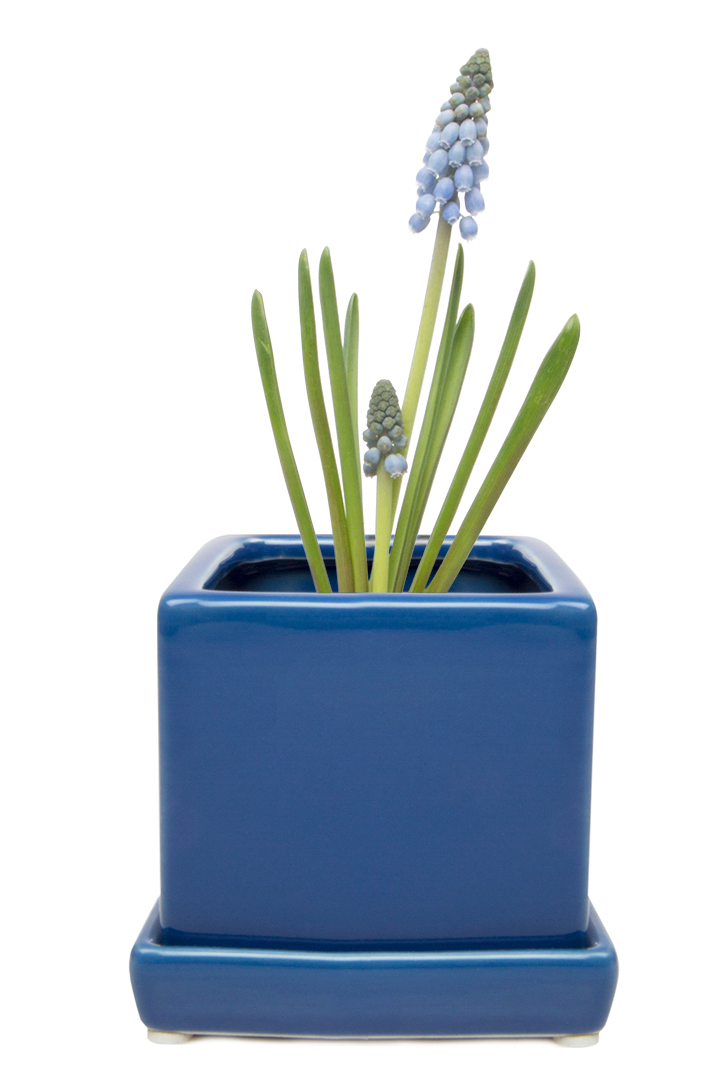
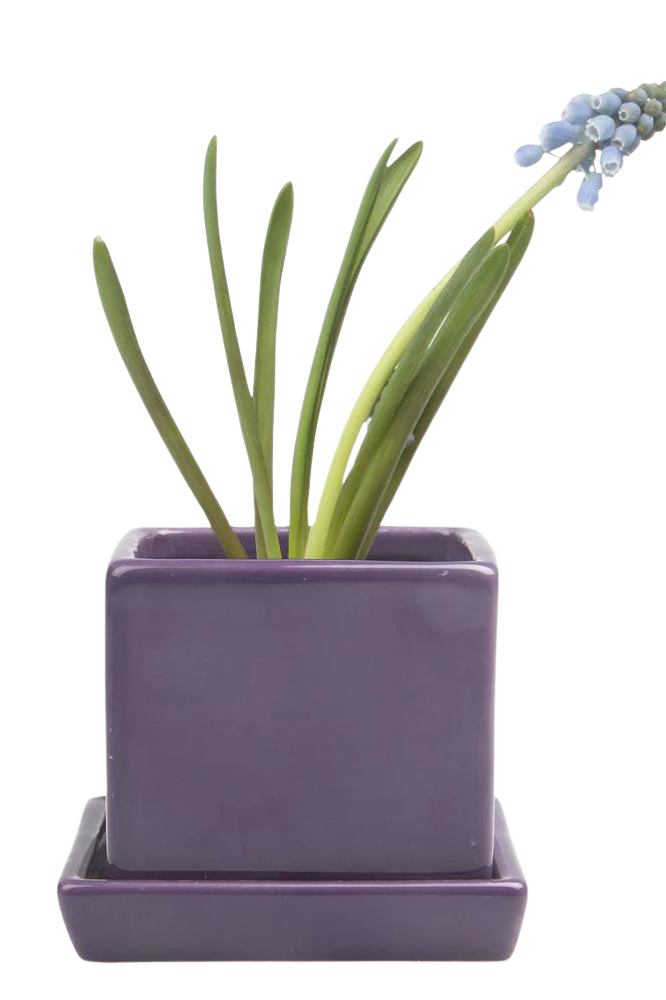
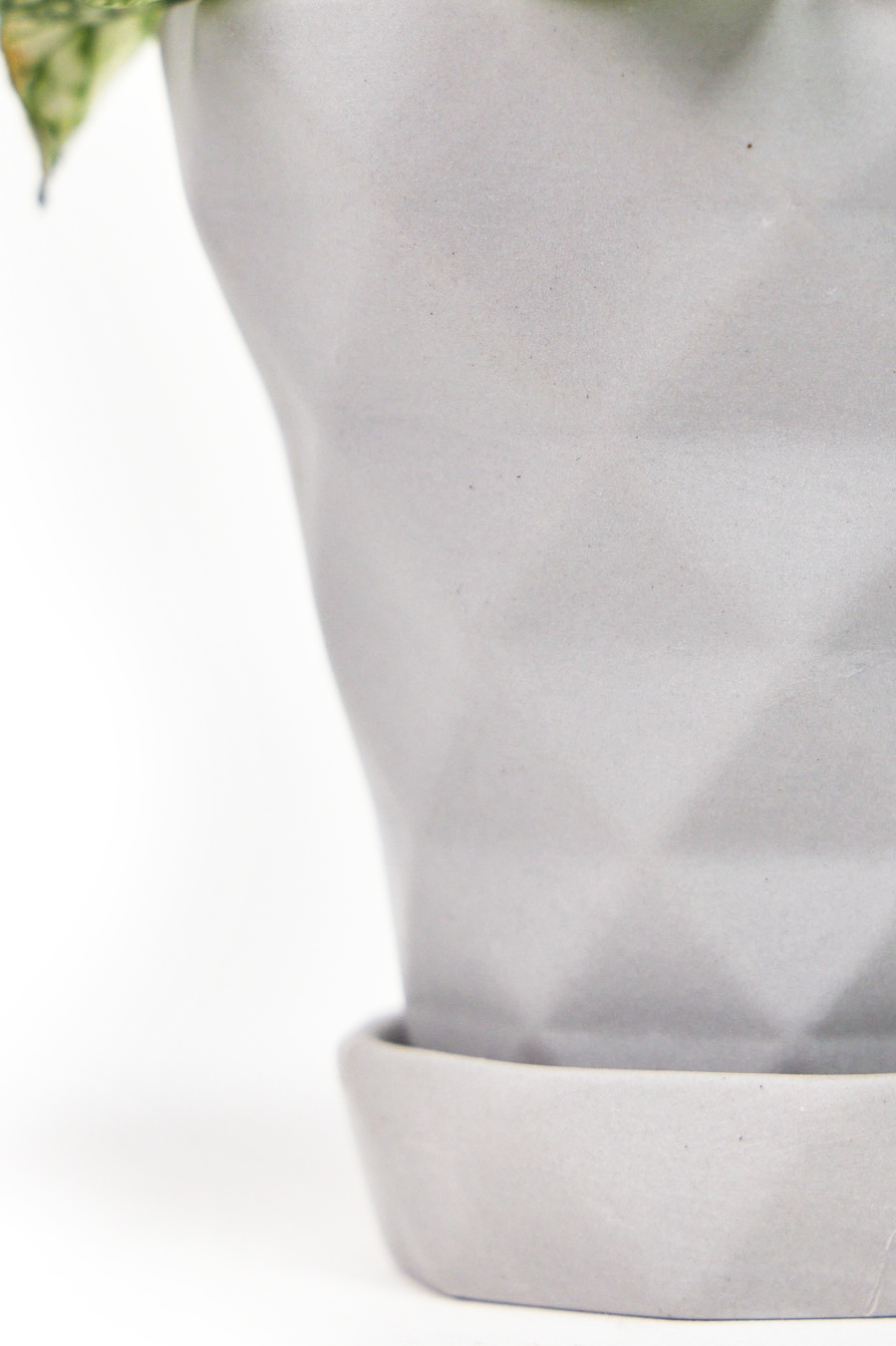
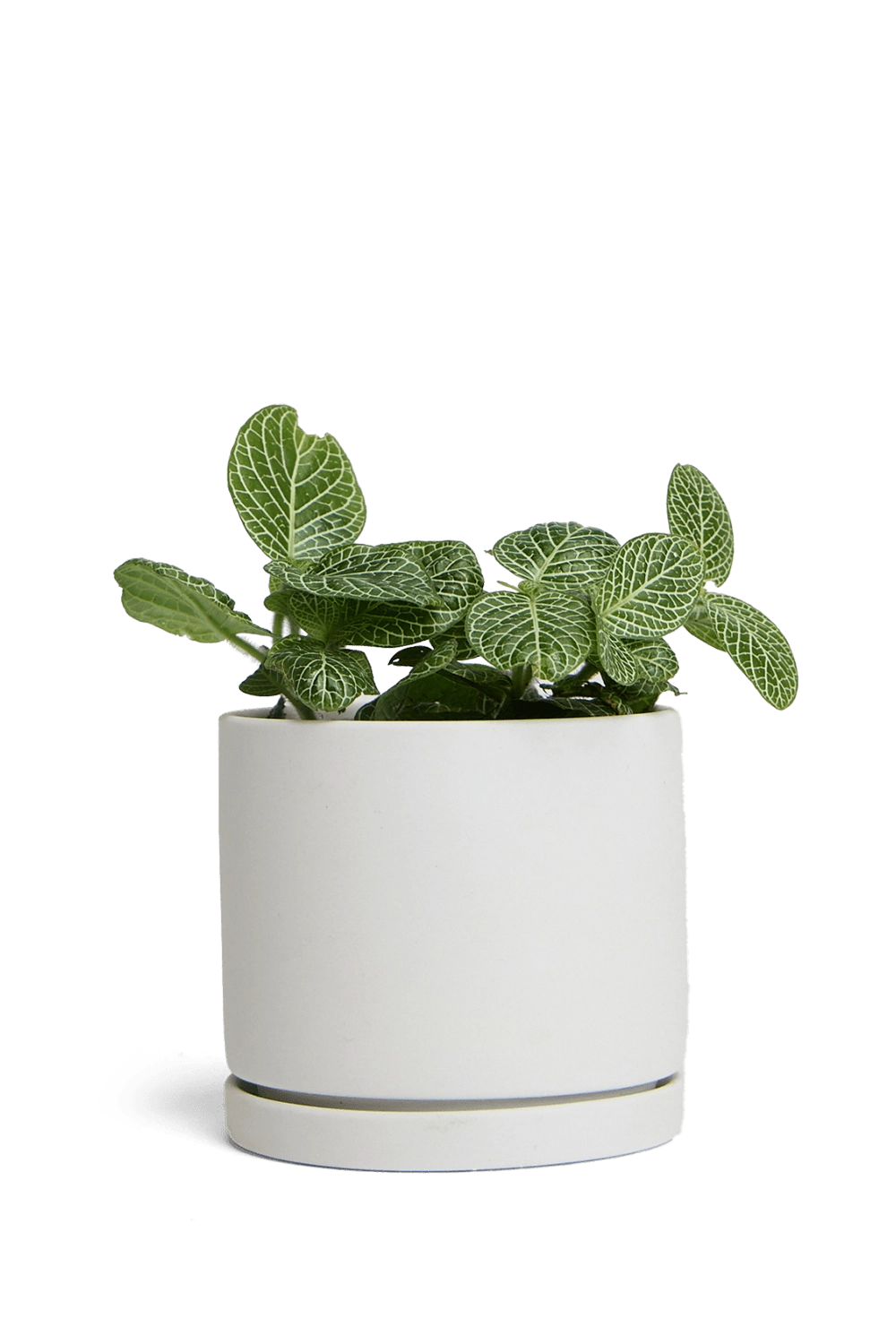
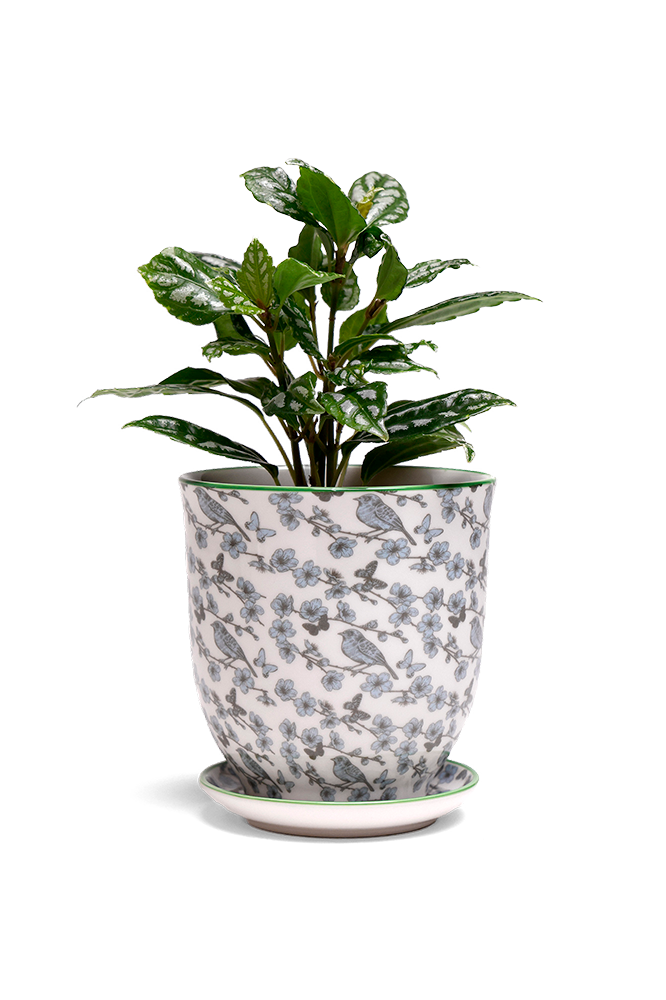
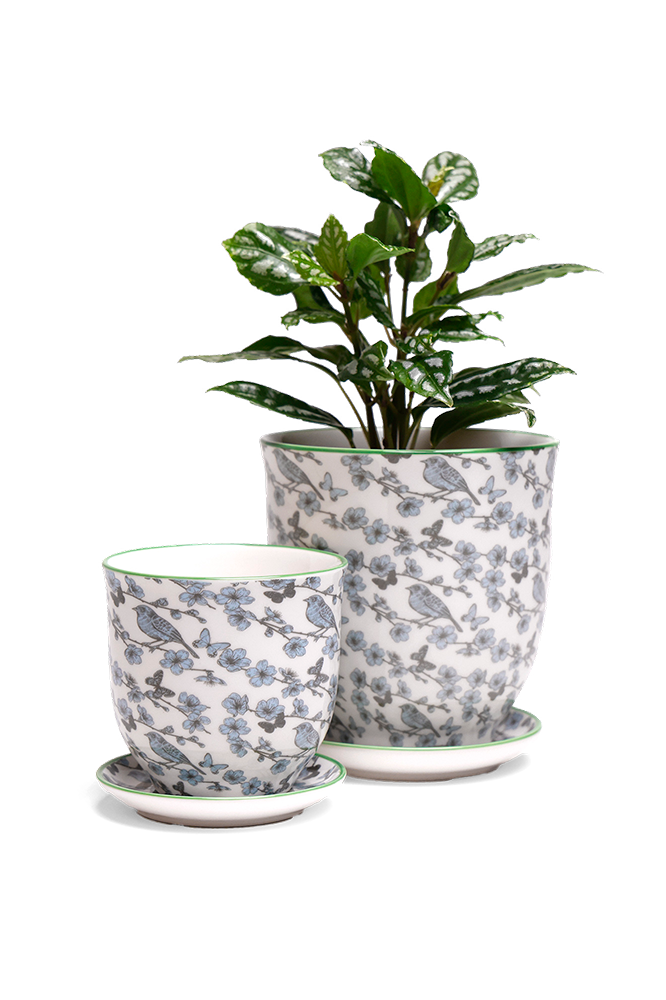
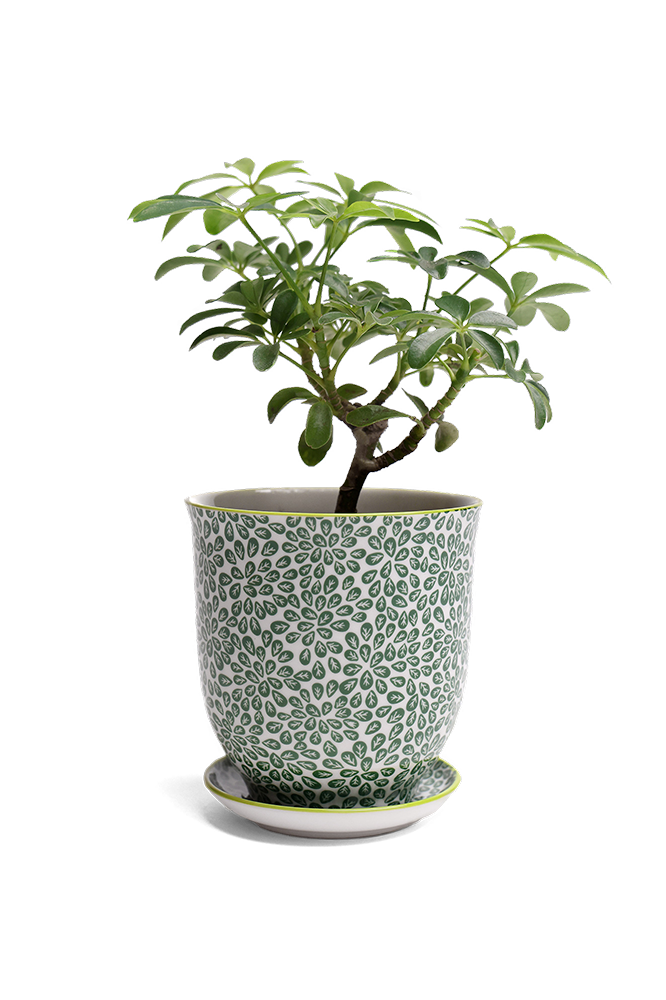
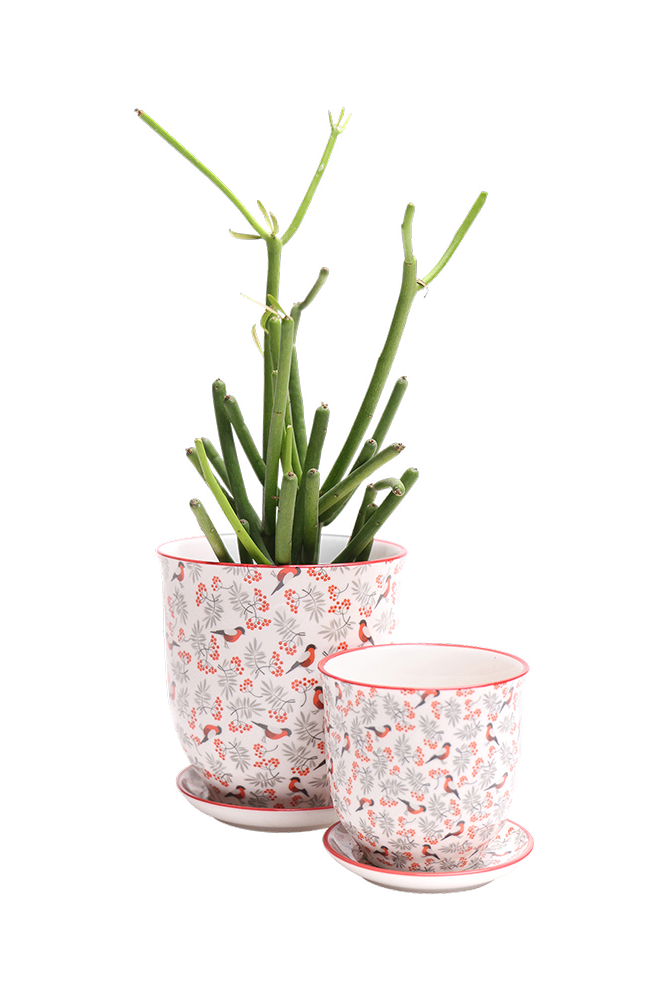
Plant Pot Saucer
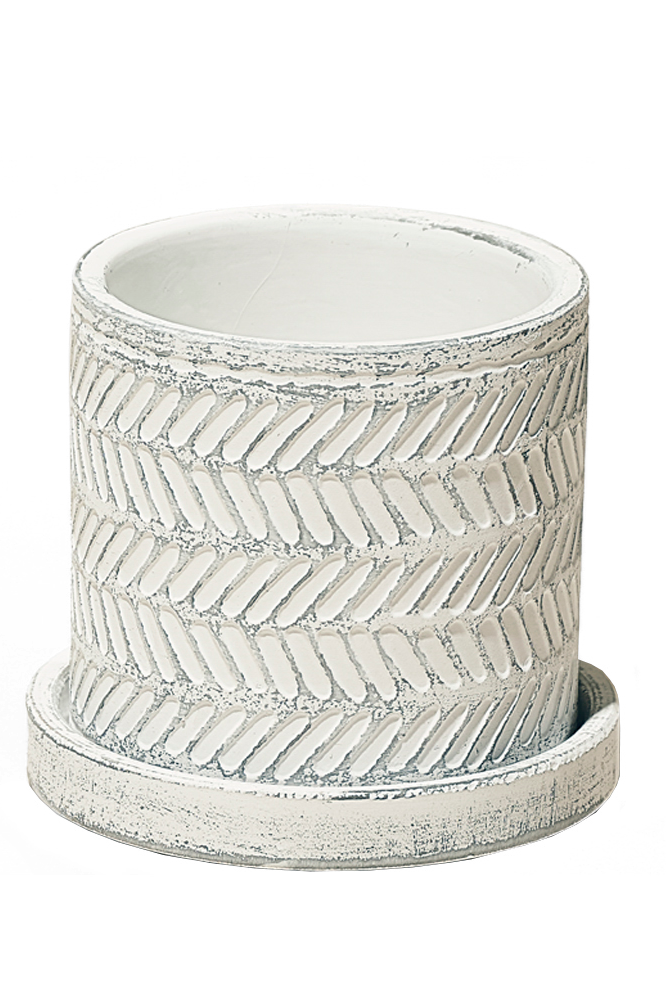
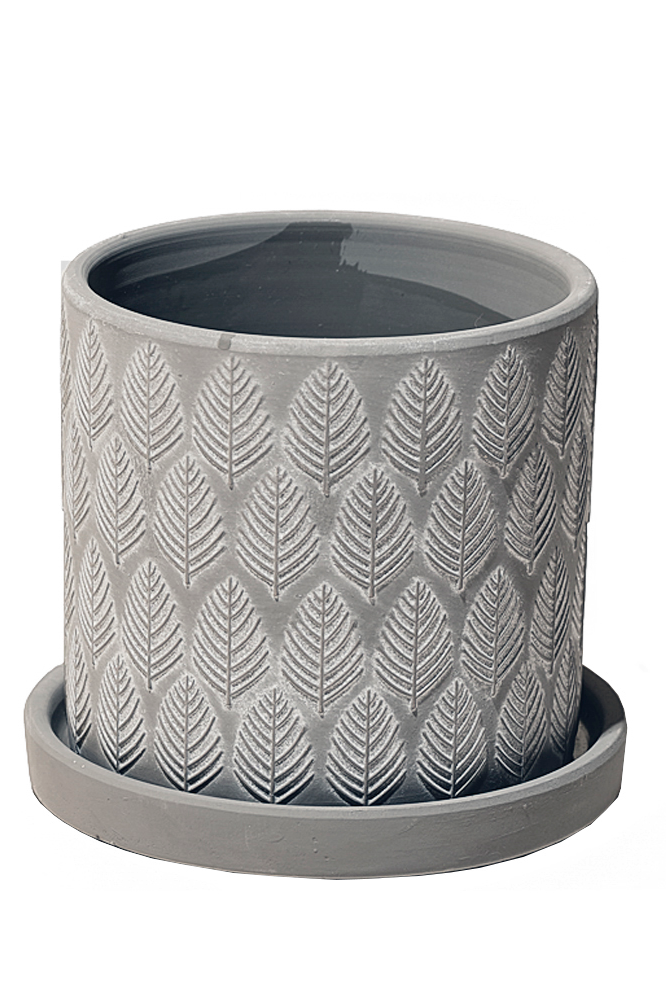
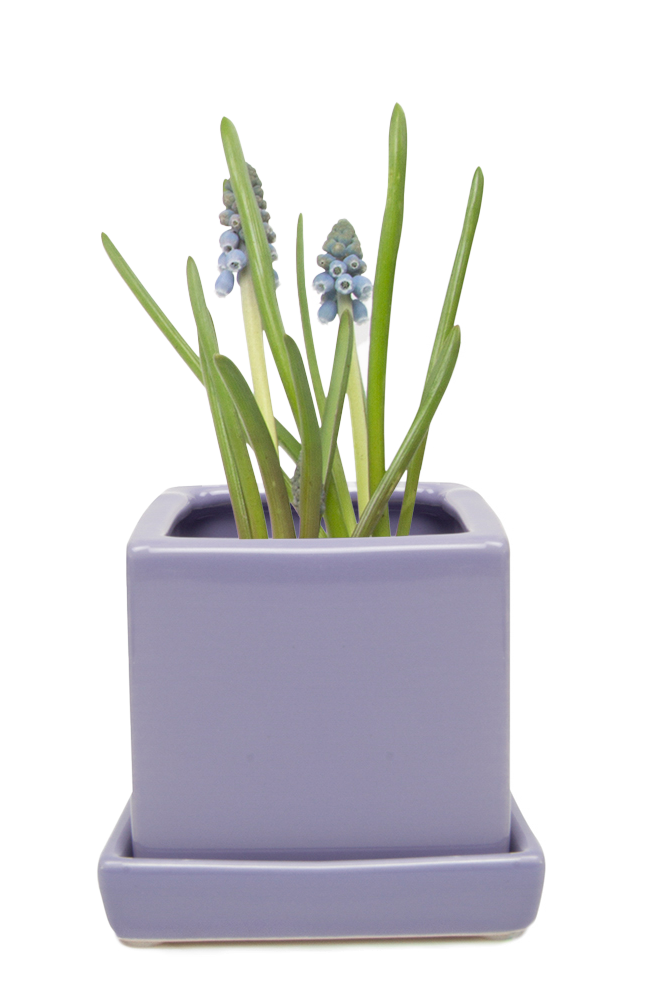
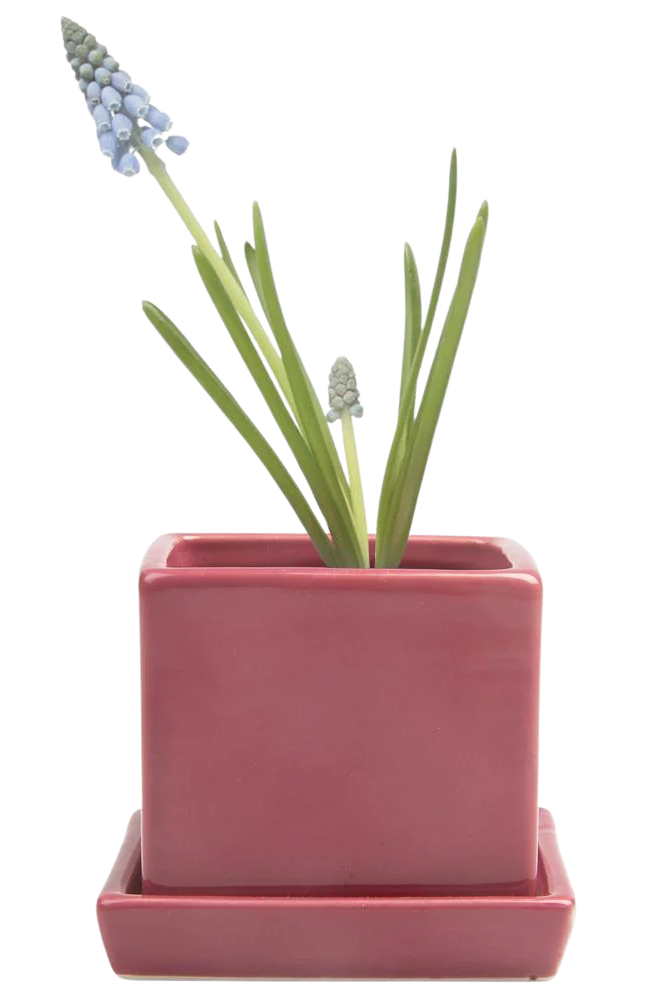
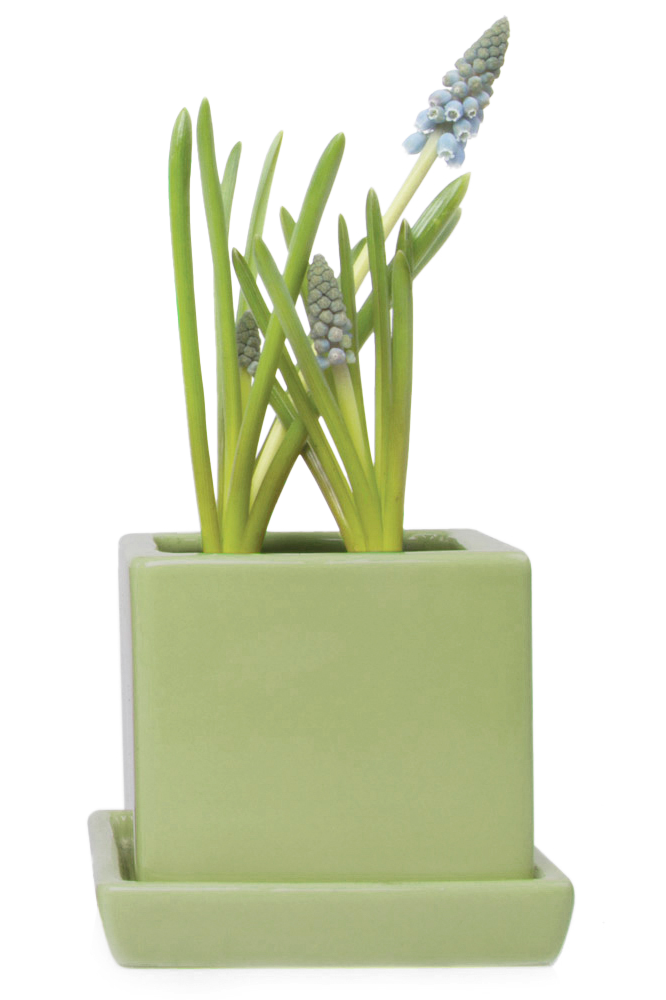
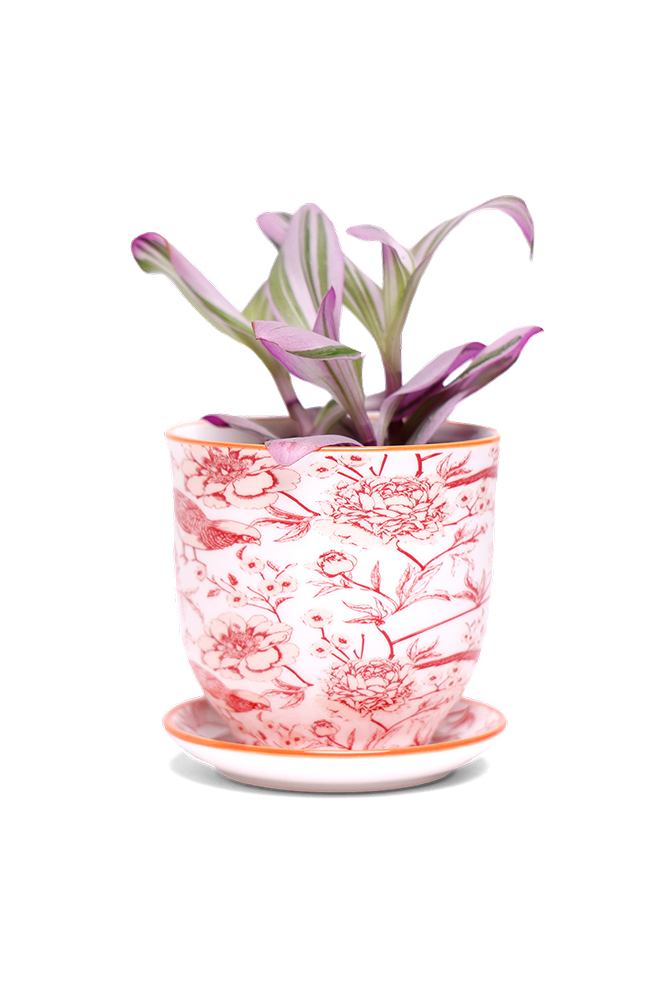
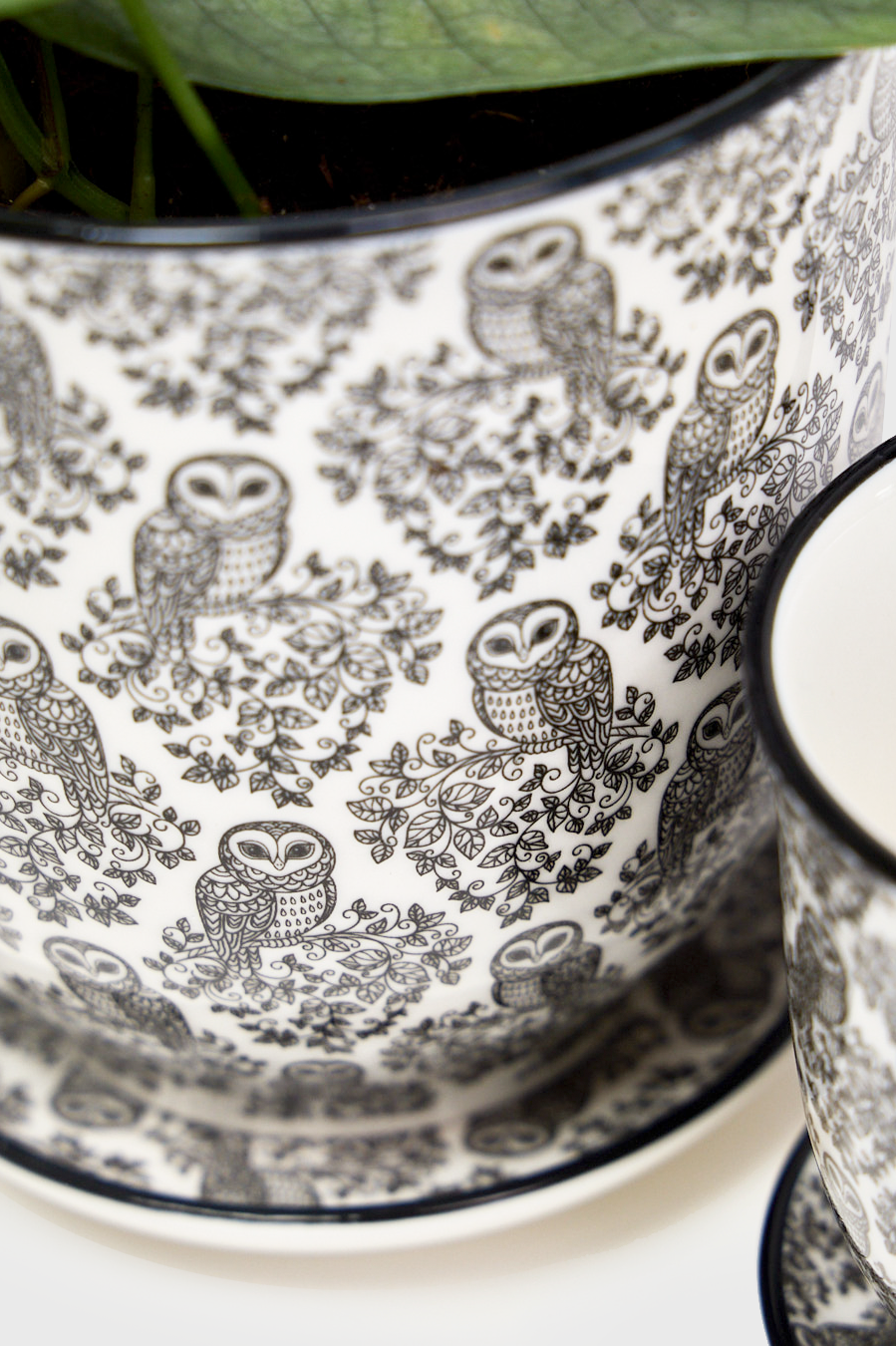
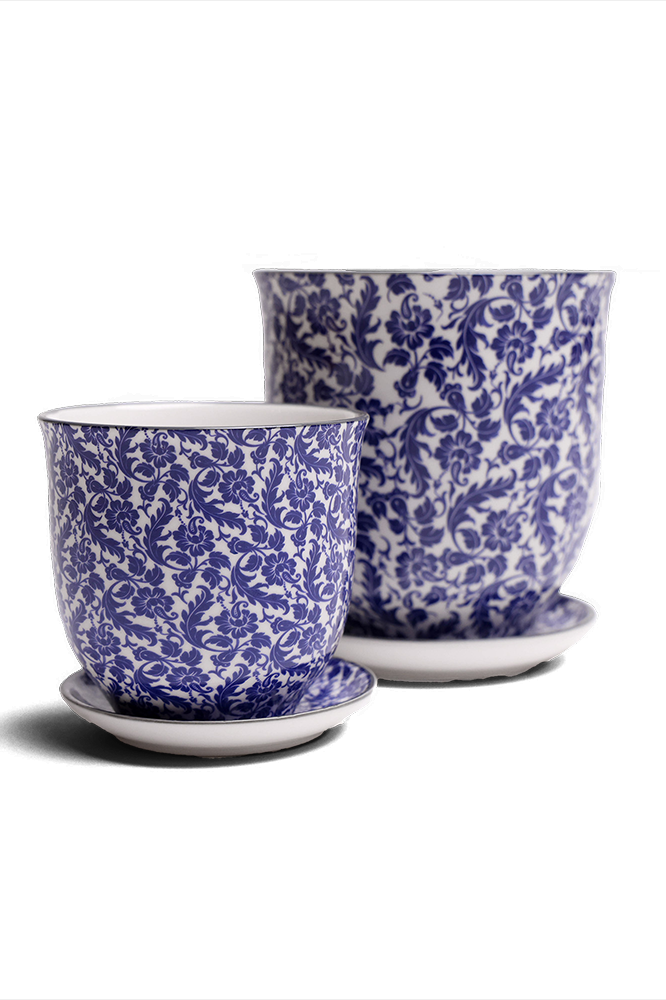
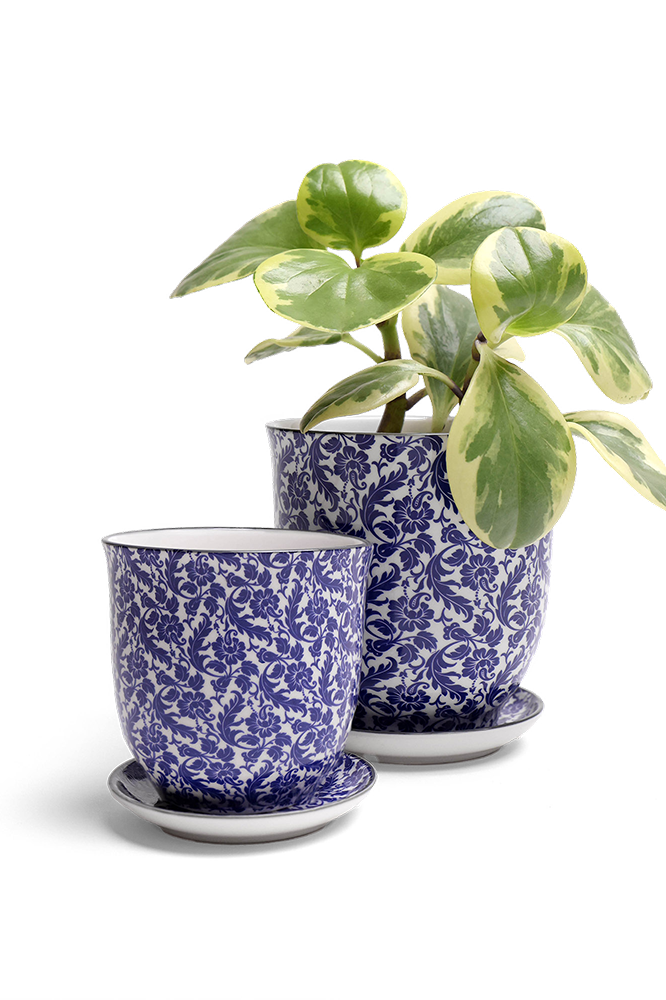
The humble saucer, often overlooked in discussions of container gardening, serves as the unsung hero of plant care. This simple disk prevents the kind of water damage that transforms hardwood floors into abstract art projects and creates those mysterious ring stains that haunt coffee tables like botanical crop circles.
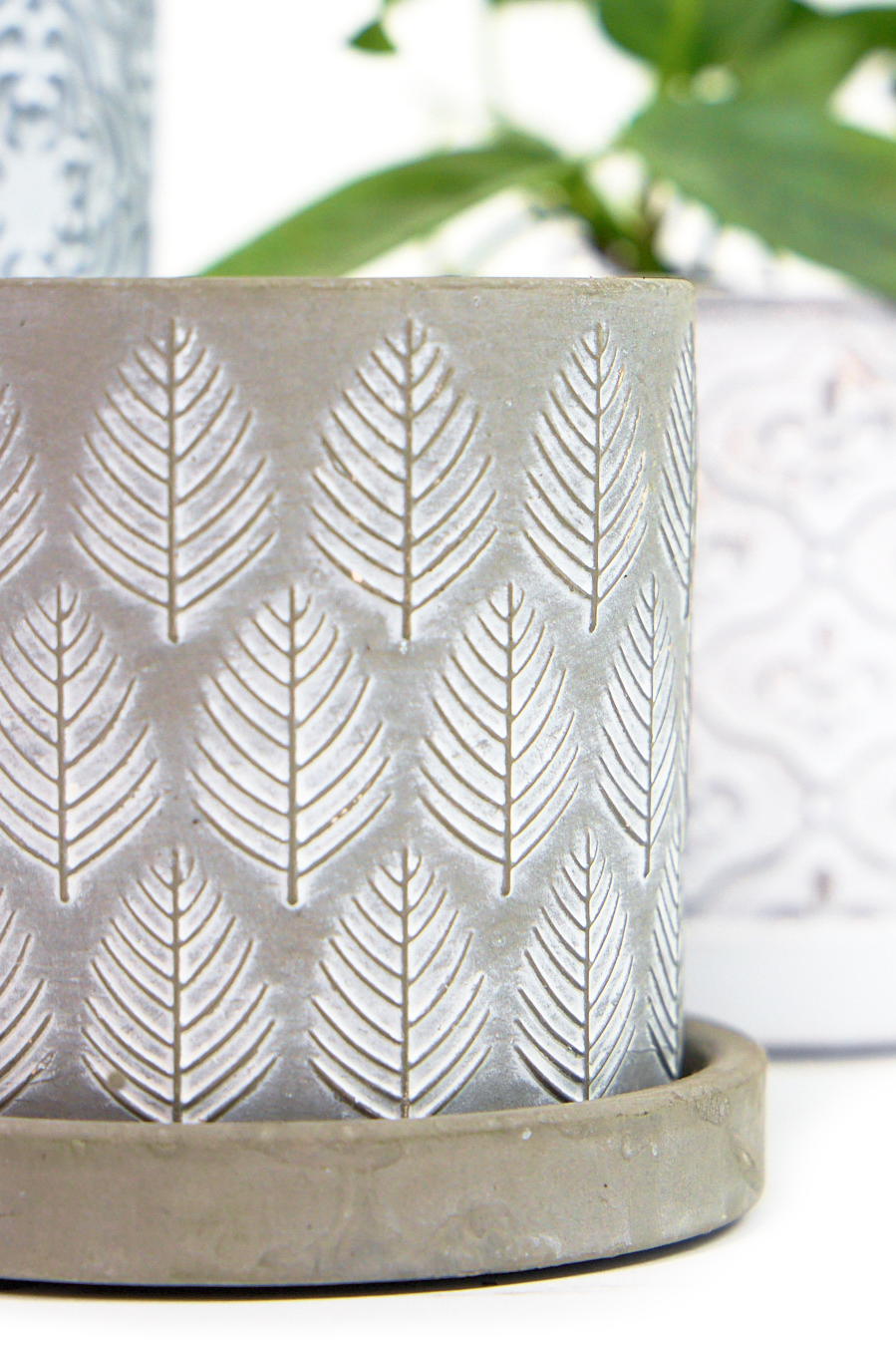
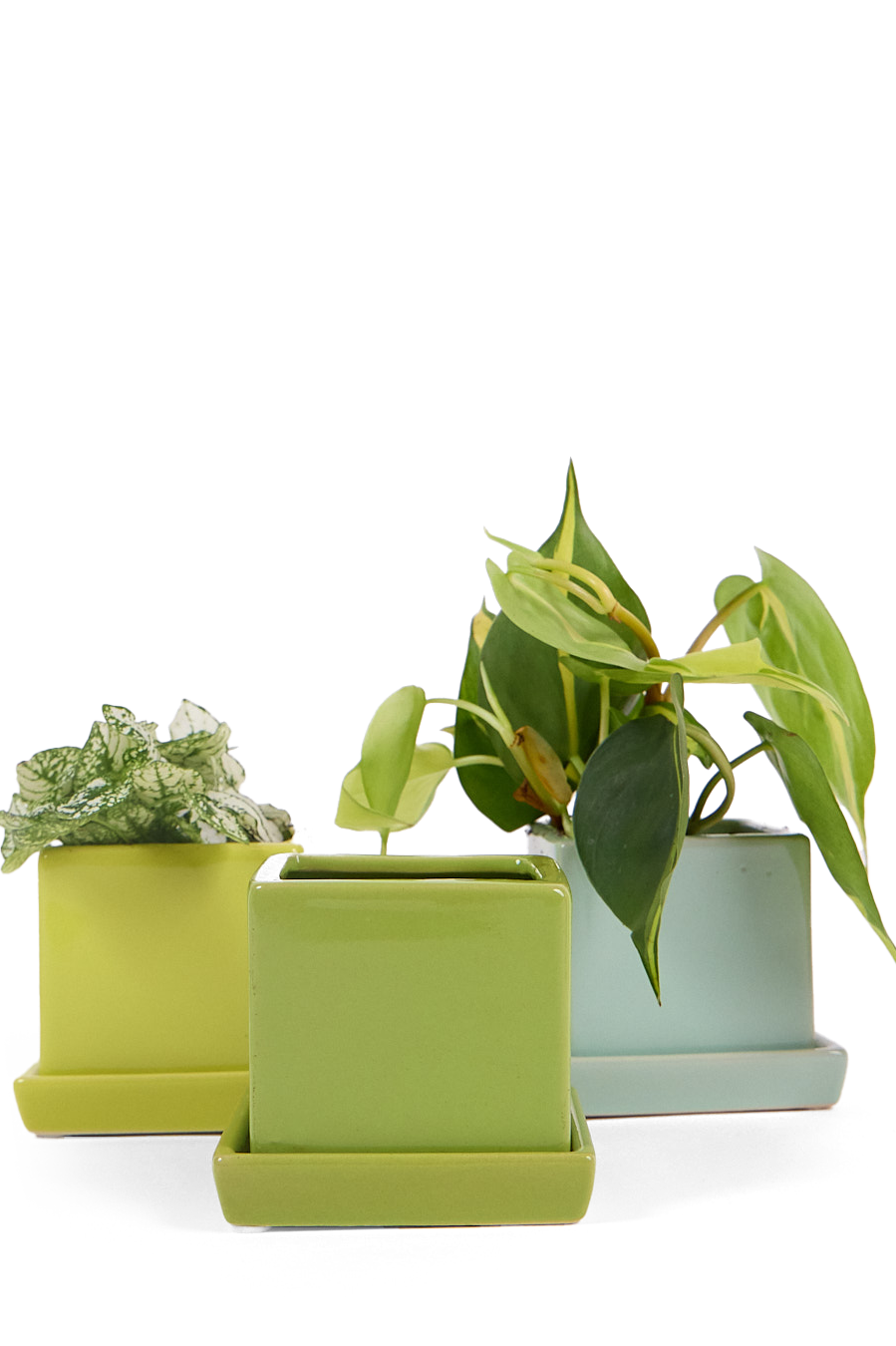
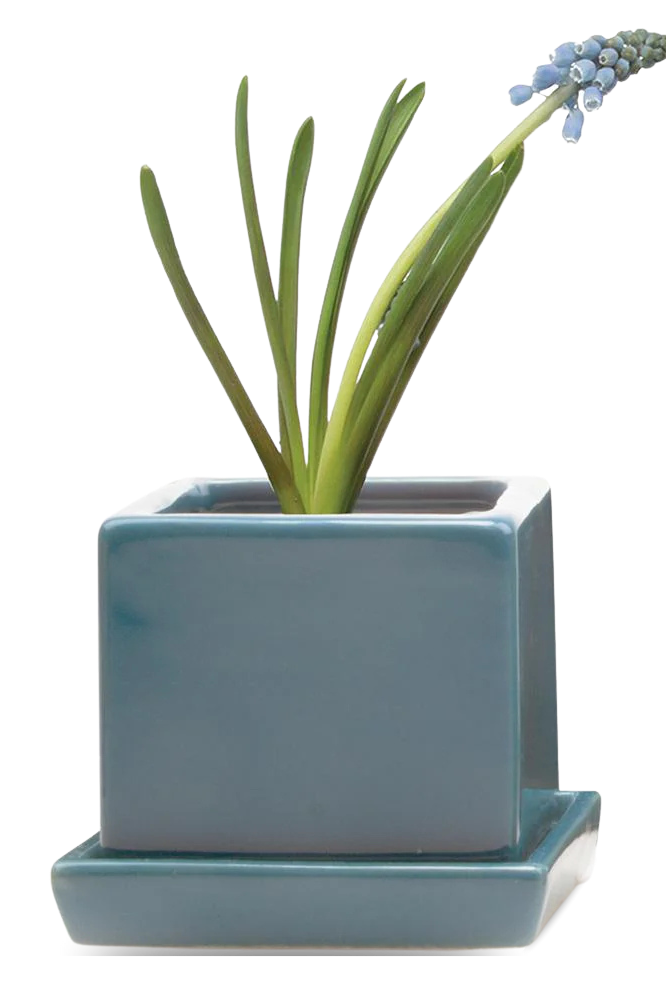
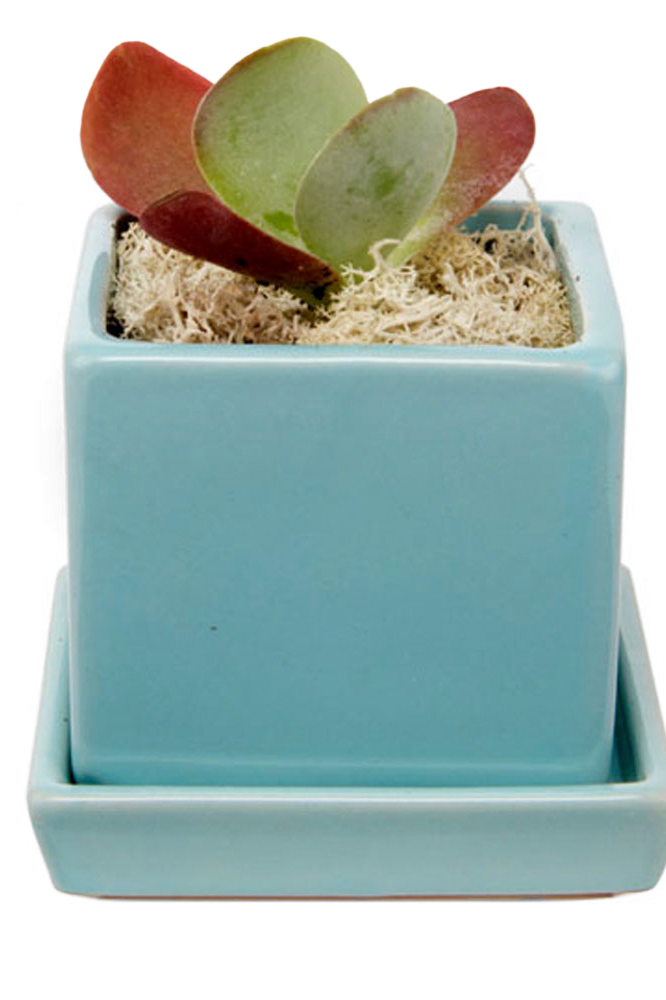
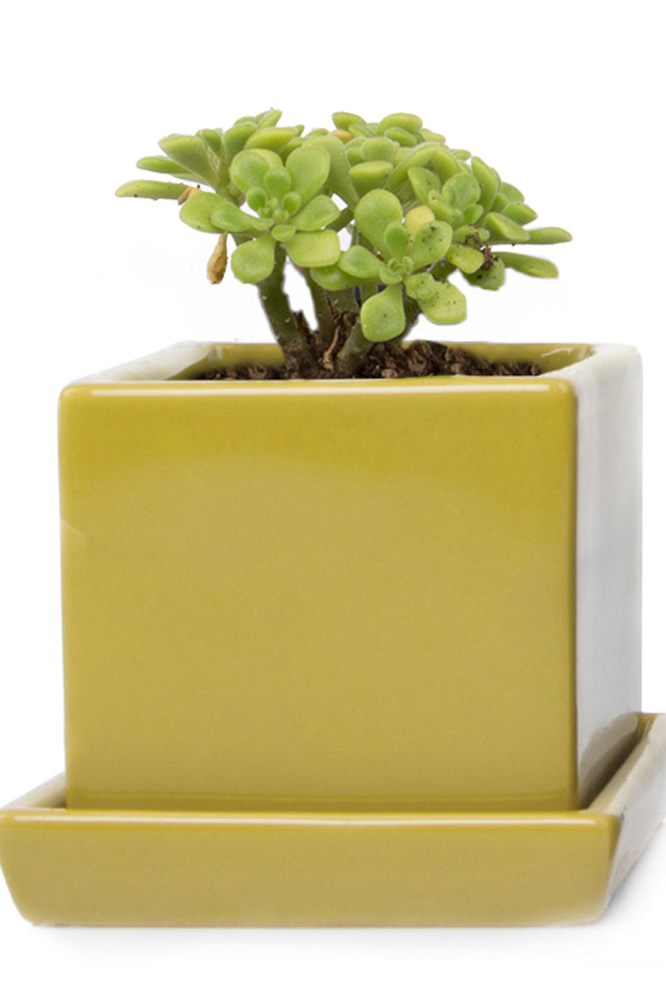
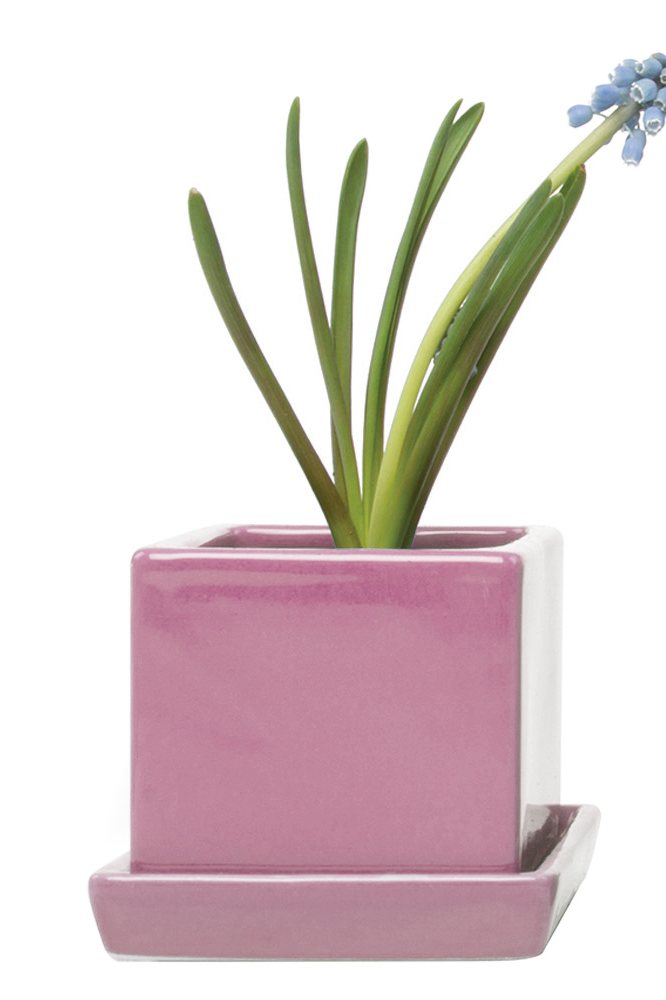
Saucers embody the principle of preparedness taken to its logical conclusion. They're the plant equivalent of carrying an umbrella on cloudy days or keeping emergency chocolate hidden in desk drawers. The key lies in choosing saucers that complement rather than compete with their primary vessels, creating harmony in the way that well-matched socks create confidence.

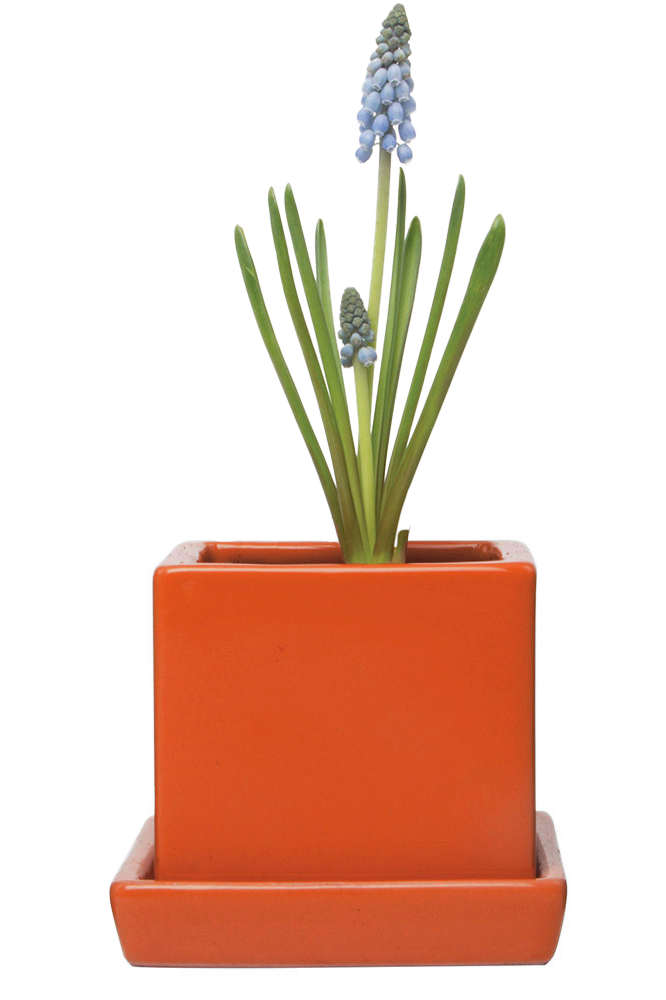
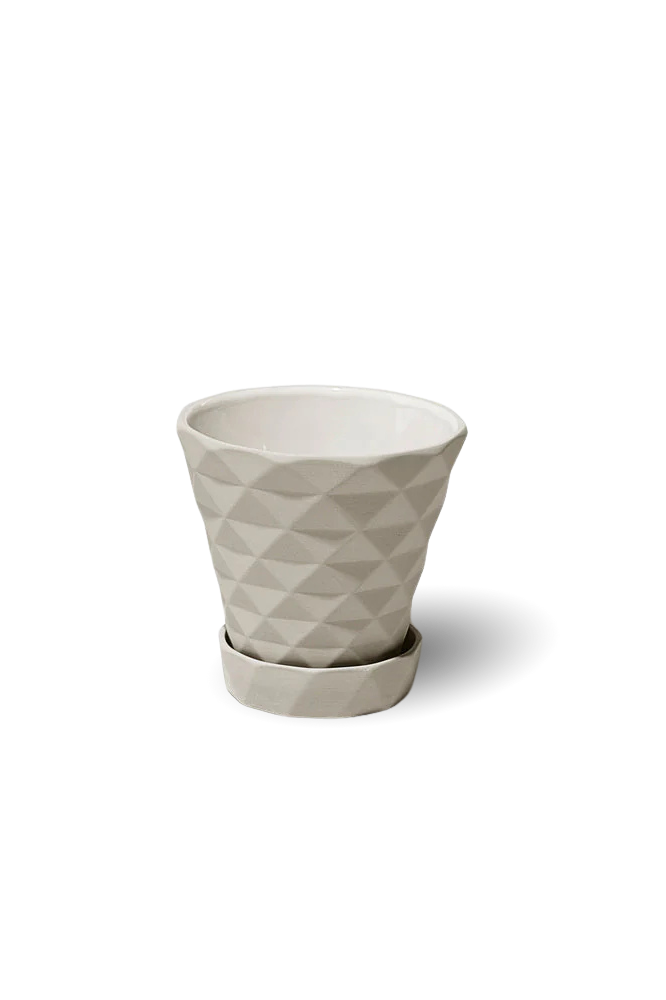
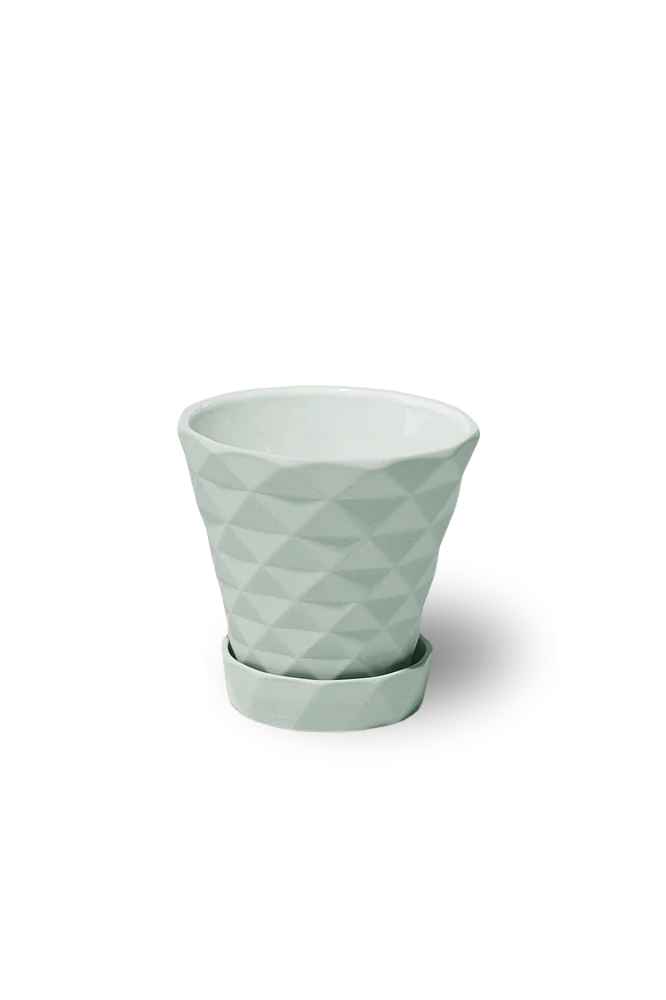
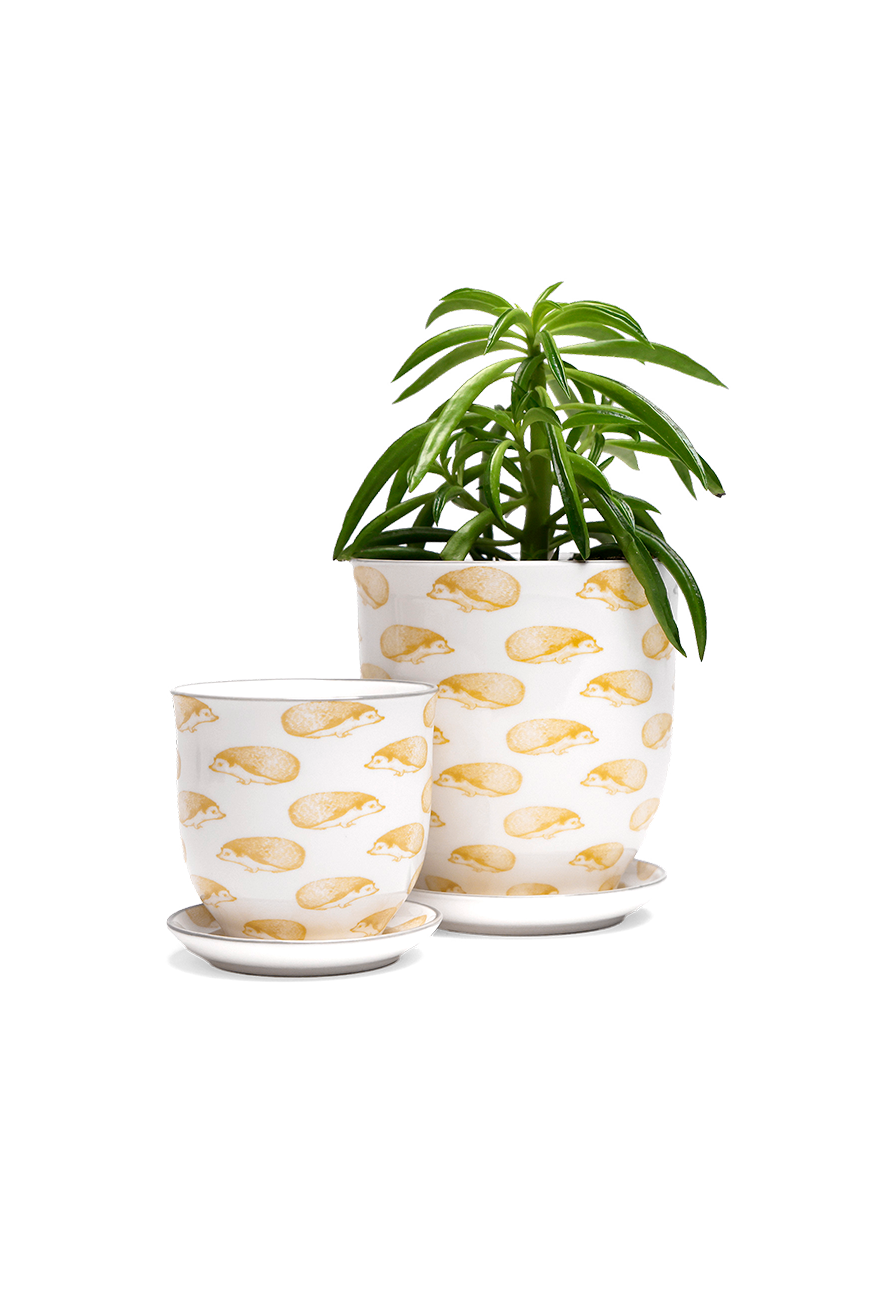
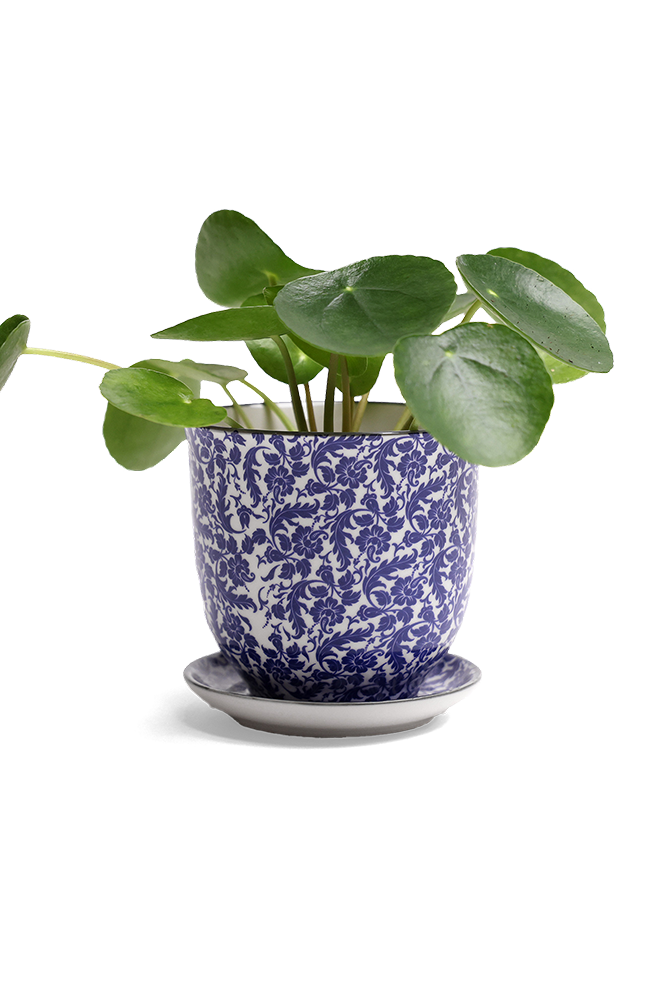
Small Plant Pot
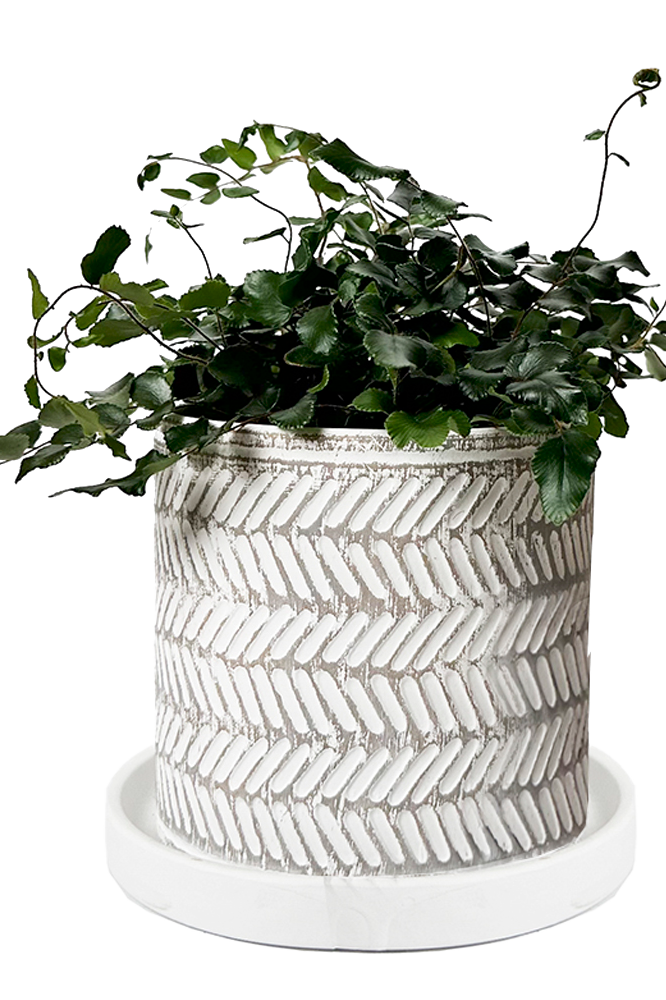
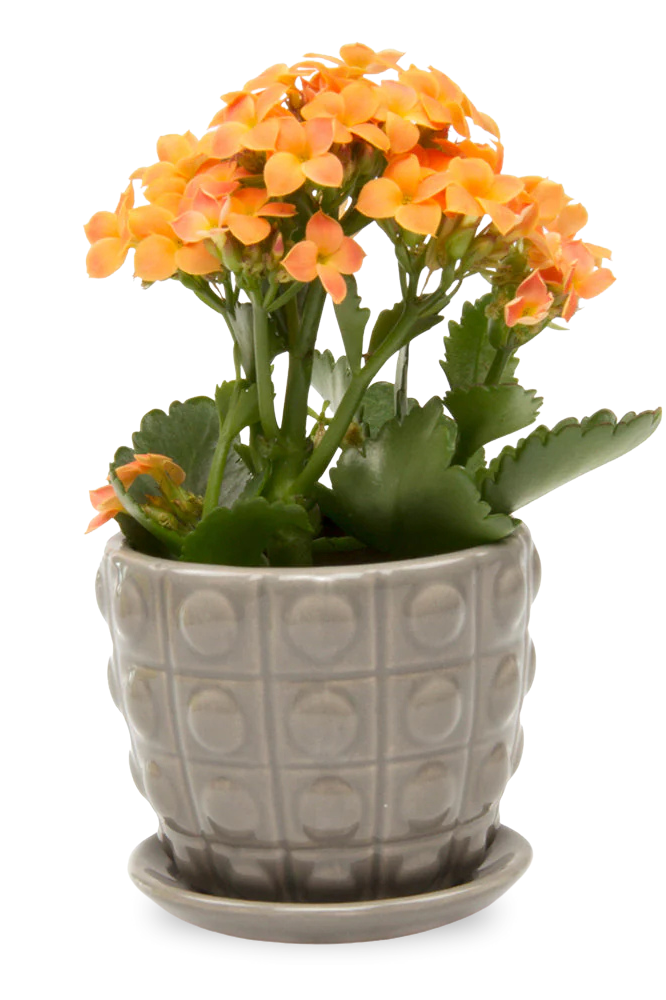
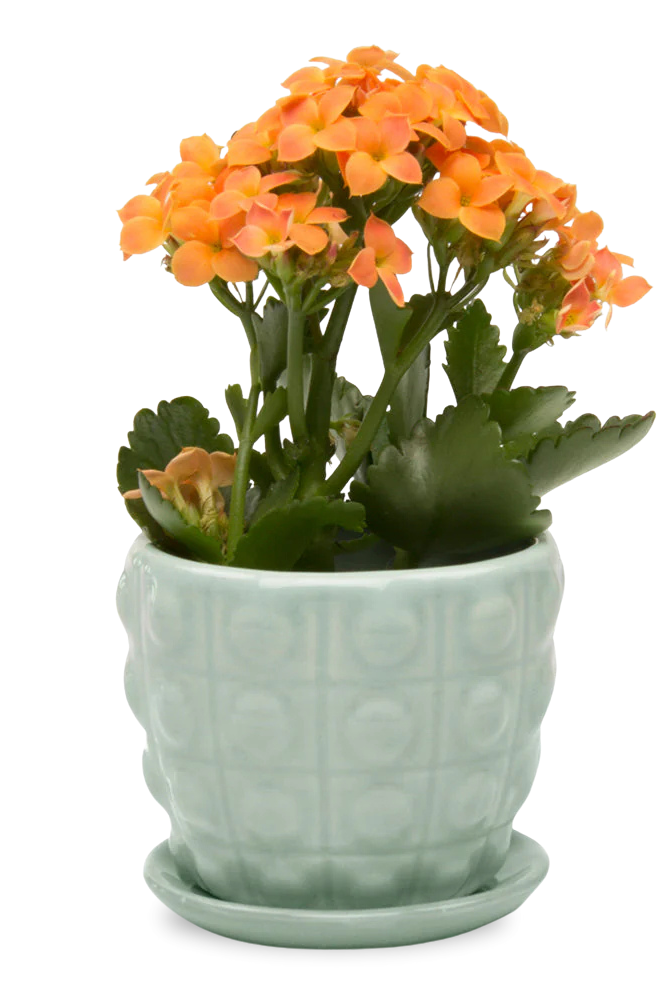
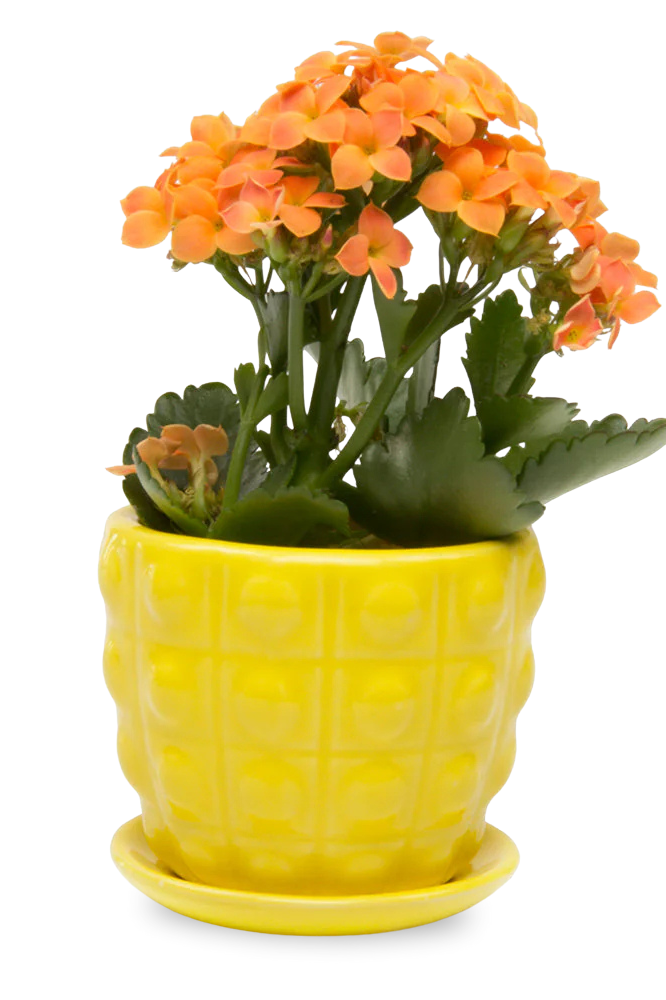
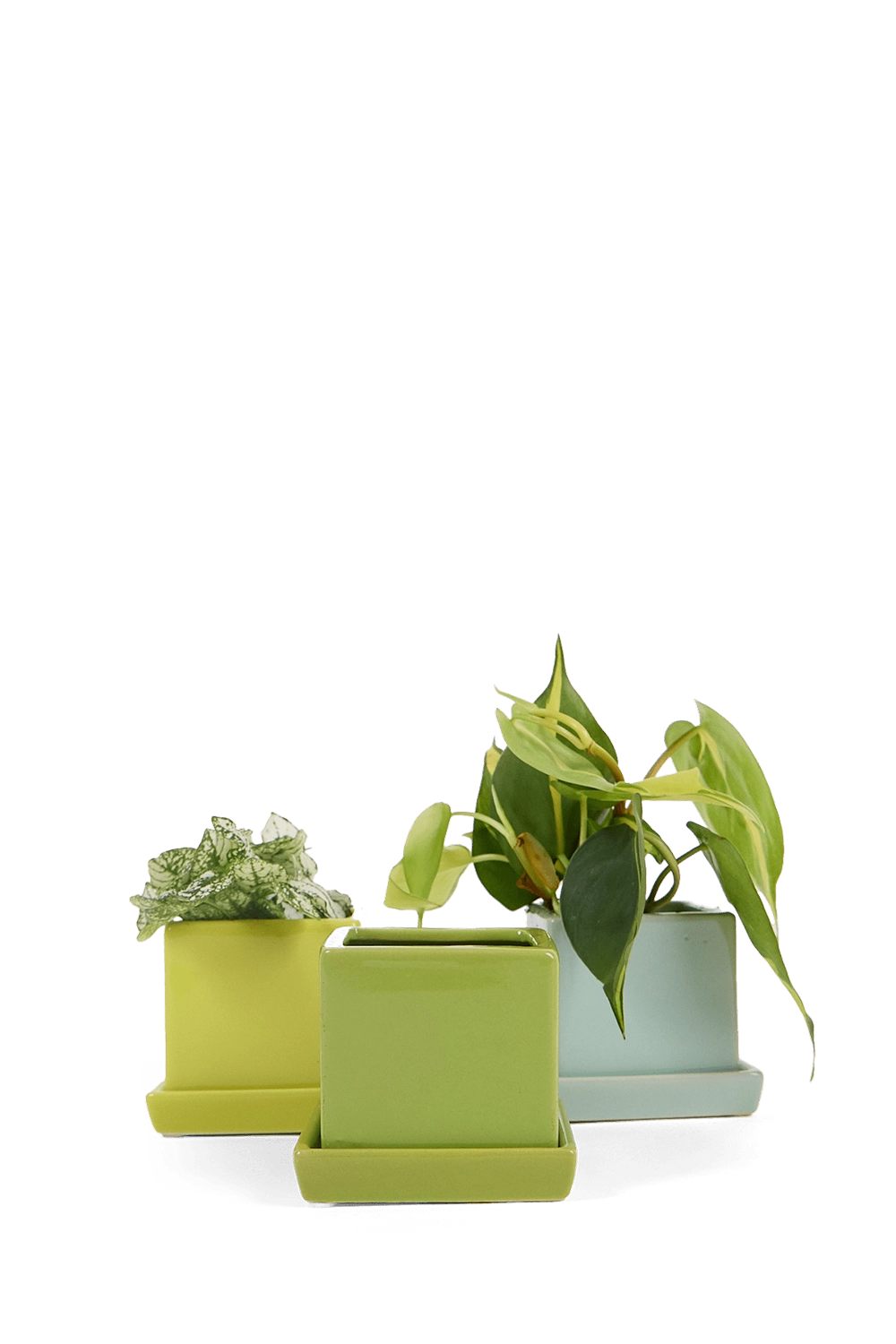
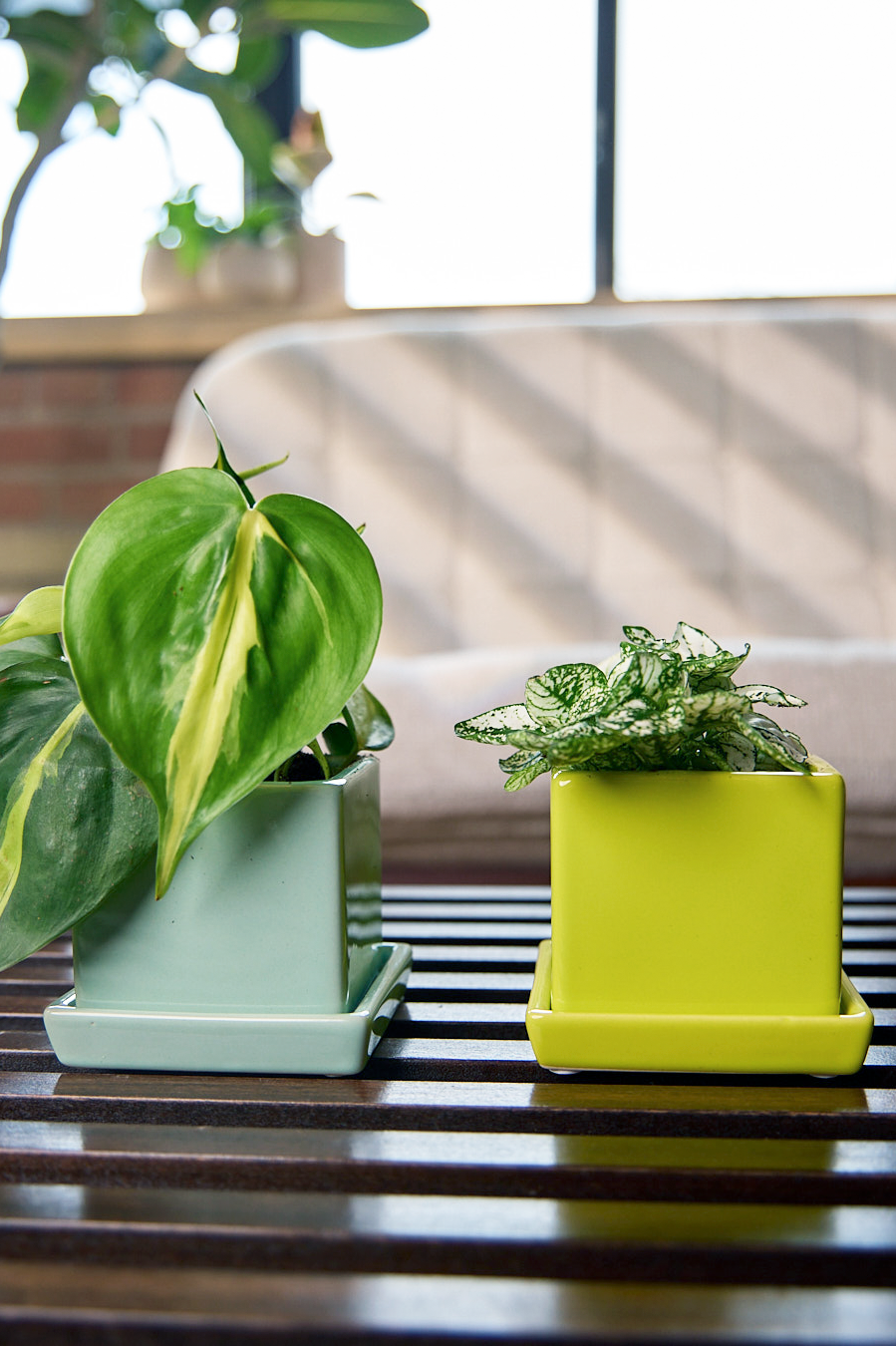
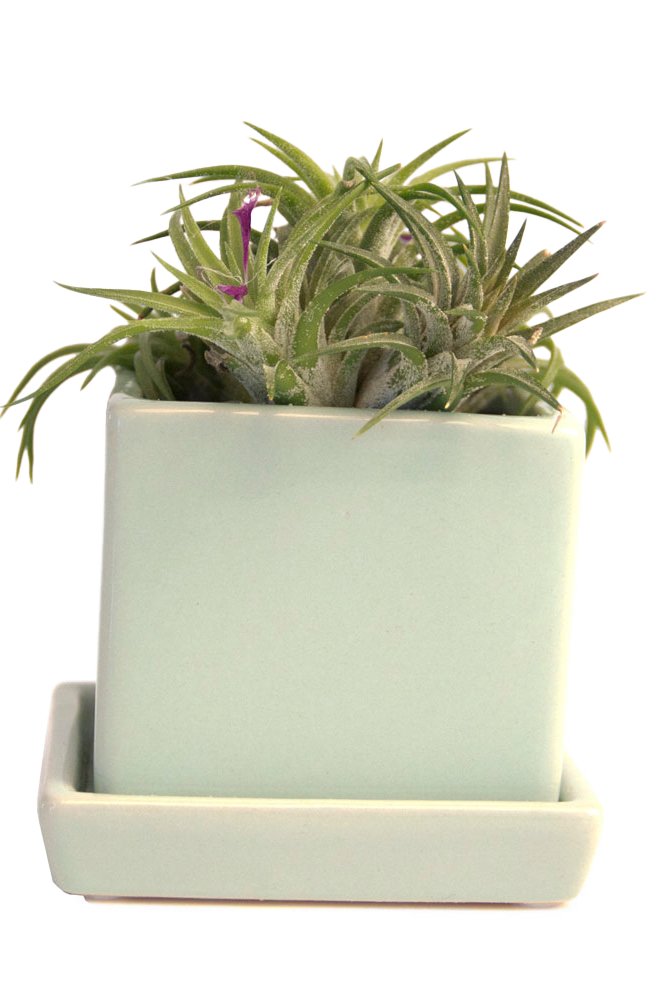
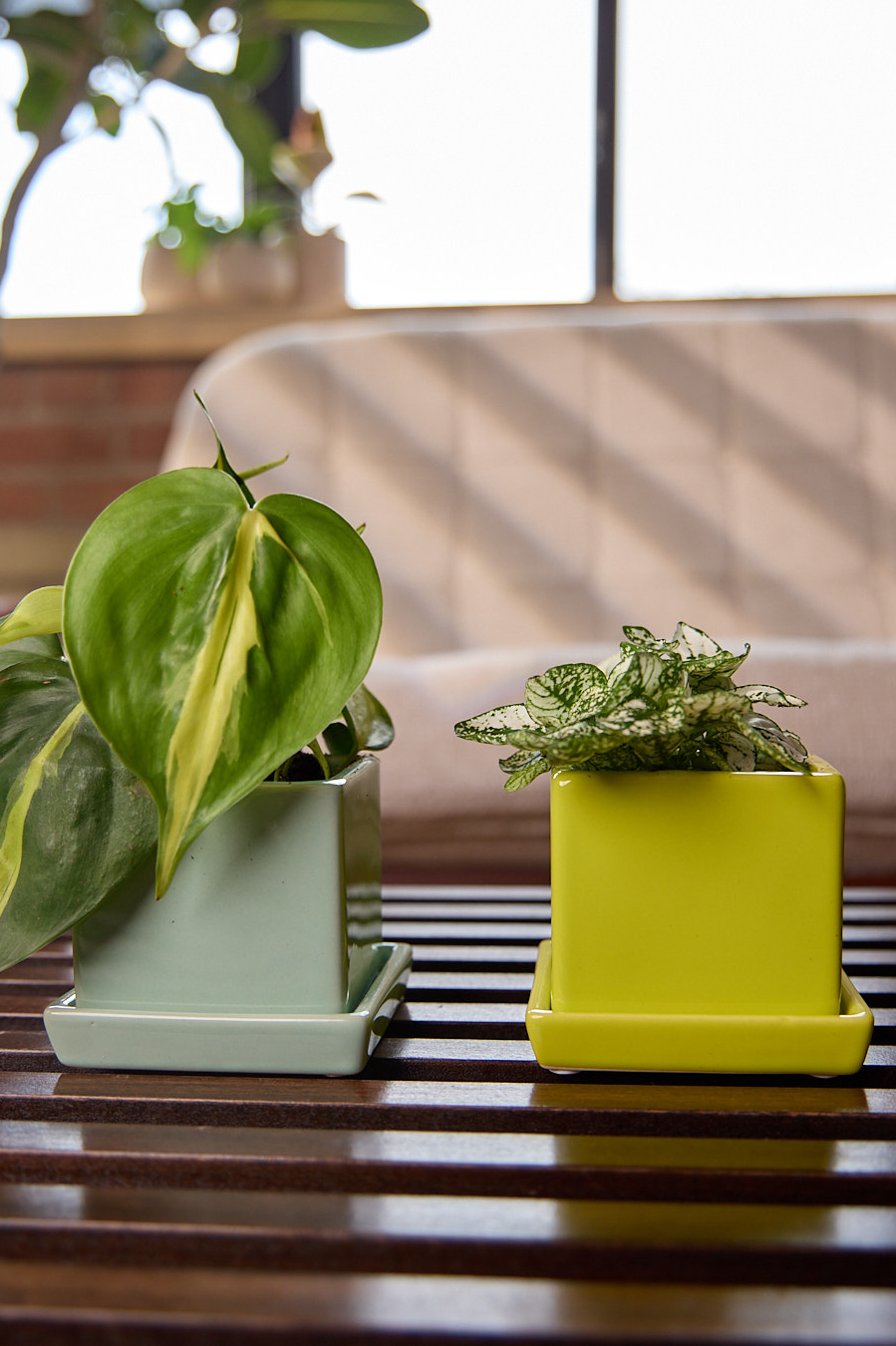
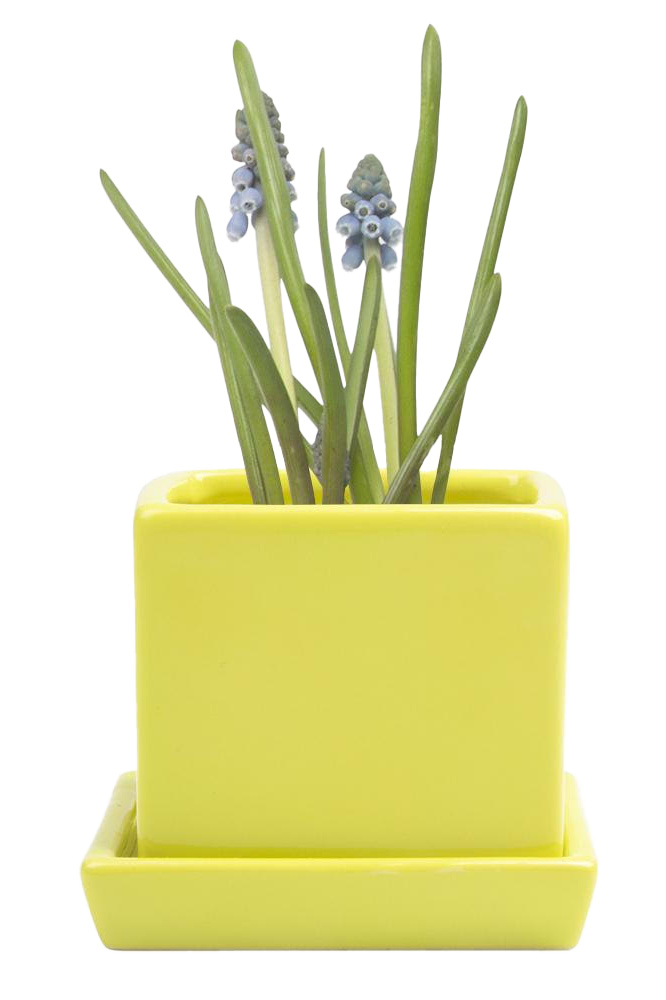
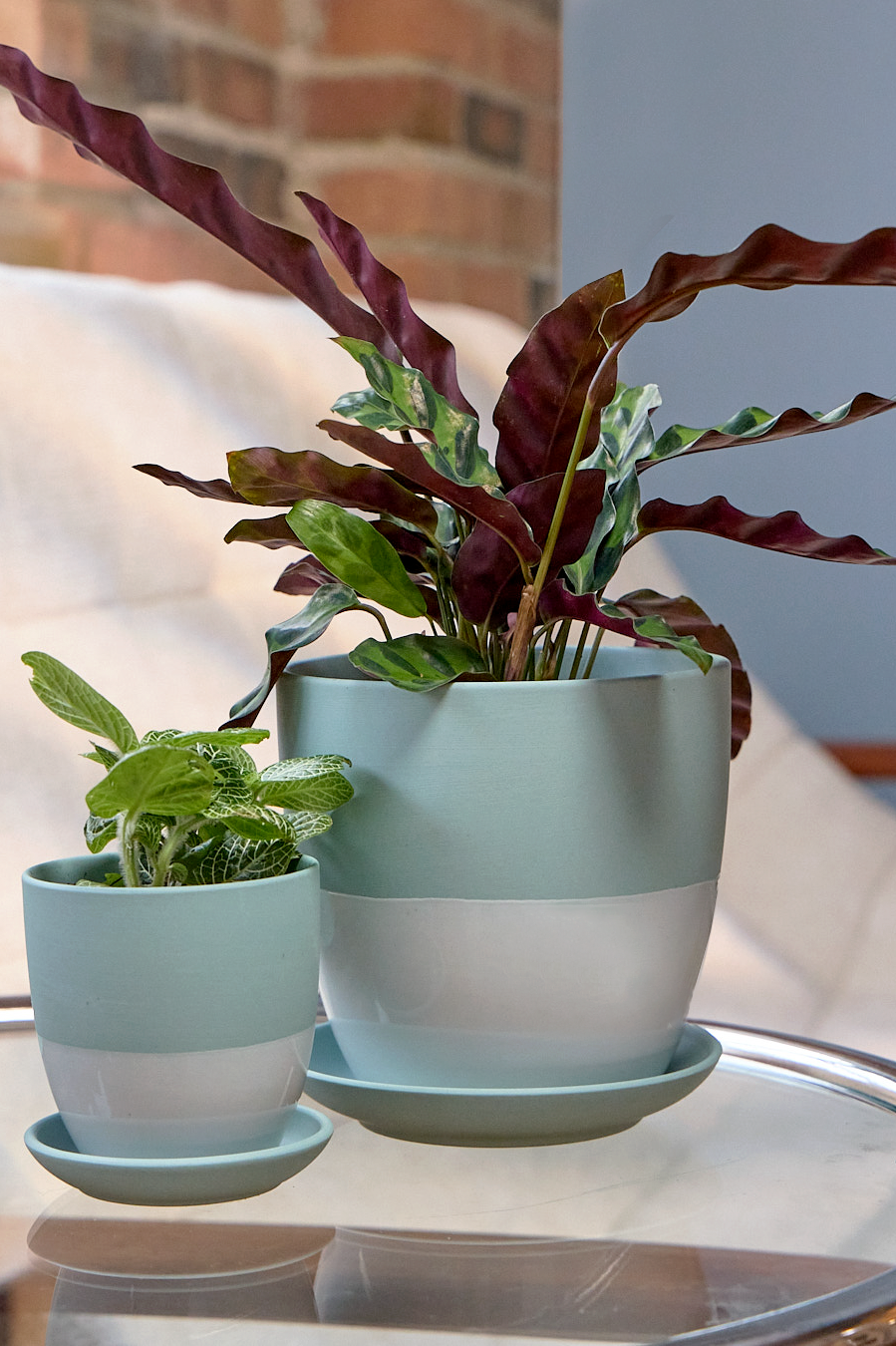
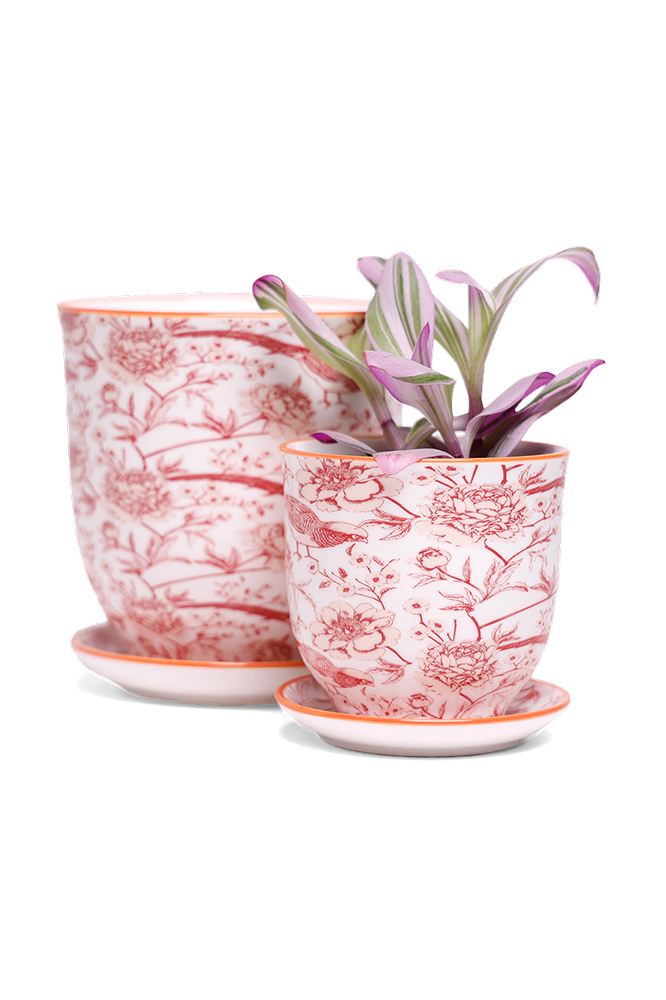
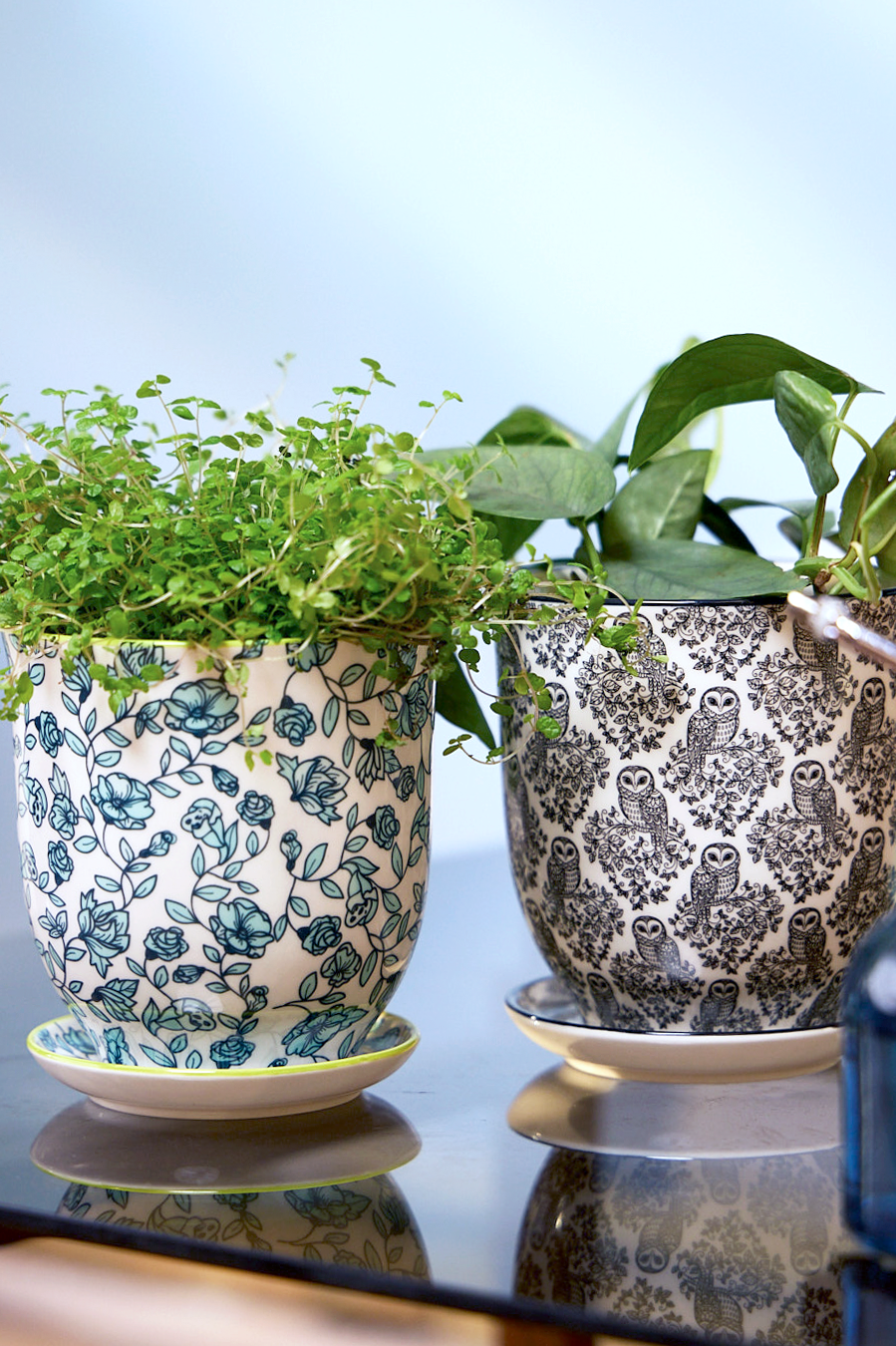
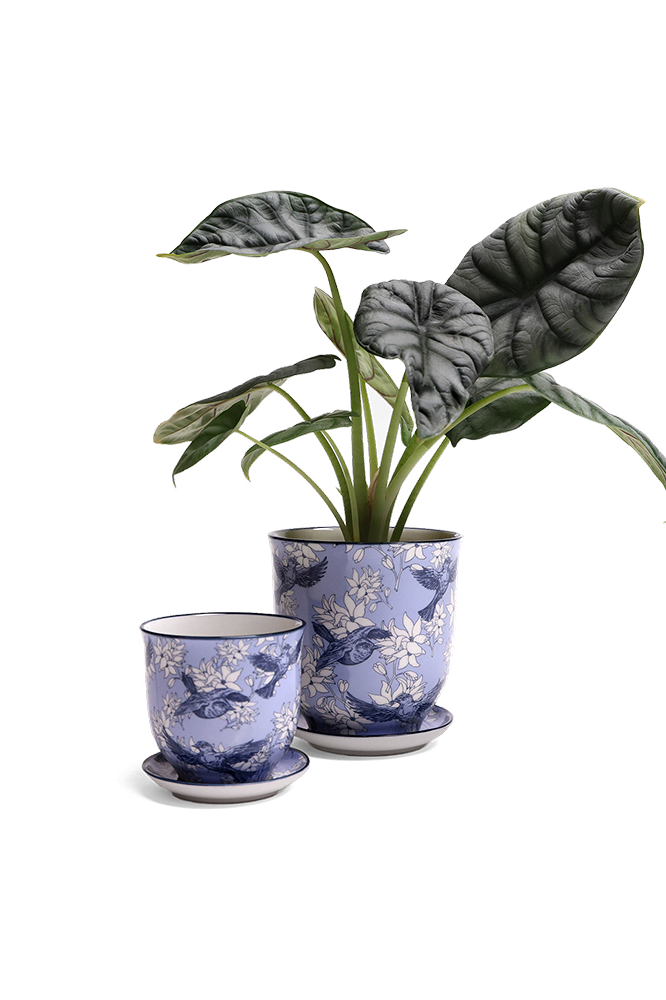
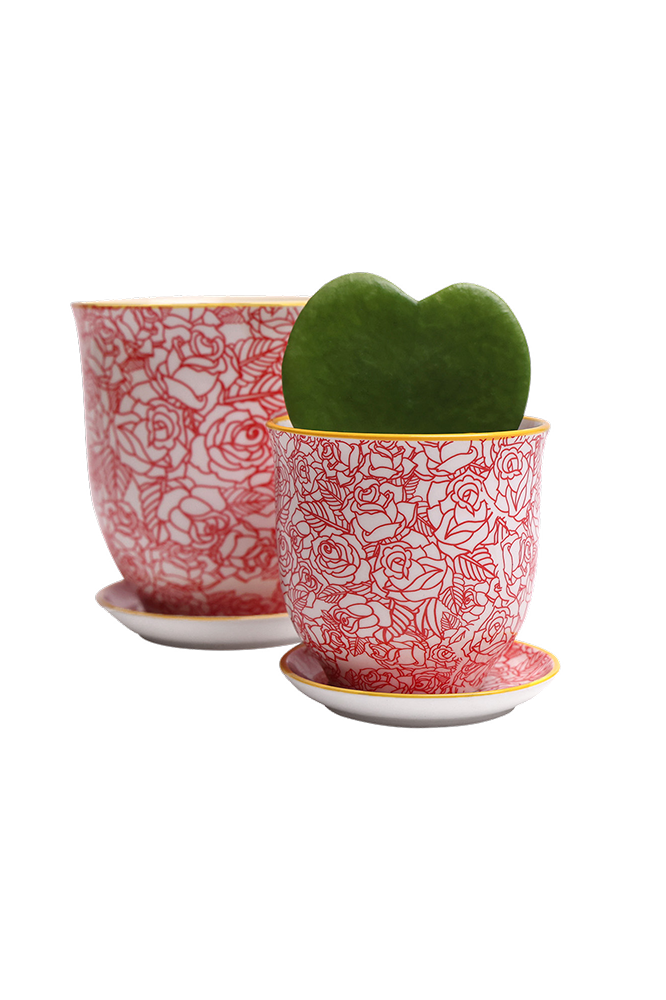
Small pots occupy their own special category of horticultural real estate, perfect for plants that embrace the philosophy of less being more. These containers house the apartment dwellers of the plant kingdom—species that have adapted to urban living with the same determination shown by people who've mastered the art of cooking elaborate meals in kitchens the size of phone booths.
The management of small-potted plants requires a different skill set entirely. Watering becomes a precision operation, requiring the same delicate touch one might employ when adding vanilla extract to a soufflé. Too much water, and these miniature ecosystems become aquatic disasters. Too little, and they develop the plant equivalent of dehydration-induced crankiness, manifesting as droopy leaves and reproachful silence.
The adventure of large plant care ultimately teaches patience, observation, and the art of controlled neglect—skills surprisingly applicable to other areas of life.