Arugula Vegetable Seeds Packet

$4.95

2 reviews

FREE SHIPPING on seeds when you order 5 packs or more

Arugula seeds for the kitchen garden that intends to actually produce arugula this year. Arugula grows so quickly that you can plant it after remembering you wanted it and have it before you actually needed it.

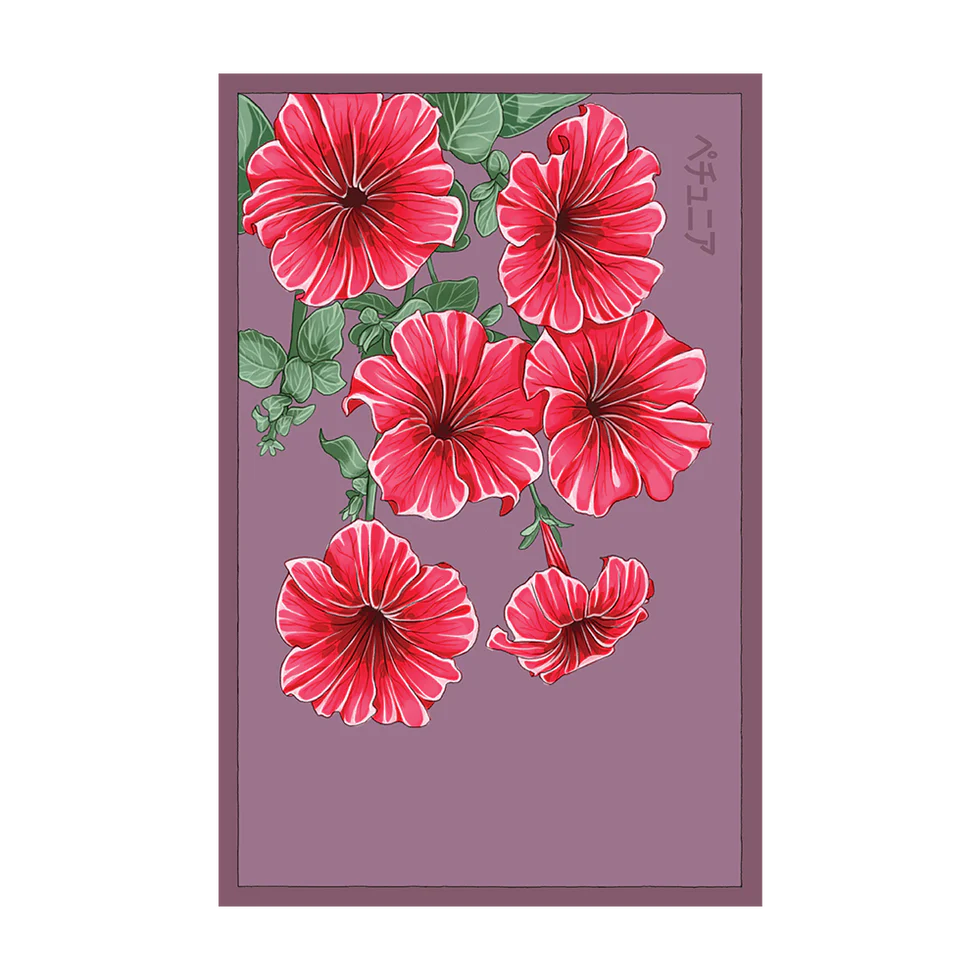
Arugula is peppery, fast-growing salad leaf that goes from seed to harvest in 30 days and improves everything it touches. Each packet is hermetically vacuum-sealed -- removing the oxygen that causes standard paper seed packets to lose germination viability within approximately one year. State law requires a 3-year viability label on sealed packaging. NASA research on hermetic seed storage indicates viability of up to 10 years under proper conditions. Every packet is non-GMO and germination-tested at independent third-party labs before it earns its Japanese woodblock print artwork.

Quick Seed Overview
  • Plant Type: Annual
  • Genus: Eruca
  • Zone: 3-11
  • Plant Height/Width: 6–12 inches tall, 6–12 inches wide
  • Season: Cool-season crop (best grown in spring and fall)
  • Exposure: Full sun to partial shade
  • Difficulty: Easy to grow
Satisfaction Guarantee

We stand by the quality of our flower seed packets! With high germination rates and vibrant blooms, your garden is sure to flourish. If you're not completely satisfied, we’ll replace or refund—guaranteed!

Why Shido Seeds Are the Best

Our flower and vegetable seeds are beautifully packaged little packets of magic. Guaranteed to turn your garden into the envy of the neighborhood. Get your hands dirty and let nature simply do its thing.

How to Plant Arugula from Seed

PlantCare

When to Plant Seeds

  • Early spring (as soon as the soil is workable) or late summer to early fall for a second harvest.
  • In mild climates, it can be grown year-round.

Preparing the Planting Site

  1. Choose a sunny to partially shaded location.
  2. Loosen the soil to a depth of 6-8 inches and remove weeds.
  3. Mix in compost or aged manure for improved fertility.
PlantCare water

Sowing Seeds Outdoors

  1. Scatter seeds ¼ inch deep and 1 inch apart in rows or broadcast them for a wild patch.
  2. Cover lightly with soil and water gently.
  3. Expect germination within 5-7 days, depending on temperature and moisture.
  4. Thin seedlings to 3-6 inches apart to encourage larger, healthier leaves.

Caring for Young Plants

  • Water consistently but avoid waterlogging.
  • Use row covers to protect from pests.

Pro Tip

When Harvesting

For Fresh Leaves:
Pick individual leaves or cut the entire plant just above the base.
Harvest as needed for continuous regrowth.

For Seeds:
Allow some plants to flower and develop seed pods.
Once pods dry, collect and store seeds for future planting.

Getting to know your Arugula

Arugula is a fast-growing leafy green in the Brassicaceae family, known for its peppery, slightly bitter flavour that sets it apart from milder salad greens. It thrives in cool temperatures and grows well in full sun to partial shade, reaching a harvestable size quickly enough that many gardeners treat it as an early, easy win before slower crops catch up. The plant produces lobed, deep green leaves and eventually small white flowers once it bolts under warmer conditions, a transition most gardeners try to outrun by harvesting young and often. Well-drained, nutrient-rich soil suits it best, and consistent moisture matters more than people expect, since stressed plants tend to develop a noticeably harsher bitterness than well-watered ones. Arugula shows up constantly in salads, sandwiches, and pesto, and it carries a genuinely useful dose of vitamins A and K for something that grows this fast. Succession planting keeps a steady supply coming rather than one large harvest that bolts all at once, which suits arugula's quick life cycle better than a single big sowing ever would. Few greens reward this little patience with quite this much flavour. Its speed makes it a natural choice for anyone new to growing greens from seed.

What it's used for

1. Culinary Uses:

  • Arugula is commonly used in salads, pasta, sandwiches, and pizzas.
  • It can be lightly sautéed, blended into pestos, or used as a garnish.
  • Young leaves have a mild, nutty flavour, while mature leaves are spicier.

2. Nutritional Benefits:

  • Rich in vitamins A, C, and K, folate, and antioxidants.
  • Contains beneficial compounds that support digestion, heart health, and immunity.

3. Medicinal & Herbal Uses:

  • Traditionally used to support digestion and detoxification.
  • Its natural compounds have anti-inflammatory and antibacterial properties.

4. Companion Planting & Soil Health:

  • Helps repel certain pests and attracts beneficial pollinators.
  • Used in crop rotation to improve soil quality and reduce disease risks.
Growth Requirements

Light:

  • Prefers full sun to partial shade (at least 4-6 hours of sunlight daily).
  • Grows well in cooler temperatures, making it ideal for spring and fall planting.

Soil:

  • Thrives in well-drained, fertile soil with a pH of 6.0-7.0.
  • Adding organic compost improves soil structure and fertility.

Watering:

  • Requires consistent moisture, especially during warm weather.
  • Avoid overwatering, as waterlogged soil can lead to root rot.

Temperature & Climate:

  • Prefers cool temperatures between 50-70°F (10-21°C).
  • Bolts quickly in hot weather, so summer planting should be avoided in warm climates.

Fertilization:

  • Apply balanced compost or organic fertilizers before planting.
  • Too much nitrogen can lead to excessive leaf growth and reduced flavour.

Maintenance

Watering:

  • Keep soil evenly moist but not soggy.
  • Water early in the morning to reduce fungal risks.

Mulching:

  • Apply a thin layer of mulch to retain moisture and suppress weeds.

Harvesting:

  • Harvest young leaves at 2-4 inches tall for the best flavour.
  • Regular harvesting encourages continuous growth.

Preventing Bolting:

  • Provide shade in warmer months to delay flowering.
  • Harvest leaves frequently to extend the growing period.

Pests and Diseases

Pests:

  • Aphids & Flea Beetles – Control with neem oil or insecticidal soap.
  • Slugs & Caterpillars – Handpick pests or use natural deterrents like diatomaceous earth.

Diseases:

  • Downy Mildew & Powdery Mildew – Improve air circulation and avoid overhead watering.
  • Root Rot – Prevent by using well-draining soil.

For a Milder Salad Base

For a gentler leaf to balance arugula's peppery bite, Green Leaf Lettuce grows under nearly identical conditions with a much milder flavour.


Pretty Pots for Pretty Plants

Your plants work hard to look good—shouldn’t their pots do the same? Choose from our gorgeous flower pots and let your greenery thrive in style. Because plain plastic is just rude.