Beet Vegetable Seeds Packet

$4.95

5 reviews

FREE SHIPPING on seeds when you order 5 packs or more

Beet seeds for the kitchen garden that intends to actually produce beet this year. Beets are the vegetable that turns everything in the kitchen a dramatic shade of red and feels no obligation to apologise.

Beet is the dual-purpose vegetable offering both edible roots and nutritious greens from a single sowing. Each packet is hermetically vacuum-sealed -- removing the oxygen that causes standard paper seed packets to lose germination viability within approximately one year. State law requires a 3-year viability label on sealed packaging. NASA research on hermetic seed storage indicates viability of up to 10 years under proper conditions. Every packet is non-GMO and germination-tested at independent third-party labs before it earns its Japanese woodblock print artwork.

Quick Seed Overview
  • Plant Type: Biennial
  • Genus: Beta
  • Species: Vulgaris
  • Plant Height/Width: 1–1.5 ft tall x 1 ft wide
  • Season: Early Spring or Late Summer/Early Fall
  • Exposure: Full Sun
  • Difficulty: Easy
Satisfaction Guarantee

We stand by the quality of our flower seed packets! With high germination rates and vibrant blooms, your garden is sure to flourish. If you're not completely satisfied, we’ll replace or refund—guaranteed!

Why Shido Seeds Are the Best

Our flower and vegetable seeds are beautifully packaged little packets of magic. Guaranteed to turn your garden into the envy of the neighborhood. Get your hands dirty and let nature simply do its thing.

How to Plant Beets from Seed

PlantCare

When to Start Seeds

  • Spring Planting: Sow seeds 2-4 weeks before the last expected frost.
  • Fall Planting: Sow seeds 8-10 weeks before the first fall frost.

Preparing for Planting

  1. Loosen the soil to at least 12 inches deep.
  2. Remove rocks and debris that may obstruct root growth.
  3. Work in compost or well-rotted manure to improve soil fertility.
PlantCare water

Planting Seeds

  1. Sow seeds ½ inch deep, spaced 1-2 inches apart.
  2. Rows should be 12-18 inches apart.
  3. Water gently after planting to ensure good seed-to-soil contact.
  4. Seeds will germinate within 5-10 days, depending on soil temperature.

Thinning Seedlings

  • Once seedlings reach 2-3 inches tall, thin them to 3-4 inches apart.
  • Use scissors to cut unwanted seedlings rather than pulling them to avoid disturbing roots.

Pro Tip

For sweet, tender beets, plant in loose, well-drained soil free of rocks to allow for proper root development. Sow seeds directly in the garden and keep the soil evenly moist to prevent woody or tough roots. Thin seedlings to 3–4 inches apart for larger beets, and don’t throw away the greens—they’re delicious and nutritious!

Bonus: For a continuous harvest, succession plant every 2–3 weeks.

Getting to know your Beet

Beets are a nutrient-rich root vegetable in the Amaranthaceae family, valued for both their edible roots and their leafy greens, which means a single planting effectively gives a gardener two separate harvests from one crop. They grow best in loose, fertile soil with full sun to partial shade, and beets come in a range of colours beyond the familiar deep red, including golden and boldly striped varieties that surprise people expecting a uniform interior. The round or cylindrical roots carry an earthy, slightly sweet flavour, while the greens themselves are packed with vitamins and minerals that often go underused simply because people don't realize they're edible at all. Beets thrive in cool weather, making them well suited to both spring and fall planting rather than the height of summer. Consistent watering throughout the growing season prevents the roots from turning tough or woody, a texture problem that's hard to reverse once it sets in. Thinning seedlings early on gives the remaining roots enough room to actually develop properly, rather than competing for space underground. In the kitchen, beets are genuinely versatile, equally at home roasted, pickled, or shredded raw into a salad, while the greens hold their own sautéed or tossed into whatever else is already on the stove.

What it's used for

1. Culinary Uses:

  • Roots can be roasted, boiled, steamed, pickled, or eaten raw.
  • Beet greens are nutritious and used in salads, sautés, and smoothies.
  • Beet juice is often consumed as a natural health tonic.

2. Nutritional Benefits:

  • Rich in fibre, folate, vitamin C, potassium, and iron.
  • Contains antioxidants and nitrates that support heart health and blood pressure regulation.
  • A good source of beta-carotene and other phytonutrients.

Growth Requirements

Light:

  • Requires full sun (at least 6 hours daily).

Soil:

  • Prefers loose, well-drained, sandy loam soil with a pH of 6.0-7.0.
  • Avoid heavy clay soils that can impede root growth.

Watering:

  • Needs consistent moisture, about 1 inch per week.
  • Mulching helps retain soil moisture and regulate temperature.

Temperature & Climate:

  • Thrives in cool temperatures, between 50-70°F (10-21°C).
  • Can tolerate light frost but struggles in extreme heat.

Fertilization:

  • Use a balanced fertilizer with low nitrogen to encourage root development.
  • Avoid excessive nitrogen, which promotes leaf growth over root formation.
Maintenance

Watering:

  • Keep the soil evenly moist but not waterlogged.
  • Avoid irregular watering, which can cause woody or split roots.

Fertilization:

  • Apply a side dressing of compost or a phosphorus-rich fertilizer midway through the growing season.
  • Avoid excessive nitrogen to prevent excessive leafy growth.

Mulching:

  • Apply a thin layer of mulch to retain moisture and suppress weeds.

Weed Control:

  • Beets have shallow roots, so carefully hand-pull weeds or use mulch to reduce competition.

Harvesting

  1. When to Harvest:
    Ready for harvest in 50-70 days.
    Harvest when roots reach 1.5-3 inches in diameter.
  2. Harvesting Tips:
    Use a garden fork to gently lift roots from the soil.
    Avoid damaging the skin, as cuts can lead to storage issues.
  3. Harvesting Beet Greens:
    Young leaves
    can be picked throughout the season.
    Avoid harvesting more than ⅓ of the leaves at a time to ensure root development.
  4. Storage & Usage:
    Store in a cool, humid environment (like a root cellar) for several months.
    Can be refrigerated, canned, pickled, or frozen for long-term use.
Pests and Diseases
  • Common Pests: Aphids, flea beetles, and leaf miners.
    Use row covers and insecticidal soap for control.
  • Common Diseases: Cercospora leaf spot, downy mildew, and damping-off.
    Improve air circulation and avoid overhead watering to reduce fungal infections.

The Classic Root Vegetable Pairing

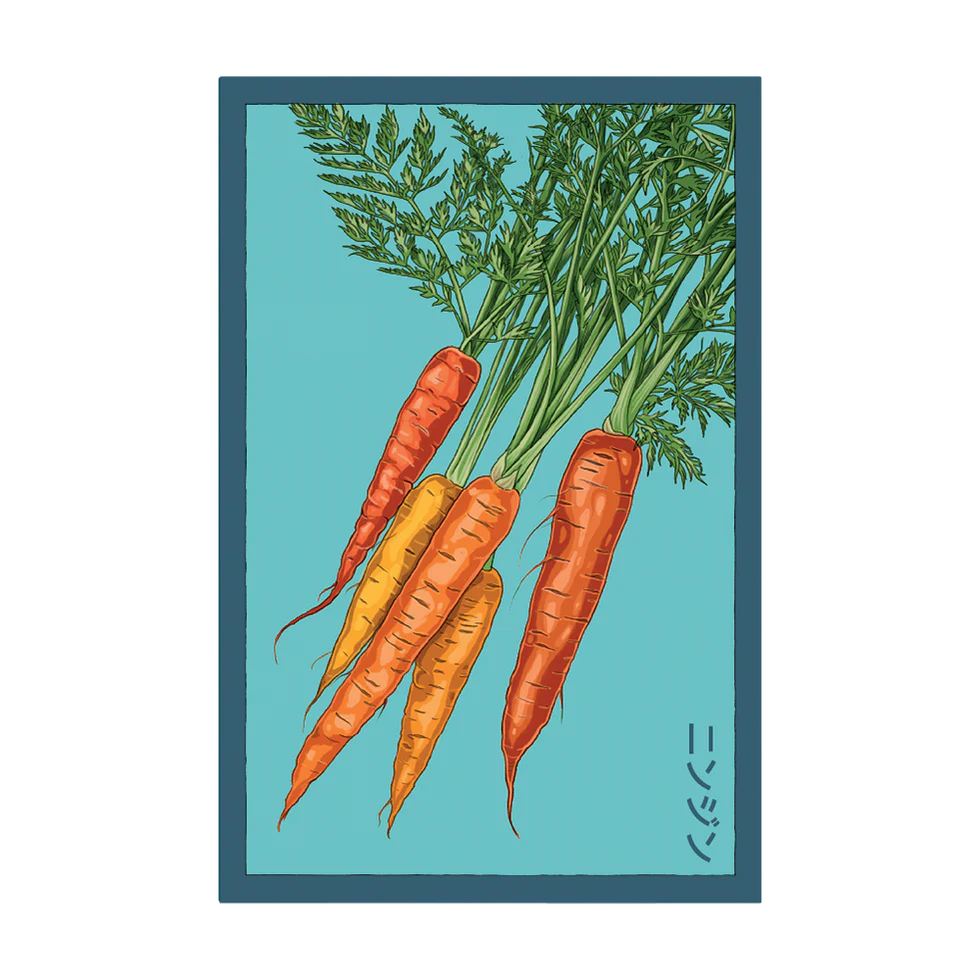
For another root crop that thrives in the same cool-season conditions, the Carrot shares beet's preference for loose, fertile soil.


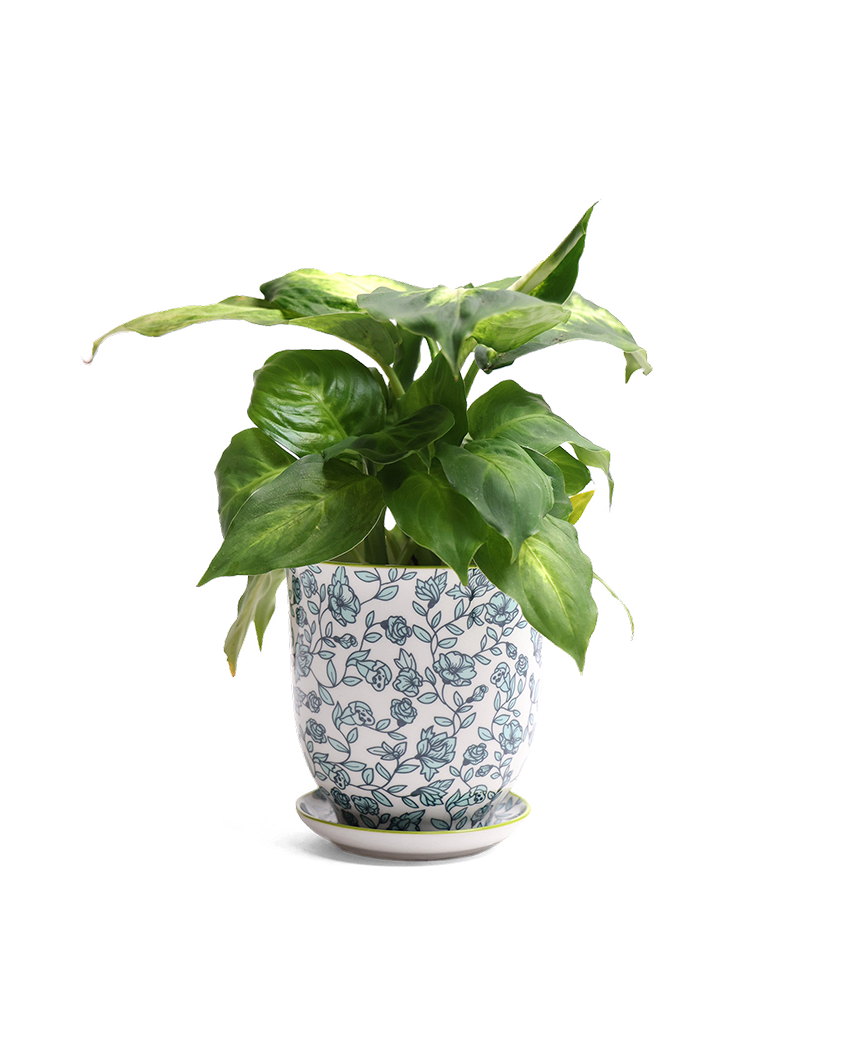
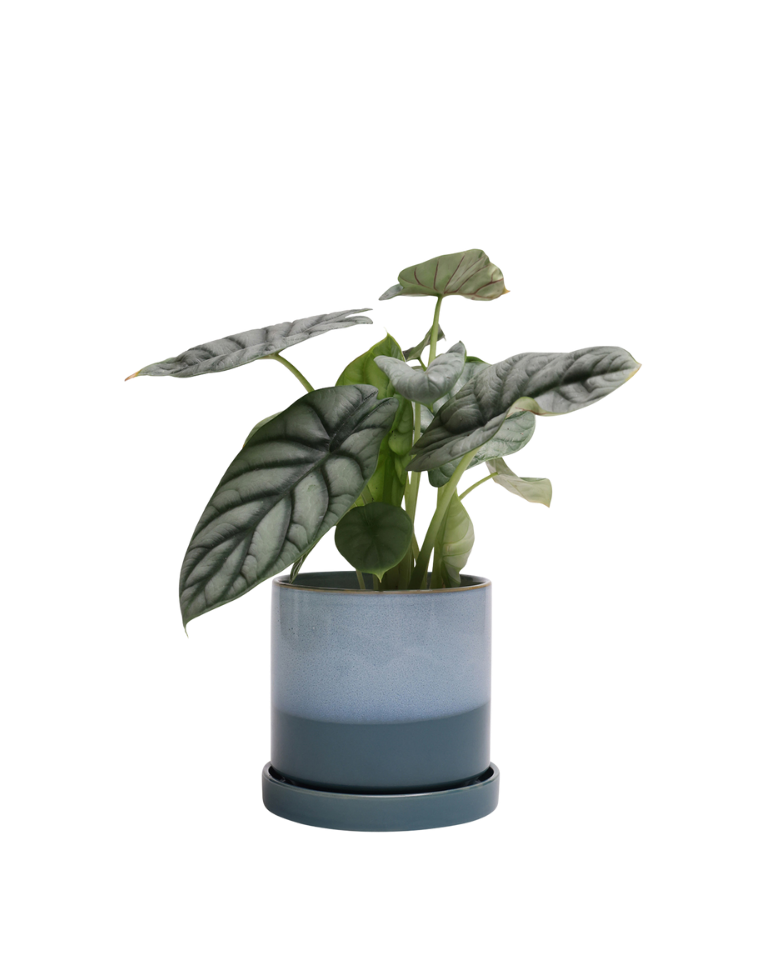
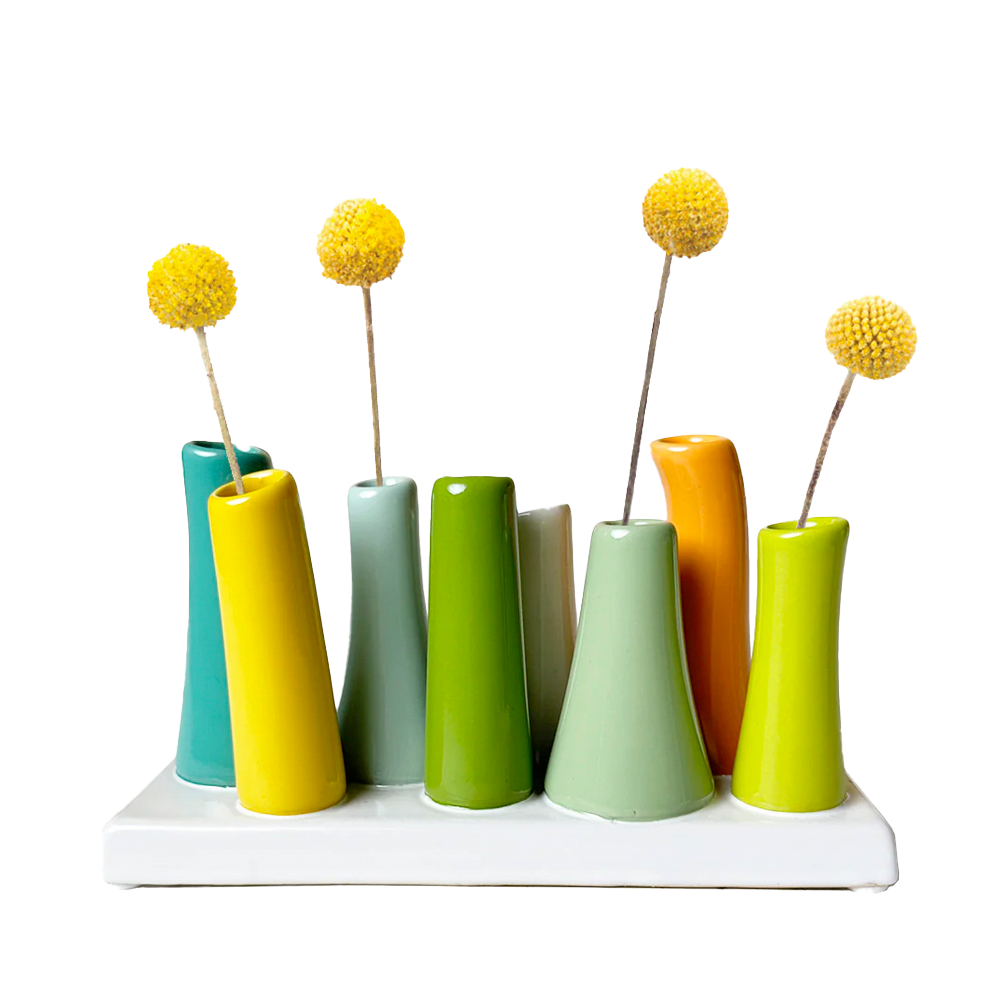
Pretty Pots for Pretty Plants

Your plants work hard to look good—shouldn’t their pots do the same? Choose from our gorgeous flower pots and let your greenery thrive in style. Because plain plastic is just rude.