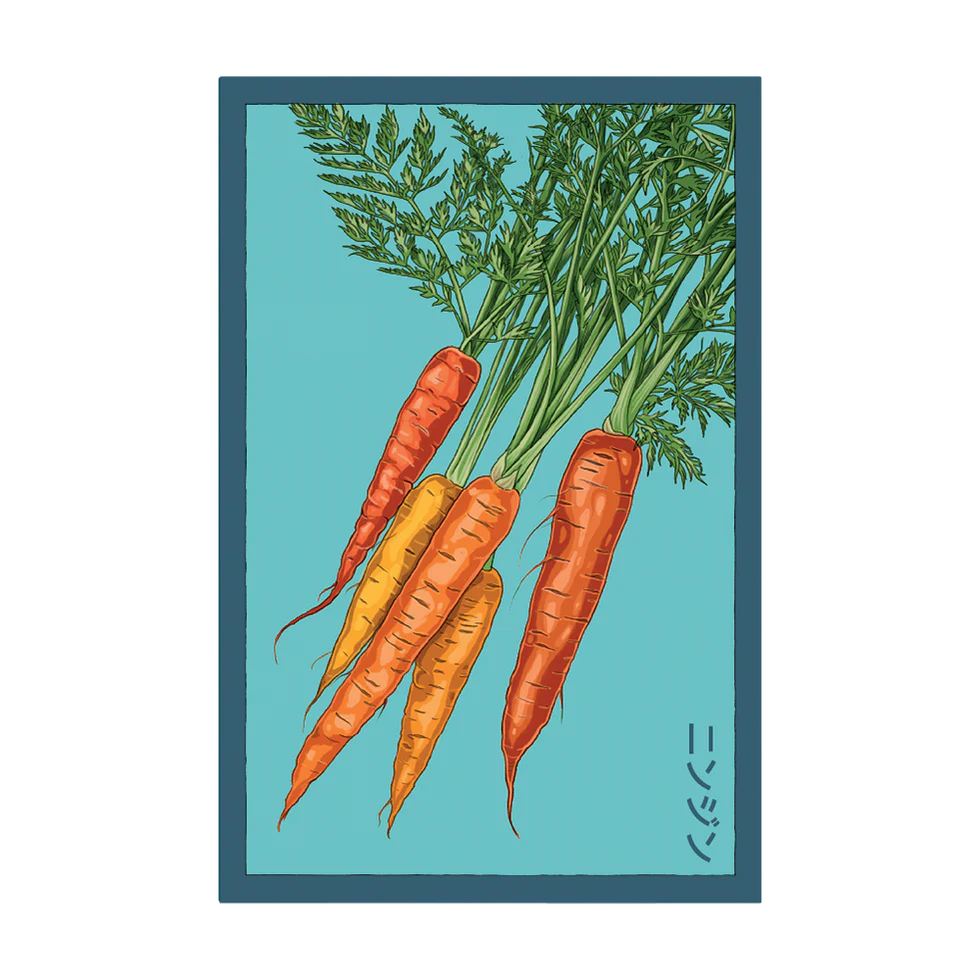
Carrot Vegetable Seeds Packet

$4.95

7 reviews

FREE SHIPPING on seeds when you order 5 packs or more

Carrot seeds for the kitchen garden that intends to actually produce carrot this year. Carrots are the vegetable that requires the soil to be prepared properly, and then performs accordingly.

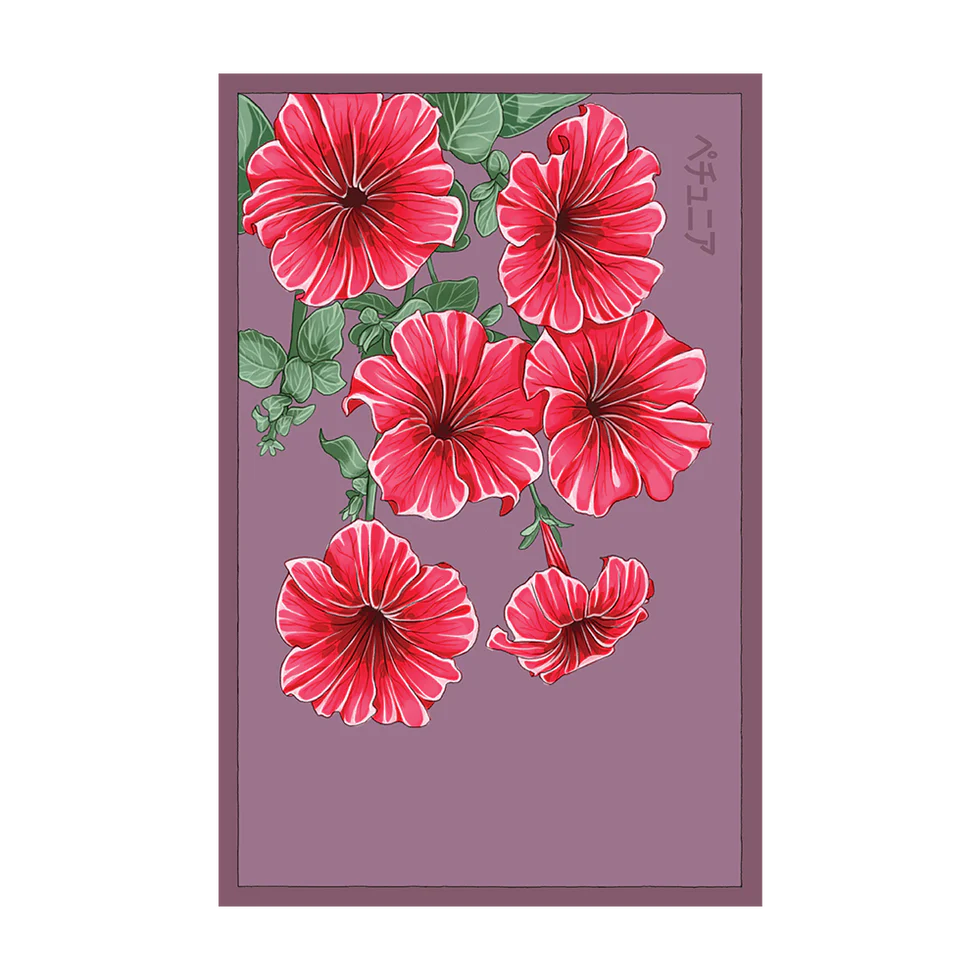
Carrot is the classic garden carrot that rewards loose, deep soil and regular thinning with long, sweet roots. Each packet is hermetically vacuum-sealed -- removing the oxygen that causes standard paper seed packets to lose germination viability within approximately one year. State law requires a 3-year viability label on sealed packaging. NASA research on hermetic seed storage indicates viability of up to 10 years under proper conditions. Every packet is non-GMO and germination-tested at independent third-party labs before it earns its Japanese woodblock print artwork.

Quick Seed Overview
  • Plant Type: Biennial
  • Genus: Daucus
  • Species: Carota
  • Plant Height/Width: 1–2 ft tall x 1 ft wide
  • Season: Spring and Fall
  • Exposure: Full Sun
  • Difficulty: Easy
Satisfaction Guarantee

We stand by the quality of our flower seed packets! With high germination rates and vibrant blooms, your garden is sure to flourish. If you're not completely satisfied, we’ll replace or refund—guaranteed!

Why Shido Seeds Are the Best

Our flower and vegetable seeds are beautifully packaged little packets of magic. Guaranteed to turn your garden into the envy of the neighborhood. Get your hands dirty and let nature simply do its thing.

How to Plant Carrot from Seed

PlantCare

When to Plant

  • Spring Crop: Sow seeds 2-3 weeks before the last expected frost.
  • Fall Crop: Plant seeds 8-10 weeks before the first expected frost.
  • Succession Planting: Sow seeds every 2-3 weeks for a continuous harvest.

Preparing for Planting

  1. Choose a sunny, well-drained location.
  2. Loosen the soil 12 inches deep to allow for unobstructed root growth.
  3. Remove rocks and debris to prevent root deformities.
  4. Add compost or aged manure, avoiding high nitrogen content.
PlantCare water

Sowing Seeds

  1. Sow seeds ¼ inch deep in rows 12-18 inches apart.
  2. Space seeds ½ inch apart, as they can be thinned later.
  3. Cover lightly with fine soil or sand and water gently.
  4. Keep the soil moist but not waterlogged until germination.
  5. Seeds will germinate in 10-21 days, depending on temperature.

Thinning Seedlings

  • Once seedlings reach 2 inches tall, thin them to 2 inches apart.
  • Crowded carrots will develop small or twisted roots.

Pro Tip

Carrots need loose, well-draining soil—rocks and compacted dirt can cause misshapen roots. Keep the soil consistently moist for even germination, and thin seedlings early to give each carrot room to grow.

Bonus: A light frost makes them sweeter, so don’t rush to harvest in the fall!

Companion Plants

Getting to know your Carrot

Carrots are cool-season root vegetables known for their sweet, genuinely crunchy texture once grown under the right conditions. They perform best in loose, sandy soil that allows roots to develop straight and long rather than forking or twisting around whatever resistance they meet underground. Carrots come in a wider range of colours than most people expect, including purple, yellow, and white varieties alongside the familiar orange, each with subtly different flavour notes. Consistent moisture throughout the growing season matters enormously, since inconsistent watering is one of the more common causes of cracked, misshapen roots that fall short of what a gardener actually hoped to pull from the ground. Rich in beta-carotene, carrots show up everywhere from raw salads to soups and fresh juices, versatile enough to anchor a dish or simply disappear into one. Carrot flies and nematodes are the more persistent pest concerns, though companion planting with onions tends to help keep both at a manageable distance without requiring anything harsher. Getting the soil right from the start does more for a carrot harvest than almost any other single decision a gardener makes. Everything else about growing carrots well follows from that one early decision. Skipping it tends to show up in the harvest more than anything else a gardener does.

What it's used for

1. Culinary Uses:

  • Eaten raw in salads, juiced, steamed, roasted, or cooked in soups and stews.
  • Used to make carrot cake, smoothies, and baby food.

2. Nutritional Benefits:

  • High in vitamin A (from beta-carotene), vitamin K, fibre, and antioxidants.
  • Supports eye health, digestion, and immune function.

3. Companion Planting:

  • Grows well with onions, lettuce, tomatoes, and radishes.
  • Helps repel pests like carrot flies when planted with strong-scented herbs.
Growth Requirements

Light:

  • Requires full sun (6+ hours of direct sunlight daily) but can tolerate light shade.

Soil:

  • Prefers loose, well-draining, sandy or loamy soil with a pH of 6.0-7.0.
  • Avoid heavy clay soils, which can cause forked or misshapen roots.

Watering:

  • Needs consistent moisture, about 1 inch of water per week.
  • Avoid waterlogging, as this can cause root rot.

Temperature & Climate:

  • Best growing temperatures: 50-75°F (10-24°C).
  • Can tolerate light frost, which can enhance their sweetness.

Fertilization:

  • Avoid high-nitrogen fertilizers, which encourage leafy growth instead of root development.
  • Use a balanced organic fertilizer or compost before planting.
Maintenance

Watering:

  • Provide consistent moisture to prevent cracking or tough roots.
  • Use mulch to retain soil moisture and reduce weeds.

Harvesting and Seed Collection

  1. When to Harvest:
    Carrots are ready 60-80 days after planting.
    Harvest when roots are firm and reach full size (typically 1/2-1 inch in diameter).
    Pull gently to avoid breaking the roots.
  2. Storing Carrots:
    Store in co ol, humid conditions (such as a root cellar) for long-term storage.
    Can be refrigerated in sealed plastic bags for freshness.
  3. Saving Seeds:
    Allow plants to flower and set seed in their second year.
    Collect dried seed heads, store in a cool, dry place, and plant the following season.
Pests and Diseases
  • Common Pests: Carrot flies, aphids, nematodes.
    Use floating row covers to deter carrot flies.
    Companion plant with onions or garlic to repel pests.
  • Common Diseases: Powdery mildew, root rot.
    Ensure proper spacing and avoid overwatering.

Another Root Worth Growing

For a root crop that shares carrot's love of loose soil, Beet brings a completely different flavour and colour to the same growing conditions.


Pretty Pots for Pretty Plants

Your plants work hard to look good—shouldn’t their pots do the same? Choose from our gorgeous flower pots and let your greenery thrive in style. Because plain plastic is just rude.