Butterhead Lettuce Vegetable Seeds Packet

$4.95

6 reviews

FREE SHIPPING on seeds when you order 5 packs or more

Butterhead Lettuce seeds for the kitchen garden that intends to actually produce butterhead lettuce this year. Butterhead lettuce is what salad looks like when it has been given adequate space and something to do.

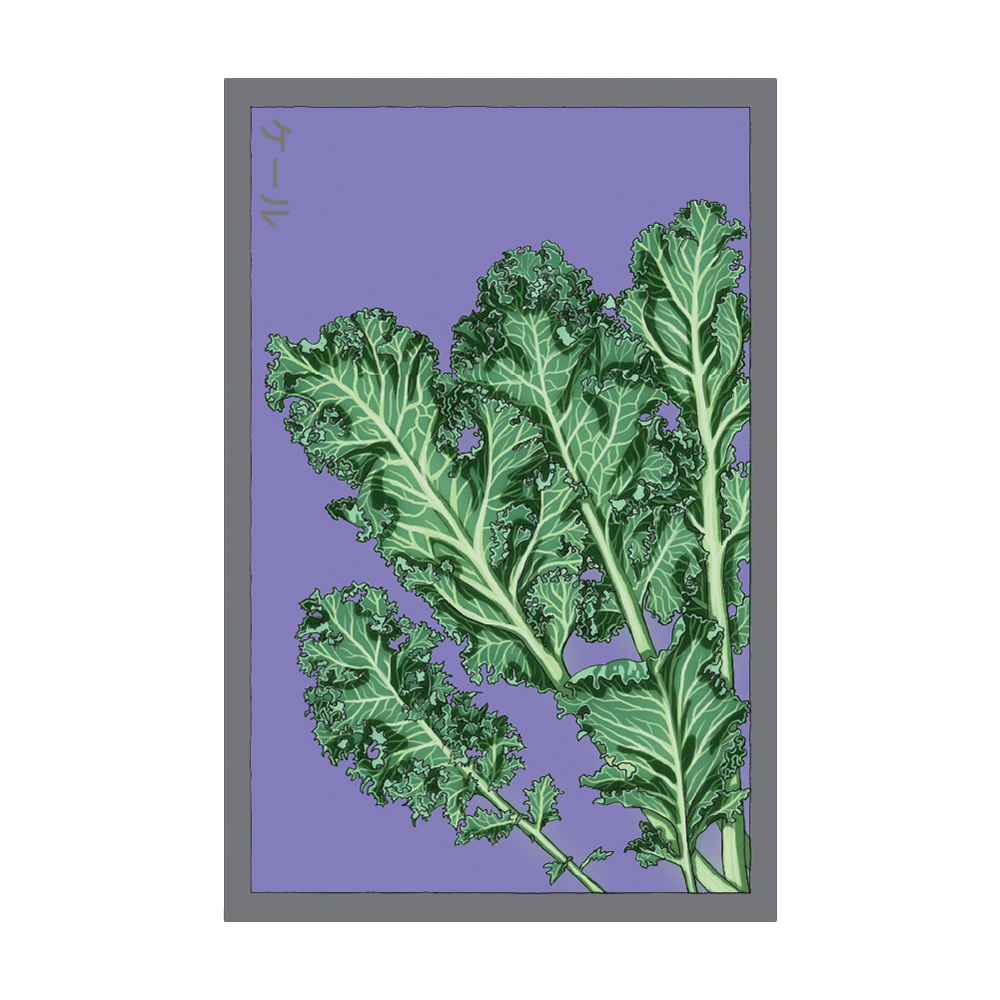
Butterhead Lettuce is soft, loose-headed lettuce with buttery texture and mild flavour -- the easiest and most useful salad base. Each packet is hermetically vacuum-sealed -- removing the oxygen that causes standard paper seed packets to lose germination viability within approximately one year. State law requires a 3-year viability label on sealed packaging. NASA research on hermetic seed storage indicates viability of up to 10 years under proper conditions. Every packet is non-GMO and germination-tested at independent third-party labs before it earns its Japanese woodblock print artwork.

Quick Seed Overview
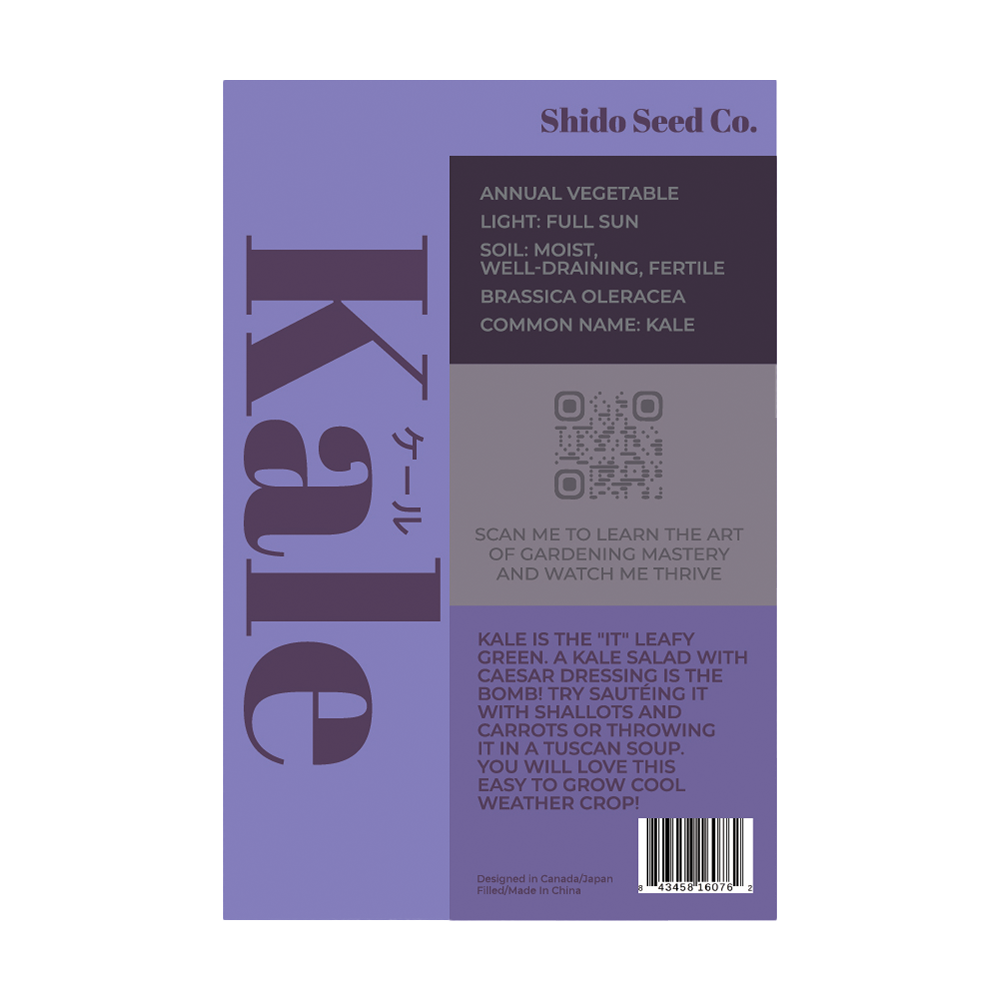
  • Plant Type: Annual
  • Genus: Lactuca
  • Species: Sativa
  • Plant Height/Width: 6–8 in tall x 6–8 in wide
  • Season: Spring or Fall
  • Exposure: Full Sun to Part Shade
  • Difficulty: Easy
Satisfaction Guarantee

We stand by the quality of our flower seed packets! With high germination rates and vibrant blooms, your garden is sure to flourish. If you're not completely satisfied, we’ll replace or refund—guaranteed!

Why Shido Seeds Are the Best

Our flower and vegetable seeds are beautifully packaged little packets of magic. Guaranteed to turn your garden into the envy of the neighborhood. Get your hands dirty and let nature simply do its thing.

How to Plant Butterhead Lettuce from Seed

PlantCare

When to Plant Seeds

  • Spring Planting: Start seeds indoors 4-6 weeks before the last frost.
  • Fall Planting: Sow seeds 8-10 weeks before the first expected frost.
  • Succession Planting: Sow seeds every 2-3 weeks for a continuous harvest.

Preparing for Planting

  1. Choose a sunny or partially shaded location with well-drained, fertile soil.
  2. Loosen the soil to at least 8 inches deep.
  3. Amend soil with compost and organic matter to boost fertility.
PlantCare water

Starting Seeds Indoors

  1. Fill seed trays or containers with moist seed-starting mix.
  2. Sow seeds ¼ inch deep and lightly cover with soil.
  3. Maintain a temperature of 60-70°F (15-21°C) for optimal germination.
  4. Water gently to keep the soil moist but not soggy.
  5. Seedlings will germinate in 7-14 days.
  6. Once seedlings have 2-3 sets of true leaves, transplant them outdoors.

Direct Sowing in the Garden

  1. Sow seeds ¼ inch deep in rows spaced 12-18 inches apart.
  2. Thin seedlings to 6-12 inches apart once they reach 2 inches tall.
  3. Keep soil evenly moist to ensure steady growth.

Pro Tip

For tender, sweet butterhead lettuce, plant in cool weather (spring or fall) and provide consistent moisture to prevent bitterness.

Bonus: Harvest outer leaves as needed or cut the whole head when full-sized but before it bolts (sends up a flower stalk). To extend the harvest, plant in succession every 2–3 weeks.

Companion Plants

Getting to know your Butterhead Lettuce

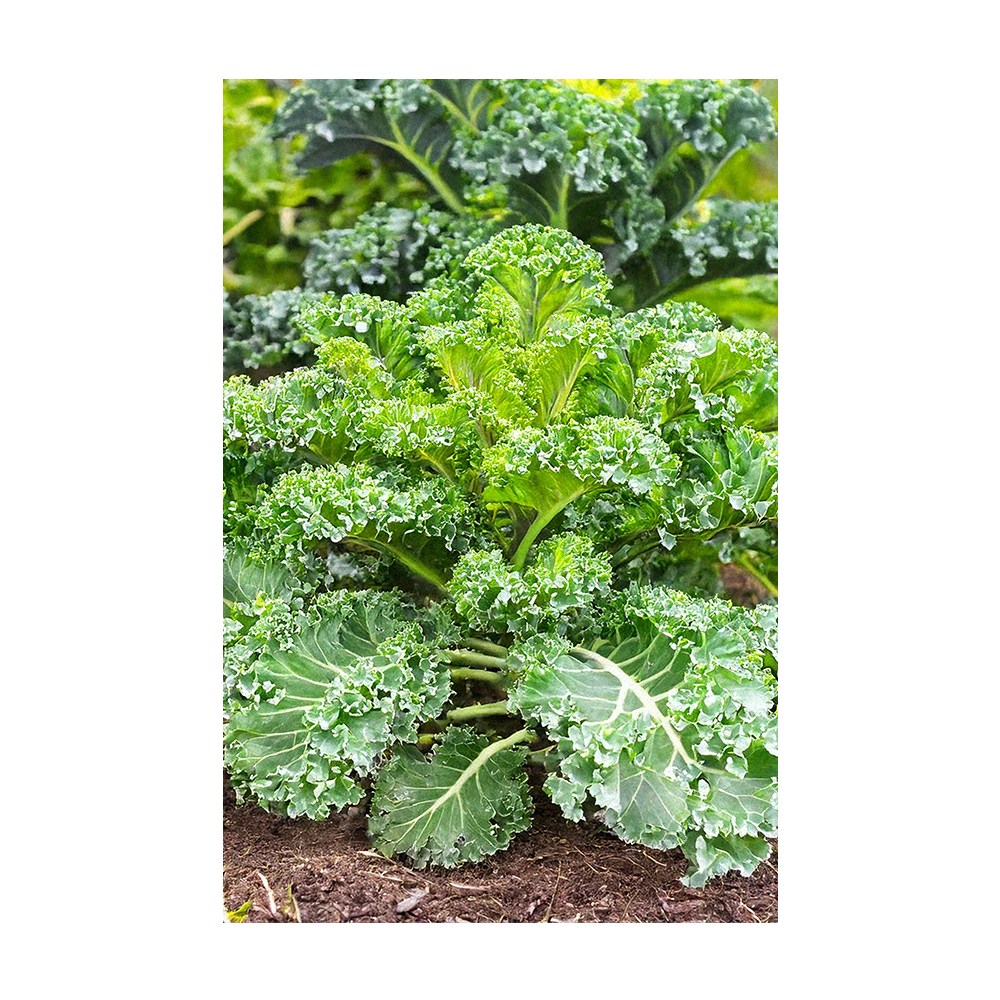
Butterhead Lettuce forms loose, rounded heads with soft, buttery-textured leaves that give the variety its name, and it thrives in cool weather alongside well-drained, fertile soil. The flavour is mild and delicate, which is exactly why the tender leaves show up so often in salads and wraps rather than heartier dishes that would overwhelm them. Classic Butterhead varieties, including Bibb and Boston lettuce, mature at a comfortable pace relative to other lettuce types, forming heads that stay slightly more compact than loose-leaf varieties while remaining noticeably looser than a dense crisphead. Regular watering keeps the leaves genuinely tender rather than tough, and it also helps prevent the plant from bolting prematurely once warmer weather sets in, a common frustration with lettuce generally. Butterhead can attract slugs and aphids like most leafy greens, though organic pest control methods handle both without much difficulty for a gardener paying reasonable attention. The appeal of Butterhead really comes down to texture as much as flavour — those soft, almost silky leaves fold naturally around other ingredients in a wrap in a way crisper lettuces never quite manage, which is probably why chefs reach for it specifically when texture matters as much as taste. Few lettuces manage that particular balance quite as well.

What it's used for

1. Culinary Uses:

  • Commonly used in salads, sandwiches, wraps, and garnishes.
  • Ideal for lettuce wraps due to its soft, pliable leaves.
  • Can be used in soups and light sautés.

2. Nutritional Benefits:

  • High in vitamins A, C, and K.
  • Contains fibre, folate, and antioxidants that support digestion and immune health.

3. Companion Planting & Soil Improvement:

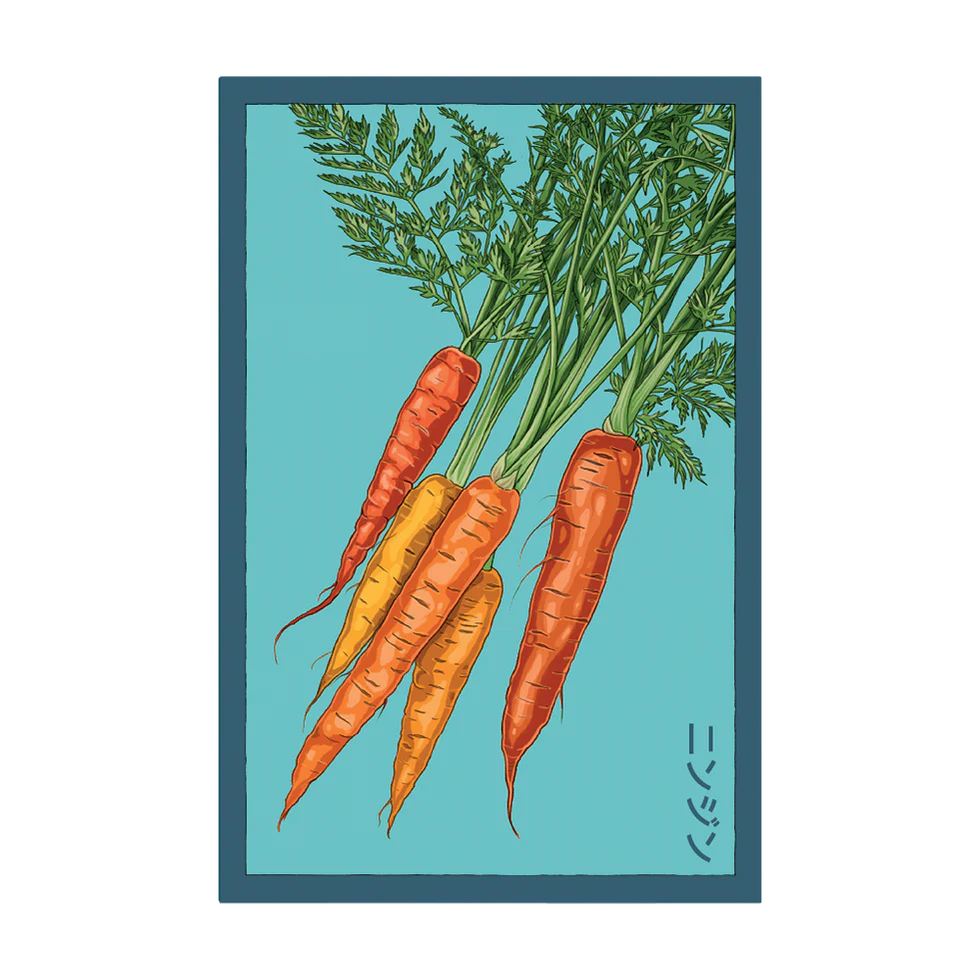
  • Grows well with carrots, radishes, beets, and herbs.
  • Helps suppress weeds due to its dense growth habit
Growth Requirements

Light:

  • Requires full sun to partial shade.
  • In warm climates, partial shade helps prevent bolting.

Soil:

  • Prefers well-drained, nutrient-rich soil with a pH of 6.0-6.8.
  • Amending soil with compost and organic matter improves fertility.

Watering:

  • Needs consistent moisture; keep soil evenly moist.
  • Avoid overhead watering to prevent fungal diseases.

Temperature & Climate:

  • Ideal growing temperatures: 45-75°F (7-24°C).
  • Grows best in spring and fall.
  • Can tolerate light frost, but extreme heat can cause bolting.

Fertilization:

  • Apply a balanced fertilizer (10-10-10) at planting time.
  • Side-dress with compost or organic fertilizers as needed.
Maintenance

Watering:

  • Water regularly to keep soil moist but avoid waterlogging.
  • Mulch around plants to retain moisture and regulate soil temperature

Fertilization:

  • Apply a light nitrogen-rich fertilizer every 3-4 weeks for optimal growth.

Weeding & Mulching:

  • Keep weeds under control to reduce competition.
  • Mulch with straw or organic material to maintain soil health.

Harvesting

  1. When to Harvest:
    Harvest when heads are firm and full, about 45-55 days after planting.
    Pick outer leaves for a continuous harvest or cut the whole head at the base.
  2. Saving Seeds:
    Allow plants to bolt and produce flowers.
    Collect dried seed pods and store seeds in a cool, dry place.
Pests and Diseases
  • Common Pests: Aphids, slugs, and cutworms.
    Use floating row covers or organic insecticides to control infestations.
  • Common Diseases: Downy mildew, powdery mildew, and root rot.
    Ensure good air circulation and avoid overhead watering.

A Crisper Alternative

For a leaf with more crunch and a different growth habit, the Green Leaf Lettuce trades Butterhead's soft texture for something considerably crisper.


Pretty Pots for Pretty Plants

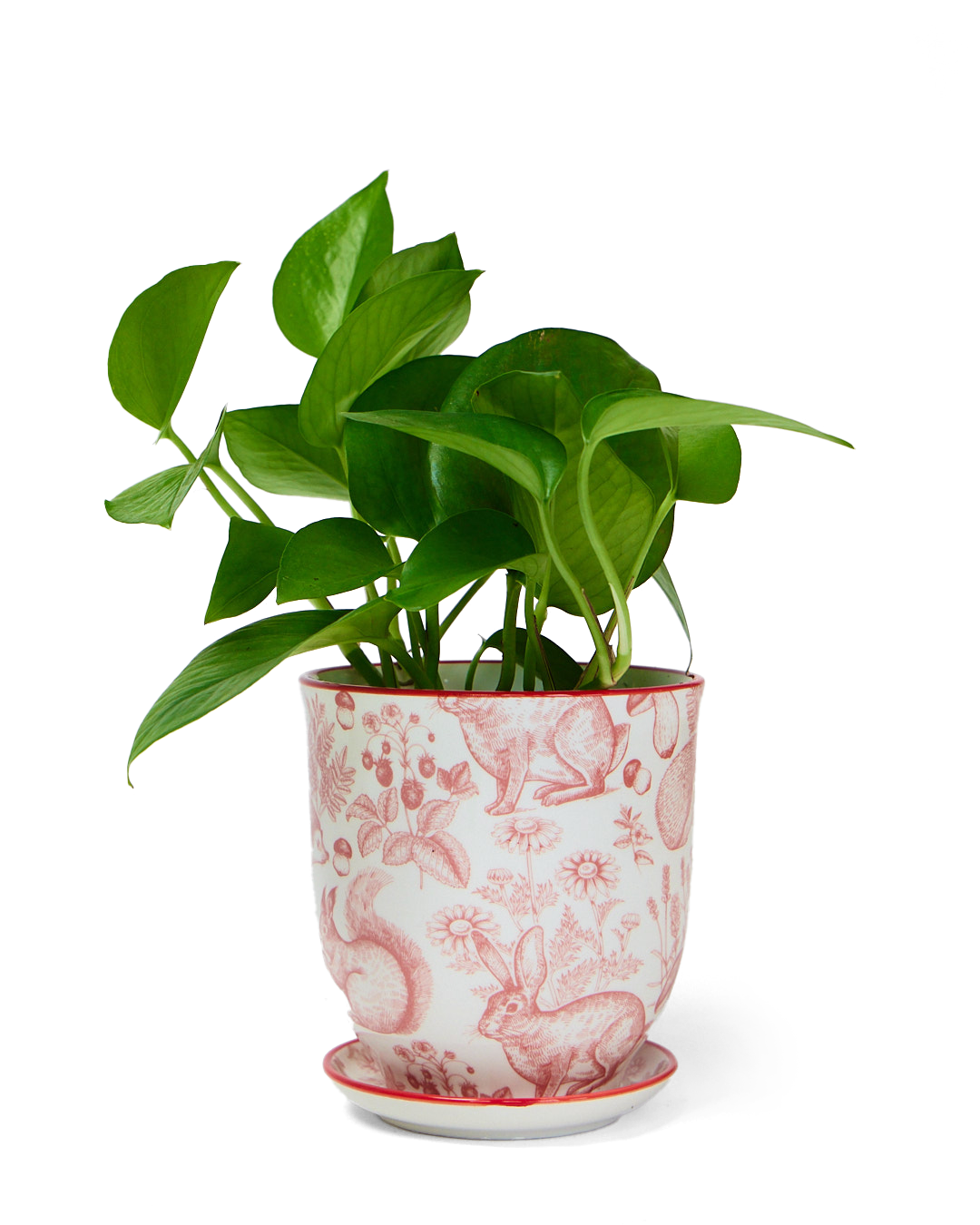
Your plants work hard to look good—shouldn’t their pots do the same? Choose from our gorgeous flower pots and let your greenery thrive in style. Because plain plastic is just rude.