Columbine Flower Seeds Packet

$4.95

3 reviews

FREE SHIPPING on seeds when you order 5 packs or more

Columbine seeds grow into an airy perennial whose petals extend into distinctive spurs, a silhouette unlike anything else in the border. Shido columbine seeds are non-GMO and hermetically vacuum-sealed — a proper foundation for learning how to grow columbine from seed — while standard paper-packed seeds lose germination viability within approximately one year.

The spurred petals look like they were designed by someone who had seen flowers and simply wanted to try something in a different direction. It self-seeds readily and tends to wander a few feet from where it was originally planted, turning up in gaps you never assigned it to. Hummingbirds visit for the nectar hidden inside those spurs, which is more than decoration was ever the point. It tolerates the light shade under trees that stops most flowering perennials cold, blooming happily in a. Every packet ships germination-tested at independent third-party labs before packaging.

Quick Seed Overview
  • Plant Type: Perennial Zones 3-9
  • Genus: Aquilegia
  • Plant Height/Width: 1-3 inches high, 6" to 2ft wide
  • Season: Blooms late spring and early summer
  • Exposure: Part Shade. Will tolerate full sun
  • Difficulty: Easy
  • Attributes: Attract Pollinators
Satisfaction Guarantee

We stand by the quality of our flower seed packets! With high germination rates and vibrant blooms, your garden is sure to flourish. If you're not completely satisfied, we’ll replace or refund—guaranteed!

Why Shido Seeds Are the Best

Our flower and vegetable seeds are beautifully packaged little packets of magic. Guaranteed to turn your garden into the envy of the neighborhood. Get your hands dirty and let nature simply do its thing.

How to Plant Columbines from Seed

PlantCare

When to Plant Seeds

  • Outdoors: Sow seeds in early spring after the last frost or in late fall for natural stratification.
  • Indoors: Start seeds 6-8 weeks before the last frost date for earlier blooms.

Seed Preparation

  • Columbine seeds benefit from cold stratification to improve germination rates.
  • Place seeds in a moist paper towel inside a plastic bag and refrigerate for 3-4 weeks before planting.
PlantCare water

Sowing Seeds Outdoors

  1. Choose a well-drained, partially shaded site.
  2. Scatter seeds on the soil surface and lightly press them in without covering (they require light to germinate).
  3. Keep soil evenly moist until germination occurs, typically 14-30 days.
  4. Thin seedlings to 12-18 inches apart once they have at least two sets of leaves.

Starting Seeds Indoors

  1. Fill seed trays with moist, well-draining seed-starting mix.
  2. Lightly press seeds onto the surface without covering them.
  3. Maintain temperatures of 65-70°F and provide indirect light.
  4. Keep soil moist but not waterlogged until germination occurs.
  5. Transplant seedlings outdoors once they are 3-4 inches tall.

Pro Tip

They self-seed easily, so leave some spent flowers if you want them to return next year!

Bonus: Hummingbirds love them, making them a perfect addition to a pollinator-friendly garden.

Companion Plants

The Story Behind This Packet

Columbine seeds have been part of the Shido lineup since the collection first opened, grown into an airy perennial whose petals extend into distinctive spurs, a silhouette unlike anything else in the border. Every packet is illustrated in the style of early-1900s Japanese woodblock printing, drawn in-house rather than licensed, which means the artwork on this packet exists nowhere else. The seeds themselves are hermetically vacuum-sealed, a packaging choice that has as much to do with the garden as the growing does: a standard paper packet starts losing viability within about a year, while a vacuum seal holds that line for years longer, so the packet in a drawer is still a packet worth planting whenever the moment actually arrives. Shido treats the seed itself as worth that extra step, on the theory that a gardener who buys columbine seeds deserves a packet that is still viable whenever they finally get around to using it, not just the season they bought it.

What it's used for

1. Ornamental Gardening:

A popular choice for woodland gardens, cottage gardens, and borders.

Works well in shady or partially sunny locations.

2. Pollinator Support:

Columbines provide an essential nectar source for hummingbirds, bees, and butterflies.

Supports biodiversity by attracting beneficial insects.

Cut Flowers & Floral Arrangements:

The long-stemmed flowers make beautiful additions to floral bouquets.

Blooms last well when cut fresh from the garden.

3, Companion Planting:

Pairs well with ferns, hostas, bleeding hearts, and other shade-loving plants.

Helps fill gaps in the garden with its delicate foliage and airy flowers.

4, Naturalizing & Wildflower Meadows:

Columbines self-seed easily, making them great for naturalized landscapes.

Can thrive in meadow plantings or along woodland edges.

Growth Requirements

Light:

  • Prefers partial shade, though it can tolerate full sun in cooler climates.
  • In hot climates, some afternoon shade is beneficial to prevent stress.

Soil:

  • Thrives in well-drained, loamy, and slightly acidic to neutral soil (pH 6.0-7.0).
  • Prefers moderate soil fertility; too much fertilizer can lead to weak stems.

Watering:

  • Requires regular watering, especially during establishment.
  • Once mature, Columbine is moderately drought-tolerant but benefits from occasional watering.

Temperature & Climate:

  • Hardy in USDA Zones 3-9.
  • Prefers cool to mild temperatures; excessive heat may shorten bloom time.
  • Can tolerate light frost, making it an excellent early-season bloomer.

Fertilization:

  • Apply a light layer of compost or a balanced fertilizer in early spring.
  • Avoid excessive nitrogen, which can promote excessive foliage at the expense of flowers.
Maintenance

Mulching:

  • Apply mulch to retain moisture and suppress weeds.
  • Helps keep roots cool in warm weather.

Deadheading & Pruning:

  • Remove spent flowers to encourage continuous blooming.
  • After flowering, cut back stems to promote healthy foliage growth.

Disease & Pest Prevention:

  • Ensure good air circulation to prevent fungal diseases.
  • Watch for leaf miners, which create trails in leaves; remove affected foliage.
Pests and Diseases

Pests:

  • Leaf miners – Remove infected leaves to prevent further damage.
  • Aphids – Treat with insecticidal soap if necessary.

Diseases:

  • Powdery Mildew – Can be minimized by ensuring proper air circulation.
  • Rust – Avoid overhead watering to reduce moisture on foliage.

More From the Shido Garden

Every Shido variety belongs to a wider garden of vacuum-sealed packets, each illustrated in-house. For a different take on the same general appeal as columbine, Evening Primrose is worth a look.


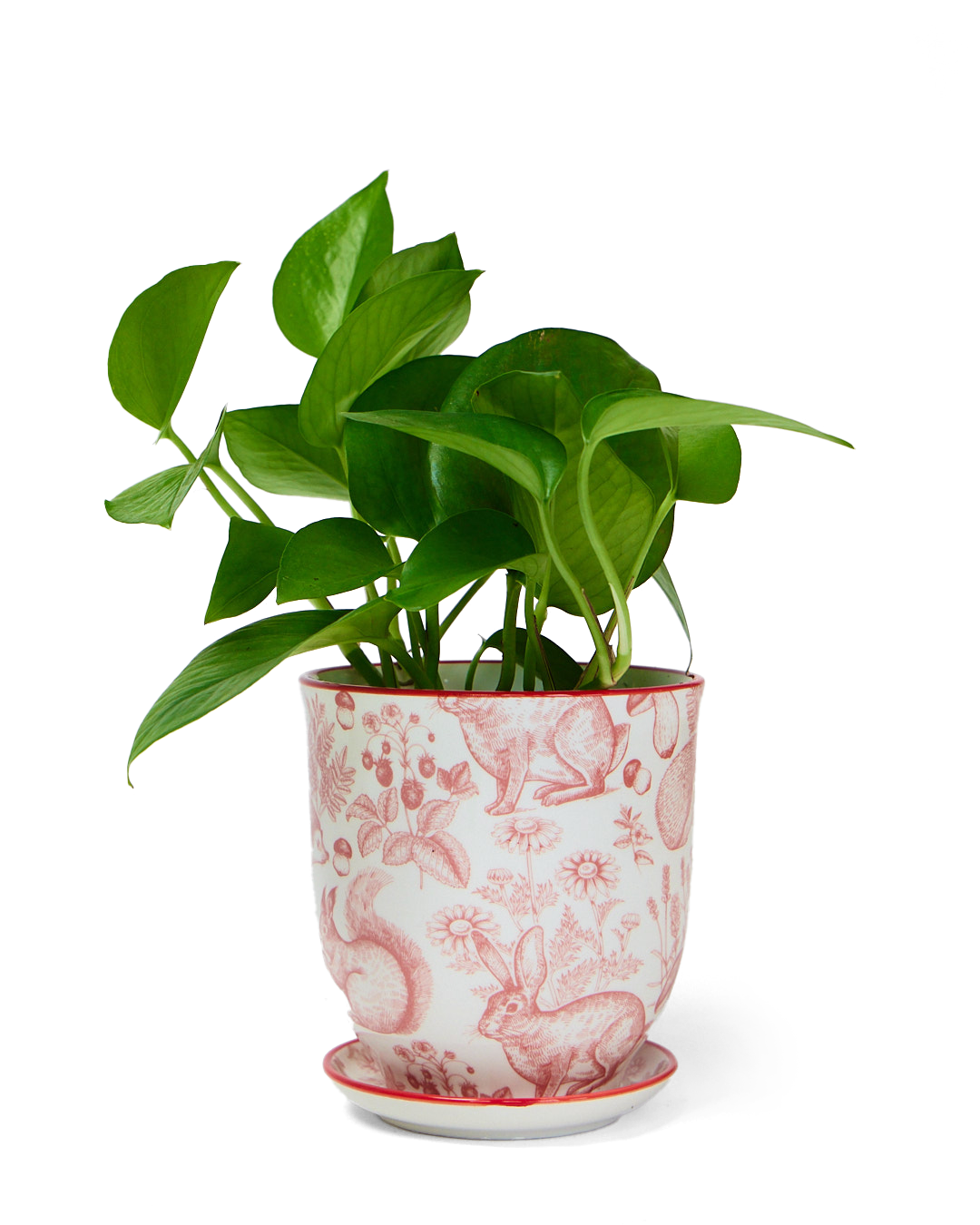
Pretty Pots for Pretty Plants

Your plants work hard to look good—shouldn’t their pots do the same? Choose from our gorgeous flower pots and let your greenery thrive in style. Because plain plastic is just rude.