
Watercress Vegetable Seeds Packet

$4.95

FREE SHIPPING on seeds when you order 5 packs or more

Watercress seeds for the kitchen garden that intends to actually produce watercress this year. Watercress is the vegetable that grows in water, which is either a solution to the irrigation problem or an entirely new one.

Watercress is a peppery aquatic green that grows in shallow water or constantly moist soil and delivers exceptional nutrition. Each packet is hermetically vacuum-sealed -- removing the oxygen that causes standard paper seed packets to lose germination viability within approximately one year. State law requires a 3-year viability label on sealed packaging. NASA research on hermetic seed storage indicates viability of up to 10 years under proper conditions. Every packet is non-GMO and germination-tested at independent third-party labs before it earns its Japanese woodblock print artwork.

Quick Seed Overview
  • Plant Type: Perennial
  • Genus: Nasturtium
  • Species: N. officinale
  • Plant Height/Width: 4–12 in tall x 12–24 in wide
  • Exposure: Full Sun to Part Shade
  • Season: Early Spring
  • Difficulty: Moderate
Satisfaction Guarantee

We stand by the quality of our flower seed packets! With high germination rates and vibrant blooms, your garden is sure to flourish. If you're not completely satisfied, we’ll replace or refund—guaranteed!

Why Shido Seeds Are the Best

Our flower and vegetable seeds are beautifully packaged little packets of magic. Guaranteed to turn your garden into the envy of the neighborhood. Get your hands dirty and let nature simply do its thing.

How to Plant Watercress from Seed

PlantCare

When to Plant Seeds

  • Indoors: Start seeds 6-8 weeks before the last frost date.
  • Outdoors: Sow directly in the garden in early spring or fall.

Preparing the Planting Site

  1. Select a container, hydroponic system, or moist garden bed.
  2. Use rich, loamy soil if planting in the ground.
  3. Ensure access to clean, slow-moving water for aquatic growth.
PlantCare water

Direct Sowing Outdoors

  1. Scatter seeds in a shallow water source, hydroponic system, or moist soil.
  2. Press seeds gently into the surface.
  3. Keep consistently moist and provide shade if temperatures are warm.
  4. Thin seedlings to 6-8 inches apart once they appear.

Sowing Seeds Indoors

  1. Fill seed trays with moist potting mix.
  2. Sprinkle seeds evenly on the surface and press lightly.
  3. Cover with a thin layer of soil.
  4. Keep soil consistently moist but not waterlogged.
  5. Place in a warm location (65-70°F/18-21°C).
  6. Germination occurs in 5-7 days.
  7. Transplant seedlings when they are 2-3 inches tall.

Pro Tip

Watercress thrives in constantly moist soil, so grow it near a water source or in a container with shallow water. For the best flavour, harvest young leaves regularly before the plant flowers.

Bonus: Snipping the stems often encourages fresh, tender growth!

Companion Plants

Getting to know your Watercress

Watercress is a fast-growing aquatic or semi-aquatic leafy green known for a genuinely peppery flavour that sets it apart from most other salad greens entirely. It thrives in clean, flowing water or consistently moist soil kept in partial shade, conditions considerably wetter than most vegetables actually ask for. The plant carries real nutritional value too, rich in vitamins A, C, and K, which has helped cement its reputation well beyond just a garnish on a plate. Watercress spreads quickly once established, often grown in shallow containers or genuinely near a water source that keeps the roots consistently wet throughout the growing period. It requires frequent harvesting to prevent flowering, since a plant left too long tends to develop a noticeably more bitter flavour once it shifts toward seed production. That quick growth habit makes watercress a rewarding crop for a gardener willing to keep the soil or water source genuinely consistent rather than letting it dry out between waterings. Its peppery bite works well in salads, sandwiches, or as a garnish that adds real flavour rather than just visual appeal. Few greens ask for quite this much moisture while rewarding that attention with quite this much genuine character in return.

What it's used for

1. Culinary Uses:

  • Adds flavour and nutrition to salads, sandwiches, and soups.
  • Blends well into pestos, dips, and sauces.
  • A staple ingredient in watercress soup.

2. Medicinal Benefits:

  • Rich in antioxidants, vitamin C, and iron.
  • Supports immune function and digestion.
  • Known for its detoxifying and anti-inflammatory properties.

3. Hydroponic and Aquatic Gardening:

  • Grows well in hydroponic systems.
  • Can be cultivated in shallow containers with water.
Growth Requirements

Light:

  • Prefers partial sun to full sun.
  • Ideally, 4-6 hours of sunlight per day.

Soil & Water:

  • Requires moist, nutrient-rich soil.
  • Best grown in shallow water, hydroponics, or bog-like conditions.
  • Can tolerate slightly alkaline conditions (pH 6.5-7.5).

Temperature & Climate:

  • Prefers cool temperatures (50-70°F/10-21°C).
  • Avoid extreme heat, as it can cause the plant to bolt.

Fertilization:

  • Use a diluted liquid fertilizer every few weeks.
  • Organic compost or fish emulsion enhances nutrient levels.
Maintenance

Mulching:

  • Apply light mulch around plants if grown in soil.
  • Helps retain moisture and suppress weeds.

Pruning:

  • Trim stems regularly to encourage bushier growth.
  • Harvest outer leaves first, allowing the centre to regrow.

Watering:

  • Requires constant moisture—do not allow soil or water levels to dry out.
  • Change water frequently in hydroponic setups.

Harvesting:

  • Ready for harvest in 4-6 weeks after planting.
  • Cut stems 2-3 inches above the base for continuous regrowth.
  • Best harvested in cooler morning hours for optimal freshness.

Refrigeration:

  • Store fresh watercress in a plastic bag with a damp paper towel.
  • Keeps fresh for 4-5 days.

Freezing:

  • Blanch leaves in boiling water for 30 seconds, then freeze.
  • Can be stored for up to 6 months.

Drying:

  • Not commonly dried, as fresh leaves provide the best flavour.
Pests and Diseases

A Drier Peppery Alternative
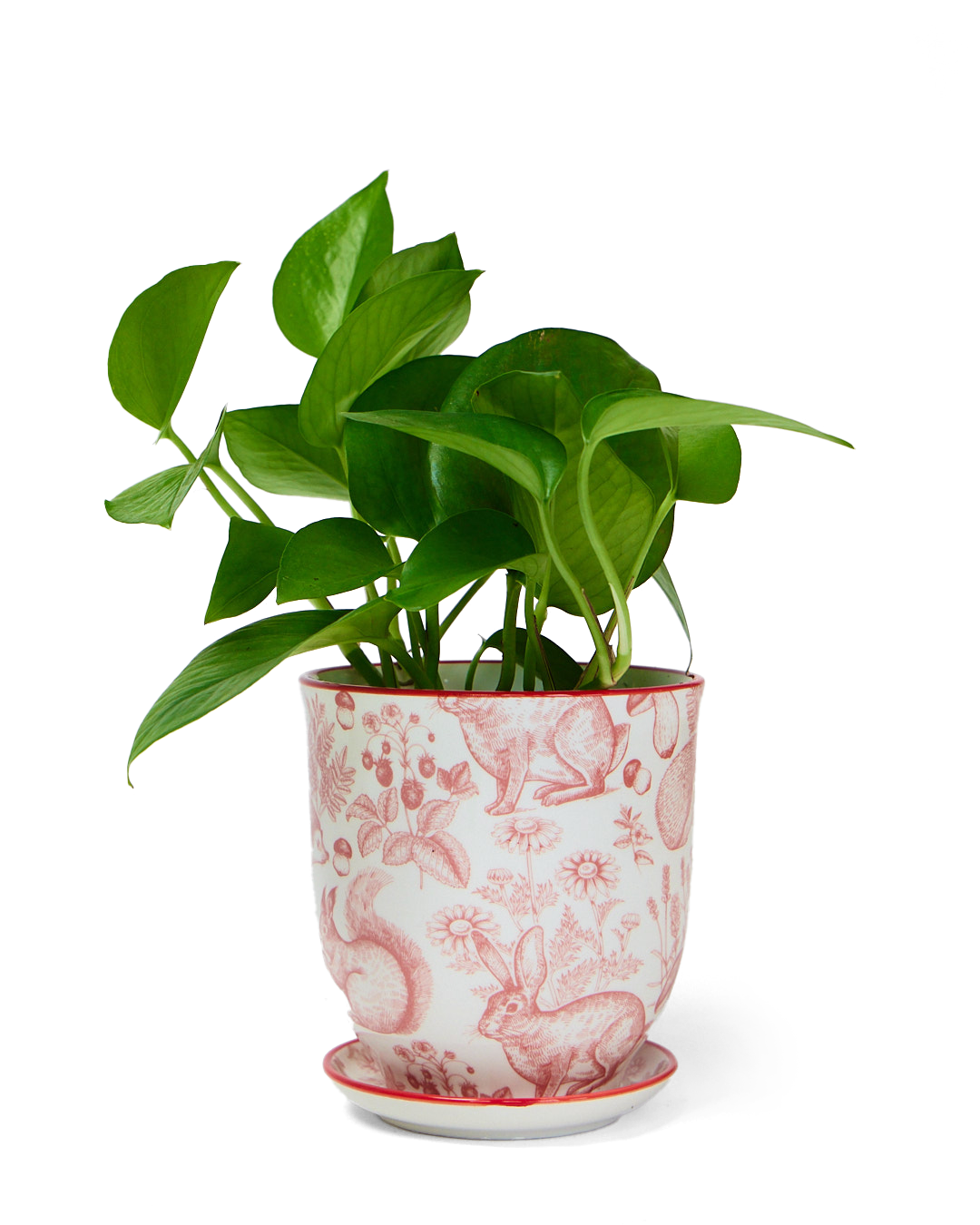
For a similarly peppery green that skips the water requirement, Arugula shares watercress's sharp bite with a much more forgiving growing setup.


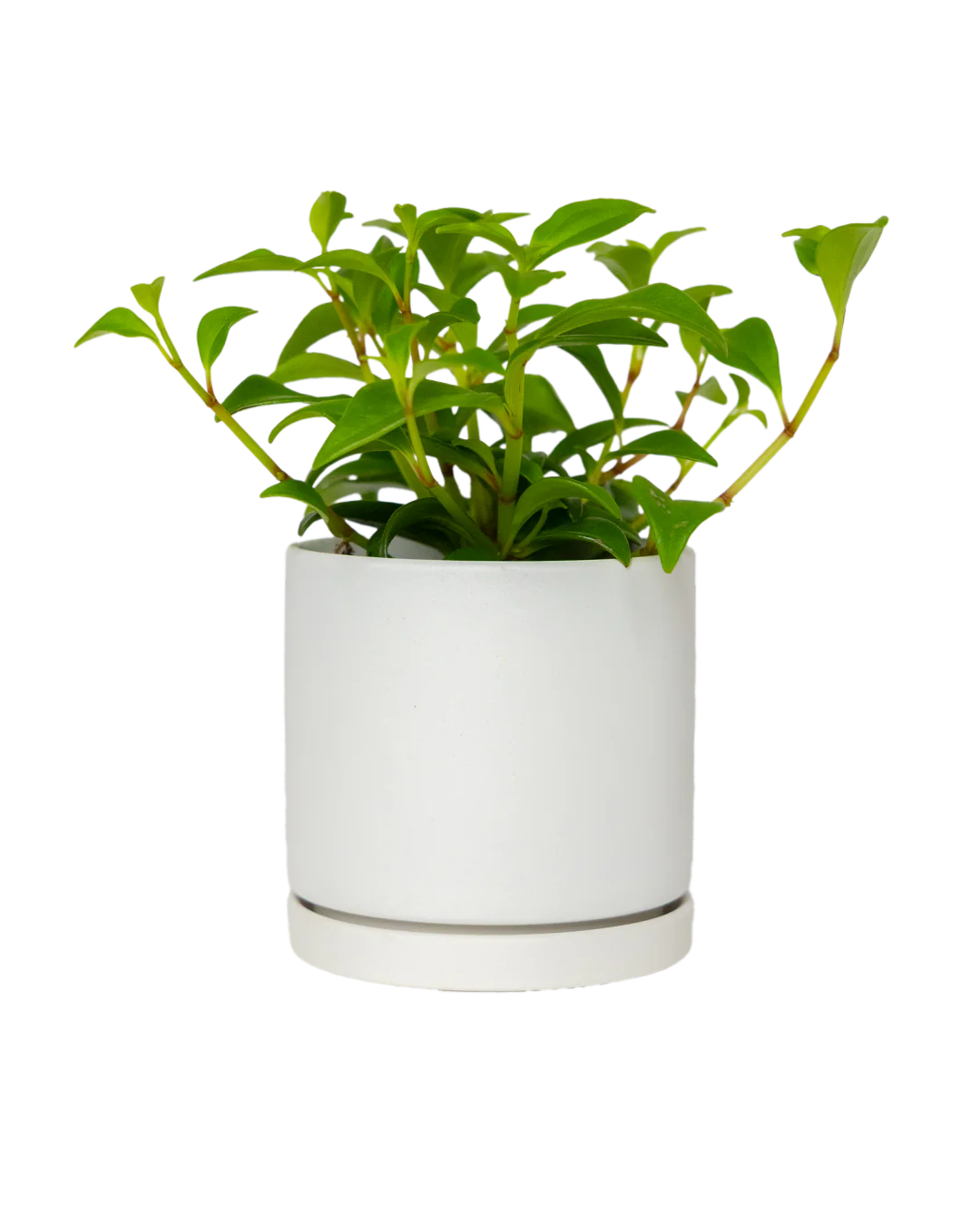
Pretty Pots for Pretty Plants

Your plants work hard to look good—shouldn’t their pots do the same? Choose from our gorgeous flower pots and let your greenery thrive in style. Because plain plastic is just rude.