

English Cucumber Vegetable Seeds Packet

$4.95

11 reviews

FREE SHIPPING on seeds when you order 5 packs or more

English Cucumber seeds for the kitchen garden that intends to actually produce english cucumber this year. The English Cucumber is the cucumber that decided not to have seeds in the middle, which is either restraint or excellent planning.

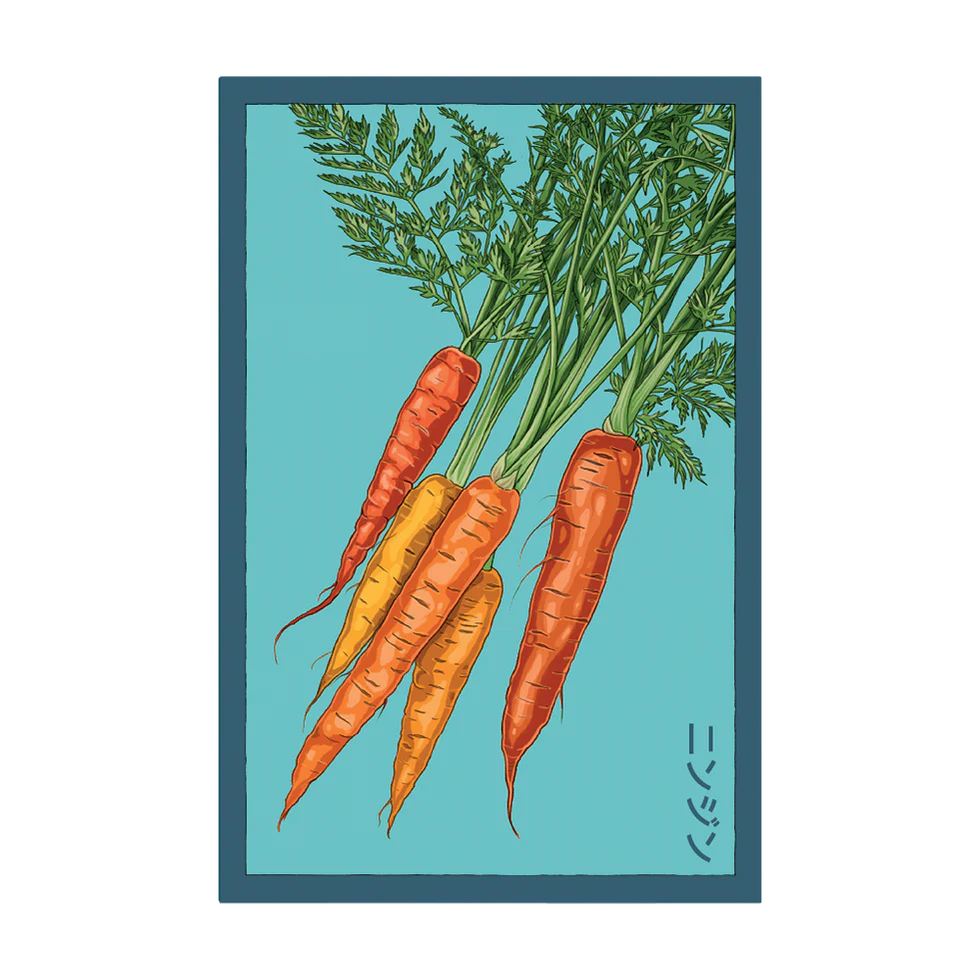
English Cucumber is the classic long thin-skinned cucumber with mild flavour and the decency not to require peeling. Each packet is hermetically vacuum-sealed -- removing the oxygen that causes standard paper seed packets to lose germination viability within approximately one year. State law requires a 3-year viability label on sealed packaging. NASA research on hermetic seed storage indicates viability of up to 10 years under proper conditions. Every packet is non-GMO and germination-tested at independent third-party labs before it earns its Japanese woodblock print artwork.

How to Grow English Cucumber from Seed

Sowing and Germination

Start indoors 3-4 weeks before last frost. Transplant into warm soil. Trellis recommended.

Care and Harvest

Long, thin-skinned cucumber with mild flavour. Harvest regularly to encourage production. 55-65 days.

Why Vacuum-Sealed Seeds Last Longer

Standard paper seed packets are permeable to oxygen and moisture -- the two primary causes of seed degradation. Most paper-packaged seeds begin losing germination viability after approximately one year, contributing to significant garden-industry waste: packets purchased, not planted, expired, discarded. Shido Seeds are hermetically vacuum-sealed. The packet does not expire quietly in a drawer. It waits.

About the Packaging

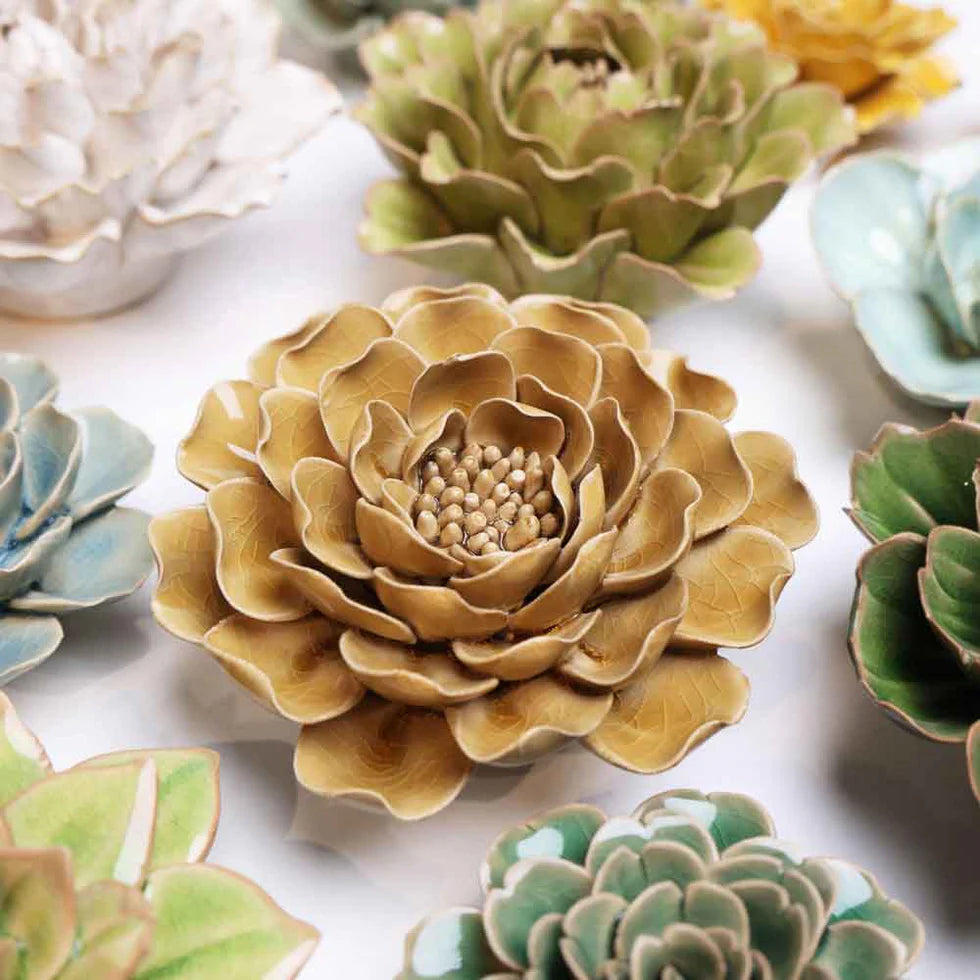
Every Shido seed packet is illustrated in the style of Japanese 1910s woodblock printing -- designed and drawn in-house by Chive, the Toronto ceramics studio that has been exhibiting at the Chelsea Flower Show in London every year and does not, as a matter of principle, sell to big-box retailers. Customers collect the packets as a series. This was not the original plan.

Quick Seed Overview
  • Plant Type: Annual
  • Genus: Cucumis
  • Species: Sativus
  • Plant Height/Width: 
  • Season: Late Spring after last frost
  • Exposure: Full Sun
  • Difficulty: Moderate
Satisfaction Guarantee

We stand by the quality of our flower seed packets! With high germination rates and vibrant blooms, your garden is sure to flourish. If you're not completely satisfied, we’ll replace or refund—guaranteed!

Why Shido Seeds Are the Best

Our flower and vegetable seeds are beautifully packaged little packets of magic. Guaranteed to turn your garden into the envy of the neighborhood. Get your hands dirty and let nature simply do its thing.

How to Plant Cucumber from Seed

PlantCare

When to Plant Seeds

  • Start seeds indoors 3-4 weeks before the last frost date.
  • Transplant outdoors after the danger of frost has passed.
  • In warm climates, seeds can be directly sown

Preparing for Planting

  1. Choose a sunny location with well-draining soil.
  2. Prepare garden beds by loosening soil to a depth of 8-12 inches.
  3. Enrich with aged compost or organic matter for added nutrients.
PlantCare water

Sowing Seeds

Starting Indoors:
Plant seeds 1/2 inch deep in biodegradable pots or seed trays.
Keep soil warm at 70-80°F (21-27°C) for optimal germination.
Expect seedlings to emerge in 5-10 days.

Direct Sowing in Garden:
Plant seeds in hills or rows, spacing them 12-18 inches apart.
Cover lightly with soil and water gently.
Mulch around seedlings to retain moisture and suppress weeds.

Transplanting Seedlings

  • Harden off seedlings for 7-10 days before transplanting outdoors.
  • Space plants 18-24 inches apart in rows 36-48 inches apart.
  • Provide a trellis or support structure to encourage vertical growth.

Pro Tip

English cucumbers grow best when trained vertically—use a trellis to keep them off the ground for straighter, cleaner fruit. Keep the soil consistently moist and harvest frequently to encourage continuous production.

Bonus: Pinch off the first few flowers to help the plant focus on strong vine growth early on!

Companion Plants

Getting to know your English Cucumber

English cucumbers are long, thin-skinned cucumbers known for their mild flavour and genuinely crisp texture, distinct from the thicker-skinned slicing cucumbers found at most grocery stores. They require warm temperatures, full sun, and trellising to grow straight, since the fruit tends to curl if left to sprawl unsupported across the ground. Regular, consistent watering matters more here than with some other cucumber types, since inconsistent moisture is a common cause of the bitterness that can otherwise creep into an otherwise mild-tasting fruit. English cucumbers suit fresh eating and salads particularly well, thanks to their seedless, tender flesh that needs no peeling or seed-scooping before use. Powdery mildew and cucumber beetles are the more common concerns, both of which respond well to mulching and proper spacing that improves airflow around the vines. A trellis does double duty here, keeping the fruit straight while also lifting the vines off damp ground where fungal problems tend to start in the first place. Few cucumbers reward a simple trellis setup with quite this much improvement in shape and flavour. That small investment upfront saves real disappointment come harvest time. A little structure at planting time makes the whole season easier to manage. Worth doing right from day one.

What it's used for

1. Culinary Uses:

  • Ideal for fresh eating, slicing, and garnishing.
  • Commonly used in salads, sandwiches, wraps, and sushi rolls.
  • Can be blended into smoothies, juices, and cold soups.

2. Nutritional Benefits:

  • High in water content (over 95%), making it hydrating and refreshing.
  • Low in calories, rich in vitamins K and C, and a source of antioxidants.
  • Aids in digestion and hydration, promoting overall health.

3. Companion Planting:

  • Grows well with beans, corn, radishes, and marigolds.
  • Avoid planting near potatoes or aromatic herbs like sage.
Growth Requirements

Light:

  • Requires full sun (6-8 hours daily) for optimal growth.
  • If growing indoors, provide grow lights for sufficient exposure.

Soil:

  • Prefers well-draining, fertile soil with a pH of 6.0-6.8.
  • Enrich soil with compost and organic matter to improve fertility.

Watering:

  • Requires consistent moisture, particularly during fruit development.
  • Water deeply 1-2 times per week, ensuring soil remains evenly moist but not waterlogged.

Temperature & Climate:

  • Thrives in temperatures between 70-85°F (21-29°C).
  • Sensitive to frost and should only be planted when temperatures are stable.

Fertilization:

  • Use a balanced fertilizer (10-10-10) or organic compost.
  • Avoid excessive nitrogen to prevent excessive vine growth over fruit production.
Maintenance

Watering:

  • Keep soil evenly moist, especially during flowering and fruiting.
  • Water at the base of the plant to prevent leaf diseases.

Trellising & Support:

  • Use trellises, cages, or stakes to support vines and keep fruit off the ground.
  • This promotes better airflow and prevents disease.

Pruning & Training:

  • Remove excess lateral shoots to encourage higher fruit production.
  • Regularly trim dead or damaged leaves to improve plant health.

Harvesting and Seed Collection

1. When to Harvest:

  • Harvest when cucumbers are 10-14 inches long and firm.
  • Pick regularly to encourage continuous production.

2. Collecting Seeds:

  • Most English cucumbers are seedless hybrids and will not produce viable seeds.
  • If growing an open-pollinated variety, allow cucumbers to fully mature and collect seeds.
Pests and Diseases
  • Common Pests: Aphids, cucumber beetles, spider mites.
    Use row covers, neem oil, or insecticidal soap.
  • Common Diseases: Powdery mildew, bacterial wilt, downy mildew.
    Ensure good air circulation and avoid overhead watering.

A Different Vine, Similar Setup

For another trellis-loving vine, Green Beans make good use of the same vertical support cucumbers already need.


Pretty Pots for Pretty Plants

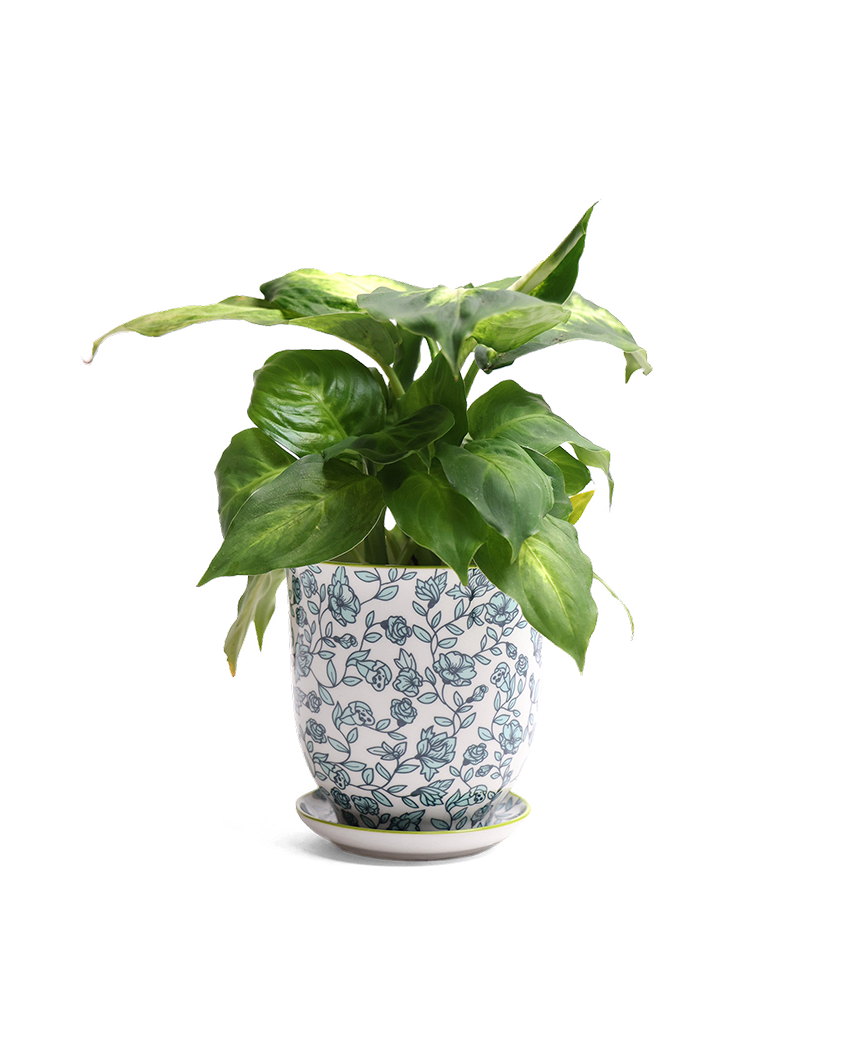
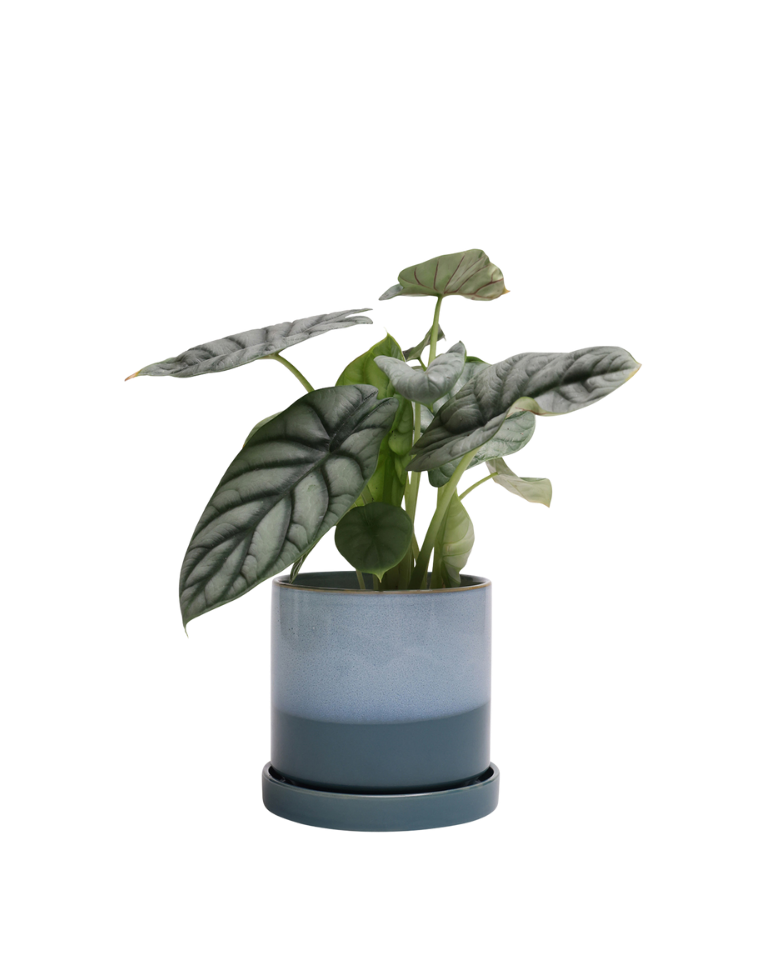
Your plants work hard to look good—shouldn’t their pots do the same? Choose from our gorgeous flower pots and let your greenery thrive in style. Because plain plastic is just rude.