
Shido Seeds — Non-GMO Seed Packets

The packet does not expire quietly in a drawer. It waits.
vacuum-sealed non-GMO · lab-tested germination · three-year viability date on every packet · flowers, vegetables & herbs · priced in CAD · Ships across Canada from our Toronto studio

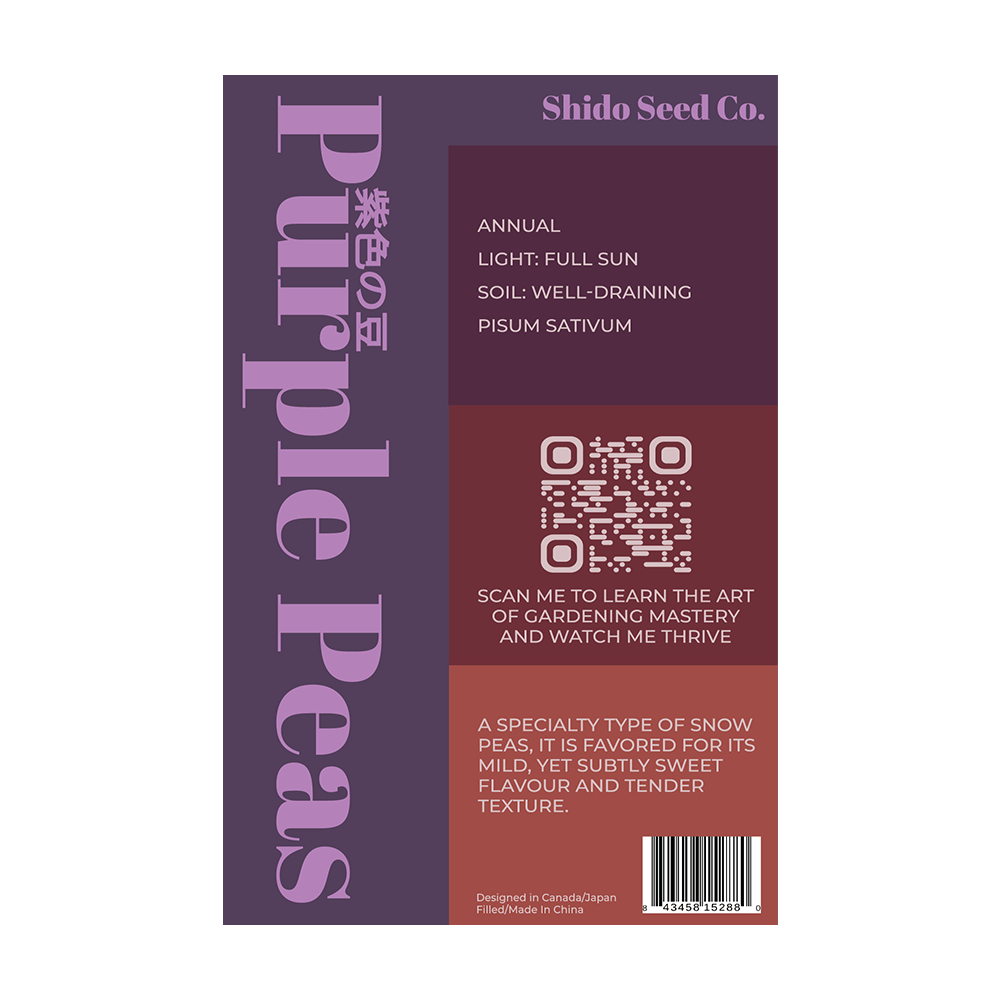
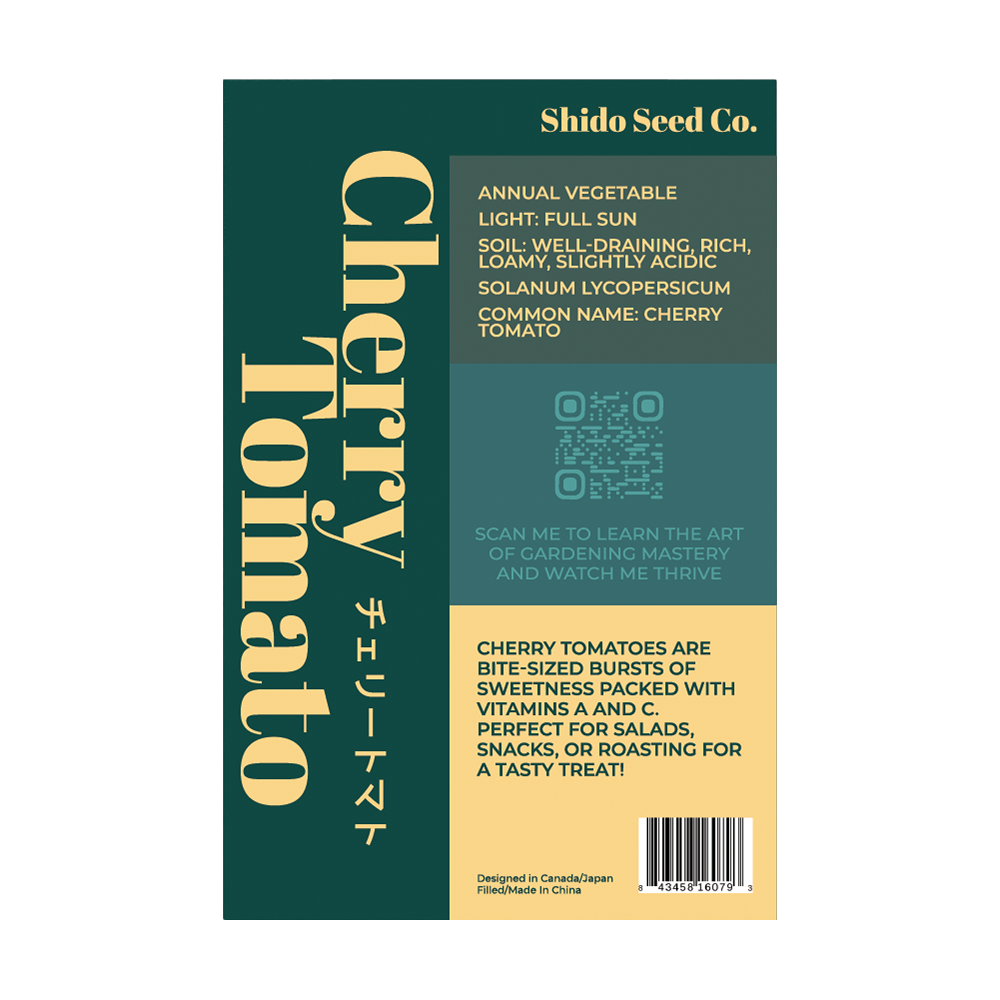
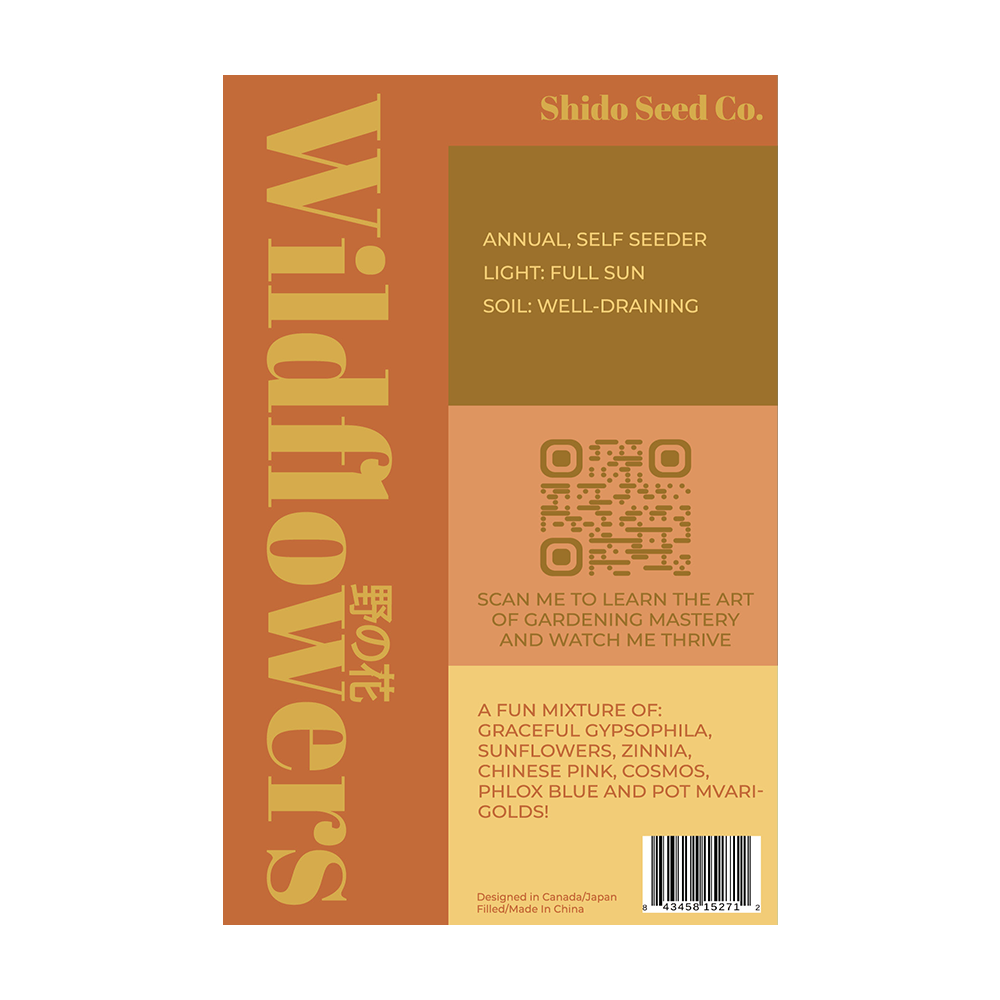
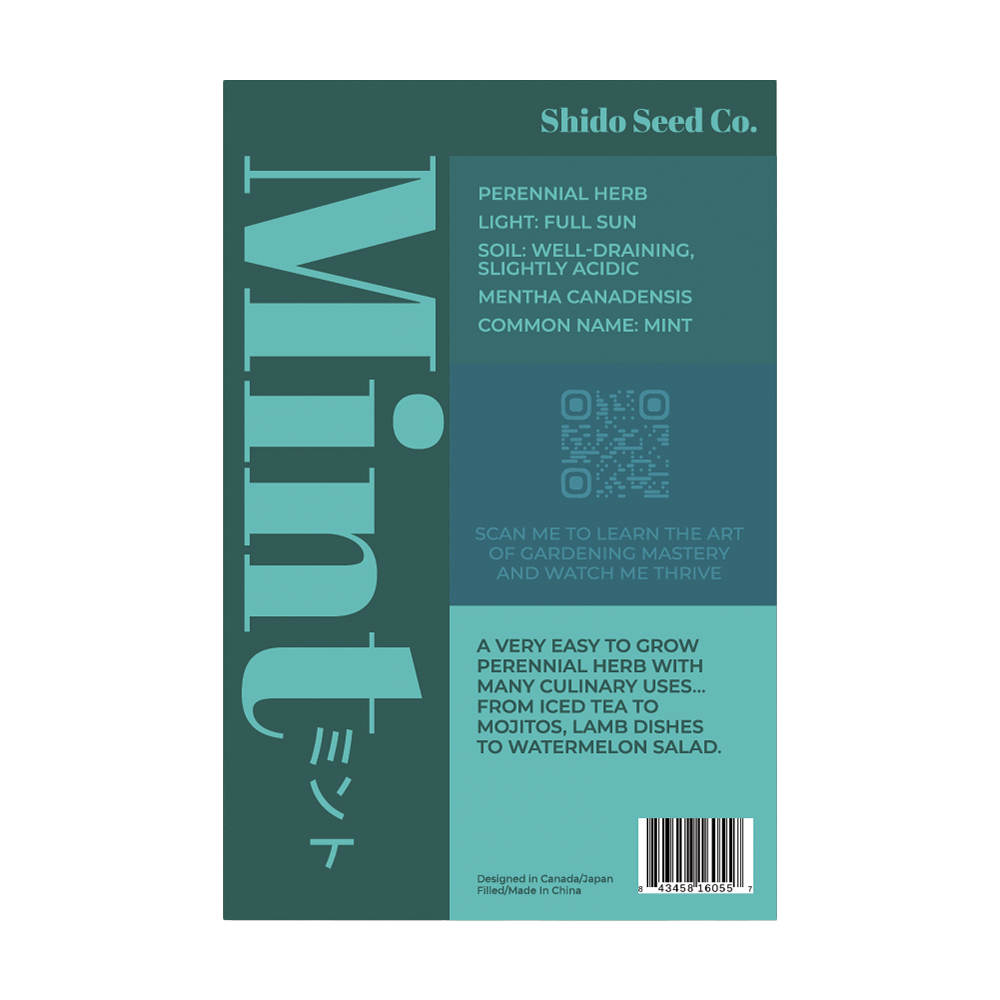
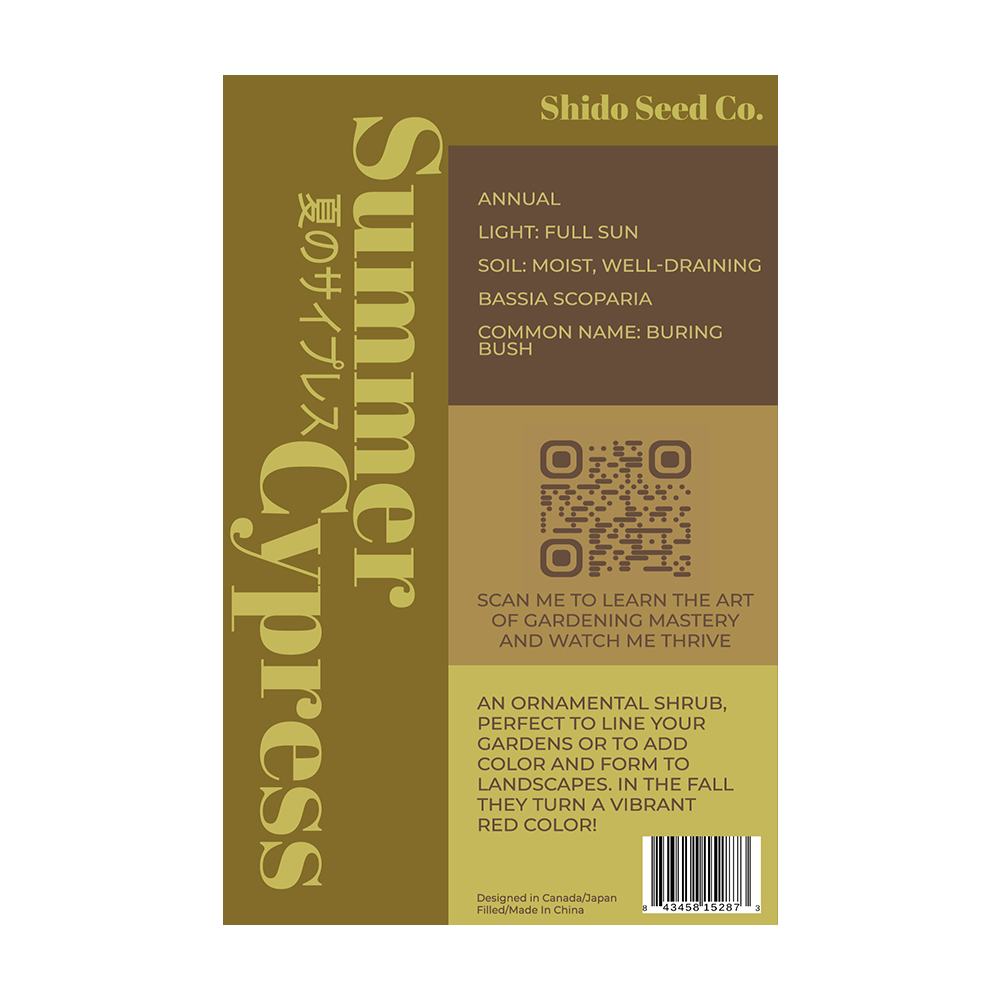
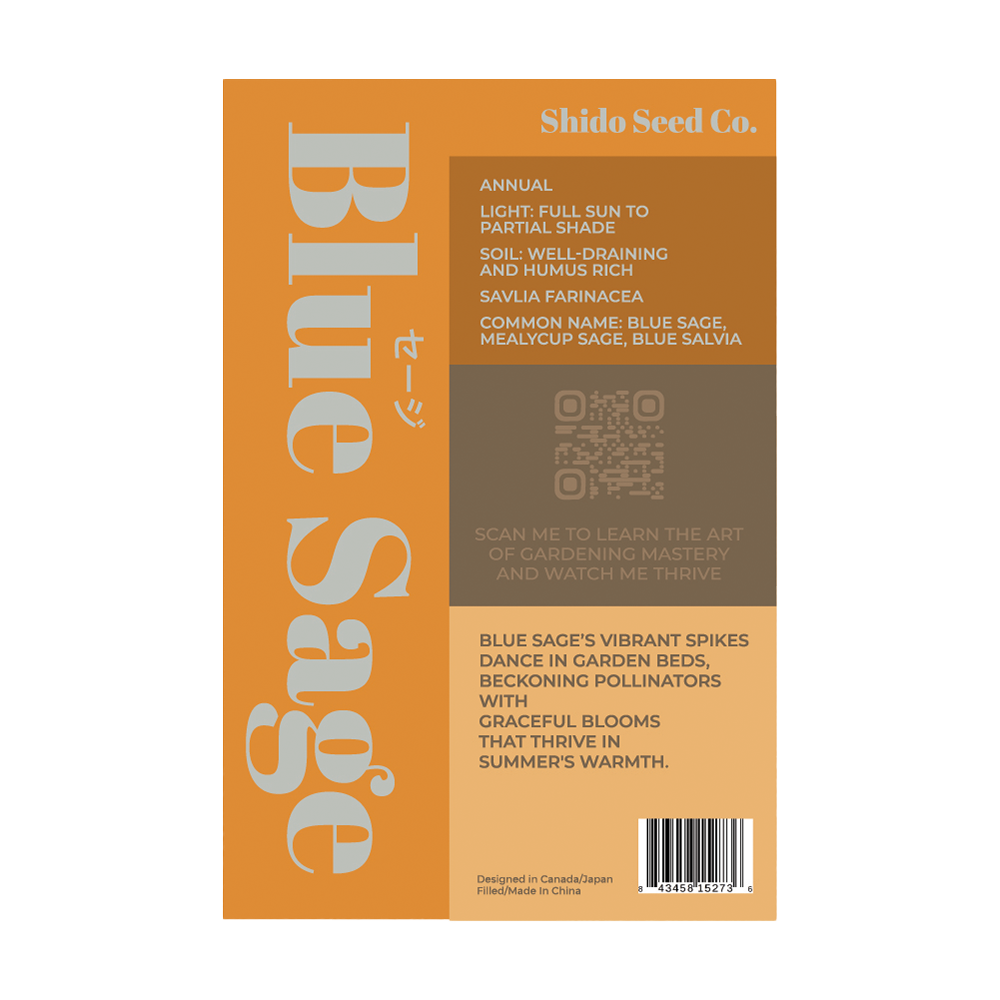
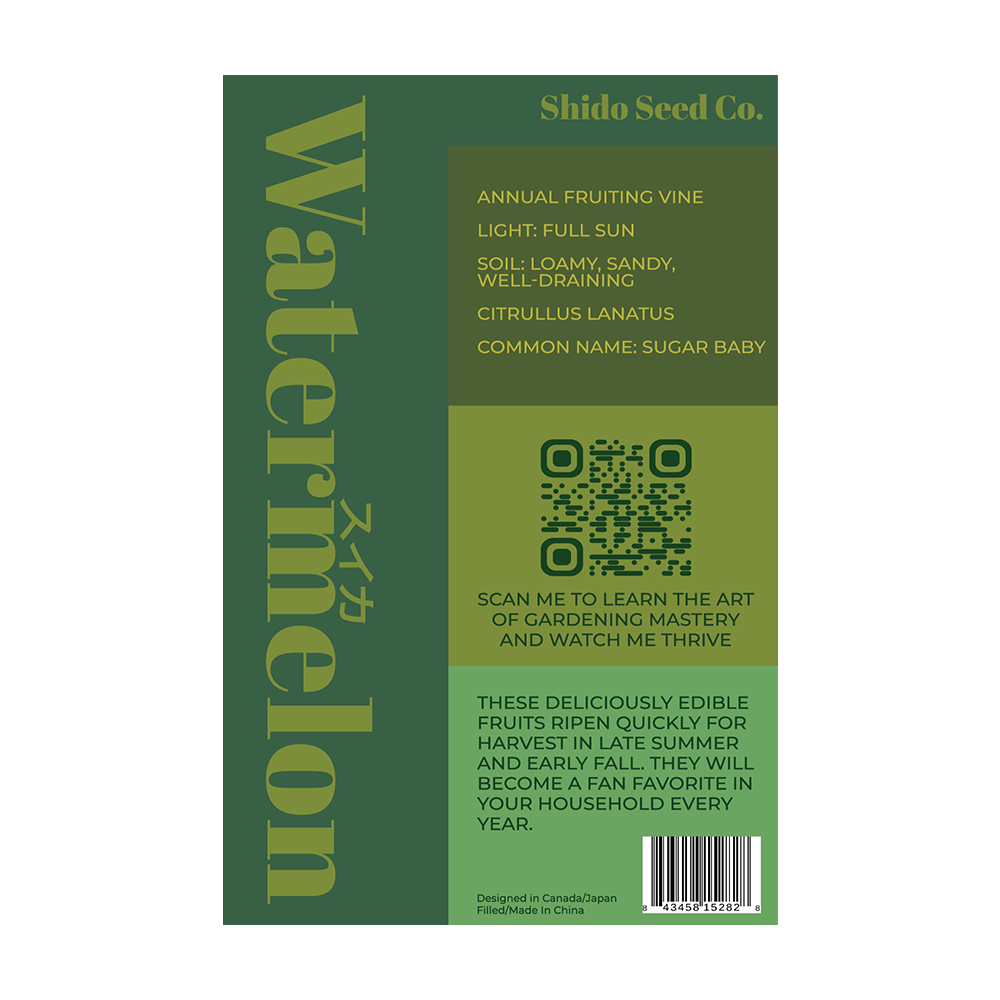
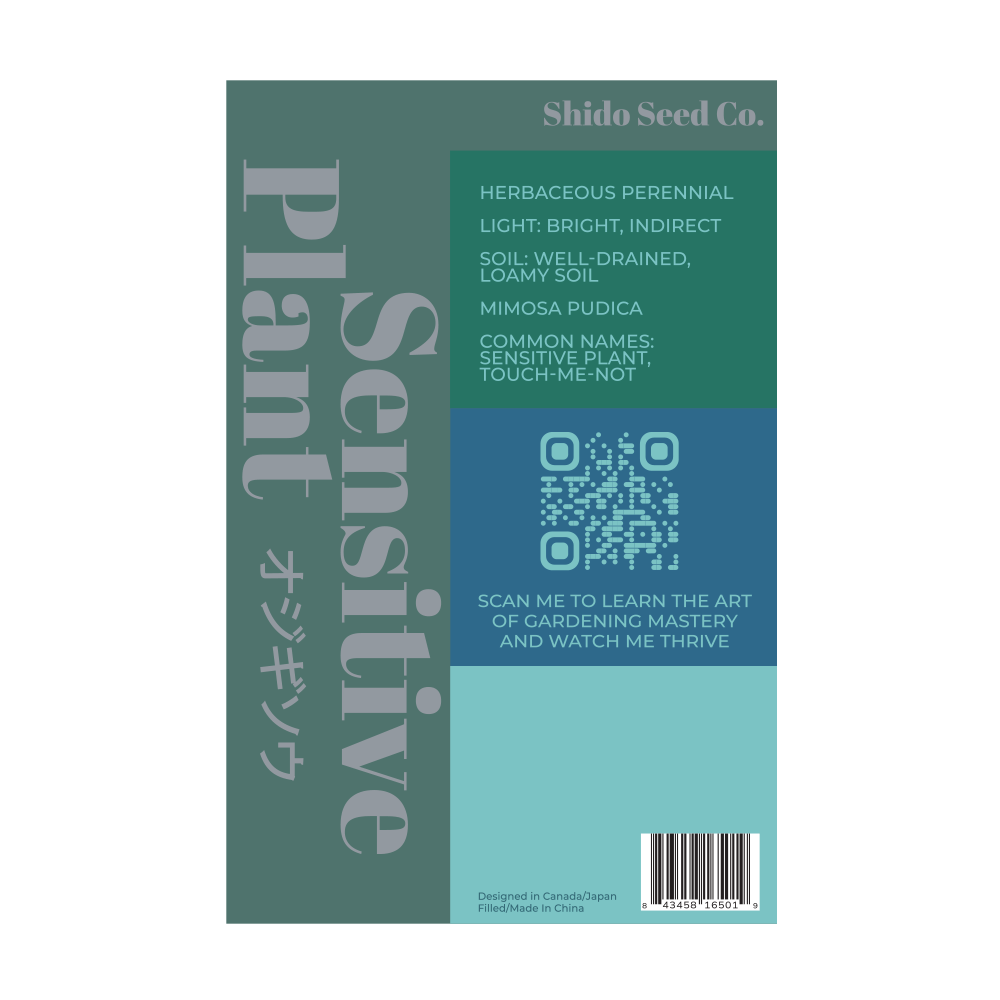
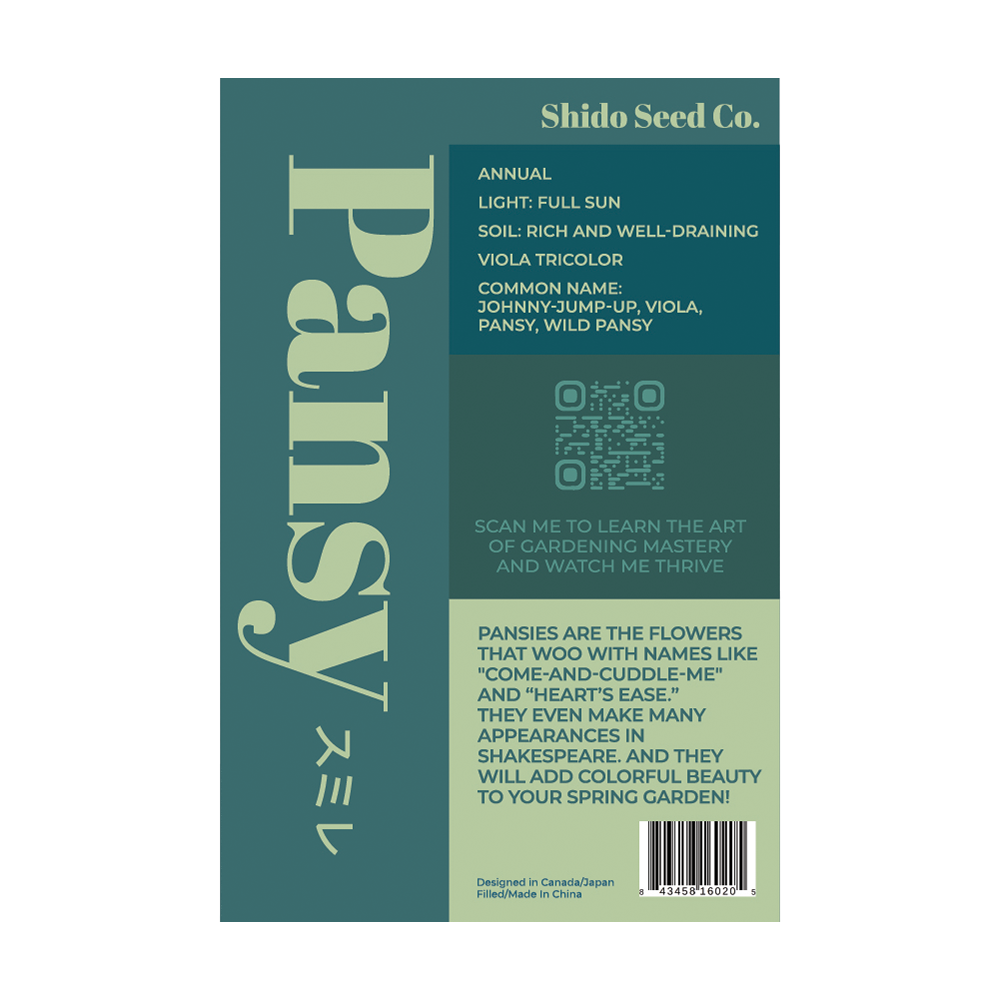
Shido seed packets are vacuum-sealed and non-GMO across the whole range — flowers, vegetables and herbs, with a handful of houseplant packets among them. Every lot is germination-tested at independent labs before packaging, and each packet carries a printed three-year viability date the hermetic seal is engineered to outlast.

Filters
Sort by

Seed packets fail in the drawer, not the ground — standard paper envelopes are permeable to oxygen and moisture, and most begin losing germination viability within about a year. Shido settles that argument before the seed goes in: every packet is hermetically vacuum-sealed, so the packet you buy in August is still the packet you plant next spring, or the spring after that.

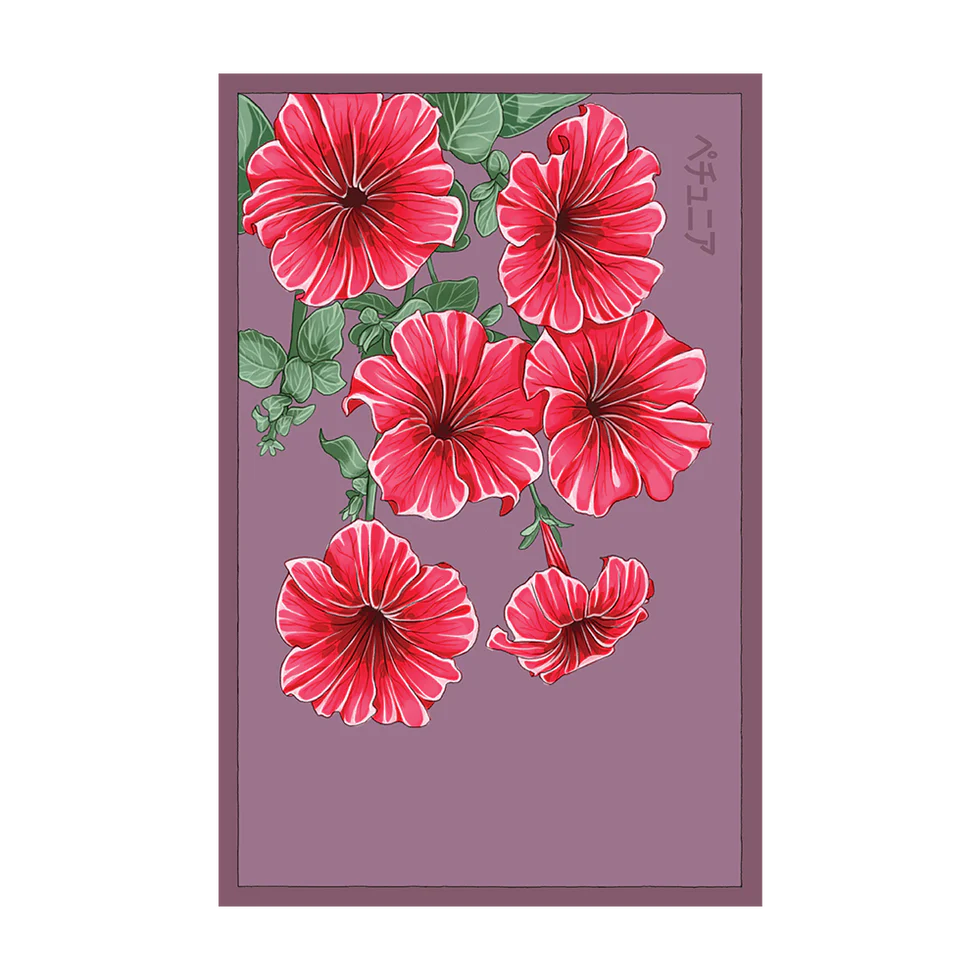
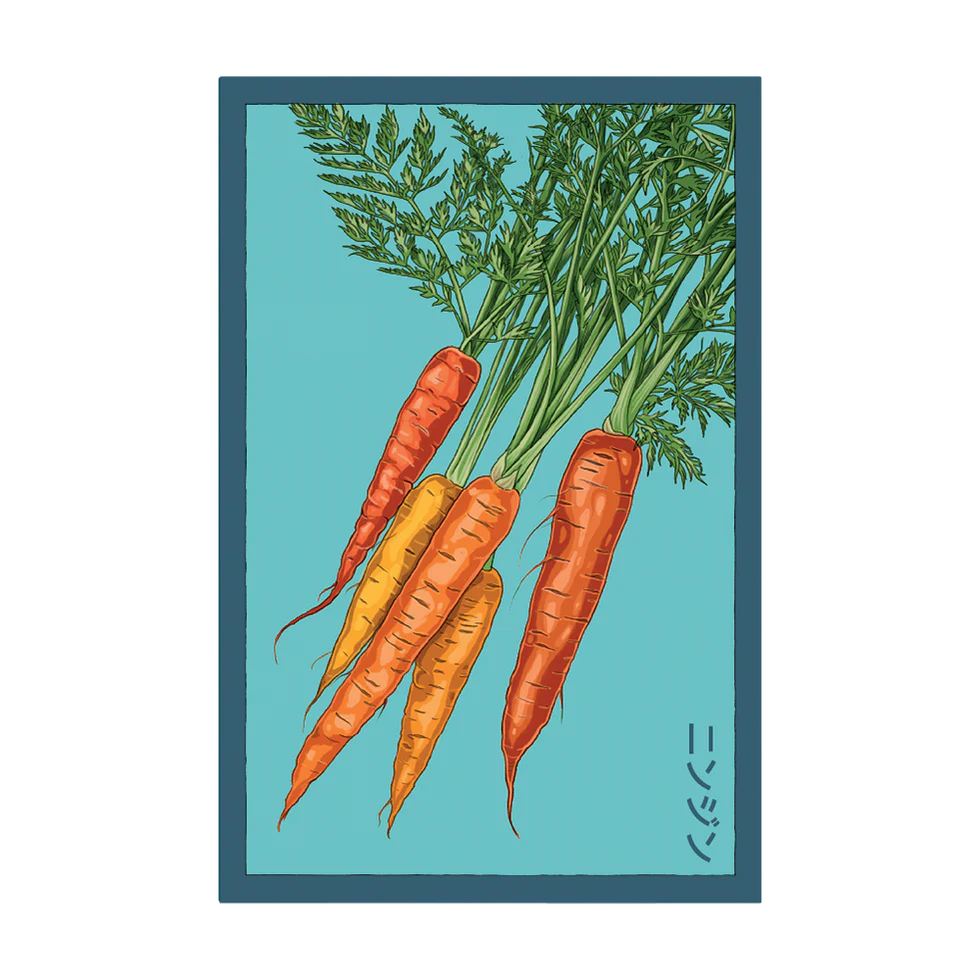
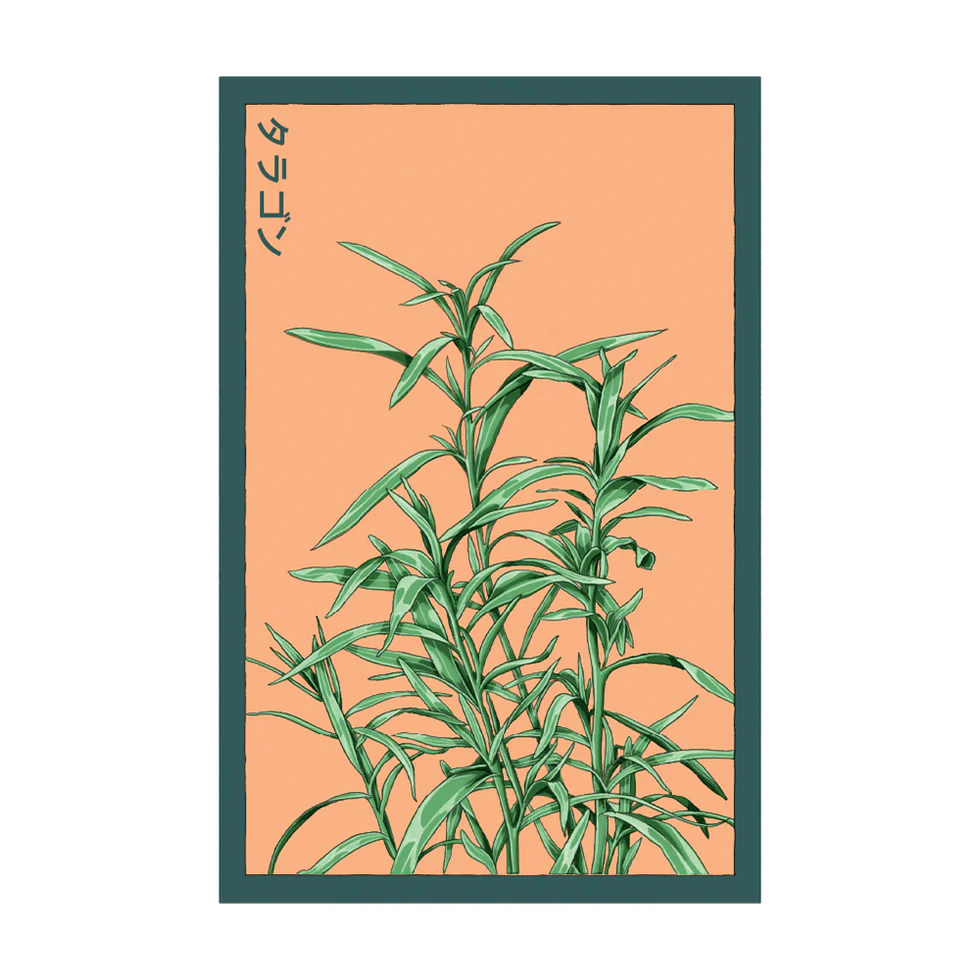
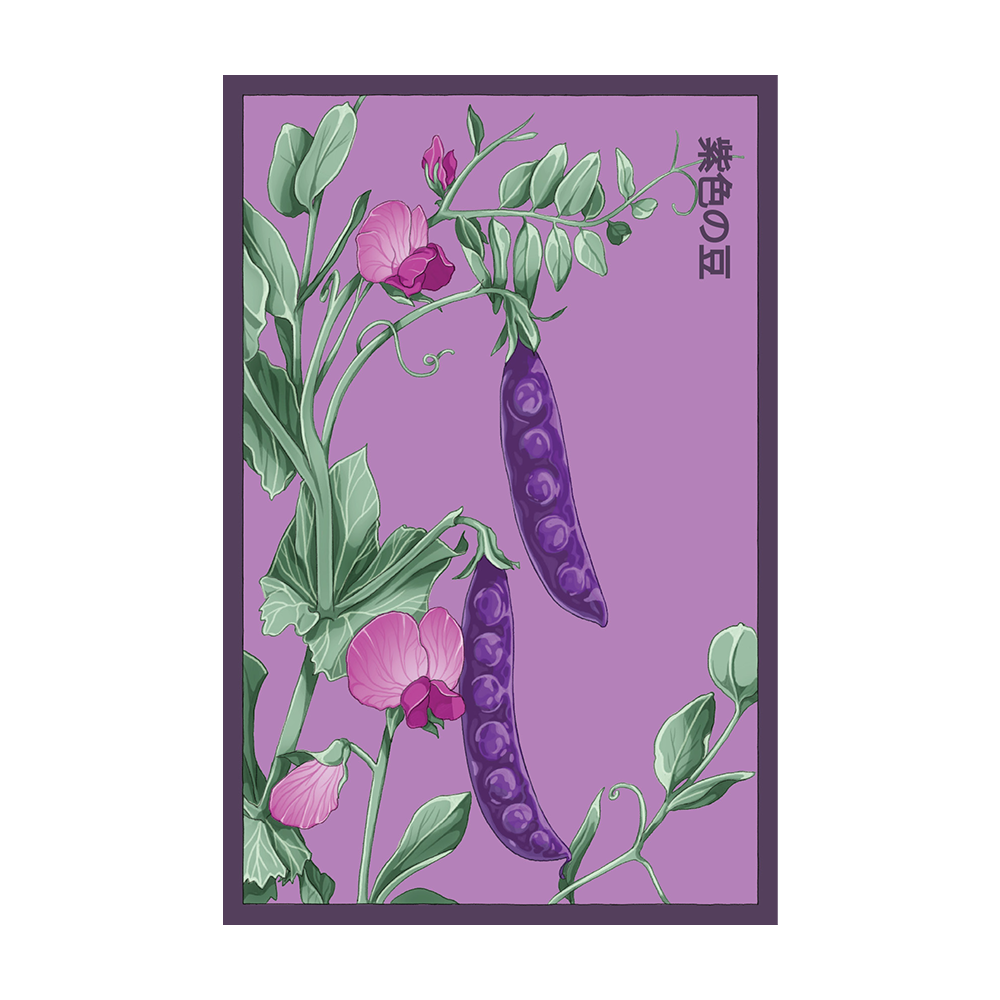
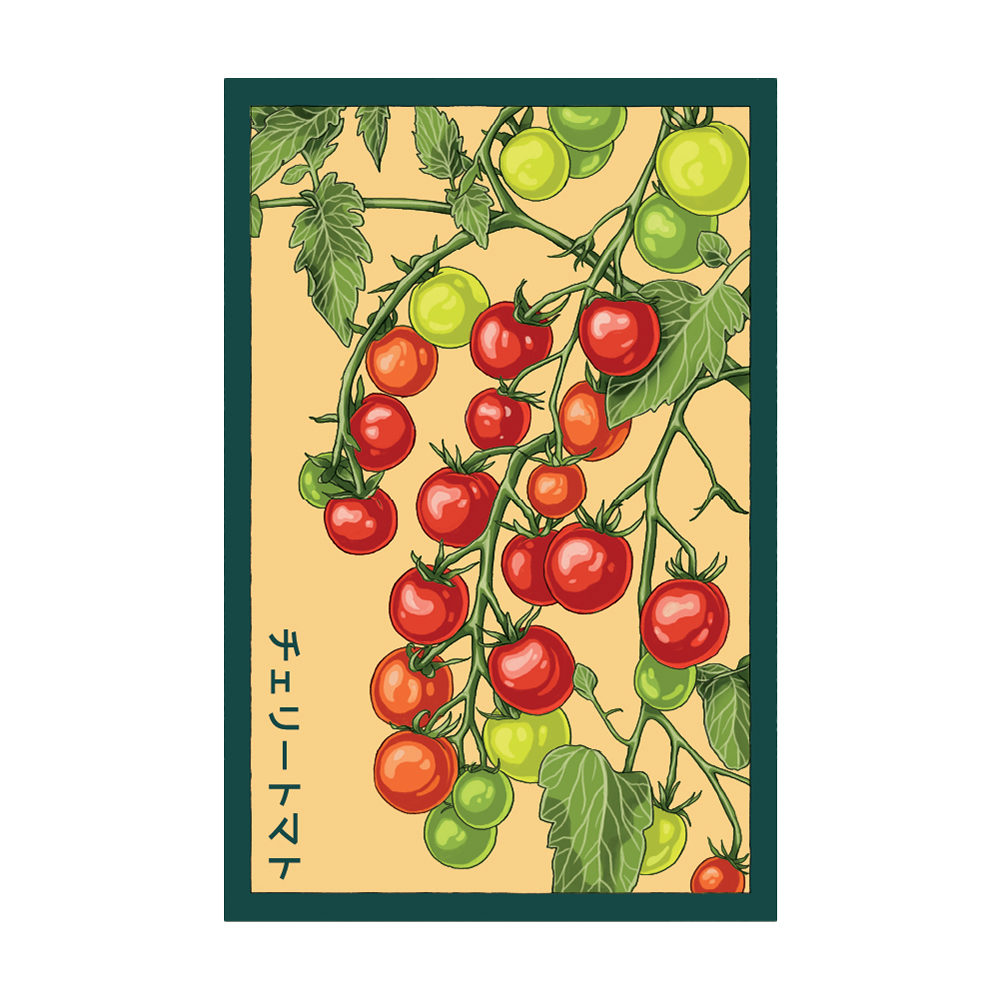
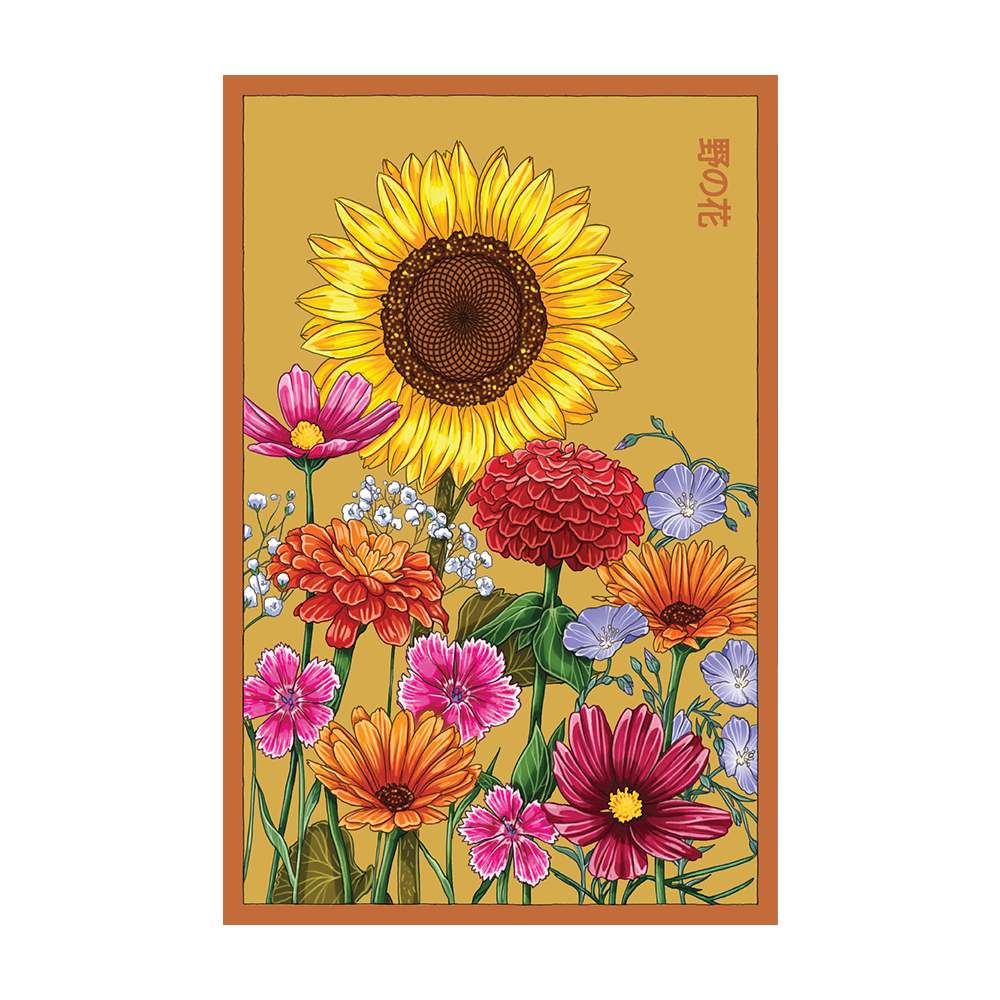
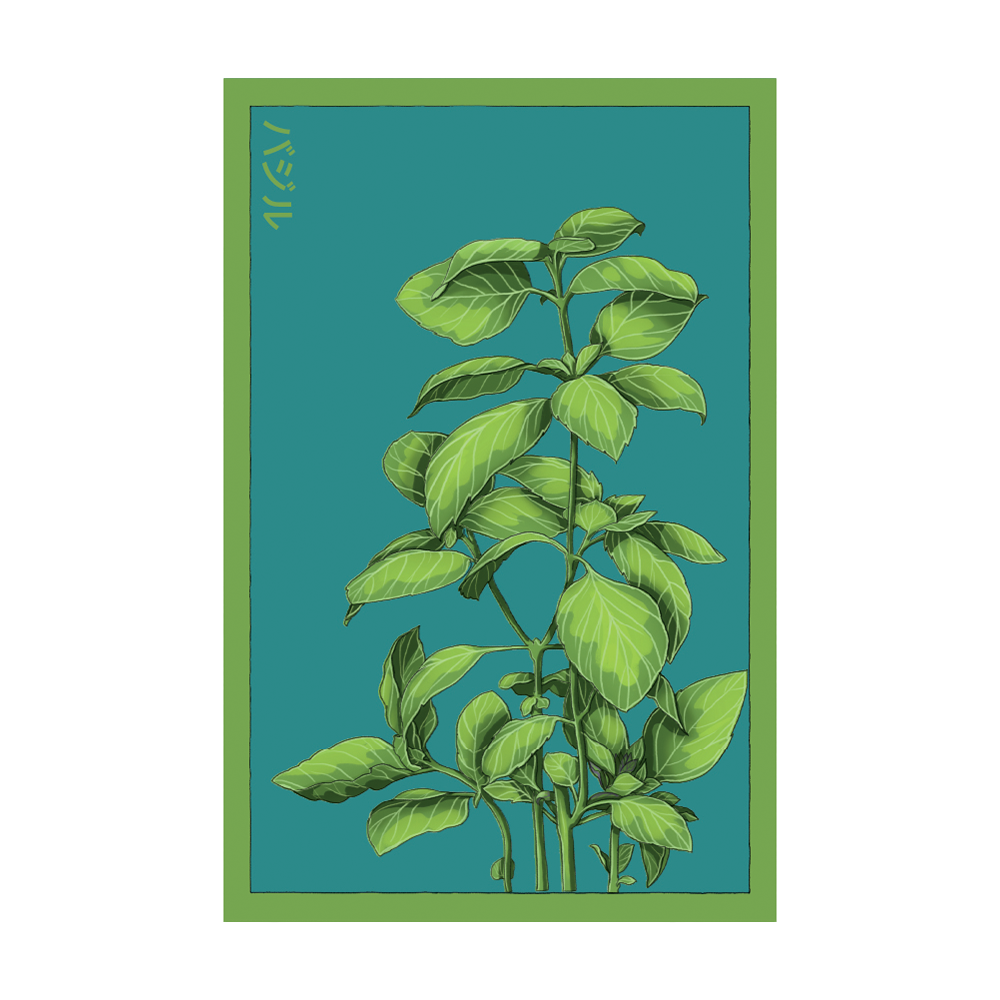
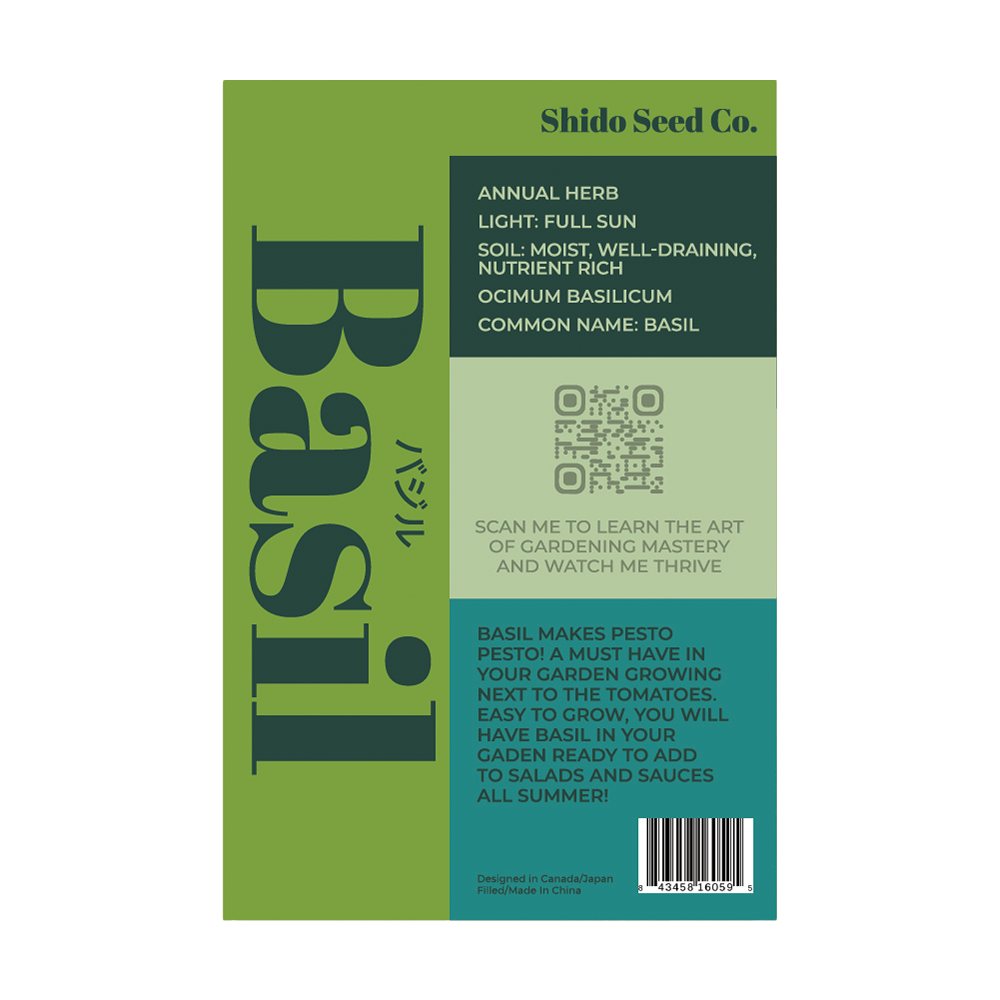
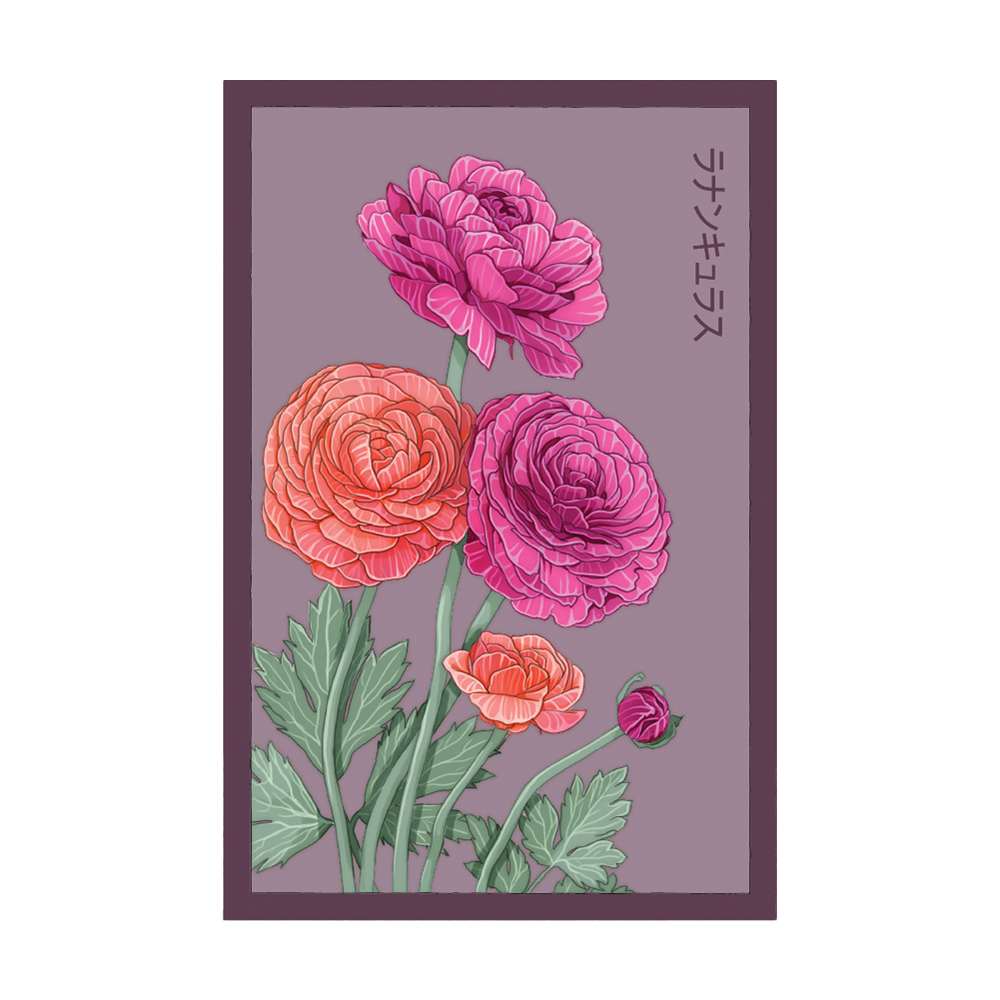
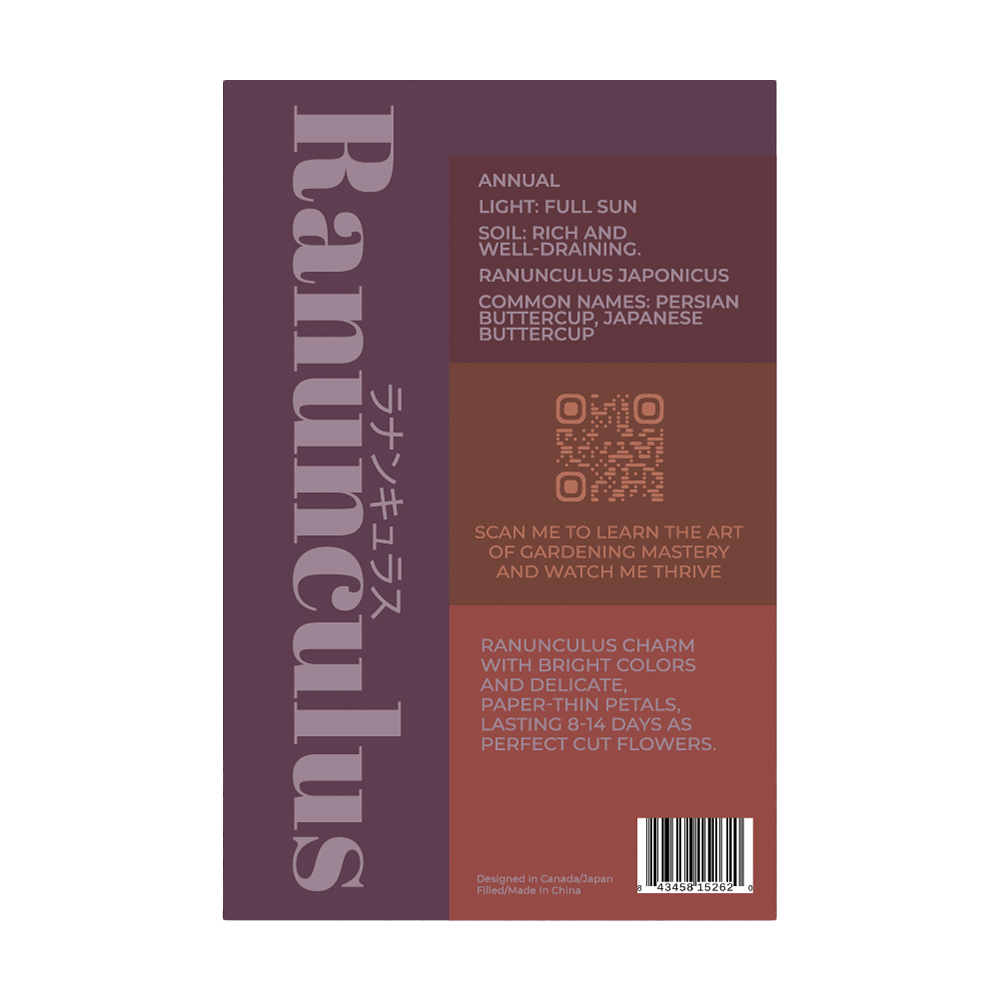
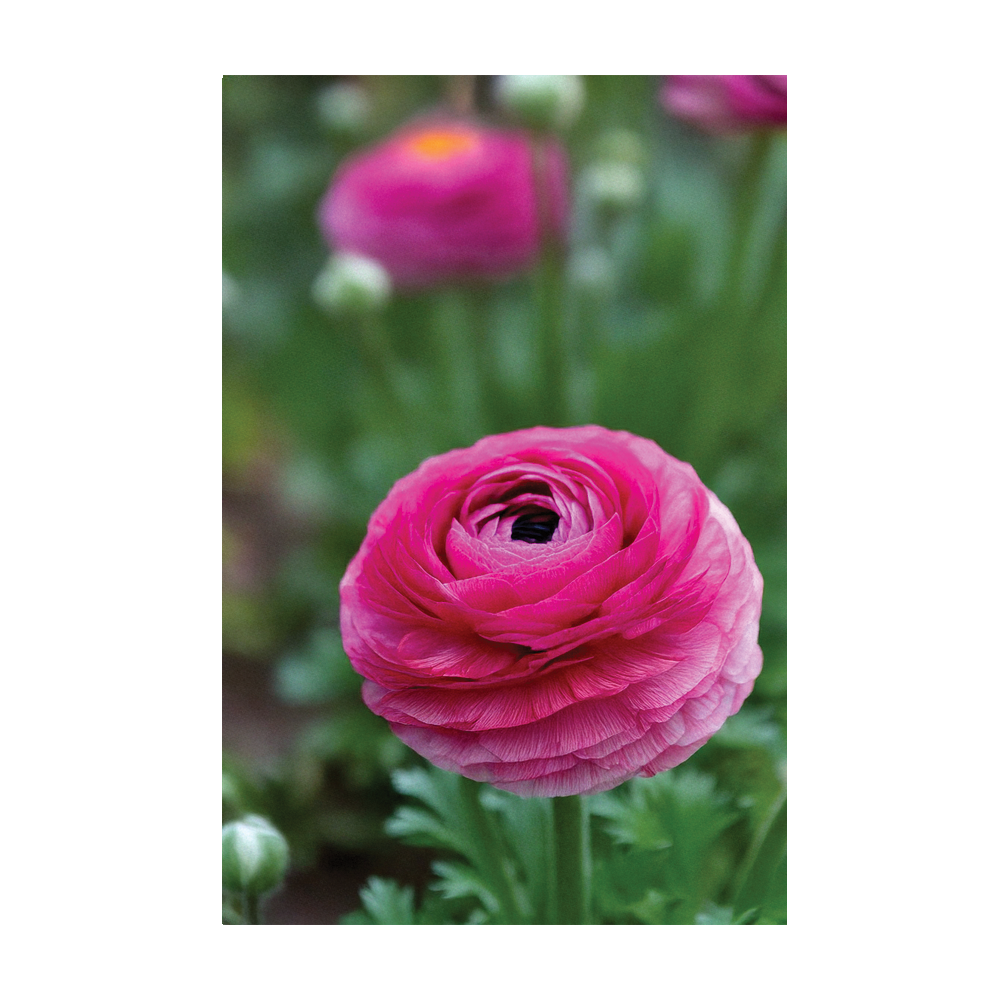
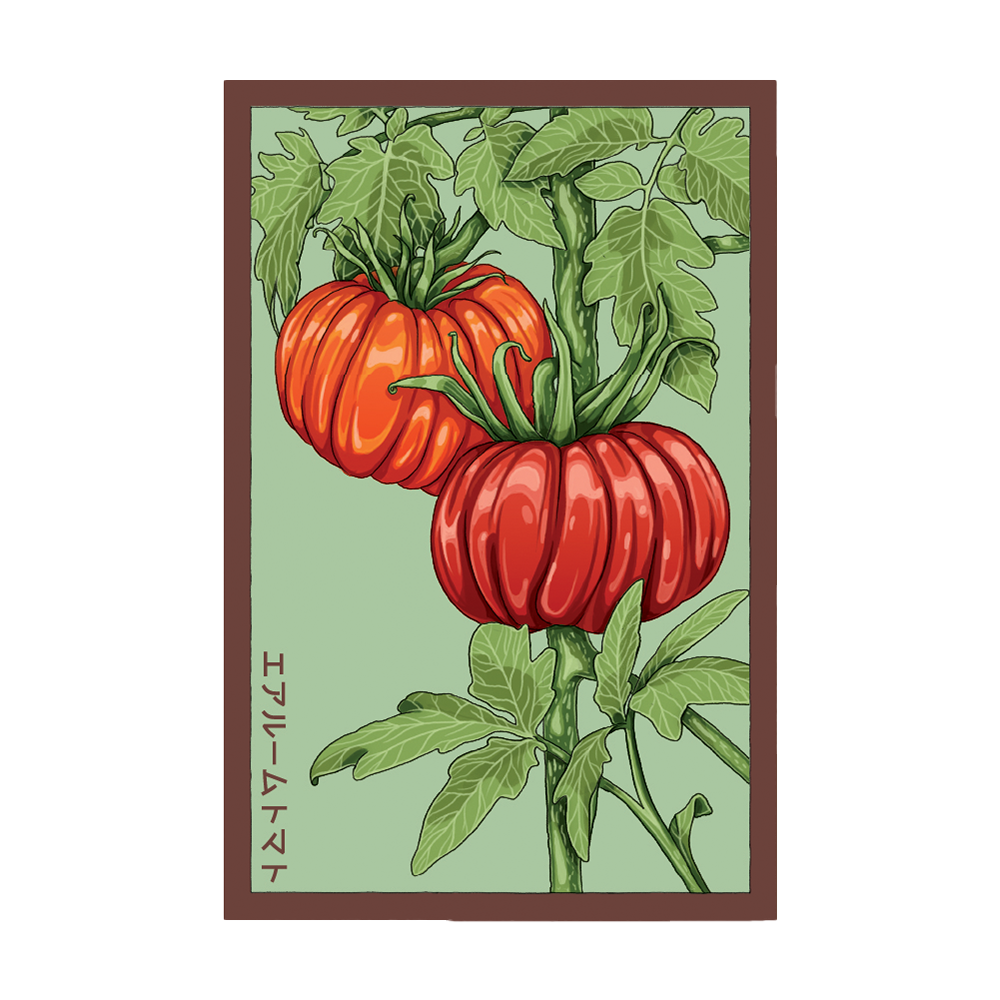
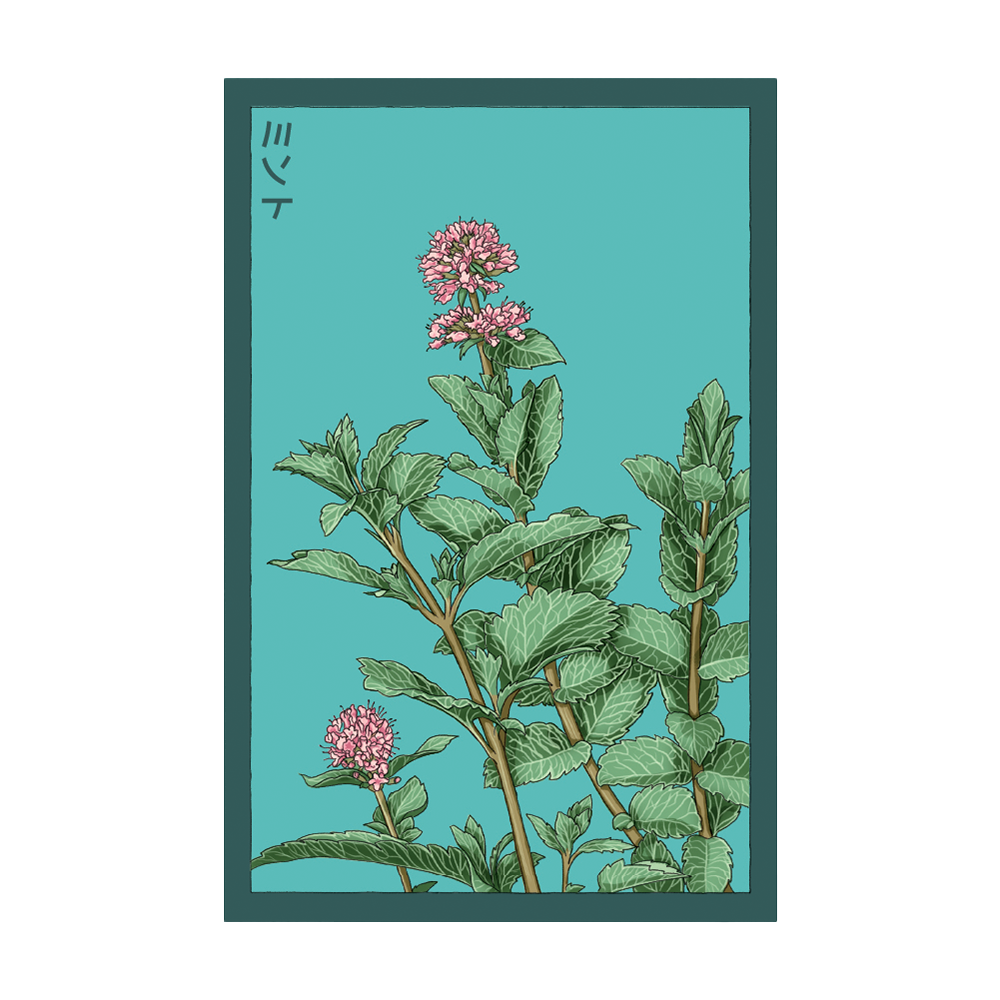
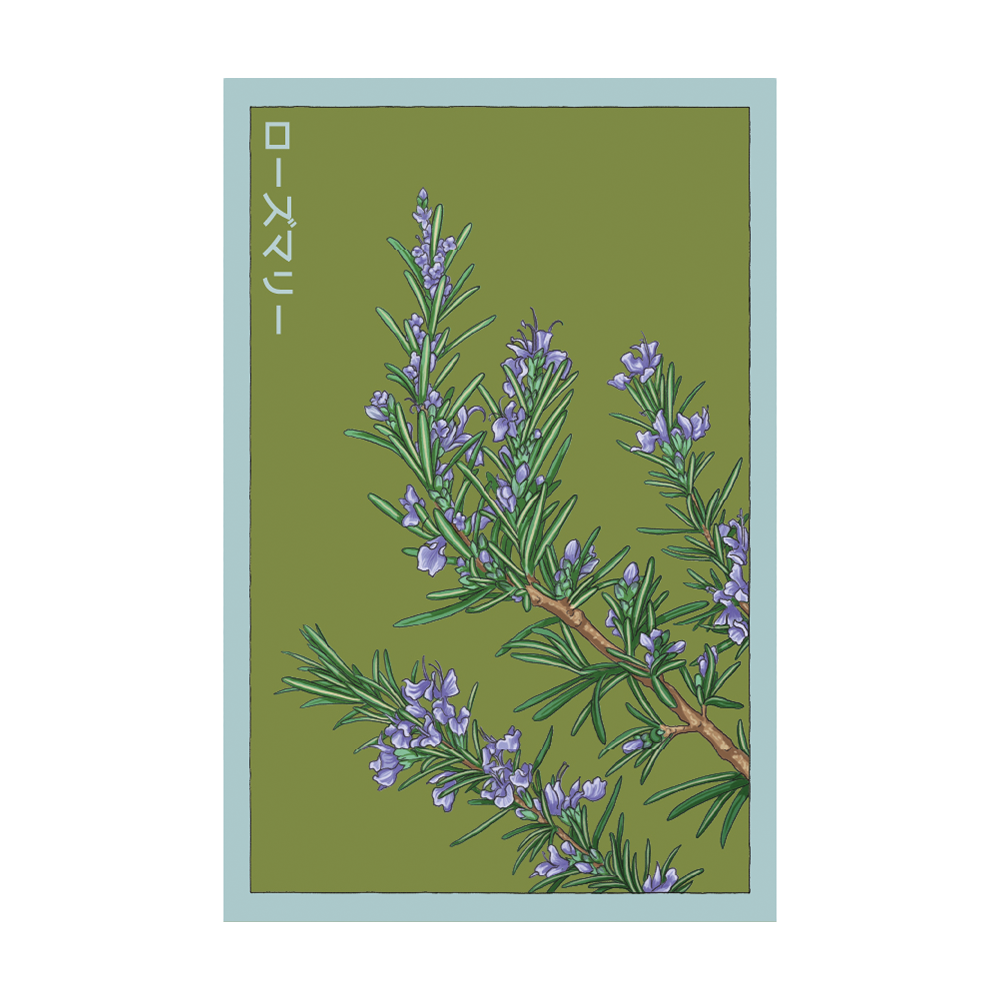
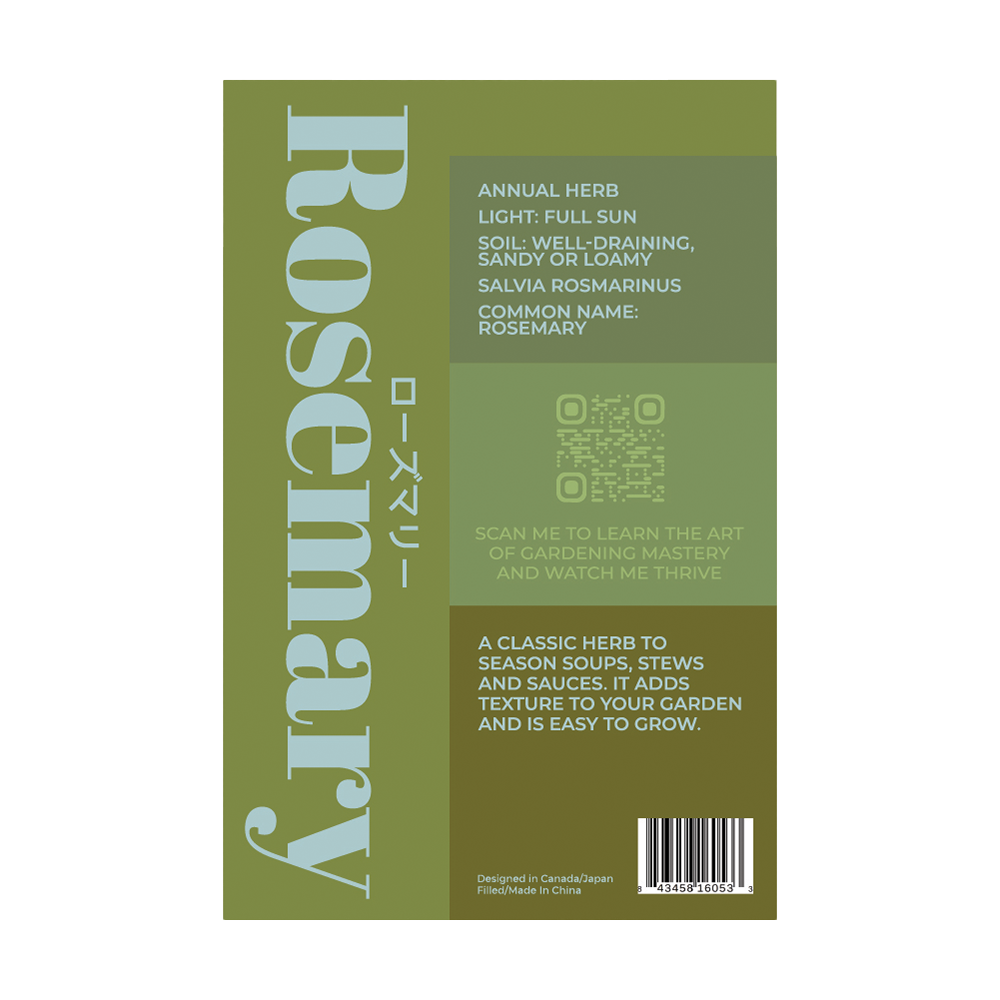
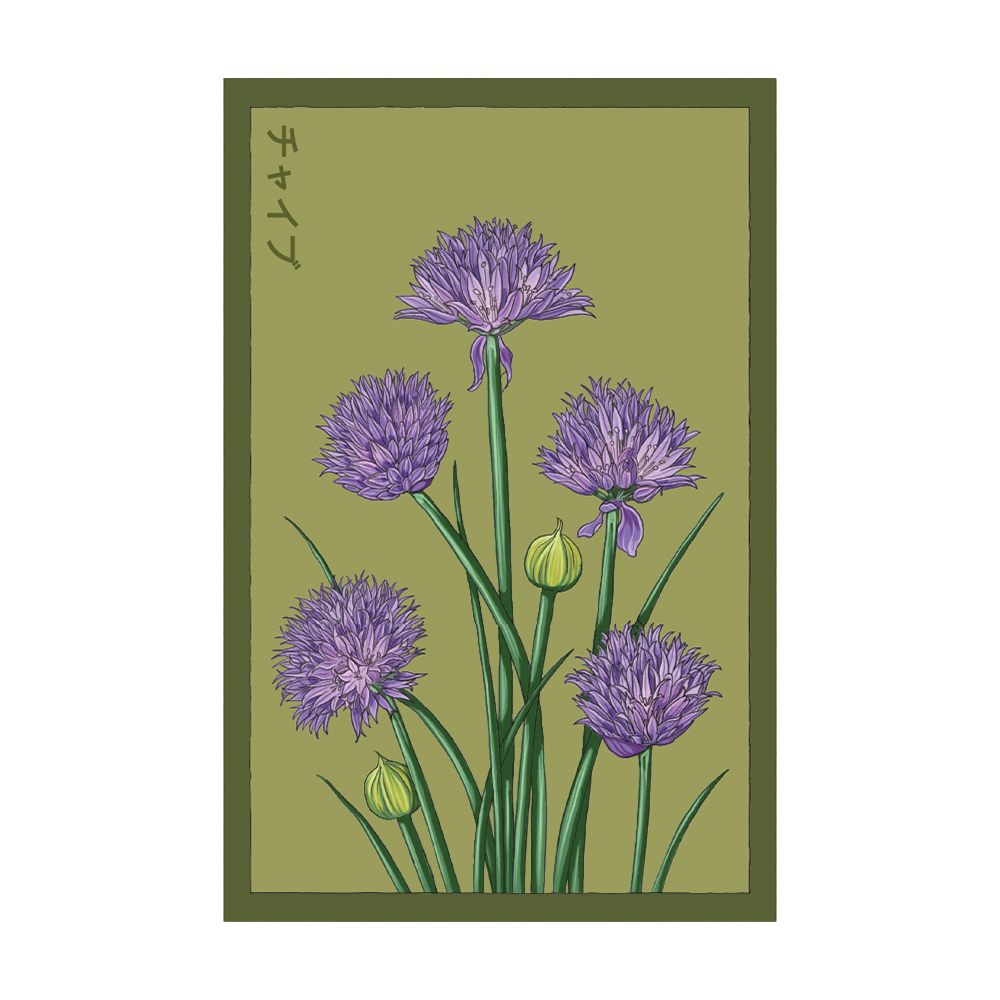
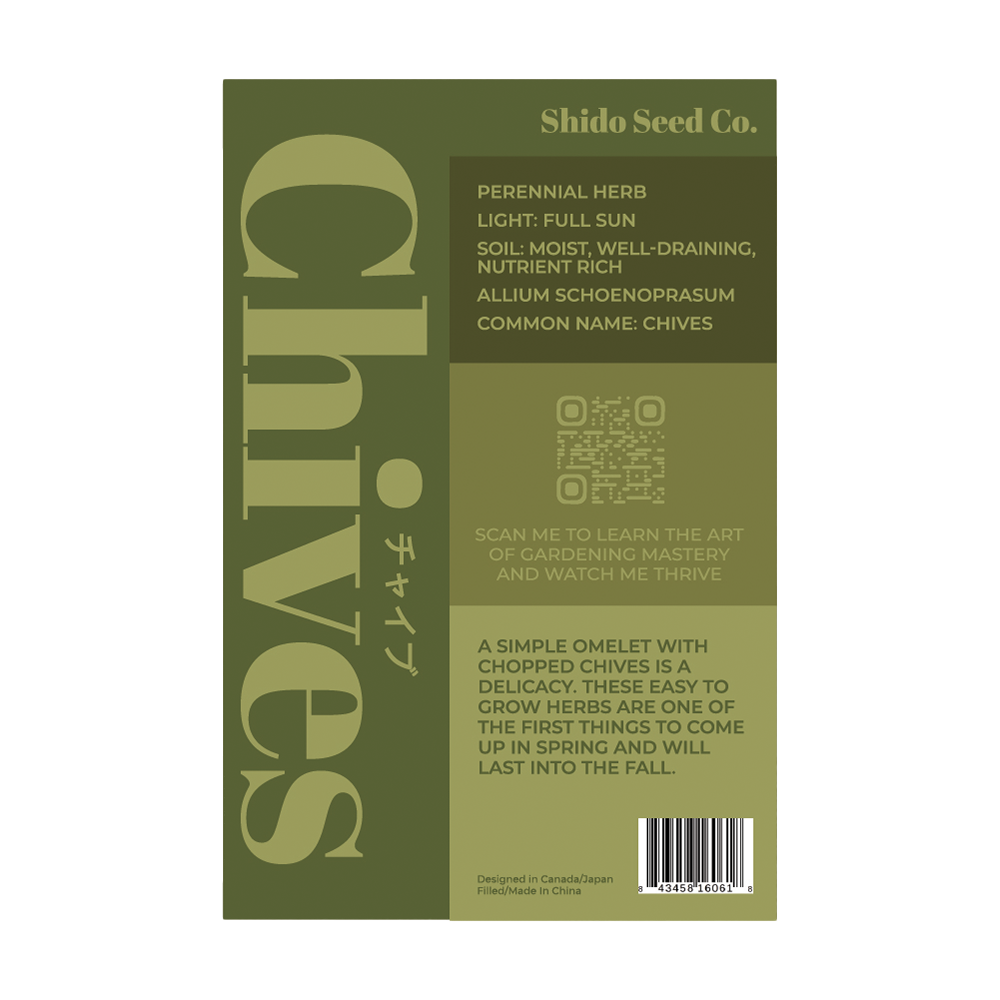
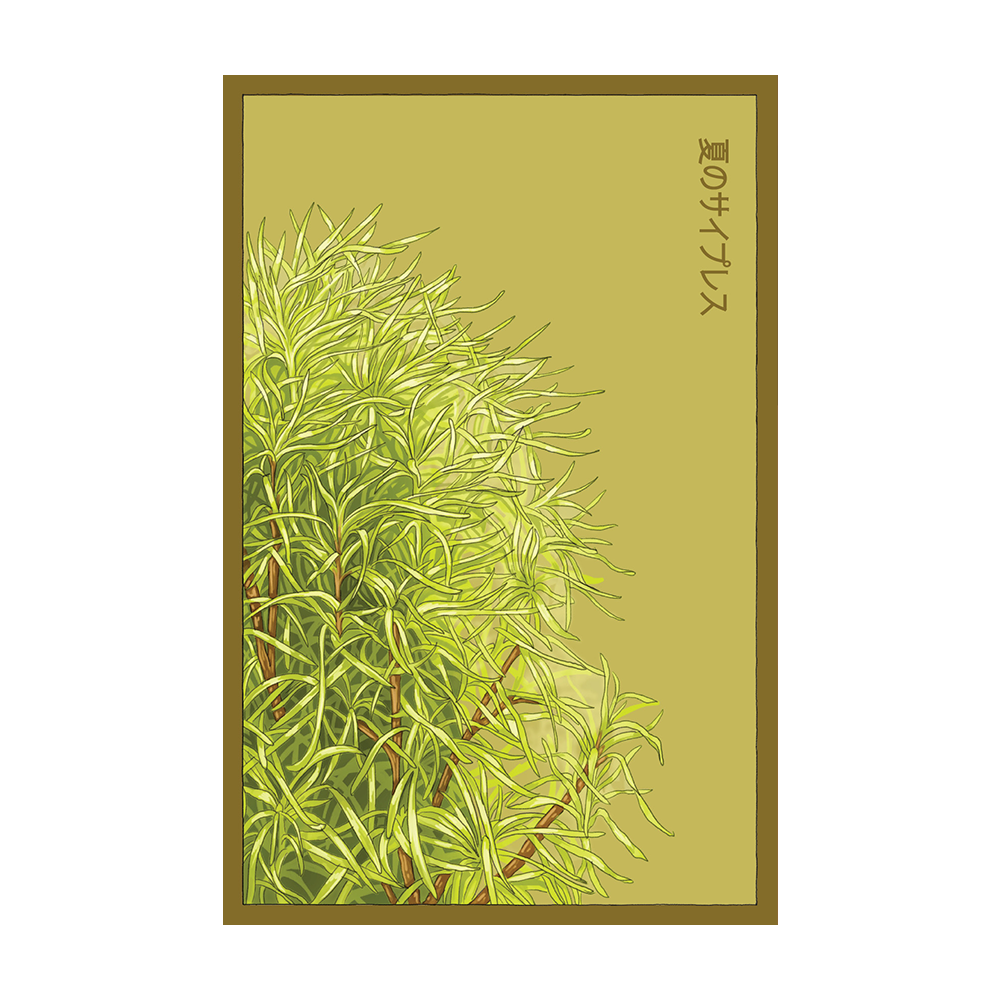
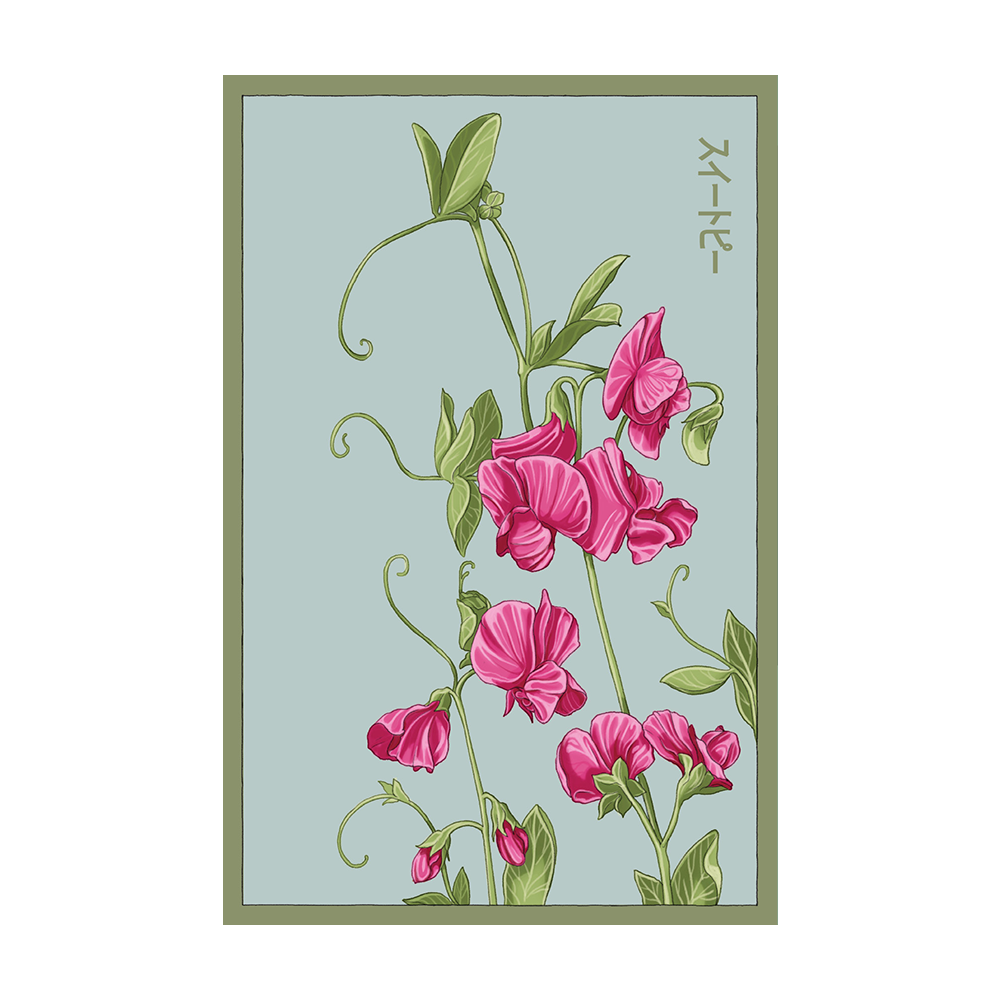
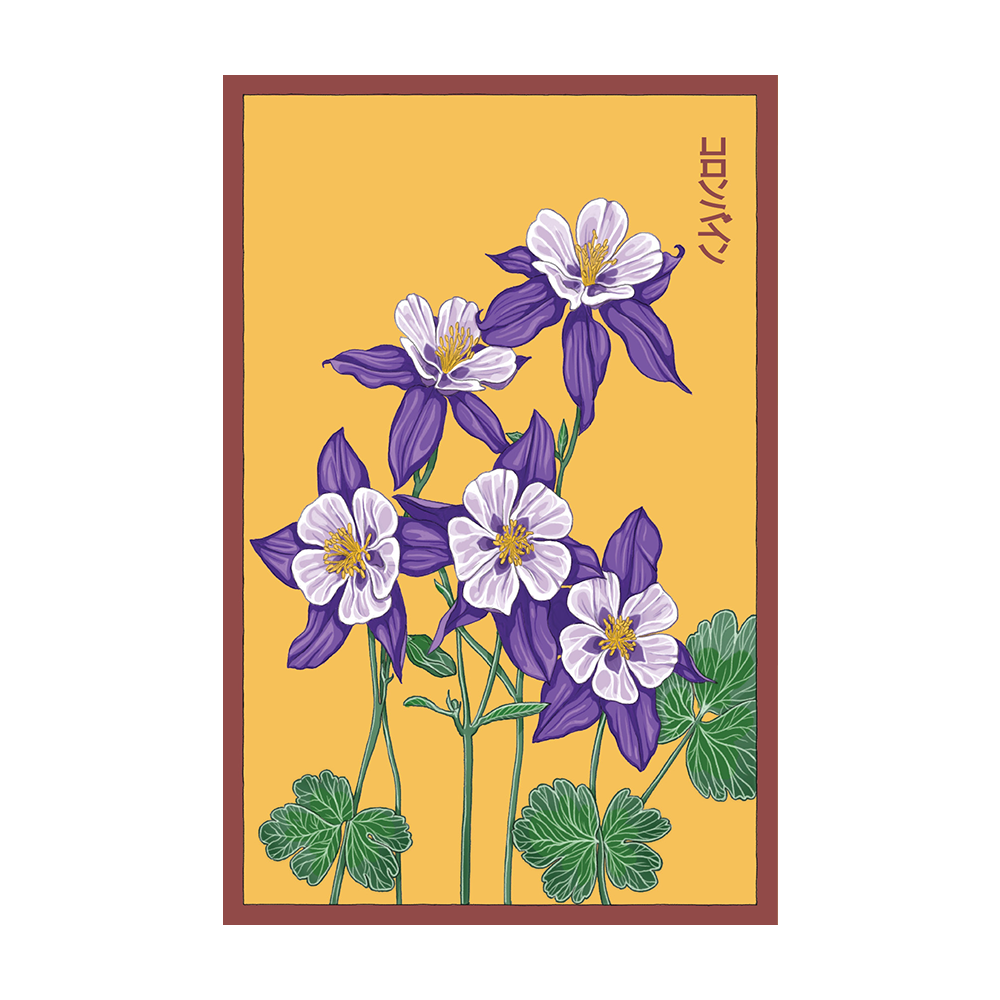
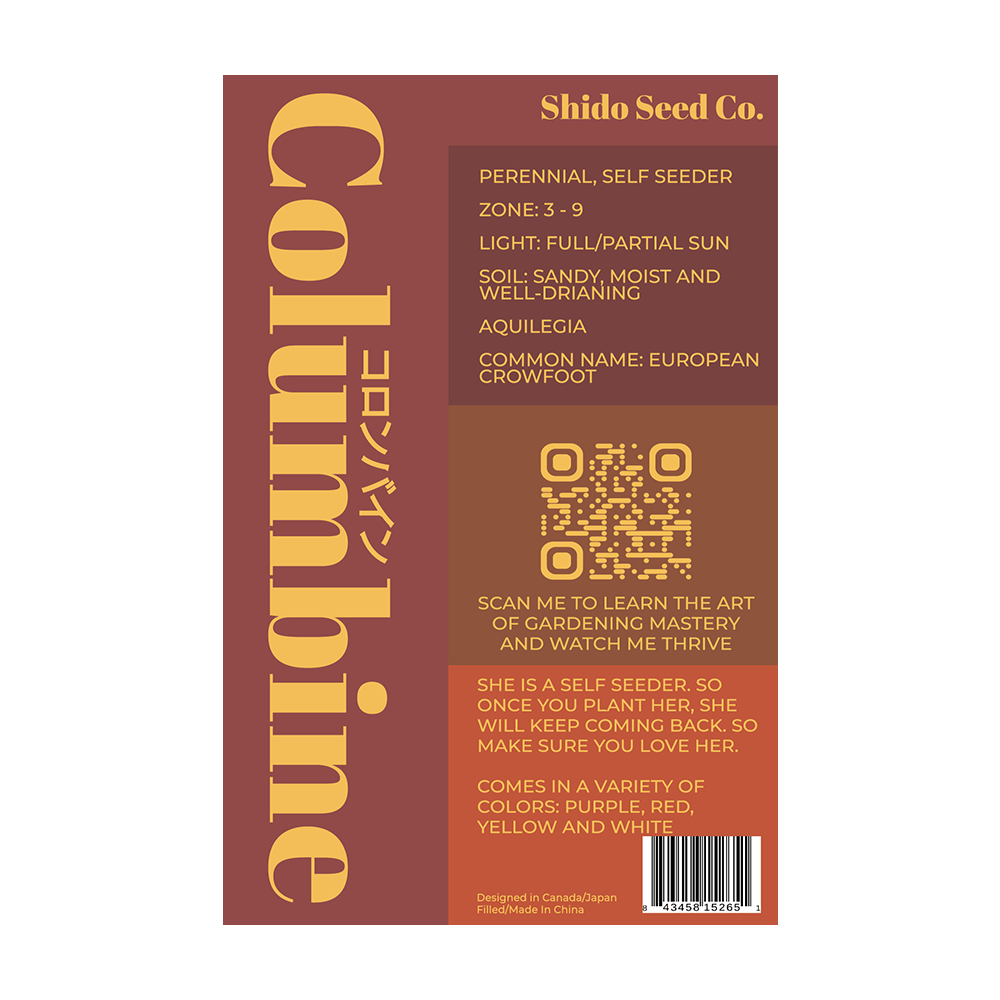
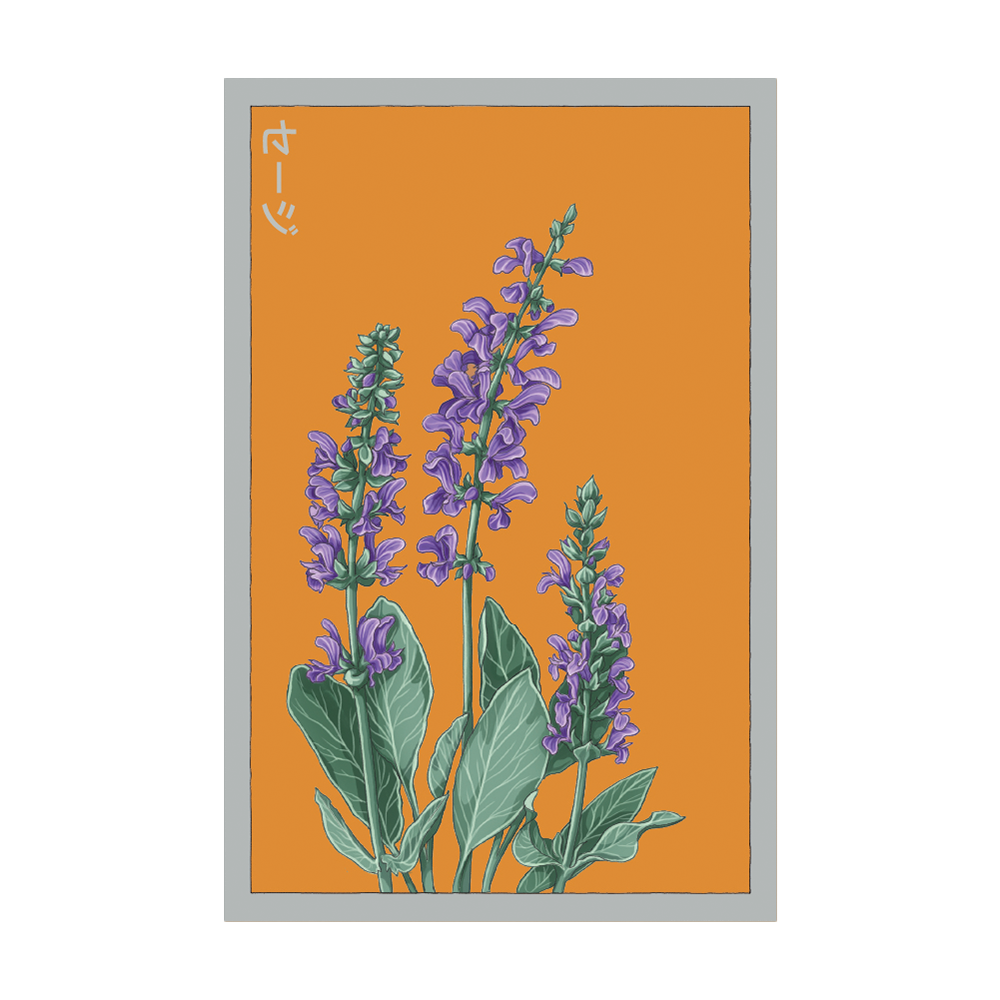
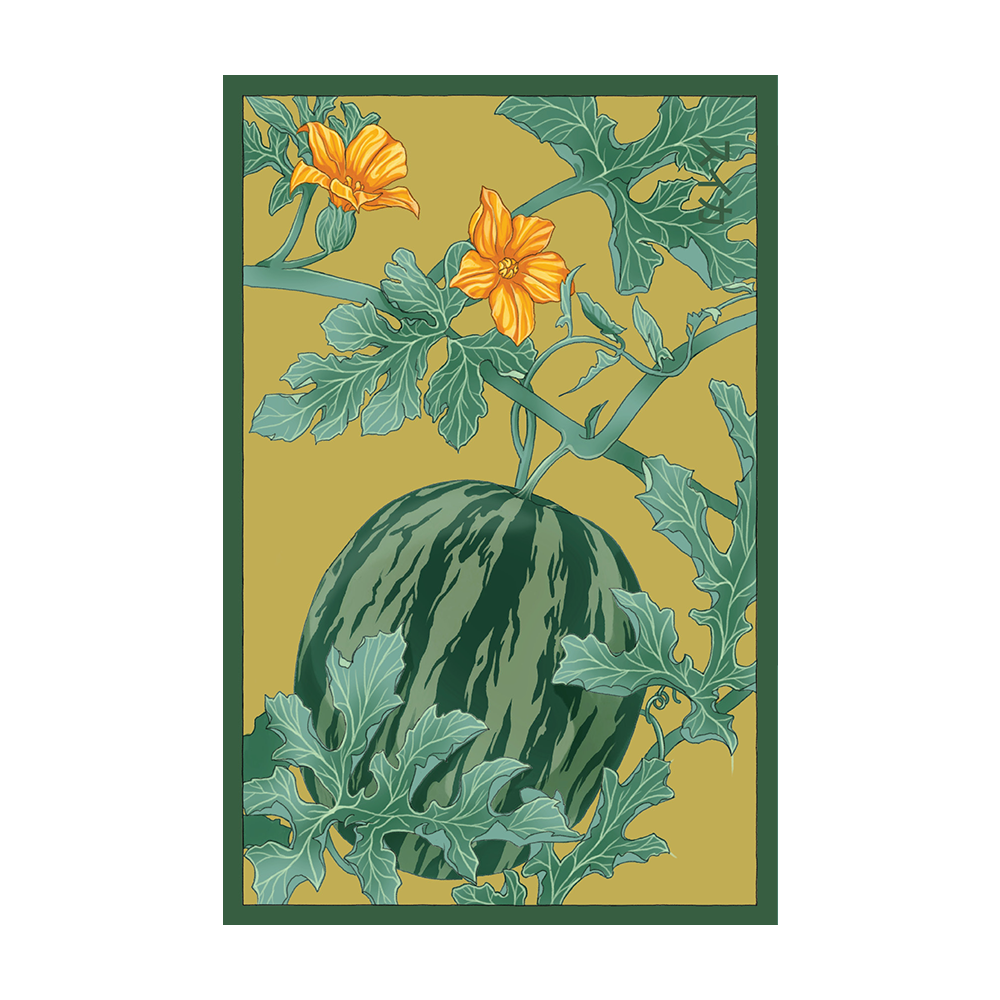
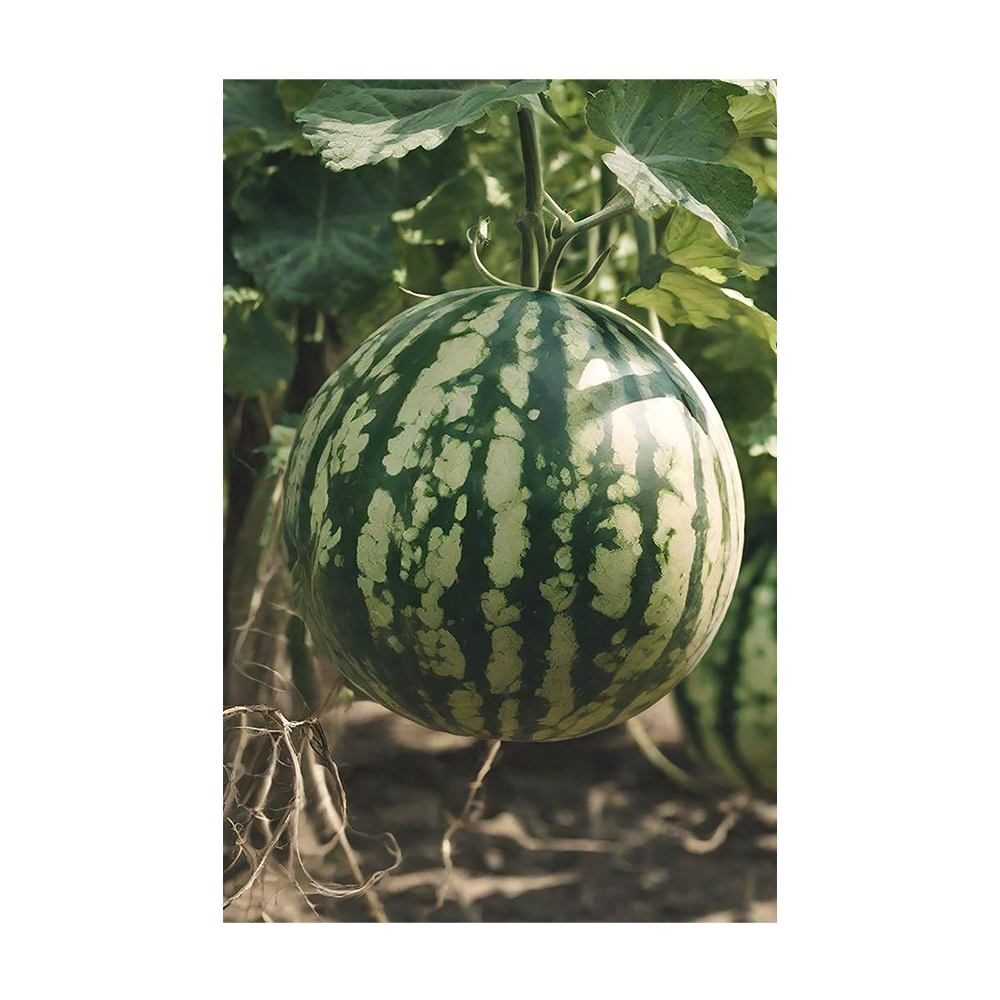
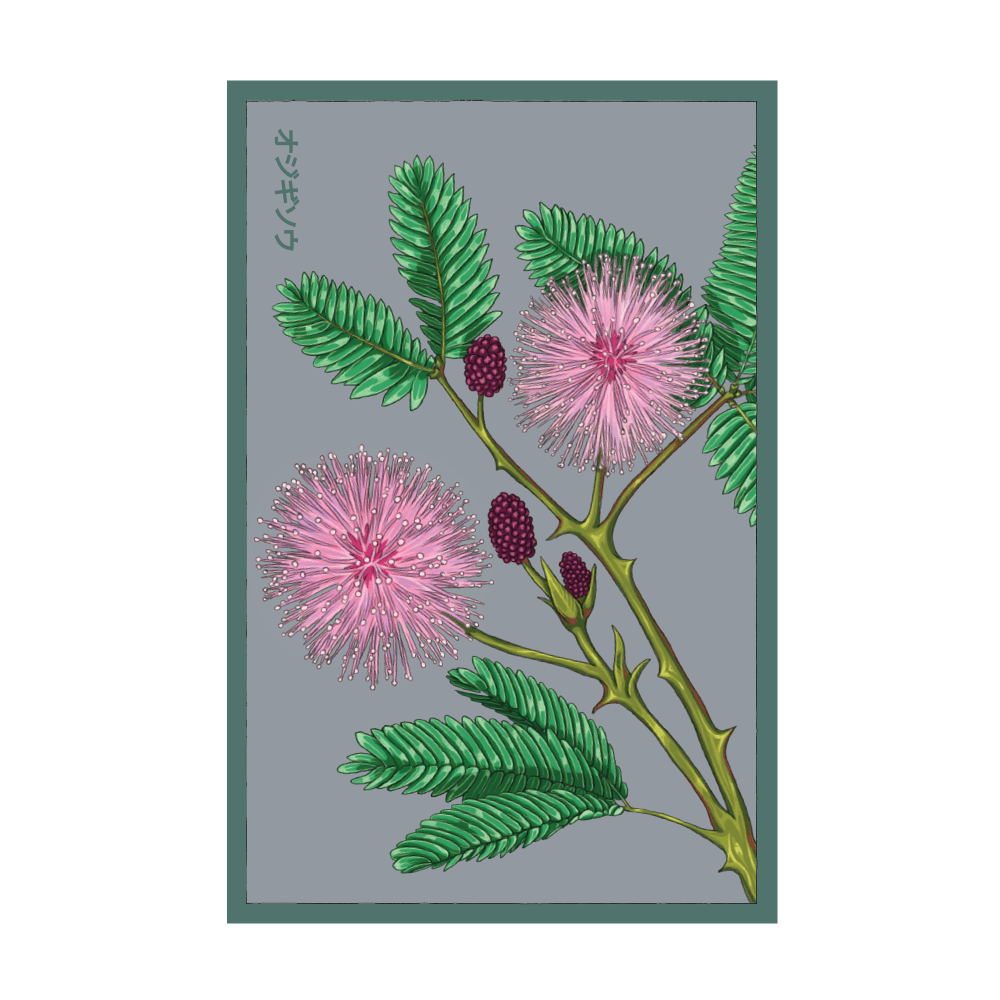
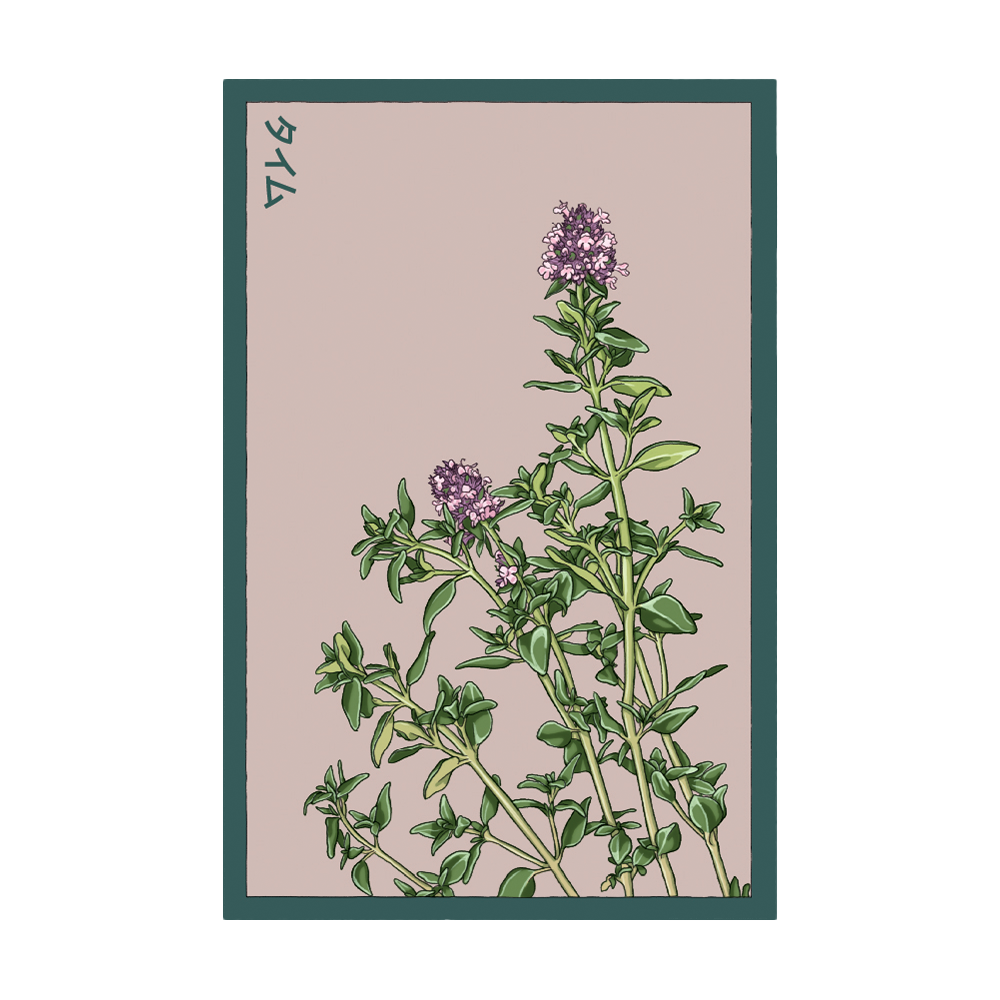
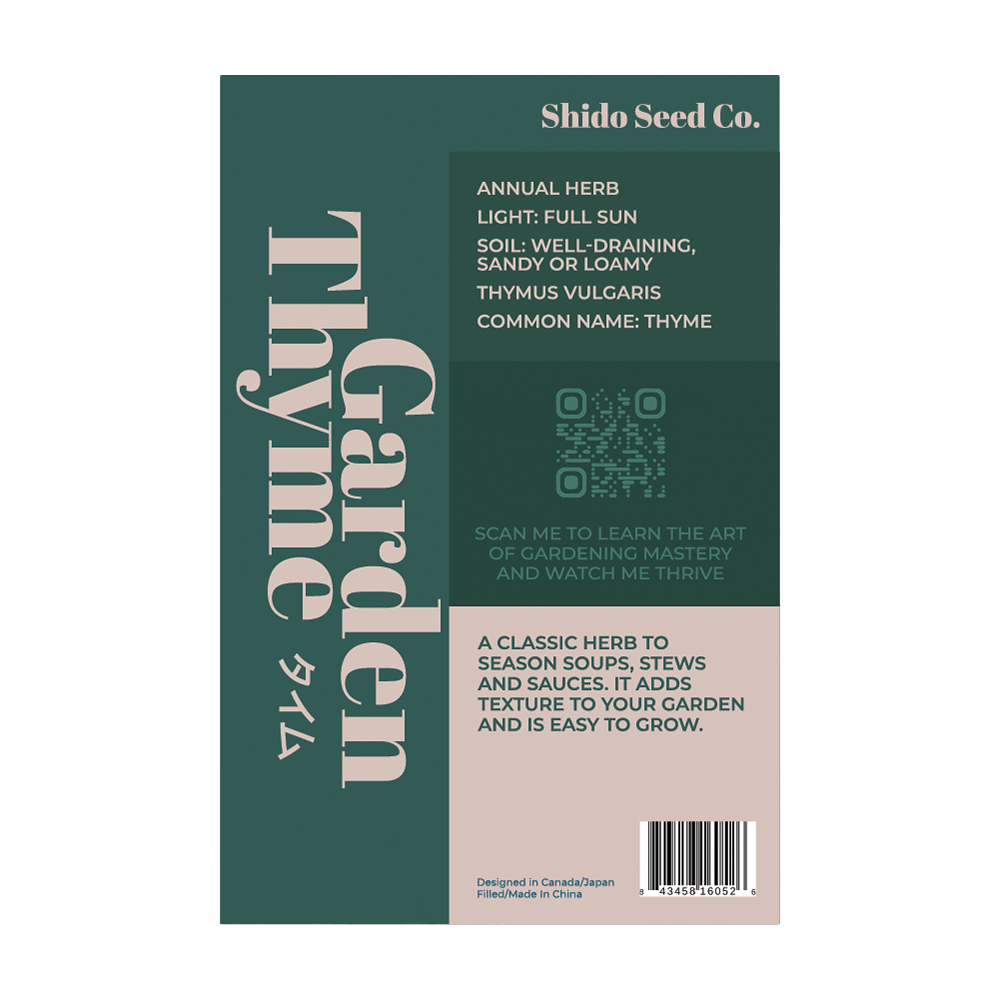
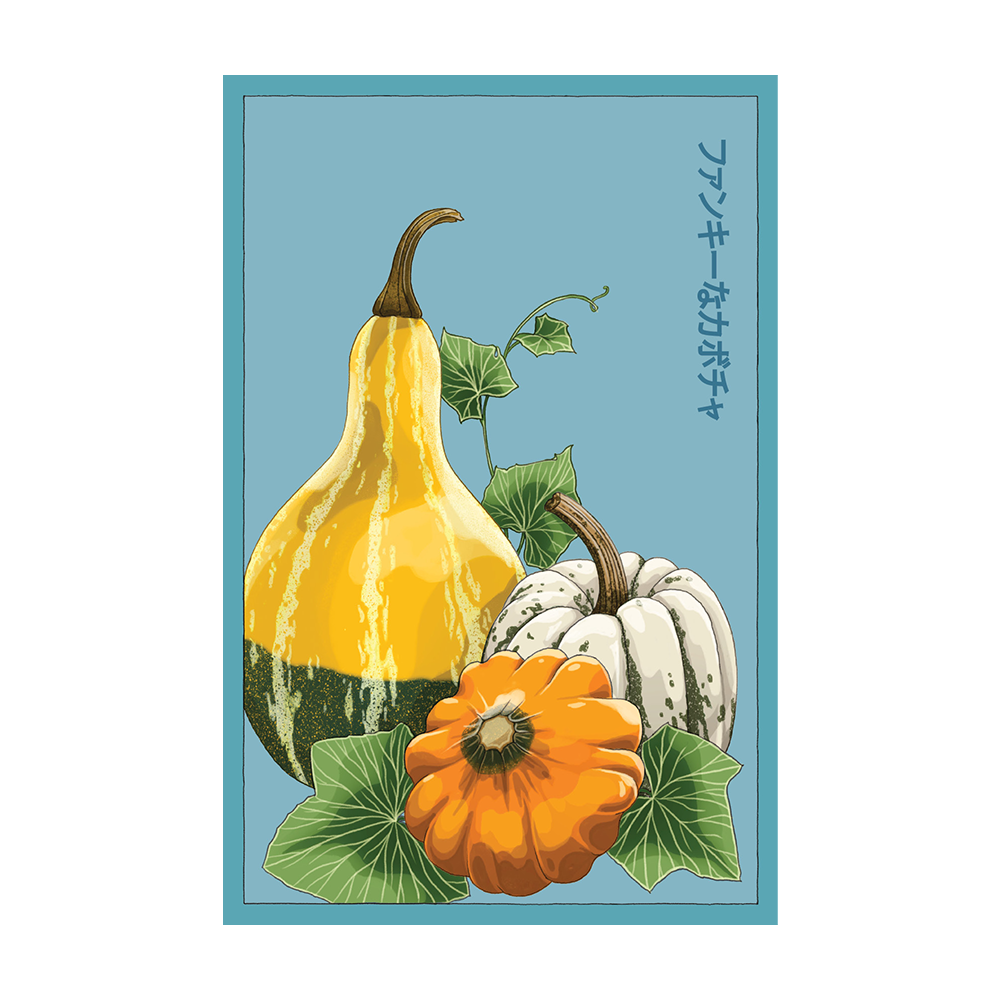
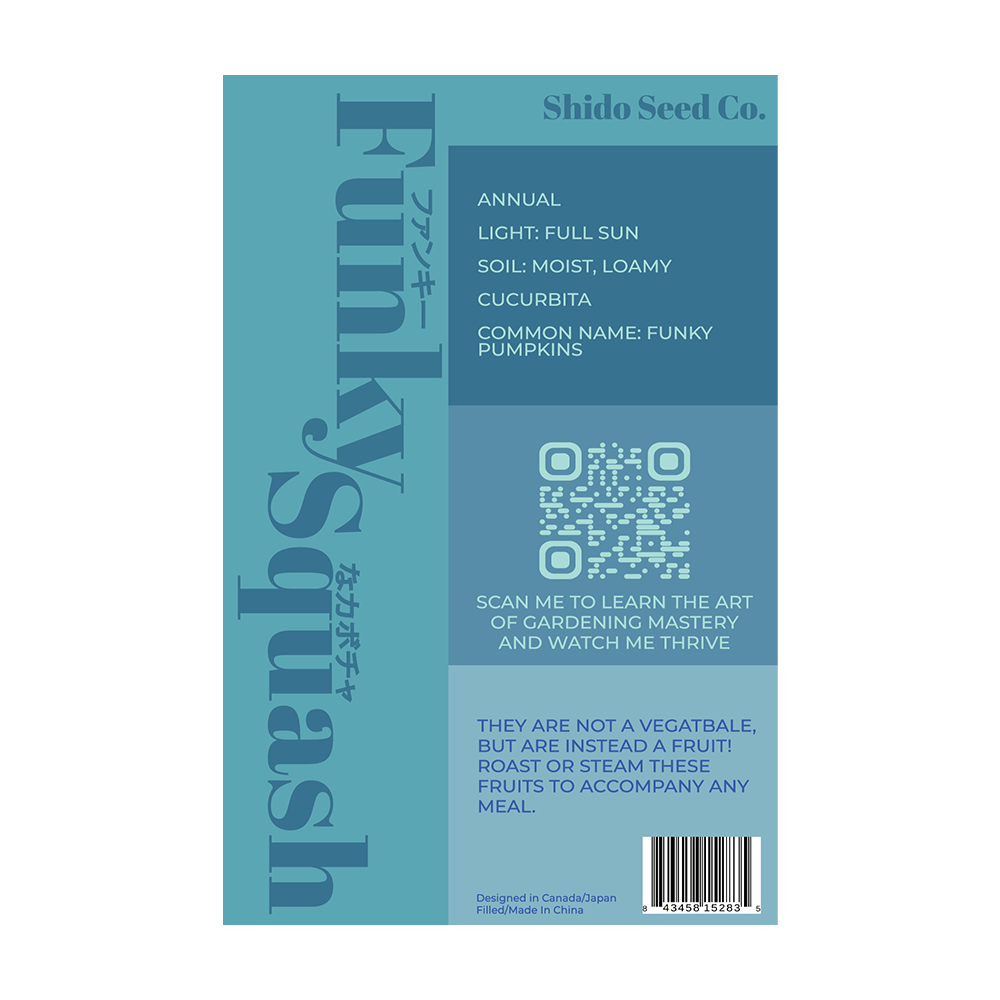
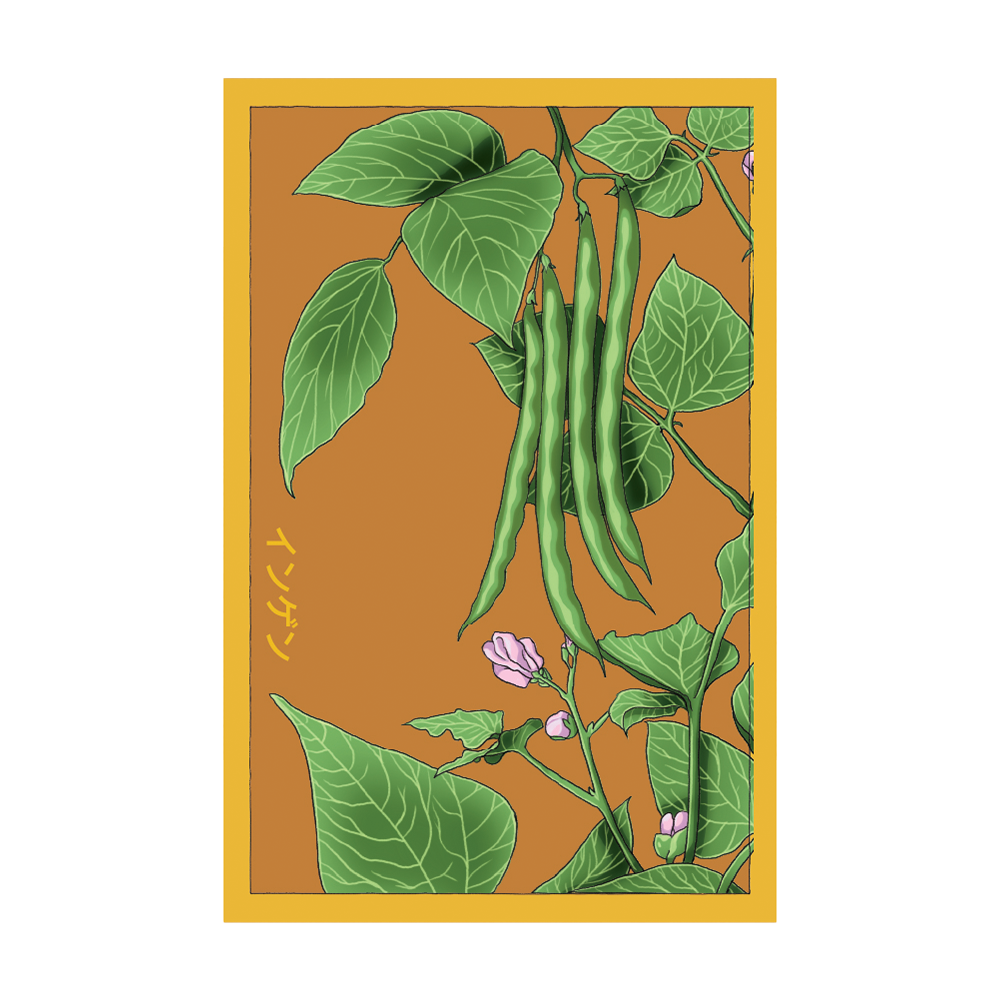
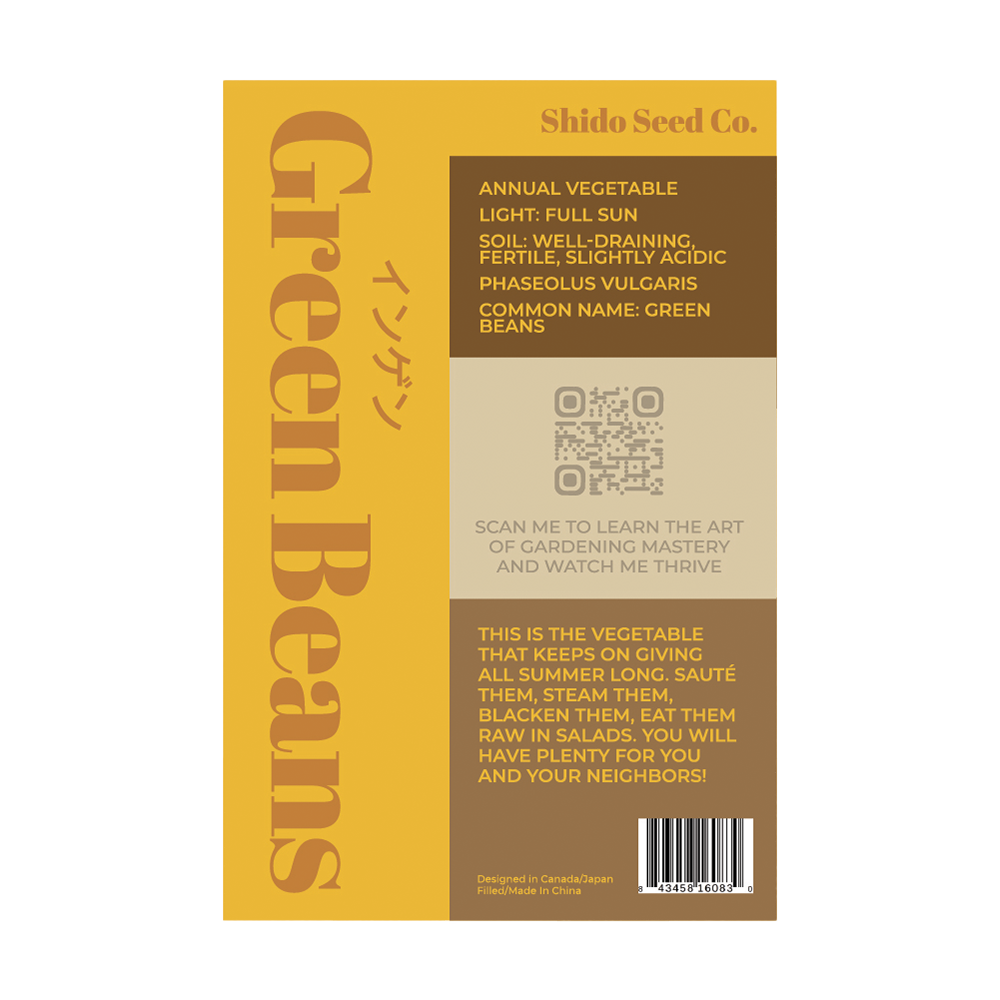
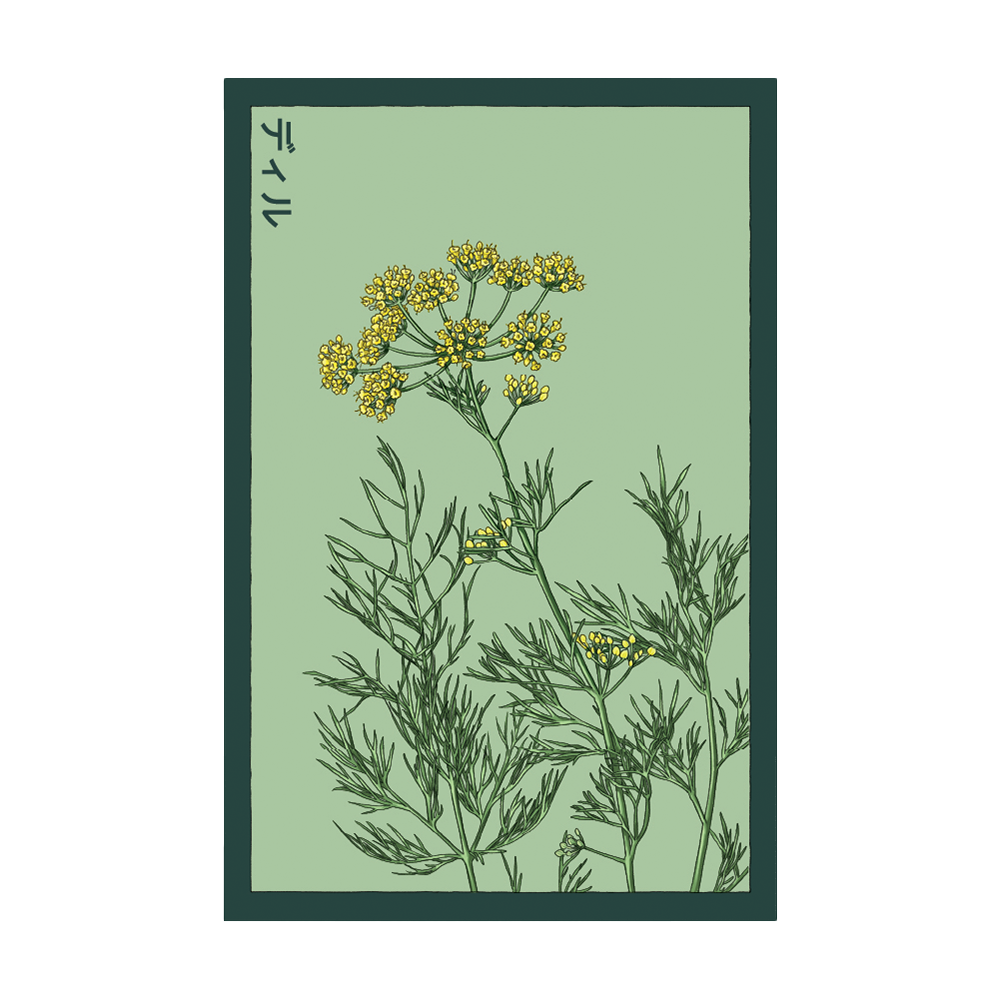
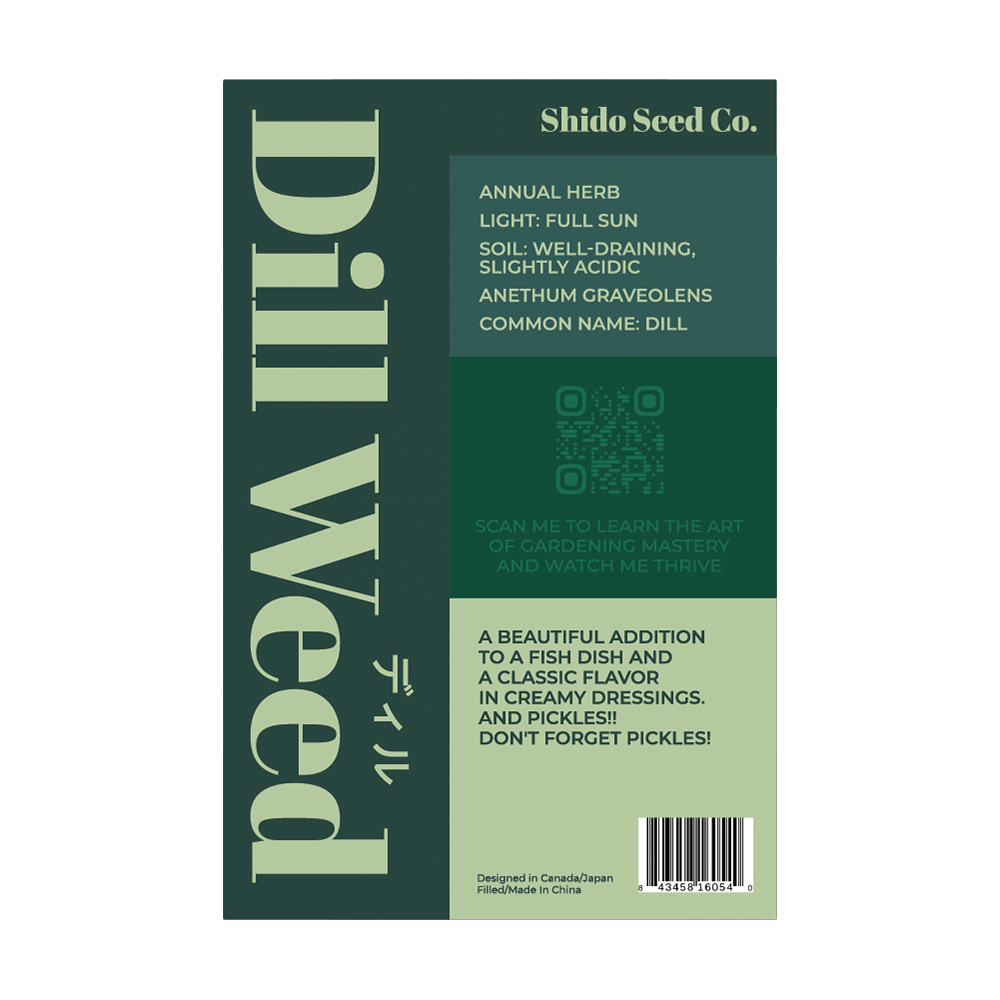
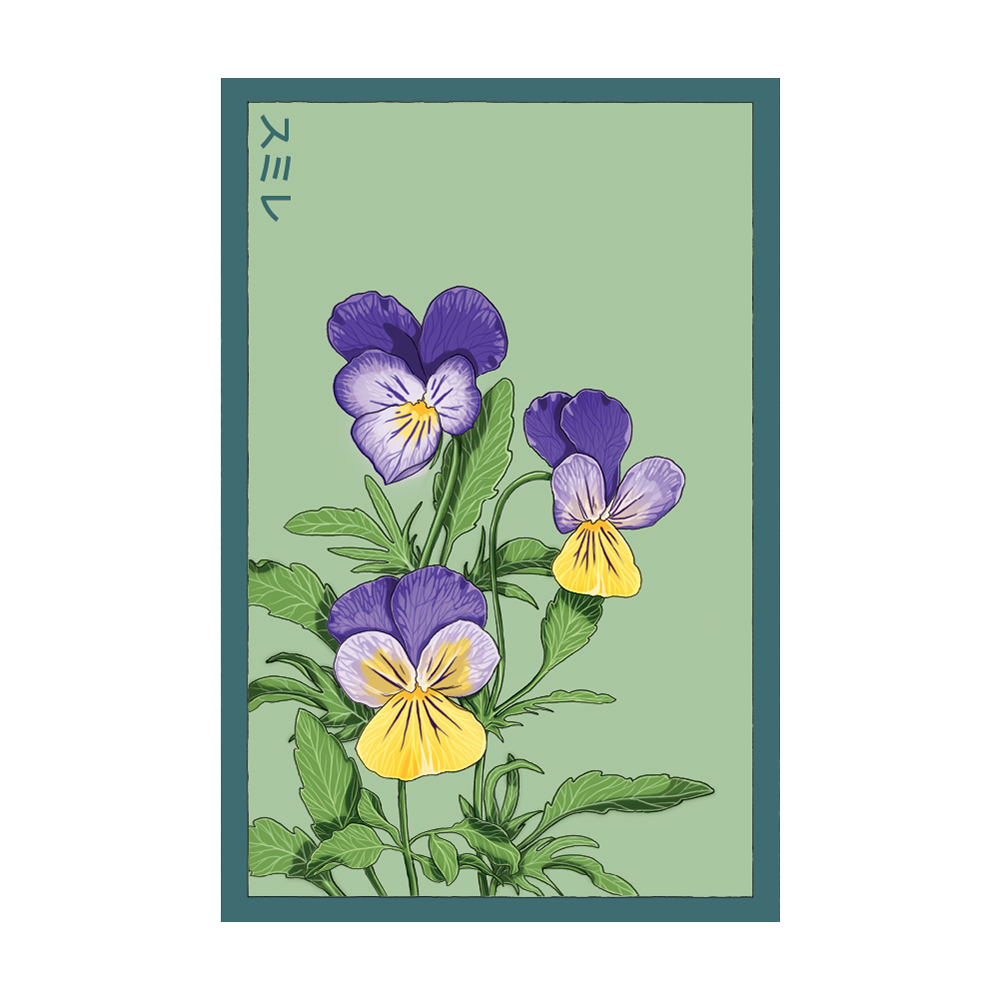
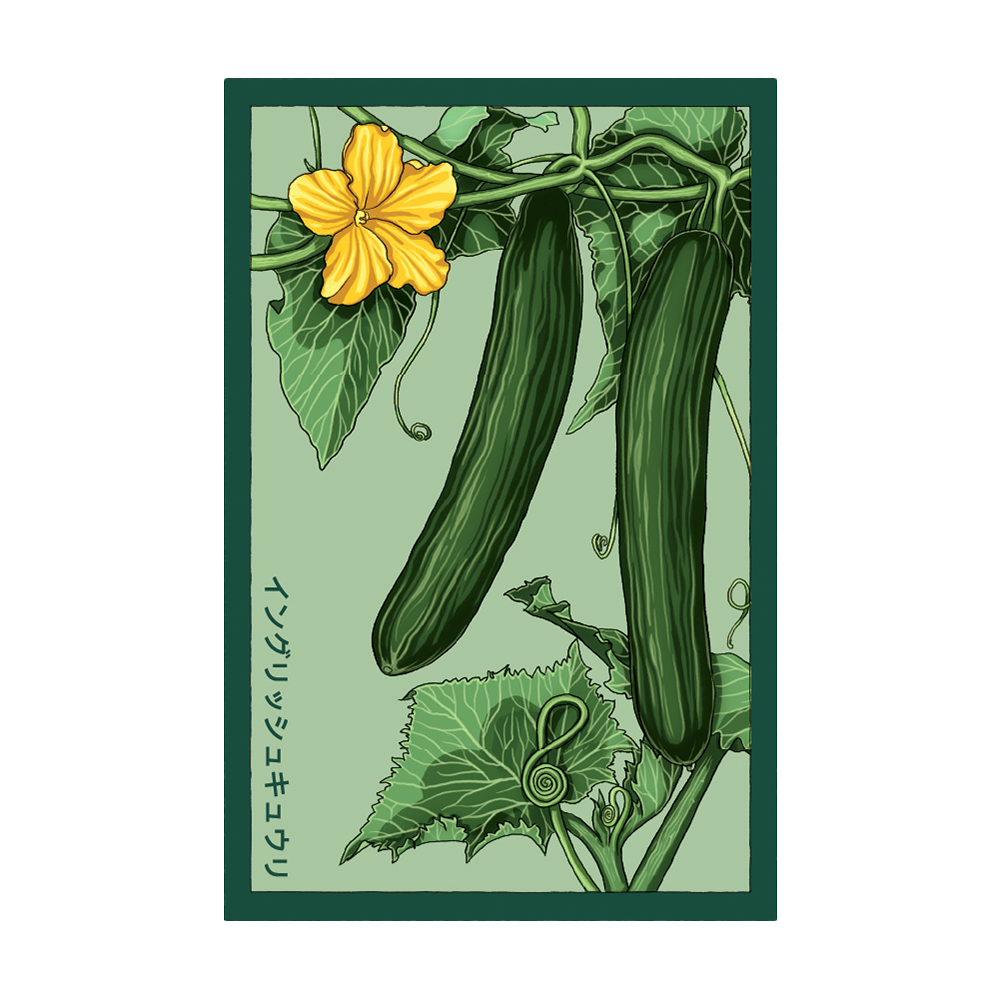
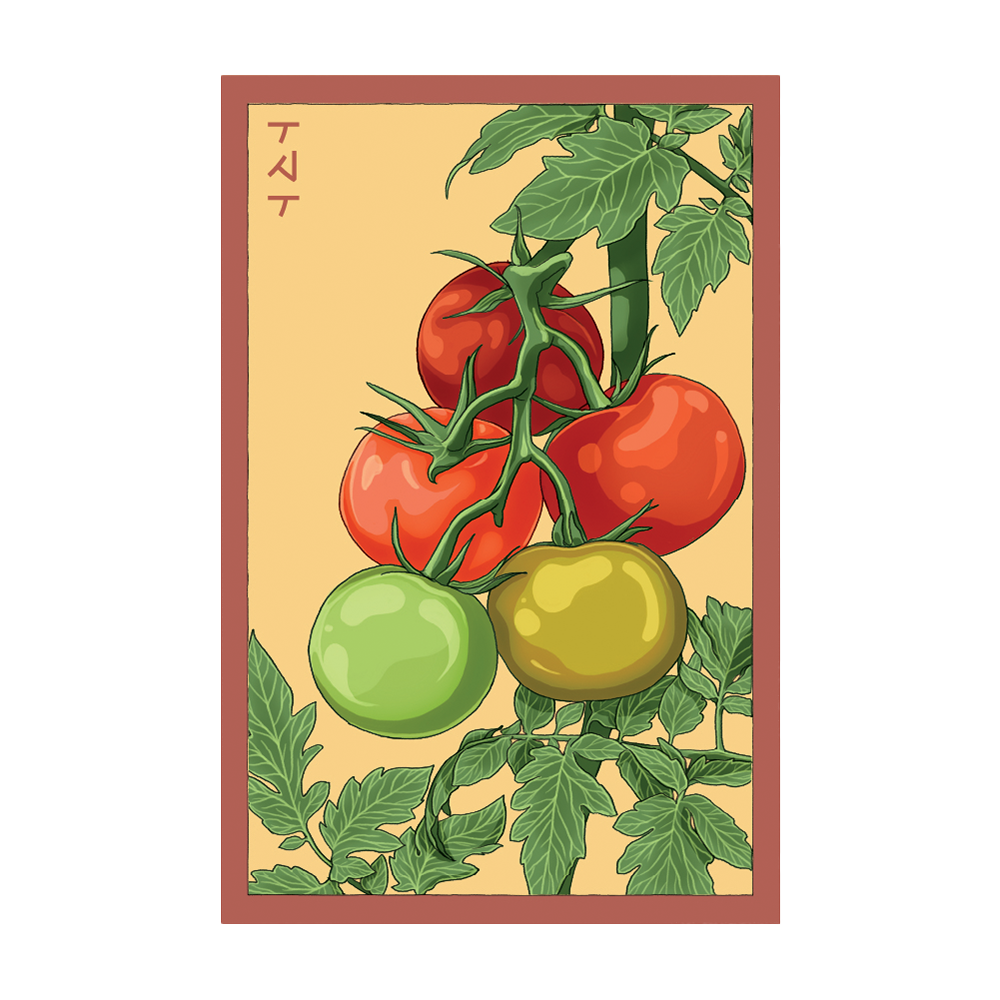
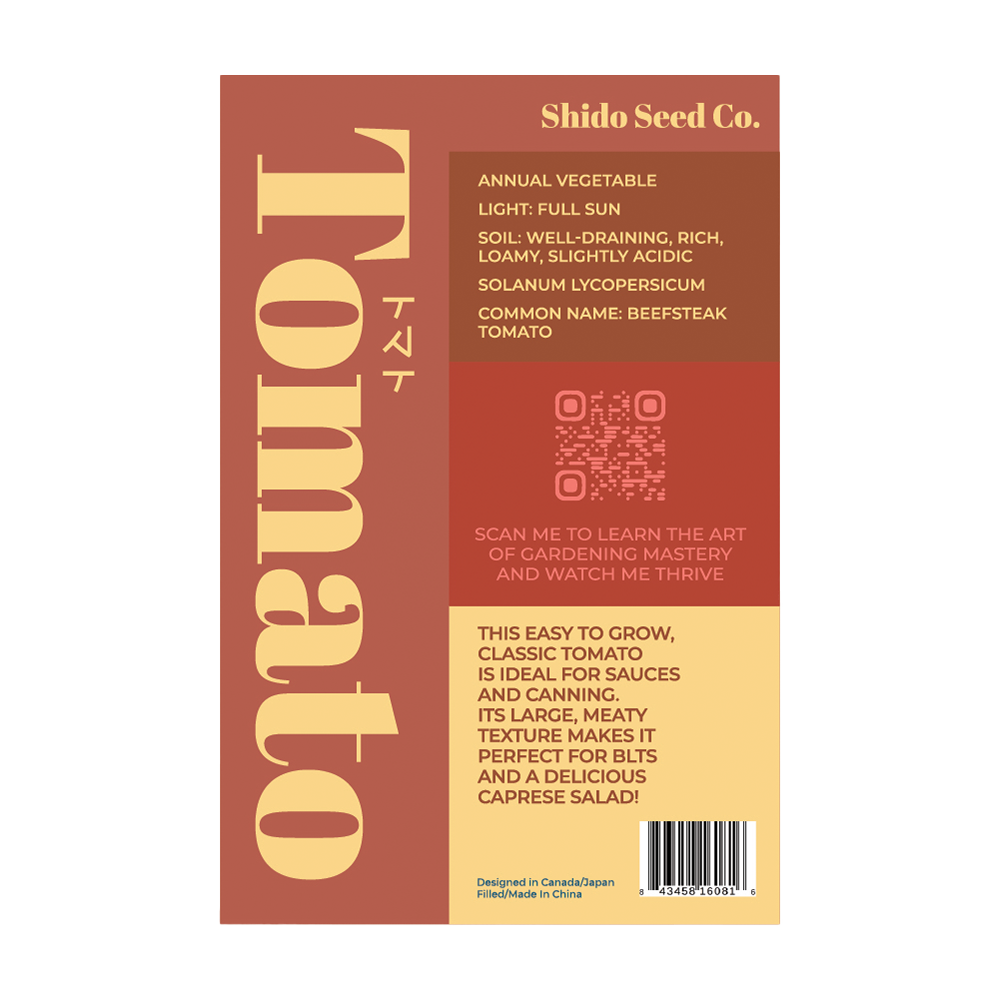
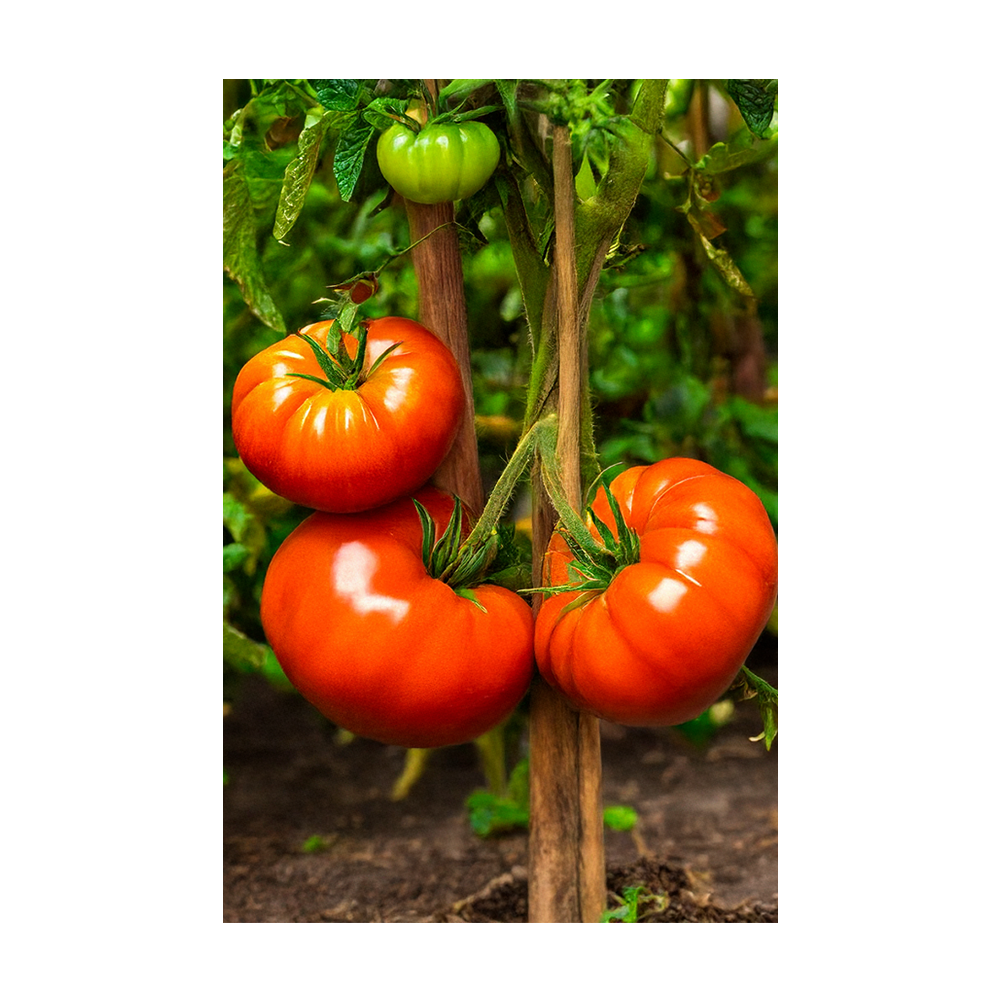
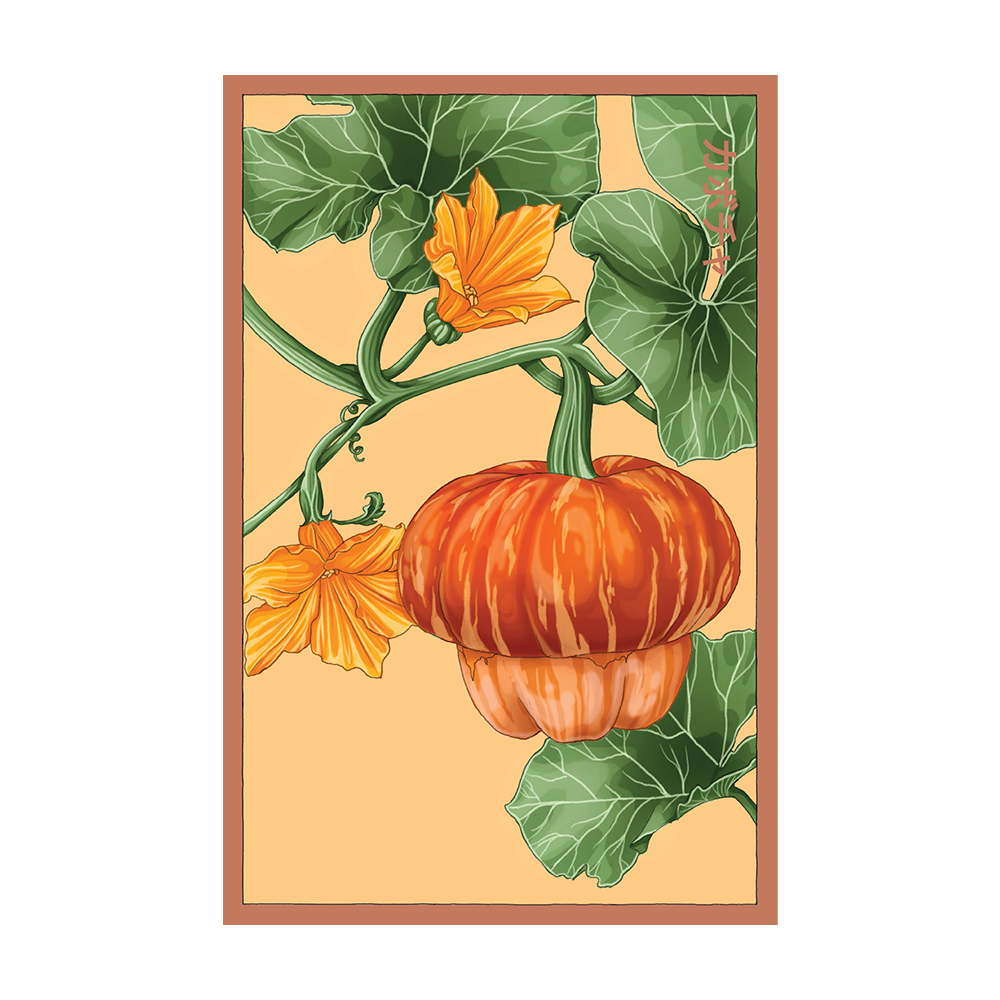
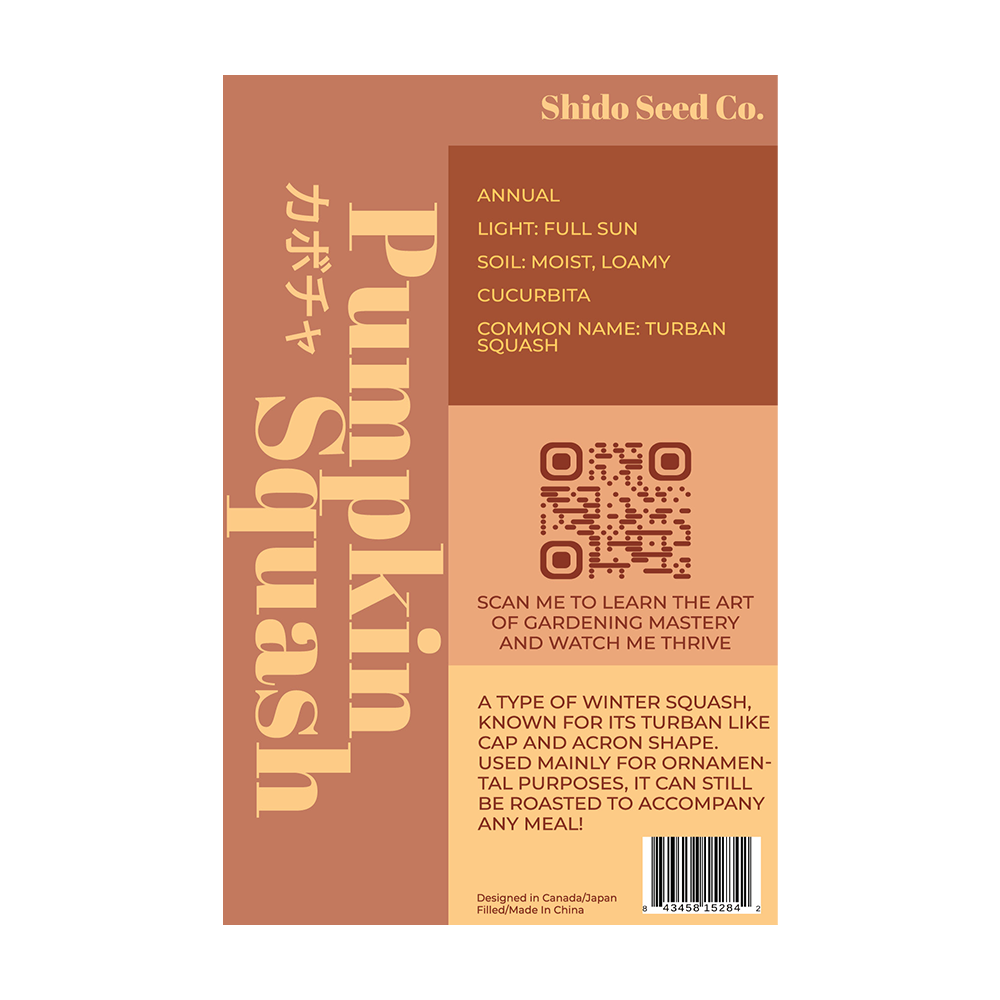
The range covers flowers, vegetables and herbs — every one of them non-GMO and germination-tested at independent third-party labs before it is approved for packaging. Each packet is illustrated in the style of 1910s Japanese woodblock printing, drawn in-house at the studio, which is why customers collect them as a series. That was not the original plan. The seeds were. Everything here is priced in CAD and ships across Canada from our Toronto studio; pick-up at 702 Queen Street West is available during shop hours.

Do seeds expire

Seeds do expire — but the packet decides when. In a standard paper envelope, most seeds lose meaningful germination within a year or two as oxygen and moisture break down their stored energy. In a hermetic vacuum seal, the same seed holds near-full viability far longer: each Shido packet carries a printed three-year viability date, and the engineering suggests well beyond. The expiry question is really a packaging question, and Shido answered it with a seal.

How long do seeds last

How long seeds last depends almost entirely on storage: cool, dry, and airless keeps a seed dormant; warm, humid, and oxygen-exposed wakes its chemistry early and wastes it. Paper packets surrender to their environment. A vacuum seal removes the environment from the equation. Store any Shido packet in a drawer at room temperature and the seal does the work a refrigerator and a mason jar do for everyone else — no ritual required, no viability chart taped inside the cupboard door.

Shido Seeds is the seed line of Chive Studio, the Toronto design house founded in 2004, and it carries the house’s exhibition record with it — exhibiting at the RHS Chelsea Flower Show since 2013; twice awarded the 5-star booth award — only two are given each year. The line is wholesaled to thousands of shops worldwide, and every packet prints a three-year viability date where any buyer can check it against the seal. Ships across Canada from our Toronto studio.

Reviewed by Todd Newgren, co-founder · Updated October 2026

Seed Packets FAQs

What types of Shido seeds are available to shop?

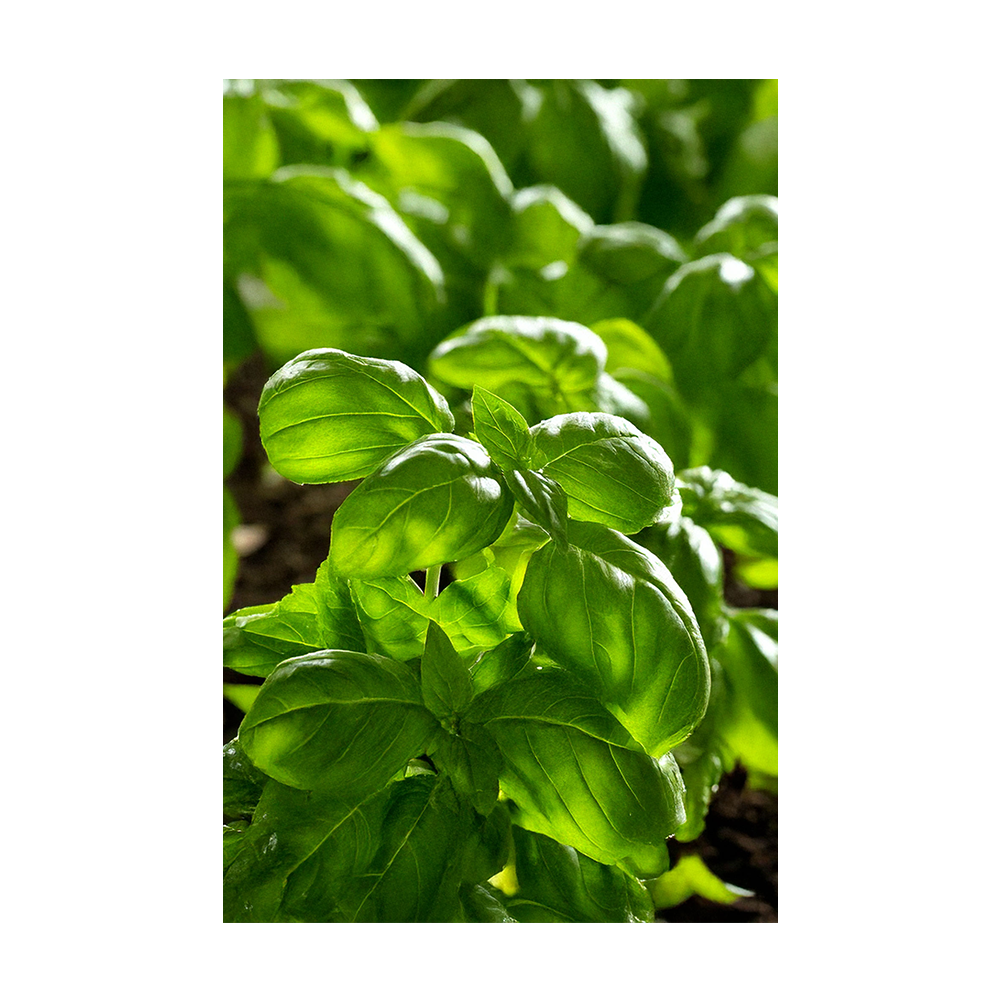
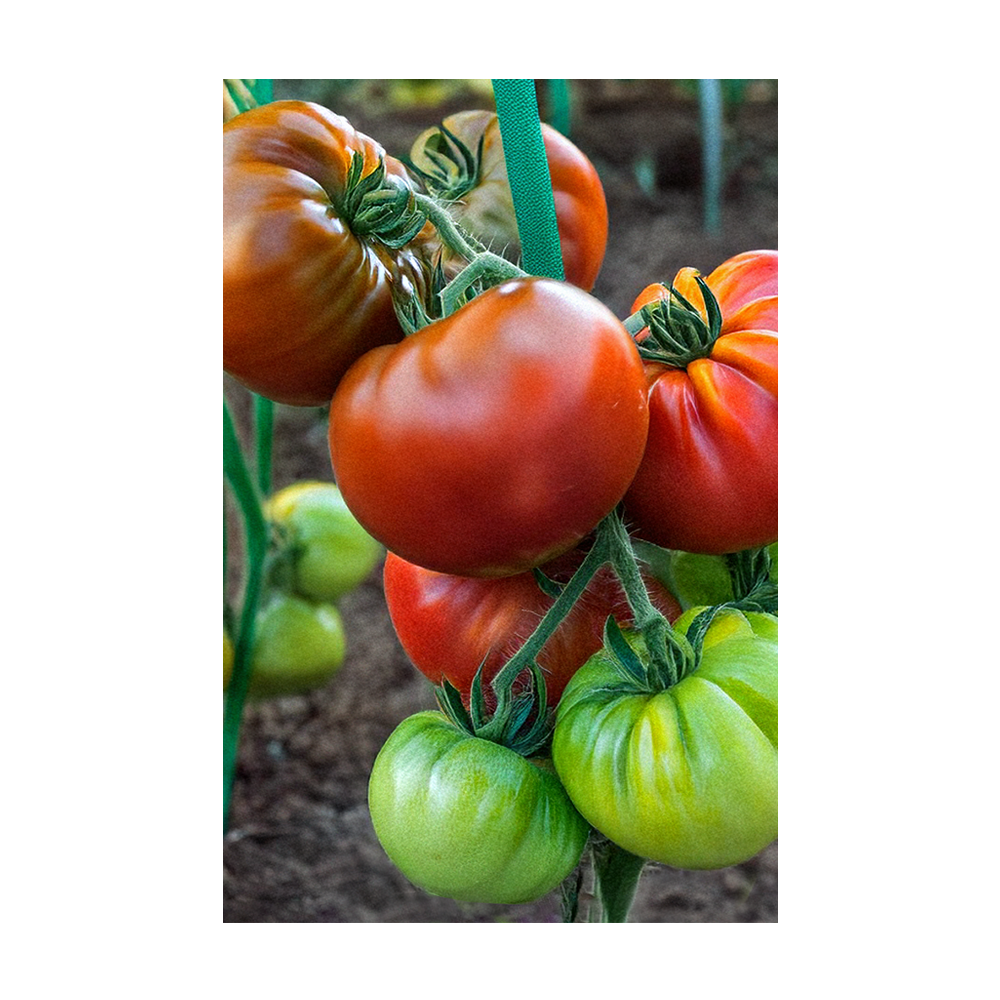
Flowers, vegetables and herbs, each sold as an individual seed packet, with a handful of houseplant packets in the mix. Every packet is vacuum-sealed, non-GMO, and third-party lab tested for germination before it leaves the building. Browse by category or shop the full range on this page. The selection runs from basil to ranunculus. The packaging does not play favourites.

Why are all Shido Seeds vacuum-sealed before shipping?

Vacuum-sealing removes oxygen and moisture — the two forces that degrade a seed’s stored energy over time. Standard paper seed packets begin losing germination viability within roughly a year. Shido’s hermetic seal extends that window considerably; each packet carries a printed three-year viability date, and the engineering suggests well beyond. The seed performs the same job either way. The envelope is the variable, and Shido settled that argument before the seed went in. 

Are all Shido Seeds varieties genuinely non-GMO?

Every variety in the range qualifies as non-GMO seeds — produced through traditional open pollination and crossing, no genetic engineering anywhere in the line. This applies to heirlooms and F1 hybrids equally, since neither involves laboratory gene transfer, a distinction the consumer-labelling industry has spent the better part of a decade making almost heroically difficult to communicate to a public that was simply trying to buy some seeds and go home. Shido’s contribution to this discourse is a packet that says non-GMO on it and contains seeds that are, in fact, non-GMO. We realise this sounds like a low bar. We invite you to look around and reconsider.

What is the germination rate for Shido Seeds?

Every lot is germination-tested at independent third-party labs before being approved for packaging — seed packets that fail the threshold do not ship. Specific rates vary by variety, since a rosemary seed and a radish seed are solving different biological problems on different timelines. If a packet underperforms once planted, Shido replaces it or refunds it. The test happens before the seal, not after the complaint. That sequence is the whole point.

Do Shido Seed packets include detailed growing instructions?

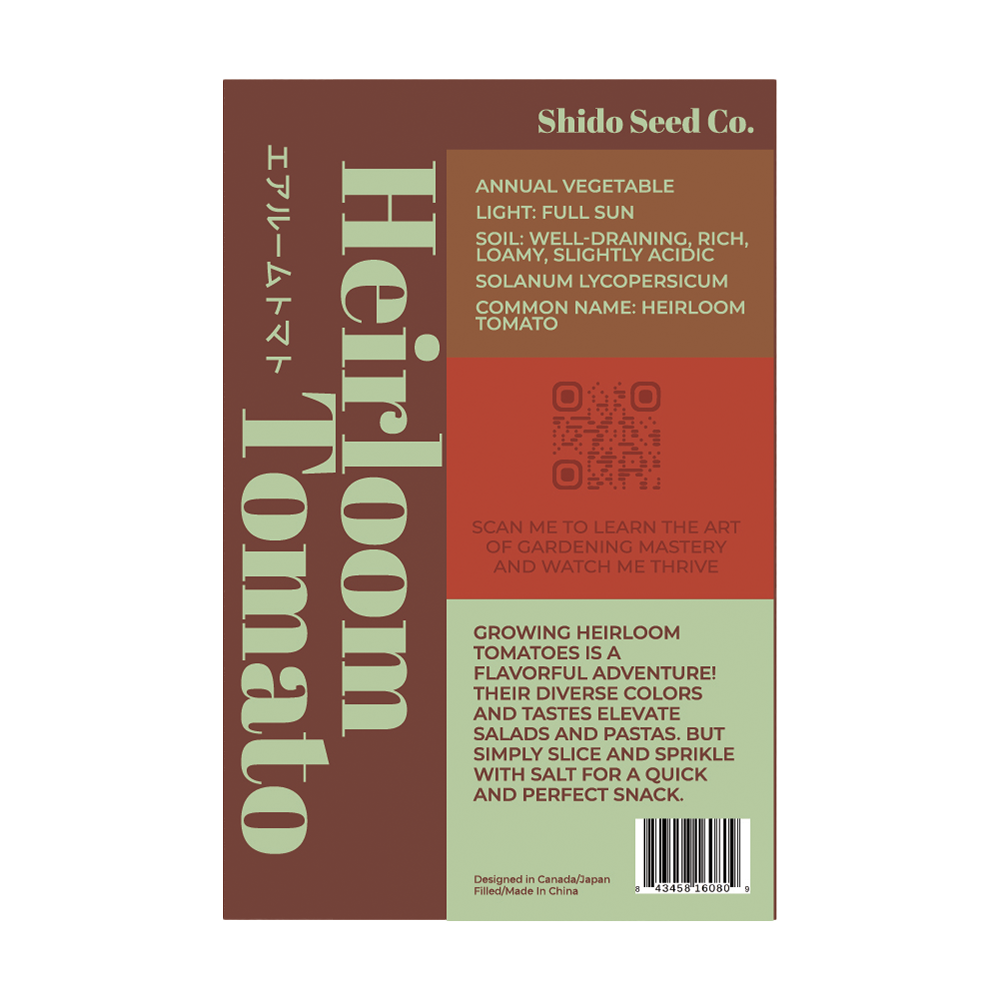
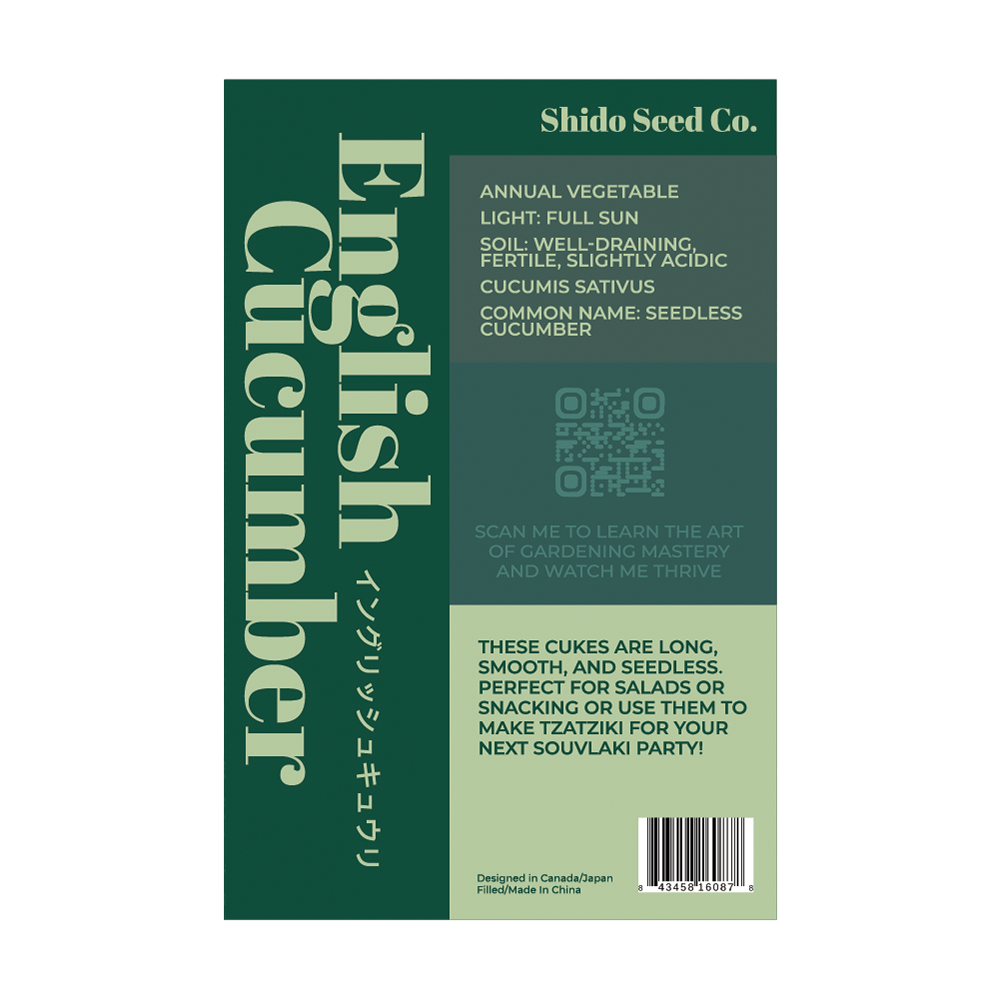
Yes — every packet includes sowing depth, germination temperature, spacing, and care instructions specific to that exact variety, not a generic insert shared across the line. Shido seed packets arrive with enough detail for a beginner to succeed on the first attempt and enough specificity for an experienced grower to skip to the part they did not know. The instructions travel with the seeds. Separating them has never once made anyone’s garden better.

What is the best way to store seeds before planting?

Cool, dry, and sealed — how to store seeds well comes down to keeping oxygen, moisture, and heat away from the embryo’s stored energy. A Shido packet arrives already meeting that standard: the hermetic vacuum seal does the work a mason jar in the refrigerator does for loose seed. Keep unopened packets in a drawer at room temperature. Once a packet is opened, fold it tight and use it within the season for best rates. 

When should you start seeds indoors versus outside?

When to start seeds indoors depends on the variety’s frost tolerance: tender varieties start inside six to eight weeks before the last expected frost, then transplant out; hardy and fast varieties sow directly once the soil warms. Every Shido product page states which approach that variety prefers, with depth and spacing alongside. The calendar is a guideline. The soil temperature is the actual authority, and across most of Canada it runs late. 

Where can I buy Shido seeds in Canada?

Shido seeds are sold in Canada through chive.ca and at the Chive Plant Studio shop at 702 Queen Street West in Toronto. Every packet is priced in CAD, ships across Canada from our Toronto studio, and can be collected in-store during shop hours — order online by 3 pm for same-day pick-up. The vacuum seal means a packet ordered in autumn is the same packet you sow in spring, wherever in the country it lands.

2004 Making ceramics since
200+ Institutions worldwide

RHS Chelsea Flower Show 2 x 5-star booth award — winner
Exhibiting since 2013

About Chive Studio

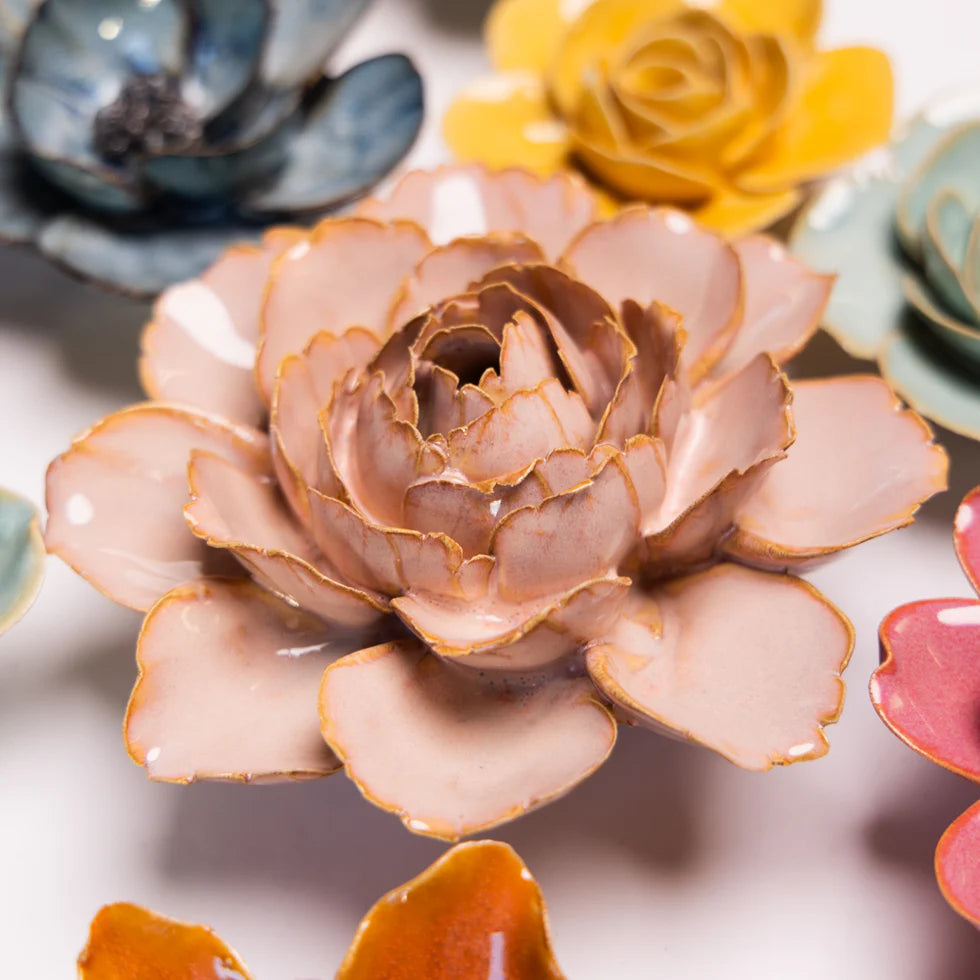
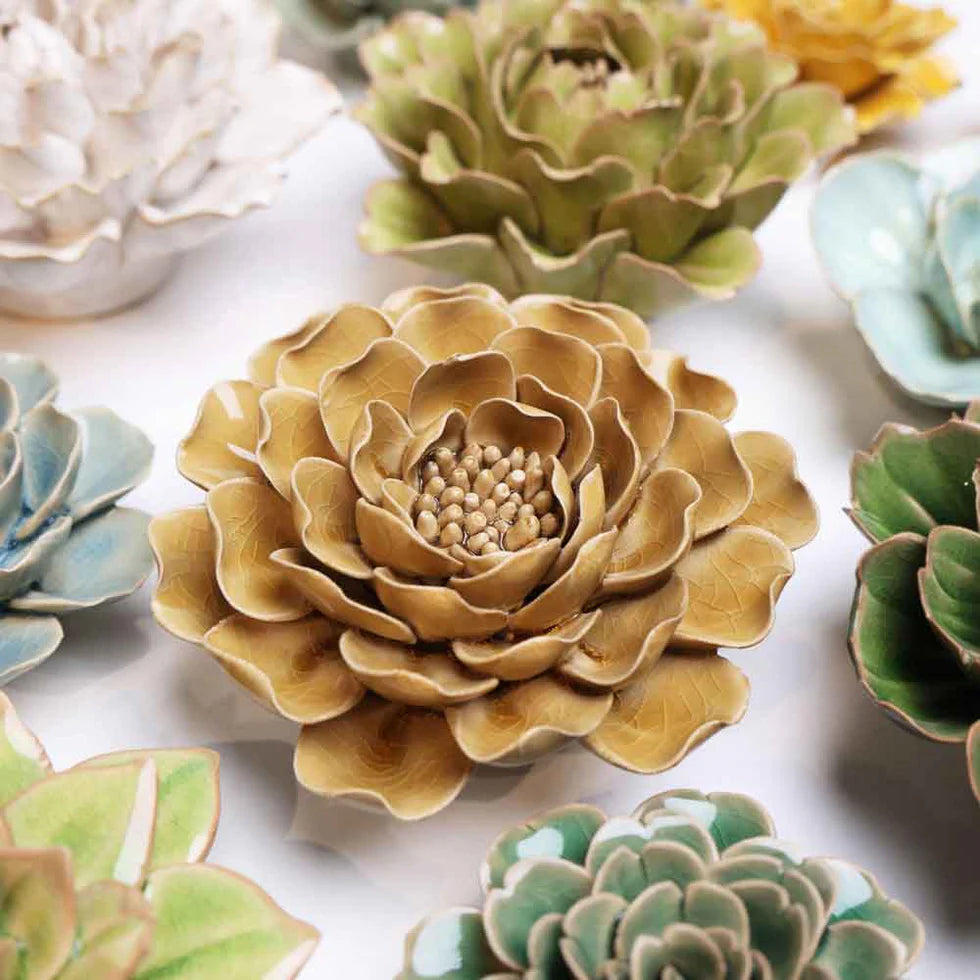
Chive Studio has designed ceramic wall flowers in Toronto since 2004. Shido Seeds is the studio’s seed line — vacuum-sealed, non-GMO, every lot germination-tested before it ships. Browse the range by category: flower seeds, vegetable seeds and herb seeds each have a dedicated collection, and the pots to start them in live under plant pots. Everything ships across Canada from our Toronto studio.

Learn more about Chive Studio →

Chive in the Press →